Need Help? Call Us Now!
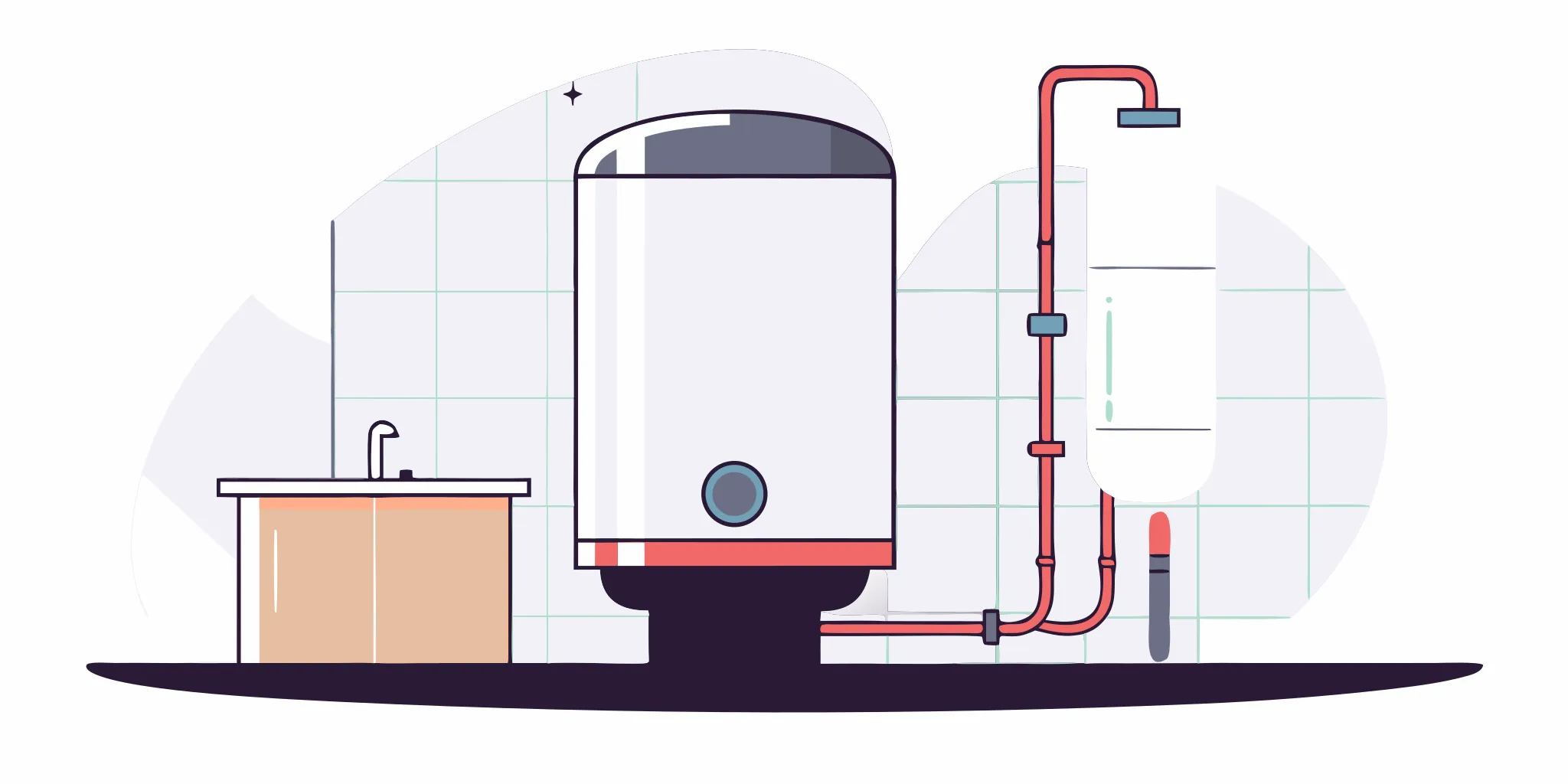
An energy efficient 50 gallon water heater installed in a home utility room.
Back to Blog
InsightsJune 26, 2026

The Complete 50 Gallon Water Heater Guide

Find the best 50 gallon water heater for your home with tips on sizing, energy efficiency, top brands, maintenance, and troubleshooting common issues.

Here on the Space Coast, our water heaters work hard. Between the demands of a busy family and the challenges of our local water, you need a unit that’s both reliable and efficient. From our decades of service, we’ve found that a **50 gallon water heater** is often the ideal solution for households of three to four people. It provides a generous supply of hot water for back-to-back showers and running appliances. In this article, we’ll share our professional insights on choosing the right model, maintaining it for longevity, and knowing when it’s time for a replacement. ## Key Takeaways * **Match the tank to your family's routine**: A 50-gallon unit is perfect for most families of three to four people, giving you enough hot water to handle overlapping showers and chores without running cold. It's a worthwhile upgrade over a 40-gallon tank for a small increase in cost. * **Look for features that save money long-term**: Prioritize models with an ENERGY STAR label and a high Uniform Energy Factor (UEF) to lower your monthly utility bills. A longer warranty (like 10 or 12 years) is also a great indicator of a durable, well-built tank. * **Perform one key maintenance task annually**: The single best thing you can do for your water heater is to flush the tank once a year. This simple step removes mineral buildup, which helps the unit run efficiently, prevents damage, and extends its overall lifespan. ## How a 50-Gallon Water Heater Works Choosing a new water heater can feel like a big decision, but understanding how they operate makes the process much clearer. A 50-gallon water heater is one of the most common sizes for a reason: it hits the sweet spot for many families by holding a generous amount of hot water in its storage tank, ready for you to use at a moment's notice. Unlike models that heat water on the fly, this traditional tank-style system focuses on keeping a large supply consistently heated and prepared for everything from morning showers to washing dishes. ### Tank vs. Tankless: What's the Difference? The main difference comes down to storing water versus heating it on demand. A 50-gallon tank heater, as the name suggests, keeps 50 gallons of water hot inside an insulated tank. Most electric models use two heating elements and two thermostats that work in a cycle. When the water temperature drops, an element kicks on to heat it back up, ensuring you have a ready supply. In contrast, a [tankless water heater](https://www.energy.gov/energysaver/tankless-or-demand-type-water-heaters) doesn't store any water at all. It uses powerful gas burners or electric coils to heat water instantly as it flows through the unit. While this means you get endless hot water, its flow rate is limited. A tank heater provides a large volume at once but can eventually run out if you use it all before it has time to recover. ### What Do First-Hour Rating and Recovery Rate Mean? When you see a water heater’s specs, two key terms are the First-Hour Rating (FHR) and the recovery rate. The FHR tells you how many gallons of hot water the unit can deliver in a single hour of heavy use. You might be surprised to learn that a 50-gallon tank can provide much more than 50 gallons in that first hour. For example, some models can deliver over 80 gallons by combining the stored hot water with the new water it heats during that time. The recovery rate is how quickly the heater can bring a full tank of cold water up to temperature. A gas heater typically has a faster recovery rate than an electric one. These numbers are your best guide for matching a heater to your family’s habits and avoiding an unexpected cold shower. ### Gas, Electric, or Propane: Which Fuel Is Right for You? Your home’s existing utilities will be the biggest factor in deciding between fuel types. The most common options are natural gas and electricity. Gas water heaters use a burner at the bottom of the tank to heat the water, while electric models use internal heating elements submerged in the water. If your home doesn't have a natural gas line, propane is another excellent option that functions similarly to natural gas. Generally, gas heaters have a faster recovery rate and can be cheaper to operate month-to-month. Electric water heaters often have a lower upfront purchase price and are simpler to install. When you're ready to decide, our team can help you weigh the installation and operating costs to find the perfect fit for your home and budget. ## Is a 50-Gallon Water Heater Right for Your Home? Choosing the right size water heater feels like a big decision, but it really comes down to balancing your family’s daily needs with the space you have available. A 50-gallon water heater is one of the most popular sizes for a reason, hitting a sweet spot for many households. Before you decide, let’s walk through how to figure out if it’s the perfect match for your home. ### How Much Hot Water Does Your Family Actually Need? The first step is to think about your household’s hot water habits. A 50-gallon tank is generally a great fit for families of three to four people using two or three bathrooms. Think about your morning routine. Do you have multiple people showering back-to-back while the dishwasher is running? This is what we call "peak hour demand," and it’s the most important factor to consider. A 50-gallon unit can typically handle about four adult showers of a moderate length before needing time to recover. If your family is constantly fighting over who gets the last of the hot water, sizing up might be the right move for you. You can also [estimate your usage](https://www.energy.gov/energysaver/sizing-new-water-heater) to get a more precise idea of your needs. ### How a 50-Gallon Unit Stacks Up Against Other Sizes Many homeowners find themselves choosing between a 40-gallon and a 50-gallon tank. While a 40-gallon unit works for smaller families, the cost difference to upgrade to a 50-gallon model is often surprisingly small. For that slight increase in price, you get a significant boost in capacity and flexibility. This means you can handle more simultaneous hot water demands without anyone getting a cold surprise in the shower. Think of it as an investment in your daily comfort. That extra 10 gallons provides a valuable buffer, ensuring there’s always enough hot water to go around, even if you have guests or your family grows in the future. If you're ready to explore your options, our team can provide upfront pricing on a new installation. ### Planning for Space and Installation Before you settle on a 50-gallon model, grab a tape measure. A larger tank requires more physical space, so you’ll need to confirm it fits in your garage, closet, or utility area. Pay attention to both the height and diameter, as these can vary between different brands and fuel types. This is also a great time to consider upgrading your technology. Instead of just replacing your old conventional gas or electric unit, you might look into a high-efficiency hybrid water heater. These models can significantly reduce your energy bills over time, offering a great return on your investment. They do have slightly different space and installation requirements, so it’s always best to consult with a professional. ## What to Look for in a 50-Gallon Water Heater Choosing a new water heater isn't just about getting the right size; it's about finding a model that fits your budget, lifestyle, and long-term goals. Once you’ve decided a 50-gallon unit is the right fit, the next step is to compare the features that matter most. From energy efficiency that saves you money every month to durability features that protect your investment, knowing what to look for can make all the difference. Let’s walk through the key factors to consider so you can feel confident in your choice. ### How to Read Energy Efficiency Ratings (UEF & ENERGY STAR®) Your water heater is one of the biggest energy users in your home, so picking an efficient model can lead to real savings on your utility bills. The easiest way to spot an efficient unit is to look for the blue [ENERGY STAR® certified](https://www.energystar.gov/products/water_heaters) label. These models are guaranteed to meet strict energy performance standards set by the EPA. To dig a little deeper, check the Uniform Energy Factor (UEF) rating. This number, usually between 0.65 and 0.95 for a tank-style heater, tells you how effectively the unit converts energy into hot water. A higher UEF means greater efficiency. For example, some gas models have a UEF of 0.69 or higher, indicating strong performance and lower operating costs over the life of the heater. ### Key Features for a Durable, Long-Lasting Tank A water heater is a significant investment, and you want it to last. The manufacturer's warranty is one of the best indicators of durability. A standard warranty might be six years, but premium models often come with a 10- or 12-year limited warranty for the tank and parts. A longer warranty signals that the manufacturer has built the unit to withstand wear and tear. Also, look for features designed to protect the tank from corrosion, which is the primary cause of failure. A high-quality anode rod is essential, as it sacrifices itself to protect the steel tank. Some models also feature a ceramic tank shield or other protective linings that add an extra layer of defense, extending the unit's lifespan and helping you decide when it's time to [repair or replace](https://www.hotwater.com/info-center/when-to-repair-or-replace.html). ### Are "Smart" Water Heater Features Worth It? Many new water heaters come with "smart" technology, but are the extra features worth the cost? It really depends on your preferences. Smart water heaters connect to your home’s Wi-Fi, allowing you to control and monitor them through a smartphone app. For instance, a [smart electric water heater](https://www.geappliances.com/appliance/GE-50-Gallon-Tall-Electric-Water-Heater-GE50T10BAM) can send you an alert if it detects a leak, which could save you from a major water damage disaster. These apps also let you adjust the temperature remotely, track your energy usage, and even set a vacation mode to save power while you're away. If you love the convenience of a connected home and want more control over your energy consumption, a smart model can be a great choice. If you prefer a simpler, no-frills appliance, you can likely save some money by sticking with a standard model. ### How Much Should You Budget for a New Water Heater? The cost of a new 50-gallon water heater can vary quite a bit. Generally, you can expect the unit itself to cost between $600 and $4,000. The final price depends on several factors, including the fuel type (electric, gas, or propane), the energy efficiency rating, the brand, and any special features like Wi-Fi connectivity. Remember to also factor in the cost of professional installation. While the upfront expense is important, it's also helpful to think about the long-term value. A typical tank water heater has a lifespan of about 8 to 12 years. Investing in a more durable, efficient model might cost more initially but could save you money on repairs and utility bills down the road. For a more detailed breakdown, you can explore what goes into the [cost to replace a water heater](https://www.searshomeservices.com/blog/how-much-does-it-cost-to-replace-a-50-gallon-water-heater). ## Our Top-Rated 50-Gallon Water Heater Brands When you start shopping for a new water heater, the number of brands can feel overwhelming. Over our decades of service here on the Space Coast, we’ve installed and repaired just about every model you can imagine. While many companies make a decent product, a few brands consistently stand out for their reliability, performance, and long-term value. These are the names our technicians trust and frequently recommend to homeowners because we’ve seen firsthand how they hold up against the demands of a busy Florida household. Choosing the right brand is about more than just a name; it’s about investing in a durable appliance that will deliver consistent hot water for years to come. We look for brands with a strong track record, quality components, and solid warranty support. Below, we’ll walk through three of the top brands in the 50-gallon category: A.O. Smith, Bradford White, and Rheem. Each has its own strengths, and understanding them will help you make a confident choice for your home. ### A.O. Smith A.O. Smith is a household name for a reason. They have a long-standing reputation for building solid, dependable water heaters that get the job done. For families, their [50-gallon tall ENERGY STAR® gas water heater](https://www.aosmithatlowes.com/products/water-heaters/gas-water-heaters/g12-fdt5040nvr/) is an excellent option. It’s designed to handle high-demand situations, delivering up to 84 gallons of hot water in the first hour. That means you can run a couple of showers back-to-back without anyone getting stuck with a cold surprise. With a high energy efficiency rating, it also works to keep your monthly utility bills in check. It’s a reliable workhorse that balances performance with efficiency, making it a popular choice for many homeowners. ### Bradford White If you ask a plumber what brand they have in their own home, you’ll often hear them say Bradford White. This brand is widely considered a professional-grade choice and is highly recommended by several plumbers. You typically won’t find these units at a big-box hardware store; they are sold almost exclusively through professional plumbing suppliers. This distribution model helps ensure that the quality of the product remains high and that it’s installed correctly by a licensed professional. For homeowners who prioritize durability and long-term reliability above all else, choosing a Bradford White water heater is a decision that pays off for years. ### Rheem Rheem is another one of the most common water heater brands on the market, and you can find their products in most home improvement stores. When it comes to Rheem, owner experiences can vary. Many homeowners have a perfectly good experience, and the company’s standard warranties provide a solid safety net. However, it’s a common belief among professionals that the models sold through plumbing supply channels are built to a slightly higher standard than those available on retail shelves. If you’re considering a Rheem, it’s a great idea to talk with a professional about sourcing a pro-grade model to ensure you get the best quality and longevity. ## Common 50-Gallon Water Heater Problems (and How to Fix Them) Even the most dependable 50-gallon water heater can run into trouble now and then. Waking up to a cold shower or finding a puddle in your garage is never a good start to the day. The good news is that many common issues have straightforward solutions you can troubleshoot yourself. Knowing what to look for can save you time, money, and a lot of stress. From strange noises coming from the tank to water that just won’t get hot, most problems fall into a few key categories. Understanding the signs your water heater gives you is the first step. For instance, a power failure is a frequent culprit for electric models, while a gas unit might just have an extinguished pilot light. Other issues, like sediment buildup, are particularly common here in Florida due to our hard water. This guide will walk you through the most frequent problems we see with 50-gallon water heaters across the Space Coast. We’ll cover how to identify the issue and what steps you can take to fix it, plus when it’s time to put down the tools and [call a professional](https://www.spacecoastcooling.com/contact/). ### No Hot Water or Inconsistent Temperatures This is easily the most frustrating water heater problem. If you have an electric model, the first thing you should always do is check your home’s circuit breaker. A tripped breaker is a common cause of a sudden power failure to the unit. For a gas water heater, you’ll want to check that the pilot light is still lit. If it’s out, follow the manufacturer’s instructions on the tank to relight it safely. Also, confirm that the gas valve on the heater and the main gas line to your house are both in the "on" position. If these simple checks don’t solve the problem, the issue could be a faulty thermostat or a broken heating element, which typically requires a professional diagnosis. ### Dealing with Sediment: How to Flush Your Tank Do you hear a popping, rumbling, or crackling sound coming from your water heater tank? That’s usually a sign of sediment buildup. Over time, minerals from our local water supply settle at the bottom of the tank. When the burners or heating elements turn on, they heat the water trapped under this layer of sediment, causing it to boil and make those strange noises. This buildup makes your heater less efficient and can lead to premature failure. The solution is to flush the tank every six to twelve months. This process drains the tank and clears out the accumulated minerals, helping it run quietly and effectively for years to come. ### Why Is My Water Rusty or Smelly? If brown or rusty water is coming from your hot water taps, it’s a strong indicator of corrosion inside your tank. Your water heater has a component called an anode rod, which is designed to corrode instead of the tank lining. Once the anode rod is depleted, the tank itself begins to rust. A rotten egg smell is another red flag, often caused by a reaction between bacteria in the water and the anode rod. While flushing the tank might help temporarily, these symptoms usually point to a bigger problem. An inspection can determine if simply replacing the anode rod will fix it or if the tank itself is compromised. ### What to Do About Leaks and Pressure Valve Issues A puddle around your water heater demands immediate attention. First, identify the source of the leak. If water is dripping from the temperature and pressure (T\&P) relief valve, it could mean the pressure inside the tank is too high. However, if you see water pooling at the base of the unit, the tank itself has likely failed. A leaking tank cannot be repaired and is a serious issue. For your safety, turn off the power at the circuit breaker (for electric) or shut off the gas supply (for gas). Then, turn off the cold water supply valve to the heater and call for [emergency plumbing service](https://www.spacecoastcooling.com/plumbing/) right away. ### Your Essential Water Heater Maintenance Checklist The best way to handle water heater problems is to prevent them from happening in the first place. A little proactive care goes a long way in extending the life of your unit and keeping it running efficiently. We recommend performing a few checks annually. Test the T\&P valve to make sure it opens and closes properly, inspect the anode rod for corrosion, and flush the tank to clear out sediment. This simple [water heater maintenance](https://www.portland.gov/water/drinking-water-quality/troubleshooting-drinking-water-quality-home/water-heater-maintenance) can help you catch small issues before they turn into major, expensive headaches, ensuring you have reliable hot water when you need it. ### Repair or Replace: How to Make the Call It can be tough to decide whether to repair a faulty water heater or invest in a new one. A good rule of thumb is to consider its age. If your water heater is more than 10 years old and requires frequent repairs, replacement is often the more cost-effective choice. A significant leak around the base of the tank is another clear sign that it’s time for a new unit. While a simple repair might fix a minor issue on a newer heater, putting money into an aging, inefficient model is rarely a good investment. An honest [professional assessment](https://www.hotwater.com/info-center/when-to-repair-or-replace.html) can help you weigh the costs and make the right call for your home and budget. ## Related Articles * [Yellow Hot Water? Causes & How to Fix It](https://www.spacecoastcooling.com/blog/yellow-hot-water-fix/) * [Can a Water Heater Cause Low Water Pressure in Your Home?](https://spacecoastcooling.com/can-a-water-heater-cause-low-water-pressure/) * [Expert Water Heater Installation & Replacement Cocoa, FL](https://spacecoastcooling.com/plumbing-services/water-heater-installation-replacement/) * [Professional Water Heater Repair Cocoa, FL](https://spacecoastcooling.com/plumbing-services/water-heater-repair/) ## [Frequently Asked Questions](https://spacecoastcooling.com/faq/) **How can I tell if a 50-gallon tank is the right size for my family?** A 50-gallon water heater is typically a great match for households with three to four people. The best way to know for sure is to think about your busiest moments. If you often have two showers running at the same time or someone is showering while the dishwasher is on, a 50-gallon tank provides the capacity to handle that overlap. If you find your family is constantly running out of hot water with a smaller tank, upgrading to a 50-gallon model is a smart move. **What's the most important factor when choosing between a gas and an electric model?** Your home’s existing utility connections are the biggest factor, as it’s much simpler to install a heater that uses the fuel source you already have. Beyond that, the main difference is cost. Gas heaters usually cost less to operate each month but may have a higher purchase price. Electric heaters are often less expensive to buy and install but can lead to higher monthly energy bills. **How long should a new 50-gallon water heater last?** You can generally expect a new tank-style water heater to last between 8 and 12 years. The actual lifespan depends heavily on the quality of the unit, your local water conditions, and how well you maintain it. Performing simple annual maintenance, like flushing the tank to remove mineral buildup, is the best way to help your water heater reach and even exceed that average lifespan. **My water heater is making a popping noise. Is that serious?** Those popping or rumbling sounds are almost always a sign of sediment buildup at the bottom of your tank. While it isn't an immediate crisis, it is a problem you should address. The sediment forces your heater to work harder, which wastes energy and can shorten its life. Flushing the tank will clear out the minerals and stop the noise, helping your unit run more efficiently. **Is it worth paying more for a model with a longer warranty?** Yes, it usually is. A longer warranty, such as 10 or 12 years instead of the standard 6, is a strong signal from the manufacturer about the unit's quality. It means they likely used more durable components, like a thicker tank lining or a better anode rod, to build it. So, you are not just paying for a better guarantee; you are investing in a more robust appliance that is built to last longer.
Available 24/7

Call the Experts that Local Homeowners Rely On

When you need home services, you want answers you can trust and work you can count on. Space Coast Cooling & Plumbing is the plumbing and HVAC company in Cocoa, FL, that brings decades of local experience, licensed professionals, and customer-first service to every job. One call connects you with a team ready to help.

Licensed & InsuredServing Cocoa Since 1994Honest, Upfront PricingSame-Day Service Available