Need Help? Call Us Now!
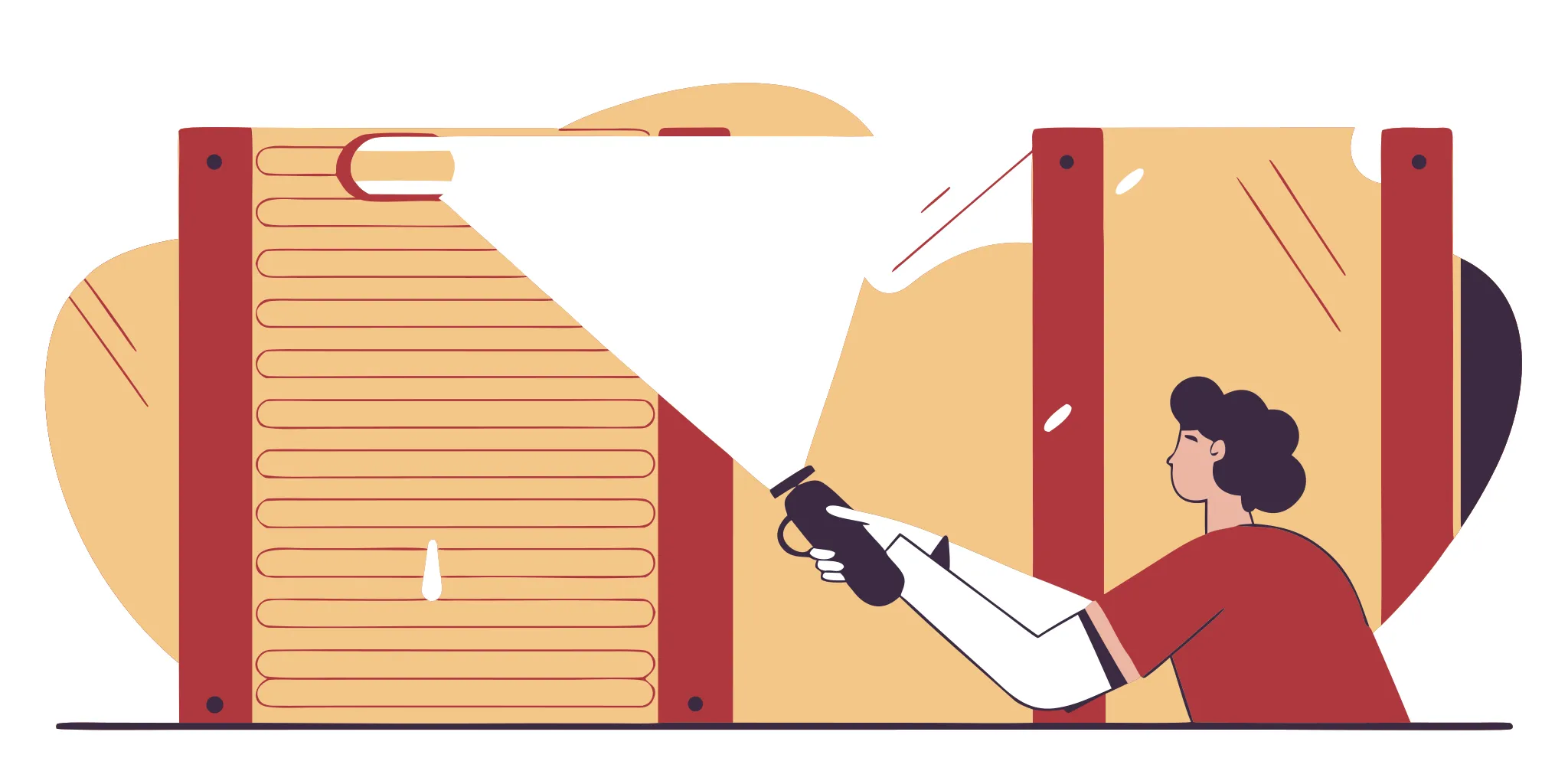
Person inspecting an AC coil with a flashlight to determine the repair or replacement cost.
Back to Blog
InsightsJuly 7, 2026

AC Coil Repair Cost: Should You Repair or Replace?

Get clear answers on AC coil repair cost, common warning signs, and how to decide if you should repair or replace your air conditioning system.

Let’s be honest: no homeowner wants to hear their air conditioner needs a major repair. The first question that often comes to mind is, "How much will this cost?" The `ac coil repair cost` can vary significantly, and understanding the factors involved is key to avoiding surprises. Your system’s age, warranty status, and the specific type of coil all play a role in the final bill. We believe in giving you clear, honest answers. This article will break down the numbers, explain what goes into the pricing, and help you make an informed choice for your home and budget. ## Key Takeaways * **Know the Symptoms of Coil Failure**: Pay attention to your AC's performance. Warm air from vents, visible ice on the unit, hissing sounds, or a sudden spike in your energy bill are all clear signals that a coil may be in trouble and needs a professional inspection. * **Weigh Repair vs. Replacement Carefully**: A repair makes sense for newer systems still under warranty. However, if your AC is over ten years old, investing in a full replacement is often the smarter financial choice for long-term efficiency and reliability. * **[Focus on Proactive Maintenance](https://spacecoastcooling.com/are-hvac-maintenance-plans-worth-it/)**: Simple actions can prevent most major coil problems. Changing your air filter monthly, keeping the outdoor unit clear of debris, and scheduling an annual tune-up are the best ways to protect your system and avoid costly repairs. ## What Does an AC Coil Actually Do? Think of your air conditioner not as a machine that creates cold, but as one that moves heat. Its main job is to grab the unwanted warmth from inside your house and dump it outside, leaving you with cool, comfortable air. The components doing all this heavy lifting are the AC coils. These coils are a winding network of copper or aluminum tubes where a special fluid, called refrigerant, cycles through to absorb and release heat in a continuous loop. This heat exchange is the core principle of how an air conditioning system operates. Without healthy, clean coils, this whole process breaks down. That’s why a problem with a coil, whether it’s a tiny leak or just a thick layer of grime, can bring your entire cooling system to a halt on a hot Florida day. Your system has two types of coils that work as a team to keep you comfortable: the evaporator coil and the condenser coil. Each has a distinct job, and if one isn't working right, the other can't perform effectively either. Understanding what each one does will help you follow along when your technician explains the issue and allow you to make smarter decisions about repairs. ### Evaporator vs. Condenser Coils The evaporator coil lives inside your home, tucked away within your indoor air handler or furnace. Its job is to absorb heat from your home’s air. As your system pulls warm indoor air in, a fan blows it across the cold evaporator coil. The refrigerant inside the coil absorbs the heat, much like a cold glass of iced tea absorbs warmth from the air around it. This process not only cools the air but also removes humidity, which is why your home feels less sticky. The now-cool air is then circulated back into your rooms. The condenser coil is located in your outdoor AC unit. Its function is the exact opposite of the evaporator coil: it releases all the heat that was just collected from inside your house. After the refrigerant absorbs heat in the evaporator coil, it travels to the outdoor condenser coil. A large fan in the outdoor unit blows air over the coil, helping to release the captured heat into the outside air. This is why you can feel warm air blowing from your outdoor unit when it's running. Once the heat is released, the cooled refrigerant cycles back inside to start the process all over again. ## 4 Warning Signs Your AC Coil Is in Trouble Your air conditioner rarely fails without giving you a few hints first. When a coil starts to go bad, your system will send out some clear distress signals. Learning to spot these signs can help you catch the problem early, saving you from a costly breakdown on a sweltering Florida afternoon. If you notice any of the following red flags, it’s time to pay closer attention to your AC unit. ### Your AC Is Blowing Warm Air This is one of the most straightforward signs of a problem. If your air conditioner is running but the air coming out of your vents feels lukewarm or just plain warm, your evaporator coil may be to blame. This coil’s entire job is to absorb heat from your indoor air as refrigerant passes through it. When the coil is damaged, dirty, or low on refrigerant, it can’t pull heat out of the air effectively. The result? Your system just circulates room-temperature air instead of cooling your home. It’s a clear sign that the heat transfer process has been compromised. ### You See Ice on the Coils It might seem strange, but ice forming on your evaporator coil is a classic symptom of an AC problem, especially here in humid Brevard County. This usually happens for one of two reasons: restricted airflow from a dirty filter or a refrigerant leak. When the coil gets too cold, moisture from the air freezes onto its surface, creating a layer of ice. This ice blanket then blocks air from flowing through the coil, which stops the cooling process entirely. If you see ice, resist the urge to chip it away, as you can easily damage the delicate fins. The best thing to do is turn your system off to let it thaw and call a technician to diagnose the underlying issue. ### Hissing Sounds or Puddles Near Your Unit Your AC system should operate with a consistent, low hum. If you suddenly hear a hissing or bubbling noise coming from your indoor or outdoor unit, you likely have a refrigerant leak. Refrigerant is under pressure, and a hole or crack in a coil will allow the gas to escape, creating a distinct sound. You should also be on the lookout for puddles of water near your indoor air handler. While this can sometimes signal a clogged condensate drain line, it can also be caused by a frozen coil that has started to melt. Any unusual sounds or signs of a refrigerant leak require immediate professional attention. ### Your Energy Bills Suddenly Spike If your latest utility bill was surprisingly high and there wasn’t a major heatwave to explain it, your AC’s efficiency may have taken a nosedive. When a coil is dirty, icy, or damaged, your air conditioner has to run much longer and work significantly harder to cool your home. This inefficiency means your system consumes far more electricity to try and reach the temperature you’ve set on the thermostat. A sudden, unexplained jump in your energy costs is a strong financial indicator that something is wrong. Often, the problem is a dirty coil that’s forcing the entire system into overdrive, making a professional AC inspection a smart investment. ## Breaking Down the Cost of AC Coil Repair & Replacement Let's be honest, nobody likes surprise repair bills. Understanding the potential cost of an AC coil replacement helps you plan and make a smart decision for your home. The final price depends on which coil failed, your warranty status, and a few other key details. We'll break down the numbers here, but remember that a firm, upfront quote from a trusted technician is the only way to know your exact cost. ### Cost to Replace an Evaporator Coil The evaporator coil is the indoor part of your AC, tasked with absorbing heat from your home's air. Replacing it is a detailed job. If your system is still under its parts warranty, the manufacturer will likely cover the coil itself. You would still be responsible for labor, refrigerant, and other materials, which can run from **$2,000 or more**. If your system is older and out of warranty, you have to cover the part, too. In that case, the total cost can jump to **$5,000 or more**, which often makes you question if a full replacement is a better long-term investment. ### Cost to Replace a Condenser Coil Your condenser coil sits in the outdoor unit, releasing all the heat your AC collected from inside. Because this coil is often built directly into the outdoor unit, a major failure usually means it's time for a [new air conditioner](https://www.americanstandardair.com/resources/blog/replace-ac-evaporator-coil-or-whole-cooling-system/) instead of just a coil swap. A full system replacement is a bigger investment, with costs ranging from **$8,800 to over $20,000** depending on the unit's size and efficiency. While that’s a significant number, it also comes with the benefits of a brand-new warranty, lower energy bills, and years of worry-free comfort. ### Other Factors: Labor, Refrigerant, and Warranty A parts warranty is a great safety net, but it’s important to know what it doesn’t cover. Most standard 10-year warranties cover the cost of the coil itself, but not the labor to install it or the price of new refrigerant. These costs can add up. It's also critical to ensure your indoor and outdoor units are compatible. Putting a new coil in a very old system can sometimes cause more problems, which is why technicians may [recommend replacing both](https://www.trane.com/residential/en/resources/blog/evaporator-coil-replacement-cost/) at the same time. We know these expenses can be a lot to handle at once, which is why we offer flexible [financing options](https://www.spacecoastcooling.com/financing/) to help. ## Key Factors That Affect Your Repair Bill When you get a quote for an AC coil repair, the final number isn't pulled out of thin air. Several key factors come together to determine your total bill. Understanding what goes into the price helps you see exactly what you’re paying for and why costs can vary from one situation to the next. From the type of system cooling your home to the age of your unit, here’s a breakdown of what influences your repair costs. ### The Size and Type of Your AC System Not all air conditioners are created equal, and their parts aren't either. A larger home needs a more powerful AC system, which means bigger, more expensive components. The brand of your unit also plays a role, as parts for some high-end or specialty models cost more than common ones like Goodman. For example, the total cost to replace an evaporator coil, including labor and refrigerant, can range from $1,200 to $2,200. A significant portion of that price is the part itself, which is directly tied to your system’s size and specifications. ### Your Unit's Age and Part Availability If your air conditioner has been with you for 15 years or more, you might face a tough decision. Parts for older models can be difficult to track down, and that scarcity often drives up the price. In this scenario, a costly coil repair might not be the most sensible investment. It can be more cost-effective to replace the entire system. A new unit will not only be more reliable but can also [provide improved comfort](https://www.trane.com/residential/en/resources/blog/evaporator-coil-replacement-cost/) and lower your monthly energy bills, all while coming with a fresh warranty. ### Your Warranty Status (and What It Covers) A warranty can definitely soften the financial blow, but it’s important to know what it actually covers. Most manufacturers offer a 10-year *parts* warranty, which means you might get the replacement coil for free. However, this warranty almost never includes the other major costs. You will still be responsible for paying for the technician's labor, the new refrigerant required for the system, and any other service fees. Even with the part covered, the final bill for labor and refrigerant can still be $2,000 or more, so it's wise to plan for these expenses. ### Local Labor Rates on the Space Coast Labor is a significant part of any HVAC repair bill. Most professional HVAC companies charge by the hour, and a coil replacement is a detailed job that can take several hours to complete correctly. Here on the Space Coast, you can expect labor rates to be a key component of your final invoice. This is why it’s so important to work with a company you trust. When you hire [our licensed technicians](https://spacecoastcooling.com/about-us/), you’re paying for expertise, efficiency, and the peace of mind that the job will be done right the first time, saving you from future headaches and repeat visits. ## Repair or Replace? Making the Smart Financial Choice Facing a major AC repair bill is stressful, but making the right financial decision doesn't have to be. It’s about weighing the short-term cost of a repair against the long-term value of a replacement. A new coil might fix the immediate problem, but if your system is old and inefficient, you could be throwing good money after bad. Let’s walk through how to determine the smartest path forward for your home and your budget. ### Use the "$5,000 Rule" to Help You Decide A helpful guideline many technicians use is the "$5,000 Rule." To use it, you simply multiply the age of your AC unit in years by the estimated repair cost. If the total is more than $5,000, it’s generally a better financial decision to replace the entire system. For example, if your 10-year-old unit needs a $600 repair, the calculation is 10 x $600 = $6,000. Since that’s over the $5,000 threshold, replacement is likely the wiser investment. In many cases, fixing an old unit can cost more in the long run, especially if the system is already out of warranty and prone to future breakdowns. ### When Repairing Your Coil Is the Best Option Repairing your AC coil makes the most sense when your system is relatively new (less than eight years old) and still under warranty. If your evaporator coil is covered by the manufacturer's warranty, the part itself is free. You will still be responsible for the cost of labor and refrigerant, which could be around $2,000 or more, but this is significantly less than the price of a whole new system. If the rest of your AC unit is in excellent condition and has been well-maintained, a targeted repair is a practical and cost-effective solution to get your cool air flowing again without the expense of a full replacement. ### When It's Time to Replace the Whole Unit If your HVAC system is approaching the end of its typical lifespan, which is around 15 years in Florida’s climate, replacing the entire unit is almost always the better choice. A major coil failure in an older system is often a red flag that other components are also wearing out. Experts recommend that if your AC is more than eight years old, you should [replace both the coil and the outdoor unit](https://gopaschal.com/resources/should-i-replace-my-ac-evaporator-coil-or-the-whole-ac-unit) at the same time. Mismatched components can lead to poor efficiency and added strain on the system, creating a cycle of repairs. Investing in a completely new, matched system ensures all parts work together seamlessly for optimal performance and reliability. ### Considering Long-Term Savings and Efficiency While a new AC unit has a higher upfront cost, it often provides significant long-term savings. A modern, energy-efficient system can dramatically lower your monthly utility bills, helping to offset the initial investment over time. Today’s high-efficiency models use advanced technology to cool your home more effectively while consuming less power. For example, variable-speed systems adjust their output based on your home's real-time cooling needs, which can lead to substantial energy savings. When you consider the improved comfort, reliability, and lower operating costs, a new system becomes a smart investment in your home's value and your family's comfort. ### How Rebates and Financing Can Lower Your Cost The price tag of a new HVAC system, which can range from $8,800 to over $20,000, can feel daunting. However, you don't have to pay for it all at once. Many homeowners use flexible financing options to make the cost more manageable. At Space Coast Cooling & Plumbing, we offer convenient [financing plans through Greensky](https://www.spacecoastcooling.com/financing/) that allow you to get the system you need now and pay for it over time with predictable monthly payments. Additionally, you may be eligible for manufacturer rebates or local utility incentives for installing a high-efficiency unit. Our team can help you identify these opportunities to reduce your total cost. ## Simple Maintenance to Prevent Future Coil Problems A little prevention goes a long way, especially when it comes to your AC coils. Taking a few simple, proactive steps can save you from the headache and expense of a major repair down the road. Think of it as easy insurance for your home comfort. After all, nobody wants their AC to quit during a sweltering Florida summer. The good news is that keeping your coils in good shape doesn't have to be complicated. Most of these tasks are simple enough to handle yourself in just a few minutes a month, while others are best left to a professional during a routine check-up. By staying on top of this basic maintenance, you can keep your system running efficiently, extend its lifespan, and prevent the most common coil problems, like dirt buildup and corrosion, before they start. It’s all about protecting your investment and ensuring your home stays cool and comfortable when you need it most. ### Change Your Air Filters Regularly If there’s one golden rule for AC care, this is it. A dirty air filter is the number one cause of restricted airflow, which forces your entire system to work harder. When air can’t move freely across the evaporator coil, the coil can get too cold and freeze over, leading to poor cooling, water damage, and even compressor failure. We recommend checking your filter every month and replacing it at least every 90 days. If you have pets, allergies, or live near a dusty area, you may need to change it more frequently. It’s a five-minute task that can prevent a thousand-dollar repair. ### Schedule an Annual Coil Cleaning Even with diligent filter changes, your evaporator and condenser coils will gradually accumulate a layer of dust, dirt, and grime. Here in Florida, high humidity can make this problem even worse, turning that dust into a sticky film that suffocates your coils. A dirty coil can't transfer heat effectively, which reduces efficiency and drives up your energy bills. While you can gently rinse your outdoor condenser unit, a deep, safe cleaning of both coils is a job for a professional. An annual tune-up ensures your coils are clean and your system is ready for the summer heat. ### Keep Your Outdoor Unit Clear of Debris Your outdoor condenser unit works by releasing heat from your home into the outside air. To do this, it needs plenty of room to breathe. When leaves, grass clippings, palm fronds, or overgrown shrubs block the unit, it traps heat and forces the compressor to run longer and harder. This strain can lead to overheating and premature failure. Take a walk around your property and make sure there is at least two feet of clear space on all sides of your outdoor unit. A quick rinse with a garden hose can also help remove any dirt buildup on the outer fins. ### Inspect the Condensate Drain Line Your evaporator coil doesn’t just cool the air; it also removes humidity. This moisture collects and drains away through a small PVC pipe called the condensate drain line. In our humid climate, it’s common for algae and sludge to build up and create a clog. When the line is blocked, water can back up into the drain pan and cause significant water damage to your home. This excess moisture can also accelerate corrosion on the evaporator coil itself. You can help prevent clogs by periodically pouring a mixture of distilled vinegar and water down the line, but if you see water pooling, it’s best to call for service. ### [Invest in Annual Professional Maintenance](https://spacecoastcooling.com/hvac-services/ac-tune-up-maintenance/) While the steps above are fantastic for day-to-day care, nothing replaces a comprehensive check-up from a certified technician. During an annual service visit, a professional does more than just clean the coils. We inspect electrical connections, check refrigerant levels, test safety controls, and lubricate moving parts. This is our chance to spot a small issue, like a minor refrigerant leak or a failing capacitor, before it can cause catastrophic damage to your coils or compressor. Investing in one of our affordable maintenance plans is the single best way to ensure your AC system runs reliably and efficiently for years to come. ## Related Articles * [Are HVAC Maintenance Plans Worth It? What to Know](https://spacecoastcooling.com/are-hvac-maintenance-plans-worth-it/) * [Professional AC Tune-Up in Cocoa, FL](https://spacecoastcooling.com/hvac-services/ac-tune-up-maintenance/) * [Air Conditioning Repair in Cocoa, FL](https://spacecoastcooling.com/hvac-services/air-conditioning-repair/) * [Top-Rated Air Conditioning Installation in Cocoa, FL](https://spacecoastcooling.com/hvac-services/air-conditioning-installation-replacement/) * [Maintenance Plans | Space Coast Cooling & Plumbing, Inc.](https://spacecoastcooling.com/maintenance-plans/) ## [Frequently Asked Questions](https://spacecoastcooling.com/faq/) **Why is there ice on my AC coil? Isn't that a good thing?** It’s a logical thought, but ice on your indoor evaporator coil is actually a major red flag. It means something is preventing your system from absorbing heat correctly. The most common causes are a dirty air filter restricting airflow or a refrigerant leak. This layer of ice acts like an insulator, blocking air from passing through the coil and stopping the cooling process entirely. If you see ice, turn your AC off to let it thaw and call a technician, because there's an underlying problem that needs to be fixed. **My system is old. Is it okay to just replace the bad coil?** While it might seem like a cheaper fix, putting a brand-new coil into an old system is often not the best idea. Think of it like putting a new engine in a car with a rusty frame and worn-out transmission. The parts are mismatched, which can lead to poor efficiency and put extra strain on the older components. If your AC is more than eight years old, replacing the entire unit is usually the smarter long-term investment. You'll get a new warranty, better energy efficiency, and peace of mind that all the parts are designed to work together perfectly. **I hear a hissing sound. Can I just wait and see if it stops?** Please don't wait. A hissing or bubbling sound is a classic sign of a refrigerant leak, and it needs immediate attention. Your AC is a closed system, so losing refrigerant means it can no longer cool your air effectively. More importantly, forcing your system to run with low refrigerant can cause severe, and very expensive, damage to the compressor. It's much better to have a technician find and fix the leak now than to face a complete system failure later. **My warranty covers the part, so why is the repair bill still so high?** This is a common point of confusion, and it's a great question. A standard manufacturer's parts warranty will cover the cost of the physical coil itself, but it almost never covers the other essential costs. You are still responsible for the technician's skilled labor, which can take several hours for a coil replacement, and the cost of the new refrigerant needed to recharge the system. These two expenses, labor and refrigerant, make up a significant portion of the final invoice. **Can I clean the coils myself to save money?** You can definitely help with basic upkeep. Keeping your outdoor unit clear of leaves and debris and gently rinsing it with a garden hose are great ways to maintain airflow. However, a deep cleaning of both the outdoor condenser coil and the indoor evaporator coil is a job best left to a professional. The coils have delicate metal fins that are easily bent or damaged, and cleaning the indoor coil requires accessing the air handler. An annual maintenance visit ensures the job is done safely and thoroughly without risking damage to your system.
Available 24/7

Call the Experts that Local Homeowners Rely On

When you need home services, you want answers you can trust and work you can count on. Space Coast Cooling & Plumbing is the plumbing and HVAC company in Cocoa, FL, that brings decades of local experience, licensed professionals, and customer-first service to every job. One call connects you with a team ready to help.

Licensed & InsuredServing Cocoa Since 1994Honest, Upfront PricingSame-Day Service Available