Need Help? Call Us Now!
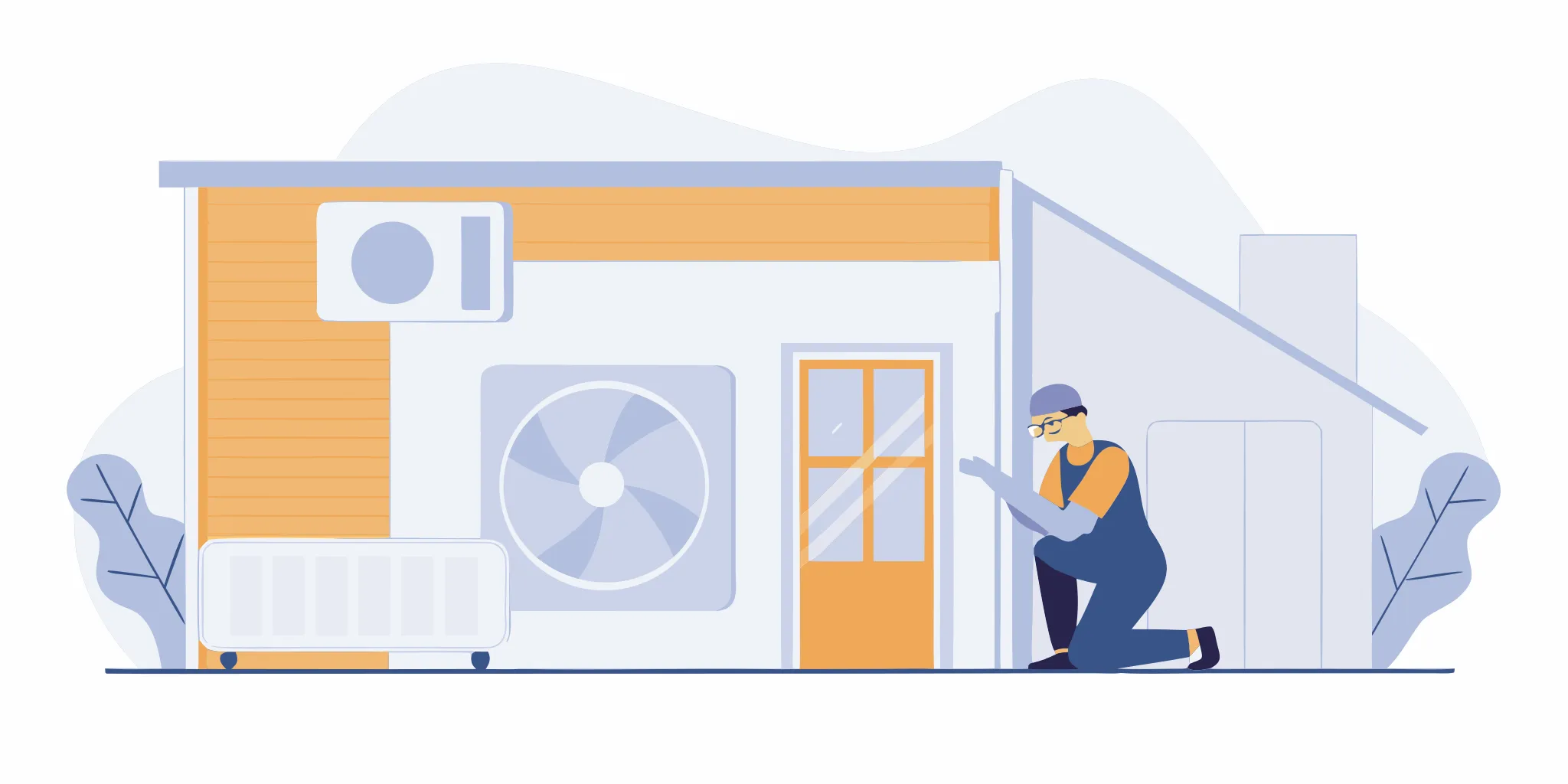
HVAC technician performing an AC compressor repair.
Back to Blog
InsightsJune 21, 2026

AC Compressor Repair: A Step-by-Step Guide

Get practical ac compressor repair tips, warning signs to watch for, and cost breakdowns so you can keep your air conditioner running smoothly.

For any homeowner, hearing the words "it might be your compressor" can immediately bring financial anxiety to mind. It’s the most expensive part of your air conditioner, and the thought of replacing it is daunting. But a compressor problem doesn't always mean you need to drain your savings account. Sometimes, the issue is a smaller, more affordable component that supports the compressor, like a capacitor or contactor. Understanding the difference is key to making a smart decision. This article will break down the common issues, from minor fixes to major overhauls, so you can have an informed conversation about your ac compressor repair options and feel confident in your choice. ## Key Takeaways * **Spot compressor failure early**: Recognize key warnings like warm air, loud noises from the outdoor unit, and circuit breakers that trip repeatedly. Catching these issues quickly gives you the best chance at a simple repair instead of a total system failure. * **Start with [basic maintenance and troubleshooting](https://spacecoastcooling.com/hvac-services/hvac-maintenance/)**: Prevent major breakdowns with proactive care. Regularly changing your air filter and cleaning the outdoor unit can solve many problems, as can checking your thermostat settings and breaker before calling for service. * **Know when to repair or replace**: Consider a repair if your system is under 10 years old and the cost is less than half that of a new unit. For older systems or more expensive fixes, investing in a new, energy-efficient air conditioner is often the better long-term financial decision. ## Is Your AC Compressor Failing? Key Warning Signs Your air conditioner’s compressor is the engine of the whole system. It’s housed in the outdoor unit and has the critical job of circulating refrigerant to cool your home. When it starts to fail, your comfort is on the line, especially during a hot Florida summer. Think of it as the heart of your AC; if it’s not healthy, the rest of the system can’t do its job. Fortunately, a compressor rarely fails without giving you a few warnings first. Learning to spot these signs can help you call for a repair before you’re left with a completely broken AC and a much bigger bill. If you notice your air conditioner acting strangely, don’t just cross your fingers and hope it goes away. Pay attention to what your system is telling you. Catching a problem early gives you the best shot at a simple fix instead of a full system replacement. Let’s walk through the five most common red flags that point to a failing compressor. ### Warm air from your vents There’s nothing more frustrating than your AC kicking on, only to push lukewarm air through your vents. If your AC blows warm air instead of cold, it’s a major sign that something is wrong. This often points directly to the compressor. The compressor’s role is to pressurize the refrigerant, which is what makes it cold. If the compressor is weak or failing, it can’t build up enough pressure, and the air circulating through your home will never get properly chilled. This could be due to an electrical issue, low refrigerant, or simply an aging compressor that’s reached the end of its life. ### Strange noises from the outdoor unit Your outdoor AC unit should produce a steady, low hum when it’s running. If you suddenly hear loud, unusual sounds, it’s time to investigate. Rattling, clanking, or screeching noises are not normal. These sounds often mean a component inside the compressor, like a piston or bearing, has come loose or broken. Continuing to run the AC with these noises can cause catastrophic damage. Think of it as your AC screaming for help. It’s best to turn the system off and call a professional right away to prevent a minor issue from turning into a complete system failure. ### The circuit breaker keeps tripping Does your AC unit trip the circuit breaker every time it tries to start? This is more than just an annoyance; it’s a serious warning sign. A circuit breaker trips to prevent an electrical overload and potential fire. If your circuit breaker trips often when the AC is on, it could mean the compressor is drawing too much electricity. As a compressor ages and wears out, it has to work much harder to start up, causing a power surge that the circuit can’t handle. While other electrical issues can cause this, a failing compressor is a very common culprit. ### Your AC struggles to start or cool Have you noticed your AC unit hesitating or stuttering when it tries to turn on? This is often called "hard starting." You might hear it click on, hum for a moment, and then shut off without ever really getting going. When the AC struggles to start or takes a long time to turn on, it may be a sign of a problem with the compressor. This could be due to a failing motor or a bad capacitor, but either way, the compressor is struggling. Ignoring this can put extra strain on the entire system and lead to a complete breakdown. ### A sudden spike in your energy bill One of the sneakiest signs of a failing compressor is a sudden, unexplained increase in your electricity bill. [An AC system that is not functioning properly](https://www.hardingplumbingandhvac.com/6-common-ac-problems-that-require-professional-repair) can lead to increased energy costs. If your compressor is struggling, it will run longer and work harder to cool your home, consuming much more energy in the process. Take a look at your recent power bills and compare them to the same period last year. If your usage habits haven't changed but your bill has shot up, your inefficient AC could be the reason. This is your wallet’s way of telling you it’s time for a system check-up. ## What Causes a Compressor to Fail? Your AC compressor is the heart of your cooling system, and when it fails, it can feel like a major crisis, especially in the Florida heat. But compressors rarely give out without a reason. Most failures are the result of underlying issues that have been building over time. Understanding these causes can help you spot trouble early and even prevent a costly replacement. Here are the four most common culprits we see on the Space Coast. ### Low refrigerant or leaks Refrigerant is the substance that absorbs heat from your home, and your AC system is designed to be a closed loop. This means refrigerant should never run low unless there’s a leak. When the refrigerant level drops, your compressor has to work much harder and run longer to cool your home. This extra strain causes it to overheat, which can lead to mechanical failure. A refrigerant leak is one of the most damaging common AC problems your system can have, and it’s critical to have it repaired by a professional to prevent compressor damage. ### Electrical problems The compressor relies on a steady, correct flow of electricity to function. Electrical issues are a frequent cause of compressor failure. A failing capacitor, a worn-out contactor, or damaged wiring can send too much or too little power to the compressor, causing its motor to burn out. Often, the warning signs are subtle, like a humming noise or a frequently tripping breaker. If not addressed quickly, a minor electrical fault can lead to a catastrophic failure of your system's most expensive component. These electrical issues can be complex and dangerous to diagnose on your own, so it's always best to call a certified technician. ### Dirty coils and overheating Your outdoor AC unit has condenser coils that are responsible for releasing the heat that was removed from your home. Over time, these coils can get caked with dirt, dust, grass clippings, and other debris. This buildup acts like an insulating blanket, trapping heat and preventing the system from cooling efficiently. When the coils can't release heat, the pressure and temperature inside the system skyrocket, forcing the compressor to work under extreme strain. This constant overheating will eventually wear the compressor out and cause it to fail prematurely. ### Lack of regular maintenance Nearly all the issues listed above can be caught and corrected during routine maintenance. A professional tune-up involves cleaning the coils, checking refrigerant levels, testing electrical components, and ensuring proper airflow. Skipping this crucial step is like driving your car without ever changing the oil. Small, fixable problems fester and grow until they cause a complete system breakdown. [Investing in regular AC maintenance](https://spacecoastcooling.com/are-hvac-maintenance-plans-worth-it/) is the single best thing you can do to protect your compressor, extend the life of your unit, and avoid an unexpected and expensive failure. ## How to Troubleshoot Your AC Compressor: A Step-by-Step Guide When your AC compressor acts up, it can feel like a major crisis, especially during a Florida summer. But before you assume the worst, there are a few things you can check on your own. Walking through these steps can help you identify a simple fix or give you a clearer picture of the problem before you call a professional. Remember to always prioritize your safety, especially when dealing with electrical components. ### Step 1: Check your thermostat Let’s start with the simplest solution, because sometimes it’s the right one. Your thermostat is the brain of your HVAC system, and a wrong setting can make it seem like your compressor has failed. First, make sure it’s set to “Cool.” Then, check that the temperature is set at least a few degrees below the current room temperature. If the screen is blank, the batteries might be dead, so try replacing them. It sounds basic, but you’d be surprised how often a thermostat setting is the culprit. If you’ve checked everything and the thermostat seems to be working, it’s time to move on to the next step. ### Step 2: Inspect your air filter A dirty air filter is one of the most common causes of AC problems. When your filter gets clogged with dust, pet hair, and other debris, it forces your system to work much harder to pull in air. This restricted airflow can cause the components in your indoor unit to get too cold and freeze up, but it can also put a huge strain on your outdoor compressor, causing it to overheat and shut down. Pull out your filter and hold it up to a light. If you can’t see light through it, it’s time for a change. Making a habit of checking your filter monthly is a key part of preventative care that can save you from bigger headaches down the road. ### Step 3: Check the circuit breaker Your air conditioner is a powerful appliance that draws a lot of electricity, so it has its own dedicated circuits in your home’s electrical panel. A power surge or an overworked system can cause one of these circuits to trip, cutting off power to your unit. Find your breaker box and look for the one or two breakers labeled “AC,” “Air Conditioner,” or “HVAC.” If a breaker is in the middle or “off” position, flip it completely off and then back on again. If the breaker trips again right away, don’t keep resetting it. A constantly tripping breaker signals a more serious electrical issue that needs a professional diagnosis from a licensed technician. ### Step 4: Look at the capacitor and contactor **Safety first: This step involves electrical components that can hold a dangerous charge even when the power is off. We strongly recommend leaving any hands-on work to a professional.** However, you can perform a quick visual inspection. The capacitor looks like a large metal can and gives the compressor the jolt it needs to start. The contactor is a switch that sends power to the unit. If you look at the capacitor and see that it’s bulging, leaking oil, or swollen at the top, it has likely failed. These parts are essential for your compressor's operation, but replacing them is not a DIY job. If you suspect an issue here, it’s time to call for service. ### Step 5: Check for refrigerant leaks Refrigerant is the lifeblood of your air conditioner, absorbing heat from inside your home and releasing it outside. If your system is low on refrigerant, it can’t cool effectively and the compressor can be seriously damaged. Signs of a leak include a hissing or bubbling sound near the outdoor unit, ice forming on the copper refrigerant lines, or your system blowing warm air. While it might be tempting to just "top off" the refrigerant, this doesn't solve the underlying problem. A refrigerant leak needs to be located and repaired by a certified professional who can safely handle the chemicals and fix the source of the problem. ### Step 6: Clean the outdoor unit Your outdoor condenser unit works by releasing the heat it has pulled from your home. To do this efficiently, it needs clear airflow. Over time, dirt, grass clippings, leaves, and cottonwood can build up on the metal fins, acting like a blanket and trapping heat inside. This forces the compressor to work harder and can lead to overheating. To clean it, first shut off the power to the unit at the breaker box. Then, use a garden hose with a gentle spray nozzle to rinse the debris off the fins from top to bottom. Be careful not to bend the delicate metal fins. Keeping your outdoor unit clean is an easy maintenance task that can significantly improve efficiency. ### Step 7: Try a compressor reset If your compressor has overheated, its internal overload switch may have tripped to prevent damage. You can try resetting it to see if that solves the problem. First, turn off your AC at the thermostat and then at the circuit breaker. Wait about 30 minutes to give the internal components time to cool down completely. Some outdoor units also have a red reset button near the refrigerant lines; if you see one, press it once. After waiting, turn the power back on at the breaker and then set your thermostat to cool. If the system starts up, you’re in luck. However, if it shuts down again, it means an underlying issue is causing it to overheat, and you’ll need a professional to diagnose the problem. ### Common DIY mistakes to avoid While it’s great to be proactive, some AC repairs are best left to the experts. A common mistake is repeatedly resetting a circuit breaker that keeps tripping, which can lead to a fire hazard or damage the compressor. Another is attempting to handle refrigerant or replace electrical parts like capacitors without proper training and tools; this is not only dangerous but can also void your warranty. Trying to fix the wrong part can also turn a small problem into a much larger and more expensive one. Knowing your limits is key. If you’ve run through the basic steps and your AC still isn’t working, it’s the perfect time to call for professional help. ## Breaking Down AC Compressor Repair Costs When your AC compressor acts up, one of the first questions on your mind is likely, "How much is this going to cost?" The answer can vary quite a bit, as a failing compressor can be caused by several different issues, each with its own price tag. A professional diagnosis is the only way to know for sure, but understanding the potential repairs and their typical costs can help you feel more prepared. Think of it like taking your car to the mechanic. A strange noise could be a minor fix or a major overhaul. The same is true for your AC. The problem might be a small electrical component, or it could be the compressor motor itself. Below, we’ll walk through some of the most common compressor-related repairs, from simple fixes to a full replacement. This breakdown will give you a clearer picture of what to expect so you can make an informed decision for your home and budget. ### Replacing a capacitor A capacitor is a small, cylinder-shaped part that gives your compressor the jolt of energy it needs to start and run. If your AC hums but won't kick on, a failed capacitor is a likely culprit. Luckily, this is one of the most common and affordable AC repairs. Replacing a capacitor typically costs between **$100 and $300**. A technician can swap out the faulty part relatively quickly, often getting your cool air flowing again in a single visit. It’s a straightforward fix that can save you from a much larger repair bill. ### Replacing a contactor The contactor acts as a bridge, controlling the flow of electricity to your compressor and condenser fan motor. When the thermostat calls for cooling, the contactor closes to complete the circuit and power up the outdoor unit. If this part wears out or fails, your compressor won't get the signal to run. Replacing a contactor generally costs between **$150 and $350**. Like a capacitor replacement, this is a relatively minor repair that is essential for your system’s operation. A technician can diagnose and replace a bad contactor to restore power and performance to your AC. ### Recharging refrigerant If your system is low on refrigerant, it has to work much harder to cool your home, which can cause the compressor to overheat and fail. A refrigerant recharge can cost anywhere from **$200 to $600**, depending on the type of refrigerant your system uses and how much is needed. It's important to know that low refrigerant almost always means there's a leak somewhere in the system. A trustworthy technician won't just top off the refrigerant; they will find and fix the leak first to provide a lasting solution and prevent future damage to your compressor. ### Replacing the entire compressor Sometimes, the compressor itself is beyond repair. This is the most expensive fix, with a full compressor replacement costing between **$1,200 and $2,800**. Because the compressor is the heart of your AC system, this is a major job that involves recovering refrigerant, removing the old compressor, welding in the new one, and recharging the system. Given the significant cost, this is when you’ll need to weigh the benefits of repair versus replacement. If your air conditioner is over 10 years old, putting that money toward a new, more efficient system might be a smarter long-term investment. ### What affects the final price? Several factors influence the final cost of an AC compressor repair. The specific part that needs fixing is the biggest variable, but the complexity of the job and the technician's labor rates also play a role. The price of any [central air conditioning repair](https://www.trane.com/residential/en/resources/blog/air-conditioning-repair-cost/) can also be affected by the accessibility of your unit. At Space Coast Cooling & Plumbing, we believe in transparency, which is why we provide upfront pricing before any work begins. This way, you know exactly what to expect without any hidden fees or surprises. ### Will your warranty cover it? Before you approve a major repair, take a moment to check your paperwork. If your air conditioner is still relatively new, the compressor failure may be covered by the manufacturer's warranty. Most manufacturers offer a 5- to 10-year warranty on major components like the compressor. Keep in mind that while the warranty may cover the part itself, it often doesn't cover the labor costs for the installation. Still, having the part covered can significantly [offset repair costs](https://www.boehmerheating.com/blog/air-conditioning/worth-repairing-an-ac-compressor-should-replace/), making it a crucial step for any homeowner facing a potential compressor replacement. ## Repair or Replace? Making the Right Call Facing a major AC issue brings up the big question: is it better to repair the compressor or replace the whole unit? It’s a significant decision, and the right answer depends on cost, the age of your system, and the extent of the damage. Making an informed choice can save you money and prevent future headaches, especially during a Florida summer. We’ll walk through the key factors to help you decide what’s best for your home. ### When to repair your compressor Repairing your compressor often makes sense if your air conditioning system is still relatively new (less than 10 years old) and under warranty. If the issue is a minor one, like a faulty capacitor or a simple electrical problem, a repair is a cost-effective solution that can get your system back up and running quickly. As a general rule, if the repair cost is less than half the price of a brand-new AC system and your unit has been otherwise reliable, sticking with a repair is usually the smarter financial move. ### When to replace it instead It might be time to consider a replacement if your AC system is more than 10-12 years old. Older units are less efficient and more prone to breakdowns. If your compressor motor is completely burned out or if you're facing a repair bill that’s more than 50% of the cost of a new unit, investing that money into a modern, energy-efficient system is a better long-term strategy. A new unit will not only be more reliable but will also lower your monthly energy bills, providing savings that add up over time. ### How maintenance protects your investment The best way to avoid the repair-or-replace dilemma is with proactive care. Regular maintenance is crucial for extending the life of your AC and keeping all its components, including the compressor, in good shape. Simple tasks like keeping the air filters clean ensure proper airflow, which reduces strain on the entire system. At Space Coast Cooling & Plumbing, we offer affordable [maintenance plans](https://www.spacecoastcooling.com/maintenance-plans/) designed to catch small issues before they become expensive problems, helping you get the most out of your investment. ### Knowing when to call a professional While some basic troubleshooting is fine for any homeowner, compressor issues are complex and potentially dangerous to handle on your own. If you’ve gone through the basic checks and your AC still isn’t working correctly, it’s time to stop. Signs like strange noises, frequent breaker trips, or a system that won’t start are clear indicators that you need an expert. It’s always best to have a licensed technician diagnose the problem accurately. We can give you an honest assessment and a clear, upfront price for a repair or replacement, so you can make the right call with confidence. ## Related Articles * [Are HVAC Maintenance Plans Worth It? What to Know](https://spacecoastcooling.com/are-hvac-maintenance-plans-worth-it/) * [Professional AC Tune-Up in Cocoa, FL](https://spacecoastcooling.com/hvac-services/ac-tune-up-maintenance/) * [Air Conditioning Repair in Cocoa, FL](https://spacecoastcooling.com/hvac-services/air-conditioning-repair/) * [Maintenance Plans | Space Coast Cooling & Plumbing, Inc.](https://spacecoastcooling.com/maintenance-plans/) * [HVAC Maintenance Services in Cocoa, FL](https://spacecoastcooling.com/hvac-services/hvac-maintenance/) ## [Frequently Asked questions](https://spacecoastcooling.com/faq/) **My AC is making a loud, strange noise. Should I turn it off immediately?** Yes, if your outdoor unit starts making a sudden rattling, clanking, or screeching sound, it's best to turn the entire system off at the thermostat and the circuit breaker. These noises often signal that a mechanical part inside the compressor has broken or come loose. Continuing to run the unit can cause the problem to get much worse, potentially turning a repairable issue into a complete system failure. It's your AC's way of telling you something is seriously wrong, so it's safest to shut it down and call for a professional diagnosis. **How can I tell if the problem is my compressor or just something simple?** Before assuming the worst, there are a few simple things you can check yourself. First, look at your thermostat to make sure it’s set to "cool" and the temperature is set lower than the current room temperature. Next, check your air filter; a completely clogged filter can restrict airflow and cause cooling problems. Finally, check your home's electrical panel to see if the AC's circuit breaker has tripped. If you've checked these three things and the system still isn't working right, the problem is likely more complex and located within the AC unit itself. **If my compressor fails, does that mean I need a whole new air conditioner?** Not necessarily. The decision to repair the compressor or replace the entire unit really depends on two key factors: the age of your system and the cost of the repair. If your air conditioner is less than 10 years old and the repair cost is reasonable, fixing the compressor is often a good choice. However, if your system is older and the repair is expensive, putting that money toward a new, more energy-efficient unit is usually a better long-term investment that will also save you money on future energy bills. **What's the most important thing I can do to prevent compressor failure?** The single best way to protect your compressor and your entire AC system is to have it professionally maintained every year. During a tune-up, a technician cleans critical components like the coils, checks for refrigerant leaks, tests electrical parts, and makes sure the system has proper airflow. This preventative care catches small issues before they can cause the compressor to overwork, overheat, and fail, ultimately saving you from a sudden breakdown and a much larger expense. **My AC is low on refrigerant. Why can't a technician just add more?** Your air conditioner operates as a sealed system, so the only reason it would be low on refrigerant is if there is a leak. Simply adding more refrigerant without fixing the leak is only a temporary fix; the new refrigerant will eventually escape, and you'll be right back where you started. More importantly, a persistent leak forces your compressor to work under constant strain, which can lead to it burning out. A professional technician will always locate and repair the source of the leak first to provide a permanent solution and protect the health of your compressor.
Available 24/7

Call the Experts that Local Homeowners Rely On

When you need home services, you want answers you can trust and work you can count on. Space Coast Cooling & Plumbing is the plumbing and HVAC company in Cocoa, FL, that brings decades of local experience, licensed professionals, and customer-first service to every job. One call connects you with a team ready to help.

Licensed & InsuredServing Cocoa Since 1994Honest, Upfront PricingSame-Day Service Available