Need Help? Call Us Now!
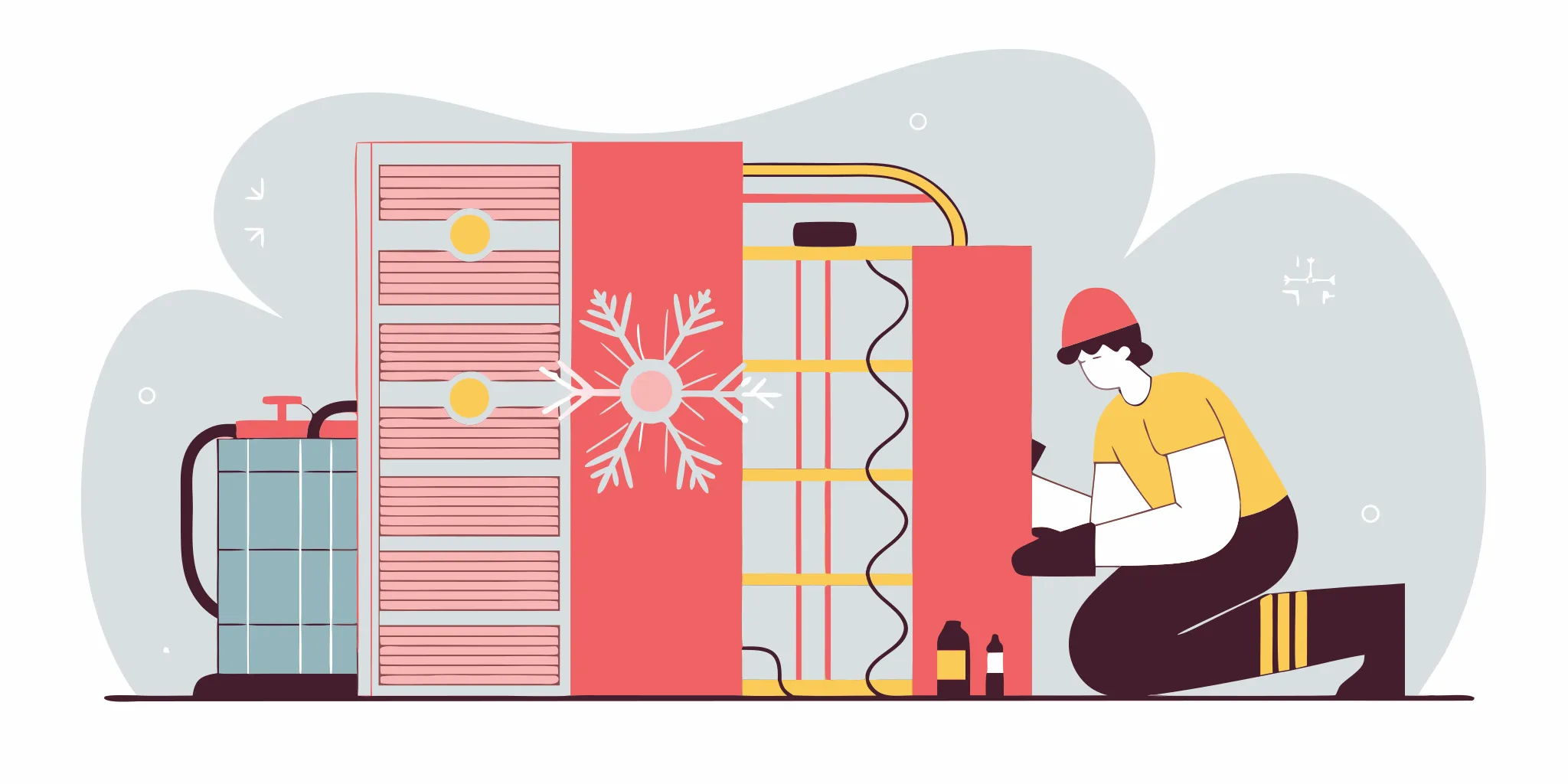
Technician working on an AC frozen coil repair.
Back to Blog
InsightsJune 24, 2026

AC Frozen Coil Repair: Why It Happens & How to Fix It

Get expert tips on AC frozen coil repair. Learn why coils freeze, how to fix the issue, and when to call a professional for reliable air conditioning help.

A sudden, unexplained spike in your energy bill can be just as alarming as a strange noise coming from your AC unit. If your air conditioner seems to be running nonstop without actually cooling your home, a frozen coil is a likely culprit. This forces your system to work overtime, burning through electricity and putting immense strain on its most critical components. This guide is designed to help you get ahead of the problem before it leads to a costly breakdown. We'll explore the common causes of a frozen coil and provide actionable steps you can take. Understanding when to call for professional `ac frozen coil repair` is key to preventing a small issue from turning into a major expense. ## Key Takeaways * **Prioritize Airflow**: A frozen coil is usually an airflow problem. Before you panic, check for the two most common culprits: a dirty air filter that needs changing and blocked air vents that need to be cleared. * **Melt Ice Safely**: To thaw a frozen coil without causing more harm, turn the cooling function off but leave the fan running. This circulates air to melt the ice and protects your system's compressor from expensive damage. * **Know When to Call a Pro**: If the ice returns after you've fixed airflow issues, it's time for a professional. A recurring freeze points to a bigger problem, such as a refrigerant leak or a mechanical failure, that requires an expert diagnosis to fix correctly. ## Why Is My AC Coil Frozen? Seeing ice on your air conditioner is definitely alarming, especially on a hot Florida day. A frozen AC coil is a sign that something is wrong with your system, but it’s usually a problem with a straightforward solution. The ice itself isn't the root cause; it's a symptom of an underlying issue, most often related to airflow or refrigerant. Think of it as your AC’s way of telling you it needs help. Let's walk through the most common reasons your coil might be frozen, so you can figure out what’s going on and what to do next. ### Dirty Air Filters This is, by far, the number one cause of a frozen AC coil. Your air conditioner needs to breathe. It pulls warm, humid air from your home, runs it over the cold evaporator coil, and then pushes the newly cooled air back out. A dirty, clogged air filter suffocates your system, severely restricting how much air can get through. When not enough warm air moves across the coil, its temperature plummets and the condensation on its surface freezes solid. The fix is simple: check your air filter. If it’s gray and covered in dust, it’s time for a new one. A clean [air filter](https://www.energy.gov/energysaver/maintaining-your-air-conditioner) is the easiest way to keep your AC running smoothly. ### Blocked Vents Similar to a dirty filter, blocked air vents can also choke your AC system. Your home has two types of vents: supply vents that blow cold air out and return vents that pull warm air in. If furniture, rugs, boxes, or even curtains are blocking these vents, your system can’t circulate air properly. This lack of airflow means the evaporator coil doesn't get the warm air it needs to stay above freezing. Take a quick walk around your house and make sure all your vents are open and completely unobstructed. It’s a simple step that can make a huge difference in your AC’s performance and prevent it from freezing up. ### Low Refrigerant If your filter is clean and your vents are clear, the problem might be low refrigerant. Refrigerant is the chemical compound that actively cools the air. When the refrigerant level is low, it causes a pressure drop inside the system, making the evaporator coil extremely cold and leading to ice buildup. It's important to know that refrigerant doesn't get "used up" like gas in a car. Low levels almost always mean you have a leak somewhere in the lines. Handling refrigerant requires special tools and certification, so this is not a DIY job. If you suspect a refrigerant leak, it's time to call a licensed professional to find and fix it safely. ### A Faulty Blower Fan The blower fan is the powerhouse that moves air through your HVAC system. It’s responsible for pulling air through the return vents, pushing it over the evaporator coil, and sending it through the ducts into your home. If the blower fan motor is failing, the fan belt is broken, or the fan blades are caked with dirt, it won't be able to move enough air. Just like with a dirty filter, this weak airflow causes the coil's temperature to drop below freezing. You might notice that air isn't coming out of your vents with much force, or you may hear unusual noises from your indoor unit. A faulty blower fan requires a professional diagnosis and repair. ### Dirty Coils Over time, even with regular filter changes, some dust and grime can sneak through and build up directly on the evaporator coil. This layer of dirt acts like a blanket, insulating the coil and preventing it from absorbing heat from the air effectively. When the coil can't absorb heat, its temperature drops, and it eventually freezes over. Cleaning an evaporator coil is a delicate task, as the metal fins can be easily bent or damaged. This is another job best left to the pros, who have the right tools and cleaning solutions to do it safely. Regular [professional maintenance](https://www.spacecoastcooling.com/maintenance-plans/) is the best way to ensure your coils stay clean and your system runs efficiently. ## Signs Your AC Coil Is Frozen A frozen AC coil can feel like a mystery, especially when your system seems to be running just fine on the surface. You hear it click on, the blower is humming, but your home just isn't getting cool. Down here in Florida, we count on our air conditioners to be our first line of defense against the heat and humidity, so any sign of trouble is cause for concern. The good news is that your AC usually gives off a few clear warning signs when ice has formed where it shouldn't. Recognizing these clues is the first step to getting your system back on track and preventing a small issue from turning into a major, costly repair. A frozen coil isn't just an inconvenience; it's a symptom of an underlying problem, like poor airflow or low refrigerant. Ignoring it can lead to compressor damage, which is one of the most expensive components to replace. That's why it's so important to know what to look for. If you notice any of the following problems, it’s time to take a closer look at your unit. Don't just cross your fingers and hope it resolves itself; paying attention now can save you a lot of sweat and stress later. ### Warm Air Coming From Your Vents This is often the first and most frustrating sign. You feel air moving through the vents, but it’s warm or barely cool, and your house just keeps getting hotter. This happens because the thick layer of ice on the evaporator coil blocks the normal heat exchange process that cools the air. Your AC is trying to do its job, but the ice acts like a winter coat, preventing the air from getting cold before it's blown back into your home. If your thermostat is set to cool but all you feel is a room-temperature breeze, a frozen coil is a very likely culprit. ### You Can See Ice on the Unit Sometimes, the most obvious sign is the one you can see. If you suspect a problem, take a look at your indoor air handler. You might find a layer of frost or solid ice built up on the evaporator coil itself. You may also see ice forming on the copper refrigerant lines connected to your indoor or outdoor unit. Any visible ice is a definite red flag. It confirms that your system isn't just struggling; it has a [frozen coil](https://www.trane.com/residential/en/resources/blog/frozen-evaporator-coil-causes/) that needs to be addressed before it can cool your home properly again. ### Water Puddling Around Your Indoor Unit Have you noticed unexpected puddles of water on the floor around your indoor AC unit? This is another common symptom of a frozen coil. As the ice melts between cooling cycles, the water can overwhelm your system's drain pan and condensate line, causing it to overflow. While a clogged drain line can also cause leaks, a frozen coil often produces far more water than the system is designed to handle. This water can damage your floors, walls, and ceilings, so it’s a sign you shouldn't ignore. ### A Sudden Spike in Your Energy Bill A frozen AC coil forces your entire system to work much harder than it should. It will run for longer periods as it struggles to reach the temperature you’ve set on the thermostat, all while failing to cool your home effectively. This inefficiency directly translates to higher energy consumption. If you get a utility bill that’s surprisingly high and can’t be explained by a heatwave, it’s worth investigating your AC’s performance. That spike could be your wallet’s way of telling you that a frozen coil is making your system burn through electricity. ## How to Safely Thaw a Frozen AC: A Step-by-Step Guide Discovering a block of ice on your air conditioner can be alarming, especially on a hot Florida day. But don't worry, you can often handle the initial thawing process yourself with a few simple steps. The goal is to safely melt the ice and check for common, easy-to-fix problems without causing further damage to your system. This guide will walk you through exactly what to do. Following these steps in order is important for protecting your AC's sensitive components, like the compressor. While this process can resolve a simple freeze-up caused by an airflow issue, remember that if the problem comes back, it’s a sign of a deeper issue that needs a professional diagnosis. For now, let’s get that ice melted and see if we can get your cool air flowing again. ### Step 1: Turn Off Your Air Conditioning This is the most important first step. As soon as you notice ice, head to your thermostat and switch the system from “Cool” to “Off.” Continuing to run your AC while it’s frozen can put immense strain on the compressor, which is the heart of your system and very expensive to replace. As HVAC experts at [Carrier](https://www.carrier.com/us/en/residential/hvac-resources/air-conditioners/will-frozen-ac-fix-itself) advise, you must turn the system off immediately to let it thaw and prevent serious damage. Leaving it on won’t magically fix the problem; it will only make it worse. ### Step 2: Switch the Fan to "On" to Help It Thaw After you’ve turned the cooling function off, go back to your thermostat and switch the fan setting from “Auto” to “On.” This tells the system’s blower to keep running even though the cooling cycle is off. The fan will circulate room-temperature air across the frozen evaporator coil, which helps the ice melt much faster than it would on its own. Many homeowners have found this simple trick effective, noting that turning the fan to "on" helps melt the ice faster. This keeps air moving and speeds up the thawing process considerably. ### Step 3: Check and Replace Your Air Filter While you wait for the ice to melt, it’s the perfect time to investigate the most common cause of a frozen AC: a dirty air filter. A clogged filter chokes your system by restricting airflow over the evaporator coil. When the coil doesn't get enough warm air passing over it, it gets too cold and freezes. Pull out your air filter and hold it up to a light. If you can’t see light through it, it’s definitely time for a change. As many HVAC discussions point out, a dirty filter is a very frequent cause of freezing, so replacing it is a critical step. ### Step 4: Make Sure Vents Are Open and Unobstructed Another common airflow issue comes from blocked or closed air vents. Take a quick walk around your house and check every supply vent (the ones blowing air out). Make sure they are all open and that none are blocked by furniture, rugs, curtains, or other items. Each closed vent adds to the restricted airflow, creating the same conditions that cause a dirty filter to freeze the coil. Just like a clogged filter, blocked airflow from closed vents can lead to a system freeze-up. It’s a simple check that can make a big difference. ### Step 5: Wait for the Ice to Melt Completely Before Restarting Patience is key. It can take several hours for all the ice to melt, especially the ice you can’t see deep inside the unit. Don’t be tempted to turn the AC back on until you are certain all the ice is gone. Restarting it too soon will just lead to it freezing up all over again. You can place some towels around the indoor unit to catch any dripping water. Once the ice has melted, take a peek at the indoor coil. If it looks caked with dust and grime, it likely needs a professional cleaning to prevent future freezes. ## Can a Frozen AC Cause Permanent Damage? Yes, a frozen AC unit can absolutely cause permanent damage if you don't address it correctly. While seeing a block of ice on your air conditioner is alarming, a single freeze-up that you handle quickly isn't likely to destroy your system. The real danger comes from either ignoring the problem or repeatedly running the AC while it’s frozen. Think of the ice as a major roadblock for your system. It prevents the AC from doing its job of absorbing heat, which forces every component to work much harder than it was designed to. This strain can lead to a domino effect of failing parts, turning a fixable issue into a catastrophic failure. Thawing the ice is only a temporary fix. The most important step is figuring out *why* it froze in the first place to prevent lasting, expensive damage. ### The Risks of Running a Frozen AC Continuing to run your air conditioner when the coil is frozen is one of the worst things you can do. The layer of ice blocks airflow, causing immense pressure to build up within the system. This strain puts your compressor, the heart of your AC unit, at serious risk. The compressor is responsible for circulating refrigerant, and when it has to fight against a frozen system, it can overheat and burn out. A failed compressor is not a simple fix; it’s one of the most expensive repairs an HVAC system can need. In many cases, replacing the compressor can cost nearly as much as installing a whole new unit. That’s why turning your AC off immediately is so critical. It’s the single best step you can take to [protect the compressor](https://www.trane.com/residential/en/resources/blog/frozen-evaporator-coil-causes/) and avoid a premature, costly breakdown. ### How a Frozen Coil Affects Your Wallet A frozen AC coil hits your wallet from two different directions: high energy bills and potential repair costs. When ice covers the coil, your system can no longer cool your home efficiently. It will run constantly, trying and failing to reach the temperature on your thermostat. This wasted effort shows up directly on your monthly utility bill. You’re paying more for less comfort. Beyond the immediate spike in your energy costs, ignoring the problem can lead to a [complete breakdown of your HVAC system](https://callhummingbird.com/blog/why-are-my-ac-coils-frozen). What starts as a minor issue can cascade into fried motors, damaged components, and eventually, the need for a full system replacement. Addressing the freeze-up promptly is an investment in your system's longevity and helps you avoid a much larger, unexpected expense down the road. ### Why Finding the Root Cause Is Key Thawing the ice on your AC unit is just first aid. The ice itself is a symptom of a deeper problem, and if you don’t find and fix that root cause, it will keep coming back. Common culprits range from simple maintenance oversights to more serious mechanical failures. It could be something as easy to fix as a clogged air filter or blocked vents restricting airflow. However, a frozen coil often points to a more complex issue, like a [refrigerant leak](https://www.carrier.com/us/en/residential/hvac-resources/air-conditioners/will-frozen-ac-fix-itself). Low refrigerant levels reduce pressure inside the coil, causing it to get too cold and freeze. This is not a DIY fix and requires a licensed technician to find the leak, repair it, and recharge the system correctly. By identifying the true source of the problem, you can ensure your AC runs reliably and efficiently all summer long. ## When to Call a Professional for a Frozen AC Thawing your AC unit is a great first step, but it’s important to remember that the ice itself is usually a symptom of a bigger problem. If you restart your system without fixing the underlying issue, the coil will likely just freeze up again. While a dirty filter is an easy fix, some problems require a trained technician. If you’ve tried the basic steps and are still stuck with a frozen unit, it’s time to call for backup. Here are five signs you should pick up the phone and schedule a service call. ### You Suspect a Refrigerant Leak Refrigerant, the chemical that cools the air in your system, is not something you should handle on your own. If your AC is low on refrigerant, it means there’s a leak somewhere. Telltale signs include a hissing sound, oily residue on the copper lines, or bubbles in the drain line. Topping off the refrigerant without fixing the leak is like putting air in a punctured tire; it’s a temporary fix at best. A professional technician can safely locate the leak, repair it, and recharge the system correctly. As experts at Carrier note, it's best to have a professional [diagnose and resolve the issue](https://www.carrier.com/us/en/residential/hvac-resources/air-conditioners/will-frozen-ac-fix-itself) to ensure it’s handled safely and effectively. ### The Ice Keeps Coming Back Did you successfully thaw your AC unit, replace the filter, and feel a brief moment of victory, only to find it frozen again a day later? This is a clear indicator that the problem is more complex than simple airflow restriction. Persistent freezing can be caused by a faulty blower motor, a blocked condensate line, or a refrigerant leak. Letting this cycle continue puts a massive strain on your compressor, the most expensive part of your air conditioner. Ignoring a recurring issue can lead to a [complete breakdown](https://callhummingbird.com/blog/why-are-my-ac-coils-frozen) of your system, so it’s best to have a technician find the root cause before a small problem becomes a costly replacement. ### You Hear Hissing or Banging Noises Your air conditioner should operate with a gentle hum, not sound like a science experiment gone wrong. Strange noises are your system’s way of crying for help. A hissing or bubbling sound often points to the [low refrigerant levels](https://airandplumbingtoday.com/solved_whi_is_my_air_conditioning_freezing_up_at_night_in_san_antonio) that cause coils to freeze. On the other hand, banging, clanking, or screeching could signal a problem with the blower fan or motor. A loose or broken part can cause serious damage if it’s not addressed quickly. Don’t ignore these auditory warnings; turn off the system and call a professional to investigate before a component fails completely. ### The AC Still Won't Cool After Thawing So, you’ve turned off the system, let the ice melt completely, and put in a clean filter. You turn the AC back on, but your home is still uncomfortably warm. This is a frustrating but definitive sign that the problem is beyond a simple DIY fix. The ice was just a symptom, and the real cause, whether it’s a mechanical failure or a refrigerant issue, is still preventing your system from cooling. As one homeowner on Reddit wisely put it, melting the ice is the first step, but you need a repair person to figure out the real problem. A technician has the diagnostic tools to pinpoint what’s wrong and get your cool air flowing again. ### Your System Is Old or Unreliable If your air conditioner has been around for more than 10 to 15 years, it’s living on borrowed time. Older systems are not only less efficient but also more prone to issues like frozen coils as parts wear out. If you find yourself frequently dealing with breakdowns, a frozen coil might be the final straw. Instead of pouring more money into repairing an aging unit, it may be more cost-effective to invest in a replacement. A professional can assess your system’s health and help you decide if it’s time for a [new, more energy-efficient unit](https://www.santaenergy.com/fix-frozen-ac/) that will be more reliable and save you money on your utility bills in the long run. ## How to Prevent Your AC From Freezing Again Dealing with a frozen AC is a hassle, but the good news is that you can take a few simple steps to keep it from happening again. Most AC freeze-ups are caused by airflow problems, which are often preventable. By giving your system a little attention, you can ensure it runs smoothly and efficiently, especially when you need it most during a Florida heatwave. Think of it as simple home maintenance that saves you from future headaches and costly repair calls. ### Change Your Air Filter Consistently This is the single most important thing you can do to prevent your AC from freezing. Your air filter’s job is to trap dust, pollen, and other debris, but when it gets too full, it chokes your system. A clogged filter blocks air from flowing over the evaporator coil, causing the coil to get too cold and freeze solid. You should plan to [change your air filter](https://www.energy.gov/energysaver/maintaining-your-air-conditioner) every 30 to 90 days. If you have pets, live in a dusty area, or run your AC constantly, check it monthly. A clean filter is the key to a happy, healthy air conditioner. ### Keep All Air Vents Open and Clear Your AC system needs to breathe. Air is pulled into the system through return vents and pushed out through supply vents. If furniture, rugs, curtains, or even kids' toys are blocking these vents, it disrupts the airflow your system needs to function correctly. Just like a dirty filter, blocked vents can starve the unit of air and lead to a frozen coil. Take a quick walk through your home and make sure all vents are open and have at least a few inches of clearance. It’s a simple, five-minute check that can make a huge difference. ### Schedule an Annual Coil Cleaning Even with clean filters, your evaporator coil will eventually collect a layer of dust and grime that a filter can't catch. This buildup insulates the coil, making it harder for it to absorb heat from your home’s air. This inefficiency can cause the coil to freeze. While you can gently brush away light surface dust, a deep cleaning is a job best left to a professional. During a maintenance visit, a technician can safely and thoroughly clean the coils, restoring airflow and ensuring your system transfers heat properly. This simple service helps prevent freeze-ups and improves your AC's overall performance. ### [Book Yearly Professional Maintenance](https://spacecoastcooling.com/hvac-services/hvac-maintenance/) The best way to prevent a frozen AC is to stop problems before they start. An annual AC maintenance appointment is your best defense. During a tune-up, a certified technician will inspect your entire system. They’ll clean the coils, check refrigerant levels, test the blower fan, and replace the filter. They can spot a potential refrigerant leak or a failing part long before it causes a major issue like a frozen coil. Regular maintenance not only prevents inconvenient breakdowns but also extends the life of your system and helps it run more efficiently, which can lower your energy bills. ### Watch for Early Warning Signs You know your home better than anyone. If you notice something seems off with your AC, don't ignore it. Is the air coming from your vents not as cold as it used to be? Does the unit seem to be running constantly without actually cooling your house? These are early indicators of an airflow or refrigerant problem that could lead to a frozen coil. Paying attention to these subtle changes allows you to act quickly. If you suspect an issue, check your filter and vents first. If that doesn't solve it, it's time to call for professional AC repair before a small problem becomes a big, icy mess. ## Related Articles * [Are HVAC Maintenance Plans Worth It? What to Know](https://spacecoastcooling.com/are-hvac-maintenance-plans-worth-it/) * [Professional AC Tune-Up in Cocoa, FL](https://spacecoastcooling.com/hvac-services/ac-tune-up-maintenance/) * [Air Conditioning Repair in Cocoa, FL](https://spacecoastcooling.com/hvac-services/air-conditioning-repair/) * [HVAC Maintenance Services in Cocoa, FL](https://spacecoastcooling.com/hvac-services/hvac-maintenance/) * [FAQs | Space Coast Cooling & Plumbing, Inc.](https://spacecoastcooling.com/faq/) ## Frequently Asked Questions **My AC froze but seems to be working now that the ice is gone. Am I in the clear?** Not quite. Think of the ice as a warning light on your car's dashboard. Even after the light goes off, the underlying problem that triggered it is likely still there. A frozen coil is always a symptom of an issue like restricted airflow or low refrigerant. If you don't find and fix that root cause, the ice will almost certainly come back, putting your system under more strain and risking damage to expensive parts like the compressor. **How long should I wait for the ice to melt before turning my AC back on?** Patience is really important here. It can take several hours for a thick layer of ice to melt completely, especially the parts you can't see deep inside the unit. A good rule of thumb is to wait until you can no longer see any ice and there's no more water dripping from the unit. Turning the AC back on too soon will just cause it to freeze right back up, putting you back at square one. **I thawed my AC and changed the filter, but it's still not cooling well. What's next?** You did the right first steps, and the fact that it's still not working tells you the problem is more complex than a simple airflow blockage. This is the point where it's time to [call a professional](https://spacecoastcooling.com/hvac-services/air-conditioning-repair/). The issue could be a failing blower motor, extremely dirty coils that need a special cleaning, or a refrigerant leak. A technician has the diagnostic tools to pinpoint the exact cause safely and get it fixed correctly. **My friend said I can just top off the refrigerant myself. Is that a good idea?** That's one piece of advice you should definitely ignore. Your AC's refrigerant system is a closed loop, so if the level is low, it means you have a leak somewhere. Simply adding more refrigerant without finding and fixing the leak is a very temporary fix that doesn't solve the actual problem. Plus, handling refrigerant requires special certification for safety and environmental reasons, so this is a job best left to a licensed professional. **What is the absolute best thing I can do to prevent my AC from freezing in the first place?** The most effective strategy is a combination of two simple habits: changing your air filter regularly and scheduling annual professional maintenance. Swapping out your filter every 1 to 3 months is the easiest way to ensure good airflow. The yearly tune-up allows a technician to catch bigger problems, like a developing refrigerant leak or a dirty coil, before they have a chance to cause a freeze-up. Together, these steps keep your system healthy and reliable.
Available 24/7

Call the Experts that Local Homeowners Rely On

When you need home services, you want answers you can trust and work you can count on. Space Coast Cooling & Plumbing is the plumbing and HVAC company in Cocoa, FL, that brings decades of local experience, licensed professionals, and customer-first service to every job. One call connects you with a team ready to help.

Licensed & InsuredServing Cocoa Since 1994Honest, Upfront PricingSame-Day Service Available