
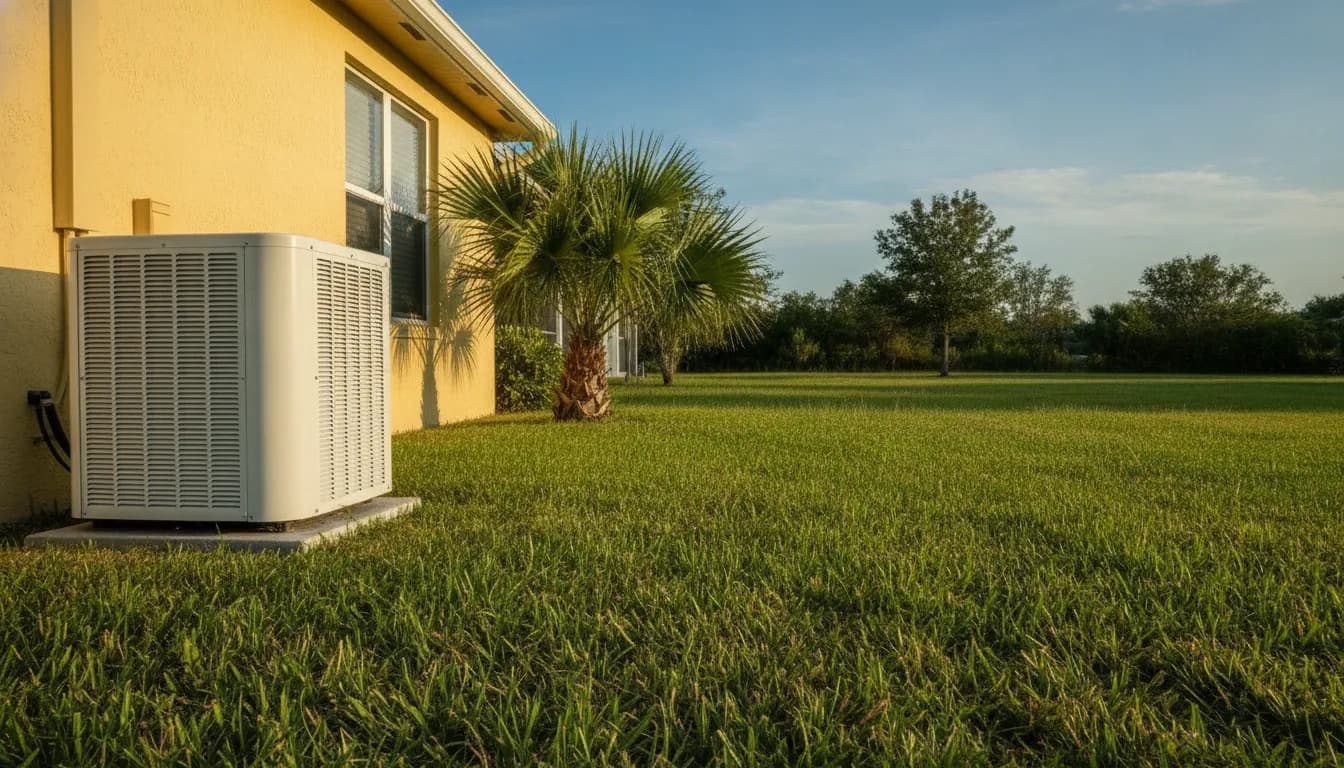
When your air conditioner runs for only a few minutes, shuts off, then starts again soon after, the problem is more specific than a complete loss of cooling. Florida's heat and humidity put heavy demand on an AC system, so repeated shutdowns can quickly affect comfort, energy costs, and equipment life.
Schedule professional AC service in Brevard County.
If your ac keeps shutting off, it may be short cycling because of restricted airflow, a thermostat problem, dirty coils, low refrigerant, an electrical fault, or an incorrectly sized system. A professional can identify the cause before repeated starts and stops place additional strain on the compressor.
Watch for indoor humidity, uneven temperatures, higher utility bills, or an outdoor unit that repeatedly starts and stops. These symptoms deserve attention rather than repeated thermostat resets. The next section explains why an AC unit can turn itself off and how to recognize the difference between normal cycling and a developing repair issue. For broader symptom guidance, see our AC and HVAC Symptom Diagnostics guide for Florida Homeowners.
Why Does an AC Unit Keep Shutting Off?
When an AC keeps shutting off after only a few minutes, the problem is usually more than an annoying thermostat cycle. A healthy system should run long enough to cool the home and remove moisture from the air. If it starts, stops, and repeats throughout the day, your house may feel warm or damp even while the equipment is operating.
Pay attention to what happens between cycles. You may notice that some rooms feel comfortable while others remain warm, indoor humidity climbs, or the monthly electric bill rises without a clear change in usage. These are common signs of short cycling, especially when the unit runs briefly and quits before completing a normal cooling cycle. The U.S. Department of Energy notes that excessive cycling reduces efficiency, while repeated starts and stops increase equipment wear. Read the Department of Energy guidance on proper HVAC sizing and cycling.
Several issues can trigger this pattern. A clogged filter or dirty indoor coil can restrict airflow. A refrigerant leak, malfunctioning thermostat, or failing electrical component can also cause the system to shut down early. The right cause depends on the symptoms, the equipment, and what happens when the system tries to restart.
What the pattern can tell you
- Runs for a few minutes, then quits: The system may be short cycling rather than completing a full cooling cycle.
- Humidity feels worse: Brief cycles can end before the AC removes enough moisture from Florida air.
- Cooling is uneven: Rooms farther from the indoor unit may remain uncomfortable when cycles end too quickly.
- Bills are higher: Frequent starts can reduce efficiency and add unnecessary strain to the equipment.
Do not keep resetting the thermostat and assume the issue will correct itself. For a broader symptom guide, review our AC and HVAC Symptom Diagnostics guide for Florida Homeowners. If the pattern continues, contact Space Coast Cooling & Plumbing to schedule professional AC service before a small repair becomes a larger comfort or equipment problem.
Short Cycling: What It Is and Why It Happens
Short cycling happens when an air conditioner starts, runs for a short time, shuts off, and then starts again soon afterward. A normal cooling cycle should run long enough to bring the temperature down and remove moisture from the air. When the system stops too quickly, the home may still feel warm or sticky even though the thermostat says the setpoint has been reached.
For a broader look at symptoms and possible causes, read our AC and HVAC Symptom Diagnostics guide for Florida Homeowners.
Why short cycling affects Florida comfort
Cooling the air is only part of an air conditioner's job in Brevard County. The system also needs enough run time to pull moisture from indoor air. A short cycle ends before that dehumidification work is complete, which can leave rooms feeling damp. Encourage musty odors, and make the thermostat reading feel different from the actual comfort level.
Short cycling also reduces efficiency. The compressor and other components use energy each time the system starts, and excessive starts and stops create more wear than steady, properly timed operation. The U.S. Department of Energy explains that short cycling in humid climates can reduce overall efficiency and lead to poor humidity control. It also notes that repeated starts and stops accelerate wear, which may contribute to premature equipment failure. Read the Department of Energy guidance on air-conditioning cycling.
How an oversized system can cause the problem
One common reason for short cycling is an air conditioner that is too large for the home. An oversized system can cool the thermostat area rapidly, then shut off before it has adequately conditioned the rest of the house. Contractors may sometimes choose larger equipment to account for unusually high occupancy or extreme weather, but oversizing can compromise energy efficiency and comfort. It can also increase equipment and operating costs.
If your AC runs for only a few minutes at a time, shuts off repeatedly. Or leaves the home humid despite frequent cooling, do not assume that replacing the thermostat will solve it. The cause could involve sizing, airflow, controls, or another repair issue. A professional evaluation can identify the pattern and help determine whether the equipment is operating as designed.
Overheating and High-Limit Switches: A Common Florida Summer Issue
Florida summer heat can push an air conditioner hard, especially when the system cannot move enough air through the home. If your AC runs for a while, stops unexpectedly, and later starts again, overheating may be part of the problem. The system may be responding to a safety condition rather than simply completing a normal cooling cycle.
A high-limit switch is a protective control that shuts the equipment down when temperatures inside the system rise beyond a safe range. This safeguard helps prevent damage when restricted airflow causes the unit to work harder and retain too much heat. In a home, the problem may show up as rooms that remain warm, weak airflow from the vents. Or an AC that repeatedly starts and stops during the hottest part of the day.
How restricted airflow creates excess heat
A clogged air filter is one possible source of restricted airflow. A dirty indoor coil can create a similar problem, because dust and buildup make it harder for air to pass across the coil. With less air moving through the system, the equipment may overheat and trip the high-limit switch. The switch then resets after the unit cools, which can make the issue seem intermittent.
Homeowners should not bypass this safety control or keep restarting the system to force it to run. Repeated starts and stops increase wear on HVAC components, and unresolved short cycling can place substantial strain on the compressor. Check that the filter is clean and that supply and return vents are open, but leave coil cleaning, airflow testing, and electrical diagnosis to a qualified technician.
When summer shutdowns need professional attention
If the AC continues shutting off after a filter change, or if you notice burning odors. Unusual sounds, ice, or very weak airflow, turn the system off and schedule service. A technician can determine whether the cause is airflow restriction, a dirty coil, an electrical fault, or another issue. Regular AC maintenance practices can also help identify restricted airflow before extreme Brevard County temperatures turn it into an unexpected shutdown.
Dirty Condenser Coils and How They Cause Shutdowns
The outdoor portion of your air conditioner has condenser coils that release heat pulled from inside your home. In Florida, those coils work through long, hot cooling cycles. When grass clippings, dust, leaves, or other debris coat the coil surface, heat cannot escape as efficiently. The system may run hotter than it should, lose cooling capacity, and shut itself off before reaching the thermostat setting.
This can look like an AC that runs for a while, quits, and then starts again later. Homeowners may also notice warmer rooms, rising energy bills, or a pattern that becomes worse during the hottest part of the afternoon. A dirty outdoor coil is one possible cause, but repeated shutdowns can also involve airflow restrictions, refrigerant problems, thermostat issues, or electrical components. A professional diagnosis helps separate a cleaning need from a more serious repair.
Cleaning the outdoor coil safely
Keep the area around the outdoor unit clear of leaves, weeds, and stored items so air can move freely. If the coil surface is visibly dirty, turn the system off before looking more closely. Do not remove electrical panels or attempt to repair a component yourself. The outdoor cabinet contains energized equipment, and bending the delicate fins or forcing debris deeper into the coil can make the problem worse.
A qualified technician can inspect the coil, check airflow, and clean the condenser using methods appropriate for the equipment. The visit should also include checking whether the system is overheating for another reason. Cleaning alone will not correct a refrigerant leak, a failing electrical part, or a compressor under abnormal strain.
Routine service can reduce the chance that accumulated debris turns into an unexpected summer shutdown. Review these AC maintenance practices for additional ways to protect system performance, then arrange service if the unit continues stopping and restarting.
Thermostat Problems That Cause an AC to Shut Off Early
Your thermostat tells the air conditioner when to start and stop, so a problem at the wall can look like a larger equipment failure. A failing thermostat may shut the system down before the home reaches the set temperature. While a sensor that reads the room incorrectly can make the system cycle at the wrong times.
Check the settings before assuming the equipment is broken
Start with the basics. Confirm that the thermostat is set to Cool, the fan is set to Auto, and the temperature setting is below the current indoor temperature. A schedule, vacation mode, or energy-saving setting may also be changing the temperature without you realizing it. If the display is blank, check whether the batteries need replacement, if your model uses batteries. A loose connection or tripped low-voltage circuit can create similar symptoms.
Also look at the location of the thermostat. Direct sunlight, a nearby lamp, a supply register, or a draft can make its sensor read warmer or cooler than the rest of the house. The AC may then stop early even though bedrooms or other living spaces still feel uncomfortable.
When the thermostat or sensor is actually faulty
Older thermostats can develop worn contacts, inaccurate temperature readings, or intermittent internal faults. Digital models can also lose their calibration or communicate poorly with the indoor unit. If the AC starts, runs briefly, shuts off, and repeats the pattern after the settings are corrected, the thermostat may be sending an unintended shutdown signal.
Do not repeatedly adjust the thermostat or bypass its wiring. Low-voltage controls still require careful testing, and incorrect wiring can damage the control board or create a safety concern. An HVAC technician can compare the thermostat reading with the actual room temperature. Test the control signal, and determine whether the thermostat, wiring, or another system problem is responsible. AC troubleshooting service can help identify the cause instead of replacing a thermostat unnecessarily.
Replacing a thermostat may solve the problem, but it is not always the answer. Airflow restrictions, frozen coils, electrical faults, and other issues can also trigger protective shutdowns. If your AC keeps shutting off early after a setting check or battery change, professional diagnosis is the safest next step.
Is Your AC Shutting Off Because It Needs a Refrigerant Recharge?
A low refrigerant charge can make an air conditioner shut off before it has properly cooled the home. Refrigerant does not normally disappear during regular operation. When the level is low, the system usually has a leak or another problem that needs to be identified. Simply adding refrigerant without finding the cause may provide temporary relief while allowing the underlying issue to continue.
How low refrigerant can cause early shutdowns
Refrigerant helps the indoor coil absorb heat from your home. If a leak lowers the charge, the system may not maintain the pressure and temperature needed for normal cooling. You may notice that the AC runs for a few minutes, shuts off, and then starts again later. Other warning signs can include weak cooling, uneven temperatures, ice on the indoor coil or refrigerant lines, and more humidity inside the home.
A frozen coil does not prove that low refrigerant is the cause. Restricted airflow from a clogged filter, a dirty coil, or another issue can produce similar symptoms. If you see ice, turn the system off and allow it to thaw rather than continuing to run it. You can learn more about this symptom in our guide to AC frozen coil repair.
Why refrigerant handling should be left to a professional
Homeowners should not attempt to handle, recover, or recharge refrigerant themselves. The correct diagnosis requires checking system pressures, examining the equipment for signs of a leak, and determining whether airflow or another component is contributing to the shutdown. Refrigerant work also requires specialized tools and proper handling procedures.
A qualified technician can test the system, explain whether a repair and recharge are appropriate, and check that the AC operates safely afterward. If your system keeps shutting off, do not treat a recharge as a routine top-off. Professional troubleshooting helps distinguish a refrigerant leak from a frozen coil, thermostat problem, electrical fault, or another cause of short cycling.
When to Call a Professional in Brevard County
A quick filter change or thermostat check is reasonable when your air conditioner runs briefly and stops. However, repeated shutdowns deserve more than a reset. Short cycling puts extreme strain on the compressor and can lead to catastrophic system failure if the underlying problem remains unresolved. A professional can test the system safely, identify the cause, and determine whether the issue involves airflow, refrigerant, electrical components, controls, or equipment sizing.
| Situation | Reasonable homeowner check | When professional service is needed |
|---|---|---|
| Dirty or restricted filter | Replace a visibly dirty filter with the correct size and confirm that supply and return vents are open. | Call if the system still shuts off, airflow remains weak, or the filter becomes dirty unusually quickly. |
| Thermostat concern | Check the mode, temperature setting, batteries, and whether the thermostat is exposed to direct sunlight or a nearby heat source. | Have a technician test the thermostat and controls when the temperature reading seems wrong or the system starts and stops repeatedly. |
| Compressor strain | Turn the system off if it repeatedly starts, stops, and restarts within short intervals. Do not keep forcing it to run. | Schedule prompt service. Repeated starts and stops accelerate wear, and compressor damage can become a major repair. |
| Refrigerant, electrical, or safety issue | Do not open panels, handle refrigerant, bypass a safety switch, or repeatedly reset a tripped breaker. | Call a qualified professional to diagnose leaks, electrical faults, frozen coils, overheating, or safety shutoffs. |
Preventive care also matters in Florida. Air conditioners are heavily used through much of the year, so bi-annual maintenance helps maintain efficient operation and reduce unexpected cooling failures. A maintenance visit can uncover restricted airflow, dirty coils, worn electrical parts, and other developing problems before a hot afternoon turns into an emergency. Learn more about HVAC maintenance plans for Florida homes.
Contact Space Coast Cooling & Plumbing to schedule professional AC service in Brevard County.
Frequently Asked Questions
Why does my AC keep turning off by itself?
An air conditioner may shut off early because of a clogged filter, dirty evaporator coil, refrigerant leak, thermostat problem, or electrical failure. If the system runs for only a few minutes, then stops and repeats the pattern, the issue is likely short cycling. Higher indoor humidity, uneven temperatures, or rising utility bills are additional warning signs. A professional can test the system safely and identify the actual cause.
What is AC short cycling?
Short cycling is a pattern of frequent starts and stops before the system completes a normal cooling cycle. It can result from airflow restrictions, frozen coils, thermostat problems, refrigerant issues, or equipment that is too large for the home. In Florida's humid climate, short cycling can reduce moisture removal and leave the house feeling damp. Repeated starts also place added wear on the equipment.
Can a dirty air filter cause my AC to keep shutting off?
Yes. A clogged filter restricts airflow, which can cause the system to overheat or allow the indoor coil to freeze. The AC may then shut down as a protective response. Check that the filter is installed correctly and replace it if it is dirty. If the system still shuts off, or if you see ice or water around the indoor unit. Turn it off and arrange professional service rather than continuing to run it.
Why does my AC turn off after only 15 minutes?
Turning off after 15 minutes may be normal if the home has reached the thermostat setting, but repeated early shutdowns followed by quick restarts suggest short cycling. Check the thermostat setting and make sure supply vents and return grilles are not blocked. If the pattern continues, schedule a diagnostic visit. Continued short cycling strains the compressor and can turn a smaller repair into major equipment damage.
Ready to Schedule Your AC Repair?
If your system keeps shutting off during Florida's summer heat, a professional evaluation can help identify the cause and restore more consistent cooling. Schedule your AC repair with Space Coast Cooling & Plumbing to get a clear next step for your home.