
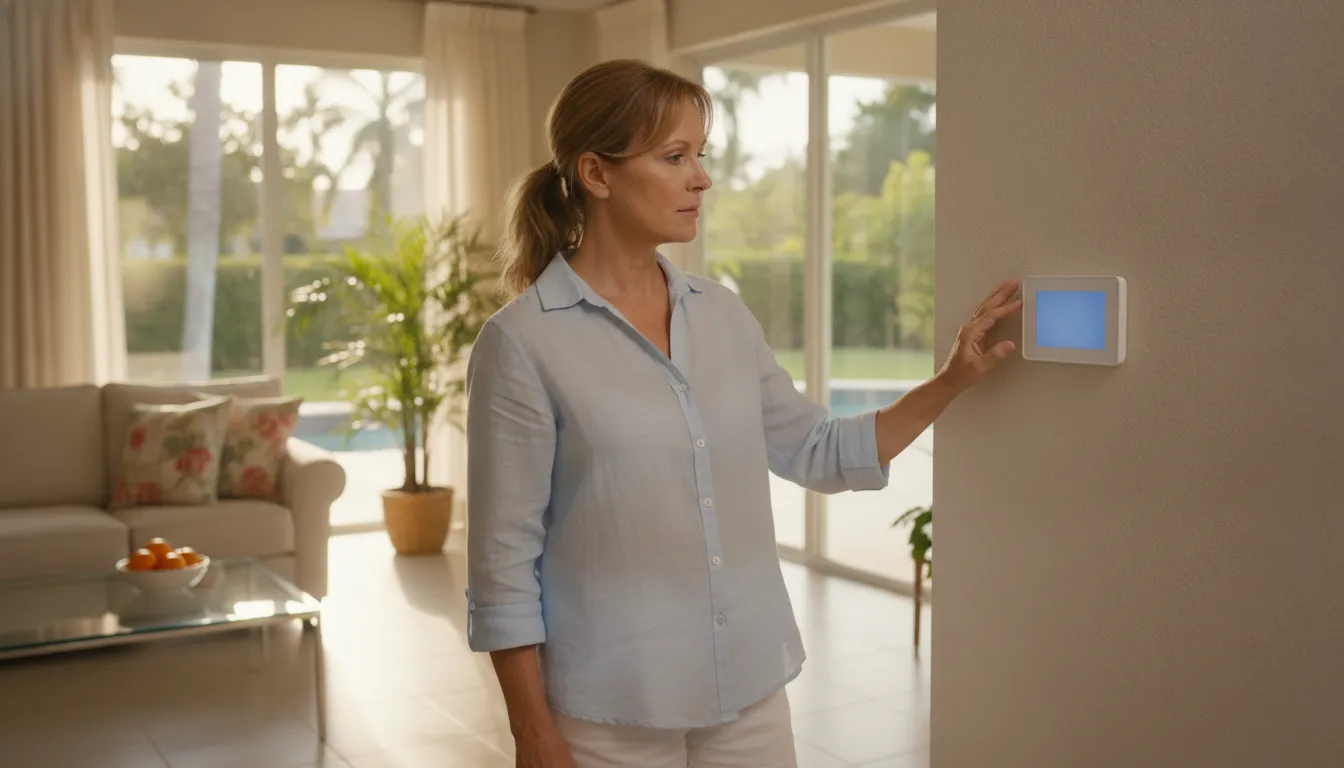
When your AC runs but the house stays warm, Florida's heat and humidity can turn a small airflow problem into an uncomfortable afternoon quickly. Space Coast homeowners can start with a few safe checks, but recurring problems deserve prompt attention. For practical maintenance steps and repair guidance, review our AC maintenance and repair guide, or contact Space Coast Cooling & Plumbing when your system is not keeping up.
Schedule AC repair with Space Coast Cooling & Plumbing today
If you are wondering why is my ac not cooling, the usual culprits are restricted airflow, a wrong thermostat setting, a blocked outdoor unit, or low refrigerant. Some checks are simple, while electrical, refrigerant, and frozen-coil issues require a qualified professional.
The right next step depends on what you can observe safely. Check whether air moves from the vents, the thermostat is set correctly, and the outdoor unit has clear space around it. Start by understanding what it means when the system is running but the home is not getting cooler.
Why Is My AC Not Cooling? What the Symptoms Mean
When the air conditioner runs but the house stays warm, the system is usually moving air without completing the cooling process. Start with the basics, then review this AC maintenance and repair guide for related warning signs.
What "running but not cooling" actually means
Your AC does not create cold air from nowhere. It removes heat from indoor air and transfers that heat outdoors, much like a refrigerator. Refrigerant absorbs heat as it moves through the indoor coil, then carries that heat to the outdoor coil, where it is released outside. The compressor circulates the refrigerant between those coils. The U.S. Environmental Protection Agency's ENERGY STAR program explains this heat-transfer process.
If the system is running but the indoor temperature barely changes, something may be interrupting airflow or preventing the outdoor unit from releasing heat. A dirty filter can restrict the air moving through the system, causing the AC to work harder while delivering less cooling. Closed or blocked supply vents can create a similar symptom, especially when furniture or stored items cover them.
Look at the thermostat as well. If the fan is set to ON instead of AUTO, the blower may continue running between cooling cycles. That can make the air feel less cool because the fan keeps circulating room-temperature air. Setting the fan to AUTO is a simple check, but it will not correct a deeper problem.
Outside, keep leaves, grass, and other obstructions away from the condenser. A blocked or dirty outdoor unit cannot release heat efficiently, so the indoor air may remain warm even while the system sounds like it is operating. Ice on the refrigerant line or outdoor unit, hissing sounds, or cooling that fails mainly on very hot days can point to a refrigerant problem. Turn the system off and arrange professional service rather than attempting to handle refrigerant yourself.
Common Causes of an AC Not Cooling Properly
When your home feels warm even though the system is running, the cause is usually restricted airflow, an incorrect setting, or an outdoor unit that cannot release heat. These checks can help you identify the likely source before you schedule service for one of the common AC cooling problems.
Airflow and thermostat problems
- Dirty or clogged air filter: Dust, dirt, and pet hair can restrict the air moving through the system. The AC then works harder while less cooled air reaches your rooms. Check that the filter is installed correctly and replace it every 30 to 90 days, depending on household use, pets, and indoor air quality.
- Thermostat fan set incorrectly: If the fan is set to ON instead of AUTO, the blower may continue running between cooling cycles. That can push room-temperature air through the vents and make it seem as though the AC is not producing cold air. Set the fan to AUTO and give the system time to complete a cooling cycle.
- Blocked vents or ducts: Closed registers, furniture over floor vents, and blocked return grilles can keep cooled air from reaching the rooms that need it. Open each supply vent and move obstructions away from the registers. If one room remains warm while others cool normally, a duct or airflow issue may need professional testing.
Outdoor unit and refrigerant warning signs
- Blocked or dirty outdoor condenser: Leaves, grass clippings, weeds, or stored items around the outdoor unit can reduce airflow. Dirt on the condenser coil also makes it harder for the system to release heat. Clear the area around the unit, but do not remove panels or spray electrical components. A covered or heavily soiled unit may need professional cleaning.
- Low refrigerant or a refrigerant leak: Ice on the refrigerant line or outdoor unit, hissing sounds, and cooling that gets worse on especially hot days can indicate a leak. Refrigerant does not normally get used up, so adding more without finding the source will not solve the underlying problem. Turn the system off if it is icing over and arrange an inspection.
Start with the safe checks above, then watch the pattern of the problem. An AC that cools briefly, struggles on hot afternoons, or leaves some rooms warm may need a refrigerant diagnosis or coil cleaning rather than another thermostat adjustment.
How to Check If the Problem Is the Thermostat, Filter, or Refrigerant
Before assuming your air conditioner needs a major repair, you can safely check a few homeowner-level causes. These steps can help answer why is my ac not cooling without opening the equipment or handling electrical and refrigerant components. If the checks do not restore cooling, visit our common AC cooling problems guide or schedule professional service.
Start with the settings and airflow
- Confirm the thermostat is calling for cooling. Set the system mode to COOL, choose a temperature below the current indoor temperature, and set the fan to AUTO rather than ON. With the fan set to ON, the blower can continue moving room-temperature air between cooling cycles, which may make the home feel warmer. An AUTO setting is a simple troubleshooting check recommended for central air systems. Do not remove the thermostat cover or touch wiring.
- Inspect the air filter and replace it if it is dirty. Turn the system off at the thermostat, then locate the filter in its return-air grille or indoor cabinet. A filter covered with dust, dirt, or pet hair can restrict airflow and make the system work harder. Replace it with the correct size and airflow rating for your equipment. Many filters need replacement every 30 to 90 days, although pets, construction dust, and heavy use can shorten that interval. Never operate the system without a properly installed filter.
- Check the outdoor unit for visible airflow blockages. With the system turned off, clear leaves, grass, toys, and other loose debris from around the condenser. Keep plants and stored items away from the cabinet so air can move freely. Do not remove panels, reach through the grille, spray the unit with a hose, or attempt to straighten coil fins. A blocked outdoor condenser can prevent the system from releasing heat effectively, so persistent problems may require a technician. The Carrier troubleshooting guidance also identifies outdoor-unit blockages as a possible cause of weak cooling.
Know when refrigerant symptoms require a professional
Look, listen, and stop there. Ice on the line or outdoor unit, a hissing sound, or warm air on very hot days can point to a refrigerant leak. Frozen indoor coils can also result from low refrigerant or restricted airflow. Do not attempt to thaw the system with tools, add refrigerant, or open a service valve. Refrigerant work requires specialized equipment and safe handling, and a leak must be located and repaired rather than simply topped off.
If you see ice, switch the system off and use the fan only if your equipment manual permits it. Protect the area from water as the ice melts, and arrange an inspection. Call a professional promptly if the unit trips a breaker, produces burning odors, makes unusual mechanical noises, or still blows warm air after the thermostat and filter checks. These symptoms can involve electrical or mechanical parts that are not safe DIY repairs.
When a Dirty Coil or Clogged Filter Is to Blame
Restricted airflow is one reason an air conditioner may run continuously while the home still feels warm. Dust, pet hair, and other debris make the system work harder, while a dirty outdoor coil can prevent heat from leaving the house efficiently. If you are troubleshooting why is my ac not cooling, start with the simple checks below, then arrange professional service when the problem points to the coils.
How a dirty filter affects cooling
A clogged filter limits the amount of air moving across the indoor evaporator coil. That restriction can reduce comfort, increase system strain, and contribute to a coil becoming too cold. The U.S. Environmental Protection Agency recommends checking that air-handling-unit filters are clean and installed correctly. In many homes, filters need replacement every 30 to 90 days, although pets, construction dust, and heavy use can shorten that interval. You can usually handle this maintenance yourself by turning off the system, confirming the filter size and airflow direction, and installing a properly rated replacement.
If you see ice on the indoor unit or refrigerant line, turn the system off and allow the ice to melt rather than continuing to run it. A frozen evaporator coil can indicate poor airflow or low refrigerant, and the underlying cause needs professional inspection. Do not chip away the ice or attempt to add refrigerant yourself. For related troubleshooting guidance, review these common AC cooling problems.
Why outdoor coil dirt can reduce performance
The indoor coil absorbs heat from your home, and the outdoor condenser coil releases that heat outside. When leaves, grass, dust, or other debris cover the outdoor unit, the coil cannot release heat as effectively. The compressor may then work harder, and the air conditioner may struggle most during a hot, humid Space Coast afternoon.
As a homeowner, clear vegetation and loose debris from around the outdoor cabinet, leaving the service clearances recommended for your equipment. Avoid opening the cabinet, bending coil fins, or spraying high-pressure water into the unit. Coil cleaning, indoor evaporator access, and any diagnosis involving refrigerant are best left to a trained HVAC professional. This protects the equipment and helps identify whether airflow, a leak, or another fault is causing the ice or weak cooling.
Signs You Need a Professional AC Repair vs a DIY Fix
When you are asking, "why is my ac not cooling," start with the checks that do not require tools, refrigerant, or electrical access. A few homeowner-safe steps can restore airflow. Symptoms such as ice, unusual noises, or repeated shutdowns point to a repair that needs a qualified HVAC technician. The wrong DIY step can damage the equipment, create a shock or fire hazard, or leave the underlying problem unresolved.
What homeowners can safely check
| Homeowner-safe task | Professional task |
|---|---|
| Replace a visibly dirty air filter with the correct size. Restricted airflow can make the system work harder and cool less effectively. | Diagnose a frozen coil or recurring ice buildup. Frozen evaporator coils can be related to poor airflow or low refrigerant, so replacing the filter alone may not solve the cause. |
| Clear leaves, grass, and other debris from around the outdoor unit. Keep the area open, but do not remove panels or reach inside. | Clean condenser coils when buildup is affecting heat release. Coil cleaning requires appropriate equipment and care around delicate fins and electrical parts. |
| Set the thermostat to cooling mode and confirm the fan is set to AUTO. Check that supply vents are open and not blocked by furniture. | Test the compressor when the unit runs but does not cool. The compressor circulates refrigerant between the indoor and outdoor coils, and diagnosis involves high-voltage and pressurized components. |
| Reset the thermostat once if the controls appear unresponsive. If the breaker has tripped, do not repeatedly reset it. | Investigate electrical faults, damaged wiring, or a tripping breaker. Air conditioners may require dedicated circuits, and electrical work is not a safe homeowner repair. |
When to stop troubleshooting and call for repair
Turn the system off and arrange service if you see ice, hear hissing, or find the AC cools only on milder days. These signs can indicate a refrigerant leak. Do not attempt to add, recover, or handle refrigerant yourself. Refrigerant work requires specialized tools, leak testing, and proper procedures, and adding refrigerant without finding the leak can allow the problem to return.
Call for help sooner if you smell burning, hear loud mechanical noises, see water near electrical equipment, or find that the outdoor fan is not operating. A technician can identify whether the issue involves airflow, coils, refrigerant, the compressor, or electrical components instead of treating only the visible symptom. In the meantime, close blinds, limit heat-producing activities, and use fans safely while waiting for service.
How Long Will It Take to Cool Your Home Once the Problem Is Fixed?
After an airflow restriction or refrigerant-related issue is corrected. Many homes begin feeling more comfortable within about 30 minutes, but reaching the thermostat setting can take a few hours. That is a reasonable range, not a guaranteed service promise. The actual cooldown depends on your home's square footage, insulation, sun exposure, indoor humidity, outdoor temperature, and how long the system was unable to cool properly.
Why Florida heat can make the cooldown feel slow
Your air conditioner has more than one job. It removes heat from indoor air and also pulls moisture from the home. The cooling cycle transfers heat from inside to the outdoor air, so the system has to work harder when the outdoor temperature is high. On a hot, humid Space Coast afternoon, the air may feel less sticky before the temperature drops significantly.
Cooldown can also take longer when the house, walls, furniture, and flooring have absorbed heat during an extended outage. Closing blinds, limiting heat-producing activities, and keeping exterior doors closed can reduce the amount of new heat entering the home while the system runs. Do not repeatedly lower the thermostat far below your desired temperature. That will not make the equipment cool faster and may keep it running longer than necessary.
Correct system sizing affects comfort after repair
A properly sized air conditioner should run long enough to remove heat and humidity without struggling to maintain a comfortable indoor temperature. An oversized unit may reach the thermostat setting quickly but shut off before it adequately dehumidifies the home, leaving rooms feeling cool yet damp. An undersized system may run for long periods and still fall behind during extreme heat. The U.S. Environmental Protection Agency's ENERGY STAR program recommends choosing equipment sized for the specific space because incorrect sizing can reduce efficiency and hurt comfort: review its central air-conditioning guidance.
If the temperature is not improving after several hours, or the system is still running constantly, the original problem may not be fully resolved. Uneven temperatures, weak airflow, ice, or moisture around the indoor unit are also reasons to have the system checked rather than continuing to wait.
Book AC repair service in Brevard County now
Frequently Asked Questions
Why would my AC be running but not cooling?
The system may have restricted airflow from a dirty filter or blocked vents, an incorrect thermostat fan setting, or a blocked outdoor unit. A clogged filter makes the system work harder, while a covered or dirty condenser limits its ability to release heat. Check that the thermostat fan is set to AUTO, replace a visibly dirty filter, and keep the area around the outdoor unit clear. These troubleshooting steps are consistent with filter and airflow guidance from the U.S. Environmental Protection Agency: air filters in the home.
Should I turn off AC if it is not cooling?
Turn it off if you see ice, hear hissing, notice water near the indoor unit, or suspect an electrical problem. Continuing to run a system with a frozen coil or suspected refrigerant issue can worsen the underlying problem. If there are no warning signs, you can briefly check the thermostat and filter, but schedule professional service if cooling does not return.
How do I fix my AC not blowing cold air?
Start with safe homeowner checks: confirm the thermostat is set to COOL and the fan is set to AUTO. Replace a clogged filter, open supply vents, and remove leaves or debris around the outdoor unit. Do not open electrical panels, handle refrigerant, or attempt to repair a compressor. Ice on the refrigerant line, hissing sounds, or poor cooling mainly on very hot days can indicate a refrigerant leak and require professional inspection.
How long does AC take to cool a house after repair?
Cooling time depends on the home's size, insulation, indoor temperature, humidity, outdoor heat, and the repair completed. The system should produce visibly cooler air once the cause is fixed, but the whole home may take longer to reach the setting after a hot day. If temperatures remain uneven or the system keeps running without reducing heat, request a follow-up diagnosis.
Ready to schedule AC repair?
If your AC is still not cooling after the basic checks, a professional evaluation can identify the problem and help restore comfortable airflow. Contact Space Coast Cooling & Plumbing to schedule AC repair in Brevard County. Contact us at (321) 631-5755 to discuss the symptoms you are noticing and the next practical step for your home.