Need Help? Call Us Now!
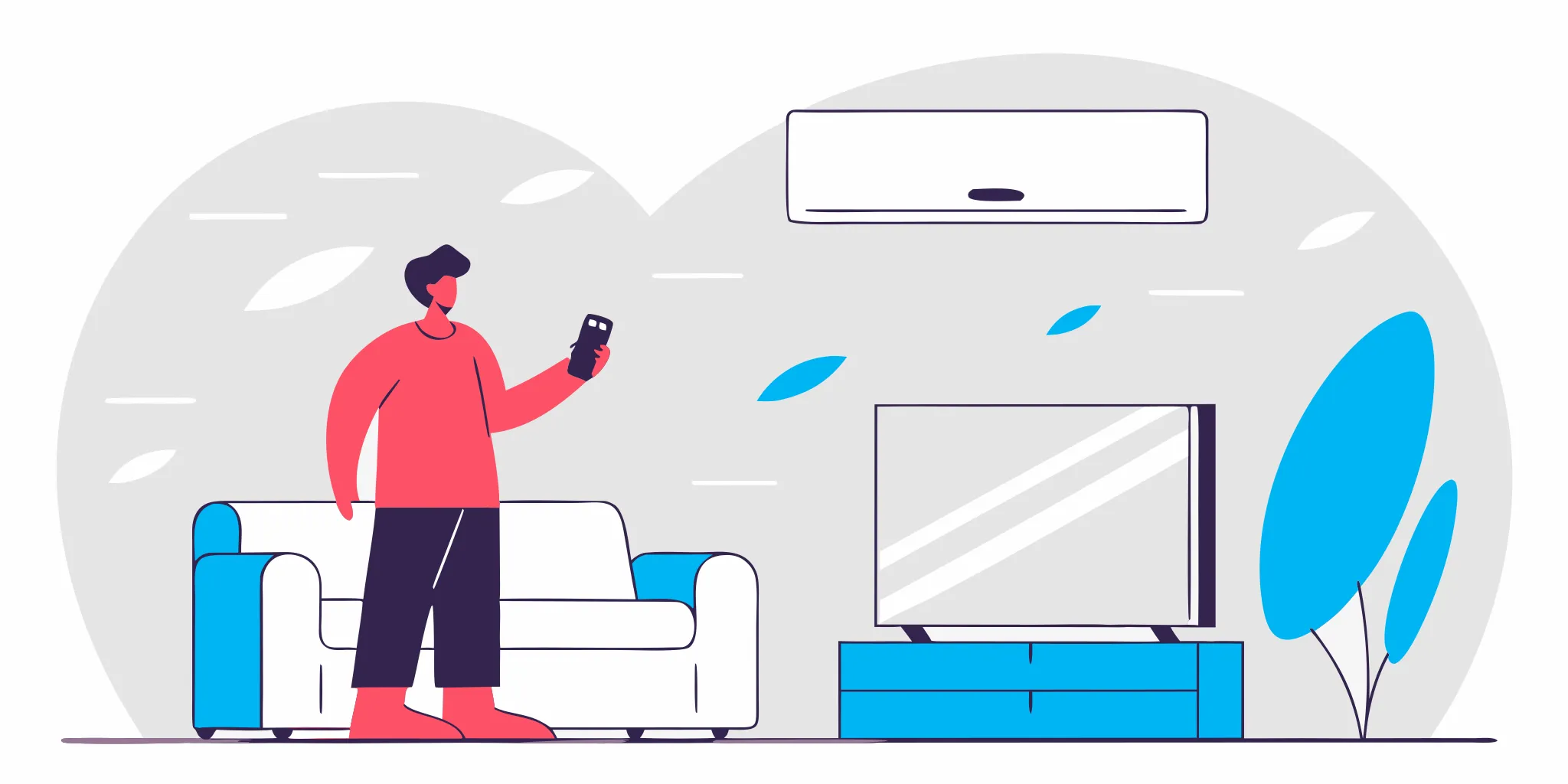
A concerned homeowner holding a remote because their AC is not cooling.
Back to Blog
InsightsJune 26, 2026

Why Is My AC Not Cooling? A Homeowner's Guide

Struggling with an AC not cooling your home? Find common causes, simple troubleshooting tips, and when to call a pro in this practical homeowner’s guide.

When your air conditioner stops working, it’s trying to tell you something. The problem is, it doesn’t use words. Instead, it gives you symptoms, and the most obvious one is an **ac not cooling** your home. While the symptom is clear, the underlying cause could be one of many different issues. It could be as simple as a clogged filter restricting airflow or as serious as a failing compressor. Think of this guide as your decoder ring for AC problems. We’ll help you investigate the common culprits, from incorrect thermostat settings and frozen coils to refrigerant leaks, so you can understand what’s happening with your system and what steps to take next to get the cool air flowing again. ## Key Takeaways * **Start with Simple Troubleshooting**: Before making a service call, check for common issues you can fix yourself. Make sure your thermostat is set to cool, swap out a dirty air filter, and clear any debris from around your outdoor unit. * **Identify Problems That Require a Pro**: Serious symptoms like ice on the coils, strange hissing or grinding sounds, or a breaker that keeps tripping are signs of a bigger issue. Turn your system off immediately and call a technician to prevent costly damage. * **[Make Annual Maintenance a Priority](https://spacecoastcooling.com/maintenance-plans/)**: The best way to prevent future breakdowns is through consistent care. Change your air filters every 1 to 3 months and schedule a professional tune-up each spring to keep your AC running reliably all summer. ## Why Is My AC Not Cooling? There’s nothing quite like that sinking feeling on a sweltering Florida afternoon when you realize your home is getting warmer, not cooler. You check the vents, and sure enough, the air coming out is lukewarm at best. It’s a frustrating and uncomfortable situation, but don’t panic. An air conditioner that isn’t cooling can be caused by anything from a simple oversight to a more complex mechanical issue. In many cases, the fix is something you can handle yourself in just a few minutes. Before you assume the worst, it’s worth running through a few common culprits. Think of it as a quick diagnostic checklist to pinpoint the problem. We’ll walk through the most frequent reasons your AC might be struggling, from dirty filters and incorrect thermostat settings to more serious issues like refrigerant leaks or a failing compressor. By understanding what to look for, you can identify simple fixes and know exactly when it’s time to call in a professional for help. ### Is Your Air Filter Clogged? This is the number one reason we see for AC systems that stop cooling properly, and luckily, it’s the easiest to fix. Your air filter’s job is to trap dust, pollen, and other airborne particles, but over time, it gets clogged. When that happens, it severely [restricts airflow](https://www.carrier.com/us/en/residential/hvac-resources/air-conditioners/ac-not-blowing-cold-air/) to your system. Your AC unit has to work much harder to pull air through the dirty filter, which reduces its cooling power and can even cause the system to freeze up. Pull out your air filter and hold it up to a light. If you can’t see light through it, or if it’s covered in a thick layer of gray dust, it’s long overdue for a change. Swapping it out for a fresh one might be all it takes to get cold air flowing again. ### Are the Thermostat Settings Right? I know this sounds almost too simple, but you’d be surprised how often the solution is right on the wall. Before you go any further, take a close look at your thermostat. First, make sure it’s set to “Cool.” Sometimes it can get accidentally switched to “Heat” or “Fan,” especially in households with kids or pets. Next, check the temperature setting. For the AC to kick on, the set temperature needs to be a few degrees lower than the current room temperature. If it’s set too high, your system is simply waiting for the room to get warmer before it starts cooling. A quick adjustment to the settings can often solve the problem instantly and save you the cost of a service call. ### Could It Be Low Refrigerant? Refrigerant is the lifeblood of your air conditioner; it’s the chemical compound that absorbs heat from your indoor air and releases it outside. A common misconception is that refrigerant gets "used up" like gas in a car. In reality, it circulates in a closed loop. If your system is low on refrigerant, it means you have a leak somewhere. Signs of a refrigerant leak include a hissing sound, ice forming on the copper lines, or an AC that runs constantly but doesn’t cool your home. Because refrigerant is a controlled substance, only a certified technician is legally allowed to handle it. A professional will need to [find and fix the leak](https://www.bryant.com/en/us/products/air-conditioners/ac-not-blowing-cold-air/) before recharging the system. ### Do You See Frozen Coils? Seeing ice or frost on your air conditioner’s indoor or outdoor coils is a definite red flag. While it might seem like a sign of being *too* cold, it actually stops the cooling process entirely. Ice typically forms for two main reasons: restricted airflow from a dirty filter or low refrigerant levels. The ice acts as an insulator, preventing the system from absorbing heat from your home’s air. If you spot ice, turn your AC system off immediately. Then, switch the thermostat’s fan setting to “On” to help circulate air and melt the ice faster. Never try to chip or scrape the ice off, as you can easily damage the delicate coils. Once it thaws, you can try replacing the filter, but if the ice returns, it’s time to call a pro. ### Is the Compressor Failing? The compressor is the heart of your air conditioning system. Located in the outdoor unit, its job is to pressurize and pump refrigerant through the coils to move heat out of your house. If the compressor fails, the entire cooling cycle comes to a halt. You might still hear the indoor fan running, but without the compressor, the system cannot produce any cold air. Warning signs of a failing compressor include loud clanking or buzzing noises from the outdoor unit, the unit shaking violently when it tries to start, or your circuit breaker repeatedly tripping. Compressor replacement is a major repair, and it’s a job that absolutely requires a trained and licensed HVAC technician. ### Is the Outdoor Unit Blocked? Your air conditioner’s outdoor unit, called the condenser, works by releasing the heat it has removed from your home. To do this effectively, it needs plenty of room to breathe. If the unit is blocked by bushes, weeds, leaves, or even patio furniture, it can’t dissipate heat properly. The system will overheat and struggle to cool your home, driving up your energy bills and putting extra strain on the components. Take a quick walk outside and check on your unit. A good rule of thumb is to maintain at least two feet of clear space on all sides. Gently clear away any grass clippings, dirt, or other debris that has collected around the base and trim back any encroaching plants. ### Is the Drain Line Clogged? As your AC cools your home, it also removes humidity from the air. This moisture collects and is funneled outside through a condensate drain line. Here in Florida, the high humidity means these lines can easily get clogged with algae, mold, and sludge. When the line is blocked, water has nowhere to go and backs up into the system. Most modern AC units have a safety float switch that will shut the entire system down to prevent water from overflowing and causing damage to your home. If your AC suddenly stops working, a clogged drain line is a very likely culprit. Clearing the line can often get your system running again. ### Could Leaky Ducts Be the Problem? If your AC is running and seems to be producing cold air, but your home just won’t get comfortable, the problem might not be the AC unit itself. Your ductwork is the highway that delivers cool air to every room. If those ducts have cracks, holes, or loose connections, a significant amount of that precious cold air can escape into your attic or crawlspace before it ever reaches your living areas. Signs of leaky ducts include unusually high energy bills, rooms that are difficult to keep cool, and an increase in dust around your home. Finding and sealing these leaks is a job for a professional, as it often requires specialized tools to pressurize the system and identify where the air is escaping. Properly [sealing leaky ducts](https://www.berkeys.com/berkeys-blog/Top-5-Reasons-Your-AC-Isn-t-Cooling-Properly/) can dramatically improve your comfort and lower your cooling costs. ## What to Check Before You Call for Help When your AC stops cooling on a sweltering Florida day, your first instinct might be to panic. But before you pick up the phone, there are a few simple things you can check yourself. Sometimes, the fix is surprisingly easy and can save you the time and expense of a service call. Walking through these steps can also help you give our technicians better information if you do need to call us. Let’s go through a quick checklist of what to look for. ### Step 1: Check the Thermostat I know it sounds almost too simple, but you’d be surprised how often the thermostat is the culprit. Someone in the house might have accidentally changed the settings. First, make sure the system is set to “Cool,” not “Heat” or just “Fan.” Next, check the temperature setting. For the AC to kick on, the set temperature needs to be a few degrees lower than the current temperature in the room. If your thermostat is battery-powered, a dead battery could also be the problem, so check that too. It’s a quick check that could solve the issue in seconds. ### Step 2: Inspect the Air Filter Your AC system needs to breathe, and a dirty air filter is like trying to run a marathon while breathing through a straw. A clogged filter [restricts airflow](https://www.energy.gov/energysaver/maintaining-your-air-conditioner), which prevents cool air from circulating through your home. It also makes your system work much harder, driving up your energy bills and causing extra wear and tear. Slide your filter out and hold it up to a light. If you can't see light through it, it’s definitely time for a change. We recommend checking your filter every month and replacing it at least every 90 days here in Florida, where our systems run constantly. ### Step 3: Reset the Breaker Your air conditioner is a powerful appliance that can sometimes trip a circuit breaker, especially after a storm or power flicker. Head to your home’s main electrical panel (it’s usually in the garage, a closet, or the laundry room). Look for the breaker labeled “AC,” “Air Conditioner,” or “HVAC.” If the switch is in the middle or “Off” position, it has tripped. To reset it, push the switch firmly to the “Off” position, then flip it back to “On.” If the breaker trips again right away, don't keep resetting it. This indicates a more serious electrical issue that needs a professional diagnosis. ### Step 4: Clear the Outdoor Unit The big metal box outside your house is the condenser, and its job is to release heat from your home. To do this effectively, it needs plenty of room to breathe. Over time, things like leaves, grass clippings, and dirt can build up around it, blocking airflow. For your safety, turn off the power to the unit first at the breaker and the outdoor disconnect box. Then, gently clear away any debris, making sure there are about two feet of clearance on all sides. A quick rinse with a garden hose on a gentle setting can also help clean the condenser coils. ### Step 5: Check the Drain Line Your AC doesn't just cool the air; it also removes humidity. This moisture collects and exits through a condensate drain line. If this line gets clogged with algae or debris, water can back up. Most modern systems have a safety switch that will shut down the entire unit to prevent water damage if it detects a backup. You can usually find the drain line near your indoor air handler. Look for any visible clogs at the end of the pipe or standing water in the overflow pan. Carefully clearing a minor clog can sometimes get your system running again. ### Step 6: Look for Ice Seeing ice or frost on your air conditioner is never a good sign. It typically points to an airflow problem (like a very dirty filter) or low refrigerant. Check the copper lines running to your outdoor unit and look at the indoor evaporator coil (you may need to open an access panel). If you see ice, turn the AC system off immediately but leave the fan running. This will help the ice melt without causing water damage. Once it’s thawed, you can try running the AC again, but if the ice returns, it’s time to call a professional. ## What to Do If You See Ice on Your AC Seeing ice on your air conditioner, especially on a hot Florida day, can be confusing. It’s a definite sign that something is wrong with your system. Ice buildup prevents your AC from cooling your home and can lead to serious damage if you ignore it. Here’s what you should do right away. ### Turn Off the System to Thaw First things first: turn your air conditioner completely off at the thermostat. If you see ice on the indoor unit's coil or the copper lines outside, running the system will only make things worse and could burn out your compressor, a very expensive part to replace. To help the ice melt faster, you can switch your thermostat’s fan setting to “On” while the cooling function is off. This circulates air across the frozen coil to speed up the thawing process. Keep in mind, this only deals with the ice itself, not the underlying reason it formed. ### Look for Airflow Blockages While the system is off and thawing, you can do a little detective work. The most common reason for an AC to freeze up is restricted airflow. A dirty, clogged air filter is usually the main suspect. When air can't flow freely over the evaporator coil, the coil gets too cold and moisture in the air freezes onto it. Check your air filter and if it looks dirty, replace it. Also, take a quick walk through your home to make sure all your supply vents are open and not blocked by furniture, rugs, or curtains. Proper [airflow](https://www.energy.gov/energysaver/maintaining-your-air-conditioner) is essential for your AC to work correctly. ### When Ice Means It's Time to Call a Pro If you’ve replaced the filter and the unit still freezes up after you turn it back on, it’s time to call for professional help. Ice can also be a symptom of a more serious issue, like a refrigerant leak. Low refrigerant causes a pressure drop in the system, which can make the evaporator coil freeze. Handling refrigerant requires special tools and an EPA certification, so it’s not a DIY job. Continuing to run an AC with low refrigerant can permanently damage the compressor. Don't risk it. A trained technician can safely diagnose the problem, whether it's a simple fix or a refrigerant issue, and get your system running efficiently again. ## When to Call a Professional You’ve checked the thermostat, replaced the filter, and cleared the outdoor unit, but your home is still uncomfortably warm. While it’s great to handle the basics yourself, some AC issues are too complex or hazardous for a DIY fix. Recognizing when to step back and call a licensed technician can save you time, prevent further damage, and keep your family safe. A professional has the right tools and training to diagnose problems accurately, from electrical faults to refrigerant issues, which are things you should never try to handle on your own. Trying to fix these complex components can turn a small problem into a major, expensive one, or worse, create a safety hazard for your home and family. Think of it this way: your air conditioner is one of the most complicated and expensive appliances in your home. When something goes wrong beyond a simple fix, it’s not the time for guesswork. If you’re experiencing any of the following signs, it’s a clear indication that the problem requires professional expertise. It’s always better to be safe and let an expert take a look. ### The Air Is Still Warm If the air blowing from your vents feels lukewarm or even hot, it’s a clear signal that something is wrong deep within your system. After you’ve confirmed your thermostat is set correctly, warm air often points to a more serious issue like a refrigerant leak or a failing compressor. These aren’t problems you can solve on your own. A professional needs to diagnose the root cause and perform a safe, effective AC repair. Ignoring it won’t just leave you sweating; it could lead to a complete system breakdown and a much more expensive fix down the road. ### You Have Weak or No Airflow Are you holding your hand up to a vent and barely feeling a breeze? Weak airflow is another sign that your AC needs professional attention. While a clogged filter is the most common culprit, if you’ve already replaced it and the problem persists, the issue could be a failing blower motor, blocked ductwork, or a frozen evaporator coil. Poor airflow strains your entire system, making it work harder to cool your home and driving up your energy bills. A technician can pinpoint the blockage or mechanical failure and restore proper airflow throughout your home. ### You Hear Hissing or See Leaks Strange sounds and visible leaks are your AC’s way of crying for help. A hissing or bubbling noise often indicates a refrigerant leak. Refrigerant is a chemical that should only be handled by a certified professional, so please don’t attempt to fix this yourself. Likewise, if you see water pooling around your indoor unit, it could be a clogged drain line, but it might also be related to a more severe problem. For any signs of leaks, it’s best to schedule a [24/7 emergency service](https://www.spacecoastcooling.com/contact-us/) call to prevent water damage or hazardous chemical exposure. ### There Are Strange Noises or Smells Your air conditioner should operate with a gentle hum, not a symphony of strange sounds. Grinding, squealing, or clanking noises can signal a problem with the motor bearings or other moving parts. A buzzing or rattling sound might mean parts are loose or the fan is obstructed. Similarly, musty smells could point to mold in your ductwork, while a burning odor suggests an electrical issue. Turn off your system immediately and call a pro, as these problems can quickly escalate into major failures or even create a fire risk. ### Your AC Keeps Turning On and Off If your air conditioner runs for just a few minutes before shutting off, only to turn back on again shortly after, it’s a process known as short cycling. This is incredibly inefficient and puts a massive amount of strain on your compressor. Short cycling can be caused by an oversized system, low refrigerant levels, or even a faulty thermostat. A technician can diagnose why your system is short cycling and fix the underlying issue. This will help lower your energy bills and extend the life of your unit. ### The Breaker Keeps Tripping A circuit breaker is a safety device designed to protect your home from electrical overloads. While a breaker might trip once in a blue moon, if your AC breaker trips repeatedly, it’s a serious red flag. This usually means there’s an electrical fault within the air conditioner itself, such as a short in the wiring or a failing compressor motor. Do not keep resetting it. This is a fire hazard and requires immediate attention from a licensed technician who can safely address the electrical problem. ### Your System Is Over 10 Years Old Air conditioners, especially here in the Florida heat, don’t last forever. If your system is more than 10 years old and needs frequent repairs, it may be more cost-effective to replace it. While the upfront cost of a new unit can seem high, modern systems are far more energy-efficient, which can lead to significant savings on your monthly utility bills. Instead of pouring more money into an aging system, consider getting a quote for a new AC installation to enjoy reliable, efficient cooling for years to come. ## How to Prevent Future AC Problems An ounce of prevention is worth a pound of cure, especially when it comes to your air conditioner in the Florida heat. Taking a few simple, proactive steps can save you from the stress and expense of a sudden breakdown. Consistent care helps your system run more efficiently, extends its lifespan, and keeps your home comfortable year-round. Here are the five most important habits to adopt for a healthy AC. ### Change Your Air Filters Regularly Think of your air filter as your AC system’s lungs. When it gets clogged with dust, pet dander, and other particles, your system can’t "breathe." This blockage forces the unit to work much harder to pull in air, which increases your energy bills and puts a major strain on the components. A dirty filter is one of the most common culprits behind poor cooling and system failures. For most homes, we recommend changing your filter every 30 to 90 days. If you have pets or allergy sufferers at home, you’ll want to stick closer to the 30-day mark to ensure you’re breathing [cleaner indoor air](https://www.epa.gov/indoor-air-quality-iaq/improving-indoor-air-quality). ### Keep the Outdoor Unit Clear Your indoor AC unit works by absorbing heat from your home, and the outdoor unit’s job is to release that heat outside. If the outdoor condenser is blocked, it can’t do its job effectively. This can cause the system to overheat and fail. Take a walk outside and make sure there’s at least two feet of clear space around the entire unit. Trim back any nearby bushes, weeds, or overhanging branches. You should also clear away any leaves, grass clippings, or debris that has collected around the base. A gentle spray with a garden hose can help clean dirt off the metal fins, improving airflow and efficiency. ### Check Your Drain Line Your AC doesn't just cool the air; it also removes humidity. This moisture collects and exits your home through a condensate drain line. In Florida's humid climate, this line works hard and can get clogged with algae, mold, and sludge. When that happens, the water has nowhere to go and can back up into your home, causing water damage and triggering an automatic shutdown of your AC system. You can help prevent this by periodically checking the drain pan for standing water and ensuring the line is clear. Keeping your indoor coils clean during regular maintenance also helps reduce the gunk that can end up in your drain line. ### Upgrade to a Smart Thermostat Sometimes the problem isn't the AC unit itself but the device that controls it. An old, inaccurate thermostat can misread your home's temperature and fail to signal your AC to turn on at the right time. Upgrading to a [smart thermostat](https://www.energystar.gov/products/smart_thermostats) is a fantastic way to improve both comfort and efficiency. These devices learn your habits, allow you to set schedules, and let you control your home’s temperature from your phone. This not only gives you precise control over your cooling but also helps you save money on your energy bills by ensuring your AC only runs when it needs to. It’s a simple upgrade that makes a big difference. ### [Schedule Annual Maintenance](https://spacecoastcooling.com/hvac-services/ac-tune-up-maintenance/) The single most effective way to prevent future AC problems is to schedule professional maintenance once a year. Just like taking your car in for an oil change, an annual tune-up keeps your system running in peak condition. During a service visit, a technician will clean the coils, check refrigerant levels, test electrical components, and catch small issues before they become major, expensive repairs. We recommend scheduling your tune-up in the spring to ensure your system is ready for the summer heat. Investing in an annual maintenance plan is the best way to protect your investment, lower your energy bills, and ensure your AC is reliable when you need it most. ## AC Struggling in the Florida Heat? We Can Help. Living here on the Space Coast, we all know that a working air conditioner isn't a luxury—it's a necessity, especially when the summer heat hits. If you've worked through the common troubleshooting steps and your home still feels like a sauna, it’s easy to feel frustrated and worried about what comes next. You need cool air, and you need it now. That’s where we come in. At Space Coast Cooling & Plumbing, we’ve spent more than three decades helping our neighbors from Titusville to Palm Bay keep their cool. When your AC can't keep up, you need a team you can count on to show up on time and give you an honest diagnosis. Our licensed technicians can quickly find the real source of the problem, whether it's low refrigerant from a hidden [leak](https://www.carrier.com/us/en/residential/hvac-resources/air-conditioners/ac-not-blowing-cold-air/) or a more complex issue with your compressor. We’ll explain your options clearly, with upfront pricing, so you can make the right choice for your home without any sales pressure. Our only job is to fix the problem the right way. Don't let a struggling AC ruin your day. Because HVAC emergencies don't stick to a 9-to-5 schedule, we're here to help 24/7. If your system has given up, [give our team a call](https://www.spacecoastcooling.com/contact-us), and we’ll get you back to feeling comfortable in no time. ## Related Articles * [Are HVAC Maintenance Plans Worth It? What to Know](https://spacecoastcooling.com/are-hvac-maintenance-plans-worth-it/) * [Professional AC Tune-Up in Cocoa, FL](https://spacecoastcooling.com/hvac-services/ac-tune-up-maintenance/) * [Air Conditioning Repair in Cocoa, FL](https://spacecoastcooling.com/hvac-services/air-conditioning-repair/) * [Thermostat Installation & Repair in Cocoa, FL](https://spacecoastcooling.com/hvac-services/thermostat-installation-repair/) * [Trusted Emergency HVAC Services in Cocoa, FL](https://spacecoastcooling.com/hvac-services/emergency-hvac/) ## Frequently Asked Questions **My AC is blowing air, but it’s not cold. What should I check first?** Before you do anything else, walk over to your thermostat. Make sure it’s set to “Cool” and that the temperature is set several degrees lower than the current room temperature. It’s a simple step, but it solves the problem more often than you’d think. If the settings are correct, your next stop should be the air filter. A severely clogged filter can block airflow so much that your system can’t cool properly. If a new filter doesn’t help, it’s time to call a technician. **How often do I really need to change my air filter in Florida?** Because our air conditioners work so hard year-round, you need to be more diligent here than in other climates. We recommend checking your filter every month. For most homes, a replacement every 90 days is a good rule, but if you have pets that shed or family members with allergies, you should change it every 30 days. A clean filter is the easiest and cheapest way to keep your AC running efficiently and prevent unnecessary strain on the system. **Is it safe to keep running my AC if I see ice on it?** No, you should turn the cooling function off immediately. Ice on your AC unit is a clear sign of a problem, usually related to airflow or refrigerant levels. Continuing to run the system can cause more ice to build up, which can permanently damage your compressor, a very expensive part to replace. You can leave the fan on to help the ice melt, but you should not turn the cooling back on until a professional has identified and fixed the root cause. **[Is annual AC maintenance actually worth the money?](https://spacecoastcooling.com/are-hvac-maintenance-plans-worth-it/)** Absolutely. Think of it like an oil change for your car. An annual tune-up is a preventative measure that saves you money in the long run. During a maintenance visit, a technician can catch small problems before they turn into major, costly breakdowns on a hot summer day. They also clean and calibrate your system so it runs as efficiently as possible, which helps lower your monthly energy bills. It’s a small investment that protects your much larger investment in home comfort. **My AC is making a strange noise. Can I ignore it for a while?** You should never ignore strange sounds coming from your air conditioner. Noises like grinding, squealing, or loud clanking are your system’s way of telling you that a mechanical part is failing. Letting it continue could cause a chain reaction, turning a relatively simple fix into a complete system failure. If you hear a buzzing sound or the breaker keeps tripping, it could be a dangerous electrical issue. For your safety and to prevent more expensive damage, turn the system off and call for service right away.
Available 24/7

Call the Experts that Local Homeowners Rely On

When you need home services, you want answers you can trust and work you can count on. Space Coast Cooling & Plumbing is the plumbing and HVAC company in Cocoa, FL, that brings decades of local experience, licensed professionals, and customer-first service to every job. One call connects you with a team ready to help.

Licensed & InsuredServing Cocoa Since 1994Honest, Upfront PricingSame-Day Service Available