Need Help? Call Us Now!
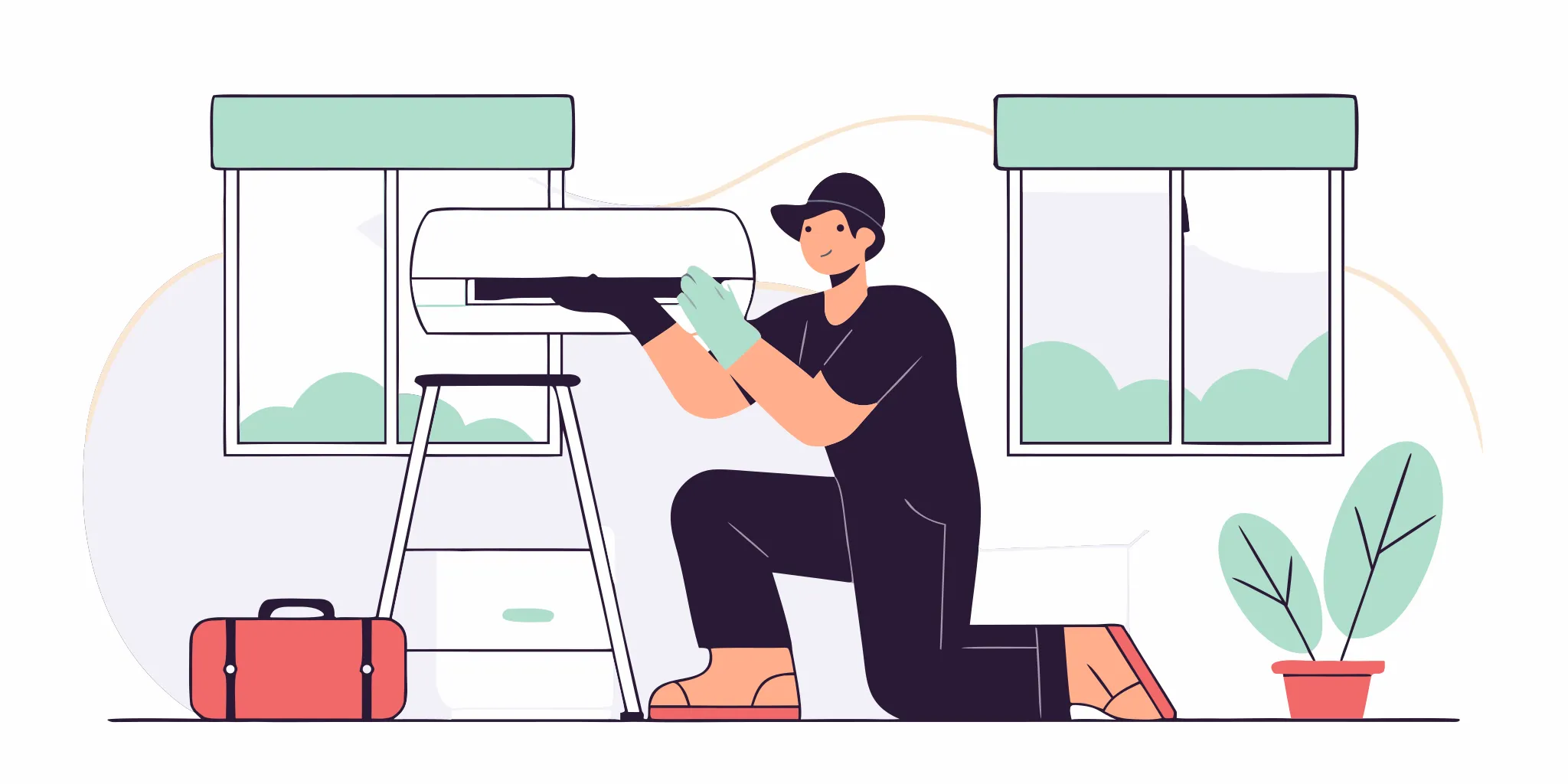
Technician performing AC repair on a condo air conditioner.
Back to Blog
InsightsJuly 9, 2026

The Ultimate Guide to AC Repair for Condos

Get expert tips on AC repair for condos, including common issues, troubleshooting steps, repair costs, and how to choose the right HVAC company.

When your air conditioner stops working, the first question that pops into a condo owner’s head isn’t always about the repair itself, but rather, "Who is responsible for this?" It’s a frustrating gray area that can cause delays and disputes with your HOA. The rules for ac repair for condos are often buried in complex governing documents, leaving you unsure if you need to open your wallet or contact the property manager. This guide is designed to give you clear answers. We’ll walk through how to determine responsibility, what questions to ask, and how to find a qualified professional who understands the unique challenges of working in condo buildings, so you can get your cool air back without the headache. ## Key Takeaways * **[Stay Ahead of Breakdowns with Simple Maintenance](https://www.spacecoastcooling.com/hvac-services/ac-tune-up-maintenance/)**: Performing easy tasks like changing your air filter regularly and scheduling an annual professional tune-up is the most effective way to keep your system running efficiently and avoid the stress of a sudden failure. * **Know Who Pays Before You Call**: Your condo's governing documents are the only source that defines who is financially responsible for AC repairs. Checking them first tells you whether it's your responsibility or the HOA's, preventing confusion and disputes. * **Make a Smart Call on Repairs or Replacement**: When facing a repair, use the 50% rule: if the fix costs half as much as a new unit, replacement is likely the better long-term choice. Always hire a licensed, insured company that offers upfront pricing to ensure the job is done right. ## Who Is Responsible for AC Repair in a Condo? In most Florida condos, the HOA is responsible for common areas, while the unit owner is responsible for everything inside the unit, including the AC system. ## Does Condo Insurance Cover HVAC Breakdowns? Standard condo insurance policies (HO-6) rarely cover HVAC breakdowns caused by normal wear and tear. If your AC fails due to age or lack of maintenance, your insurance won't cover the repair. ## What Type of AC System Is Best for a Condo? Many condos in Brevard County use [ductless mini-split systems](https://www.spacecoastcooling.com/hvac-services/ductless-mini-split-installation-repair/) because they're compact and energy-efficient. ## Common AC Problems in Condos Living in a condo means enjoying a certain lifestyle, but it also comes with unique responsibilities, especially when the AC acts up. Because condo HVAC systems can be configured differently than those in single-family homes, the problems you encounter might feel a bit more complex. From strange noises echoing through your unit to a sudden lack of cool air on a sweltering Florida day, these issues are more than just minor annoyances. They're signs that your system needs attention. Understanding what’s going on is the first step toward getting a fast, effective fix and restoring comfort to your home. ### Weak or Warm Airflow There’s nothing more frustrating than feeling your AC running, only to have warm or weak air trickling out of the vents. More often than not, this points to an airflow problem. A severely clogged air filter is the most common culprit, as it forces your system to work much harder to pull in air. Other causes include dirty evaporator or condenser coils, or even a blocked outdoor unit if you have one. While you can easily change an air filter yourself, cleaning coils is a delicate job best left to a professional. Ignoring weak airflow will only strain your system and drive up your energy bills. ### Water Leaks or Moisture Buildup Spotting water dripping from your indoor AC unit or seeing moisture stains on the ceiling should set off immediate alarm bells. This is typically caused by a clogged condensate drain line. Your AC naturally removes humidity from the air, and this moisture is supposed to flow safely outside through a drain pipe. When that line gets blocked with algae or debris, the water backs up and has to go somewhere, which usually means onto your floor or inside your walls. If left unaddressed, this can lead to significant water damage and create the perfect environment for [mold growth](https://www.epa.gov/mold/brief-guide-mold-moisture-and-your-home). Don't wait to get this fixed. ### Unusual or Loud Noises Your air conditioner should operate with a gentle, consistent hum. If you start hearing rattling, buzzing, scraping, or clanking, your system is trying to tell you something is wrong. These sounds often indicate that a part has come loose, like a fan blade or a motor component, or that debris has gotten inside the unit. While it might be tempting to ignore it and hope it goes away, a loose part can cause a cascade of damage to other components. Turning the system off and calling a technician is the safest move to prevent a small issue from turning into a major, expensive repair. ### Refrigerant Leaks Refrigerant is the chemical that allows your AC to cool your home, and your system is designed to be a closed loop. You should never need to "top off" your refrigerant. If your system is low, it means there’s a leak. Signs of a leak include warm air from the vents, a hissing sound near the unit, or ice forming on the copper refrigerant lines. Because refrigerant is a regulated substance, only a licensed and certified technician is legally allowed to handle it. A professional will need to find and repair the leak before recharging the system to the manufacturer’s exact specifications. ### Unit Fails to Turn On When your condo is getting hot and the AC won’t turn on at all, it can feel like a crisis. The issue could be as simple as a tripped circuit breaker or a thermostat with dead batteries. It's always worth checking those two things first. However, if the breaker is fine and the thermostat has power, the problem likely runs deeper. It could be a faulty thermostat, a wiring issue, a tripped safety switch, or a failed compressor or fan motor. For anything beyond a simple breaker reset, it’s best to have a professional diagnose the problem to ensure it’s fixed safely and correctly. ## DIY Troubleshooting Before You Call a Pro When your AC stops working on a sweltering Florida day, the first instinct is to panic. But before you pick up the phone, taking a few minutes to check some common culprits can sometimes save you a service call. These simple steps are easy for any condo owner to perform, and even if they don’t solve the issue, the information you gather will help your technician diagnose the problem faster when they arrive. Think of it as a quick, five-minute investigation that could get your cool air back on in no time. Even if you end up needing a professional, knowing you’ve ruled out the simple stuff is empowering. You’ll be able to give us a clear picture of what’s happening and what you’ve already tried. Let’s walk through a few things you can check right now. ### Check the Thermostat This might sound obvious, but it’s the source of service calls more often than you’d think. First, make sure your thermostat is set to “cool” and the temperature is set at least a few degrees lower than the current room temperature. If the screen is blank, the batteries may have died, so try replacing them. Sometimes, a simple setting error or dead batteries are all that’s standing between you and a comfortable home. It’s a two-minute check that can save you time and money. ### Inspect and Change the Air Filter Your AC system needs to breathe. A dirty, clogged air filter suffocates your system, restricting airflow and making it work much harder to cool your condo. This not only reduces its efficiency but can also cause the unit to overheat or freeze up. Pull out your air filter and hold it up to the light. If you can’t see light through it, it’s time for a change. As a rule of thumb, changing air filters every one to three months is a great habit to keep your AC running smoothly and your air quality high. ### Look for Ice on the Coils If you notice weak airflow and the air isn’t as cold as it should be, take a look at the indoor unit. If you see [ice on your indoor evaporator coil](https://www.carrier.com/us/en/residential/hvac-resources/air-conditioners/ac-not-blowing-cold-air/), it’s a clear sign of a problem, like a refrigerant leak or severe airflow blockage. If you find ice, turn your AC system off immediately. Continuing to run the unit can cause serious, expensive damage to the compressor. Let the ice melt completely, and then give a professional a call. This isn't a problem that will fix itself. ### Reset the Circuit Breaker Sometimes, the fix is as simple as resetting a tripped circuit breaker. Power surges or minor electrical faults can cause the breaker connected to your HVAC system to trip. Head to your home’s electrical panel and look for the breaker labeled for your AC or air handler. Flip it to the full “off” position, wait about five minutes, and then flip it back “on.” If the breaker trips again right away, don’t keep resetting it. A repeatedly tripping breaker signals a deeper electrical issue that requires a licensed technician to diagnose and repair safely. ## AC Repairs: Are You or the HOA Responsible? When your condo’s AC stops working, the first question that pops into your head is probably, "Who has to pay for this?" It’s a common point of confusion for condo owners. Is it your responsibility, or does it fall under the Homeowners Association (HOA)? The answer isn't always straightforward and depends entirely on your building's setup and governing documents. Before you can even think about scheduling a repair, you need to figure out who holds the responsibility. Let's break down how to determine who needs to make the call. ### Individual vs. Shared HVAC Systems The biggest factor is whether your HVAC system is yours alone or shared with your neighbors. If your condo has its own separate AC components, like an air handler inside your unit and a dedicated condenser unit outside, you are almost certainly responsible for its maintenance and repair. Think of it as just another one of your personal appliances. However, some condo buildings use a central HVAC system where one large unit and shared ductwork serve multiple residences. In that case, the HOA is generally responsible for maintaining that common system, since it’s a shared resource for the entire building or section. ### What Your HOA Typically Covers Your HOA's primary role is to manage and maintain the common areas that every resident shares. This includes things like the building's roof, elevators, hallways, swimming pool, and landscaping. When it comes to your AC, the HOA's responsibility only kicks in if the system itself is considered a common element. If a single, massive chiller on the roof cools the entire building, the HOA is in charge of it. But the components inside your specific unit, like the thermostat or the vents that deliver the cool air, might still be your problem. The dividing line is usually where the shared infrastructure ends and your private unit begins. ### What Falls Under the Owner's Responsibility As a condo owner, you are typically in charge of everything inside your unit’s walls. This is often referred to as "studs-in" or "walls-in" responsibility. Just like you’re responsible for repairing your own refrigerator or dishwasher, you’re also responsible for maintaining the systems that exclusively serve your home. For most condo owners in Florida, this includes their individual air conditioning unit. While you get to skip out on mowing the lawn or painting the exterior, the trade-off is that you handle all the interior upkeep, from a leaky faucet to a broken AC. ### How to Find Answers in Your HOA Documents The only way to know for sure who is responsible is to check your HOA's governing documents. These legally binding papers are the ultimate authority. Look for a document often called the "Declaration" or "CC\&Rs" (Covenants, Conditions, and Restrictions). It should clearly outline the maintenance responsibilities for both the association and individual unit owners. If you can't find your copies, you can request them from your HOA board or property management company. Reading through these HOA documents is the most important step you can take to get a clear answer and avoid a dispute. ### The Role of Condo Insurance There’s one major exception to keep in mind, especially here in Florida: major disasters. Even if your AC unit is normally your responsibility, it might be covered by the HOA’s master insurance policy if it was damaged in a "casualty" event like a hurricane, fire, or flood. In these situations, the damage may fall under the association's policy instead of yours. It’s a good idea to review both your personal condo insurance (also known as an HO-6 policy) and the HOA’s master policy to understand exactly what’s covered after a storm or other major incident. ## Understanding Condo AC Repair Costs When your AC stops working, one of the first questions that comes to mind is, "How much is this going to cost?" The answer can feel a little complicated because the price depends on what’s wrong. A simple fix might only set you back a couple hundred dollars, but a major system failure is a different story. Understanding the potential costs can help you feel more prepared and make a confident decision when you get a quote from a technician. The key is to know the difference between a minor repair and a major overhaul, what factors play into the final price, and when it makes more sense to replace the unit altogether. It’s a big investment, so let’s walk through what you can expect. ### Minor Fixes vs. Major Replacements Not all AC problems are created equal, and neither are their price tags. A minor issue, like a faulty part, is usually a straightforward and relatively affordable fix. For example, things like [capacitor replacements](https://www.homedepot.com/services/c/cost-repair-service-hvac/673dcc2c8) can often be handled quickly and might cost between $90 and $475. On average, many common AC repairs fall into the $100 to $250 range. Major replacements, on the other hand, involve more complex components or even the entire unit. If your compressor fails or you have a significant refrigerant leak, you’re looking at a much larger bill. The best way to know what you’re dealing with is to have a professional diagnose the problem. They can pinpoint the issue and give you a clear estimate for the repair. ### Factors That Influence the Final Price Several things can affect the final cost of your AC repair. The type of HVAC system in your condo is a big one, as some units have more expensive or harder-to-find parts. The location of your unit can also play a role. If it’s in a hard-to-reach spot, the labor costs might be higher. Of course, the specific repair needed is the most significant factor. It’s also helpful to think about preventative costs. The average homeowner spends about $250 on [annual HVAC maintenance](https://www.mysmartclimatesolutions.com/blog/annual-hvac-maintenance-cost), though this can range from $100 to $650. While it’s an upfront cost, regular tune-ups can catch small problems before they become expensive emergencies, saving you money and stress down the road. ### Repair or Replace: How to Make the Call Deciding whether to fix an old AC unit or buy a new one is a tough decision. A good rule of thumb is to consider the "50% rule." If the cost of the repair is half or more of the price of a new unit, it’s often smarter to [invest in a replacement](https://objectstorage.us-ashburn-1.oraclecloud.com/n/axhftmgjrbzl/b/home-and-business/o/uncategorized/budgeting-for-comfort-how-much-should-you-really-pay-for-an-ac.html). Pouring a lot of money into an aging system that might break down again in a few months isn't always the best financial move. Think about the age of your unit, too. If your AC is over 10 years old and needs frequent repairs, a new, more energy-efficient model will likely save you money on both future repairs and your monthly utility bills. It’s a bigger upfront cost, but it can be the more economical choice long-term. ### Financing Options for Larger Projects A full AC replacement is a major expense, and it’s not always something you’ve budgeted for. We get it. That’s why many reputable HVAC companies, including us at Space Coast Cooling & Plumbing, offer financing options to help make the cost more manageable. This allows you to get the reliable, efficient system you need without having to pay the full amount all at once. When you’re weighing your options, you can also use what’s known as [the "$5,000 rule"](https://www.youtube.com/watch?v=ND0QpJYfniY\&vl=en). Simply multiply the age of your AC unit by the estimated repair cost. If the total is more than $5,000, replacement is generally recommended. Don’t hesitate to ask your technician about financing plans; it’s a standard part of the process for larger projects. ## How to Choose the Right AC Company for Your Condo Finding a trustworthy AC company can feel like a challenge, especially when you have to consider your condo association’s rules. But with the right approach, you can confidently hire a professional who will get the job done right. The best companies understand the specific needs of condo HVAC systems and will work with you to ensure everything is handled correctly from start to finish. Taking a few extra steps to vet your options will save you time, money, and stress down the road. ### Verify Licensing, Insurance, and Experience This is the most important step in protecting yourself and your home. An unlicensed contractor might offer a cheaper price, but they put you at risk for shoddy work and liability if something goes wrong. A professional company will always be properly licensed and insured. You can [verify a contractor's license](https://www.myfloridalicense.com/wl11.asp) through the Florida Department of Business and Professional Regulation. Also, ask for proof of insurance; this ensures you won’t be held responsible for accidents on your property. Experience with condos is another key factor. Technicians who regularly work in multi-family buildings understand the unique challenges, from navigating HOA rules to dealing with systems in tight spaces. ### Look for Transparent Pricing and 24/7 Service Unexpected AC problems are stressful enough without the added worry of a surprise bill. Look for a company that offers transparent, upfront pricing. This means they should provide a clear, itemized quote after diagnosing the issue and before any work begins. Many reputable companies charge a standard service fee for the initial assessment, which is a normal part of the process. Because AC failures don’t stick to a 9-to-5 schedule, especially in the Florida heat, choose a company that offers [24/7 emergency service](https://www.spacecoastcooling.com/contact-us/). Knowing you have a reliable team to call on a weekend or holiday provides incredible peace of mind. ### Read Customer Reviews and Check Their Reputation Online reviews are your window into a company’s real-world performance. Check sites like Google and the Better Business Bureau to see what past customers are saying. Don’t just look at the star rating; read through the comments to find patterns. Are customers consistently praising the company for its professionalism, punctuality, and fair pricing? A few negative reviews aren’t necessarily a dealbreaker, but pay attention to how the company responds. A business that takes the time to address customer concerns shows that it values its reputation and is committed to getting things right. This feedback gives you a much clearer picture of the service you can expect. ### Key Questions to Ask Before You Hire Once you’ve narrowed down your options, a quick conversation can help you make your final decision. A trustworthy technician will be happy to answer your questions clearly and confidently. Here are a few key things to ask: * Do you have experience working in condo buildings like mine? * Are all of your technicians licensed, insured, and background-checked? * Can you provide a detailed, itemized quote before starting any work? * What kind of warranty do you offer on parts and labor? * Do you offer [preventative maintenance plans](https://www.spacecoastcooling.com/maintenance-plans/) to help avoid future breakdowns? Their answers will tell you a lot about their expertise and customer service approach, helping you feel certain you’ve chosen the right partner for the job. ## Preventative Maintenance to Keep Your AC Running Smoothly The best way to handle an AC repair is to prevent it from happening in the first place. A little proactive care goes a long way, especially here in Florida where our air conditioners work overtime. Staying on top of a few simple tasks can extend the life of your system, improve its efficiency, and save you from the stress of a sudden breakdown on a hot afternoon. Think of it as an investment in your comfort and your wallet. These maintenance steps are straightforward and can make a huge difference in keeping your condo cool and comfortable all year long. ### Change Your Air Filters Regularly This is one of the easiest and most effective things you can do for your AC system. A clogged air filter forces your unit to work harder to pull in air, which puts a strain on the components and drives up your energy bill. A dirty filter also circulates dust and allergens throughout your home. Making a habit of changing your air filters every one to three months is crucial for maintaining healthy airflow and system efficiency. Set a recurring reminder on your phone so you don’t forget. It’s a five-minute task that can prevent major problems down the road. ### Keep Evaporator and Condenser Coils Clean Your AC has two sets of coils that are essential for the cooling process: the evaporator coil inside and the condenser coil outside. Over time, the indoor evaporator coil can get covered in dust, while the outdoor condenser unit can become clogged with leaves, dirt, and grass clippings. When these coils are dirty, they can’t transfer heat effectively, forcing your system to run longer and less efficiently. You can gently rinse the outdoor unit with a hose (don't use a pressure washer!) and trim back any surrounding plants to ensure there are at least two feet of clearance for proper airflow. ### Clear the Condensate Drain Line Your air conditioner doesn't just cool the air; it also removes humidity. That moisture is collected and funneled outside through a small pipe called a condensate drain line. If this line gets clogged with algae or debris, the water can back up and cause significant water damage to your walls, ceiling, or floors. It can also trigger an automatic shut-off switch, leaving you without AC. You can help keep it clear by periodically pouring a cup of distilled vinegar down the line, but if you notice water pooling around your indoor unit, it’s time to call a professional to clear the blockage safely. ### Schedule Annual Professional Tune-Ups While DIY tasks are helpful, nothing replaces a comprehensive professional inspection. Scheduling an annual tune-up is the single most important step to ensure your AC runs reliably and efficiently for years to come. During a maintenance visit, a certified technician will perform a full system checkup, including cleaning the coils, testing electrical components, checking refrigerant levels, and clearing the drain line. This allows them to catch small issues before they become expensive emergencies. Our [affordable maintenance plans](https://www.spacecoastcooling.com/maintenance-plans/) are designed to make this essential service simple and worry-free, giving you peace of mind when you need it most. ## Protect Your Condo AC With a Maintenance Plan Our [maintenance plans](https://www.spacecoastcooling.com/maintenance-plans/) keep your AC running efficiently year-round with regular inspections. ## Related Articles * [AC Repair for Rental Properties: Guide for Landlords & Tenants](https://www.spacecoastcooling.com/blog/ac-repair-for-rental-properties/) * [Are HVAC Maintenance Plans Worth It? What to Know](https://www.spacecoastcooling.com/are-hvac-maintenance-plans-worth-it/) * [Professional AC Tune-Up in Cocoa, FL](https://www.spacecoastcooling.com/hvac-services/ac-tune-up-maintenance/) * [Air Conditioning Repair in Cocoa, FL](https://www.spacecoastcooling.com/hvac-services/air-conditioning-repair/) * [HVAC Maintenance Services in Cocoa, FL](https://www.spacecoastcooling.com/hvac-services/hvac-maintenance/) * [Thermostat Installation & Repair in Cocoa, FL](https://www.spacecoastcooling.com/hvac-services/thermostat-installation-repair/) ## Frequently Asked Questions **My AC just stopped working. Should I call my HOA or an AC company first?** Your first step should be to look at your HOA's governing documents, often called the "Declaration" or "CC\&Rs." These papers will clearly state who is responsible for the AC system. In most Florida condos, if the system exclusively serves your unit, the repair is your responsibility. If you've checked the documents and are still unsure, contact your property manager for clarification before scheduling a service call. **How do I decide whether to repair my old AC unit or just replace it?** A good guideline is to consider the cost of the repair versus the age of the system. If a repair quote is 50% or more of the cost of a brand new unit, it often makes more financial sense to invest in a replacement. For units over 10 years old that require frequent fixes, a new, energy-efficient model will likely save you money on both future service calls and your monthly utility bills. **I already checked the thermostat and reset the circuit breaker. What should I do now?** You've covered the most common simple fixes, which is great. If those steps didn't solve the problem, it's time to call a professional. The issue is likely more complex, such as a refrigerant leak, a faulty motor, or an electrical problem that requires a licensed technician to diagnose and repair safely. Trying to fix these issues yourself can often lead to more damage or create a safety hazard. **Is professional maintenance really necessary if I'm good about changing my air filters?** Changing your filters is one of the best things you can do, but it doesn't replace a professional tune-up. During an annual maintenance visit, a technician performs a much more thorough inspection. They clean critical components like the indoor and outdoor coils, test electrical connections, check refrigerant levels, and ensure the condensate drain is clear. This service is key to catching small issues before they become major, costly breakdowns. **What makes your company a good fit for handling AC repairs in a condo?** We have extensive experience working within condo communities across the Space Coast. Our technicians are familiar with the unique challenges, from navigating HOA rules and insurance requirements to servicing units located in tight closets or on rooftops. We provide clear, upfront pricing before any work begins, and our 24/7 emergency service ensures you have a reliable partner to call, even if your AC fails on a weekend or holiday.
Available 24/7

Call the Experts that Local Homeowners Rely On

When you need home services, you want answers you can trust and work you can count on. Space Coast Cooling & Plumbing is the plumbing and HVAC company in Cocoa, FL, that brings decades of local experience, licensed professionals, and customer-first service to every job. One call connects you with a team ready to help.

Licensed & InsuredServing Cocoa Since 1994Honest, Upfront PricingSame-Day Service Available