Need Help? Call Us Now!
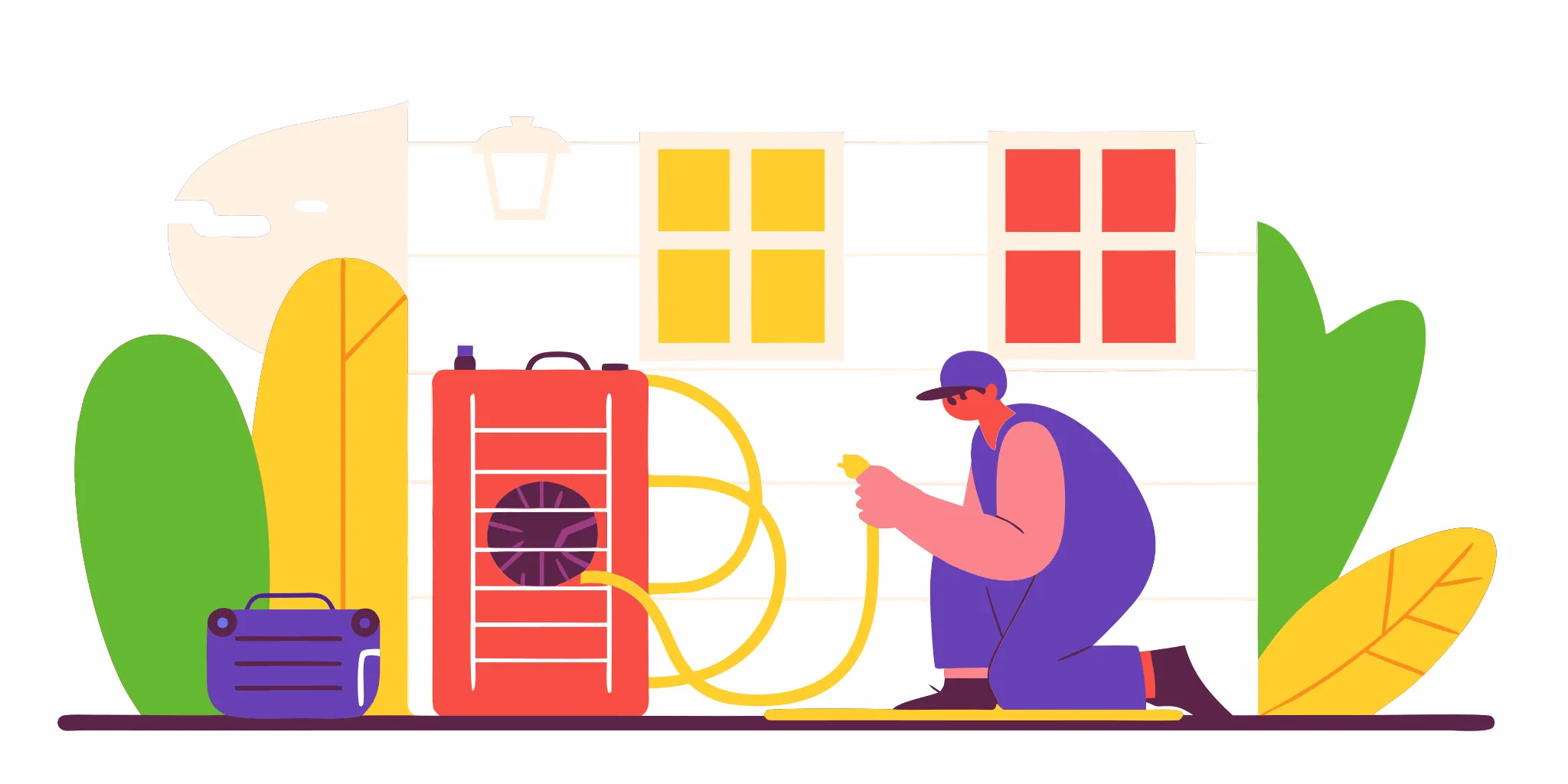
Technician performing AC repair on a unit outside a mobile home.
Back to Blog
InsightsJuly 9, 2026

AC Repair for Mobile Homes: A Homeowner's Guide

Get expert tips on AC repair for mobile homes, from common issues to maintenance and choosing the right technician for reliable, efficient cooling.

Let’s talk about the question on every homeowner’s mind when the AC fails: what is this going to cost? The uncertainty between a simple fix and a full system replacement can be daunting. For mobile home residents, this is compounded by the need for specialized parts and service. An honest, upfront assessment is crucial to making a smart financial decision for your household. This article is here to bring some clarity to the costs associated with **ac repair for mobile homes**. We will break down the factors that influence pricing, discuss the repair-versus-replace dilemma, and help you understand what to expect so you can make an informed choice without the high-pressure sales tactics. ## Key Takeaways * **Match the AC to your mobile home**: Standard air conditioners are not designed for the unique construction and ductwork of manufactured homes. To ensure efficiency and prevent future issues, work with a technician who can install the right system, like a packaged unit or mini-split, for your specific space. * **Know when to repair versus replace**: A repair is a great choice for younger systems with minor problems. However, if your AC is over 10 years old, needs frequent fixes, or faces a repair costing more than half the price of a new unit, replacement is usually the smarter long-term investment. * **A little maintenance goes a long way**: You can prevent many common AC issues on your own. Regularly changing the air filter, keeping the outdoor unit clear of debris, and scheduling an [annual professional tune-up](https://spacecoastcooling.com/hvac-services/ac-tune-up-maintenance/) are the best ways to keep your system running efficiently and avoid surprise breakdowns. ## Is Your AC the Right Fit for Your Mobile Home? Keeping your mobile home cool in the Florida heat isn't as simple as picking any air conditioner off the shelf. Manufactured homes have unique needs when it comes to cooling, from their construction to their ductwork. The right system will keep you comfortable without sending your energy bills through the roof, while the wrong one can lead to constant problems and wasted money. Let's walk through what makes an AC unit the right fit for your home, from its basic design to its energy efficiency, so you can feel confident in your choice. ### Why Standard ACs Fall Short in Mobile Homes You might wonder if you can just install a standard residential AC unit in your mobile home. The short answer is no, and for good reason. Mobile home air conditioners need to be both powerful and compact. They are specifically designed to fit the smaller spaces and unique construction of manufactured homes. Standard units are often too large and can overwhelm the home's electrical system or existing ductwork. Because manufactured homes are built differently, using an improperly sized or designed AC can lead to poor airflow, inefficiency, and higher utility costs. A system made for a mobile home is built to be durable and provide effective cooling for your specific environment. ### Packaged Unit vs. Mini-Split: Which Is Better? When it comes to cooling a mobile home, you generally have two great options: packaged units and ductless mini-splits. A packaged unit is an all-in-one system that sits on a slab outside your home, containing both the condenser and air handler. It connects directly to your home's ductwork and is a very common solution. A ductless mini-split, on the other hand, has an outdoor unit connected to one or more indoor units mounted on the wall. This is a fantastic option if your home doesn't have ductwork or if you want to cool specific zones independently. Your choice between these systems will depend on your home's layout, your budget, and your efficiency goals. ### Getting the Size Right: BTUs and Your Home Choosing the right size AC is critical. If it’s too small, it will run constantly without ever cooling your home properly. If it’s too big, it will cool the space too quickly and shut off, a process called short cycling. This prevents the unit from properly removing humidity, leaving your home feeling damp and clammy. As a general rule, you need about 20 to 25 BTUs (a measure of cooling power) per square foot. For example, a 1,000-square-foot mobile home would need a unit with 20,000 to 25,000 BTUs. While this is a good starting point, a professional technician should perform a proper load calculation to account for factors like ceiling height, insulation, and window placement. ### Trusted AC Brands for Mobile Homes While many brands make quality air conditioners, some are particularly well-regarded for their mobile home systems. Brands like Rheem, Coleman, and Bryant are often recommended by professionals because they design units specifically for the demands of manufactured housing. However, the brand name is only part of the equation. The most important factor is the quality of the installation. Even the best unit will fail if it’s not installed correctly. A professional technician will ensure the unit is matched perfectly to your home’s ductwork and electrical capacity, which is the key to long-term reliability and efficiency. Our team is trained to service and install all major brands, so we can help you find the perfect fit. ### What a SEER Rating Means for Your Florida Energy Bill When you're shopping for a new AC, you'll see a SEER rating on every unit. SEER stands for Seasonal Energy Efficiency Ratio, and it’s like a car's MPG rating: the higher the number, the more efficient the unit is. An older AC might have a SEER rating of 10 or less, while new systems are required to have a rating of at least 14. Upgrading from an old, inefficient unit to a new, high-SEER model can make a huge difference in your monthly FPL bill. While a higher-efficiency unit may cost more upfront, the [long-term energy savings](https://stylecrestinc.com/blog/5-signs-your-mobile-home-ac-unit-needs-replacement) often pay for the difference over the life of the system, especially here in sunny Florida. ## What's Wrong With My AC? Common Mobile Home Issues When your air conditioner starts acting up, it’s more than an inconvenience; it’s a major disruption to your comfort, especially here in Florida. Mobile homes have unique HVAC systems, and understanding the common problems can help you know when to call for help. From strange noises to a sudden jump in your energy bill, these signs are your AC’s way of telling you something is wrong. Let’s walk through the most frequent issues we see in mobile homes across the Space Coast. ### Uneven Cooling or Weak Airflow If you’re constantly adjusting the thermostat because some rooms are frigid while others feel stuffy, you have an airflow problem. This is one of the clearest signs your AC isn't working correctly. Weak airflow or uneven cooling can point to several issues, from a failing compressor to low refrigerant levels. It could also mean the fan motor is struggling to push cool air through your home’s ductwork. When your system can no longer keep your entire home comfortable, it’s working too hard and needs a professional diagnosis to pinpoint the cause. ### Ductwork Problems and Air Leaks Mobile homes often have specific duct systems that run beneath the floor, and they are a common source of trouble. Many use a flexible "crossover" duct to connect the main lines. Over time, this flexible material can get torn, crushed, or become a welcoming home for pests, leading to significant air leaks. When cooled air escapes under your home, your AC has to run longer to cool the living spaces, wasting energy and money. As many homeowner discussions point out, sealing these leaks or replacing flimsy ducts with sturdy metal ones is a critical repair for restoring efficiency. ### Decoding Strange Noises From Your AC Your air conditioner should operate with a gentle hum, not a symphony of clanks and squeals. Strange noises are a serious red flag that something is mechanically wrong. Paying attention to the specific sound can give you a clue about the problem. A high-pitched squealing often suggests an issue with a belt or dangerously high internal pressure. A grinding or scraping sound could mean the fan motor’s bearings are broken. Loud banging or rattling usually points to a loose component, like a connecting rod or piston pin, that needs immediate attention before it causes more damage. ### Frozen Coils or Signs of a Refrigerant Leak Seeing ice on your air conditioner coils is a sure sign of trouble. While it seems counterintuitive, a frozen AC unit can’t cool your home. This usually happens for one of two reasons: restricted airflow or a refrigerant leak. If the airflow is blocked by a dirty filter or obstructed vent, the coils can get too cold and freeze over. Alternatively, low refrigerant levels can cause a similar effect. An AC system is a closed loop, so low refrigerant always means there’s a leak somewhere that needs to be found and fixed by a certified technician. ### Why Your Energy Bill Suddenly Spiked Your monthly power bill is a good indicator of your AC’s health. If you notice your bill creeping up month after month without any change in your habits or the weather, your air conditioner is likely the culprit. As an AC unit ages, it loses efficiency and has to run much longer to achieve the temperature you’ve set on the thermostat. This constant operation uses a lot of electricity. A sudden spike in your bill is one of the key [signs your mobile home AC unit needs attention](https://stylecrestinc.com/blog/5-signs-your-mobile-home-ac-unit-needs-replacement/), as it’s a clear signal that the system is struggling. ## What Will It Cost? Breaking Down Repair and Replacement Prices Let’s talk about the question on every homeowner’s mind when the AC starts acting up: what is this going to cost me? It’s a fair question, and you deserve a straightforward answer. While every situation is unique, we can give you a clear idea of what to expect for both common repairs and a full system replacement. Knowing the potential costs helps you make an informed decision without the pressure. We believe in total transparency, so you’ll never be in the dark about pricing when you work with us. ### Estimating Common Repair Costs For smaller issues, you might be looking at a relatively minor expense. Many [common AC repairs](https://www.walkerbrosac.com/blog/what-is-the-average-cost-of-fixing-an-ac-unit), like replacing a faulty capacitor or fixing a thermostat connection, typically fall in the $100 to $300 range. These are the kinds of fixes that can often get your system back up and running quickly. However, more serious problems, such as a failed compressor or a major refrigerant leak, can be more involved and may cost over $1,000 to address. The only way to know for sure is to have a qualified technician diagnose the problem. We always provide an upfront price after our inspection, so you’ll know the exact cost before we begin any work. ### The Price of a Full AC Replacement If your system is older or has a major failure, a replacement might be the most sensible path forward. A full [mobile home HVAC replacement](https://momentumacpro.com/mobile-home-hvac-replacement-cost) is a significant investment, but it also brings peace of mind and better energy efficiency. For a single-wide mobile home, a new system typically costs between $3,800 and $5,500. For a larger double-wide, the price range is usually between $4,000 and $9,000. This price generally includes the new unit, professional installation, and the proper disposal of your old system. We also offer flexible financing options to help make this essential home upgrade more manageable for your budget. ### Factors That Affect Your Final Cost The final price tag for a new AC isn't just about the unit itself. Several [factors influence the overall cost](https://kightsqualityair.com/2024/06/07/10-factors-that-affect-your-ac-installation-cost), and it’s helpful to know what they are. The type of system you choose, whether it’s a packaged unit or a ductless mini-split, plays a big role. The unit’s size (measured in BTUs) and its energy efficiency (the SEER rating) are also key drivers of price. A more efficient unit might cost more initially but can save you a lot on your Florida energy bill over time. Finally, the complexity of the installation, like whether your existing ductwork needs to be modified or repaired, will also affect the final quote. We’ll walk you through all these variables to find the right solution for your home and budget. ## Repair or Replace? How to Make the Right Call Deciding whether to fix your current AC or invest in a new one can feel overwhelming. On one hand, a repair is a smaller, immediate expense. On the other, a new system could save you money and headaches in the long run. The right answer depends on your unit’s age, the nature of the problem, and your budget. Let’s walk through the key things to consider so you can make a confident choice for your home. ### Clear Signs It's Time for a New Unit It’s tough to say goodbye to an appliance that’s served you well, but sometimes a replacement is the only logical next step. If your AC unit is over 10 years old, it’s living on borrowed time, and it’s wise to start planning for a new one before it fails completely during a Florida heatwave. Another major red flag is a steady increase in your energy bills when your usage hasn't changed. This means your unit is working harder and losing efficiency. Finally, if you feel like you have our technicians on speed dial for frequent fixes, those small AC repair costs are adding up. A new system will give you reliability and peace of mind. ### When Repairing Is the Smarter Choice If your air conditioner is still relatively young (say, under seven or eight years old) and has been reliable until now, a repair is often the most sensible option. A single component failure, like a bad capacitor or a fan motor issue, doesn't necessarily mean the whole system is shot. As a general guide, consider the 50% rule: if a repair costs less than half the price of a new unit, it’s usually worth doing. For minor issues that can be fixed for a few hundred dollars, a repair will get your system back up and running without a major financial hit. Our team always provides [upfront pricing](https://www.spacecoastcooling.com/about-us/) so you can weigh the costs clearly before making a decision. ### Factoring in Your AC's Age and Efficiency An AC unit's age and efficiency go hand-in-hand when making this decision. Most systems have a lifespan of about 10 to 15 years. As they get older, they not only become more prone to breakdowns but are also far less efficient. This is measured by the Seasonal Energy Efficiency Ratio (SEER). An older unit might have a SEER rating of 10 or less, while modern systems are required to be much higher. Upgrading to a high-efficiency unit can significantly lower your monthly cooling costs, helping the new system pay for itself over time. When you get a quote, we can help you calculate the potential energy savings of a new installation. ## Simple AC Maintenance to Prevent Big Problems Living in Florida, we know our air conditioners work overtime. The good news is that you don’t have to be an HVAC expert to keep your system running smoothly and prevent a costly emergency call. A little bit of preventative care can make a huge difference in your AC’s performance, your energy bills, and its overall lifespan. Think of it as simple housekeeping for the most important appliance in your home. By tackling a few easy tasks yourself and scheduling a yearly check-in with a pro, you can catch small issues before they turn into major headaches. These simple steps will help you stay cool and comfortable all year long, saving you money and stress when the summer heat really kicks in. ### Keep Your Air Filters Clean If you do only one thing for your AC, make it this. Regularly changing your air filter is the easiest and most effective way to maintain your system. A dirty, clogged filter forces your AC to work much harder to pull in air, which strains the components and drives up your energy bill. This reduced airflow can eventually lead to system failure and expensive repairs. Check your filter once a month, especially during the heavy-use summer months. If it looks gray and dusty, it’s time for a change. Most filters should be replaced every 30 to 90 days, depending on your system and whether you have pets or allergies. ### Check Your Ductwork for Leaks The ductwork in mobile homes is often located in the crawlspace or floor, making it susceptible to damage or disconnection. Leaky ducts are a major source of energy waste, allowing all that precious cool air to escape before it ever reaches your rooms. This forces your AC to run longer to cool your home, leading to higher utility bills. Take a look at any visible ductwork for tears, gaps, or sections that have come apart. You can seal smaller gaps with mastic sealant or metal-backed tape. For a more thorough inspection, a professional can pressure-test your ducts to find hidden leaks and ensure your system is as efficient as possible. ### Clear Debris From Your Outdoor Unit Your AC system has an outdoor unit, called the condenser, that works by releasing heat outside. For it to do its job properly, it needs plenty of clear space for airflow. Take a walk outside and check on your unit. Trim back any shrubs, weeds, or grass that are growing within two feet of the unit on all sides. After a storm or on a windy day, clear away any fallen leaves, grass clippings, or twigs that have collected around it. An obstructed unit can’t release heat effectively, which can cause it to overheat and strain the compressor, one of the most expensive parts to replace. ### Why You Need an Annual Professional Tune-Up While DIY tasks are incredibly helpful, they can’t replace a professional tune-up. An annual maintenance visit is essential for extending the life of your HVAC system and ensuring it runs safely and efficiently. During a tune-up, a certified technician does things you can’t, like cleaning the indoor and outdoor coils, checking refrigerant levels, testing electrical connections, and lubricating moving parts. This comprehensive check allows us to spot potential issues, like a worn-out part or a small refrigerant leak, before they cause a complete breakdown. Our affordable maintenance plans make it easy to protect your investment and keep your system in peak condition. ## How to Find an AC Tech You Can Trust Finding a trustworthy technician is the most important step in getting your AC fixed right. When your home is uncomfortably hot, it’s tempting to call the first number you find, but a little bit of research can save you from headaches and extra costs down the road. This is especially true for mobile homes, which have unique HVAC systems that not every company is equipped to handle. Taking the time to find a qualified pro who understands the specifics of your home ensures the job is done safely and effectively, giving you peace of mind and a cool, comfortable space. ### Why Mobile Home ACs Require a Specialist Not all HVAC technicians are created equal, and many companies simply don’t service mobile homes. Their compact duct systems, unique unit types, and specific installation requirements call for a specialist. You might need to search specifically for "mobile home HVAC" to find technicians who have the right training and tools for the job. A specialist understands how to work within the structural limitations of a mobile home, ensuring your system runs efficiently without causing damage. They know how to properly size a unit for a smaller space and can handle the specific wiring and venting challenges that come with these properties. ### What to Look For in a Local Pro Once you’ve found a few potential companies, your next step is to vet them. Look for a contractor who has experience with mobile homes and can point to a history of successful jobs in your area. Check for proper licensing and insurance; this protects you from liability and ensures they meet state standards. Online reviews on Google and other platforms can offer real insight into their customer service and reliability. A reputable pro will have a strong local presence and be transparent about their qualifications. Don’t be afraid to ask for proof of their credentials before letting them into your home. ### Key Questions to Ask Before You Hire Before you commit, take the time to call a few different companies for estimates. This helps you compare pricing and get a feel for their customer service. When you call, have a list of questions ready. Ask if they are licensed, insured, and have specific experience with mobile homes. Request a written, itemized estimate that details all costs for labor and parts. It’s also smart to ask about their warranties. And if your AC is making strange or [loud noises](https://stylecrestinc.com/blog/5-signs-your-mobile-home-ac-unit-needs-replacement/), be sure to turn it off immediately to prevent more serious damage while you wait for the technician to arrive. ### How We Help Our Mobile Home Neighbors We know that finding reliable help can be frustrating, which is why we’ve made it a priority to serve all homeowners in our community, including our neighbors in mobile homes. Our licensed technicians are specifically trained to handle the unique challenges of these systems. We offer expert mobile home AC repair services that focus on everything from optimizing airflow in compact ductwork to installing the right-sized unit for your space. We show up on time, provide honest, upfront pricing, and fix the problem correctly the first time. Because we live and work right here on the Space Coast, we’re committed to being the trustworthy, neighborly service you can always count on. ## Related Articles * [Are HVAC Maintenance Plans Worth It? What to Know](https://spacecoastcooling.com/are-hvac-maintenance-plans-worth-it/) * [Top-Rated Air Conditioning Installation in Cocoa, FL](https://spacecoastcooling.com/hvac-services/air-conditioning-installation-replacement/) * [Professional AC Tune-Up in Cocoa, FL](https://spacecoastcooling.com/hvac-services/ac-tune-up-maintenance/) * [Cocoa, FL, Ductless Mini Split Installation & Repair](https://spacecoastcooling.com/hvac-services/ductless-mini-split-installation-repair/) * [Air Conditioning Repair in Cocoa, FL](https://spacecoastcooling.com/hvac-services/air-conditioning-repair/) ## Frequently Asked Questions **My AC is old and needs a pricey repair. How do I know if it's better to just replace it?** This is a tough spot to be in, and the answer often comes down to simple math. A good rule of thumb is to consider the age of your unit and the cost of the repair. If your air conditioner is over 10 years old and the repair bill is approaching 50% of what a new system would cost, replacement is usually the smarter long-term investment. An older, less efficient unit will likely continue to have problems, and you'll save more on your monthly energy bills with a new, high-efficiency model. **What are the most important maintenance tasks I can do myself to prevent problems?** You can make a huge impact with just two simple habits. First, check your air filter every month and change it when it's dirty. A clogged filter restricts airflow and is the number one cause of system strain and failure. Second, keep the area around your outdoor unit clear of any leaves, grass clippings, or shrubs. It needs at least two feet of clear space to breathe and release heat properly. These two tasks alone will help your AC run more efficiently and prevent many common issues. **My mobile home doesn't have ductwork. What are my cooling options?** You are in a great position to consider a ductless mini-split system. These are fantastic, highly efficient systems that don't require any ductwork at all. They consist of an outdoor unit connected to one or more indoor units that are mounted on the wall. This setup allows you to create different temperature zones in your home, so you can cool your living room during the day and your bedroom at night without wasting energy. They are a perfect modern solution for homes without existing ducts. **What should I do if my AC starts making a loud or strange noise?** If you hear any sudden grinding, squealing, or banging noises, the safest thing to do is turn your air conditioner off immediately at the thermostat and the breaker. Leaving it on can cause a small problem to turn into a catastrophic failure, which is much more expensive to fix. A strange noise is your system's way of telling you something is seriously wrong internally, so calling a professional for a diagnosis is the right next step. **Why can't I just install a standard residential AC unit in my mobile home?** It might seem like a good way to save money, but a standard AC unit is the wrong tool for the job. Mobile homes require specially designed systems that are more compact and configured to connect to the unique underfloor ductwork. A standard unit is often too powerful and oversized for the space, causing it to short cycle, which fails to remove humidity and wastes energy. Using the correct type of unit ensures your system is balanced, efficient, and safe for your home's electrical capacity.
Available 24/7

Call the Experts that Local Homeowners Rely On

When you need home services, you want answers you can trust and work you can count on. Space Coast Cooling & Plumbing is the plumbing and HVAC company in Cocoa, FL, that brings decades of local experience, licensed professionals, and customer-first service to every job. One call connects you with a team ready to help.

Licensed & InsuredServing Cocoa Since 1994Honest, Upfront PricingSame-Day Service Available