Need Help? Call Us Now!
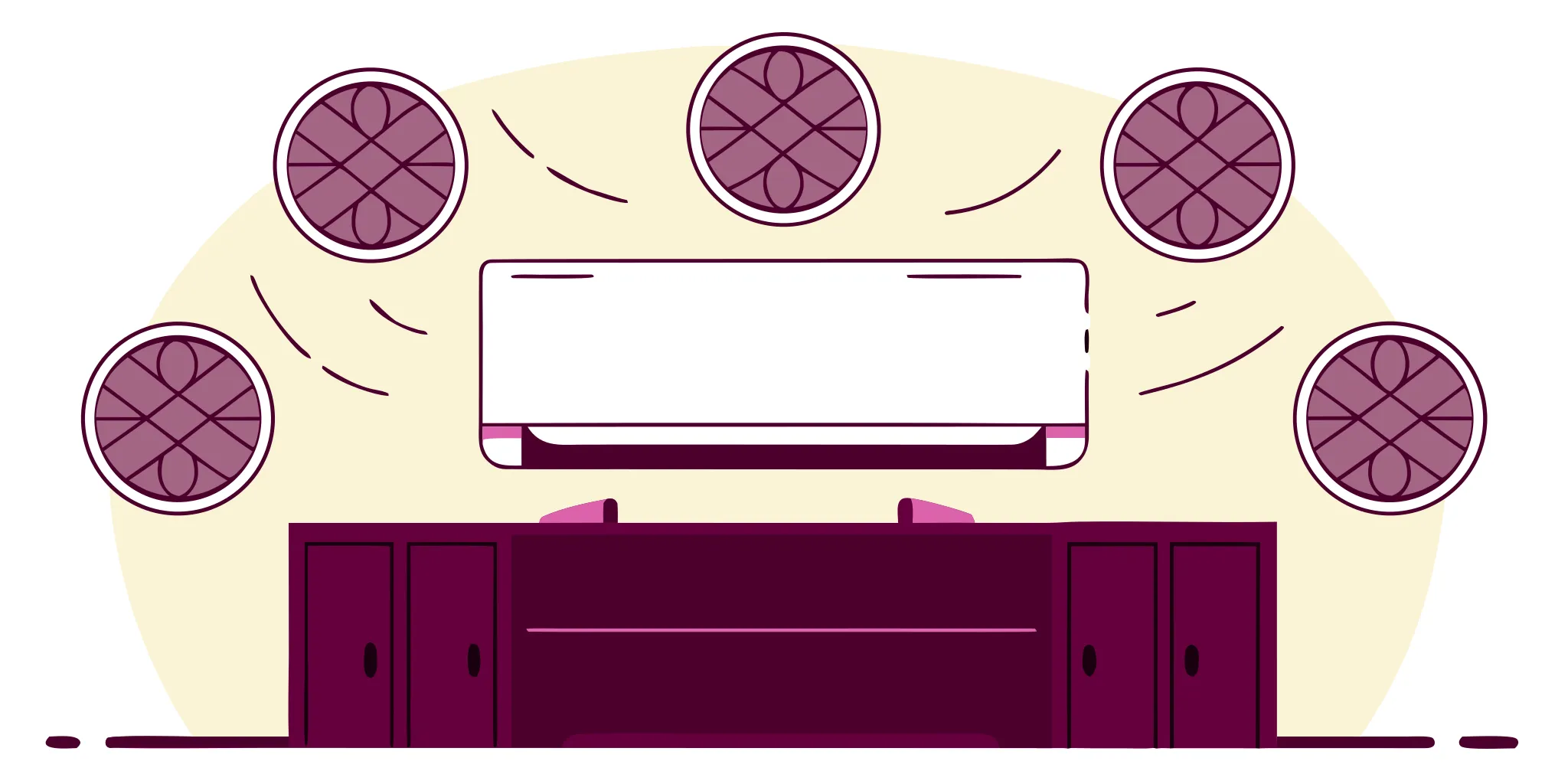
An air conditioner showing its filters, a key reason why your AC stopped working.
Back to Blog
InsightsJune 25, 2026

7 Reasons Why Your AC Stopped Working (& How to Fix It)

Wondering why your AC stopped working? Learn 7 common reasons for AC failure and get practical tips to troubleshoot and fix your air conditioner fast.

An air conditioner can fail in several ways. Maybe the unit is completely silent and won’t turn on at all. Or perhaps you can hear it running, but the air coming from your vents is warm and your home isn’t cooling down. You might even hear strange grinding or squealing noises that you’ve never heard before. Each of these symptoms points to a different potential issue within your system. Understanding what these signs mean is the first step toward a solution. We’ll break down the most common reasons your AC stopped working, helping you connect the symptoms to the cause. ## Key Takeaways * **Check the simple stuff first**: Before you panic, confirm your thermostat is set to "cool," swap out a dirty air filter, and check for a tripped circuit breaker. These simple steps can often solve the problem instantly. * **[Leave serious symptoms to the pros](https://spacecoastcooling.com/hvac-services/hvac-maintenance/)**: For your safety, always call a professional for issues like a repeatedly tripping breaker, suspected refrigerant leaks, or strange grinding and squealing noises. These require expert diagnosis and tools. * **Address minor issues to prevent major breakdowns**: An AC that runs but doesn't cool, freezes up, or cycles on and off is signaling a deeper problem. Acting quickly on these warning signs can help you avoid a much more expensive repair, like a total compressor failure. ## Why Did My AC Stop Working? 7 Common Culprits When your air conditioner quits on a sweltering Florida day, it’s more than an inconvenience; it’s an emergency. But before you assume the worst, take a deep breath. Many AC failures stem from simple issues you might be able to identify yourself. Walking through these common culprits can help you diagnose the problem and figure out your next steps. Some are quick fixes, while others are clear signs it’s time to call in a professional. Let’s get to the bottom of why your AC stopped working. ### A Clogged Air Filter One of the most frequent and easily fixed reasons for an AC shutdown is a dirty air filter. Think of the filter as your system’s lungs. When it gets clogged with dust, pet dander, and other particles, it can’t breathe. This blockage forces your AC to work much harder to pull in air, leading to poor cooling, higher energy bills, and even a complete system shutdown. In some cases, the restricted airflow can cause the indoor evaporator coils to freeze over. Luckily, this is a simple fix. Check your air filter, and if it’s visibly dirty, replace it. We recommend checking it monthly and replacing it at least every 60 days to keep your system running smoothly. Regular filter changes are a key part of our [AC maintenance plans](https://www.spacecoastcooling.com/maintenance-plans/). ### A Tripped Circuit Breaker If your AC unit won’t turn on at all, the problem could be electrical. Your air conditioner is a powerful appliance that draws a lot of electricity, so it has its own dedicated circuit breaker. If the system overloads for any reason, the breaker will trip as a safety measure to prevent electrical damage or a fire. This can happen during a power surge or if the unit is struggling to start. Head to your home’s main electrical panel and look for the breaker labeled for your AC or air handler. If it’s in the “off” or a middle position, flip it firmly back to the “on” position. If the breaker trips again right away, don’t keep resetting it. This indicates a more serious electrical problem that requires a [professional diagnosis](https://www.spacecoastcooling.com/contact-us/). ### Frozen Evaporator Coils Seeing ice on your indoor AC unit is a definite red flag. Those frosty pipes are your evaporator coils, and they freeze when they get too cold. This is usually caused by one of two things: restricted airflow from a dirty filter or low refrigerant levels. When the coils are encased in ice, they can’t absorb heat from your home’s air, and your AC will stop cooling effectively. The system may even shut down to protect the compressor. If you find frozen coils, turn the AC system off but leave the fan running to help the ice melt. Don’t try to chip or scrape the ice off, as you could damage the delicate coils. After it thaws, install a clean air filter. If the coils freeze again, it’s time to call for AC repair. ### Low Refrigerant Refrigerant is the lifeblood of your air conditioner; it’s the substance that absorbs heat from inside your home and releases it outside. If your system is running but blowing warm or lukewarm air, it might be low on refrigerant. It’s important to know that refrigerant doesn’t get “used up” like gasoline. If the level is low, it means there’s a leak somewhere in the system. This is not a DIY job. Handling refrigerant requires special tools and an EPA certification. A professional technician will need to locate and repair the leak before recharging the system to the manufacturer’s specifications. Simply adding more refrigerant without fixing the leak is a temporary and costly mistake. ### A Faulty Thermostat Sometimes the problem isn’t with your AC unit at all, but with its control center: the thermostat. A malfunctioning thermostat can fail to tell your air conditioner when to turn on, making you think the whole system is broken. The issue could be as simple as dead batteries or incorrect settings. Before you panic, take a moment to check the thermostat itself. First, make sure it’s set to “cool” and the temperature is set lower than the current room temperature. If the screen is blank, try replacing the batteries. If these simple steps don’t work, the thermostat itself may have failed or lost its calibration. A professional can test it and determine if it needs to be recalibrated or replaced. ### A Dirty Outdoor Unit Your AC system has two main parts: an indoor unit and an outdoor unit (the condenser). The outdoor unit’s job is to release all the heat it has collected from your home. To do this effectively, its coils and fins need to be clean. Over time, the condenser can become caked with dirt, grass clippings, leaves, and other debris. When this happens, it can’t release heat efficiently. This forces your system to run longer and work harder, eventually leading to overheating and a potential shutdown. While you can gently rinse the unit with a garden hose, a deep and safe cleaning is best left to a professional. An annual AC tune-up includes a thorough cleaning of the outdoor unit to ensure it’s ready for the Florida heat. ### A Blocked Condensate Drain As your AC cools your home, it also removes humidity from the air. This moisture collects and is drained away through a small PVC pipe called a condensate drain line. Over time, algae and sludge can build up inside this pipe, creating a clog. When the water can’t drain, it backs up into a drain pan. Most modern systems have a safety float switch that will shut down the entire AC unit to prevent water from overflowing and causing damage to your home. You can sometimes clear minor clogs near the end of the drain line yourself. However, if the clog is deep within the pipe or you’re unsure where to look, it’s best to call for help. Our technicians have the tools to quickly and safely clear the line and get your AC running again. ## 5 Things to Check Before You Call for Help When your AC gives out on a sweltering Florida day, it’s easy to feel a wave of panic. But before you pick up the phone, taking a few minutes to run through these simple checks can sometimes solve the problem right away. You might even save yourself the cost of a service call. These are the first things our technicians look at, and they’re all things you can safely check yourself. If you go through this list and the air is still not kicking on, you’ll know for sure that it’s time to call in a professional. ### Step 1: Review Your Thermostat Settings Let’s start with the simplest solution, because it’s often the one we overlook. Take a look at your thermostat. First, make sure it’s set to “Cool.” It’s possible it was accidentally switched to “Heat” or “Fan.” Next, check the temperature setting. It needs to be set lower than the current temperature in your home for the AC to turn on. If the screen is blank, the batteries may have died, so try replacing them. A simple thermostat adjustment is a common fix, and it’s always the best place to start your troubleshooting. ### Step 2: Inspect the Breaker Box Your air conditioner is a powerful appliance that uses a lot of electricity, so it’s connected to its own circuits in your home’s electrical panel, or breaker box. A power surge or an overworked system can cause a breaker to trip. Find your breaker box and look for a switch that is in the “Off” position or stuck in the middle. Try flipping it firmly back to the “On” position. If the AC comes back on, you’re all set. However, if the breaker trips again immediately, leave it alone and call a professional. A repeatedly tripping breaker signals a deeper electrical problem that requires an expert. ### Step 3: Check the Air Filter A dirty air filter is one of the most common culprits behind a struggling AC unit. When the filter gets clogged with dust, pet dander, and other particles, it restricts airflow. Your system has to work much harder to pull air through, which can cause it to overheat and shut down, or even freeze up. Find the filter, which is usually located in the indoor air handler or a return air vent in your wall or ceiling. If it looks gray and clogged, replace it with a new one. Making a habit of [maintaining your air conditioner](https://www.energy.gov/energysaver/maintaining-your-air-conditioner), including changing the filter regularly, is key to its performance. ### Step 4: Examine the Outdoor Unit Your AC system has two main parts: an indoor unit and an outdoor unit. The outdoor unit, called the condenser, needs plenty of space to release the heat it pulls from your home. Go outside and take a look. Is it covered in grass clippings from recent lawn mowing? Are palm fronds, leaves, or dirt piled up against the sides? This debris can block airflow and cause the system to overheat. Before you clean it, turn off the power to the unit at the breaker box for safety. Then, gently clear away any debris from the top and sides, ensuring there are at least two feet of clearance all around it. ### Step 5: Look for a Clogged Drain Line In Florida’s humid climate, your air conditioner removes a lot of moisture from the air. This water collects and flows out of your home through a condensate drain line, which is usually a PVC pipe. If this line gets clogged with algae or sludge, the water backs up. Most modern AC systems have a safety switch that will shut the entire unit down to prevent water from overflowing and damaging your home. You can often spot a clog by looking for standing water in the drain pan located under your indoor air handler. While you may be able to clear a minor blockage near the end of the pipe yourself, stubborn clogs often require a professional’s tools to fix. ## Could Your Thermostat Be the Problem? Your thermostat is the brain of your entire HVAC system, telling your air conditioner when to turn on, when to shut off, and how hard to work. When it malfunctions, it can seem like your entire AC has failed. The good news is that thermostat issues are often simple to diagnose. Sometimes, the fix is as easy as swapping out a pair of batteries. Other times, the thermostat’s behavior can give you important clues about a deeper problem within your system. Let’s walk through how to figure out if your thermostat is the real culprit. ### Signs of a Faulty Thermostat The most obvious sign of a problem is a blank or unresponsive thermostat screen. If the screen is completely dark, it could mean the thermostat has lost power, which might point to a tripped breaker or a wiring issue that needs a professional. However, a faulty thermostat can show other, more subtle signs. Your AC might refuse to turn on at all, or it might run constantly without ever reaching the set temperature. You may also notice that the temperature in your home feels completely different from what the thermostat displays. These are all clues that your thermostat is failing to communicate correctly with your AC unit. ### How to Test Your Thermostat Before you panic, there are a few simple tests you can perform. First, if your thermostat has a blank screen, try replacing the batteries. This simple step solves the problem more often than you’d think. If the screen is on, confirm that it’s set to “Cool” and that the target temperature is at least five degrees below the current room temperature. It’s easy to accidentally switch it to “Heat” or “Fan.” You can find more information on ideal [thermostat settings](https://www.energy.gov/energysaver/thermostats) to help optimize your cooling. If your thermostat repeatedly trips a circuit breaker, stop what you’re doing and call an electrician, as this could indicate a dangerous overload. ### Should You Replace or Recalibrate? If your thermostat is older and just seems to be reading the room temperature incorrectly, it might only need to be recalibrated. However, for most modern digital thermostats, strange behavior usually means it’s time for a replacement. If you’ve already tried changing the batteries and checking the settings with no luck, a new thermostat is your next logical step. This is also a great opportunity for [upgrading to a smart thermostat](https://www.energystar.gov/products/smart_thermostats), which gives you better control over your home’s climate and can lead to significant energy savings. A professional can help you choose and install the right model for your system. ## Why Is My AC Running But Not Cooling? It’s one of the most frustrating feelings, especially on a hot Florida day: you can hear your air conditioner running, but your home just keeps getting warmer. When the air coming from your vents is lukewarm or the system can’t seem to keep up, it’s a clear sign that something is wrong. While the unit is technically “on,” it isn’t performing its most important job, which is actually cooling the air. This problem usually points to a handful of specific issues, from restricted airflow to problems with key components. Before you start to panic, let’s walk through the most common reasons your AC might be running but failing to bring the temperature down. ### How to Spot Frozen Coils One of the most common culprits behind an AC that runs without cooling is frozen evaporator coils. These coils are responsible for absorbing heat from your indoor air, but when something goes wrong, they can get so cold that the condensation on them freezes solid. You might literally see a layer of ice forming on the indoor unit’s coils or the refrigerant lines. This ice blanket prevents air from passing through, which is why you feel warm air from your vents. If you spot any ice, it’s best to turn your AC system off completely to let it thaw and call a professional. Frozen coils are a symptom of a deeper problem, like poor airflow or low refrigerant. ### Signs of Low Refrigerant Refrigerant is the lifeblood of your air conditioner; it’s the substance that cycles through the system to transfer heat out of your home. If your system is low on refrigerant, it simply can’t cool the air effectively. This is almost always caused by a leak. Signs of low refrigerant include warm air blowing from the vents, a hissing sound near the unit, and your home taking much longer than usual to cool down. Because handling refrigerant requires special certification, any AC repair involving a potential leak should always be left to a licensed technician. They can find the leak, fix it, and recharge the system to the correct level. ### The Impact of Dirty Coils Your AC system has two sets of coils: evaporator coils inside and condenser coils outside. The outdoor unit’s job is to release the heat that was collected from inside your house. Over time, the condenser coils can get covered in dirt, grass clippings, pollen, and other debris. When the coils are dirty, they can’t release heat efficiently. The system has to work much harder, yet it cools your home less effectively and drives up your energy bills. A quick visual inspection can tell you if your outdoor unit is dirty. Keeping it clean is a key part of routine AC maintenance that ensures your system runs smoothly all year. ### Check for Blocked Ducts and Vents Sometimes the problem isn’t with the AC unit itself, but with the airflow inside your home. If the cooled air can’t get to you, your home won’t feel comfortable. Take a quick walk through your house and check all the supply and return vents. Make sure none of them are blocked by furniture, rugs, or curtains. A closed or obstructed vent can disrupt the pressure balance in your ductwork and significantly reduce cooling in certain areas, making the whole system seem like it’s failing. It’s a simple check, but ensuring all your vents are open and clear can make a surprising difference in your home’s comfort. ## When It's Time to Call a Professional While you can handle some basic AC troubleshooting on your own, certain problems are clear signals to step back and call for expert help. Trying to fix complex mechanical or electrical issues without the right training and tools can be dangerous and often leads to more expensive damage. If you’ve gone through the basic checks and your air conditioner still isn’t working, it’s time to let a professional take over. These are the situations where you should always pick up the phone and schedule an AC repair service. Trusting a certified technician not only ensures the job is done right but also keeps you and your home safe. ### Electrical Issues You Shouldn't Touch If you reset a tripped circuit breaker and it immediately trips again, stop what you are doing. This is a sign of a serious electrical fault within your AC system, such as a short circuit or a failing component that is drawing too much power. Continuing to reset the breaker is a fire hazard and can cause severe damage to your unit’s compressor or wiring. Problems like a faulty capacitor, frayed wiring, or a malfunctioning contactor require a deep understanding of electrical systems. For your own safety, any electrical problem beyond a simple breaker reset should be diagnosed and repaired by a licensed technician who has the right tools to handle high-voltage components safely. ### Why Refrigerant Leaks Require a Pro Refrigerant is the lifeblood of your air conditioner, absorbing heat from inside your home and releasing it outside. If your system is low on refrigerant, it’s almost always because there is a leak somewhere. You might notice your AC is blowing warm air, there’s ice forming on the copper lines, or you hear a hissing sound. Simply adding more refrigerant isn’t a fix; it’s like putting air in a leaky tire without patching the hole. A professional technician needs to locate and repair the source of the leak first. Handling refrigerant also requires an EPA certification, so this is one job you must leave to a trained and licensed expert. ### Strange Noises That Signal Trouble Your air conditioner should operate with a consistent, low hum. When new and unusual sounds appear, they are often cries for help from failing internal parts. A loud squealing or grinding noise typically points to a problem with the motor or its bearings. A banging or clanking sound could mean a part inside the compressor has come loose, which can lead to catastrophic failure if ignored. Likewise, a persistent buzzing often indicates an electrical issue with a component like the capacitor. These aren't sounds that will go away on their own. A technician can identify the source of the noise and replace the worn-out part before it causes a system-wide breakdown. ### Your AC Turns On and Off Constantly When your air conditioner turns on for a few minutes, shuts off, and then quickly turns back on again, it’s a process called short cycling. This is incredibly inefficient and puts a massive amount of strain on the compressor, your system's most expensive component. While a clogged air filter is a common cause, short cycling can also be triggered by more serious issues like a refrigerant leak, an oversized AC unit, or a faulty thermostat. If you’ve already replaced your filter and the problem continues, it’s time to call for help. A professional can diagnose the root cause and prevent the premature failure of your system, which is why regular check-ups through a maintenance plan are so valuable. ## The Risks of Ignoring a Broken AC in Florida Living on the Space Coast, we all know that a working air conditioner isn't just a luxury; it's a necessity. When your AC starts acting up, it’s tempting to cross your fingers and hope the problem goes away on its own. Unfortunately, that rarely happens. Ignoring an AC issue doesn't just risk your comfort, it can lead to serious health concerns, much more expensive repairs, and even complete system failure. Putting off a service call might seem like a way to save money in the short term, but it almost always costs more down the road. A struggling air conditioner works harder, consumes more energy, and puts excessive strain on its most important parts. What starts as a minor fix can quickly spiral into a major breakdown, leaving you with a hot house and a much bigger repair bill. Understanding the risks can help you make the smart choice to address problems as soon as they appear. ### Indoor Heat and Your Health In Florida, reliable air conditioning is essential for maintaining a safe and healthy home environment. When your AC fails during a heatwave, indoor temperatures can quickly climb to dangerous levels. This isn't just uncomfortable; it poses a real health risk, especially for children, the elderly, and anyone with pre-existing medical conditions. Prolonged exposure to high indoor heat can lead to dehydration and serious [heat-related illnesses](https://www.cdc.gov/disasters/extremeheat/warning.html) like heat exhaustion or heatstroke. A cool home provides a critical escape from the relentless Florida sun, protecting your family’s well-being and ensuring you can rest comfortably. ### How Small Issues Turn into Major Repairs Most catastrophic AC failures don't happen out of the blue. They start as small, manageable problems that get worse over time. A strange noise, a bit of water leakage, or a room that just won't cool down are all early warning signs. These symptoms often point to underlying issues like refrigerant leaks, electrical faults, or clogged components. When you ignore them, you force the system to compensate, putting immense strain on other parts. A simple capacitor replacement can turn into a fried compressor if left unchecked. Scheduling a professional diagnosis for your [HVAC services](https://www.spacecoastcooling.com/hvac-services) early on is the best way to prevent a minor inconvenience from becoming a major, costly repair. ### The Danger of Total Compressor Failure The compressor is the heart of your air conditioning system, and it's also one of the most expensive components to replace. When smaller issues like a faulty capacitor or low refrigerant are ignored, the compressor is forced to work overtime under extreme stress. Eventually, this strain will cause it to burn out and fail completely. A failed compressor often means your AC unit won't turn on at all. At this point, you're facing a significant repair that can sometimes cost nearly as much as a new unit. Addressing problems promptly is the best way to protect your compressor and avoid a premature, and expensive, system replacement. ## Keeping the Space Coast Cool and Comfortable Living here on the Space Coast means that intense heat and humidity are just part of the package. A reliable air conditioner isn't a luxury; it's an absolute essential for keeping your home comfortable and safe. When your AC suddenly quits, it can throw your whole day into a hot, sticky mess. Luckily, many of the most common AC problems start small and can be prevented with a little attention. One of the most frequent culprits behind an AC failure is a dirty air filter. When a filter gets clogged with dust and debris, it restricts airflow, forcing your system to work much harder to cool your home. Making a habit of changing your air filter every 60 days is one of the easiest ways to [maintain efficient performance](https://armstrongcomfort.com/Blog/7-reasons-why-your-ac-unit-isnt-working). Sometimes, the fix is even simpler. Before you panic, it's always a good idea to [check the thermostat settings](https://www.christianhvac.com/blog/ac-not-working-reasons-fixes), as a wrong setting or dead batteries can make it seem like your system is broken. While these quick checks can solve many issues, some problems definitely need a professional eye. For instance, if you suspect a refrigerant leak, it's crucial to call for help. Handling refrigerants requires specialized training and tools, making it a job you should never [attempt to troubleshoot yourself](https://annasairandheat.com/blog). Being proactive with simple maintenance can prevent bigger, more expensive headaches down the road. When a problem goes beyond a simple fix, having a trusted local team ready to help makes all the difference in getting your home cool again. ## Related Articles * [Are HVAC Maintenance Plans Worth It? What to Know](https://spacecoastcooling.com/are-hvac-maintenance-plans-worth-it/) * [Professional AC Tune-Up in Cocoa, FL](https://spacecoastcooling.com/hvac-services/ac-tune-up-maintenance/) * [Air Conditioning Repair in Cocoa, FL](https://spacecoastcooling.com/hvac-services/air-conditioning-repair/) * [Trusted Emergency HVAC Services in Cocoa, FL](https://spacecoastcooling.com/hvac-services/emergency-hvac/) * [Thermostat Installation & Repair in Cocoa, FL](https://spacecoastcooling.com/hvac-services/thermostat-installation-repair/) ## [Frequently Asked Questions](https://spacecoastcooling.com/faq/) **How often should I really change my air filter here in Florida?** While a general rule is every 60 days, Florida’s high humidity, pollen, and dust mean you should check it monthly. If you have pets or live near the coast where salt air is a factor, you might even need to change it every 30 days. A consistently clean filter is the single best thing you can do to prevent problems like frozen coils and keep your system running efficiently. **My AC breaker tripped, and when I reset it, it tripped again. What does this mean?** This is a clear signal to stop and call a professional. A breaker that trips repeatedly is doing its job by protecting your home from a serious electrical problem within the AC unit. It could be a short circuit or a failing motor drawing too much power. Continuing to reset it is a fire hazard and can lead to catastrophic damage to your system’s most expensive parts. **My AC is running, but the air isn't cold. What's the first thing I should check?** Before you do anything else, check your air filter. A completely clogged filter can block airflow so severely that your system can’t cool properly, even though it sounds like it’s working hard. If the filter is clean, the next step is to look for ice on your indoor unit. If you see ice or the filter is clean, it’s time to call for service, as the problem is likely more complex, such as low refrigerant or dirty coils. **I hear a weird noise coming from my AC. Should I be worried?** Yes, any new or loud noise is your system’s way of telling you something is wrong. A high-pitched squeal often points to a belt or motor bearing issue, while a clanking or banging sound could mean a part has come loose inside the compressor. These sounds don't fix themselves and usually get worse, leading to a much bigger and more expensive failure. It's best to turn the system off and have a technician diagnose the sound. **Why is regular AC maintenance so important if my system seems to be working fine?** Think of it like getting the oil changed in your car. You do it to prevent a major breakdown, not just when the engine starts smoking. In Florida, our air conditioners run almost constantly, putting them under incredible strain. An annual tune-up allows a technician to clean critical parts, tighten electrical connections, and spot small issues like a failing capacitor before they cause your entire system to fail on the hottest day of the year. It’s a small investment that prevents expensive emergency repairs and keeps your energy bills down.
Available 24/7

Call the Experts that Local Homeowners Rely On

When you need home services, you want answers you can trust and work you can count on. Space Coast Cooling & Plumbing is the plumbing and HVAC company in Cocoa, FL, that brings decades of local experience, licensed professionals, and customer-first service to every job. One call connects you with a team ready to help.

Licensed & InsuredServing Cocoa Since 1994Honest, Upfront PricingSame-Day Service Available