
Need Help? Call Us Now!
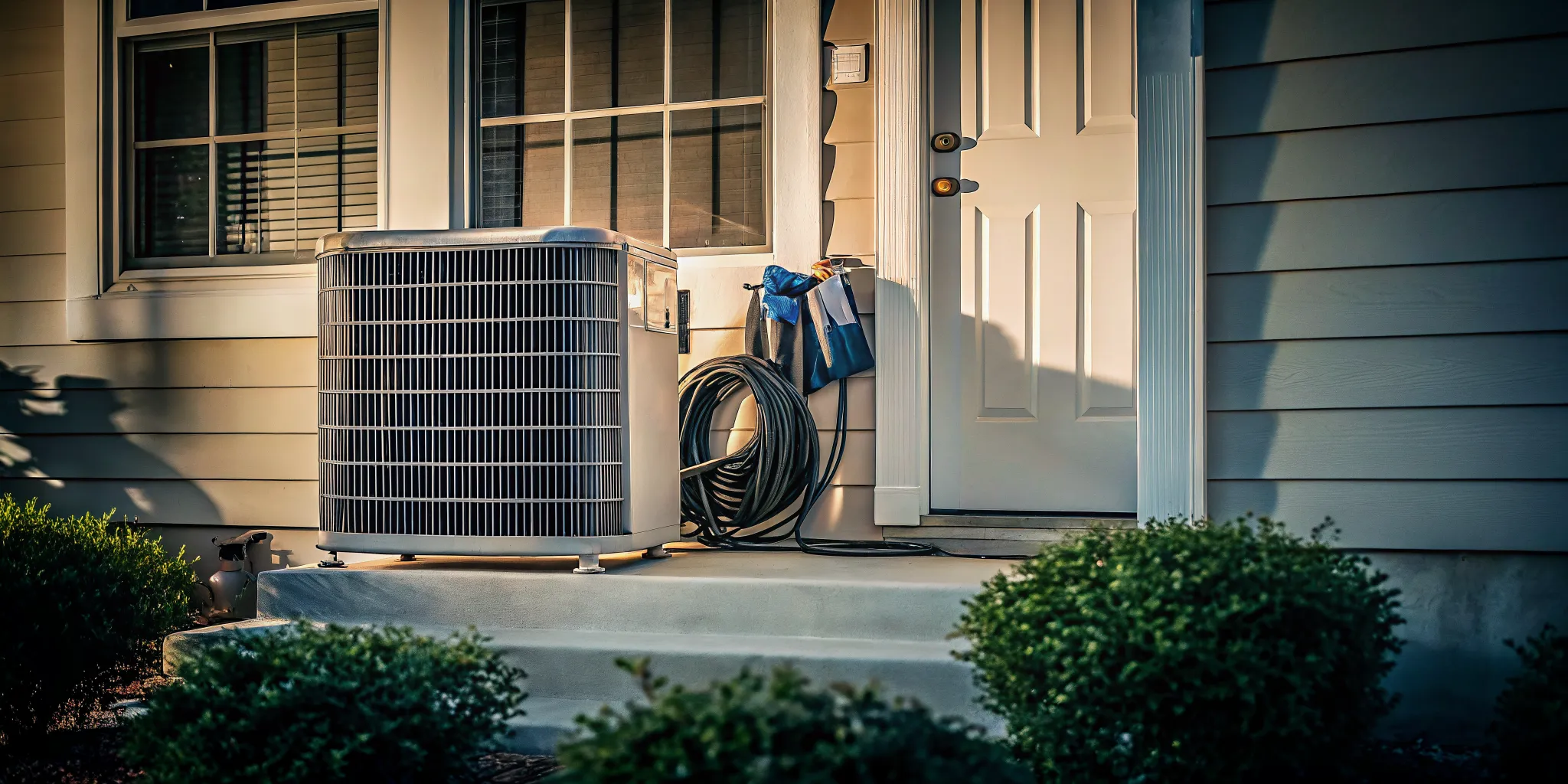
Troubleshooting an outdoor AC unit that is not turning on.
Back to Blog
InsightsJune 24, 2026

AC Unit Not Turning On? 6 DIY Fixes to Try First

If your ac unit not turning on has you sweating, try these 6 simple DIY fixes before calling a pro. Get your cool air back with easy troubleshooting steps.

The silence of an AC unit not turning on is often followed by another sound in your head: a cash register. It’s easy to assume that any problem with your air conditioner will lead to a hefty repair bill. While some issues do require a professional, many don't. A surprising number of service calls are for simple problems that homeowners could have fixed themselves for free. Before you resign yourself to a costly visit, let's walk through a few quick, no-cost checks. This guide is designed to help you identify those easy fixes, potentially saving you the cost of a service call and putting you back in control of your budget and your comfort. ## Key Takeaways * **Troubleshoot Before You Call**: Many AC issues have simple solutions. Before calling for service, always check that your thermostat is set to cool, replace its batteries if the screen is blank, and inspect your air filter to see if it's clogged. * **Know When to Stop for Safety**: Certain problems are not DIY projects. If your circuit breaker trips repeatedly, you hear loud grinding noises, or you smell something burning, it is time to turn the system off and call a professional for your own safety. * **[Make Maintenance a Habit](https://spacecoastcooling.com/are-hvac-maintenance-plans-worth-it/)**: The best way to handle a breakdown is to prevent it. Scheduling an annual tune-up, changing your air filter every few months, and keeping your outdoor unit clear of debris are the most effective ways to ensure your AC runs reliably. ## AC Not Turning On? Here’s What to Do Nothing sends a chill down your spine (in a bad way) quite like your AC giving out on a sweltering Florida day. Before you panic, there are a few simple things you can check yourself. Sometimes, the fix is surprisingly easy and can save you a service call. Let's walk through a few common culprits, from the simplest checks to the signs that it's time to call in a pro. These steps will help you diagnose the issue and figure out your next move. ### Could It Be the Thermostat? First, let's look at your thermostat. It’s the brain of your HVAC system, and a simple setting error is a common reason for an AC not turning on. Make sure the system is set to 'Cool' and the fan is on 'Auto.' Then, check the temperature setting. Your AC will only kick on if the set temperature is lower than the current room temperature. If the thermostat screen is blank, it likely just needs new batteries. This is a quick, five-minute fix that solves the problem more often than you’d think. If you’ve checked all these things and the thermostat seems fine, it’s time to move on to the next step. ### Is It Getting Power? Your air conditioner needs a lot of power, and it has several safety checks to prevent electrical issues. Start by finding your home’s main electrical panel. Look for breakers labeled 'AC,' 'Air Handler,' or 'HVAC.' If a breaker is tripped (usually stuck in the middle or 'Off' position), flip it completely off and then back on again. If it trips again immediately, stop right there, as that signals a bigger problem. Also, check for the outdoor disconnect switch. This is a metal box located on the wall near your outdoor unit. Make sure the switch inside is in the 'On' position. Sometimes it gets accidentally shut off during yard work. ### Is a Dirty Filter Blocking Airflow? Your AC system needs to breathe. A dirty, clogged air filter can suffocate it, restricting airflow and causing the system to overheat and shut down as a safety measure. In some cases, this can even lead to frozen evaporator coils, which creates a whole other set of problems. Finding your air filter is usually straightforward; it’s located in the return air duct or a slot on your indoor air handler. Pull it out and hold it up to the light. If you can't see light through it, it’s definitely time for a replacement. Making a habit of [changing your air filters regularly](https://www.energy.gov/energysaver/maintaining-your-air-conditioner) is one of the best ways to keep your system healthy. ### What About a Clogged Drain Line? As your AC cools your home, it also removes humidity from the air. This moisture collects and flows out of your home through a condensate drain line. If this line gets clogged with algae or debris, water can back up into a drain pan. Most modern systems have a safety float switch that will shut the entire unit off to prevent water from overflowing and causing damage to your home. You can check for a clog by looking for standing water in the drain pan near your indoor unit. If you see water, a clogged drain line is likely your culprit. While some clogs can be cleared with a wet/dry vac, stubborn ones may require professional help. ### Are Old or Faulty Parts to Blame? If you’ve tried the simple fixes and your AC still won’t start, the issue might be a worn-out or failed component. Parts like the capacitor, which gives the motors the jolt they need to start, or the contactor, which controls power to the outdoor unit, can fail over time from heat and use. These are not DIY repairs, as they involve high-voltage electrical components. If your circuit breaker trips instantly every time you reset it, or if you hear a buzzing or clicking noise from the outdoor unit without the fan spinning, it’s a clear sign you need professional AC repair services. Don't risk it; let a trained technician handle it safely. ### Has Your AC Reached Its Limit? Air conditioners work hard here in Florida, and they don’t last forever. The average lifespan of an AC unit is about 10 to 15 years. If your system is in that age range and has started needing more frequent repairs, it might be telling you something. Pouring money into an aging, inefficient system can become a losing battle. At a certain point, the cost and frequency of repairs make it more sensible to invest in a new, high-efficiency system. If you suspect your AC is on its last legs, it’s time to have a conversation with a professional about your AC replacement options. ## Start Here: Simple Thermostat and Power Checks When your AC gives you the silent treatment, it’s easy to assume the worst, especially during a Florida summer. But before you panic, take a deep breath. Often, the problem is something you can identify and fix in just a few minutes without any special tools. Your [air conditioner](https://spacecoastcooling.com/hvac-services/air-conditioning-repair/) is a complex system, but it relies on a few simple things to get going: a clear command from the thermostat and a steady supply of electricity. By starting with these basic checks, you can rule out the most common culprits right away. Think of it as a quick conversation with your AC system to see where the communication broke down. We’ll walk through exactly what to look for, from thermostat settings to circuit breakers. You might just save yourself a service call and get your cool air flowing again on your own. ### Check Your Thermostat Settings and Batteries Let’s start with the brain of the operation: your thermostat. It might sound obvious, but a wrong setting is one of the most frequent reasons an AC won’t turn on. First, make sure the system is set to “Cool.” Next, check the temperature setting. It needs to be set lower than the current room temperature for the AC to kick on. If you set it to 75 degrees but it’s already 72 in the house, your system is simply doing its job by staying off. If your thermostat has a blank screen or the numbers are faint, dead batteries are the likely cause. Pop in a fresh set and see if that brings it back to life. ### Look for a Blank or Unresponsive Screen If new batteries don’t fix a blank screen, you might have a power issue. A thermostat that won’t light up can’t send a signal to your air conditioner to start cooling. Double-check that you put the batteries in correctly. If the screen is still blank or completely unresponsive to your touch or button presses, it could indicate a wiring problem or that the thermostat itself has failed. While you can do a quick visual check for any loose connections, dealing with thermostat wiring is often a job best left to a professional to avoid causing further damage to your HVAC system. ### Inspect for Damaged Thermostat Wires A quick visual inspection of the thermostat wiring can sometimes reveal the problem. Carefully remove the thermostat cover and look for any wires that appear loose, disconnected, or frayed. A shaky connection can interrupt the signal between the thermostat and the AC unit. If you have pets that like to chew or had any recent construction near the thermostat, a wire could have been accidentally damaged. If you see anything that looks out of place but don't feel comfortable adjusting wires, just take a photo of it. This can be helpful information to share when you call a technician for service. ### Note Any Error Codes on the Display Many modern digital thermostats will try to tell you what’s wrong. If your AC isn’t working, look at the display for any error codes, flashing icons, or messages like "Cool On" that are blinking. These codes are your system’s way of pointing you toward the source of the problem. You can typically find the meaning of these codes by searching online for your thermostat’s model number along with the error code. This can help you determine if it’s a simple issue, like a clogged filter, or something more serious that requires professional attention. Keeping a note of the code is incredibly helpful for a technician. ### Find Your Circuit Breaker Panel If the thermostat seems fine, the next step is to check your home’s main electrical panel. Your air conditioner is a high-powered appliance and has its own dedicated circuit breakers. Look for one or two breakers labeled “AC,” “Air Conditioner,” “Condenser,” or “HVAC.” A circuit breaker "trips" (shuts off) to prevent damage from an electrical overload. If a breaker is tripped, it will be shifted to the "Off" position or stuck in the middle. To reset it, push the switch firmly to the "Off" position first, then flip it back to "On." ### Check the Outdoor Disconnect Switch Your outdoor AC unit (the condenser) has its own power switch, often called a disconnect or service switch. This is usually located in a small metal box on the exterior wall of your house, right next to the unit itself. This switch is there for safety, allowing technicians to cut power directly at the unit. Sometimes, it can be accidentally switched off during yard work or by a family member. Open the box and make sure the switch is in the "On" position. It’s a simple step that’s surprisingly easy to overlook. ### Look for a Tripped Float Switch Your indoor AC unit has a condensate drain line to remove moisture it pulls from the air. If this line gets clogged, water backs up into a drain pan. To prevent a messy overflow and water damage, most systems have a safety device called a float switch. When the water level in the pan gets too high, the float rises and trips the switch, shutting down your AC. If you see standing water in the drain pan under your indoor unit, a tripped float switch is almost certainly why your system is off. This is a clear sign your condensate drain line is clogged and needs to be cleared. ## Your DIY AC Troubleshooting Checklist When your AC gives you the silent treatment on a hot Florida day, it’s easy to feel a wave of panic. But before you pick up the phone, take a deep breath. Many common air conditioner issues have surprisingly simple solutions you can handle yourself. Walking through this checklist can help you identify and fix minor problems, potentially saving you time and the cost of a service call. These steps are designed to be safe for any homeowner and cover the most frequent culprits behind an AC that won't start. Think of this as your first line of defense. By methodically checking each component, you can rule out the easy stuff. And if you go through the list and your AC still isn’t cooperating, you’ll have valuable information to share with a technician when you do need to make a call. If you find yourself stuck or the problem seems bigger than a simple fix, our team is always ready to provide professional AC repair. Let’s get started and see if we can get your cool air flowing again. ### Step 1: Reset Your Thermostat Your thermostat is the command center for your entire cooling system, so it’s the perfect place to start. Sometimes, the fix is as simple as a wrong setting. First, make sure your thermostat is set to "Cool." Then, check the temperature setting and lower it at least five degrees below the current room temperature to ensure it sends a signal to the AC unit. If the screen is blank, it might just need new batteries. Many digital thermostats run on batteries, and when they die, your system won't get the message to turn on. If the settings are correct and the batteries are fresh, try a simple reset. Turn the thermostat off, wait a minute, and then turn it back on. This can often clear minor electronic glitches and get things back on track. ### Step 2: Check and Replace the Air Filter A dirty air filter is one of the most common reasons an AC system stops working. Its job is to trap dust, pollen, and other particles, but when it gets too clogged, it chokes off the airflow your system needs to operate. This forces your AC to work much harder, which can cause it to overheat and shut down as a safety precaution. In some cases, the lack of airflow can even cause ice to form on the coils. Locate your air filter, which is usually in a slot next to your indoor air handler or in a return air vent in a wall or ceiling. Slide it out and hold it up to a light. If you can't see light through it, it’s definitely time for a change. Regular filter changes are a critical part of any AC maintenance routine and can prevent a lot of future headaches. ### Step 3: Clear the Condensate Drain Line Your air conditioner doesn't just cool the air; it also removes humidity. That moisture gets collected and funneled outside through a pipe called the condensate drain line. Over time, this line can get clogged with algae, mold, and sludge, especially in our humid Florida climate. When a clog happens, water backs up into a drain pan. Most systems have a safety device called a float switch that shuts the AC off to prevent that pan from overflowing and causing water damage to your home. You can often clear a minor clog yourself using a wet/dry vacuum on the end of the pipe outside your home. Sucking the blockage out can get your system running again in minutes. ### Step 4: Inspect and Clean the Outdoor Unit Your outdoor unit, or condenser, is the workhorse that releases heat from your home. For it to do its job properly, it needs plenty of room to breathe. Take a walk outside and check on it. Are there leaves, grass clippings, or dirt piled up against the sides? Is a bush growing a little too close? These obstructions can block airflow and cause your system to overheat and shut down. Gently clear away any debris, making sure there’s at least two feet of clear space around the entire unit. While you’re there, look for a metal box on the wall near the unit. This is the disconnect switch, and it has a handle that can be pulled or a switch that can be flipped. Make sure it’s in the "On" position, as it can sometimes be turned off accidentally. ### Step 5: Look for Frozen Evaporator Coils If your system seems to be running but isn't blowing cool air, or if it shut off unexpectedly, you might have frozen evaporator coils. These coils are located inside your indoor air handler, and they get icy when something is wrong with the airflow (like a dirty filter) or if the system is low on refrigerant. If you open the access panel and see a block of ice, you’ve found the problem. First, turn your AC system completely off at the thermostat, but switch the fan to "On." This will circulate air over the coils and help the ice melt faster. Don't try to chip or scrape the ice off, as you could easily damage the delicate components. Once it thaws, you can try running the AC again. If it freezes up a second time, it often signals a [refrigerant leak](https://www.energy.gov/energysaver/common-air-conditioner-problems) that needs a professional technician to fix. ### Step 6: Give the System Time to Reset If you’ve tried the steps above or if your power recently flickered, your AC might just need a moment to reset itself. Air conditioners have built-in safety delays to protect the compressor from damage that can occur if it restarts too quickly. This delay can last for several minutes. So, if you’ve just reset a tripped breaker or turned the power back on, patience is key. Turn the system off at the thermostat, wait a full 10 to 15 minutes without touching anything, and then turn it back to "Cool." This gives the internal pressure time to equalize and allows any protective timers to complete their cycle. It’s a simple but often effective final step before deciding it’s time to call for backup. ## When to Stop and Call a Professional Trying a few DIY fixes is a great first step, and often, a simple reset or a new filter is all it takes. But it’s just as important to know when to put the tools down and pick up the phone. Some air conditioning problems are too complex or dangerous for a homeowner to tackle safely. Continuing to troubleshoot can sometimes make the problem worse or put you at risk. Your AC system is a mix of high-voltage electrical components, mechanical parts, and chemical refrigerants, all of which require a professional touch when they fail. If you’ve worked through the basic checks and your AC still won’t cooperate, it’s likely a sign of a deeper issue. Electrical faults, refrigerant leaks, and mechanical failures require specialized tools and certified training to diagnose and repair correctly. Your safety is the top priority, and our team at Space Coast Cooling & Plumbing is always here to take over when you’ve reached your limit. Don’t hesitate to call us; that’s what we’re here for. We have the experience to find the root cause quickly and get your home comfortable again. ### The Breaker Keeps Tripping It’s one thing for a breaker to trip once. But if you reset it and it immediately trips again, stop what you’re doing. This is a clear signal that your AC system has a serious electrical problem that needs immediate attention. A constantly tripping breaker is your home’s safety system telling you there’s a dangerous fault, such as a short circuit or a problem with the compressor drawing too much power. Trying to force it to stay on is a major fire hazard. For your safety, this is a non-negotiable time to [call a professional](https://www.lennox.com/residential/lennox-life/consumer/outside-ac-unit-not-turning-on). An experienced technician can safely diagnose the electrical issue and prevent further damage. ### You See, Smell, or Hear Something Wrong Your senses are some of the best diagnostic tools you have. If your air conditioner starts making strange noises, producing odd smells, or just looks wrong, pay attention. Loud clanking, grinding, or squealing sounds often point to failing mechanical parts like a motor or compressor. A burning smell is a red flag for an electrical issue, while a musty odor could mean mold growth in your system or ducts. These are not issues that will resolve on their own. Ignoring these warning signs can lead to a complete system breakdown, so it’s best to have a professional investigate as soon as you notice something is off. ### You Suspect a Refrigerant Leak Refrigerant is the lifeblood of your air conditioner, and a leak is a serious problem. If your AC is blowing warm air, you hear a hissing sound, or you see ice forming on the copper lines of your outdoor unit, you might have a leak. Refrigerant is a chemical that can be harmful to your health and the environment, and only EPA-certified technicians are legally allowed to handle it. Never try to patch a line or add more refrigerant yourself. A professional needs to find the source of the leak, repair it properly, and recharge the system to the correct level to get your AC cooling again. ### You See Damaged Wires A visual inspection can reveal a lot. If you look at your outdoor unit and see frayed, chewed, or burnt-looking wires, it’s a definite cause for concern. Florida’s weather and local critters can take a toll on your system’s wiring, creating a significant fire hazard. Damaged wiring can prevent your system from getting power or cause dangerous short circuits. Do not touch or attempt to repair any damaged wires yourself. Electrical work should only be performed by a licensed and insured technician who can safely replace the faulty wiring and ensure your system is secure. ### Your DIY Fixes Aren't Working You’ve checked the thermostat, replaced the air filter, and even cleaned the condensate drain line. If you’ve gone through all the basic troubleshooting steps and your AC unit still isn’t turning on, you’ve done your part. At this point, the issue is likely internal and requires a professional diagnosis. Problems with a capacitor, compressor, or control board aren’t things you can easily spot or fix without the right equipment and expertise. Instead of getting frustrated, it's time to call an expert. Our technicians at Space Coast Cooling & Plumbing have the diagnostic tools to pinpoint the exact cause and get your home cool again. ## Common Troubleshooting Mistakes to Avoid When your AC gives out, it’s tempting to try anything and everything to get it running again. But some common "fixes" can actually make the problem worse or even create a safety hazard. Before you get too deep into DIY repairs, let’s walk through a few key mistakes to avoid. Knowing what *not* to do is just as important as knowing what to do. Taking a moment to pause can save you from a bigger headache and a more expensive repair bill down the road. ### Just Resetting the Breaker Over and Over It’s the go-to move for many, but repeatedly flipping a tripped breaker is a major red flag. A circuit breaker is a safety device designed to protect your home from electrical overloads and short circuits. If you reset it and it trips again immediately, stop right there. This is your electrical system’s way of screaming that there’s a serious underlying problem. Continuously forcing it back on can lead to damaged wiring, a ruined AC compressor, or even an electrical fire. It’s crucial to understand what a tripped breaker means and respect the warning it’s giving you. ### Ignoring Obvious Warning Signs Before you even touch the thermostat or breaker, take a moment to use your senses. Do you smell something like burning plastic or a metallic odor? Do you hear grinding, squealing, or an unusual buzzing sound coming from the unit? These are not signs to ignore. Your air conditioner is trying to tell you something is wrong. Pushing the system to keep running when it’s making strange noises or emitting odd smells can turn a small issue, like a failing motor bearing, into a catastrophic failure. If your gut tells you something is seriously off, trust it and call for a professional AC repair service. ### Forgetting to Check the Outdoor Unit Your air conditioning system has two main parts: the indoor unit and the outdoor unit (the condenser). It’s easy to focus on the thermostat and filter inside and completely forget about the big metal box in your yard. A common and easily fixable issue is a condenser unit that’s clogged with leaves, grass clippings, or dirt. Your AC needs clear airflow to release heat, and a blocked unit can’t do its job. Also, check for a power switch near the outdoor unit; sometimes called a disconnect switch, it can get accidentally turned off. ### Overlooking Important Safety Features Modern air conditioners have built-in safety features to prevent damage to the system and your home. For example, a clogged condensate drain line can trigger a float switch, which automatically shuts down your entire AC system. This isn’t a sign that your AC is broken; it’s a sign that it’s working correctly to prevent water from overflowing and causing damage to your ceilings and walls. While you might be able to clear a simple clog yourself, this shutdown is often a sign that it’s time for a professional cleaning and inspection. Regular [AC maintenance](https://www.spacecoastcooling.com/maintenance-plans/) is the best way to keep these components clean and functioning properly. ## How to Prevent Future AC Breakdowns After you’ve gone through the stress of a broken air conditioner, the last thing you want is a repeat performance. The good news is that you can take a few proactive steps to keep your system running smoothly and reliably. Staying ahead of wear and tear not only prevents inconvenient breakdowns but also helps your AC run more efficiently, saving you money on energy bills and extending its lifespan. Think of it as simple preventive care for one of your home’s most important appliances. A little attention now can save you a lot of headaches later, especially when that Florida heat hits. ### Schedule Annual Maintenance The single most effective thing you can do for your AC is to schedule professional maintenance every year, ideally in the spring before you really need it. During a tune-up, a certified technician will inspect, clean, and test all the critical components of your system. They can spot worn-out parts, potential refrigerant leaks, and other small issues before they turn into major, expensive repairs. Our [AC maintenance plans](https://www.spacecoastcooling.com/maintenance-plans/) are designed to make this easy, ensuring your system is ready to handle the summer demand without any surprises. It’s a small investment that delivers huge peace of mind. ### Change Your Air Filters Regularly A dirty air filter is one of the most common culprits behind AC problems. When a filter gets clogged with dust and debris, it restricts airflow, forcing your system to work much harder to cool your home. This strain can lead to overheating and component failure. Check your filter every month and plan to replace it at least every 90 days, or more often if you have pets or allergies. Setting a recurring reminder on your phone is a great way to stay on track. This simple task protects your system and improves your home’s indoor air quality. ### Keep the Outdoor Unit Clean Your outdoor unit, or condenser, needs room to breathe. Throughout the year, things like leaves, grass clippings, and dirt can build up around it, blocking airflow and trapping heat. This forces the system to run longer and less efficiently. At least twice a year, turn the power off to the unit and clear away any debris in a two-foot radius. You can also gently rinse the exterior fins with a garden hose (never a pressure washer) to wash away built-up grime. A clean condenser is a happy and efficient condenser. ### Pay Attention to Your System's Performance You know your home best, so you’re the first line of defense in catching AC problems early. Pay attention to any changes in your system's operation. Are you hearing new noises like grinding or squealing? Does the air feel less cool than it used to? Is the system cycling on and off more frequently? These are often early warning signs that something is wrong. While you can handle basic troubleshooting, issues like strange noises or weak cooling often point to problems like a failing compressor or a [refrigerant leak](https://www.energy.gov/energysaver/common-air-conditioner-problems) that require an expert. ### Plan for Your System's Age Even with perfect maintenance, an air conditioner won’t last forever. The average lifespan of an AC unit in Florida is around 10 to 15 years. If your system is getting up there in age and you find yourself calling for frequent or increasingly expensive repairs, it may be time to start planning for a replacement. Investing in a new, high-efficiency model can be more cost-effective in the long run than continuing to patch up an old, failing unit. A modern system will provide more reliable cooling and significantly lower your monthly energy bills. ## Related Articles * [Are HVAC Maintenance Plans Worth It? What to Know](https://spacecoastcooling.com/are-hvac-maintenance-plans-worth-it/) * [Professional AC Tune-Up in Cocoa, FL](https://spacecoastcooling.com/hvac-services/ac-tune-up-maintenance/) * [Air Conditioning Repair in Cocoa, FL](https://spacecoastcooling.com/hvac-services/air-conditioning-repair/) * [Thermostat Installation & Repair in Cocoa, FL](https://spacecoastcooling.com/hvac-services/thermostat-installation-repair/) * [HVAC Maintenance Services in Cocoa, FL](https://spacecoastcooling.com/hvac-services/hvac-maintenance/) ## Frequently Asked Questions **My AC circuit breaker tripped. Is it safe to just reset it?** If a breaker trips once, it's okay to try resetting it. Sometimes a temporary power surge can cause this. However, if the breaker trips again right away, you should stop. This is a clear sign of a more serious electrical problem in your system. Continuously resetting it can damage your air conditioner and even create a fire hazard. It's your home's safety system telling you to call a professional for help. **My AC is pretty old. Should I repair it again or just replace it?** This is a tough question, and it often comes down to cost and reliability. A good rule of thumb is to consider replacement if a single repair costs nearly half as much as a new system. If your unit is over 10 years old and you find yourself calling for repairs more frequently, investing in a new, high-efficiency system is often the smarter financial move. You'll get a reliable unit and lower energy bills, which adds up over time. **I see water pooling around my indoor AC unit. Can I fix this myself?** That water is a sign that your condensate drain line is clogged and a safety switch has likely shut your system off to prevent water damage. Some homeowners are able to clear a simple clog from the outdoor PVC pipe using a wet/dry vacuum. If that doesn't work or you're not comfortable trying, it's best to call a technician. We can thoroughly clear the line and check to make sure there isn't a bigger issue causing the blockage. **Will scheduling annual maintenance really prevent my AC from breaking down?** Yes, it makes a huge difference. Think of it like a regular checkup for your car; it's all about catching small issues before they become big, expensive problems. During a maintenance visit, a technician can clean critical components, test electrical connections, and spot worn-out parts that are close to failing. This proactive approach is the single best way to ensure your system runs reliably and efficiently all summer long. **My AC is running, but it's not blowing cold air. What's the first thing I should check?** If the system is on but the air feels warm, the very first thing you should check is your air filter. A severely clogged filter can block airflow so much that your system can't cool your home effectively. If you pull out the filter and it's dirty, replacing it might solve the problem. If the filter is clean, the issue could be more complex, such as a refrigerant leak, which requires a professional diagnosis.
Available 24/7

Call the Experts that Local Homeowners Rely On

When you need home services, you want answers you can trust and work you can count on. Space Coast Cooling & Plumbing is the plumbing and HVAC company in Cocoa, FL, that brings decades of local experience, licensed professionals, and customer-first service to every job. One call connects you with a team ready to help.

Licensed & InsuredServing Cocoa Since 1994Honest, Upfront PricingSame-Day Service Available