Need Help? Call Us Now!
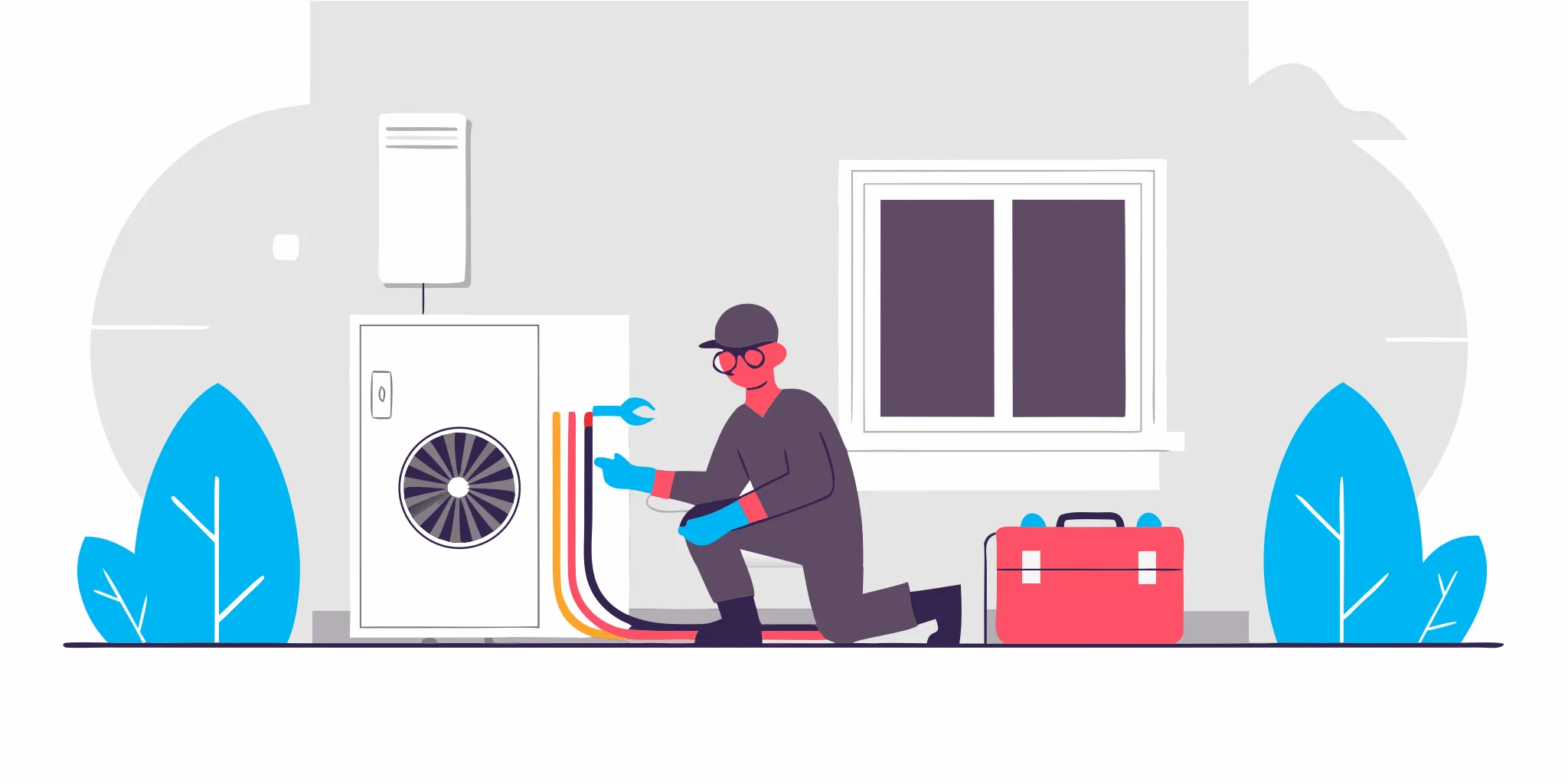
Technician troubleshooting a home AC unit repair with specialized tools.
Back to Blog
InsightsJuly 22, 2026

AC Unit Repair: A Troubleshooting Guide for Homes

Get practical ac unit repair tips for common home cooling problems. Learn troubleshooting steps and when to call a professional for your air conditioner.

Not every air conditioner hiccup means you have to call for backup. As a homeowner, knowing how to troubleshoot your own system can save you time, money, and a lot of worry. While some jobs are definitely best left to the pros, you might be surprised by what you can handle on your own. This guide is designed to empower you, walking you through the initial checks every homeowner should know. We’ll help you distinguish between a simple fix, like a clogged filter, and a more serious issue that requires a professional ac unit repair, so you can make the right call with confidence. ## Key Takeaways * **Troubleshoot first, then call for service**: Before you pick up the phone, check the simple things like your thermostat settings, circuit breaker, and air filter. A quick five-minute check can often solve the problem and save you the cost of a service visit. * **[A little maintenance prevents major headaches](https://spacecoastcooling.com/hvac-services/hvac-maintenance/)**: Keep your AC reliable by practicing simple habits. Changing the air filter regularly, rinsing the outdoor unit, and scheduling an annual professional tune-up helps prevent surprise breakdowns and keeps your system running efficiently. * **Use the $5,000 rule to decide on replacement**: When facing a costly repair on an older AC, use this simple formula: multiply the repair cost by the unit's age in years. If the total is over $5,000, investing in a new, more efficient system is often the smarter long-term financial choice. ## Is Your AC Acting Up? Common Problems to Look For When your air conditioner decides to take a break on a sweltering Florida day, it’s more than just an inconvenience; it’s an emergency. Before you start to worry, it helps to understand what might be going on behind the scenes. Many AC issues stem from a handful of common culprits, some of which you can spot on your own. Knowing what to look for can help you figure out the seriousness of the problem and give you a clearer picture of what’s happening when you call a professional for help. Catching these signs early can often mean the difference between a simple fix and a costly replacement. From simple fixes like a dirty filter to more complex issues like a refrigerant leak, your AC has ways of telling you something is wrong. You might notice it’s not cooling like it used to, see water pooling around the unit, or hear noises that definitely weren’t there before. This guide walks you through the most frequent AC problems we see here on the Space Coast, so you can play detective and get a head start on finding a solution. Think of this as your first step toward getting your cool air back and restoring comfort to your home. ### Dirty or Clogged Air Filters One of the most common reasons for an AC to struggle is also one of the simplest to solve: a dirty air filter. Your filter’s job is to trap dust, pollen, and other particles, but when it gets too full, it chokes off the airflow to your system. This forces your AC to work much harder to cool your home, leading to poor performance and higher energy bills. You might notice that the air coming from your vents feels weak or that some rooms are warmer than others. A clogged filter can also cause the system to overheat and shut down. Checking your filter once a month is a great habit to get into. ### Refrigerant Leaks If your air conditioner is blowing warm or lukewarm air, it could be low on refrigerant. It’s a common misconception that refrigerant gets "used up" over time like gas in a car. Your AC system is a closed loop, so if the level is low, it means there’s a leak somewhere. You might also hear a hissing sound or notice ice building up on the copper lines outside. An AC low on refrigerant [needs a professional to fix](https://www.bryant.com/en/us/products/air-conditioners/ac-repair/) it, since handling refrigerant requires special certification and tools to safely repair the leak and recharge the system to the correct level. This is definitely not a DIY job. ### Frozen Evaporator Coils Seeing a layer of ice on your indoor AC unit’s evaporator coils is a clear sign of trouble. This usually happens for two main reasons: restricted airflow from a dirty filter or low refrigerant levels. When the coils get too cold, the humidity in the air freezes onto them, creating a block of ice that prevents the system from cooling your home. While it might seem like the AC is working extra hard, it’s actually struggling and can cause serious damage to the compressor if left running. Turning off the system and letting the ice melt is a necessary first step before the underlying problem can be addressed. ### A Malfunctioning Thermostat Sometimes the problem isn’t with your air conditioner at all, but with the small box on the wall that controls it. A faulty thermostat can prevent your AC from turning on, cause it to cycle on and off erratically, or fail to read the room’s temperature correctly. Before assuming the worst, try a few simple checks. Make sure the thermostat is set to “cool” and the temperature is set lower than the current room temperature. If it’s a digital model, try replacing the batteries. If these simple steps don’t work, the thermostat itself might need to be recalibrated or replaced by a technician. ### Drainage Problems Your air conditioner doesn’t just cool the air; it also removes humidity. This moisture is collected and funneled outside through a condensate drain line. Over time, this line can get clogged with algae, dirt, or sludge, causing water to back up. If your system has a safety float switch, it will shut the unit off to prevent water damage. You might see water pooling in the drain pan under your indoor unit or notice musty smells. Keeping this drain line clear is a key part of routine AC maintenance and helps prevent water damage and mold growth in your home. ### Strange Noises or Smells Your AC should operate with a gentle hum, so any new or loud sounds are a red flag. A grinding or squealing noise often points to a serious mechanical issue, like a problem with the motor or a worn-out belt. Banging or clanking could mean a part has come loose inside the unit. Similarly, pay attention to any unusual smells. A burning odor can indicate an electrical failure and is a signal to turn your system off immediately at the circuit breaker. A musty smell usually points to mold or mildew growing in the unit or ductwork due to excess moisture. ## Troubleshooting Your AC: What to Check First When your air conditioner stops working on a hot Florida day, it’s easy to assume the worst. But before you pick up the phone, there are a few simple things you can check yourself. Often, the fix is surprisingly simple and can save you the time and expense of a service call. Walking through these basic troubleshooting steps can help you identify the problem or, at the very least, give our technicians a better idea of what’s going on when you call. Let’s go through the checklist together. ### Check the Power and Circuit Breaker It might sound obvious, but the first step is always to make sure your AC unit has power. Start at your home’s main electrical panel. Look for the breaker labeled "AC," "Air Conditioner," or "HVAC." If the switch is in the middle or "off" position, it has tripped. To reset it, push the switch firmly to the "off" position and then flip it back to "on." If the breaker trips again immediately, don't keep resetting it. This indicates a more serious electrical issue that needs a professional diagnosis to prevent damage or a fire hazard. ### Review Your Thermostat Settings Sometimes the problem is as simple as a wrong setting on the thermostat. First, make sure your thermostat is set to "cool." It's easy to accidentally switch it to "heat" or just "fan," which will circulate air without cooling it. Next, check the temperature setting. It needs to be set lower than the current room temperature for the AC to kick on. If you have a programmable thermostat, double-check that your schedule is correct and that the batteries don't need replacing. A simple [thermostat adjustment](https://www.energy.gov/energysaver/thermostats) can often be the quick fix you need. ### Inspect the Air Filter A dirty air filter is one of the most common culprits behind AC problems. Here in Florida, dust, pollen, and pet dander can clog your filter quickly, restricting airflow. When air can't move freely, your system has to work much harder to cool your home, leading to poor performance, higher energy bills, and even a frozen system. Pull out your filter and hold it up to the light. If you can't see light through it, it’s time for a change. We recommend checking it monthly and replacing it at least every 90 days. ### Look for Blocked Vents Your AC system works by circulating air, so clear pathways are essential. Take a quick walk through your home and make sure furniture, rugs, or curtains aren't blocking any of the supply vents on your floors, walls, or ceilings. A blocked vent in one room can disrupt the airflow balance for the entire system. While you're at it, glance outside at the large outdoor condenser unit. It needs at least two feet of clear space around it to function properly, so be sure no bushes, patio furniture, or storage bins are crowding it. ### Clear Debris from the Outdoor Unit Your outdoor condenser unit is your system's workhorse for releasing heat outside. When it’s covered in debris, it can’t do its job effectively. After a storm or even just a windy day, things like palm fronds, leaves, grass clippings, and dirt can build up on the fins. You can gently rinse the unit with a garden hose (never a pressure washer) to clear away light debris. Keeping this unit clean helps your AC run more efficiently and prevents it from overheating on those scorching Space Coast afternoons. ### Spot Ice on the Evaporator Coils If you see ice or frost forming on the copper lines of your indoor or outdoor unit, it’s a definite sign of a problem. This usually points to either a severe airflow blockage (like a completely clogged filter) or a refrigerant leak. While it might be tempting to just let it melt, running the AC with ice buildup can cause serious damage to the compressor. If you spot ice, the best thing to do is turn your system off completely and call for professional AC repair. This isn't a DIY fix, and a technician can safely diagnose and resolve the underlying issue. ## Simple AC Repairs You Can Do Yourself When your air conditioner stops working on a sweltering Florida day, your first instinct might be to panic. But before you assume the worst, take a deep breath. Many common AC issues have surprisingly simple solutions that you can handle yourself in just a few minutes. Taking a moment to troubleshoot can save you time and the cost of a service call. While some problems definitely require an expert, you might be surprised by what you can fix with a little guidance. These straightforward checks are a great first line of defense. They address the most frequent culprits behind AC failures and can get your system running again quickly. From a tripped breaker to a clogged filter, these issues are often easy to identify and resolve without any special tools. We’ll walk you through four of the most common DIY fixes that every homeowner on the Space Coast should know. Just remember to prioritize your safety, especially when working with electricity. If a problem seems too complex or persists after you’ve tried these steps, it’s always best to call a professional. ### Reset a Tripped Circuit Breaker If your AC unit won't turn on at all, the problem might not be with the unit itself but with its power source. Electrical surges from storms or an overloaded circuit can cause a breaker to trip, cutting off power to your air conditioner as a safety measure. Before you do anything else, the first step is to [check your electrical panel](https://www.familyhandyman.com/list/how-to-fix-the-most-common-air-conditioning-repairs-yourself/). Look for the breaker switch connected to your AC system. If it’s in the “off” position or stuck in the middle, flip it completely off and then back on. This often restores power and solves the problem instantly. If the breaker trips again right away, leave it off and call a professional, as this indicates a more serious electrical issue. ### Replace the Air Filter A dirty air filter is one of the most common causes of AC problems. When the filter gets clogged with dust, pet dander, and other particles, it restricts airflow. This forces your system to work much harder to cool your home, leading to poor performance, higher energy bills, and even a frozen system. A clogged filter can seriously [impact your AC's performance](https://www.bryant.com/en/us/products/air-conditioners/ac-repair/) and indoor air quality. Luckily, changing it is easy. Simply locate the filter slot on your indoor unit, slide the old one out, and note the size printed on the frame. Slide the new filter in, making sure the arrow on the frame points in the direction of the airflow. We recommend checking it monthly and replacing it at least every 90 days. ### Clean the Condenser Coils Your outdoor AC unit, called the condenser, has a critical job: it releases the heat pulled from inside your home. Over time, its coils can get covered in dirt, grass clippings, and leaves, which prevents them from releasing heat effectively. This makes your AC less efficient and forces it to run longer. To clean the coils, start by turning off the power to the unit at the breaker box for safety. Then, clear away any large debris by hand. Using a regular garden hose, gently spray the coils from the top down to wash away the grime. Avoid using a high-pressure washer, as it can easily bend the delicate metal fins on the coils. A quick rinse a couple of times a year can make a big difference. ### Clear a Clogged Drain Line Your AC doesn't just cool the air; it also removes humidity. This moisture is collected and funneled outside through a condensate drain line, which is usually a PVC pipe. If this line gets clogged with algae or sludge, water can back up, causing water damage or triggering a safety switch that shuts your system down. You can often [clear any debris](https://www.familyhandyman.com/list/how-to-fix-the-most-common-air-conditioning-repairs-yourself/) yourself. Find where the drain line exits your home and use a wet/dry shop vacuum to suction out the blockage for a minute or two. This simple step can prevent water backups and keep your system running smoothly, especially during our humid summers on the Space Coast. ## Know Your Limits: When to Call an AC Pro While it’s empowering to handle some home maintenance yourself, certain AC repairs are best left to the professionals. Attempting to fix complex issues without the right training or tools can be dangerous and often leads to more expensive problems down the road. Electrical components, refrigerant lines, and major mechanical parts require a delicate and knowledgeable touch. If you’ve run through the basic troubleshooting steps and your air conditioner is still on the fritz, it’s time to put down the toolbox and pick up the phone. Ignoring serious symptoms won’t make them go away. In fact, it can turn a simple fix into a complete system failure. Recognizing the signs that point to a bigger problem is key to protecting your investment and keeping your home safe. If you notice any of the issues below, don't hesitate to call a licensed technician. These are clear indicators that your AC system needs professional attention to get it running safely and efficiently again. Your peace of mind is worth it. ### Refrigerant Leaks If your AC isn’t cooling like it used to, you might be low on refrigerant. But here’s the thing: refrigerant runs in a closed loop, so you should never be "low" unless there's a leak. Signs of a leak include a hissing sound from your unit, ice forming on the copper lines, or air that just won’t get cold. Handling refrigerant, often known by brand names like Freon, is not a DIY job. It requires special certification and equipment to manage safely and legally. A professional will not only find and fix the leak but will also recharge the system to the manufacturer’s exact specifications, ensuring your AC runs efficiently without damaging its components. ### Electrical Problems or Burning Smells Your AC system has a lot of high-voltage electrical parts, and when they fail, it can be a serious fire hazard. If you smell something burning or a gunpowder-like scent near your unit, turn it off at the circuit breaker immediately and call for help. Other red flags include buzzing or humming sounds, or a breaker that keeps tripping even after you reset it. Strange noises like squealing or grinding also point to severe mechanical issues that could be connected to failing electrical components. Don’t take any chances with electrical problems; a professional technician can safely diagnose and repair the issue. ### Compressor Failure The compressor is the engine of your air conditioning system, located inside the big metal box in your yard. When it fails, your whole system goes down. You might hear a loud clanking or rattling noise when the unit tries to kick on, or it might trip the breaker every time it starts. In other cases, the outdoor unit might be completely silent even though the indoor fan is running. If the compressor starts but the fan doesn't, you could have a bad fan motor. Because the compressor is such a critical and expensive component, you need an accurate [professional diagnosis](https://www.spacecoastcooling.com/contact/) to determine if it can be repaired or if it’s time for a replacement. ### Signs of Mold Growth A musty, dirty sock smell coming from your vents is a telltale sign of mold or mildew growth inside your AC system. This often happens when excess moisture builds up on the evaporator coil or inside your ductwork, creating the perfect breeding ground for spores. Not only is the smell unpleasant, but it can also pose a health risk, especially for anyone with allergies or asthma. While you can clean your vents, the source of the mold is likely deep inside the unit. A professional needs to perform a thorough cleaning and, more importantly, identify and fix the underlying moisture issue to [prevent mold from returning](https://www.epa.gov/mold/brief-guide-mold-moisture-and-your-home). ### The Risk of Delaying Repairs It’s tempting to ignore a small AC issue, hoping it will just go away. Unfortunately, that rarely happens. Minor problems almost always snowball into major, more expensive failures if they aren't addressed. For example, a small refrigerant leak can overwork and destroy your compressor. A rattling noise could be a loose part that will eventually break and cause a cascade of damage. Putting off repairs not only risks a complete system breakdown (usually on the hottest day of the year) but also drives up your energy bills as the unit struggles to perform. The best way to [prevent costly repairs](https://www.bryant.com/en/us/products/air-conditioners/ac-repair/) is to address problems as soon as you notice them. ## Smart AC Maintenance for Fewer Repairs Think of AC maintenance like a regular check-up for your car. A little proactive care goes a long way in preventing a major breakdown, especially during a sweltering Florida summer. The same principle applies to your air conditioner. By dedicating a small amount of time to a few key tasks, you can keep your system running smoothly, improve its efficiency, and catch small problems before they turn into expensive, middle-of-the-night emergencies. These simple habits not only extend the life of your unit but also help keep your energy bills in check. Taking these steps empowers you to maintain a comfortable home and gives you peace of mind, knowing your system is in the best possible shape to handle the Space Coast heat. ### Change Your Air Filter Regularly This is the single most important and easiest task you can do for your AC. Your air filter’s job is to trap dust, pollen, and other particles, but when it gets clogged, it forces your system to work much harder to pull in air. This strain can lead to reduced cooling, higher energy bills, and even cause your system’s coils to freeze over. We recommend checking your filter every month and planning to [replace it](https://www.energy.gov/energysaver/maintaining-your-air-conditioner) every 30 to 90 days, depending on your home’s conditions, like if you have pets or live near a dusty road. It’s a five-minute job that makes a huge difference in your system’s performance and your home’s air quality. ### Keep Coils Clean Your AC has two sets of coils that are critical for cooling: the evaporator coil inside and the condenser coil outside. Over time, the outdoor unit’s coils can get covered in dirt, leaves, and grass clippings. This layer of grime acts like a blanket, making it difficult for the unit to release heat. As a result, your AC has to run longer to cool your home. You can gently clean the outdoor coils yourself by turning off the power to the unit and spraying them with a garden hose. The indoor evaporator coil is more delicate and often harder to access, so we recommend leaving that to a professional to avoid causing damage. ### Flush the Condensate Line Your air conditioner pulls a lot of moisture out of the humid Florida air. This water exits through a PVC pipe called a condensate drain line. Sometimes, this line can get clogged with algae and sludge, causing water to back up. If you have a safety float switch, this will shut your AC off completely. If you don’t, the water can overflow and cause significant damage to your ceiling, walls, or floors. You can help prevent clogs by pouring a cup of distilled vinegar down the line’s access point every few months to clear out any buildup. ### [Schedule an Annual Tune-Up](https://spacecoastcooling.com/hvac-services/ac-tune-up-maintenance/) While the DIY tips above are incredibly helpful, nothing replaces a professional inspection. An annual tune-up is the best way to ensure your system is ready for the season. During a maintenance visit, a certified technician does more than just clean. They check refrigerant levels, test electrical components, lubricate moving parts, and identify any worn-out components that could fail during a heatwave. This preventative service not only improves efficiency but also catches minor issues before they become major repairs. Our [maintenance plans](https://www.spacecoastcooling.com/maintenance-plans/) are designed to make this process simple and affordable, giving you confidence that your system is reliable all year long. ## Repair or Replace? Making the Right Call for Your AC It’s the question every homeowner dreads: should you pay for another AC repair or invest in a brand-new system? This decision can feel overwhelming, especially when your home is getting warmer by the minute. While a small, one-off repair on a newer unit is usually a clear choice, the answer gets murky with older systems that need frequent attention. The key is to weigh the short-term cost of a repair against the long-term value and peace of mind that come with a replacement. Making this call isn't just about the immediate expense. It's about your future energy bills, your family's comfort, and how many more service calls you want to make in the coming years. An older unit might seem cheaper to fix today, but if it breaks down again next summer, you're right back where you started. On the other hand, a new system is a significant investment, but it comes with a warranty, improved energy efficiency, and years of worry-free cooling. While our technicians can give you a definitive, honest recommendation based on your specific unit, there are a few industry guidelines you can use to get a clearer picture. Thinking through these factors will help you feel more confident in your decision, whether you choose to repair your current system or explore a modern, high-efficiency air conditioning installation. ### Understanding the $5,000 Rule When you're stuck between repairing and replacing, a little math can help cut through the confusion. A handy guideline used in the HVAC industry is the "$5,000 Rule." It’s a simple calculation: take the estimated cost of the repair and multiply it by the age of your AC unit in years. If the total is more than $5,000, replacement is often the more financially sound option. For example, let's say you're looking at a $500 repair for your 12-year-old air conditioner. Multiplying $500 by 12 gives you $6,000. Since that number is over the $5,000 threshold, it suggests that putting more money into an aging system may not be the best investment. This rule helps you avoid sinking money into a unit that is likely nearing the end of its life anyway. ### Factoring in Age and Efficiency An air conditioner's age is one of the most important factors in the repair-or-replace debate. Most central AC systems have a lifespan of about 15 to 20 years, but here in Florida, where they work overtime, that lifespan can sometimes be shorter. After an AC unit passes the 10-year mark, its efficiency often starts to decline. This means it has to run longer and work harder to cool your home, which you'll notice on your monthly utility bills. Newer air conditioners are significantly more energy-efficient than models from a decade ago. Upgrading can lead to substantial savings over time, helping the new system pay for itself. When you get a quote for a repair, it's a good idea to also ask about the cost and potential energy savings of a new, [high-efficiency unit](https://www.energy.gov/energysaver/central-air-conditioning). ### Signs It's Time for a New Unit Sometimes, your air conditioner gives you clear signals that it’s ready for retirement. If you find yourself calling for repairs more and more often, it’s a major red flag. Constant breakdowns are not only inconvenient but also a sign that multiple parts are starting to fail. Another telltale sign is a sudden spike in your energy bills that you can’t explain. This often means the system has lost efficiency and is struggling to keep up. Other indicators include loud or unusual noises, inconsistent cooling from room to room, and excessive dust or humidity in your home. If your system still uses R-22 refrigerant, which is being phased out, a replacement is almost always the better choice. A new unit provides reliable comfort and the peace of mind that comes with a fresh start. ## Choosing a Trustworthy AC Pro on the Space Coast When you’ve tried the simple fixes and your air conditioner still isn’t working, it’s time to call in a professional. But finding the right one can feel like a job in itself, especially when you're stressed and sweating. With so many options out there, how do you choose a company you can rely on to do the job right without overcharging you? It’s about more than just getting your AC running again; it’s about ensuring the safety of your home and having peace of mind, especially when the Florida heat is relentless. A poor choice could lead to more repairs down the road or even damage to your system. The good news is that you can quickly narrow down your options by focusing on a few key qualifications. A trustworthy AC technician won’t just fix the immediate issue; they’ll provide transparent service and stand behind their work. Before you let anyone touch your HVAC system, it’s important to do a little homework. Looking for proof of licensing, clear pricing policies, and a strong local presence will help you find a dependable partner for all your [HVAC service](https://spacecoastcooling.com/hvac-services/) needs, from emergency repairs to routine maintenance. Taking a few minutes to check these things can save you a lot of headaches and money in the long run. ### Verify Licenses, Insurance, and Certifications The first step in vetting any AC company is to confirm they are properly licensed and insured. In Florida, HVAC contractors are required by law to hold a state-issued license. This isn't just red tape; it's your assurance that the technician has met specific training and competency standards. A company that operates without a license is not only breaking the law but also putting your home at risk. Equally important is insurance. The contractor should carry general liability insurance to protect you from any accidental damage to your property during the repair. A reputable company will be upfront about their credentials. You should be able to find their license number easily on their website or service vehicles. Don’t hesitate to ask for proof of insurance, either. A professional will have it ready. ### Prioritize Upfront Pricing and 24/7 Availability No one likes a surprise bill. A trustworthy AC company will always provide upfront pricing, giving you a detailed estimate to approve before any work begins. This transparency allows you to understand exactly what you’re paying for and prevents any hidden fees from appearing on your final invoice. If a company is vague about costs or hesitates to put an estimate in writing, consider it a red flag. Since AC problems rarely happen at a convenient time, look for a company that offers [24/7 emergency availability](https://spacecoastcooling.com/contact-us/). An air conditioner that fails on a hot Saturday night can’t wait until Monday morning. A company that provides around-the-clock service shows a commitment to its customers and understands the urgency of keeping your home cool and comfortable. ### Why Hiring a Local Company Matters There’s a real advantage to choosing an AC company that’s based right here on the Space Coast. Local technicians have firsthand experience with the unique challenges our climate presents, from high humidity and salt air corrosion to the intense strain on systems during the summer. They know what common issues to look for in homes across [Cocoa, Melbourne, and Palm Bay](https://spacecoastcooling.com/service-areas/) because they live and work in the same community. Beyond their specific expertise, local companies have a reputation to uphold. They rely on word-of-mouth and positive reviews from their neighbors, which makes them more accountable for their work. You’re not just another customer; you’re part of the community they serve. This often translates to faster response times, more personal service, and a team that’s invested in finding a long-term solution for you. ## Related Articles * [Are HVAC Maintenance Plans Worth It? What to Know](https://spacecoastcooling.com/are-hvac-maintenance-plans-worth-it/) * [Professional AC Tune-Up in Cocoa, FL](https://spacecoastcooling.com/hvac-services/ac-tune-up-maintenance/) * [Air Conditioning Repair in Cocoa, FL](https://spacecoastcooling.com/hvac-services/air-conditioning-repair/) * [Top-Rated Air Conditioning Installation in Cocoa, FL](https://spacecoastcooling.com/hvac-services/air-conditioning-installation-replacement/) * [FAQs | Space Coast Cooling & Plumbing, Inc.](https://spacecoastcooling.com/faq/) ## Frequently Asked Questions **My air conditioner won’t turn on at all. What’s the first thing I should check?** Before you worry, start with the two simplest culprits: the thermostat and the circuit breaker. First, make sure your thermostat is set to “cool” and the temperature is set lower than the current room temperature. If it has batteries, it might be time for a fresh pair. If the thermostat settings are correct, head to your home’s electrical panel. Find the breaker for your AC and see if it has tripped. If it has, you can flip it completely off and then back on. If it trips again immediately, leave it off and call a professional, as this points to an electrical problem. **My AC is running, but it’s not blowing cold air. What could be wrong?** When your AC runs but doesn't cool, it usually signals an issue with either airflow or refrigerant. The first and easiest thing to check is your air filter. If it’s clogged with dust and debris, air can’t move through it properly, which severely impacts cooling. If you’ve replaced the filter and the air is still warm, you might have a refrigerant leak or frozen evaporator coils. Both of these issues require a technician to diagnose and fix safely, so it’s best to turn the system off and give a professional a call. **How can I tell if a problem is a simple fix or if I need to call an expert?** You can handle several basic tasks yourself. Things like changing your air filter, resetting a tripped breaker, checking thermostat settings, and gently rinsing debris off your outdoor unit are all great first steps. However, you should call a professional for anything more complex. This includes any work involving refrigerant (like a suspected leak), electrical issues (burning smells or a breaker that keeps tripping), or loud mechanical noises like grinding or squealing. Attempting these repairs without training can be dangerous and often leads to bigger, more expensive problems. **How do I know if it’s time to replace my AC instead of just repairing it again?** This is a tough decision, but a few key factors can make it clearer. Consider the age of your system and the cost of the repair. If your AC is over 12 years old and needs a significant repair, replacement is often the smarter long-term investment. Frequent breakdowns are another major sign that your system is on its last legs. A new, energy-efficient unit will not only be more reliable but can also lower your monthly utility bills, helping to offset the initial cost over time. **Besides changing the filter, what’s one important maintenance task I can do to prevent problems?** Keeping your condensate drain line clear is a critical task, especially here in humid Florida. This PVC pipe drains the moisture your AC removes from the air, but it can get clogged with algae and sludge over time. A clog can cause water to back up, leading to water damage or triggering a safety switch that shuts your system down. You can help prevent this by finding the access point to the line and pouring a cup of distilled white vinegar down it every few months to break up any buildup.
Available 24/7

Call the Experts that Local Homeowners Rely On

When you need home services, you want answers you can trust and work you can count on. Space Coast Cooling & Plumbing is the plumbing and HVAC company in Cocoa, FL, that brings decades of local experience, licensed professionals, and customer-first service to every job. One call connects you with a team ready to help.

Licensed & InsuredServing Cocoa Since 1994Honest, Upfront PricingSame-Day Service Available