Need Help? Call Us Now!
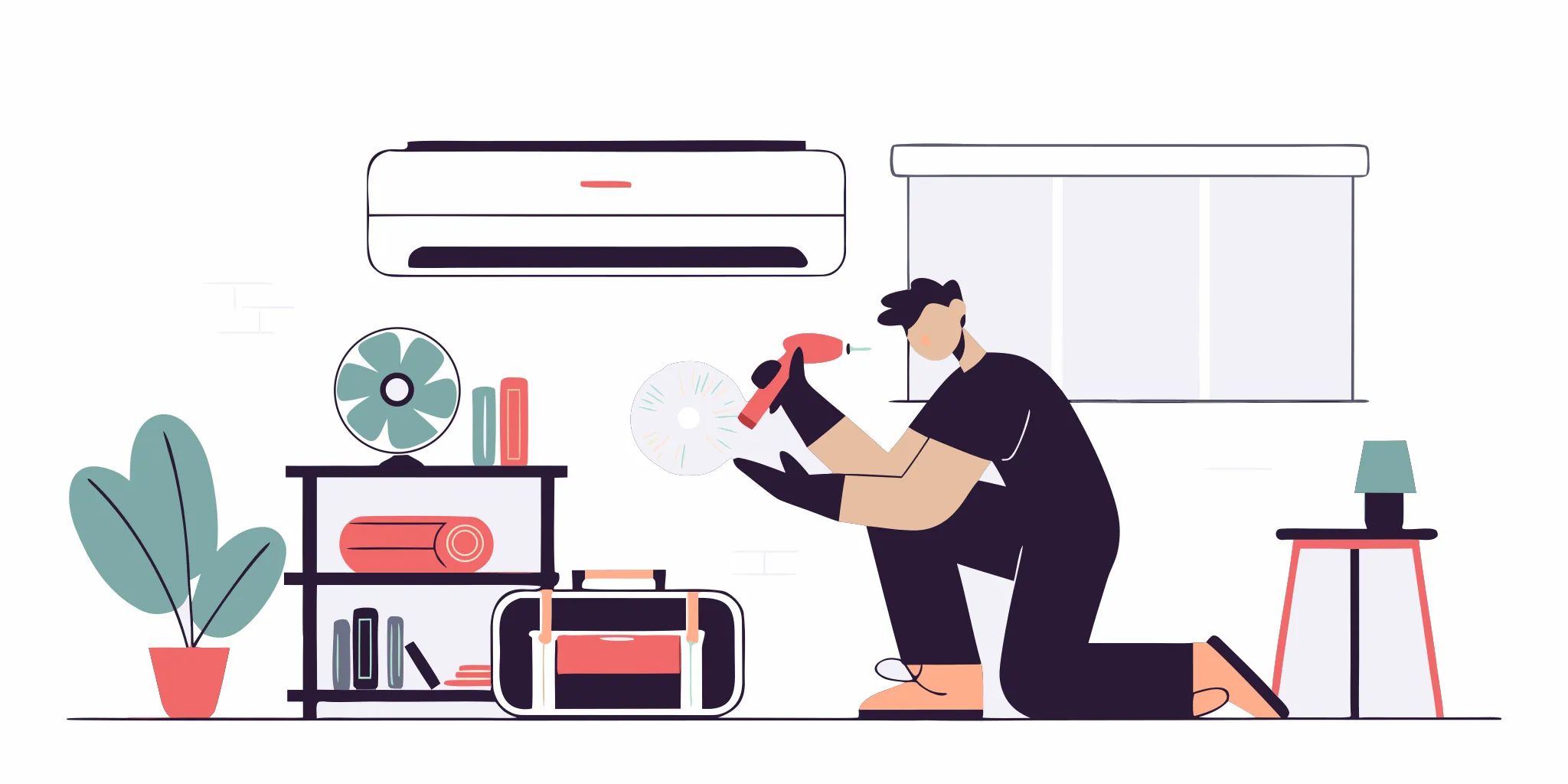
Technician repairing an air conditioner, a key factor in the total air conditioner repair cost.
Back to Blog
InsightsJuly 8, 2026

Air Conditioner Repair Cost: A Homeowner's Guide

Get clear answers on air conditioner repair cost, common AC problems, and tips to save money on repairs with this practical homeowner’s guide.

Nothing adds to the stress of a broken AC like the fear of hidden fees and surprise charges on the final bill. We believe transparency is non-negotiable; you deserve to know exactly what you’re paying for and why. That’s why we’ve created this guide to shed light on what goes into a typical repair estimate. We want you to have a clear understanding of the **air conditioner repair cost** before a technician even picks up a tool. We’ll break down our diagnostic fees, explain how warranties affect the price, and discuss the costs of common repairs, so you can feel confident that you’re receiving honest, upfront service from a team that has your best interests at heart. ## Key Takeaways * **Know what goes into the bill**: A repair estimate isn't just one number; it includes a diagnostic fee, the cost of the specific part (which varies widely), and the labor to install it. Always ask for an itemized quote so you can see exactly where your money is going before approving the work. * **[Control costs with simple maintenance](https://spacecoastcooling.com/are-hvac-maintenance-plans-worth-it/)**: You can prevent many expensive repairs yourself by regularly changing your air filter and keeping the outdoor unit clear of debris. For complete peace of mind, a professional maintenance plan is the best way to catch small issues before they become major breakdowns. * **Decide when to repair or replace**: Use the 50% rule as a guide; if a repair costs more than half the price of a new unit, replacement is often the smarter financial move. Also consider replacement if your system is over 10 years old and needs frequent, costly service. ## How Much Does AC Repair Cost? When your air conditioner stops working on a hot Florida day, one of the first questions that comes to mind is, "How much is this going to cost me?" It’s a fair question, and the honest answer is: it depends. The final bill for an AC repair can range from a simple hundred-dollar fix to several thousand for a major system overhaul. The price is shaped by what’s broken, the complexity of the job, and even the age of your unit. Because a functioning AC is a necessity here on the Space Coast, feeling prepared for a potential repair bill can make a stressful situation a little easier. Think of it less as a single price tag and more as a combination of a few key factors. Understanding these components will help you know what to expect when you call for service. Let’s break down what goes into the cost of an air conditioner repair, from the type of problem to service fees and warranty coverage. ### Breaking Down Costs by Repair Type The single biggest factor influencing your bill is the specific part that needs to be fixed or replaced. A minor repair will naturally cost less than a major one. For example, replacing a faulty capacitor, which is a common issue that prevents your AC from starting, is a relatively quick and affordable fix. You can generally expect this type of repair to fall on the lower end of the cost spectrum. On the other hand, problems with core components are more significant. If your compressor fails or you have a serious refrigerant leak in your evaporator coil, the repair becomes much more involved and expensive. These major repairs can easily cost over $1,000 because the parts are costly and the labor is more intensive. An honest technician will always diagnose the specific issue first before giving you a clear [estimate for the repair](https://www.trane.com/residential/en/resources/blog/air-conditioning-repair-cost/). ### Understanding Service Call Fees Most professional HVAC companies charge a service call fee, sometimes called a diagnostic fee or trip charge. This fee covers the cost for a certified technician to travel to your home and spend the time it takes to thoroughly inspect your system and identify the root of the problem. This is a standard practice in the industry, and you can typically expect this fee to be between $50 and $200. It’s important to ask how this fee is handled. At Space Coast Cooling & Plumbing, we believe in transparency. That’s why our diagnostic fee is applied directly to the cost of the repair if you choose to have us do the work. This way, you aren’t paying twice; you’re simply investing in a professional diagnosis that leads to the right solution. ### How Your Warranty Affects the Final Bill An active warranty can be a huge relief when you’re facing an unexpected repair. However, it’s important to understand what your warranty actually covers. Most air conditioners come with a manufacturer's parts warranty, which typically lasts for 5 to 10 years. If a covered part fails during that period, the manufacturer will provide a replacement part at no cost. What the manufacturer’s warranty usually doesn’t cover is the labor required to install that new part. You will likely still be responsible for paying your HVAC contractor for their time and expertise. Before you call for service, it’s always a good idea to check your paperwork to see if your system is still under warranty. This information will give your technician a head start and can significantly [impact your final bill](https://www.walkerbrosac.com/blog/what-is-the-average-cost-of-fixing-an-ac-unit). ## What Factors Influence Your AC Repair Bill? When your AC stops working, the first question on your mind is usually, "How much is this going to cost me?" The answer isn't always straightforward because the final bill depends on several moving parts. Understanding these factors can help you make sense of your repair estimate and feel more confident about the work being done. From the age of your unit to the time of year, here’s a breakdown of what influences the cost of an air conditioner repair. ### Your AC's Age and Condition Just like any hardworking appliance, an air conditioner's age plays a big role in repair costs. Older units, especially those over 10 to 15 years old, tend to have more frequent issues. As time goes on, it can become harder and more expensive to find replacement parts for them as they become obsolete. If your system is still under warranty, it can significantly reduce your out-of-pocket costs for parts, but labor is often a separate expense. A well-maintained unit will almost always be less expensive to repair over its lifespan than one that's been neglected, which is why regular tune-ups are so important for managing long-term costs. ### The System's Brand and Type The brand of your air conditioner and the type of system you have also affect the repair bill. Some high-end or specialty brands use proprietary parts that cost more and can be harder to get. The type of unit matters, too. Fixing a simple window unit will naturally cost less than repairing a large central air system or a multi-zone ductless setup. At Space Coast Cooling & Plumbing, our technicians are trained to service all major brands, so we can source the right parts and perform the correct repair, no matter what system you have. This expertise ensures the job is done right without unnecessary delays or costs. ### How Complex is the Fix? The single biggest factor in your repair cost is the nature of the problem itself. A minor fix, like replacing a faulty capacitor or clearing a clogged drain line, can often be done quickly with an inexpensive part. However, more complex jobs that require significant time and skill will cost more. For example, replacing a failed compressor or fixing a refrigerant leak in the evaporator coil are labor-intensive tasks. As [industry experts at Trane explain](https://www.trane.com/residential/en/resources/blog/air-conditioning-repair-cost/), these major repairs involve expensive components and several hours of work, which is why they land on the higher end of the cost spectrum. This is why we always provide upfront pricing after diagnosing the issue. ### Florida's Heat and Seasonal Demand Here in Florida, our air conditioners work overtime. This constant use, especially during the sweltering summer months, creates high seasonal demand for repairs. When an August heatwave hits, HVAC companies get flooded with calls. This surge can sometimes lead to higher prices for emergency services and longer wait times for an available technician. Planning ahead is your best defense. You can [maintain your air conditioner](https://www.energy.gov/energysaver/maintaining-your-air-conditioner) with a spring check-up to catch small problems before they turn into major failures during peak season. While we always offer 24/7 emergency service for those unexpected breakdowns, a little preventative care goes a long way in keeping repair costs down. ## Common AC Problems and Their Repair Costs When your air conditioner stops working, especially during a Florida summer, the first question on your mind is usually, "How much is this going to cost?" The uncertainty can be stressful. AC repair costs can range from a simple, inexpensive fix under a hundred dollars to a major component replacement costing thousands. This huge variable makes it hard to budget and easy to worry about being overcharged. Being an informed homeowner is your best defense against that anxiety. While you don't need to become an HVAC expert overnight, understanding some of the most frequent AC issues can give you a clearer picture of what to expect. Knowing the difference between a bad capacitor and a failed compressor, for example, helps you ask the right questions and understand the quote you receive from a technician. It empowers you to have a more productive conversation and feel confident that you're making the right decision for your home and your wallet. Below, we break down several common problems we see here on the Space Coast, from minor annoyances to major system failures. We'll cover the symptoms to watch for and give you a general idea of what's involved in the fix. This guide is designed to help you prepare for a conversation with your technician and ensure you get honest answers and a fair price for your repair. ### Refrigerant Leaks If your AC is running but the air coming out isn't cold, you might have a refrigerant leak. Refrigerant is the chemical that cools the air, and your AC is a closed system, meaning it shouldn't lose any. A leak indicates a problem that needs a professional fix. Simply adding more refrigerant without repairing the leak is like filling a tire with a hole in it; it’s a temporary fix at best. A licensed technician will need to find the source of the leak, repair it, and then correctly charge the system with the proper amount of refrigerant. This is not a DIY job, as handling refrigerant requires special certification and tools. ### Compressor Failure The compressor is the heart of your air conditioner. It’s a powerful motor located in the outdoor unit that pressurizes the refrigerant and pushes it through the system. Unfortunately, if the compressor fails, it’s one of the most expensive repairs you can face. A replacement can cost thousands of dollars, often making it a major factor in the decision to repair or replace the entire unit. Symptoms of a failing compressor include strange noises from the outdoor unit, the circuit breaker tripping frequently, or the unit blowing warm air. Because of the high cost, it’s important to get a clear diagnosis from a trusted professional. ### Capacitor or Contactor Issues Sometimes, a seemingly major problem has a simple solution. If your outdoor unit hums but the fan won’t spin, or if the unit won't turn on at all, the issue could be a bad capacitor or contactor. These are small but essential electrical components that help start and run the motors in your AC. Over time, heat and use can cause them to wear out. The good news is that replacing a capacitor or contactor is a relatively quick and affordable repair for a trained technician. It’s a common fix that can get your system back up and running without breaking the bank. ### Frozen Evaporator Coils Seeing ice on your air conditioner is a clear sign something is wrong. The evaporator coil, located in the indoor unit, is where the cooling magic happens. When it freezes over, it’s usually due to one of two things: restricted airflow from a dirty filter or a low refrigerant level from a leak. While it might be tempting to just let the ice melt, that won't solve the underlying issue. A technician will need to diagnose the root cause to prevent it from happening again. Ignoring [frozen coils](https://www.energy.gov/energysaver/common-air-conditioner-problems) can lead to more serious problems, including compressor damage. ### Faulty Thermostat or Electrical Issues Often, the problem isn't with your AC unit itself but with the thermostat that controls it. If your system won't turn on, cycles on and off too quickly, or doesn't cool your home to the set temperature, the thermostat could be the culprit. It might be a simple fix, like replacing the batteries, or it could require a professional to check the wiring and calibration. Other electrical issues, like a tripped breaker or a blown fuse, can also prevent your AC from running. A technician can safely trace the electrical connections to find and fix the source of the problem. ### Clogged Drain Lines Your air conditioner doesn't just cool the air; it also removes humidity. This moisture collects and drains away through a small pipe called a condensate drain line. In Florida's humid climate, this line can get clogged with algae, mold, and sludge. When that happens, the water has nowhere to go and can back up into your home, causing leaks, water damage, and even shutting down your system if it has a safety float switch. Clearing a clogged drain line is a common service call and a key part of any good [AC maintenance plan](https://www.spacecoastcooling.com/maintenance-plans/), as keeping it clear helps prevent a messy and inconvenient surprise. ## Repair or Replace? How to Make the Call Deciding whether to repair your struggling air conditioner or replace it entirely is one of the biggest choices a homeowner can make. It’s easy to get stuck between the immediate cost of a repair and the much larger investment of a new system, especially when your house is getting warmer by the minute. There’s no single right answer for everyone, but you don’t have to make the decision in the dark. By looking at a few key factors, you can get a much clearer picture of which path makes the most sense for your home, your budget, and your peace of mind. Think of it as a balance between a short-term fix and a long-term solution. A simple, inexpensive repair on a younger unit is often a no-brainer. But when the repair bill starts to climb and your AC unit has seen better days, the math gets more complicated. Is it better to pay for a significant repair now and hope it lasts, or is that money better put toward a new, efficient system that comes with a warranty and lower energy bills? We’ll walk you through a few practical guidelines to help you determine when it’s time to stop patching up an old system and invest in a reliable new one that can handle the Florida heat for years to come. ### Use the 50% Rule as a Guideline Here’s a straightforward rule of thumb many technicians use: the 50% rule. If the cost of a repair is more than half the price of a new, comparable air conditioning system, replacement is usually the more sensible financial choice. For example, if a new AC unit costs $6,000, and you’re facing a $3,500 repair bill for your old one, investing that money in a brand-new system is the better long-term move. A new unit not only resets the clock on repairs but also comes with a fresh manufacturer's warranty. This guideline helps you avoid sinking good money into a system that’s already near the end of its life. While it’s not a strict law, the 50% rule is an excellent starting point for a conversation about whether a [major repair](https://www.energy.gov/energysaver/maintaining-your-air-conditioner) is truly worth it. ### Consider Age, Efficiency, and Repair Frequency Think about how old your current AC system is. In Florida, where air conditioners work overtime, a well-maintained unit typically lasts about 10 to 15 years. If your system is in that age range or older, pouring money into another repair might not be wise. It’s like keeping an old car that needs constant work; at some point, the frequent trips to the mechanic just aren’t worth it anymore. Older systems are also far less energy-efficient. A new air conditioner with a high SEER (Seasonal Energy Efficiency Ratio) rating can significantly lower your monthly cooling bills. If you find yourself calling for service every summer, those repair costs add up quickly. A history of frequent breakdowns is a clear sign that your system’s reliability is fading, and a full replacement will likely save you money and frustration over time. ### Telltale Signs You Need a New AC Sometimes, your air conditioner will give you clear hints that it’s on its last legs. If you’re noticing any of these warning signs, especially with an older unit, it’s probably time to start thinking about a replacement. One of the most obvious [common AC problems](https://www.parkshvac.com/blog/10-most-common-ac-problems-and-their-solutions) is a system that simply can’t keep your home cool anymore, even when it’s running constantly. Listen for strange noises, too. Grinding, squealing, or loud banging sounds often point to serious mechanical failures. Another red flag is a sudden, unexplained spike in your energy bills, which suggests the unit is losing efficiency and working much harder than it should. If your system requires frequent repairs or is leaking refrigerant, it’s a strong indicator that a more permanent solution is needed. ## How to Lower Your Air Conditioner Repair Costs While you can’t prevent every possible AC issue, you have more control over repair costs than you might think. A little proactive care goes a long way in keeping your system healthy and your wallet happy. Think of it like changing the oil in your car; simple, routine tasks are your first line of defense against expensive, unexpected breakdowns. By building a few easy habits into your home maintenance routine, you can catch small problems before they become major headaches. These straightforward steps will help your air conditioner run more efficiently, extend its lifespan, and reduce the likelihood of a costly emergency call. Most of these tasks only take a few minutes but can save you hundreds of dollars in the long run. It’s all about working smarter, not harder, to keep your home cool and comfortable through the long Florida summers. Investing in a little prevention is always more affordable than paying for a cure, especially when it comes to complex home systems. ### Change Your Air Filter Regularly This is easily the most important and simplest thing you can do for your AC system. A dirty air filter is a common culprit behind many AC problems, including a system that stops blowing cold air. When a filter gets clogged with dust, pet dander, and other particles, it forces your air conditioner to work much harder to pull in air. This strain can lead to reduced efficiency, higher energy bills, and even cause expensive components to fail prematurely. We recommend checking your filter once a month. Depending on your system and household (for example, if you have pets or allergy sufferers), you should plan to replace it every 30 to 90 days. A fresh filter not only helps prevent costly repairs but also improves your home’s [indoor air quality](https://www.parkshvac.com/blog/10-most-common-ac-problems-and-their-solutions). ### Keep the Outdoor Unit Clear of Debris Your outdoor AC unit, or condenser, has a critical job: it releases the heat that’s been removed from your home. To do this effectively, it needs plenty of room to breathe. When the unit is crowded by landscaping or covered in leaves, grass clippings, and dirt, airflow gets blocked. This forces the system to run longer and harder to cool your home, increasing wear and tear. Make it a habit to walk around your outdoor unit and ensure there’s at least two feet of clear space on all sides. Trim back any encroaching shrubs or weeds. You can also gently rinse the exterior fins with a garden hose to wash away dirt, but never use a pressure washer, as it can damage them. According to the [Department of Energy](https://www.energy.gov/energysaver/common-air-conditioner-problems), keeping the unit free from debris is a key step in maintaining its efficiency. ### Inspect and Seal Your Ductwork Your ductwork is the highway that delivers cool air to every room in your house. If that highway has cracks, gaps, or loose connections, a significant amount of that conditioned air escapes into your attic, crawlspace, or wall cavities. This forces your AC to run longer to reach the temperature on your thermostat, wasting energy and money. Leaky ducts can also pull dusty, unconditioned air into your home, hurting your air quality. You can perform a quick visual inspection for any obvious tears or disconnected joints. While you can seal small, accessible leaks with mastic sealant or metal-backed tape, finding all the problem spots can be tricky. A professional [ductwork inspection](https://www.longheatingair.com/common-ac-issues-that-can-be-addressed-with-professional-repairs) can pinpoint hidden leaks and ensure your entire system is properly sealed, improving comfort and lowering your utility bills. ### Address Problems Before They Get Worse It can be tempting to ignore a strange noise or a small puddle of water, hoping it will just go away. Unfortunately, with HVAC systems, minor issues almost always escalate into bigger, more expensive ones if left unaddressed. That rattling sound could be a loose part that, if ignored, could break off and cause major damage. A small refrigerant leak will eventually drain the system, potentially burning out your compressor, which is one of the costliest parts to replace. Paying attention to your system and calling for service at the first sign of trouble is a smart financial move. A quick, affordable fix for a faulty capacitor is much better than waiting until it fails completely on the hottest day of the year. Prompt professional AC repair not only restores performance but also helps you avoid a much larger bill down the road. ## Is an HVAC Maintenance Plan a Good Investment? Thinking about an HVAC maintenance plan can feel like adding another bill to the pile. But when you live somewhere like the Space Coast, your air conditioner isn't a luxury; it's an essential part of your home. The real question isn't just about cost, but about value and peace of mind. A maintenance plan shifts your approach from reactive to proactive. Instead of waiting for a sweltering July afternoon for your AC to quit, you’re taking steps to keep it running smoothly all year long. This is about more than just avoiding inconvenient breakdowns. Regular service is one of the smartest ways to protect the investment you've already made in your home's comfort system. It helps your AC run more efficiently, last longer, and keeps your energy bills in check. Think of it like the regular oil changes you get for your car; you do it to prevent a much bigger, more expensive problem down the road. An HVAC maintenance plan works on the same principle, giving you confidence that your system is ready to handle whatever a Florida summer throws at it. ### What's Included in a Maintenance Plan? So, what do you actually get with a maintenance plan? During a tune-up, a certified technician performs a comprehensive check-up on your entire system. This isn't just a quick filter change. We’re talking about cleaning the indoor and outdoor coils, checking refrigerant levels, testing electrical components, clearing the condensate drain line to prevent water damage, and lubricating moving parts. The goal is to address small issues before they turn into major failures. A [regular maintenance schedule](https://www.trane.com/residential/en/resources/blog/air-conditioning-repair-cost/) is the most effective way to keep your AC running reliably and prevent those surprise breakdowns that always seem to happen at the worst times. ### The Long-Term Savings It’s almost always cheaper to maintain your AC than to pay for a major repair after a complete breakdown. The long-term savings from a maintenance plan show up in a few key ways. First, a well-maintained unit runs more efficiently, which can lower your monthly energy bills. Second, regular service helps [extend the equipment's lifespan](https://www.longheatingair.com/common-ac-issues-that-can-be-addressed-with-professional-repairs), pushing back the date when you’ll need to invest in a costly replacement. Finally, many plans include benefits like priority service and discounts on any necessary repairs, saving you both time and money when you need help the most. It’s a small, predictable expense that helps you avoid much larger, unexpected ones. ## DIY vs. Calling a Pro: What's the Right Move? When your AC starts acting up on a hot Florida day, the first impulse might be to see if you can fix it yourself. And sometimes, a simple adjustment is all you need to get cool air flowing again. But it’s important to know the difference between a quick fix and a problem that needs an expert’s touch. As a homeowner, feeling empowered to handle small maintenance tasks is great, but recognizing your limits is just as crucial. Trying to tackle a complex repair without the right training or tools can quickly turn a small issue into a major one. You could cause more damage, face a much more expensive bill, or even create a safety hazard with electrical components or refrigerant. This is especially true for modern, high-efficiency systems that are more complex than their older counterparts. Understanding which symptoms point to a simple DIY check and which ones scream "call a professional" is the key to managing your system effectively. It helps you save money on unnecessary service calls while ensuring that serious problems are handled safely and correctly from the start. ### Simple Tasks You Can Handle Yourself Before you pick up the phone, there are a few safe and simple checks you can perform. First, take a look at your air filter. A dirty, clogged filter can restrict airflow and is a common reason an AC struggles to cool your home. Regularly changing your filter is one of the best ways to [prevent issues](https://www.parkshvac.com/blog/10-most-common-ac-problems-and-their-solutions) before they start. Next, do a quick round of basic troubleshooting. Make sure your thermostat is set to "cool" and the temperature is lower than the current room temperature. Then, check your circuit breaker to see if it has been tripped. These simple steps can often resolve the problem without needing a service call. ### When to Call a Licensed Technician If your basic checks don’t work, it’s time to call in a professional. Certain symptoms are clear signs of a deeper problem. For instance, your AC system should run relatively quietly, so any loud banging, grinding, or squealing is a red flag. These [unusual sounds](https://www.longheatingair.com/common-ac-issues-that-can-be-addressed-with-professional-repairs) often point to a mechanical problem that needs immediate attention. Other warning signs include weak airflow from your vents, moisture or leaking around the indoor unit, or air that just isn’t cold. This could signal a refrigerant leak, which must be handled by a certified technician. When in doubt, calling a [licensed technician](https://www.trane.com/residential/en/resources/blog/air-conditioning-repair-cost/) is always the safest and most effective move. ## What Honest AC Service Looks Like When your AC dies on a sweltering Florida afternoon, the last thing you want to worry about is whether you’re getting a fair deal on the repair. Finding a technician you can trust is just as important as getting the cold air back on. So, what does honest AC service actually look like? It’s more than just a quick fix; it’s about transparency, respect, and clear communication from start to finish. A trustworthy professional makes you feel confident and informed, not pressured or confused. A quality technician will be clear about costs from the very beginning. This includes explaining their service call fee, which typically covers the trip to your home and the initial diagnosis. Many reputable companies will even apply this fee toward the total [repair cost](https://www.trane.com/residential/en/resources/blog/air-conditioning-repair-cost/) if you decide to move forward with the work. You should expect a detailed explanation of the problem and a clear, itemized quote before any work begins, so you can approve the expense without any surprises on the final bill. Honest service is also about providing solutions, not just making a sale. If a major repair is needed, a good technician will walk you through your options. They might explain that while a repair will solve the immediate issue, your older unit might be a candidate for replacement in the near future. They’ll give you the information you need to weigh the long-term costs and benefits, empowering you to make the best decision for your home and budget. A great technician also acts as an educator, taking the time to show you the failed part and explain why it broke. They might even offer tips on how to spot [common air conditioner problems](https://www.energy.gov/energysaver/common-air-conditioner-problems) early to prevent another emergency call. Ultimately, you’re not just paying for a repair; you’re investing in a partnership with a professional who has your best interests at heart. ## Related Articles * [Are HVAC Maintenance Plans Worth It? What to Know](https://spacecoastcooling.com/are-hvac-maintenance-plans-worth-it/) * [Professional AC Tune-Up in Cocoa, FL](https://spacecoastcooling.com/hvac-services/ac-tune-up-maintenance/) * [Air Conditioning Repair in Cocoa, FL](https://spacecoastcooling.com/hvac-services/air-conditioning-repair/) * [Top-Rated Air Conditioning Installation in Cocoa, FL](https://spacecoastcooling.com/hvac-services/air-conditioning-installation-replacement/) * [Cocoa, FL, Ductless Mini Split Installation & Repair](https://spacecoastcooling.com/hvac-services/ductless-mini-split-installation-repair/) ## Frequently Asked Questions **I think I know what the problem is. Do I still have to pay a diagnostic fee?** Yes, and that fee is one of the most valuable parts of the service. While your insights are helpful, many AC issues have overlapping symptoms. What looks like a simple problem could be a sign of something more complex. The diagnostic fee covers a certified technician’s time and expertise to thoroughly inspect your system and pinpoint the exact cause. This ensures we fix the right thing the first time, saving you from paying for an incorrect repair. We always apply this fee to the final bill if you have us complete the work, so you’re investing in a correct diagnosis, not just paying for a trip. **My AC is about 12 years old. Is it always better to replace it instead of paying for a big repair?** Not necessarily, as an AC unit’s age is just one piece of the puzzle. A 12-year-old system that has been well-maintained might have years of life left in it. The best choice depends on the situation. We often suggest using the 50% rule: if the repair costs half or more of what a new system would, replacement is usually the smarter financial move. We also consider the unit's repair history. If this is the first major issue, a repair might make sense. If you’re calling for service every summer, that money is likely better invested in a new, reliable, and more energy-efficient system. **Can I get a firm price for the repair over the phone?** Unfortunately, it’s impossible to give an accurate quote without seeing the system in person. Describing a sound or a symptom over the phone is a starting point, but a technician needs to perform tests to identify which specific part has failed. For example, an AC that isn't cooling could have a refrigerant leak, a bad capacitor, or a failing compressor, all of which come with very different repair costs. Providing a price sight unseen would be a disservice to you. We believe in providing a firm, upfront price only after we’ve properly diagnosed the issue. **My AC is still under warranty, so does that mean my repair will be free?** An active warranty is a great help, but it usually doesn't make a repair completely free. Most standard manufacturer warranties cover the cost of the failed part itself, but they typically do not cover the labor costs for the technician to diagnose the problem, travel to your home, and install the new part. Before you call for service, it’s a good idea to have your warranty information handy. It can significantly reduce your final bill, but you should still expect to pay for the professional service required to get your system running again. **If my AC system is only a few years old, do I really need a [maintenance plan](https://spacecoastcooling.com/hvac-services/hvac-maintenance/)?** Absolutely. Think of it like getting regular oil changes for a new car. A maintenance plan is the best way to protect your investment and ensure your system runs as efficiently as possible from the start. Regular tune-ups keep your manufacturer’s warranty valid, which is crucial for a newer system. A technician can also catch small issues, like a clogged drain line or a loose electrical connection, before they cause a system failure or lead to a more expensive repair. It’s a small, proactive step that keeps your energy bills low and helps your AC last for its full expected lifespan.
Available 24/7

Call the Experts that Local Homeowners Rely On

When you need home services, you want answers you can trust and work you can count on. Space Coast Cooling & Plumbing is the plumbing and HVAC company in Cocoa, FL, that brings decades of local experience, licensed professionals, and customer-first service to every job. One call connects you with a team ready to help.

Licensed & InsuredServing Cocoa Since 1994Honest, Upfront PricingSame-Day Service Available