Need Help? Call Us Now!
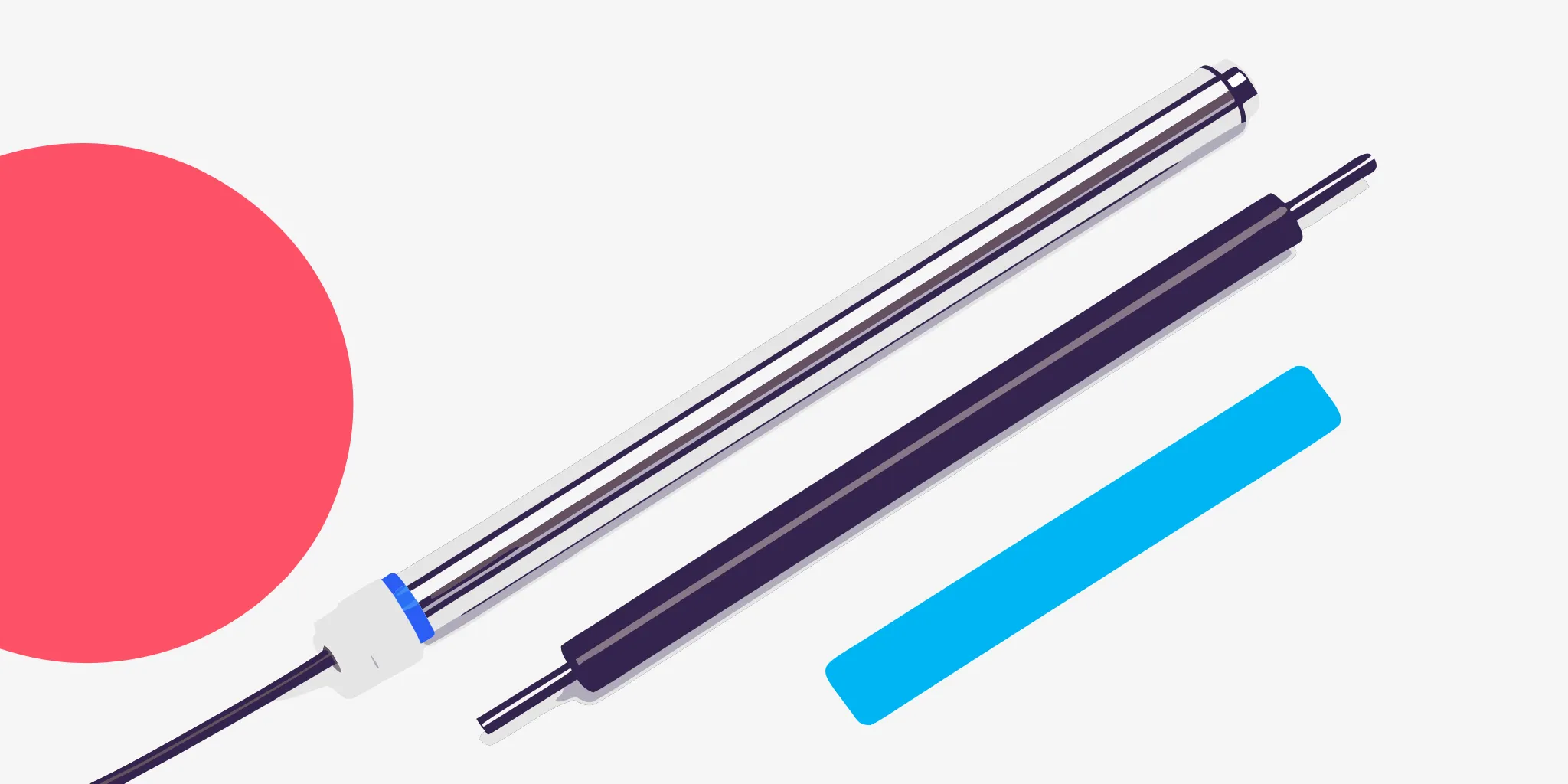
The best anode rod for a well water heater to prevent corrosion and odor.
Back to Blog
InsightsJune 26, 2026

What's the Best Anode Rod for Well Water?

Find out which anode rod for well water works best to prevent odors and corrosion in your water heater, plus tips for choosing the right type for your home.

Inside your water heater, a silent process is happening right now. A metal component called an anode rod is slowly sacrificing itself to prevent your tank from rusting from the inside out. But when that rod is gone, the corrosion silently turns on the tank itself, and you often won't know there's a problem until you see rusty water or, worse, a leak. For homeowners with well water, this process happens much faster. The minerals and bacteria in your water put the anode rod under constant attack. This guide will show you how to stay ahead of the problem by choosing the right anode rod for well water before a hidden issue becomes a costly disaster. ## Key Takeaways * **Match the rod to your water**: An anode rod acts as a bodyguard for your water heater, corroding so the tank itself doesn't rust. Since well water often contains minerals that destroy standard rods, selecting the right material is crucial to protect your tank from failing early. * **Stop the "rotten egg" smell at the source**: That sulfur smell is a sign your magnesium anode rod is reacting poorly with your well water. You can fix this by swapping it for an aluminum rod, or for a long-term fix, install a powered anode rod which stops the chemical reaction entirely. * **Schedule yearly inspections to avoid leaks**: An anode rod isn't a part you can ignore, particularly with well water or a water softener. A yearly professional inspection will tell you when it's time for a replacement, saving you from the massive cost and damage of a rusted-out, leaking tank. ## What Is an Anode Rod and How Does It Work? Think of an anode rod as your water heater's personal bodyguard. It’s a simple but crucial part that works silently behind the scenes to keep your tank from turning into a rusty mess. So, what is it exactly? An anode rod is a metal rod that screws into the top of your water heater. It's usually made of magnesium, aluminum, or a mix of zinc and aluminum. Its entire purpose is to corrode so your expensive water heater tank doesn't have to. Without this small component, the lifespan of your water heater would be cut dramatically short, leading to leaks and a costly replacement sooner than you’d like. Understanding how it works is the first step to making sure you have the right one, especially if your home uses well water. ### Understanding the "Sacrificial" Process The anode rod’s main job is to protect your water heater tank from rusting. It does this by attracting rust-causing minerals and bacteria in the water, sacrificing itself instead of the tank. This scientific process is called electrolysis. Essentially, the rod is made of a more reactive metal than the steel tank. Corrosive elements in the water are naturally drawn to the anode rod first, eating away at it over time. This is why it's often called a "sacrificial" anode rod; it gives itself up to [protect the tank](https://www.uswhpro.com/anoderods101) and ensure you get years of reliable service from your water heater. It’s a small part doing a very big job. ### Where to Find the Anode Rod in Your Tank Finding the anode rod is usually pretty straightforward. On most standard tank-style water heaters, it's located on the top of the unit. Look for a hex-shaped head, similar to a large bolt, that screws directly into the tank. In most home water heaters, it's usually on the top, slightly off-center, often near where the hot water leaves the tank. It might have a plastic cap over it that you can pop off. Sometimes it's combined with the hot water outlet nipple, but it's typically a separate component. If you're having trouble spotting it, your owner's manual should have a diagram showing its exact location. ## Why Your Well Water Demands the Right Anode Rod If your home uses well water, your water heater faces a unique set of challenges that city water users don't typically encounter. The specific mineral and bacterial content of your groundwater creates a distinct environment inside your tank. This means the standard anode rod that came with your water heater might not be the best choice, and could even be causing problems like strange odors or premature failure. Understanding what’s in your water is the first step to protecting your investment and ensuring your water heater runs efficiently for years. Let's look at the three main culprits in well water that can wreak havoc on your system. ### How Hard Water Minerals Accelerate Corrosion Many Florida wells tap into water that is naturally "hard," meaning it has a high concentration of dissolved minerals like calcium and magnesium. While you might notice hard water from soap scum on your shower door, it’s doing something more serious inside your water heater. This high mineral content makes the water more conductive and corrosive, forcing your anode rod to work overtime. The rod sacrifices itself more quickly to protect the steel tank, and once it's gone, the tank itself begins to rust. This accelerated corrosion can significantly shorten your water heater’s lifespan, turning a 10-year appliance into one that fails in just a few years. ### The Source of That "Rotten Egg" Smell That unpleasant "rotten egg" smell coming from your hot water is a classic sign of a bad pairing between your well water and your anode rod. The odor is caused by hydrogen sulfide gas. It’s produced when naturally occurring sulfate-reducing bacteria in your well water interact with the hydrogen released by a corroding anode rod. This reaction is especially common with magnesium anode rods. While the bacteria itself is harmless, the smell is a nuisance that can make showering or washing dishes an unpleasant experience. The key takeaway is that your choice of [anode rod material](https://www.uswhpro.com/anoderods101) can either cause this problem or solve it. ### Iron Bacteria: Another Threat to Your Anode Rod Another microscopic issue common in well water is iron bacteria. These organisms feed on iron, creating a reddish-brown, slimy residue that can clog pipes and fixtures. Inside your water heater, they contribute to corrosion and can foul the tank. More importantly, these "iron-eating" bacteria can rapidly consume certain types of anode rods. If your well has a high iron content, a standard magnesium rod may not stand a chance. Choosing an anode rod made from a material that is [more resistant](https://drftps.com/faqs/what-type-of-anode-rod-is-best-for-homes-with-well-water/) to this specific type of bacterial attack, like aluminum, is crucial for extending the life of both the rod and your water heater tank. ## Your 3 Anode Rod Options for Well Water When it comes to protecting your water heater from corrosion, the anode rod is your first line of defense. But if your home uses well water, you can't just grab any standard rod off the shelf. The unique mineral and bacterial content in well water means you need to be more strategic. Let's break down the three main types of anode rods so you can find the perfect fit for your system and finally get rid of those frustrating water issues. ### Magnesium: Pros & Cons Magnesium rods are the default for most new water heaters. They are excellent at preventing corrosion in typical city water. However, for many Florida homeowners with well water, they can create a frustrating problem. If your well has sulfur-reducing bacteria (which is common), a magnesium rod can react with it and produce hydrogen sulfide gas. The result? That unmistakable and unpleasant "rotten egg" smell every time you turn on the hot water. If you've been battling stinky water, your standard-issue magnesium rod is the likely culprit. ### Aluminum: Pros & Cons If a magnesium rod is causing problems, an aluminum anode rod is often the next logical step. These rods are a much better choice for homes with well water, especially if you're dealing with issues like iron bacteria. Aluminum is more resistant to the specific type of corrosion these bacteria can cause and, most importantly, it doesn't react with sulfur to create that rotten egg smell. While some people have concerns about aluminum in their water, it's a widely used and effective solution for extending the life of a [water heater](https://www.energy.gov/energysaver/water-heating) in homes with well water challenges. ### Powered (Titanium): Pros & Cons For a modern, long-term solution, consider a powered anode rod. Instead of slowly dissolving over time, these titanium rods are connected to an electrical outlet. They provide constant, active protection by sending out a small electrical current that stops corrosion in its tracks. This process also prevents the chemical reaction that produces hydrogen sulfide gas, eliminating the rotten egg smell for good. Because [powered anode rods](https://drftps.com/faqs/what-type-of-anode-rod-is-best-for-homes-with-well-water/) don't disintegrate, they can last for the entire life of your water heater with no maintenance, making them a fantastic investment for total peace of mind. ## So, Which Anode Rod Is Best for Your Well Water? Making the right choice comes down to understanding how different metals react with the specific minerals and bacteria in your well water. While a standard anode rod might work fine in some homes, Florida’s groundwater often requires a more strategic approach to prevent foul odors and premature tank failure. Choosing correctly from the start saves you from dealing with smelly water and protects your investment in your water heater. Let’s break down the options so you can feel confident in your decision. ### Magnesium vs. Aluminum vs. Powered: A Quick Comparison Think of these three rods as good, better, and best for well water. A standard magnesium rod is often the default in new water heaters, but it’s usually the wrong choice for wells because it reacts with sulfur-reducing bacteria, creating that distinct rotten egg smell. An aluminum anode rod is a much better option, as it sacrifices itself to protect the tank without causing that foul odor. The best choice, however, is a powered anode rod. Instead of corroding, it uses a small electrical current to actively stop corrosion and prevent the chemical reaction that produces smelly hydrogen sulfide gas, making it a maintenance-free solution. ### Our Top Recommendation for Florida Well Water For homeowners on the Space Coast with well water, we almost always recommend a powered anode rod. Florida’s well water can be tough on plumbing, often containing high levels of iron and other minerals that accelerate corrosion. A powered rod, like those from [Corro-Protec](https://www.corroprotec.com/), provides constant, active protection that traditional rods can’t match. It’s a true "set it and forget it" solution that eliminates rotten egg smells and can significantly extend the life of your water heater tank. While an aluminum rod is a good budget-friendly alternative to magnesium, the long-term reliability of a powered rod offers the best value and peace of mind. ### How a Water Softener Affects Your Choice Adding a water softener to the mix changes the chemistry inside your tank. Softened water is more corrosive, which can cause problems for certain anode rods. For instance, an aluminum-zinc rod may corrode too quickly or develop a thick coating in softened water, making it less effective at protecting your tank. While some suggest switching back to a magnesium rod for softened water, you run the risk of reintroducing the rotten egg smell if sulfur bacteria are still present in your well supply. This is where a powered anode rod truly shines. It works effectively in any type of water, hard or soft, without causing odors or suffering from accelerated corrosion. ## Can a New Anode Rod Stop That Rotten Egg Smell? If you’ve ever turned on your hot water tap and been hit with the unmistakable smell of rotten eggs, you know how unpleasant it can be. The good news is that you don’t have to live with it. In many cases, especially for homes on well water, the solution is as simple as changing your water heater’s anode rod. That sulfur smell is a sign of a specific chemical reaction happening inside your tank, and swapping out one small part can stop it for good. ### Why Magnesium Can Make the Smell Worse It might seem strange, but the anode rod designed to protect your tank could be the very source of the odor. Magnesium anode rods are fantastic at preventing corrosion, which is why they are so common. However, they can cause a smelly problem when they interact with water that has a high concentration of sulfur bacteria, a frequent issue in Florida well water. This happens because as the magnesium rod corrodes, it releases hydrogen ions into the water. The sulfur bacteria in your tank then feed on these ions, creating hydrogen sulfide gas as a byproduct. That gas is exactly what you’re smelling. So, while the magnesium rod is doing its job of sacrificing itself, it’s also creating the perfect conditions for that rotten egg odor to develop. It’s a classic case of a good component in the wrong environment. ### Using Aluminum-Zinc vs. a Powered Rod to Fix Odors Thankfully, you have a couple of excellent options to eliminate the smell. The most common fix is to replace your magnesium rod with an aluminum-zinc anode rod. This alloy doesn't produce the same chemical reaction with sulfur bacteria, which stops the production of hydrogen sulfide gas. An aluminum-zinc rod will still protect your tank from corrosion and is specifically designed to [handle well water](https://drftps.com/faqs/what-type-of-anode-rod-is-best-for-homes-with-well-water/) without contributing to foul odors. For a more permanent, maintenance-free solution, you can upgrade to a powered anode rod. Instead of sacrificing itself over time, a powered rod uses a small electrical current to disrupt the corrosion process entirely. This not only provides superior, long-lasting protection for your tank but also prevents the chemical reaction that causes the sulfur smell in the first place. It’s a fantastic "set it and forget it" option that solves both corrosion and odor issues at their source. ## How to Choose the Right Anode Rod for Your Home Picking the right anode rod for your water heater isn’t a random choice, especially when you have well water. Think of it as matching the right tool to the right job. The unique mineral and bacterial makeup of your well water directly impacts how quickly your water heater corrodes. Making the correct choice from the start protects your investment, extends the life of your heater, and can even solve annoying issues like smelly water. For those of us on Florida's Space Coast using well water, this is particularly important. Our groundwater can be full of minerals that are tough on plumbing fixtures. An anode rod is your tank’s first line of defense, so giving it the support it needs is one of the smartest things you can do for your home. The good news is that figuring out what you need is a straightforward process. It all begins with understanding exactly what’s in your water. You wouldn't use the same fertilizer for every plant in your garden, and the same logic applies here. Your water has a unique profile, and your anode rod should be selected to work with it, not against it. ### Start With a Water Test You can’t solve a problem you can’t see. Before you buy a new anode rod, the first and most important step is to get your water tested. A professional water test gives you a detailed report on the mineral content, hardness, and pH level of your well water. It will also identify the presence of any iron or sulfur-reducing bacteria, which are common culprits behind that "rotten egg" smell. You can learn more about getting your well water tested through the [Florida Department of Health](https://www.floridahealth.gov/environmental-health/private-well-testing/index.html). Once you have the results, you’ll have a clear roadmap. A water treatment expert or a trusted plumber can help you interpret the report and recommend a plan tailored to your home’s specific needs. ### Key Factors in Your Water Quality Report Once you get your water test results, there are a few key things to look for. High levels of iron and other hard water minerals are common in Florida wells and can cause an anode rod to corrode much faster. In these cases, an aluminum anode rod often holds up better than a standard magnesium one. Another major factor is sulfur. If your report shows high levels of sulfur or sulfur-reducing bacteria, this is likely the source of any rotten egg odors. This reaction is often made worse by magnesium anode rods. Switching to an aluminum or aluminum-zinc alloy rod can often resolve the smell completely. Understanding these key factors helps you move beyond a one-size-fits-all solution. ### When to Ask a Plumber for Advice While understanding your water quality is a great start, you don’t have to become a water chemistry expert overnight. This is the perfect time to call in a professional. A licensed plumber can look at your water test results, inspect your current anode rod, and confirm the best type and material for your specific situation. They can also handle the replacement safely and correctly. Even with the perfect anode rod, regular checks are still essential. For homes with well water, we recommend having your rod inspected more frequently, sometimes as often as every six months. If you need help inspecting or replacing your anode rod, our team offers expert water heater services to keep your system running smoothly. ## 5 Signs It's Time to Replace Your Anode Rod Your water heater’s anode rod works silently in the background, so it’s easy to forget it’s even there. But when it starts to fail, your water heater will give you some pretty clear clues. Paying attention to these signs can help you catch a problem before it leads to a tank leak and a much bigger headache. If you notice any of the following issues, it’s a strong signal that your anode rod needs a professional inspection. ### Your Hot Water Smells Funky If turning on your hot water tap releases a smell like rotten eggs, don't just blame Florida's water. This distinct odor is often caused by a chemical reaction between sulfur in your well water and the anode rod itself, especially if you have a magnesium rod. This reaction creates hydrogen sulfide gas, which is harmless but very unpleasant. While other issues can cause smelly water, it’s one of the most common indicators that your anode rod is either reacting poorly with your water chemistry or has corroded completely, allowing bacteria to thrive inside the tank. ### You See Rusty or Discolored Water Is your hot water coming out with a brown, yellow, or reddish tint? This is a major red flag. Rusty water means there is corrosion happening inside your water heater tank. The anode rod’s entire job is to corrode so the tank doesn’t have to. If you’re seeing rust in your water, it means the rod has likely been completely consumed and the water is now eating away at the steel walls of the tank itself. At this point, you need to have a plumber [inspect the rod and tank](https://www.spacecoastcooling.com/plumbing/) immediately to prevent a potential leak. ### Your Water Heater Is Making Strange Noises Loud popping, rumbling, or cracking sounds coming from your water heater are signs of significant sediment buildup. As the anode rod corrodes, pieces of it, along with hard water minerals, settle at the bottom of the tank. This layer of gunk traps water underneath it, which then boils and steams, creating those unsettling noises. A failing anode rod accelerates this process. These sounds mean your water heater is working harder than it should, losing efficiency and putting stress on the tank. Addressing the [source of the sediment](https://www.uswhpro.com/anoderods101) often starts with checking the anode rod. ### The Rod Is Visibly Corroded The most definitive way to know your anode rod’s condition is to look at it. A healthy anode rod is thick and even. A spent one will look thin, pitted, and covered in calcium deposits, and in some cases, it may have corroded all the way down to the thin steel wire at its core. While some homeowners are comfortable with this DIY check, it does require shutting off the water and power to the heater. For a safe and accurate assessment, we recommend scheduling a professional water heater maintenance check to get a clear picture of its condition. ### You're Running Out of Hot Water Faster If your family is suddenly taking lukewarm showers, a failing anode rod could be the culprit. The same sediment buildup that causes strange noises also creates an insulating barrier between the heating element and the water. Your heater has to work much longer and harder to heat the water, leading to poor performance and higher energy bills. You get less hot water because the heater can’t keep up with demand. This is why a routine [maintenance schedule](https://www.servicechampions.net/blog/inspect-replace-anode-rod) is so important; it helps you replace the rod before it impacts your comfort and your wallet. ## How Often to Inspect and Replace Your Anode Rod Knowing when to replace your anode rod isn't about marking a date on the calendar and forgetting about it. The ideal schedule depends entirely on your home’s specific conditions. The type of water you have, especially if it comes from a private well here on the Space Coast, is the biggest factor. The material of the anode rod itself and whether you use a water softener also play significant roles in how quickly the rod corrodes. Think of the anode rod as a key part of your water heater's preventative care plan. A quick inspection can tell you everything you need to know about its condition and help you avoid the surprise of a leaking tank. Sticking to a regular check-up schedule is the best way to protect your investment and ensure you have reliable hot water when you need it. It’s a simple step that prevents a much bigger, more expensive problem down the line. ### Our Recommended Inspection Schedule As a general rule, we suggest inspecting your anode rod annually, especially if your home uses well water. Florida’s groundwater can be aggressive, and an annual check is the only way to know for sure how your rod is holding up. If you see that the rod is pencil-thin, coated in calcium, or has exposed its steel core wire, it’s time for a replacement. For homes with well water, you should plan to replace the anode rod every two to three years. If you’re on city water, you can often go three to five years between replacements. Remember, these are just guidelines. An annual visual inspection is the most reliable way to gauge its remaining lifespan and protect your water heater tank from corrosion. ### How a Water Softener Changes the Timeline While a water softener is excellent for preventing limescale buildup in your pipes and appliances, it creates an environment that can cause your anode rod to corrode much faster. Water softeners work by swapping out hard minerals like calcium and magnesium for sodium ions. This process makes the water "softer," but it also increases its conductivity. More conductive water accelerates the electrochemical reaction that makes the anode rod sacrifice itself. Because of this, the rod depletes more quickly than it would in hard water. If you have a water softener installed, we strongly recommend you inspect your anode rod every year, regardless of whether you have well or city water. This simple check ensures your tank remains protected. ### The Risks of Skipping This Simple Check Forgetting to check your anode rod is an easy mistake to make, but it’s one we’ve seen lead to disastrous and costly consequences for homeowners. Many people learn this lesson the hard way. Once the anode rod is completely gone, the corrosive elements in your water have a new target: the steel walls of your water heater tank. Corrosion will begin to eat away at the tank's lining, leading to rust, leaks, and eventually, a total system failure. A burst tank can cause significant water damage to your home. Replacing an anode rod is a minor, inexpensive repair. Replacing an entire water heater, especially in an emergency, is a major expense. Taking a few minutes to schedule a professional inspection can save you thousands of dollars and a whole lot of stress. ## Need Help With Your Anode Rod? Let's be honest, the idea of draining a massive tank of water and wrestling with a corroded metal rod isn't exactly how most of us want to spend a Saturday. While replacing an anode rod can be a DIY project for some, it can also be a tricky and messy job. If you're feeling unsure or just don't have the time, calling a professional is the smartest move you can make. It saves you the headache and ensures the job is done right. A licensed plumber won't just swap out the part; they'll correctly identify the type of rod you need based on your specific water quality. This is especially important for homes with well water, where the wrong rod can make problems like that rotten egg smell even worse. Our team can handle the entire water heater service for you, from inspection to installation. We’ll also spot any other potential issues inside your tank that might otherwise go unnoticed. As a rule of thumb, anode rods in homes using well water often need replacement every two to three years. Because they are designed to deteriorate, it's a good idea to have a professional [inspect the rod](https://www.servicechampions.net/blog/inspect-replace-anode-rod) annually to stay ahead of any problems. At Space Coast Cooling & Plumbing, we’ve seen it all when it comes to Florida’s water. We can quickly assess your anode rod’s condition and give you a straightforward, no-pressure recommendation to keep your system running smoothly. ## Related Articles * [Expert Water Heater Installation & Replacement Cocoa, FL](https://spacecoastcooling.com/plumbing-services/water-heater-installation-replacement/) * [Professional Water Heater Repair Cocoa, FL](https://spacecoastcooling.com/plumbing-services/water-heater-repair/) * [Can a Water Heater Cause Low Water Pressure in Your Home?](https://spacecoastcooling.com/can-a-water-heater-cause-low-water-pressure/) * [FAQs | Space Coast Cooling & Plumbing, Inc.](https://spacecoastcooling.com/faq/) * [Trusted Water Filtration Installation in Cocoa, FL](https://spacecoastcooling.com/plumbing-services/water-filtration-installation/) ## Frequently Asked Questions **Why is my hot water rusty, but my cold water is clear?** This is a classic sign that the problem is inside your water heater. When only the hot water is discolored, it almost always means your anode rod has completely corroded and the water is now eating away at the steel tank itself. The rust you see is your water heater telling you it's corroding from the inside out. You should have a plumber inspect it right away to prevent a leak. **I have a water softener. Does that mean I don't have to worry about my anode rod?** Actually, it's the opposite. A water softener makes your water more conductive, which causes the anode rod to sacrifice itself at a much faster rate. While the softener is great for preventing mineral scale, it puts your anode rod on the fast track to depletion. This is why we recommend annual inspections if you have a softener and often suggest a powered anode rod, since its performance isn't affected by softened water. **Is the "rotten egg" smell from my hot water actually harmful?** The hydrogen sulfide gas causing the smell isn't harmful at the levels found in a home, but it's certainly unpleasant to live with. More importantly, that odor is a clear signal that your current anode rod is not compatible with your well water. It's a chemical cry for help. Fixing it by switching to an aluminum or powered rod not only gets rid of the smell but also ensures your tank is getting the right kind of protection. **Can I just wait until my water heater fails to replace the anode rod?** You could, but it's a risky and expensive gamble. Waiting until the heater fails means the anode rod has been gone for a long time and your tank has already started to rust through. Replacing a single anode rod is a simple, low-cost maintenance task. Replacing an entire water heater, especially after it has leaked and caused water damage, is a major and costly emergency. **What's the real difference between an aluminum rod and a powered one for well water?** Think of it as a good fix versus a permanent solution. An aluminum rod is a great choice to stop the rotten egg smell caused by a magnesium rod, and it will protect your tank effectively. However, it is still a sacrificial rod that will dissolve over time and need replacing. A powered anode rod is a one-time installation that uses a small electrical current to stop corrosion entirely, so it never needs to be replaced and works in any type of water.
Available 24/7

Call the Experts that Local Homeowners Rely On

When you need home services, you want answers you can trust and work you can count on. Space Coast Cooling & Plumbing is the plumbing and HVAC company in Cocoa, FL, that brings decades of local experience, licensed professionals, and customer-first service to every job. One call connects you with a team ready to help.

Licensed & InsuredServing Cocoa Since 1994Honest, Upfront PricingSame-Day Service Available