

A hot second-floor bedroom in Cocoa can make sleeping through a Florida summer nearly impossible. Traditional central systems often struggle to keep up with the intense coastal humidity and heat, especially in homes without existing ductwork. If you are looking for a smarter way to cool your home without a major renovation. Ductless mini split systems may be the answer you have been looking for.
Talk to the experts at Space Coast Cooling & Plumbing to find the best cooling solution for your home. Schedule your free consultation today or call (321) 631-5755.
This guide covers how ductless systems work, their key benefits for Florida homeowners, and how they compare to traditional central AC so you can make an informed decision.
Ductless Mini Split Systems: What Are Ductless Mini-Split Systems?
Ductless mini split systems deliver cool air directly to individual rooms without using air ducts. An outdoor compressor links to one or more indoor air handlers through a small three-inch wall hole. Eliminating the 30% energy loss common in ducted systems while allowing independent temperature control in each room.
Most Florida homes use standard central AC systems that require large ducts in the attic or crawl space to move cold air. A ductless mini-split system works without these ducts entirely. It uses compact units mounted on your wall or ceiling to cool specific areas of your home. Making it ideal for older Florida homes, new additions, and spaces where ductwork is impractical.
The indoor and outdoor units
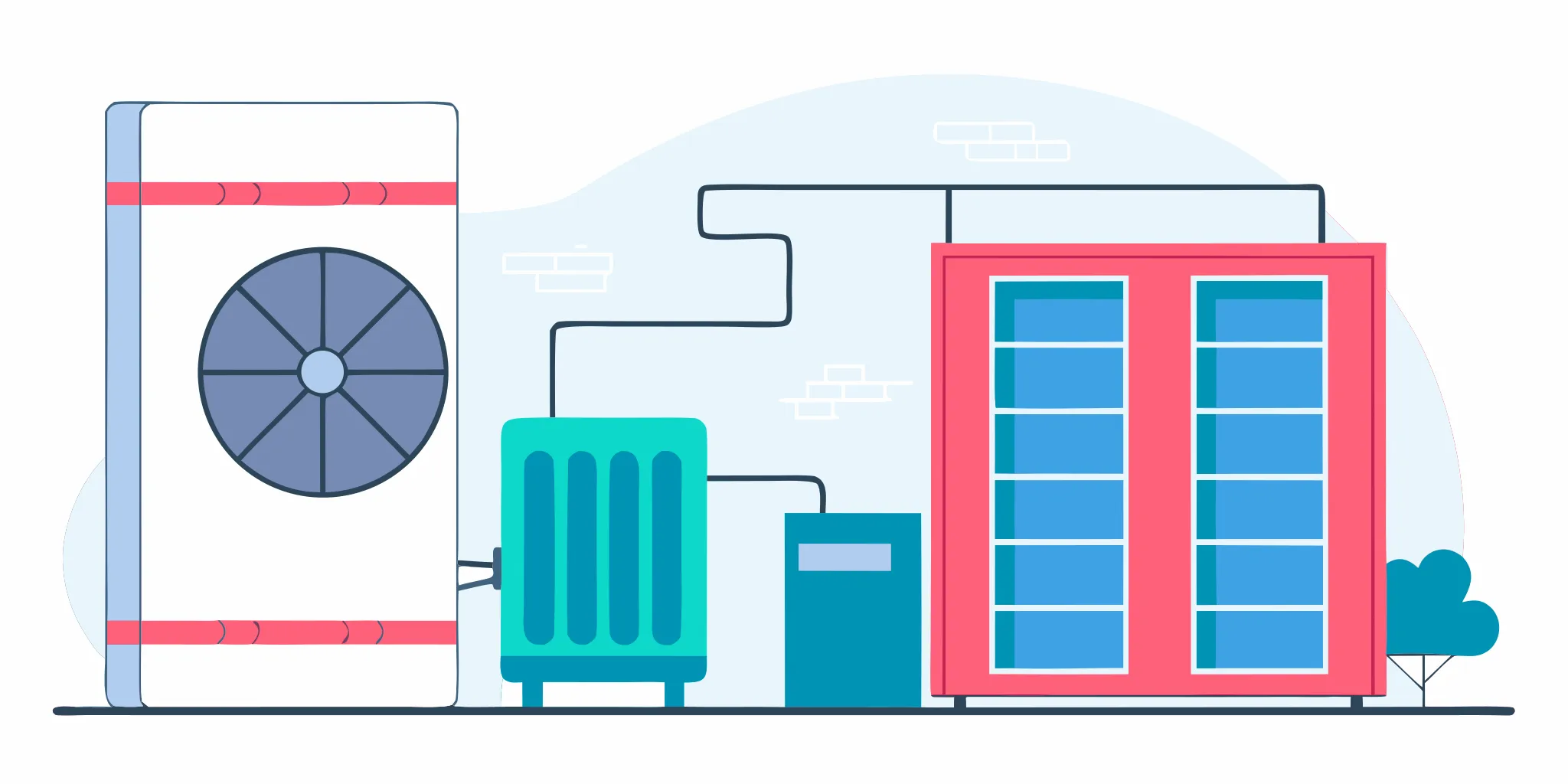
A ductless system has two main components. The first is an outdoor unit housing the compressor and condenser coil. The second is an indoor air handler that you mount directly on the wall or ceiling of the room you want to cool. You can choose a single-zone setup with just one indoor unit or a multi-zone layout for whole-home coverage.
For larger homes, multiple indoor units can link to a single outdoor compressor. As noted by the U.S. Department of Energy, some systems support up to four indoor units on one outdoor unit. Premium brands like Mitsubishi and Daikin offer configurations connecting up to eight indoor units, giving you flexible whole-home coverage without any ductwork.

How the indoor and outdoor units connect
Instead of running bulky metal ducts through your walls and attic, a ductless system uses a small conduit that carries the power cable, refrigerant lines, and condensate drain. The installation requires only a three-inch hole through an exterior wall. Our skilled technicians at Space Coast Cooling can complete most residential installations in a single day with minimal disruption to your home.
Setting up ductless mini split systems is straightforward and much less invasive than installing central ductwork. According to the U.S. Department of Energy, this small-wall-hole approach makes ductless systems especially practical for retrofitting older homes.
The power of zone cooling
The main advantage of a ductless setup is zone cooling: the ability to cool each room independently. Each indoor air handler has its own remote control, so you can set different temperatures in different rooms. You no longer have to waste energy cooling empty guest rooms or unused spaces.
This feature is especially useful in Florida, where some rooms get much hotter than others. A sunroom, a second-floor bonus room, or a garage workshop can be cooled independently without overcooling the rest of the house. By cooling only the spaces you are using, you can reduce your monthly electric bills significantly.
Why Florida Homeowners Are Choosing Ductless Mini-Splits
Florida summers are long, hot, and humid. Homeowners need systems that work efficiently without driving up utility costs. Since 1994, Space Coast Cooling and Plumbing has helped local families find the right cooling solutions. Today, more homeowners across Brevard County are switching to modern ductless mini split systems for their homes.
Zoned cooling for lower energy bills
Standard central cooling systems lose a significant amount of conditioned air before it reaches your rooms. According to the DOE, duct losses can account for more than 30% of energy consumption in forced-air systems. This waste occurs through leaks, holes, and poor duct design in unconditioned attics.
Ductless systems eliminate this waste entirely. By delivering cool air directly to each room without ducts. They achieve SEER ratings of 20 or higher on many models, compared to 14 to 16 for typical central systems. Over the course of a Florida cooling season, this efficiency gap can translate into hundreds of dollars in annual savings.
Better humidity control
Florida air carries high moisture levels year-round. Standard central systems often cycle on and off in long runs that may not remove enough humidity. Mini-splits use variable-speed compressors that run continuously at lower speeds, matching the exact cooling demand of each room. This steady operation extracts more moisture from the air.
- Lower humidity makes your home feel cooler at higher thermostat settings, reducing AC runtime
- Mold prevention: Less moisture in the air reduces mold and mildew growth in your living spaces
- Quiet operation: Indoor units run at whisper-quiet levels, ideal for bedrooms, nurseries, and home offices
- Improved air quality: Washable filters capture dust and allergens without relying on duct cleaning
Easy retrofits for older Florida homes
Many older homes along the Space Coast were built without ductwork. Adding central air to these houses often requires tearing down plaster walls or losing closet space to run bulky ducts. Modern ductless systems solve this problem elegantly.
Our licensed technicians drill a single three-inch hole through an exterior wall to connect the indoor and outdoor units. The process is clean, fast, and preserves the character of your older home. Space Coast Cooling and Plumbing has served Brevard County since 1994, making us a trusted partner for your home upgrades. Explore our full range of HVAC services to see how we can help.
Ductless Mini-Splits vs. Central Air Conditioning: Which Is Better for Your Florida Home?
Many Florida homeowners face the choice between expanding their central system or installing ductless mini split systems. Both have their place. The table below breaks down the key differences to help you decide.
| Feature | Central Air Conditioning | Ductless Mini-Split Systems |
|---|---|---|
| Energy Efficiency | SEER 14-16; loses over 30% in ducts | SEER 20+; zero duct loss |
| Installation | Complex ductwork, 3-7 days | Small wall hole, often 1 day |
| Zoning | Single temperature for whole house | Independent temps in each room |
| Best For | Large homes with existing ducts | Additions, older homes, garages |
| Maintenance | Duct cleaning plus filter changes | Monthly filter wash, minimal upkeep |
| Upfront Cost | $5,000 to $12,000 for new ductwork | $2,000 to $5,000 per zone |
Energy efficiency and payback period
Energy efficiency matters in the Florida climate, where air conditioning runs 8 to 9 months per year. Standard central systems waste significant power through leaky ductwork. The DOE reports that duct losses can exceed 30% of total cooling energy. With SEER 20+ ductless systems, many homeowners recoup the investment within 3 to 5 years through lower electric bills. Especially when replacing older central systems with SEER 10 or below ratings.
Zoning and installation differences
Zoning is where these two system types diverge most sharply. A central system cools the entire house at once, often creating hot and cold spots depending on duct layout and distance from the air handler. Ductless mini split systems let you set different temperatures in each room.
Installation also differs dramatically. Adding central ducts to a home without them is a major construction project involving cutting into walls and ceilings. A ductless installation typically takes one day and requires only a small wall penetration. This speed and simplicity make ductless systems an attractive option for replacing or supplementing existing AC systems in older homes.
Choosing the right option
If your home already has ductwork in good condition, a high-efficiency central system may be the practical choice. But if you have an older home without ducts, a new room addition. A hot sunroom, or a converted garage, ductless mini split systems are often the superior option. They are also ideal for home offices, rental units, and multi-generational living spaces where individual temperature preferences matter.
Best Places to Install Ductless Mini-Splits in Your Florida Home
Many Florida homes have spaces that are difficult to reach with central ductwork. In these situations, ductless mini split systems offer a flexible, cost-effective way to add cooling exactly where you need it.
Older homes and room additions
Older Florida homes built between the 1950s and 1970s typically lack central ductwork. Retrofitting them with standard ducted systems requires tearing down walls or sacrificing closet space. Ductless units solve this problem by delivering cool air directly to each room through a small wall penetration.
Room additions present the same challenge. When you add a new bedroom, sunroom, or home office, your existing AC system may not have the capacity to handle the extra square footage. Extending ductwork to a new addition is expensive and invasive. A dedicated ductless unit keeps the new space comfortable without overloading your main system.
Garages, home offices, and sunrooms
Florida sunrooms and screened-in patios can become unusably hot during summer months. A ductless unit turns these spaces into comfortable living areas without the cost of extending central ductwork. Garages and workshops are also excellent candidates. Many homeowners use their garages for home gyms, hobby spaces, or laundry rooms, and a mini-split handles the heat load efficiently.
With more people working from home, keeping a home office cool without air conditioning the entire house makes financial sense. A ductless unit lets you cool your office during work hours and turn it off when you are done, saving energy compared to running central AC all day.
For homes with a heat pump installation, pairing it with ductless zones can create an efficient hybrid system that optimizes both heating and cooling performance across different areas of your home.
Multi-generational spaces and rental units
Multi-generational households often have diverse comfort needs. Some family members prefer cooler sleeping temperatures while others need warmer living spaces. Ductless units allow each bedroom or living area to maintain its own climate. This same flexibility makes them ideal for guest suites, in-law apartments, and rental units where tenants control their own temperature.
What to Expect During Professional Ductless Mini-Split Installation
Installing ductless mini split systems requires technical expertise. While the process is faster than installing central air, you still need licensed professionals to ensure proper sizing, refrigerant charging, and electrical connections. Our team of certified technicians at Space Coast Cooling handles every step.
Planning your system layout
Before any equipment is mounted, we assess your home to determine the optimal system configuration. We evaluate room sizes, sun exposure, insulation levels, and the best locations for both indoor and outdoor units. Thorough planning ensures your system delivers maximum efficiency and comfort.
The installation process, step by step
- Home assessment: Our licensed technicians inspect your rooms, calculate cooling loads, and identify the best mounting locations for optimal airflow.
- System selection: We help you choose the right capacity and configuration for your needs, whether single-zone or multi-zone.
- Mount the indoor unit: We secure the indoor air handler to your wall or ceiling using heavy-duty brackets.
- Drill the wall penetration: A three-inch hole is drilled through an exterior wall for the conduit line.
- Set the outdoor unit: The condenser is placed on a level pad outside, positioned for proper airflow and accessibility.
- Connect the lines: Refrigerant lines, wiring, and the drain line are run through the conduit and sealed to prevent air leaks or pest entry.
- Test and demonstrate: The system is tested for proper cooling, refrigerant pressure, and drainage. We show you how to operate the remote and adjust zone settings.
Most residential installations are completed in a single day, allowing you to enjoy quiet, efficient cooling by evening.
How to Decide: Is a Ductless Mini-Split Right for Your Florida Home?
Choosing a new cooling system is a significant decision for any Florida homeowner. With high heat and humidity levels that strain AC equipment, you need a system that delivers reliable performance and reasonable operating costs. Here is a practical framework to help you decide.
Evaluate your existing ductwork
The state of your current ductwork is the most important factor. If your home lacks ducts, installing central air requires extensive construction. The DOE specifically recommends ductless systems for homes without existing ductwork. If you have ducts in fair condition, central air remains a viable option, but adding ductless zones can still improve comfort in problem areas.
Consider specific problem rooms
Do you have a room that is always too hot or too cold? Common problem areas include:
- Second-floor bedrooms that absorb attic heat
- Sunrooms and enclosed patios with large windows
- Garages converted to home gyms or workshops
- Home additions not served by existing ductwork
- Basement or bonus rooms far from the main AC unit
Ductless units solve each of these scenarios with a single-day installation and independent zone control.
Factor in long-term savings
With SEER 20+ efficiency ratings, ductless systems significantly outperform the SEER 14-16 range of most central systems. Over a 10-year lifespan, the energy savings from a ductless installation often cover the upfront cost. When you add federal tax credits and potential utility rebates for high-efficiency equipment, the financial case becomes even stronger.
Ready to explore your options? The team at Space Coast Cooling and Plumbing can help you determine the right size, type, and configuration for your home. Contact us online or call (321) 631-5755 to schedule your free in-home consultation.
Frequently Asked Questions
Are ductless mini split systems energy efficient?
Yes. Ductless mini split systems achieve SEER ratings of 20 or higher, compared to 14-16 for typical central AC systems. Because they eliminate duct losses that can waste over 30% of cooling energy, they often reduce monthly cooling costs by 20 to 30% for Florida homeowners.
How many indoor units can connect to one outdoor unit?
Most systems support 4 to 8 indoor units per outdoor compressor, depending on the brand and model. Mitsubishi and Daikin offer configurations that handle up to 8 zones, making multi-zone ductless systems viable for whole-home cooling.
Can ductless mini splits work with existing central AC systems?
Yes. Ductless units can supplement your existing central system, providing targeted cooling to rooms that are hard to reach or always uncomfortable. This hybrid approach lets you keep your central system for whole-house background cooling while using ductless zones for problem areas.
How long does ductless mini-split installation take?
Most single-zone installations are completed in one day by a licensed HVAC technician. Multi-zone systems with 3-4 indoor units typically take 1-2 days. The process is much faster than installing central ductwork, which can take a week or more.
Do ductless mini splits work for heating too?
Yes. Most ductless mini split systems are actually heat pumps, meaning they provide both cooling and heating. For Florida winters, they efficiently extract warmth from outdoor air and deliver it indoors, making them a year-round solution.