
Need Help? Call Us Now!
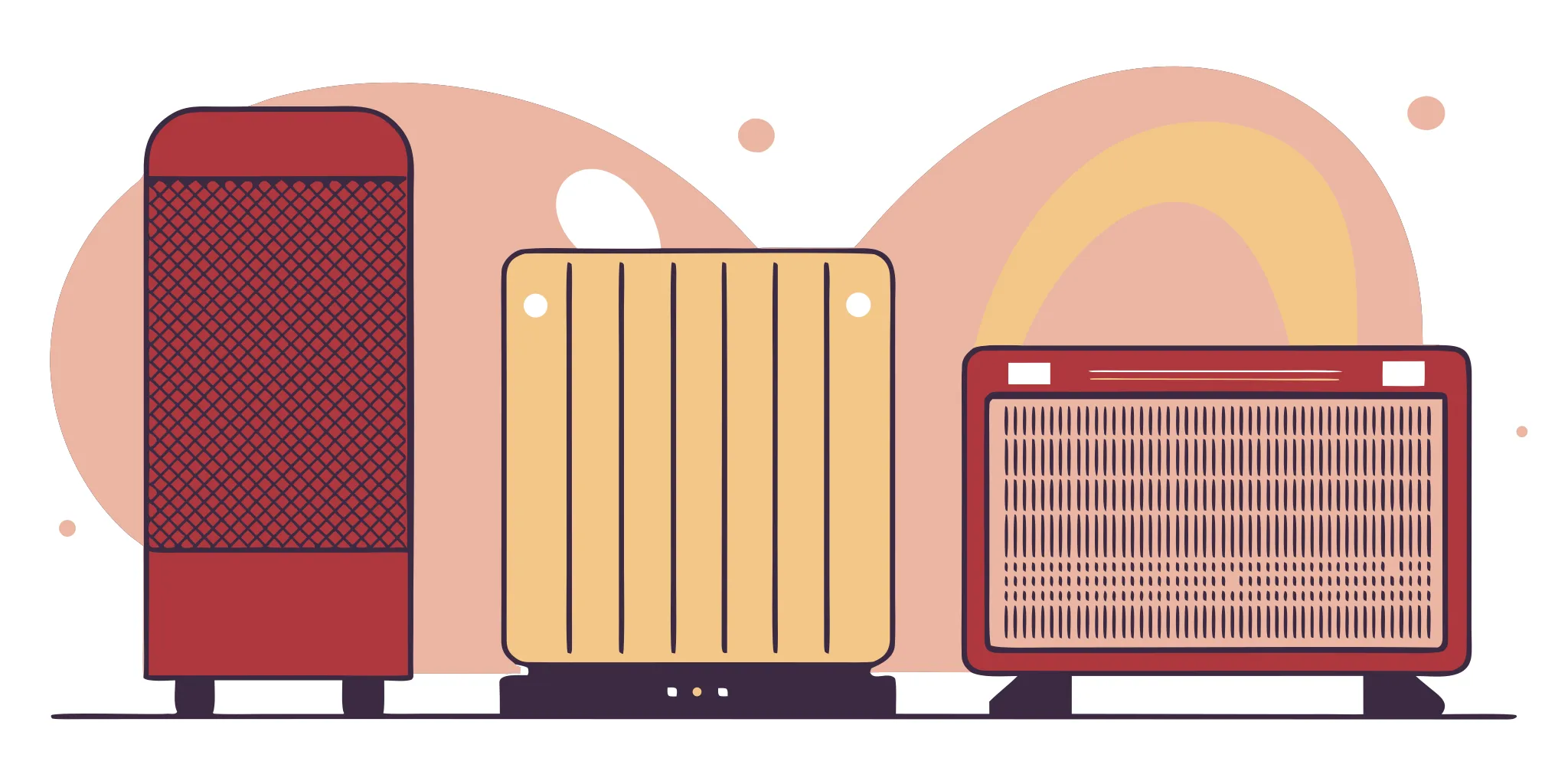
Three top-rated electric heaters compared for cost, safety, and efficiency.
Back to Blog
InsightsJune 23, 2026

Electric Heater Guide: Costs, Safety & Top Picks

Find the best electric heater for your space. Compare costs, safety features, and top brands to keep your home warm and comfortable all season.

If you’re pulling out a portable electric heater to fight a chill, you’re not alone. They are fantastic tools for adding comfort to a specific room when you don’t need to heat the whole house. But sometimes, relying on one is a sign of a bigger issue. If you find yourself moving a heater from room to room or your home has consistent cold spots, a portable unit might just be a temporary fix. This guide will help you get the most out of an electric heater while also helping you recognize the signs that a more permanent, efficient solution is needed. ## Key Takeaways * **Choose the right type for the right room**: A heater that works wonders in your office might not be effective in the living room. Use a fan heater for quick, direct heat in a small space, an oil-filled model for steady warmth in a larger room, and an infrared heater for targeted coziness. * **Look for essential safety certifications**: Your peace of mind is the most important feature. Make sure any heater you buy has modern safety functions like automatic overheat protection and a tip-over switch, and always check for a UL or ETL certification label to verify it has been tested. * **Heat smarter, not harder, to manage costs**: Electric heaters are perfect for warming just the room you are in, a practice known as zoned heating. This is far more cost-effective than heating your entire house. If you find yourself using multiple space heaters, it is a sign that calling a professional is the more efficient solution. ## What Are the Main Types of Electric Heaters? Walking down the aisle of a home improvement store can feel overwhelming with all the different electric heaters available. They are not all created equal, and the best one for you really depends on the space you want to warm up. Some are designed to heat an entire room over time, while others are perfect for providing a quick blast of warmth right where you need it. Here in Florida, we do not often need to crank up a central furnace, but a portable electric heater can be a lifesaver for those surprisingly chilly winter mornings or for a drafty room that never seems to get comfortable. Understanding the core technology behind each type will help you choose the right heater for your home. Think about your goal: are you trying to make your entire living room cozy for a movie night, or do you just need to keep your feet warm at your desk? The answer will point you toward a specific type of heater. Let's break down the five main types you will encounter so you can feel confident in your choice. ### Convection Heaters Think of convection heaters as mini-furnaces for a single room. They work by heating the air around them. As the air warms up, it rises and circulates, while cooler air is drawn into the heater from below. This continuous cycle gradually raises the temperature of the entire room. Because they focus on warming the air, they are an excellent choice for enclosed spaces like bedrooms or home offices where you plan to spend a few hours. They provide a consistent, even heat that makes the whole room feel comfortable, rather than just one spot. ### Radiant Heaters Unlike convection models that heat the air, radiant heaters warm you directly. They use [electric heating](https://en.wikipedia.org/wiki/Electric_heating) elements, often quartz or halogen, to emit infrared radiation that travels through the air until it hits a person or an object. It’s the same kind of warmth you feel from the sun. This makes them incredibly effective for providing targeted heat in specific zones, even in larger or drafty rooms where warming all the air would be inefficient. They operate silently and provide instant warmth, making them perfect for placing next to your favorite chair or in a workshop. ### Oil-Filled Heaters Oil-filled heaters look like old-school radiators, and they work on a similar principle of providing steady, lasting warmth. Inside the unit, a special oil is heated by an electrical element. This oil then radiates heat from the heater's fins. They are known for being exceptionally quiet since they do not use a fan. While they take longer to heat up than other types, they also cool down very slowly, continuing to release heat even after being turned off. This makes them a great, energy-efficient option for maintaining a comfortable temperature in larger rooms like living rooms or master bedrooms for extended periods. ### Infrared Heaters Infrared heaters are a type of radiant heater, but they are often marketed for their gentle and efficient operation. They deliver a soft, sun-like warmth that heats people and objects directly without significantly changing the air temperature of the entire room. This direct heating method feels very natural and comfortable. Because they do not rely on fans or air circulation, they are completely silent and do not stir up dust or allergens. They are a fantastic choice for personal heating, like next to your desk or in a reading nook, providing cozy warmth without wasting energy on an empty space. ### Fan Heaters When you need heat right now, a fan heater is your best friend. These compact and often affordable units work by blowing air over a heated element, typically a ceramic plate or metal coil, and directing a stream of hot air right at you. They are perfect for quickly warming up a small, personal space, like your feet under a desk or a chilly corner of a room. While they are very effective for immediate, targeted heat, the fan can be a bit noisy, and they are not the most efficient choice for heating an entire room over a long period. ## How Much Does It Really Cost to Run an Electric Heater? Figuring out the true cost of running an electric heater can feel a bit like a math problem you didn't sign up for. The short answer is: it depends. The good news is that you can get a pretty accurate estimate by understanding just a few key factors. The cost comes down to your heater's power, how long you run it, and your local electricity rate. While they’re perfect for warming up a chilly room, using them strategically is key to keeping your utility bills in check, especially when compared to your home's central heating system. Let's break down exactly what you can expect to pay. ### Understand Wattage and Energy Use First, take a look at your heater's wattage, which is usually printed on a sticker or tag on the unit itself. Wattage measures how much electricity the heater needs to run. Most portable electric heaters fall between 750 and 1500 watts. A higher wattage generally means the heater can produce more heat and warm up a room faster, but it also consumes more power. Think of it like this: a 1500-watt heater will use twice as much electricity as a 750-watt heater running for the same amount of time. Choosing the right wattage for your space is the first step in managing your energy use. ### Estimate Your Monthly Costs Here’s how you can calculate the cost yourself. First, find your electricity rate on your latest utility bill, listed in cents per kilowatt-hour (kWh). In Florida, this is often around 16 cents per kWh, but check your bill for the exact number. Now, use this simple formula: (Heater Wattage / 1000) x Hours Used x Cost per kWh = Total Cost For example, let’s say you run a 1500-watt heater for four hours a day: (1500 / 1000) = 1.5 kW 1.5 kW x 4 hours = 6 kWh per day 6 kWh x $0.16/kWh = $0.96 per day Running that heater for about four hours every day would add roughly $29 to your monthly electric bill. You can easily [estimate your costs](https://en.wikipedia.org/wiki/Electric_heating) for any appliance using this method. ### How Heater Type Impacts Your Bill The type of heater you choose also plays a role in its operating cost. While many portable heaters operate at a standard 1500 watts, their efficiency and heat delivery differ. For instance, an infrared heater is designed to heat objects and people directly, which can feel very effective and often allows them to operate at a lower wattage (sometimes as low as 600 watts). On the other hand, convection and fan heaters often use 1500 to 2000 watts to circulate warm air throughout a room. Oil-filled heaters are slower to warm up but retain heat well, cycling on and off to maintain temperature, which can save energy over time. ### Compare Costs: Electric vs. Central Heat So, how does using a space heater stack up against your home’s central heating system? For heating a single, small area, a portable electric heater is almost always the winner. It allows you to warm just the room you’re in without paying to heat the entire house. However, if you find yourself running multiple space heaters for long periods, it’s often more expensive than using your central system. This is because most central systems, especially the heat pumps common in Florida, are far more efficient at generating heat for a whole home than electric resistance heaters are. The best approach is to use your central heat for overall comfort and a portable heater for a quick, targeted dose of warmth. ## Key Features to Look for in an Electric Heater Once you’ve narrowed down the type of heater you want, it’s time to compare specific models. Not all electric heaters are created equal, and a few key features can make a huge difference in safety, convenience, and your electric bill. Think of it like buying a car; the engine type matters, but so do the brakes and the sound system. Paying attention to these details will help you find a heater that you’ll be happy with for years to come, one that keeps you warm without any worry. ### Prioritize These Safety Features Let’s start with the most important thing: safety. A good electric heater should give you peace of mind, not create a new hazard in your home. Look for models that have modern [safety features](https://www.arrowheadgrp.com/blog/space-heater-safety-tips) built right in. The two most critical ones are overheat protection and a tip-over switch. Overheat protection automatically shuts the unit down if it gets too hot, preventing a potential fire. A tip-over switch does exactly what it sounds like: it turns the heater off instantly if it gets knocked over by a pet, a child, or a stray foot. These aren't just nice-to-haves; they are essential for safe operation in any home. ### Look for Smart Thermostats and Controls An electric heater without a good thermostat is like a car without a gas pedal you can control. You’re either going full blast or not at all. An adjustable thermostat lets you set a specific temperature, and the heater will cycle on and off to maintain it. This simple feature prevents a room from becoming a sauna and saves a surprising amount of energy. Many models also include a timer, which is perfect for warming up your bedroom before you wake up or shutting the heater off after you’ve fallen asleep. These controls give you the power to manage your comfort and your energy costs effectively. ### Consider Smart Tech and App Integration If you love having your home work for you, look for a heater with smart technology. Many newer models can connect to your home’s Wi-Fi, allowing you to control them from an app on your phone. Imagine turning the heater on in your living room while you’re on your way home from work, so the space is cozy the moment you walk in. This [integration with smart home ecosystems](https://www.persistencemarketresearch.com/market-research/smart-electric-heaters-market.asp) is becoming more common and offers the ultimate convenience. You can adjust temperatures, set schedules, and turn the unit on or off from anywhere, giving you complete control over your environment. ### Match the Portability and Design to Your Needs Think about how and where you plan to use your heater. Will it live permanently in a chilly home office, or will you move it between the living room and the bedroom? If you need flexibility, look for a model that’s easy to move. Features like built-in handles, lightweight construction, and wheels can make a world of difference. The design matters, too. Heaters are no longer just clunky metal boxes. You can find sleek, modern designs that blend seamlessly with your decor, so you don’t have to sacrifice your home’s style for a little extra warmth. ### Check for Key Safety Certifications How can you be sure a heater’s safety features are legitimate? Check the box or product description for a certification mark from an independent testing laboratory. In the United States, the most common ones are UL (Underwriter Laboratories) and ETL (Intertek). These marks mean the heater has been rigorously tested and meets specific safety standards. Given that portable heaters are linked to a significant number of home fires, according to the [US Consumer Product Safety Commission](https://www.cpsc.gov/s3fs-public/Report-on-Qualitative-Research-on-Consumer-Usage-of-Portable-Electric-Heaters.pdf?VersionId=w4C2uvsd6NG7x.GpLGBE26bekxlM4pyg), choosing a certified model is a simple step you can take to protect your home and family. Don’t just trust the marketing claims; look for the label. ## How Energy-Efficient Are Electric Heaters? When you hear that electric heaters are 100% efficient, it sounds almost too good to be true. But in a technical sense, it’s accurate. The science of [electric heating](https://en.wikipedia.org/wiki/Electric_heating) shows that nearly all the electricity an electric heater consumes is converted directly into heat, with very little energy lost in the process. Unlike a furnace that loses some heat through its vents and exhaust, a portable heater delivers all its warmth right into the room. But here’s the catch: “efficient” doesn’t automatically mean “cheap.” The actual impact on your utility bill depends on your local electricity rates and, more importantly, how you use the heater. Running an electric heater nonstop to warm your whole house will likely be more expensive than using your central system. The key to using them effectively is to be strategic. By understanding how to leverage their focused power, you can add warmth exactly where you need it without wasting money heating empty rooms. Think of it as a smart, targeted solution for those chilly Florida nights rather than a replacement for your entire HVAC system. ### Use Zoned Heating to Your Advantage One of the smartest ways to use an electric heater is to practice zoned heating. Instead of cranking up your central furnace to warm the entire house just to keep your home office comfortable, you can use a portable electric heater to warm only the space you’re in. This simple strategy can save a surprising amount of energy and money, especially if you live in a larger home or only need extra warmth in one or two rooms. By heating just the bedroom at night or the living room while you watch a movie, you’re not paying to heat the kitchen, guest rooms, and hallways. It’s a practical approach that gives you direct control over your comfort and your energy bills. For many Florida homeowners, this is the perfect solution for staying cozy during a cool spell without committing to the cost of running the central heat for the whole house. ### Compare Infrared vs. Convection Efficiency Not all electric heaters warm a room the same way, and the method they use affects how efficient they feel. The two most common types are convection and infrared. Convection heaters work by warming the air around them, which then circulates to raise the overall temperature of the room. They are great for creating a consistent, even warmth in enclosed spaces like bedrooms or small living rooms. Infrared heaters, on the other hand, work more like the sun. They emit infrared radiation that directly [heats objects and people](https://www.speedyservices.com/news/how-much-does-electric-heating-cost) in their path, rather than the air. This provides an immediate feeling of warmth and can be more effective in larger, draftier areas or even semi-enclosed patios, since the heat won’t simply drift away. Choosing the right type for your space is key to feeling comfortable without wasting energy. ### Debunking Common Efficiency Myths One of the biggest myths about electric heat is that it’s always incredibly expensive. While it’s true that the per-unit cost of electricity can be higher than natural gas, this view overlooks the bigger picture. As we’ve covered, electric heaters are 100% efficient at converting energy to heat, and when used for zoned heating, they can be a very cost-effective solution for supplemental warmth. It’s important to distinguish between efficiency and overall operating cost. Another common misconception is that electric heaters are a significant fire risk. While any heating appliance requires caution, modern electric heaters are built with advanced safety features like automatic shut-offs and cool-touch surfaces. By following basic safety guidelines, you can confidently [dispel these outdated myths](https://www.eheat.com/blog/debunking-the-myths-of-electric-heating-with-a-wallmounted-electric-heater-120v) and enjoy the targeted comfort they provide. ## A Look at Popular Electric Heater Brands Walking down the heating aisle can feel a bit overwhelming with so many brands to choose from. While there are dozens of great options out there, a few names consistently stand out for their reliability, safety, and performance. Think of this as your shortlist. These brands have earned their reputations by delivering quality products that keep homes warm and safe. Whether you prioritize cutting-edge technology, silent operation, or budget-friendly efficiency, you’ll likely find a perfect match among these popular choices. Let's get to know what makes each of these brands a go-to for homeowners. ### Dyson Hot+Cool You’ve probably seen the sleek, bladeless design of a Dyson, and the Hot+Cool models are just as impressive. They are celebrated for their ability to heat a room quickly and evenly. What makes them especially great for Florida homes is their dual function; they work as a powerful cooling fan in the summer, too. Safety is a huge plus here, especially if you have kids or pets. There are no exposed hot parts, and the unit automatically shuts off if it gets tipped over. Many models also include a built-in thermostat to maintain your ideal temperature and save energy, and you can even [control some via an app](https://www.telegraph.co.uk/recommended/home/fans-heaters/best-electric-heater/) on your phone. ### DeLonghi Oil-Filled Radiator If you’re looking for silent, consistent warmth, a DeLonghi oil-filled radiator is a fantastic choice. These heaters don’t use a fan, so they operate almost silently, making them perfect for bedrooms, nurseries, or a home office where you need to focus. Instead of a blast of hot air, they radiate a gentle, steady heat that creates a cozy atmosphere without drying out the air. Many users love the modern look of DeLonghi heaters, which blend in nicely with home decor. Plus, features like a remote control and a 24-hour timer add a layer of convenience, letting you [adjust the settings](https://www.telegraph.co.uk/recommended/home/fans-heaters/best-electric-heater/) without leaving your comfy spot on the couch. ### Honeywell Honeywell is a [trusted name in electric heaters](https://www.electricheaterwarehouse.com/), and for good reason. The brand has built a solid reputation on reliability and safety, which gives you great peace of mind. You’ll find that most Honeywell models are equipped with essential safety features like automatic shut-off timers and overheat protection, which turns the unit off if it gets too hot. They offer a wide variety of heaters, from small personal units to larger models capable of heating a whole room. If you’re looking for a dependable, no-fuss heater that you can count on to work safely and effectively, Honeywell is always a solid bet. ### Lasko For homeowners looking for an effective heating solution that won’t break the bank, Lasko is a go-to brand. They are well-known for offering affordable and versatile heaters that get the job done. You can find a wide [range of options](https://www.stinehome.com/home-improvement/heating-cooling/all-heating/electric-heaters/) to fit just about any need, whether you’re heating a small bathroom or need a bit of extra warmth in a large living area. Lasko offers everything from simple ceramic heaters to oscillating tower heaters that distribute heat more widely. While they may not have all the high-tech features of premium brands, they deliver reliable performance and solid safety standards, making them a popular choice for budget-conscious shoppers. ### Dr. Infrared Heater If you need to heat a larger area like a garage, workshop, or a big, open-concept living room, a Dr. Infrared Heater is an excellent option. These heaters are known for their energy efficiency and ability to warm up big spaces quickly. They use infrared technology, which works by heating objects and people directly, rather than just warming the air. This method provides a more consistent and penetrating warmth that feels a lot like the sun. Because they heat objects instead of just circulating air, they are often considered a more [effective heating solution](https://www.telegraph.co.uk/recommended/home/fans-heaters/best-electric-heater/) for drafty or poorly insulated rooms, helping you feel warmer faster. ## Find the Right Heater for Your Room Choosing the right electric heater isn’t just about picking one that looks good; it’s about matching the technology to the space. A heater that works wonders in your small office might struggle to make a dent in your open-concept living room. Thinking about how you use each room will help you find an efficient and effective solution to keep you comfortable without wasting energy. ### For Small Rooms and Bedrooms When you need to warm up a small space quickly, a fan heater is an excellent choice. These heaters work by blowing air over a heated element, delivering a direct and immediate stream of warmth right where you need it. This makes them perfect for taking the chill out of a bedroom before you go to sleep or for warming up a home office on a cool morning. Because they provide such focused heat, you don't have to wait long to feel cozy. Just remember they are best for smaller, enclosed areas where their quick-heating power can be most effective. ### For Large Living Spaces Heating a large living room or family room requires a different approach. For these bigger areas, an oil-filled heater is often the best fit. These units work by heating oil contained within their columns, which then radiates a steady, consistent warmth into the room. While they take longer to heat up than other [electric heaters](https://www.telegraph.co.uk/recommended/home/fans-heaters/best-electric-heater/), they also cool down very slowly, continuing to release heat even after being turned off. This ability to provide sustained, gentle warmth makes them an energy-efficient option for keeping larger spaces comfortable over several hours. ### For Bathrooms The bathroom presents a unique challenge with its combination of moisture and the need for instant warmth. An infrared heater is a fantastic solution here. Instead of heating the air, infrared technology warms objects and people directly, much like the gentle heat of the sun. This means you’ll feel warm the moment you step out of the shower, even if the air in the room isn't hot. They operate silently and are quite efficient. When choosing one, it's critical to select a model specifically rated for bathroom use to ensure it can operate safely in a damp environment. ### For Garages and Workshops Garages and workshops are often drafty, poorly insulated, and large, so you need a powerful heater to make them comfortable. A convector heater is designed for this kind of job. It pulls in cool air, warms it over an internal heating element, and then allows the warm air to rise and circulate throughout the space. This process creates a convection current that gradually heats the entire room. For maximum efficiency, look for models with built-in thermostats or eco modes. These features allow the heater to maintain your desired temperature by automatically turning on and off, saving you money on your energy bill. ## How to Use and Maintain Your Electric Heater Safely An electric heater can be a fantastic way to warm up a chilly room without turning on your entire central heating system. But because they generate so much heat in a small package, using them safely is incredibly important. The good news is that keeping your home and family safe is straightforward. It all comes down to a few simple habits: giving your heater enough space, keeping it clean, and knowing when it’s time to upgrade to a newer model. Think of it like any other appliance in your home. A little bit of care goes a long way in preventing accidents and ensuring your heater works efficiently when you need it most. By following these guidelines, you can enjoy that extra warmth with complete peace of mind, knowing you’ve taken the right steps to prevent fire hazards and keep everything running smoothly. ### Place Your Heater for Peak Safety and Efficiency Where you put your heater matters more than anything else. The most important rule is to create a three-foot "kid-free" zone around the heater in all directions. Make sure it’s a safe distance from anything that could catch fire, like curtains, bedding, furniture, rugs, and even stacks of mail. Always place the unit on a flat, hard, and stable surface; never on a wobbly table or a plush carpet where it could tip over. Also, consider foot traffic. Avoid placing your heater in a main walkway where someone, including a pet or child, could accidentally bump into it or trip over the cord. Following these simple space heater safety tips not only prevents fires but also allows for better heat circulation, making the unit more effective. ### Clean and Maintain Your Heater Over time, dust and debris can build up on the heating elements and vents of your electric heater. This isn't just messy; it’s a fire hazard that can cause the unit to overheat. Before the cold weather sets in, give your heater a quick cleaning. First, make sure it’s unplugged and completely cool. Use your vacuum’s brush attachment to gently remove dust from the grilles. You can wipe down the outside with a dry or slightly damp cloth. Before you plug it in for the season, take a moment to inspect the cord. Check for any cracks, frays, or signs of damage. If the cord is not in perfect condition, it’s time to replace the heater. A damaged cord is a serious risk you should never ignore. ### Know When It's Time for a Replacement If you’re pulling out a heater that’s been in your family for a decade or more, it’s time to consider an upgrade. While it might still turn on, older models often lack the essential safety features that are standard today. Modern heaters are typically equipped with an automatic shut-off function that turns the unit off if it overheats or is accidentally tipped over. These features are critical for preventing fires. Beyond safety, newer heaters are also much more energy-efficient, which can help you save on your electricity bill. According to the [Consumer Product Safety Commission](https://www.cpsc.gov/s3fs-public/Report-on-Qualitative-Research-on-Consumer-Usage-of-Portable-Electric-Heaters.pdf), replacing outdated models is a key step in safe home heating. Investing in a new heater is a small price to pay for safety and efficiency. ## Where Can You Find the Best Deals on Electric Heaters? Finding a great price on a quality electric heater doesn't have to feel like a treasure hunt. While it’s tempting to grab the first one you see when a cold snap hits, a little planning can save you a lot of money. The key is knowing when and where to look. By timing your purchase and using a few simple online shopping tricks, you can find a reliable heater that fits your budget without sacrificing safety or performance. The best "deal" isn't always the cheapest option on the shelf. It's about getting the best value, which means finding a durable, safe, and efficient heater from a reputable brand at a fair price. Focusing on value ensures you get a product that will keep you warm for many seasons to come. Let's walk through two of the most effective strategies for finding a great electric heater without overspending: shopping seasonal sales and searching for deals online. ### Shop Seasonal Sales The best time to buy a heater is, ironically, when you least need one. Retailers operate on a seasonal schedule, and they need to clear out winter inventory to make space for spring and summer products. This makes late winter and early spring the perfect time to find significant markdowns. As stores are trying to get rid of space heaters, you can often find last season’s models at a deep discount. When you're shopping on a retailer's website, look for the clearance section. Many sites allow you to [filter your search](https://www.stinehome.com/home-improvement/heating-cooling/all-heating/electric-heaters/?srsltid=AfmBOopwc_7j1_LEjE2gGb8rwYHflJKzzWRY2ZKWPtE1BdzyUyJPepwY) to show only clearance items, which is a quick way to spot the best deals. Keep an eye out during major holiday weekends like Memorial Day or Labor Day, as stores often use these events to push out old stock. ### Look for Online Deals Shopping online gives you the power to compare dozens of heaters and prices from the comfort of your home. You can quickly see what different retailers are charging for the same model and find the best offer. Most online stores have tools that let you sort products by price, brand, or customer rating, making it easy to narrow down your options and find exactly what you’re looking for. Online specialty shops often have a huge selection, with prices ranging from affordable personal heaters to heavy-duty garage units. For example, you can find everything from simple floor models to more [specialized unit heaters](https://www.electricheaterwarehouse.com/?srsltid=AfmBOoqK1gnY99j3TSe-z7_8dY4-5Gt7B7HK3YPHL0I2FMfotk3ZLokp) that can handle larger spaces. Just be sure to read customer reviews and purchase from a reputable website to ensure you’re getting a quality product. ## When to Call a Pro: Is an Electric Heater Enough? Portable electric heaters are fantastic for taking the chill out of a single room or giving your home office a little extra warmth on a cool morning. They offer a quick, targeted solution when you just need to heat a small space. But if you find yourself moving a heater from room to room or running multiple units just to stay comfortable, it might be a sign that you’ve outgrown a temporary fix and need a more permanent solution. While they feel simple, running electric resistance heaters for long periods can get surprisingly expensive. They use a significant amount of electricity to [generate heat](https://en.wikipedia.org/wiki/Electric_heating), and those costs add up quickly on your utility bill. They’re designed for supplemental heating, not for warming an entire house. If you’re dealing with consistent cold spots or find that your main living areas never feel quite warm enough, a portable heater is more of a band-aid than a long-term answer. So, when is it time to call in a professional? Consider it if: * You rely on two or more space heaters to keep your home comfortable. * Your energy bills spike dramatically during cooler months. * Your home has uneven temperatures, with some rooms staying cold no matter what. * You’re using a space heater because your central system is old, unreliable, or broken. For Florida homeowners, the most efficient long-term solution is often a [modern heat pump](https://spacecoastcooling.com/hvac-services/heat-pump-installation/). This all-in-one system provides powerful air conditioning in the summer and reliable, energy-efficient heating in the winter. If you’re ready for a solution that provides consistent comfort without the high running costs and safety worries of multiple space heaters, our team at Space Coast Cooling & Plumbing can help. We can assess your home and find the right system to keep you comfortable all year long. ## Related Articles * [Expert Furnace Installation & Replacement in Cocoa, FL](https://spacecoastcooling.com/hvac-services/furnace-installation-replacement/) * [Cocoa, FL Heat Pump Installation Services](https://spacecoastcooling.com/hvac-services/heat-pump-installation/) * [Professional Furnace Repair in Cocoa, FL](https://spacecoastcooling.com/hvac-services/furnace-repair/) * [Thermostat Installation & Repair in Cocoa, FL](https://spacecoastcooling.com/hvac-services/thermostat-installation-repair/) * [Are HVAC Maintenance Plans Worth It? What to Know](https://spacecoastcooling.com/are-hvac-maintenance-plans-worth-it/) ## Frequently Asked Questions **Is it safe to leave an electric heater on overnight?** While many modern heaters have safety features like automatic shut-offs, it is always safest to turn them off when you are sleeping or leaving the room. If you want to keep a room warm overnight, a better option is an oil-filled radiator, which retains heat well, or a model with a programmable timer that you can set to turn off after you have fallen asleep. **My new heater has a strange smell. Should I be worried?** When you use a heater for the first time, it is common to notice a slight burning smell for a few minutes. This is usually just dust or a protective coating burning off the new heating element and is not a cause for concern. However, if the smell persists after a few uses or if you notice a smell of melting plastic or burning wires, unplug the heater immediately and stop using it. **Can I plug my space heater into a power strip or extension cord?** No, you should never plug a space heater into a power strip or an extension cord. Heaters draw a lot of electricity, and most cords and strips are not designed to handle that kind of power load, which can cause them to overheat and create a serious fire hazard. Always plug your heater directly into a wall outlet. **Which type of heater will save me the most money?** The most cost-effective heater depends on how you plan to use it. For heating just yourself at a desk or in a chair, a low-wattage infrared or small fan heater is very efficient. For maintaining a comfortable temperature in a whole room for several hours, an oil-filled or convection heater with a good thermostat is a great choice because it cycles on and off. The key to saving money is matching the heater type to your specific need. **My house has cold spots. Is buying more space heaters the best solution?** Using a space heater is a great fix for a single chilly room, but if you find yourself needing multiple heaters to stay comfortable, it is often a sign of a bigger issue. Relying on several space heaters can become expensive and less efficient than your central system. It might be time to have a professional evaluate your home's heating system to see if a repair, tune-up, or a more efficient solution like a heat pump could provide better comfort for your whole home.
Available 24/7

Call the Experts that Local Homeowners Rely On

When you need home services, you want answers you can trust and work you can count on. Space Coast Cooling & Plumbing is the plumbing and HVAC company in Cocoa, FL, that brings decades of local experience, licensed professionals, and customer-first service to every job. One call connects you with a team ready to help.

Licensed & InsuredServing Cocoa Since 1994Honest, Upfront PricingSame-Day Service Available