Need Help? Call Us Now!
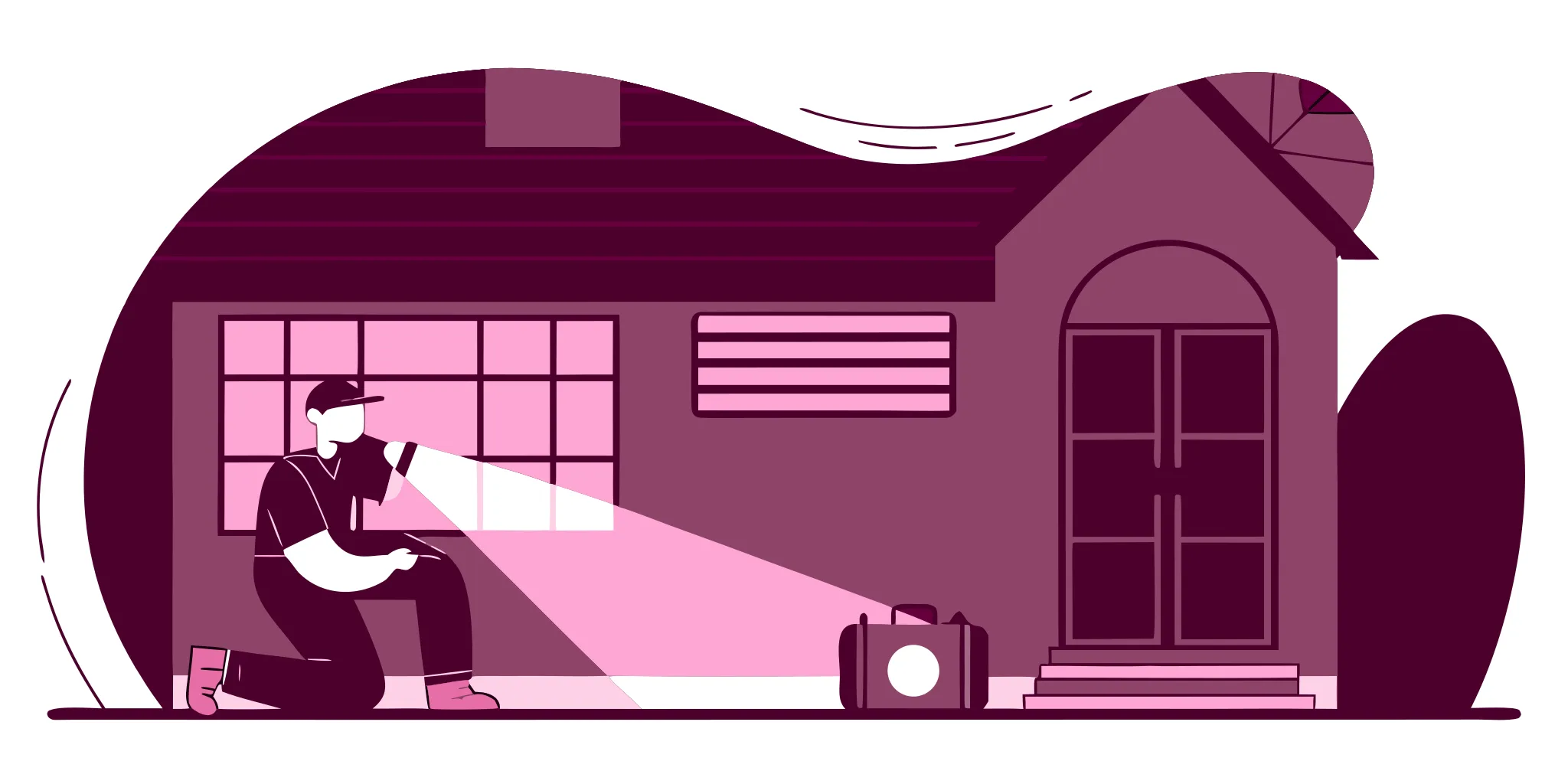
Technician inspects an AC unit at night with a flashlight for an emergency repair.
Back to Blog
InsightsJune 29, 2026

Emergency AC Repair: A Homeowner's Guide

Get practical tips for emergency AC repair, signs your system needs urgent help, and how to choose a reliable 24/7 technician for fast, honest service.

When your air conditioner fails on a hot weekend, you don’t just need help; you need it fast. In the Space Coast, waiting for a technician who is hours away simply isn’t an option. This is where being local makes all the difference. A company with technicians living in your community, from Cocoa to Palm Bay, can offer a genuinely rapid response. They understand the urgency because they live in the same heat you do. This article explains what to expect when you call a truly local service for emergency ac repair, from a fast dispatch time to a fully stocked truck ready to fix the problem on the spot. ## Key Takeaways * **Act on serious warning signs**: A burning smell, loud banging sounds, or a complete system failure during a heatwave are true emergencies. Call for 24/7 service immediately to protect your home and family from safety risks. * **Perform safe checks while you wait**: Before the technician arrives, you can check for simple issues. Confirm your thermostat is set to cool, look for a tripped circuit breaker, and see if a dirty air filter is blocking airflow. * **[Prevent future breakdowns with maintenance](https://spacecoastcooling.com/maintenance-plans/)**: The best way to handle an AC emergency is to prevent it from happening. Scheduling annual tune-ups and changing your air filter regularly are the most effective ways to keep your system running reliably. ## Is It an Emergency? Signs Your AC Needs Immediate Help When your air conditioner starts acting up, it’s easy to wonder, “Is this a big deal, or can it wait?” In Florida, a working AC isn’t a luxury; it’s a necessity. While a little rattling might just be an annoyance, some issues are genuine emergencies that need a professional’s attention right away. Waiting too long can not only leave you sweating in the heat but can also lead to more expensive repairs or even a full system replacement. Knowing how to spot the difference between a minor hiccup and a true crisis will help you protect your home, your family, and your budget. If you notice any of the following signs, it’s time to stop wondering and pick up the phone. These are clear signals that your air conditioner needs immediate help from a qualified technician. ### Your system won't turn on at all There’s nothing quite like the sinking feeling you get when you adjust the thermostat and… nothing happens. If your AC won’t turn on, the first step is to make sure your thermostat has fresh batteries and is set to “cool.” You can also check your home’s circuit breaker to see if it has tripped. If you’ve tried these [basic troubleshooting steps](https://www.aireserv.com/about/blog/ac-wont-kick-on) and your system is still unresponsive, it’s a sign of a bigger problem. This could point to a failed motor, a faulty thermostat connection, or a safety switch that has shut the system down. Don’t keep trying to force it to start; it’s time to call for professional help. ### Your home is getting dangerously hot When it’s scorching hot outside, a broken AC quickly becomes more than an inconvenience. It can become a health hazard. If your air conditioner has failed and the temperature inside your home is climbing rapidly, you’re facing a true emergency. Prolonged exposure to extreme indoor heat can [pose serious health risks](https://www.southern-air.com/blog/emergency-hvac-repair), especially for children, the elderly, or anyone with existing medical conditions. Don’t try to wait it out. If your home is becoming dangerously warm and your system can’t keep up, you need to call for [24/7 emergency service](https://spacecoastcooling.com/hvac-services/emergency-hvac/) to get your home back to a safe temperature as quickly as possible. ### You hear banging, hissing, or screeching Your air conditioner should operate with a gentle hum, not a chorus of alarming sounds. [Unusual noises](https://www.comforttechsac.com/debunking-3-common-myths-about-ac-repair) are your system’s way of telling you something is seriously wrong. A loud banging or clanking could mean a part like a connecting rod or piston pin has come loose inside the compressor. A high-pitched screeching or squealing often points to a failing motor bearing or a bad belt. Hissing sounds are a classic sign of a refrigerant leak, which is not only bad for your AC but also for the environment. Ignoring these sounds is a gamble that can lead to catastrophic system failure. Turning the unit off and calling a pro can prevent a small problem from becoming a total breakdown. ### You see water pooling or active leaks Water belongs inside your AC system, not on your floors or dripping from your ceiling. While a bit of condensation is normal, active [water pooling or leaks](https://qcairservices.com/blog/urgent-ac-repair-tips) are a major red flag. This is often caused by a clogged condensate drain line, which forces water to back up and overflow. It could also indicate a frozen evaporator coil or a broken condensate pump. Whatever the cause, the resulting water can cause significant damage to your drywall, flooring, and even your home’s foundation. If you see water around your indoor unit, turn the system off immediately to prevent further leaking and call a technician to fix the underlying issue. ### You smell something burning or electrical Of all the warning signs, this is the one you should never ignore. A burning smell coming from your vents or AC unit is a serious safety hazard. These [burning smells](https://www.harpcanhelpyou.com/about-us/why-harp/24-7-emergency-service) almost always point to an electrical problem, such as an overheating motor, frayed wiring, or a short in the circuitry. Continuing to run the system puts you at risk of a fire. If you smell anything burning, go to your circuit breaker and shut off the power to your HVAC system immediately. Do not turn it back on. This is a clear-cut emergency that requires the expertise of a certified technician to diagnose and safely repair the electrical fault. ## Should You Call Now or Wait Until Morning? It’s late, it’s hot, and your air conditioner just made a sound you’ve never heard before. The first question that pops into your head is likely, “Is this a real emergency?” Knowing when to make that 24/7 call versus when it’s safe to wait for business hours can save you stress and money. It all comes down to separating the serious safety or property risks from the minor inconveniences. Here’s how to tell the difference. ### When to call for 24/7 help right away Some AC problems are clear signs you need to call for help immediately, no matter the time of day. Your family’s safety and your home’s integrity are the top priorities. If you notice a burning smell or the scent of rotten eggs, it could signal a dangerous electrical issue or gas leak that requires immediate attention. Similarly, loud, sudden noises like banging, screeching, or grinding mean a major component may have broken, and running the system could cause more damage. A complete system failure during a Florida heatwave is also a true emergency. When temperatures inside your home start to climb, it can pose a serious health risk, especially for children, older adults, or anyone with medical conditions. Don’t try to tough it out; these situations are exactly what [emergency HVAC services](https://www.harpcanhelpyou.com/about-us/why-harp/24-7-emergency-service/) are for. ### When the repair can safely wait Not every AC issue is a five-alarm fire. If your system is still cooling but just seems a little less effective, or if you hear a minor new noise but nothing loud or violent, you can probably wait until morning. Another common issue is a small, contained water leak around the indoor unit. In this case, the best first step is to turn your system off at the thermostat to prevent water damage. Then, you can schedule a repair for the next day. Use your judgment. If it’s a relatively mild evening and your home is staying at a comfortable temperature, waiting is a reasonable choice. You can try a few simple steps, like checking your thermostat settings and air filter, to see if it’s an easy fix. Many common issues can be identified when you troubleshoot an air conditioner yourself. ### Why waiting too long can cause more damage Putting off a repair that seems minor can be a costly mistake. An air conditioner is a complex system, and one failing part can create a domino effect that causes other components to break down. A strange noise you ignore for a week could be a sign of a loose part that eventually breaks free and destroys a motor. A small refrigerant leak not only reduces cooling power but can also damage the compressor, one of the most expensive parts of your AC. Ignoring a problem rarely makes it go away; it usually just makes the final repair bill bigger. Failing to address an issue can lead to [costly repairs and extended downtime](https://thecostsofemergencyacrepair.com/2026/03/13/emergency-hvac-repair-how-to-know-its-time-to-call). Even if the system is still running, it’s likely working much harder than it should, which drives up your energy bills. It’s always better to address the warning signs early. ## What to Do While You Wait for the Technician You’ve made the call, and help is on the way. That’s a huge relief. While you wait for one of our technicians to arrive, there are a few simple and safe things you can check. Sometimes, a minor issue is the culprit, and you might even be able to get your cool air flowing again. Even if these steps don’t solve the problem, the information you gather will be incredibly helpful for your technician, allowing them to diagnose the issue even faster. Think of it as simple triage you can perform without any special tools. ### Check your thermostat settings Let’s start with the easiest check. It might sound obvious, but it’s surprising how often a thermostat setting gets accidentally changed. Take a quick look at your thermostat to confirm it’s set to “Cool” mode. Next, check the temperature setting. Make sure it’s set several degrees below the current room temperature. If the set temperature is higher than the room’s temperature, the AC won’t kick on. If you have a programmable thermostat, double-check that a “hold” or vacation setting isn’t overriding your usual schedule. It’s a simple step that can sometimes save you a service call. ### Inspect the circuit breaker Your air conditioner is a powerful appliance that draws a lot of electricity. A power surge or an overloaded circuit can cause its dedicated breaker to trip, cutting off power to the unit. Head to your home’s main electrical panel and look for the breaker labeled for your “AC” or “HVAC.” A tripped breaker will usually be in the middle position or shifted slightly from the “On” position. To reset it, flip the switch firmly to the full “Off” position, then back to “On.” If the breaker trips again right away, leave it off and let our technician know. This points to a more serious electrical problem that needs a professional. ### Look at your air filter A dirty air filter is one of the most common causes of AC problems. When the filter gets clogged with dust and debris, it chokes off the airflow your system needs to function. This can cause the unit to work harder, cool poorly, and even freeze up. Locate your system’s air filter, which is typically in a slot on the indoor air handler or inside a large return air vent in your wall or ceiling. If the filter is visibly gray and caked with dirt, it needs to be changed. If you have a spare, now is a great time to swap it out. ### Clear debris from the outdoor unit Your AC system has two main parts: an indoor unit and an outdoor unit. The outdoor condenser unit’s job is to release heat from your home into the outside air. To do this effectively, it needs plenty of breathing room. Take a walk outside and inspect the unit. Over time, leaves, grass clippings, and dirt can get sucked into the fins, blocking airflow. Make sure there’s at least two feet of clear space all the way around the unit. Carefully remove any visible debris like fallen branches or overgrown shrubs that might be crowding it. ### Check for ice on the coils or lines Seeing ice or frost on any part of your air conditioner is a definite red flag. This is a clear sign that something is wrong, often related to restricted airflow (like a clogged filter) or a low refrigerant charge. Check the copper refrigerant lines that run into your outdoor unit and inspect the indoor evaporator coil if you can access it. If you see ice, the best thing to do is turn the system off completely at the thermostat. This allows the ice to melt and can prevent serious damage to your compressor. Don’t try to chip the ice off, just let your technician know what you found. ### How to stay cool and safe in the Florida heat If your AC is out for the count, keeping your family safe and comfortable is the top priority, especially in the Florida heat. Close your blinds and curtains to block out the sun’s warming rays. Avoid using the oven or other appliances that generate heat. Turn on ceiling fans and portable fans to create a breeze, which helps your body cool itself through evaporation. Drinking plenty of water is also crucial to stay hydrated. If you have a multi-story home, remember that heat rises, so the lower level will likely be the coolest place to hang out while you wait. ## What to Expect When You Call for Emergency Repair Calling for an emergency repair can feel stressful, but knowing what happens next can bring some peace of mind. A professional company will have a clear, straightforward process designed to get your home comfortable again as quickly as possible. From the moment you pick up the phone to the final handshake, here’s a step-by-step look at what you can expect from a reliable 24/7 repair service. ### Your initial phone call When you call, you should be greeted by a friendly, helpful person, not an answering machine. They will listen to your problem, gather your information, and give you a specific arrival window for your technician. Forget about waiting around all day; a trustworthy company respects your time and will tell you exactly when to expect them. This first conversation is all about understanding your emergency and dispatching the right help, so be ready to describe the sounds, smells, or system behavior you’ve noticed. ### How quickly a technician will arrive In a true AC emergency, especially during a Florida summer, speed is everything. Because we’re a local company with technicians living and working right here on the Space Coast, we can offer fast response times across Cocoa, Melbourne, and the surrounding areas. Our team is available 24/7 because we know that air conditioners don’t stick to a 9-to-5 schedule. Once you call, we work to dispatch a certified technician to your home promptly to begin diagnosing the problem and restoring your comfort. ### The on-site diagnosis and repair process When the technician arrives, their first step is to perform a thorough diagnosis to pinpoint the exact cause of the failure. Our service vehicles are fully stocked with common parts, so we can often complete the AC repair in a single visit. Before any work begins, the technician will explain the problem, outline the solution, and provide you with a clear, upfront price for the repair. You’ll have the final say, and we won’t start working until you approve the cost. This transparency ensures there are no surprises on your final bill. ## How Much Does Emergency AC Repair Cost? When your air conditioner suddenly quits, especially during a sweltering Florida afternoon, one of the first questions that pops into your head is, “How much is this going to cost?” It’s a valid concern, and the honest answer is: it depends. The final price for an emergency AC repair isn’t a flat rate. Instead, it’s based on several key variables, from the nature of the problem to the time of your call. Understanding these factors can help you feel more prepared and in control of the situation. A simple fix like a clogged drain line will cost significantly less than replacing a major component like a compressor motor. By knowing what influences the price, you can ask the right questions and ensure you’re getting a fair and transparent quote for the work that needs to be done. ### Factors that influence the price The final bill for your emergency AC repair is determined by a few key elements. First is the complexity of the issue itself. A minor adjustment or cleaning will naturally cost less than a repair that requires replacing a significant part. The specific part needed also plays a big role, as a new capacitor is much less expensive than a new fan motor or compressor. Another major factor is the timing of your service call. As you might expect, an [emergency AC repair cost](https://www.millersheating.com/millers-blog/navigating-emergency-ac-repair-costs) is higher for service needed outside of standard business hours. A call placed on a weeknight, weekend, or holiday will almost always cost more than a scheduled appointment during a weekday. This premium covers the technician’s immediate availability and overtime labor rates. ### Understanding after-hours service fees Let’s talk about the after-hours service fee. Most HVAC companies charge a premium for dispatching a technician outside of normal 9-to-5 business hours. This isn’t meant to be a penalty; it simply covers the higher cost of keeping skilled professionals on-call and ready to help you 24/7, including on weekends and holidays. This emergency fee is an additional charge on top of the costs for labor and parts. So, what should you expect? According to some industry reports, this fee can add anywhere from $100 to $300 to your regular repair costs. When you call for emergency service, it’s a good idea to ask about this fee upfront so you have a clear picture of the initial charges before the technician even arrives at your door. ### How to get a clear, upfront price To avoid any surprises on your final bill, the most important thing you can do is partner with a company that believes in transparent, upfront pricing. Before you agree to any work, you should receive a clear and detailed estimate that breaks down all the costs. A trustworthy technician will diagnose the problem first and then explain the recommended repair and its total cost. Don’t hesitate to ask questions. A reputable company will be happy to explain the charges, including the diagnostic or trip fee, the cost of parts, and the labor rates. The higher cost of an after-hours call should cover the immediate dispatch and premium labor, and you have a right to [inquire about all potential charges](https://fusioncools.com/how-much-does-emergency-ac-repair-cost) before work begins. This ensures you can make an informed decision without any pressure. ## How to Choose the Right 24/7 AC Repair Service When your air conditioner quits in the middle of a sweltering Florida night, your first instinct is to call the first company that pops up on Google. I get it. But taking just a few minutes to find the *right* company can save you from overpaying for a shoddy repair. A true emergency service shouldn't feel like a gamble. You need a team that is reliable, honest, and skilled enough to fix the problem correctly, even at 2 a.m. So, before you make that call, here’s a quick checklist to help you find a trustworthy technician who will get your home cool again without the extra stress. ### Look for proper licensing and certifications First things first, make sure any company you consider is properly licensed and insured. In Florida, HVAC contractors are required to be licensed by the state, which is your first line of defense against unqualified work. Hiring a licensed professional ensures they have met specific training and competency standards. Think of it this way: you wouldn't trust an unlicensed doctor with your health, so don't trust an unlicensed technician with the system that keeps your family safe and comfortable. A reputable company will also carry insurance, which protects you from liability if an accident happens on your property. You can always [verify a contractor's license](https://www.myfloridalicense.com/wl11.asp) online to be sure. ### Insist on upfront, transparent pricing The fear of a massive, unexpected bill is one of the most stressful parts of any emergency repair. That’s why you should only work with companies that offer upfront, transparent pricing. This means the technician diagnoses the problem and gives you a clear, written quote for the total cost *before* any work begins. This practice eliminates surprises and lets you approve the expense with confidence. When you call, ask them directly: “Do you provide upfront pricing?” and “Are there additional fees for after-hours or weekend service?” A trustworthy company will give you a straight answer and won't pressure you into a decision. ### Confirm 24/7 availability and fast response times Many companies advertise “[24/7 service](https://spacecoastcooling.com/hvac-services/air-conditioning-repair/),” but what that means can vary. Does it mean they’ll answer the phone around the clock, or that a technician will actually be dispatched to your home? When you’re facing an emergency, you need the latter. Ask about their process for emergency calls and what their estimated response time is for your specific area, whether you're in Cocoa, Melbourne, or Palm Bay. A local company with technicians living in the communities they serve is often your best bet for a [fast response](https://www.spacecoastcooling.com/contact-us/). After all, a service isn’t truly an emergency service if you have to wait until the next business day for help to arrive. ### Check customer reviews and local reputation A company’s reputation is built one service call at a time. Before you hire someone, take a few minutes to see what past customers have to say. Look at recent reviews on Google and other third-party sites. Don’t just look at the star rating; read the comments. Are customers mentioning promptness, professionalism, and fair pricing? Or are there recurring complaints about missed appointments and surprise fees? A few negative reviews are normal for any business, but a consistent pattern of problems is a major red flag. A company that has been serving the Space Coast for decades has likely earned the community's trust by doing right by its customers. ## How to Prevent Future AC Emergencies Dealing with a broken air conditioner in the middle of a Florida summer is stressful. While our team is always here for you 24/7, the best way to handle an AC emergency is to prevent it from happening in the first place. A little proactive care goes a long way in keeping your system running smoothly, saving you from the cost and discomfort of an unexpected breakdown. By taking a few simple steps, you can protect your investment and ensure your home stays cool and comfortable all year long. ### Why seasonal tune-ups are essential Think of a seasonal tune-up as a wellness check for your air conditioner. During a maintenance visit, a professional technician inspects, cleans, and tunes every part of your system to ensure it’s running at peak performance. This isn't just about preventing problems; it's a smart financial move. According to industry studies, regular maintenance can extend the life of your AC unit by several years and cut your annual energy bills by up to 15%. In a place like the Space Coast, where your AC works hard for most of the year, that preventative care helps you avoid premature system failure and keeps more money in your pocket. ### The simple power of regular filter changes If there’s one thing you can do yourself to protect your AC, it’s changing the air filter regularly. A dirty, clogged filter is one of the most common causes of air conditioning problems. It forces your system to work much harder to pull in air, which can lead to reduced cooling, higher energy bills, and even a frozen evaporator coil. Before you ever call for a repair, it’s a good idea to check your filter first. Make it a habit to inspect it once a month and replace it every 1 to 3 months. This simple, inexpensive task is your first line of defense against a system breakdown. ### Learning the early warning signs of trouble Your air conditioner will often give you hints that something is wrong before it breaks down completely. The key is to pay attention to them. If you start hearing strange noises like grinding, squealing, or banging, don't just turn up the TV. Other subtle signs include a gradual decrease in cooling efficiency, weak airflow from your vents, or your system turning on and off more frequently than usual. Catching these issues early allows you to schedule a non-emergency repair, which is often simpler and less expensive than waiting for a catastrophic failure. Ignoring these warnings can turn a small problem into a major one. ### How a maintenance plan saves you money and stress The easiest way to stay on top of tune-ups and catch problems early is with a maintenance plan. It’s a straightforward approach to ensuring your system gets the professional care it needs without you having to remember to schedule it. Our [maintenance plans](https://www.spacecoastcooling.com/maintenance-plans/) are designed to give you peace of mind, bundling seasonal tune-ups with benefits like priority service and discounts on repairs. Plus, you can rest easy knowing your system is cared for by our licensed and [certified technicians](https://www.spacecoastcooling.com/about-us/), who have the proven expertise to keep your AC running efficiently. A plan takes the guesswork out of AC care and is your best strategy for avoiding future emergencies. ## Need Emergency AC Help? We're Here for You 24/7 An air conditioner that quits in the middle of a Florida summer isn’t just an inconvenience; it can quickly make your home uncomfortable and even unsafe. We know that these problems rarely happen between 9 a.m. and 5 p.m. on a weekday. That’s why our team at Space Coast Cooling & Plumbing is ready to respond to your call 24 hours a day, 7 days a week. As your neighbors, we believe you deserve a fast response and an honest solution, no matter the time on the clock. When you’re facing an AC emergency, you shouldn’t have to worry about inflated after-hours fees or surprise charges. Our commitment to you is simple: we provide clear, upfront pricing for every job. A licensed technician will diagnose the issue, explain your repair options without any pressure, and give you the full cost before any work begins. While you wait for us to arrive, you can always perform a few basic [troubleshooting steps](https://www.energy.gov/energysaver/maintaining-your-air-conditioner), like checking your thermostat settings and circuit breaker, just in case it’s a simple fix. Our certified technicians live and work right here in communities from Cocoa and Melbourne to Titusville and Palm Bay, so we’re never far away. We keep our trucks fully stocked and ready to handle most repairs in a single visit, because our goal is to restore your comfort as quickly as possible. Whether it’s a weekend, a holiday, or the middle of the night, you can count on us to show up on time and fix the problem the right way. If your AC has failed, don’t hesitate to [get in touch with our team](https://www.spacecoastcooling.com/contact/) for immediate help. ## Related Articles * [Are HVAC Maintenance Plans Worth It? What to Know](https://spacecoastcooling.com/are-hvac-maintenance-plans-worth-it/) * [Professional AC Tune-Up in Cocoa, FL](https://spacecoastcooling.com/hvac-services/ac-tune-up-maintenance/) * [Air Conditioning Repair in Cocoa, FL](https://spacecoastcooling.com/hvac-services/air-conditioning-repair/) * [Trusted Emergency HVAC Services in Cocoa, FL](https://spacecoastcooling.com/hvac-services/emergency-hvac/) * [Maintenance Plans | Space Coast Cooling & Plumbing, Inc.](https://spacecoastcooling.com/maintenance-plans/) ## Frequently Asked Questions **My AC just stopped working. What are the first few things I should check before calling?** Before you pick up the phone, there are a few simple things you can check that might solve the problem. First, look at your thermostat to make sure it’s set to “cool” and the temperature is set lower than the current room temperature. Next, find your home’s circuit breaker panel and see if the breaker for your AC has tripped. If it has, you can try resetting it once. If it trips again, leave it off and call us. A quick check of your air filter is also a good idea, since a very dirty filter can shut a system down. **Will I really have to pay more for a repair at night or on a weekend?** Yes, it’s standard in the industry for emergency service outside of regular business hours to cost more. This extra charge, often called an after-hours or emergency fee, covers the cost of having our skilled technicians on-call and ready to help you 24/7. A trustworthy company will always be transparent about this. When you call us, we will explain all the potential costs, including any emergency fees, before we even send a technician to your home so you know exactly what to expect. **My AC is making a weird noise, but it's still cooling. Can I just ignore it?** I would strongly advise against ignoring it. Strange noises like grinding, screeching, or banging are your air conditioner's way of telling you that a part is failing, loose, or broken. While the system might still be cooling your home for now, continuing to run it can cause that small problem to create a domino effect, leading to a much more serious and expensive failure. Turning the system off and scheduling a repair is the safest and most cost-effective choice. **I see ice on my AC unit. What does that mean and is it an emergency?** Seeing ice on your AC lines or coils is a definite sign that something is wrong. It's usually caused by a lack of airflow (often from a dirty filter) or a low refrigerant charge. While it's a serious issue that needs professional attention, the first thing you should do is turn your AC system off completely at the thermostat. This allows the ice to melt and prevents potential damage to the compressor. After you turn it off, give us a call to schedule a repair so we can fix the underlying cause. **Is there anything I can do to prevent my AC from breaking down unexpectedly again?** Absolutely. The single best way to prevent future emergencies is with regular, professional maintenance. Having a technician perform a seasonal tune-up helps catch small issues before they become major breakdowns, extends the life of your system, and keeps it running efficiently. The simplest thing you can do yourself is to change your air filter every 1 to 3 months. A clean filter is truly your first line of defense against the most common AC problems.
Available 24/7

Call the Experts that Local Homeowners Rely On

When you need home services, you want answers you can trust and work you can count on. Space Coast Cooling & Plumbing is the plumbing and HVAC company in Cocoa, FL, that brings decades of local experience, licensed professionals, and customer-first service to every job. One call connects you with a team ready to help.

Licensed & InsuredServing Cocoa Since 1994Honest, Upfront PricingSame-Day Service Available