Need Help? Call Us Now!
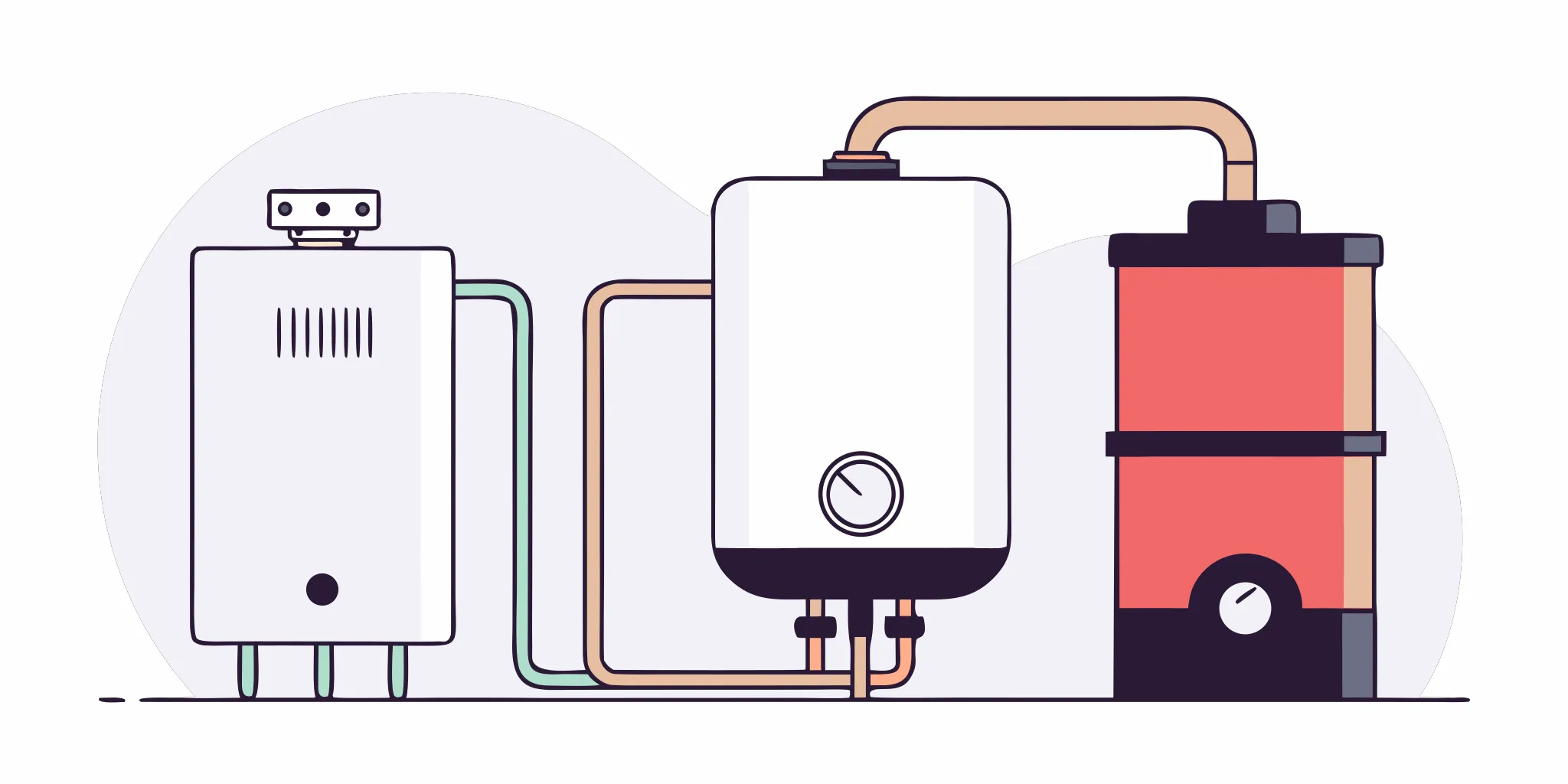
Gas water heater installed in a home providing hot water.
Back to Blog
InsightsJune 26, 2026

Gas Water Heater 101: A Complete Buyer's Guide

Get practical tips on choosing the best gas water heater for your home. Compare features, costs, and maintenance to find the right fit for your needs.

Here on the Space Coast, our homes face unique challenges, from summer storms that knock out the power to hard water that’s tough on our appliances. When it comes to something as essential as hot water, you need a solution you can count on. A gas water heater is often a fantastic choice for Florida homeowners, offering reliability even when the grid goes down. This guide is written from our decades of local experience, helping you understand which features matter most in our climate, what brands hold up best, and how to maintain your unit to fight back against sediment buildup. ## Key Takeaways * **Match the heater to your household's needs**: Decide between the endless hot water of a tankless model or the upfront savings of a traditional tank, then look at the First-Hour Rating (FHR) and BTU input to choose a size that handles your peak demand without wasting energy. * **Understand the total investment, not just the sticker price**: A water heater's true cost includes the unit, professional installation, and its long-term operating expenses. A higher efficiency rating (UEF) may cost more initially but can lead to significant savings on your monthly gas bill. * **Perform simple maintenance to maximize lifespan**: You can prevent costly breakdowns and extend your heater's life with annual tasks like flushing the tank to remove sediment. Learning to spot warning signs like rumbling noises helps you plan for a replacement instead of dealing with a sudden failure. ## How Does a Gas Water Heater Work? Ever wonder what happens between turning the shower knob and getting that stream of hot water? If you have a gas water heater, the process is pretty straightforward. These units use a flame, fueled by natural gas or propane, to do the heavy lifting. A burner at the bottom of the unit ignites the gas, creating a flame that heats the water inside. From there, the specifics depend on whether you have a traditional tank or a modern tankless model. Both have their own way of getting the job done, and understanding the difference is the first step in choosing the right one for your home. ### Tank vs. Tankless: What's the Difference? The most common choice you’ll make is between a tank and a tankless water heater. A traditional tank-style heater is essentially a large, insulated reservoir that stores and continuously heats a set amount of water, keeping it ready for you. Because they hold standing water, they can be prone to sediment buildup over time, especially with Florida’s hard water. A tankless water heater, on the other hand, heats water on demand. It only fires up its powerful burner when you turn on a hot water tap. This means you get an endless supply of hot water and can see significant [energy savings](https://www.energy.gov/energysaver/tankless-or-demand-type-water-heaters) since the unit isn’t running 24/7 to keep a large tank hot. ### Understanding Your Venting Options Because gas water heaters create combustion gases, they need a way to safely expel them from your home. This is where venting comes in, and it’s a critical safety feature. Your home’s layout will determine which option is best. An atmospheric vent uses your home’s existing chimney to let exhaust rise naturally. A power vent uses a fan to push exhaust out, offering more flexibility. A direct vent system is often a great fit for Florida homes that don’t have a traditional chimney. It pulls air for combustion from outside and vents the exhaust directly back out through a wall. Proper water heater installation is key to ensuring your system is vented correctly and safely, which is why it's always a job best left to a professional. ## Key Features to Compare in a Gas Water Heater When you start shopping for a new gas water heater, the number of options can feel overwhelming. It’s easy to get stuck on the price tag, but the best unit for your home is about more than just the upfront cost. To make a smart investment that keeps your family comfortable for years, you’ll want to compare a few key specifications. Looking at the tank size, heating power, energy efficiency, and warranty will help you choose a model that meets your household’s needs without wasting energy or leaving you in a cold shower. ### Finding the Right Tank Size & First-Hour Rating The first step is figuring out what size water heater you need. This involves two key numbers: the tank capacity and the First-Hour Rating (FHR). Tank capacity is measured in gallons and tells you how much hot water the tank can hold. The FHR, on the other hand, tells you the maximum number of gallons the heater can deliver in one hour, starting with a full tank. This rating is your best guide for matching a heater to your family’s peak demand, like when someone is showering while the dishwasher is running. A professional can help you [calculate the right size](https://www.energy.gov/energysaver/sizing-new-water-heater) for your home, ensuring you have enough hot water without paying to heat a tank that’s too large. ### Understanding Power: BTU & Recovery Rate Next, look at the unit’s power, which is measured in British Thermal Units (BTUs). For gas water heaters, you’ll typically see ratings between 30,000 and 50,000 BTUs. This number indicates how much heating power the burner has. A higher BTU rating means the water heater has a faster "recovery rate"—that’s how quickly it can heat a fresh tank of cold water. If you have a large family or find yourselves running out of hot water during back-to-back showers, a model with a higher BTU input will make a noticeable difference. It ensures that even during periods of high demand, your water heater can keep up and you won’t have to wait long for the tank to replenish. ### Decoding Energy Efficiency Ratings A water heater’s efficiency rating tells you how much of the fuel it consumes is actually converted into hot water. This is measured by the Uniform Energy Factor (UEF). The higher the UEF number, the more efficient the water heater is, and the less you’ll spend on your monthly gas bill. While high-efficiency models, like those with an [ENERGY STAR certification](https://www.energystar.gov/products/water_heaters), can have a higher initial price, the long-term savings on your utility bills often make them a worthwhile investment. An efficient water heater is not only better for your wallet but also reduces your home’s overall energy consumption, which is a win-win. ### Why the Warranty Matters A manufacturer’s warranty is more than just a piece of paper; it’s a direct reflection of the product’s quality and expected lifespan. Most standard gas water heaters come with a 6-year warranty, but you’ll find models with 8, 10, or even 12-year warranties. Typically, units with longer warranties are built with more durable components, such as thicker tank insulation or a more robust anode rod to fight corrosion. While a longer warranty might add to the upfront cost, it provides valuable peace of mind. When you see a strong [manufacturer warranty](https://www.rheem.com/warranty/), you can feel more confident that you’re investing in a reliable appliance built to last. ## Breaking Down the Cost of a Gas Water Heater Thinking about the cost of a new water heater can feel a little overwhelming, but it helps to break it down into three main parts: the price of the unit itself, the cost of installation, and the long-term expense of running it. The sticker price you see at the store is just the beginning of the story. The total investment depends on the type of heater you choose, the complexity of the installation at your home, and how much energy it uses over its lifetime. For example, a high-efficiency tankless water heater might have a higher initial price tag, but it could save you a significant amount on your monthly gas bills. On the other hand, a traditional tank model might be more affordable upfront. It’s all about finding the right balance for your family’s needs and your budget. We believe in giving you all the information so you can make a confident choice. That’s why we also offer flexible [financing options](https://www.spacecoastcooling.com/financing/), because we know that a new water heater is a major home investment, and you shouldn't have to compromise on comfort or safety. ### Upfront Cost by Heater Type The first cost you’ll encounter is the price of the water heater unit. This price can vary quite a bit based on the type, brand, and features. Gas water heaters come in two main fuel types: natural gas and liquid propane. Generally, traditional tank-style water heaters are the most budget-friendly option upfront. Tankless models, which heat water on demand, typically cost more to purchase. While the higher initial price of a tankless unit can be a hurdle, many homeowners find the long-term energy savings and endless hot water make it a worthwhile investment. ### Factoring in Installation Costs Installation is a critical piece of the puzzle and not a place to cut corners, especially with gas appliances. The cost to install a gas water heater depends on several factors unique to your home. A straightforward replacement of a similar model will cost less than a more complex job. Things that can increase the cost include needing new ventilation for the exhaust, running new gas lines, or making modifications to your plumbing to accommodate the new unit. Professional installation ensures everything is up to code, operates safely, and performs efficiently from day one, protecting both your home and your warranty. ### Calculating Long-Term Operating Costs The true cost of your water heater unfolds over its 10- to 15-year lifespan. This is where energy efficiency comes into play. While a high-efficiency model might cost more initially, it can lead to substantial savings on your energy bills month after month. Water heaters have a Uniform Energy Factor (UEF) rating; the higher the number, the more efficient it is. A more efficient unit is better at [converting energy into hot water](https://www.bradfordwhite.com/blogs/understanding-water-heater-efficiency-a-guide-for-homeowners) with minimal waste. When you’re comparing models, looking beyond the purchase price to the estimated annual operating cost will give you a much clearer picture of the total investment. ### Gas vs. Electric: A Cost Comparison One of the most common questions homeowners ask is whether a gas or electric water heater is cheaper to run. The general consensus is that gas water heaters typically have lower operating costs. This is because, in most areas, the price of natural gas per unit of energy is lower than the price of electricity. While an electric water heater might be slightly more efficient at transferring energy to the water, the lower cost of natural gas usually makes it the more economical choice for day-to-day use. Of course, this depends on your local utility rates, but for most Florida homeowners, gas offers a clear advantage in long-term savings. ## Reliable Gas Water Heater Brands to Consider When you start shopping for a new water heater, the number of brands can feel overwhelming. Over our decades of serving homeowners here on the Space Coast, we’ve installed and serviced just about every model you can imagine. While many companies make a decent product, a few names consistently rise to the top for their performance, reliability, and innovation. These are the brands our technicians trust and frequently recommend to our customers because we see firsthand how they hold up over time, especially in Florida's demanding climate. Choosing a reputable brand is the first step toward getting a water heater that will last. Industry leaders invest heavily in research and development, which translates into better energy efficiency, more durable components, and smarter features for you. This means lower utility bills and fewer surprise breakdowns. Below, we’ll walk through three of the most dependable gas water heater brands on the market: A.O. Smith, Rheem, and Bradford White. Each one has its own strengths, and understanding them will help you find the perfect fit for your home and family’s needs. ### A.O. Smith A.O. Smith is one of the most recognized names in water heating, and for good reason. They are known for producing a wide range of innovative and energy-efficient water heaters, including gas, electric, and tankless models. Many homeowners appreciate their products for their durability and advanced features designed to provide a consistent hot water supply. While the brand has a strong reputation, it’s worth noting that some [customer reviews](https://www.consumeraffairs.com/homeowners/ao_smith.html) point to occasional issues with product defects or customer service. However, their commitment to engineering solid and efficient water heaters makes them a top contender for any home. ### Rheem Rheem is another industry giant, celebrated for its reliability and performance across a vast product line. The company offers a versatile selection of [gas water heaters](https://www.rheem.com/products/water-heating/), from high-capacity tank models to space-saving tankless units, ensuring there’s an option for nearly every household size and budget. Rheem designs its products with advanced technology focused on maximizing energy efficiency and delivering powerful heating performance. Homeowners and professionals alike often praise the brand for its dependable operation and long service life, making it a consistently solid choice when you’re looking for a water heater you can count on for years to come. ### Bradford White Bradford White has built its reputation on a commitment to quality and professional-grade products. The company is unique because its water heaters are primarily sold through wholesale distributors and installed by licensed plumbers. This focus on professional installation helps ensure every unit performs safely and efficiently from day one. [Bradford White](https://www.bradfordwhite.com/) offers a comprehensive lineup of durable and efficient [gas water heaters](https://spacecoastcooling.com/plumbing-services/water-heater-installation-replacement/), including both tank and tankless options. Customers often highlight the brand’s reliability, making it a trusted choice for homeowners who prioritize long-term performance and peace of mind. ## Is a Gas Water Heater Right for Your Home? Choosing between a gas and an electric water heater is a major decision for any homeowner. Gas models are a popular choice for good reason, but they aren't the perfect fit for every household or budget. Your home’s existing setup, your family’s hot water demands, and your long-term cost expectations all play a role. To help you make a confident choice, let’s walk through the key advantages and potential drawbacks of going with a gas water heater for your Florida home. By weighing these factors, you can figure out if the power and efficiency of gas align with your needs. ### The Pros: Why Homeowners Choose Gas For many Florida residents, the biggest advantage of a gas water heater is its reliability. When a storm rolls through and knocks out the power, a gas heater keeps working, so you can still have a hot shower. This peace of mind is a huge plus. Gas models, especially tankless units, are also incredibly efficient. They heat water on demand, which is a great match for Florida’s warmer groundwater temperatures and can help manage utility costs. This means you get a virtually [uninterrupted hot water supply](https://fpuc.com/commercial/builders-developers/commercial-natural-gas-equipment) without paying to keep a large tank heated 24/7. They also tend to heat water much faster than their electric counterparts, so you recover hot water quickly after running the dishwasher or filling a tub. ### The Cons: Potential Downsides to Consider While gas heaters are powerful, they do have a few downsides. Mechanically, they are more complex than electric models and have more parts that could potentially fail over time. Installation can also be more involved. Gas water heaters require [special pipes (venting)](https://www.hotwater.com/residential/water-heaters/gas-tank/) to safely route exhaust fumes outside your home. If your house isn't already set up with the necessary gas lines and ventilation, the installation can be more complex and costly than a simple electric unit swap. Finally, while gas is often cheaper than electricity, it's always a good idea to compare your local utility rates, as operating costs can vary depending on market prices in your area. ### Common Sizing Mistakes to Avoid One of the most common mistakes homeowners make is thinking a bigger tank is always better. An oversized water heater will waste energy and cost you more in the long run, while an undersized one will leave you with lukewarm showers. Instead of guessing, it’s important to choose a size based on your household’s actual needs. Consider your family size, the number of bathrooms, and your peak hot water usage. Look at the First-Hour Rating (FHR), which tells you how many gallons of hot water the unit can produce in an hour of high use. There are many [energy-efficient water heaters](https://www.racold.com/blogs/debunking-water-heating-myths-and-common-misconceptions) available that can meet your needs without being excessively large. ## How Long Do Gas Water Heaters Last? One of the most common questions we get from homeowners is, "How long should my water heater actually last?" It’s a great question. Knowing the expected lifespan of your gas water heater helps you budget for the future and avoid the shock of an icy shower and a flooded garage. The answer isn't one-size-fits-all; it depends on the type of heater you have, how well you’ve cared for it, and even our local water here on the Space Coast. Let's walk through what you can expect and the signs to watch for. ### Average Lifespan by Model Type For a traditional gas water heater with a storage tank, you can generally expect it to last between 8 and 12 years. Some units might start showing signs of trouble a bit earlier, especially if they haven't been maintained. If your tank heater is creeping past the 10-year mark and needs frequent repairs, replacement is usually the most cost-effective choice. On the other hand, gas tankless water heaters are built for longevity and can often last 20 years or more. Of course, these are just averages. Regular use and proper maintenance play a huge role in how long any [gas tank water heater](https://www.hotwater.com/residential/water-heaters/gas-tank/) will serve your family. ### The Impact of Florida's Hard Water Here in Florida, we have what’s known as "hard water," which contains a high concentration of minerals like calcium and magnesium. While it’s safe to drink, it’s tough on our appliances, especially water heaters. Over time, these minerals settle at the bottom of the tank, creating a layer of sediment. This buildup acts as a barrier between the burner and the water. As a result, your heater has to work harder and burn more fuel just to do its job, which you'll notice on your utility bill. This constant extra strain can also lead to overheating and damage the tank, ultimately shortening its lifespan. This is why annual maintenance is so critical in our area. ### Signs It's Time for a Replacement Your water heater will usually give you a few warnings before it fails completely. Keep an eye out for these telltale signs that it’s time to start planning for a replacement: * **Age:** If your tank heater is over 10 years old, it’s living on borrowed time. It's better to replace it proactively than to wait for a leak. * **Rumbling Noises:** Popping or rumbling sounds are caused by boiling water getting trapped under the sediment layer at the bottom of the tank. * **Rusty Water:** If you see discolored water coming from your hot taps, the inside of your tank is likely corroding. * **Leaks:** While a small puddle could be condensation, any steady drip or water pooling from the tank itself is a sign of failure. A leaking tank cannot be repaired. * **Inconsistent Heat:** If you’re running out of hot water faster than you used to, it could be a failing part. While some [water heater problems](https://www.benoplumbing.com/6-common-water-heater-problems-and-how-to-fix-them) like a bad thermostat can be fixed, on an older unit, it’s often the first sign of the end. ## How to Maintain Your Gas Water Heater A gas water heater is one of those appliances we rely on daily but rarely think about, until a cold shower forces our hand. The good news is that a little routine maintenance can go a long way in keeping your unit running efficiently and extending its lifespan. Think of it as a small investment of your time to prevent a major headache and an unexpected expense down the road. Especially here in Florida, where our hard water can be tough on plumbing, these simple steps are your best defense against premature wear and tear. Performing these checks helps your water heater operate safely and saves you money on energy bills by keeping it in top condition. While some tasks are straightforward for a handy homeowner, it’s just as important to recognize when a problem needs a professional eye. We’ll walk through the essential maintenance tasks you can handle and point out when it’s time to call for backup. ### Flush the Tank Annually Over time, minerals like calcium and magnesium from our local water supply settle at the bottom of your water heater’s tank. This layer of sediment forces your burner to work harder to heat the water, which wastes energy and can cause the tank to overheat and degrade. You might even hear a popping or rumbling sound as water gets trapped and boils under the sediment. Flushing the tank once a year removes this buildup, keeping your water heater efficient and quiet. The process involves turning off the gas and water supply, connecting a garden hose to the drain valve, and letting the tank empty completely. This simple task is one of the most effective ways to extend the lifespan of your water heater and prevent long-term damage. ### Inspect the Anode Rod Inside your water heater tank is a component called an anode rod, and it has one important job: to sacrifice itself. This metal rod is designed to attract corrosive elements in the water, rusting away so that your steel tank doesn't. Once the anode rod is completely corroded, the water will begin to attack the tank lining, leading to leaks and eventual failure. Checking the anode rod every two to three years and replacing it when needed is a small, inexpensive repair that can save you from having to buy a whole new unit. If you’re not sure how to locate or inspect it, a professional can easily handle this during a routine maintenance visit. It’s a critical step in protecting your investment from the inside out. ### Check the Pilot Light and Burner A quick visual inspection of your gas water heater’s pilot light and burner can tell you a lot about its health. The pilot light flame should be a steady, solid blue. If you see a yellow or flickering flame, it could signal that the burner assembly is dirty or there’s a ventilation issue that needs to be addressed. While you’re there, also test the temperature and pressure (T\&P) relief valve. This crucial safety device is designed to open and release pressure if the temperature or pressure inside the tank gets too high. To test it, simply lift the lever for a few seconds to ensure water is discharged, then let it snap back into place. If the valve leaks afterward or doesn’t release any water, it needs to be replaced immediately. ### Set the Right Temperature Many manufacturers set their water heaters to a default temperature of 140°F, but for most households, this is unnecessarily high. A setting of 120°F is hot enough for all your needs, from washing dishes to showering, and it comes with two big benefits. First, it reduces the risk of accidental scalding, which is especially important if you have children or elderly family members at home. Second, lowering the temperature saves energy. For every 10 degrees you lower the setting, you can save up to 5% on your water heating costs. It’s a simple adjustment you can make on the gas control valve (the thermostat dial) that delivers immediate savings and enhances the safety of your home. ### Know When to Call a Professional While the maintenance tasks above are manageable for many homeowners, your safety should always come first. If you’re ever uncomfortable working with gas or plumbing components, it’s best to leave the job to a trained expert. Certain signs are clear indicators that you need to pick up the phone instead of picking up a wrench. If you smell gas near the unit, see a significant puddle of water forming, or your water heater simply isn’t producing hot water, don’t hesitate. These issues often point to problems with the gas line, a failing component, or a serious leak. Our licensed technicians at Space Coast Cooling & Plumbing are available 24/7 to handle any water heater repairs safely and correctly, ensuring your home has the reliable hot water it needs. ## Related Articles * [Can a Water Heater Cause Low Water Pressure in Your Home?](https://spacecoastcooling.com/can-a-water-heater-cause-low-water-pressure/) * [Professional Water Heater Repair Cocoa, FL](https://spacecoastcooling.com/plumbing-services/water-heater-repair/) * [Expert Water Heater Installation & Replacement Cocoa, FL](https://spacecoastcooling.com/plumbing-services/water-heater-installation-replacement/) ## [Frequently Asked Questions](https://spacecoastcooling.com/faq/) **How often do I really need to maintain my gas water heater, especially in Florida?** Think of it like a car's oil change; it’s essential for a long life. Because of Florida's hard water, we strongly recommend having your tank flushed by a professional once a year. This single step clears out the mineral sediment that builds up, which keeps the unit running efficiently and prevents the tank from overheating. During that same visit, a technician can also inspect the anode rod and other key components to catch small issues before they become major problems. **Is a tankless water heater really worth the higher upfront cost?** This is a great question, and the answer really depends on your family’s lifestyle. While the initial purchase price is higher, a tankless unit can offer significant long-term value. You get an endless supply of hot water (no more cold showers!) and can see noticeable savings on your monthly gas bill since the unit only heats water when you need it. If you have a large family or simply value the convenience and efficiency, many homeowners find the investment pays for itself over time. **My water heater is making a rumbling noise. What does that mean?** That rumbling or popping sound is a classic sign of sediment buildup at the bottom of the tank. As minerals from the water settle, they form a hard layer that traps water underneath. The noise you hear is that trapped water boiling. It’s a clear signal that your heater is working much harder than it should, which wastes energy and can damage the tank. It's best to call a professional to have the unit flushed and inspected right away. **What's more important when choosing a new water heater: a high BTU rating or a high efficiency (UEF) rating?** It’s a bit of a balancing act, as both numbers are important for different reasons. The BTU rating tells you how quickly the heater can heat a new tank of water, so a higher BTU is great for large families who use a lot of hot water back-to-back. The UEF rating, on the other hand, tells you how much you'll spend on gas bills over time. A higher UEF means lower operating costs. The ideal unit for you depends on whether you prioritize fast hot water recovery or long-term savings. **My current water heater is electric. How difficult is it to switch to a gas model?** Switching from electric to gas is more involved than a simple replacement, but it's a project we handle all the time. The process requires running a new gas line to the water heater's location and installing a ventilation system to safely route exhaust fumes outside. While the installation is more complex and has a higher upfront cost, many homeowners make the switch to take advantage of the lower operating costs of natural gas.
Available 24/7

Call the Experts that Local Homeowners Rely On

When you need home services, you want answers you can trust and work you can count on. Space Coast Cooling & Plumbing is the plumbing and HVAC company in Cocoa, FL, that brings decades of local experience, licensed professionals, and customer-first service to every job. One call connects you with a team ready to help.

Licensed & InsuredServing Cocoa Since 1994Honest, Upfront PricingSame-Day Service Available