Need Help? Call Us Now!
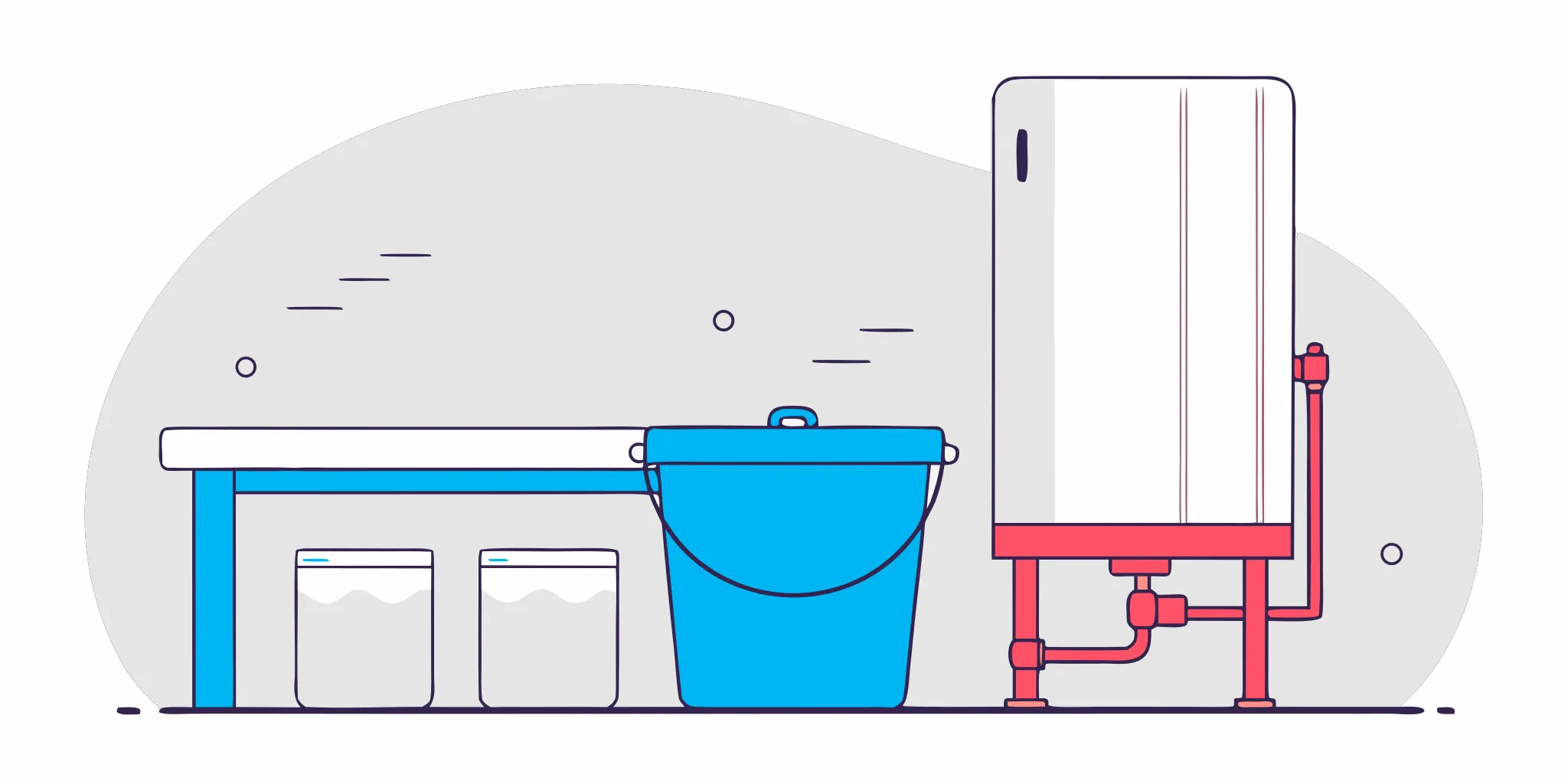
Draining a hot water heater into a bucket to fix gray water caused by sediment.
Back to Blog
InsightsJune 28, 2026

Gray Water From Hot Water Heater? Causes & Easy Fixes

Get answers about gray water from hot water heater, common causes, and simple fixes to restore clear, safe hot water in your home.

Think of your water heater as the heart of your home’s plumbing system, quietly working to provide comfort. When you suddenly see **gray water from your hot water heater**, it’s like a check engine light turning on. This isn't just a cosmetic issue; it's a clear symptom that your unit needs attention. The discoloration could be a sign of harmless sediment buildup, which is common in Florida, or it could point to a more critical problem like a failing component that’s stressing the system. Ignoring it can lead to lower efficiency, higher energy bills, and even premature failure. This guide will help you interpret the signs and take the right steps to restore your water heater's health. ## Key Takeaways * **Start with a Simple Glass Test**: Before calling for help, fill a clear glass with the gray hot water. If it clears up from the bottom, you're just seeing harmless air bubbles. If particles settle at the bottom, the problem is likely sediment or corrosion inside your water heater. * **Prioritize Safety and Avoid Using It**: Never drink, cook with, or bathe in discolored water. You can't be sure if the cause is harmless sediment or something worse like bacteria, so it's best to switch to cold water for all uses until the issue is professionally diagnosed and resolved. * **[Understand Your Repair Options](https://spacecoastcooling.com/plumbing-services/water-heater-repair/)**: A simple tank flush can often solve sediment issues, but persistent gray water, strange noises, or a rotten egg smell point to bigger problems like a failed anode rod. If your water heater is over 10 years old or leaking, a replacement is your safest and most reliable solution. ## What Is Gray Water from a Hot Water Heater? If you've ever turned on your hot water tap and been greeted by cloudy, grayish water, you know how unsettling it can be. Your first thought might be that something is seriously wrong with your plumbing or the city's water supply. While it’s definitely a sign you shouldn't ignore, gray water coming only from your hot water faucets is a common issue that usually points to a specific problem inside your water heater. The good news is that the cause is often straightforward to identify and fix. This cloudy appearance is typically caused by sediment, minerals, or even tiny air bubbles that have accumulated in your tank. Understanding what’s behind the discoloration is the first step toward getting your water back to crystal clear. Let's walk through what gray water is, why it usually affects your hot water, and what you need to know about its safety. ### Gray Water vs. Discolored Water: What's the Difference? First, let's clear up what we mean by "gray water." In this case, it refers to water that looks milky, cloudy, or off-white. It’s different from water that is brown or yellow, which usually signals rust in your pipes or tank. The cloudiness often comes from high concentrations of minerals, like calcium and magnesium, which are common in Florida’s hard water. These minerals can build up inside your water heater and get stirred up, creating a foggy appearance. A simple way to check is to fill a clear glass with the cloudy hot water. If it clears up from the bottom within a few minutes, it's just harmless air bubbles. If the cloudiness remains or settles at the bottom, you're likely dealing with sediment. ### Why Is It Usually a Hot Water Problem? If your cold water runs clear but your hot water is cloudy, your water heater is almost certainly the source. Think of your water heater as a large kettle that’s always on. Over time, minerals and sediment present in the water supply settle at the bottom of the tank. Heating the water can make these minerals more likely to fall out of suspension and accumulate. When you turn on a hot water faucet, this layer of sediment can get stirred up and flow out with the water. This is why regularly flushing your water heater is so important for maintenance; it clears out this buildup before it becomes a bigger problem. ### Debunking Common Gray Water Safety Myths It’s natural to wonder if this gray water is safe to use. The short answer is no, you should not drink it or use it for cooking. While the minerals themselves aren't necessarily harmful in small amounts, the sediment at the bottom of your tank can also harbor bacteria. According to multiple [health studies on greywater](https://greywateraction.org/health-studies-greywater), any water that isn't properly treated and clear has the potential to contain contaminants. It's always best to be cautious. Until you’ve identified and fixed the source of the gray water, avoid ingesting it. Using it for showering or washing hands is generally fine, but getting the issue resolved quickly is the safest path forward. ## What Causes Gray Water in Your Hot Water Heater? Seeing cloudy, gray water come out of your hot water tap can be unsettling, but it’s usually caused by a handful of common issues. Most of the time, the problem originates right inside your water heater tank. From harmless air bubbles to signs of corrosion, figuring out the root cause is the first step toward getting your clear water back. Let’s walk through the most frequent culprits behind gray water so you can identify what’s happening with your system. ### Sediment and Mineral Buildup If you live anywhere in Florida, you’re familiar with hard water. Over time, minerals like calcium and magnesium settle at the bottom of your water heater tank, creating a layer of sediment. When you use hot water, this chalky, light-gray buildup can get stirred up and flow out of your faucet, making the water look cloudy. A key sign of sediment is that the water will stay cloudy even after sitting in a glass for a few minutes. This mineral layer not only discolors your water but also makes your heater less efficient. Regular flushing helps remove this sediment and is a crucial part of water heater maintenance. ### Anode Rod Corrosion Inside your water heater is a component called an anode rod, and its whole job is to protect your tank from rusting. This rod is made of metals like magnesium or aluminum that are designed to corrode over time so your steel tank doesn't. As the anode rod breaks down, it can sometimes release tiny, gray metallic particles into the water. While this means the rod is doing its job, an excessive amount of gray sediment could indicate that the rod is nearly depleted. Replacing a spent anode rod is a simple fix that can extend the life of your water heater significantly. ### Air Bubbles and Dissolved Gases Sometimes, the simplest explanation is the right one. Gray or milky-looking water can just be the result of tiny air bubbles. This is very common after the city has done work on the water main or if you’ve recently had plumbing repairs done in your home. The pressurized air gets trapped in the pipes and dissolves into the water, giving it a cloudy appearance. To check if this is the cause, fill a clear glass with hot water and let it sit for a few minutes. If the cloudiness clears up from the bottom of the glass to the top, you’re just seeing air bubbles, and the issue will resolve itself. ### Pipe Corrosion and Rust If you live in an older home, your plumbing itself could be the source of the gray water. Many homes built before the 1970s used galvanized steel pipes. Over decades, the protective zinc coating on these pipes wears away, exposing the steel to water and causing it to rust and corrode from the inside out. Small flakes of rust and corroded metal can break off and mix with your water, giving it a gray, brown, or reddish tint. While heat can make the problem more noticeable in your hot water, pipe corrosion will eventually affect your cold water too. If you suspect this is the issue, it may be time to consider a [repiping service](https://www.spacecoastcooling.com/plumbing-services/repiping/). ### Bacteria from Low Temperature Settings To save on energy bills, some homeowners turn their water heater’s thermostat down. However, setting the temperature below 120°F can create the perfect environment for certain types of harmless bacteria to thrive inside the tank. These bacterial colonies can produce a gray or black slime that gets mixed into your water supply. Often, this issue is accompanied by a distinct "rotten egg" smell caused by sulfate-reducing bacteria. Maintaining a proper water heater temperature not only prevents this problem but also ensures your water is safe and free from unpleasant odors. If you notice a bad smell along with gray water, this is a likely cause. ## How to Diagnose the Source of Your Gray Water Figuring out why your hot water has turned gray can feel a little like solving a mystery. The good news is that you can do some simple detective work on your own to narrow down the potential causes. By running through a few quick checks, you can get a much clearer picture of what’s happening inside your water heater and plumbing system. These steps will help you identify whether you’re dealing with a simple issue like air bubbles or a more complex problem that needs a professional’s touch. Let’s walk through the diagnostic process together, so you can get to the bottom of it. ### Start with the Simple Glass Test Before you do anything else, try this incredibly simple test. Grab a clear glass, fill it with the gray water from your hot water tap, and set it on the counter for a few minutes. Now, watch what happens. If the water starts to clear up from the bottom and the cloudiness disappears, you’re just seeing tiny, harmless air bubbles. This is common when cold water is heated quickly, and it’s not a cause for concern. However, if you see small particles or flakes settling at the bottom of the glass, you’re likely dealing with sediment or mineral buildup. This tells you the issue is more than just air. ### Check Your Anode Rod Every tank-style water heater has a part called an anode rod. Think of it as a bodyguard for your tank; it’s a metal rod, usually made of magnesium or aluminum, that corrodes over time so the inside of your steel tank doesn’t. Sometimes, particularly with aluminum rods, a chemical reaction with your water can create byproducts that look like gray sediment. While a corroding anode rod means it’s doing its job, an overly aggressive reaction can discolor your water. A visual inspection of the anode rod is the only way to know for sure, which is a task often best left to a professional plumber due to the tools and knowledge required. ### Test Your Water Heater's Temperature If your water heater’s thermostat is set too low, it can create a welcoming environment for harmless bacteria to grow. While these bacteria won’t make you sick, they can contribute to discolored water and sometimes even a strange odor. Some sources suggest temporarily turning the temperature up to 140°F to kill them off. However, it’s critical to be extremely careful, as water at this temperature can cause serious burns in seconds. For safety, the Department of Energy recommends a setting of 120°F for most households to prevent scalding. If you suspect bacteria, it’s safer to have a professional handle any temperature adjustments and system checks. ### Rule Out Issues with Pipes or City Water Finally, it’s important to consider that the problem might not be your water heater at all. If you have older galvanized pipes, they can corrode and release particles into your water. A simple way to check this is to see if your cold water is also gray or discolored. If both hot and cold water are affected, the issue is likely with your home’s plumbing or even the municipal water supply. Florida is known for its hard water, which is high in minerals. You can often find information about your local water quality online; for example, the City of Melbourne provides annual water quality reports for its residents. ## How to Fix Gray Water Issues Once you have a better idea of what’s causing the gray water, you can take clear steps to fix it. Some of these solutions are simple maintenance tasks you might handle yourself, while others involve plumbing work that is best left to a licensed professional. The key is to work through the possibilities methodically, starting with the easiest fixes first. If sediment is the problem, a good flush might be all you need. If the issue is a corroded part, a replacement is in order. For persistent problems, especially those related to Florida’s hard water, a more comprehensive solution like a water softener might be the right long-term answer. And of course, if your water heater is old or showing multiple signs of failure, it may be time for a replacement. Let’s walk through each of these solutions so you can get your hot water running clear again. ### Flush Your Water Heater to Clear Out Sediment If you suspect a mountain of mineral sediment is the culprit, flushing your water heater is the perfect place to start. This process involves draining the tank to wash out all the accumulated sand, silt, and mineral deposits that have settled at the bottom. As one home improvement expert notes, "It's a good idea to flush your hot water tank about once a year. This helps remove the built-up sediment, which can make your water heater work better and last longer." Not only can this solve your gray water problem, but it’s also a critical part of regular maintenance that improves your unit's efficiency and lifespan. If you're not comfortable doing it yourself, our team can handle it as part of our routine water heater services. ### Replace a Corroded Anode Rod If your anode rod has completely corroded, replacing it is the only fix. This is especially true if you have soft water or use a water softener, which can cause an anode rod to break down faster. In some cases, a specific type of bacteria can react with a magnesium anode rod, creating hydrogen sulfide gas that not only makes water gray but also gives it a rotten egg smell. One plumbing forum suggests, "You can switch the magnesium anode rod to an aluminum one. This often helps stop the smell." However, it's important to know that aluminum rods may not protect your tank from rust as effectively. Choosing and installing the correct anode rod can be tricky, so we recommend calling one of our licensed plumbers to handle the replacement and ensure your tank stays protected. ### Adjust Your Water Heater's Temperature to 120°F If harmless bacteria are thriving in a lukewarm tank, a temporary temperature change can solve the problem. You can disrupt the bacteria by turning the thermostat up to 140°F for about an hour to sanitize the tank. A word of caution: water at 140°F can cause serious scalding in just a few seconds. Be extremely careful during this process, and make sure no one uses the hot water. After an hour, you must turn the temperature back down. The U.S. Department of Energy recommends a setting of 120°F to balance energy efficiency with safety. If you’re unsure how to adjust your water heater’s thermostat or worry it isn’t working correctly, give us a call. ### Install a Water Softener for Florida's Hard Water Living on the Space Coast means dealing with very hard water, which is packed with minerals like calcium and magnesium. These minerals are the primary cause of sediment buildup in your water heater. While flushing the tank helps, it’s a temporary fix. For a permanent solution, you can treat the water before it ever reaches your heater. As one plumbing professional explains, "A water-softening system can remove these minerals. You'll need a plumber to install one." A whole-home water softener is an excellent investment that protects not just your water heater but all of your pipes and water-using appliances from scale buildup. Our team can help you choose and install the right water treatment system for your home. ### Know When It's Time for a Full Replacement Sometimes, gray water is a sign that your water heater is nearing the end of its life. Most tank-style water heaters last about 8 to 12 years. If your unit is in that age range, has visible rust or leaks, or if you’ve tried other fixes without success, it may be time for a replacement. Continuing to repair an old, inefficient unit can end up costing you more in the long run. If you’re not sure what to do, it’s always best to get a professional opinion. A licensed plumber can give you an honest assessment of your water heater’s condition and help you decide if a repair or replacement makes more sense. When you’re ready, we’re here to help you find the perfect new water heater installation for your home and budget. ## Is Gray Water from a Hot Water Heater Safe? Seeing gray, cloudy water coming from your hot tap can be unsettling, and your first question is probably, "Is this safe?" The short and non-negotiable answer is no. You should never drink, cook with, or bathe in discolored water from your hot water heater. While the cause might be as harmless as air bubbles, it could also be corrosion, bacteria, or sediment, none of which belong in your water. It’s always best to err on the side of caution until a professional can identify and fix the root cause. ### Safe vs. Unsafe Uses for Gray Water Let's be clear: the discolored water from your heater isn't the same as "greywater" from a recycling system. While all greywater has the potential to contain bacteria, the stuff from your tap is particularly concerning because it's coming from a system that should be delivering clean, hot water. It may contain sediment, rust, or even harmful bacteria that can thrive in a poorly maintained tank. Because you can't be sure what’s causing the discoloration just by looking at it, you should avoid using it for anything where it might be ingested or come into contact with your skin. This includes drinking, cooking, washing dishes, or bathing. A professional [greywater inspection](https://www.nachi.org/greywater-inspection.htm) can help you understand water safety, but for now, treat this water as unsafe. ### A Reminder: Never Use Hot Tap Water for Drinking or Cooking This is a safety rule that applies even when your water is perfectly clear. You should never use water from the hot tap for drinking or cooking. Why? Hot water is more effective at dissolving contaminants. As it sits in your water heater and travels through your pipes, it can leach small amounts of minerals and even heavy metals like lead from older plumbing fixtures. Boiling the water won't help; in fact, it can make things worse by concentrating these contaminants. Always start with cold water for any recipe or for filling up your glass. It’s a simple habit that makes a big difference in your home's water quality. ### What to Do While You Wait for a Fix While you’re waiting for a professional plumber to arrive, the best thing you can do is stop using the hot water. Switch to cold water for washing hands and any other essential tasks. This is also a good time to gather a little more information for your plumber. Run the hot water in a bathtub for a minute or two and see if the gray color clears up or stays consistent. If it remains gray, smells strange, or you hear any odd noises coming from your water heater, it’s a definite sign that you need professional help. Don't attempt to flush the tank or make adjustments yourself, as you could make the problem worse or get injured. Your safest next step is to call for a water heater service and let an expert handle the diagnosis and repair. ## When to Call a Plumber About Gray Water While some gray water issues can be resolved with a DIY flush, certain signs point to a deeper problem that requires a professional’s touch. Knowing your limits is key, especially when dealing with an appliance that holds dozens of gallons of scalding water. Trying to fix complex water heater issues yourself can be ineffective at best and dangerous at worst. If you notice any of the following problems, it’s time to put down the wrench and pick up the phone. A licensed plumber can accurately diagnose the cause, perform the repair safely, and save you from a much bigger headache, like a full-blown water heater failure and the water damage that comes with it. In Florida, where humidity can turn a small leak into a major mold problem, being proactive is essential. Don’t wait for a small issue to turn into an emergency that floods your garage or utility closet. Getting an expert opinion from a trusted local team isn’t giving up; it’s the smartest move you can make to protect your home and your peace of mind. ### The Water Stays Gray After Flushing You’ve followed the steps to flush your water heater, let the water run, and hoped for the best. But when you turn on the tap, the hot water is still cloudy, gray, or off-white. If a thorough flush doesn’t clear out the sediment and resolve the issue, it signals a more persistent problem. This often means the mineral scale has become so severe that it has hardened inside the tank, or that the anode rod has completely disintegrated. When a basic cleaning doesn't work, it’s a clear sign you need a professional to take a closer look and figure out what’s really going on inside your heater before the damage becomes irreversible. ### You Smell Rotten Eggs That distinct, unpleasant rotten egg smell is a major red flag you shouldn't ignore. This odor is usually caused by [hydrogen sulfide gas](https://terrylove.com/forums/index.php?threads/grey-smelly-water-from-hot-water-heater.7025/), which is created when sulfate-reducing bacteria set up camp inside your water heater tank. These bacteria thrive in the warm, dark environment and often react with the standard magnesium or aluminum anode rod. Not only is the smell a nuisance that can permeate your home, but it also indicates a water quality issue that needs to be addressed at the source. A plumber can safely sanitize your system and replace the anode rod with one made from a different material to ensure the problem is gone for good. ### Your Water Heater Is Making Strange Noises Your water heater should operate relatively quietly. If you start hearing loud popping, rumbling, or crackling sounds, it’s often a sign that a thick layer of sediment has hardened on the bottom of the tank. The heating element has to work overtime to heat the water through this mineral layer, causing small pockets of water to boil and pop. You might also hear hissing if there’s a leak or the sound of [undissolved gas](https://terrylove.com/forums/index.php?threads/grey-smelly-water-from-hot-water-heater.7025/) escaping. These noises mean your heater is working inefficiently and is under serious stress, which can lead to cracks in the tank and eventual failure. ### You See Leaks, Rust, or Obvious Wear Any visible signs of water, rust streaks on the side of the tank, or corrosion around fittings are an immediate cause for concern. A leak, no matter how small, will only get worse and can lead to significant water damage and mold growth. Rust indicates that the tank’s inner lining has been compromised and is corroding from the inside out, often due to years of [built-up sediment](https://diy.stackexchange.com/questions/2214/what-can-cause-foggy-misty-gray-water-when-water-heater-is-turned-off) wearing away at the tank. Unfortunately, by the time you see external rust or leaks, the damage is usually irreversible. This isn't a "wait and see" situation; a full replacement is often the only safe solution to protect your property. ### To Schedule Maintenance and Prevent Future Issues The best way to deal with water heater problems is to prevent them in the first place. If you’ve had gray water issues before or your unit is getting older, scheduling a professional inspection is a smart, proactive move. A plumber can perform comprehensive maintenance that goes beyond a simple flush, including checking the anode rod, testing the pressure relief valve, and inspecting for early signs of corrosion. Homeowners should consider [contacting a professional](https://www.townesseptic.com/blog/is-your-greywater-system-safe) for regular maintenance to keep their system running efficiently and extend its lifespan. This approach helps you avoid unexpected breakdowns and ensures you have clean, clear hot water when you need it most. ## Related Articles * [Yellow Hot Water? Causes & How to Fix It](https://www.spacecoastcooling.com/blog/yellow-hot-water-fix/) * [Can a Water Heater Cause Low Water Pressure in Your Home?](https://spacecoastcooling.com/can-a-water-heater-cause-low-water-pressure/) * [Professional Water Heater Repair Cocoa, FL](https://spacecoastcooling.com/plumbing-services/water-heater-repair/) * [Expert Water Heater Installation & Replacement Cocoa, FL](https://spacecoastcooling.com/plumbing-services/water-heater-installation-replacement/) * [FAQs | Space Coast Cooling & Plumbing, Inc.](https://spacecoastcooling.com/faq/) ## [Frequently Asked Questions](https://spacecoastcooling.com/faq/) **My hot water is cloudy. What's the very first thing I should do?** Before you worry, perform a simple glass test. Fill a clear glass with the cloudy hot water and let it sit on your counter for a few minutes. If the water clears up from the bottom to the top, you are just seeing tiny air bubbles, which are harmless and will resolve on their own. If particles settle at the bottom or the water remains cloudy, you are likely dealing with sediment or a corroded part, and it’s time to investigate further. **Is it okay to shower in gray water if I don't drink it?** It’s best to avoid it. While the issue might just be minerals, it could also be bacteria or metal particles from a corroding part inside your tank. You can’t be sure what is causing the discoloration just by looking at it. For your safety, you should avoid using the water for drinking, cooking, or bathing until a professional has identified and fixed the problem. Using it to quickly wash your hands is generally fine, but caution is always the best approach. **Can I just flush the water heater myself to fix this?** Flushing your water heater is an excellent maintenance step that can often solve problems caused by sediment buildup. If you are comfortable and familiar with the process, it’s a great first solution to try. However, if the gray water returns quickly, is accompanied by a rotten egg smell, or you hear loud noises from the tank, the problem is more complex than a simple flush can fix. In those cases, it’s time to call a licensed plumber. **This keeps happening. Is there a way to stop gray water for good?** If you find yourself flushing your tank frequently to deal with recurring gray water, the root cause is almost certainly Florida’s hard water. For a long-term solution, you should consider installing a whole-home water softener. This system treats the water before it ever enters your water heater, removing the minerals that cause sediment buildup. It’s a great way to protect not just your water heater but all of your pipes and appliances. **Does gray water mean I have to buy a whole new water heater?** Not necessarily. Gray water is often a symptom of a fixable problem, such as a depleted anode rod or a significant amount of mineral sediment that needs to be professionally cleaned out. However, if your water heater is more than 10 years old and also shows other signs of failure, like visible rust, leaks, or loud rumbling noises, then the gray water may be a final signal that it’s time for a replacement.
Available 24/7

Call the Experts that Local Homeowners Rely On

When you need home services, you want answers you can trust and work you can count on. Space Coast Cooling & Plumbing is the plumbing and HVAC company in Cocoa, FL, that brings decades of local experience, licensed professionals, and customer-first service to every job. One call connects you with a team ready to help.

Licensed & InsuredServing Cocoa Since 1994Honest, Upfront PricingSame-Day Service Available