Need Help? Call Us Now!
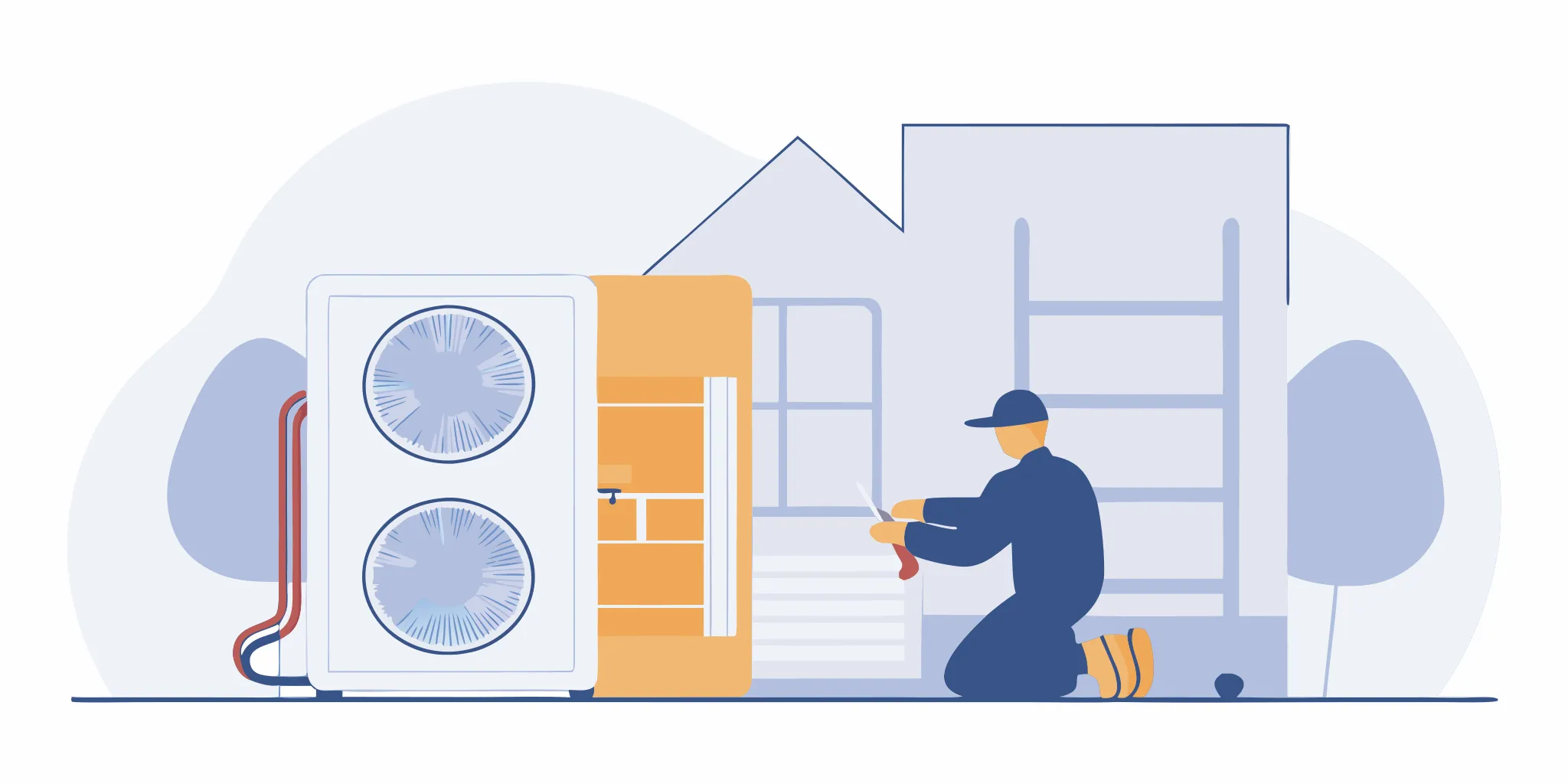
Technician performing heat pump cooling repair on an outdoor unit.
Back to Blog
InsightsJune 14, 2026

Heat Pump Cooling Repair: Why It Fails & How to Fix It

Get expert tips on heat pump cooling repair. Learn common reasons your heat pump stops cooling and find out which fixes you can try before calling a pro.

The moment your AC stops working, two worries often set in: the discomfort of a hot house and the potential cost of a repair. We get it. The fear of a high bill or being told you need a whole new system can be stressful. That’s why we believe in giving you honest information first. This guide is designed to empower you with knowledge about how your heat pump works and why it might fail. By understanding the common issues, you can feel more in control of the situation. This way, if you do need to schedule a **heat pump cooling repair**, you’ll know what to expect. ## Key Takeaways * **Check the basics before you call**: Many cooling problems have simple solutions. Before scheduling a service, confirm your thermostat is set to "cool," inspect the air filter for clogs, and reset the unit's circuit breaker. These quick steps can often restore your comfort. * **Recognize serious warning signs**: Symptoms like ice on the coils, strange grinding noises, lukewarm air from vents, or a system that won't turn on at all point to deeper issues. These are not DIY fixes and require a professional to diagnose safely. * **Repair or replace with confidence**: To make the right choice, consider the system's age, the frequency of breakdowns, and the repair cost. If your heat pump is over 10 years old or a repair costs more than 50% of a new unit, replacement is often the smarter long-term investment. ## Why Isn't My Heat Pump Cooling? There’s nothing quite like the Florida heat to make you appreciate a working air conditioner. So when your heat pump decides to stop cooling, it’s more than an inconvenience; it’s an emergency. Unlike a traditional furnace and AC combo, a heat pump is an all-in-one system that heats your home in the winter and cools it in the summer. It works by moving heat, not creating it. In cooling mode, it pulls heat from your indoor air and transfers it outside, leaving your home comfortable and cool. When that process gets interrupted, your home gets warm, fast. The good news is that the problem is often one of a handful of common issues, many of which are straightforward for a professional to diagnose and fix. From a simple clogged filter to a more complex mechanical issue, several things can go wrong. Understanding the potential culprits can help you know what to look for and when it’s time to call for help. Below, we’ll walk through the most frequent reasons a heat pump stops cooling. Some of these are quick checks you can do yourself, while others are clear signs that you need an expert technician to take a look. Either way, figuring out the "why" is the first step to getting your cool air back. ### A Dirty or Clogged Air Filter Before you panic, start with the simplest and most common cause: a dirty air filter. Your heat pump needs strong, steady airflow to cool your home effectively. When the air filter gets clogged with dust, pet dander, and other debris, it’s like trying to breathe through a stuffy nose. The system can’t pull in enough air, which forces it to work much harder and less efficiently. This restricted [airflow](https://www.energy.gov/energysaver/maintaining-your-air-conditioner) can significantly reduce its cooling power, leaving your home feeling warm and stuffy. Luckily, this is an easy fix. Check your filter, and if it looks gray and clogged, replace it. You might be surprised what a difference a clean filter can make. ### Low Refrigerant Levels If the filter is clean, the problem might be low refrigerant. Refrigerant is the substance that circulates through your heat pump, absorbing heat from your indoor air and releasing it outside. If the level is low, your system can't move heat effectively, and its cooling performance will drop. It’s important to know that refrigerant runs in a closed loop; low levels almost always mean there’s a leak somewhere in the lines. Simply topping off the refrigerant without fixing the leak is a temporary fix at best. Handling refrigerant requires special certification, so this is a job strictly for a licensed HVAC professional. ### Frozen Coils Seeing ice on your heat pump is a definite red flag. This usually happens on the indoor evaporator coil, and it’s a sign that something is disrupting the cooling process. A layer of ice acts as an insulator, blocking air from passing over the coil. When that happens, the heat exchange process stops, and your system can no longer cool your home. The most common causes of frozen coils are restricted airflow from a dirty filter or low refrigerant levels. If you see ice, turn your system off to allow the unit to thaw completely, then call a technician. Running it while frozen can cause serious damage to the compressor. ### A Malfunctioning Reversing Valve The reversing valve is a critical component that switches the flow of refrigerant, allowing your heat pump to shift between heating and cooling modes. If this valve gets stuck or fails, your system might be trapped in heating mode, even when your thermostat is set to cool. You’ll know this is likely the problem if your vents are blowing warm or lukewarm air on a hot day. Diagnosing and replacing a [malfunctioning reversing valve](https://www.americanstandardair.com/resources/blog/8-most-common-heat-pump-repair-issues/) is a complex job that requires a professional touch, as it involves accessing the sealed refrigerant system. ### Thermostat or Electrical Problems Sometimes the problem isn’t with the heat pump itself but with the components that control it. A faulty thermostat can fail to send the right signals, telling your system to turn on or off at the wrong times or not at all. Start by checking for simple fixes, like dead batteries or incorrect settings (make sure it’s set to “cool”!). Beyond the thermostat, an electrical issue like a tripped circuit breaker or a failed capacitor can prevent the outdoor unit’s fan or compressor from running. While you can safely check your home’s breaker panel, most other [electrical system](https://www.carrier.com/us/en/residential/hvac-resources/heat-pumps/repairs/) repairs should be left to a qualified technician to avoid injury. ### Constant Short-Cycling Is your heat pump turning on and off every few minutes? This is called short-cycling, and it’s a clear sign of a problem. A proper cooling cycle should last around 15 to 20 minutes, giving the system enough time to cool your home effectively. When it short-cycles, it never completes a full cycle, leading to inefficient cooling, higher energy bills, and excessive wear on the system’s components. Short-cycling can be caused by several issues, including a clogged air filter, low refrigerant, or even an oversized unit that’s too powerful for your home. A technician can diagnose the root cause and stop the cycle. ## What to Check Before You Call a Pro When your heat pump stops cooling, especially during a sweltering Florida afternoon, it’s easy to assume the worst. But before you pick up the phone, there are a few simple troubleshooting steps you can take on your own. Sometimes, the fix is surprisingly easy and can save you the time and expense of a service call. Working through this checklist can also help you give our technicians more specific information if you do end up needing a professional repair. Think of it as a quick diagnostic you can complete in just a few minutes to see if you can get your cool air flowing again. ### Check Your Thermostat Settings First, head to your thermostat. It sounds basic, but you’d be surprised how often incorrect settings are the culprit. Make sure your system is set to “Cool” and the temperature is set lower than the current room temperature. Also, check the fan setting. If it’s on “On,” the fan will blow continuously, even when the unit isn't actively cooling. This can make the air coming from your vents feel lukewarm or weak. Switching the fan to “Auto” ensures it only runs during the cooling cycle. This simple adjustment often solves the problem right away. ### Inspect and Change the Air Filter A dirty air filter is one of the most common reasons a heat pump struggles to cool your home. When the filter gets clogged with dust, pet dander, and other debris, it restricts airflow. This forces your system to work much harder and can seriously reduce its cooling power. Pull out your air filter and hold it up to the light. If you can’t see light through it, it’s time for a change. As a general rule, you should inspect your filter every month and replace it at least every 90 days to keep your system running efficiently. ### Reset the Circuit Breaker Sometimes, a power surge or simple electrical glitch can cause the circuit breaker connected to your heat pump to trip. Head to your home’s electrical panel and look for the breaker labeled for your HVAC or heat pump system. If it’s in the “Off” position or stuck in the middle, switch it completely off and then back on again. This resets the unit’s electrical connection. Wait a few minutes and see if your heat pump kicks back on. If the breaker trips again shortly after, leave it off and call a professional, as this indicates a more serious electrical issue. ### Look for Ice on the Unit Go outside and take a look at your outdoor unit, then check the indoor evaporator coil if it’s accessible. Do you see any ice or frost buildup? While it might seem strange for a system that isn’t cooling, ice is a clear sign of a problem. It’s usually caused by either restricted airflow from a dirty filter or low refrigerant levels from a leak. If you see ice, turn the system off completely but leave the fan running on “On” to help melt the ice. Once it’s thawed, you can try running it again, but if the ice returns, it’s time to schedule a repair. ### Clear Debris Around the Outdoor Unit Your outdoor heat pump unit needs plenty of space to breathe. It works by pulling in air and releasing heat, and anything blocking it can hinder that process. Here in Florida, it’s easy for palm fronds, leaves, grass clippings, and overgrown shrubs to crowd the unit. Take a few minutes to clear at least two feet of space around the entire outdoor condenser. Gently hose it down to remove any dirt or pollen caked on the fins. This simple bit of yard work can make a big difference in your system’s cooling performance. ### Listen for Unusual Noises Your heat pump should operate with a relatively consistent, low hum. If you suddenly start hearing new or loud sounds, it’s your system’s way of telling you something is wrong. Grinding or squealing noises often point to a problem with the motor or its bearings. A loud banging or clanking sound could mean a part has come loose inside the compressor. Pay attention to what you hear, as describing any strange sounds can help a technician diagnose the issue faster. If you hear any of these noises, it’s best to turn the system off to prevent further damage and call for service. ## Heat Pump Repair Myths, Busted When your heat pump acts up, it’s easy to fall down a rabbit hole of online advice and common misconceptions. This can lead to stress and sometimes, a bigger repair bill than necessary. Let’s clear the air and bust a few of the most common myths about heat pump repairs so you can make decisions with confidence. ### "My heat pump doesn't need regular maintenance." It’s tempting to adopt an "if it ain't broke, don't fix it" mindset, but this is one of the biggest mistakes you can make with your heat pump. Here in Florida, your system works incredibly hard all year, switching between cooling in the summer and heating on chilly winter mornings. This constant use causes wear and tear. Skipping maintenance is like never changing the oil in your car; eventually, small issues will snowball into major, costly breakdowns. Professionals recommend that [heat pump maintenance](https://www.regalplumbinginc.com/blog/heat-pump-service/6-signs-you-need-heat-pump-repair) be performed twice a year to keep the system running efficiently and to catch problems early. A tune-up keeps your energy bills down, extends the life of your unit, and gives you peace of mind. ### "Heat pump repairs are always expensive." The fear of a shockingly high repair bill is understandable, but the reality is that not every fix costs a fortune. Many of the most common heat pump issues, like a faulty capacitor or a clogged drain line, are relatively simple and affordable to repair, especially when they’re caught early. The key is addressing problems as soon as you notice them. A strange noise or a slight decrease in cooling might seem minor, but ignoring it can allow the problem to worsen and damage other components. When a system is properly installed and maintained, major [heat pump repairs](https://www.americanstandardair.com/resources/blog/8-most-common-heat-pump-repair-issues) are often few and far between. An honest technician will diagnose the issue and give you a clear, upfront price before starting any work. ### "I can probably fix this myself." While we love a can-do attitude, attempting a complex heat pump repair on your own can be risky. Your system involves high-voltage electricity and pressurized refrigerant, which require specialized tools and training to handle safely. You could end up injuring yourself or causing more extensive damage to the unit, turning a simple fix into a complete system replacement. That said, there are a few basic troubleshooting steps every homeowner should try before making a call. Checking your thermostat settings, inspecting the air filter, and making sure the outdoor unit is clear of debris can resolve a surprising number of issues. If those simple steps don't work, it's time to let a [licensed professional](https://www.spacecoastcooling.com/about-us/) take over. ### "An older heat pump isn't worth repairing." This is a tricky one because it’s not always false, but it’s not always true, either. The decision to repair or replace an older unit depends on a few factors: the age of the system, the cost of the repair, and its overall efficiency. If your heat pump is over 10-15 years old and needs a major, expensive part like a new compressor, replacement is often the smarter financial move. However, if your 12-year-old system just needs a minor, inexpensive repair, it might make sense to fix it and get a few more years of service. This can give you valuable time to research and budget for a new system instead of being forced into a rushed decision. A trustworthy technician can help you [weigh the costs and benefits](https://generation3electric.com/heat-pump-repair/), so you can make the best choice for your home and budget. ## Signs It's Time to Call for a Repair You’ve checked the thermostat and swapped out the filter, but your home still feels like a sauna. While some heat pump issues have simple fixes, others are clear signs that you need a professional technician. Ignoring these symptoms can lead to more extensive damage and costly future repairs. If you notice any of the following problems, it’s time to put down your DIY toolkit and pick up the phone. ### The System Won't Turn On This one is pretty straightforward. If your heat pump refuses to turn on, you have a significant problem. After you’ve confirmed the thermostat is on and has power, and you’ve checked the circuit breaker, a non-responsive system usually points to an electrical issue. This could be a faulty capacitor, a wiring problem, or a failed motor. For your safety, it’s best to leave electrical diagnostics to a trained professional. Don’t risk trying to fix complex wiring yourself; a licensed technician can safely identify and resolve the root cause. ### Your Home Isn't Getting Cool Is your heat pump running, but the air coming out of your vents feels lukewarm? If you’ve already made sure your thermostat is set to “Cool” and the temperature is set lower than the current room temperature, the lack of cool air signals a deeper issue. This symptom often means there’s a problem with the refrigerant level, the compressor, or the reversing valve. A system low on refrigerant may have a leak, and simply adding more isn’t a fix. A technician needs to find and repair the leak before recharging the system to get it cooling properly again. ### You See Ice, Leaks, or Smell Odors Your senses are one of the best tools for detecting a heat pump problem. A layer of ice on the coils or the outdoor unit is a major red flag that can point to a dirty filter, low refrigerant, or a blocked drain. If you see water pooling around your indoor unit, it’s likely a clog in the condensate line that needs to be cleared before it causes water damage. And don’t ignore strange smells. A musty odor could mean mold growth in your system, while a burning smell indicates an urgent electrical problem that requires an immediate shutdown and a call for service. ### Your Energy Bills Suddenly Spike Your utility bill can be a surprisingly accurate indicator of your heat pump’s health. If you notice a sudden, unexplained jump in your electricity costs, your system is likely struggling. When a heat pump has to work harder to cool your home due to an internal issue like a refrigerant leak or a failing component, its efficiency plummets and its energy consumption soars. Paying attention to this early warning sign and calling for a repair can save you from another high bill and prevent a small problem from turning into a complete system failure. ### The Unit Is Short-Cycling or Running Nonstop A properly functioning heat pump should run through smooth, consistent cooling cycles. If you hear your system kicking on and off every few minutes, that’s called short-cycling. This not only prevents your home from cooling down but also puts major strain on the compressor. On the other hand, a unit that runs constantly without ever reaching the temperature on your thermostat is also a sign of trouble. Both issues suggest a serious problem, from an incorrect refrigerant charge to a failing part, that requires professional heat pump repair. ## What to Expect During Your Repair Service When your heat pump stops cooling, the uncertainty of what comes next can be stressful. We get it. That’s why we believe in being completely transparent from the moment our technician arrives at your door. You deserve to know what’s happening with your system and what your options are. The first thing we’ll do is listen to you and then perform a complete diagnostic check to pinpoint the exact cause of the problem. We don’t guess; we test. Once we’ve identified the issue, we’ll walk you through it in plain English, explaining what went wrong and how we can fix it. You’ll get a clear, upfront price for the repair before any work begins, so there are no surprises. Our goal is to give you all the information you need to make a confident decision. Depending on what our technician finds, the repair could involve one or more of the common fixes below. ### Refrigerant Recharge and Leak Repair If your heat pump is low on refrigerant, it’s almost always because there’s a leak somewhere in the system. Simply adding more refrigerant without fixing the leak is like putting air in a tire with a nail in it, it’s a temporary fix at best. Our technicians are trained to locate the source of the leak and repair it properly. After the leak is sealed, we will recharge the system to the manufacturer’s exact specifications. A proper [heat pump repair](https://www.carrier.com/us/en/residential/hvac-resources/heat-pumps/repairs) addresses both the symptom (low refrigerant) and the cause (the leak) to restore efficient cooling. ### Reversing Valve Replacement The reversing valve is a critical component that switches the flow of refrigerant to change your system from heating to cooling mode. If this valve gets stuck or fails, your heat pump might be stuck in heating mode even when you want AC. A faulty valve can sometimes be related to other electrical or refrigerant problems, which is why a thorough diagnosis is so important. If the valve itself is the culprit, our technician will replace it to get your system switching between modes correctly again. ### Capacitor and Electrical Component Repair Think of a capacitor as the component that gives your heat pump’s motors the jolt they need to start up and keep running. When a capacitor fails, your system might hum but never fully turn on, or the fan might not spin. These are relatively common and straightforward repairs for a trained professional. Our technicians will also inspect other electrical components, like contactors and wiring, to make sure the entire electrical system is safe and functioning as it should be. ### Coil Cleaning and Defrost System Service Your heat pump has two sets of coils, one indoors and one outdoors. Over time, these coils can get covered in dirt, dust, and debris, which blocks airflow and makes it much harder for your system to cool your home. As experts will tell you, [proper maintenance](https://www.regalplumbinginc.com/blog/heat-pump-service/6-signs-you-need-heat-pump-repair) is essential for keeping your system efficient. A deep cleaning can often restore performance. We’ll also check the defrost controls, which are important for preventing the outdoor unit from freezing up, even during our hot and humid summers. ### Ductwork Inspection and Sealing Sometimes the problem isn’t with the heat pump unit at all, but with the ductwork that delivers the cool air throughout your home. If your ducts are leaky, disconnected, or poorly designed, you could be losing a significant amount of cooled air into your attic or crawlspace. This forces your system to work harder and drives up your energy bills. As part of our service, we can inspect your ductwork and recommend sealing any leaks to ensure the cool air gets where it’s supposed to go. ## Repair or Replace? Making the Right Choice Deciding whether to repair your heat pump or invest in a new one can feel like a huge, stressful decision. On one hand, a repair is a smaller, immediate expense. On the other, you don’t want to throw good money at a system that’s on its last legs. The right answer depends on finding the sweet spot between a quick fix and a smart long-term investment for your home. There isn’t a single magic formula, but looking at a few key factors can make the choice much clearer. Thinking through the age of your system, the cost of the repair, how often it’s been breaking down, and its overall efficiency will give you the confidence to make a call you feel good about. We believe in giving you honest answers, so our technicians will always walk you through these points and provide a clear, no-pressure recommendation. The goal is to find the solution that makes the most sense for your home and your budget, not just today but for years to come. ### Consider the Age of Your System The age of your heat pump is one of the biggest clues. Generally, if your system is less than eight years old and this is its first major issue, a repair is often the most logical path. However, once a heat pump passes the 10-year mark, the math starts to change. If your older system is facing its second or third significant repair, or if a critical component like the compressor has failed, replacement becomes a much more attractive option. Another key factor is the type of refrigerant it uses. If your unit runs on R-22, which is now phased out and very expensive to source, replacing it is almost always the smarter financial move. ### Weigh the Cost of Repair vs. Replacement A good rule of thumb is to compare the repair quote to the price of a new system. If the repair cost is less than 30% of what you’d spend on a replacement, fixing it usually makes sense. For example, a few hundred dollars to replace a faulty capacitor is a no-brainer. But if you’re looking at a repair bill that’s 50% or more of the cost of a brand-new, energy-efficient unit, it’s time to seriously consider an upgrade. We provide upfront pricing for both repairs and replacements, so you can see the numbers side-by-side and make an informed decision without any guesswork. ### Track the Frequency of Breakdowns Is your heat pump technician becoming a regular visitor? One breakdown can be a fluke, but multiple service calls in a short period are a clear warning sign. A heat pump is a complex machine with a lot of [moving parts](https://www.americanstandardair.com/resources/blog/8-most-common-heat-pump-repair-issues), and as the system ages, those parts start to wear out. Frequent repairs often signal that other components are nearing the end of their life, too. Instead of paying for one repair after another, investing that money into a new, reliable system can save you from future headaches, unexpected costs, and the inconvenience of a home that just won’t stay cool. ### Evaluate Its Energy Efficiency Even if your old heat pump is still running, it’s likely not performing as efficiently as it once did. Technology has come a long way, and today’s heat pumps use significantly less energy to cool your home. If you’ve noticed your electricity bills creeping up year after year, your aging system is probably the culprit. While a new system is a bigger initial investment, the monthly savings from improved energy efficiency can add up quickly, helping to offset the cost over time. It’s always best to [get it fixed quickly](https://www.wmhendersoninc.com/air-conditioning/heat-pumps/) if your heat pump isn't working right, as this can prevent bigger, more expensive problems down the road. ## How to Keep Your Heat Pump Running Smoothly A little proactive care for your heat pump can make a world of difference, especially when you’re counting on it to get you through a hot Florida summer. Staying on top of routine maintenance not only helps you avoid the stress of a sudden breakdown but also keeps your system running efficiently, which can save you money on energy bills month after month. Think of it as an investment in your home’s comfort and your peace of mind. Most importantly, consistent upkeep extends the life of your system, pushing back the need for a costly replacement. While some tasks are best left to a professional, there are a few simple things you can do yourself to keep your heat pump in top shape. By pairing these easy DIY habits with regular professional service, you create a powerful strategy for reliable, year-round cooling and heating. These small steps ensure your system is ready to perform whenever you need it, preventing minor issues from turning into major headaches. ### Change Your Air Filters Regularly One of the simplest yet most effective things you can do for your heat pump is to change the air filter regularly. A dirty, clogged filter restricts airflow, forcing your system to work much harder to cool your home. This extra strain not only drives up your energy bills but can also lead to serious problems, like a frozen evaporator coil or even compressor failure. If your system isn't cooling properly, the first thing you should do is [check the air filter](https://www.energy.gov/energysaver/maintaining-your-air-conditioner). We recommend checking your filter every month and replacing it at least every 90 days. If you have pets, allergies, or live near a dusty area, you may need to change it more frequently. ### Keep the Outdoor Unit Clear Your heat pump’s outdoor unit needs plenty of room to breathe. This component works by pulling in air to transfer heat, and if it’s blocked, it can’t do its job efficiently. Overgrown shrubs, leaning fences, fallen palm fronds, and even grass clippings from mowing can obstruct airflow. This can cause your system to overheat, reduce its cooling capacity, and put unnecessary stress on the compressor. Take a walk around your unit every few weeks and make sure there are at least two feet of clear space on all sides. A quick trim of nearby plants or clearing away yard debris is an easy way to ensure proper airflow and help your system run smoothly. ### Schedule Biannual Professional Tune-Ups While DIY tasks are helpful, they can’t replace a professional inspection. We strongly recommend scheduling a professional tune-up twice a year: once in the spring before the cooling season kicks into high gear, and again in the fall before you switch to heating. During a service visit, a certified technician does much more than a simple check. They will clean the coils, test electrical components, check refrigerant levels, and lubricate moving parts. This comprehensive service ensures your system is running at [peak performance](https://www.regalplumbinginc.com/blog/heat-pump-service/6-signs-you-need-heat-pump-repair), catches potential problems before they become expensive emergencies, and maintains your system’s longevity. ### Protect Your System with a Maintenance Plan The easiest way to stay on top of professional service is to join a maintenance plan. It takes the guesswork out of scheduling and ensures your heat pump gets the attention it needs to last. Our [maintenance plans](https://www.spacecoastcooling.com/maintenance-plans/) are designed to keep your system working well and for longer by providing regular, thorough inspections and tune-ups. As a member, you often receive benefits like priority service if you ever have an emergency and discounts on any necessary repairs. It’s a straightforward way to protect your investment, manage your budget, and ensure your home stays comfortable all year long without any surprises. ## Your Go-To for Heat Pump Repair on the Space Coast When your heat pump gives out, especially with the Florida heat creeping in, you need a solution you can trust, and you need it fast. At Space Coast Cooling & Plumbing, we’ve been the team our neighbors from Cocoa to Melbourne have relied on for decades. We live and work right here on the Space Coast, so we understand that a broken cooling system isn’t just an inconvenience; it’s an emergency. Our goal is to get your home comfortable again as quickly as possible. Our licensed technicians are trained to diagnose and fix all types of [heat pump issues](https://www.carrier.com/us/en/residential/hvac-resources/heat-pumps/repairs), from refrigerant leaks and electrical failures to airflow obstructions. We have the expertise to get to the root of the problem and believe in fixing things right the first time, preventing a small issue from becoming a major, costly breakdown. You can always expect upfront pricing and honest, no-pressure recommendations from our team. We’ll explain the problem and your options clearly so you can make an informed decision. And because HVAC problems rarely happen at a convenient time, we’re here for you with 24/7 emergency service. For reliable repairs that keep your system running efficiently, you can count on us. ## Related Articles * [Are HVAC Maintenance Plans Worth It? What to Know](https://spacecoastcooling.com/are-hvac-maintenance-plans-worth-it/) * [Air Conditioning Repair in Cocoa, FL](https://spacecoastcooling.com/hvac-services/air-conditioning-repair/) * [Thermostat Installation & Repair in Cocoa, FL](https://spacecoastcooling.com/hvac-services/thermostat-installation-repair/) * [Professional AC Tune-Up in Cocoa, FL](https://spacecoastcooling.com/hvac-services/ac-tune-up-maintenance/) * [Cocoa, FL Heat Pump Installation Services](https://spacecoastcooling.com/hvac-services/heat-pump-installation/) ## [Frequently Asked Questions](https://spacecoastcooling.com/faq/) **What are the first few things I should check myself before calling for a repair?** Before you pick up the phone, a few quick checks can sometimes solve the problem. First, go to your thermostat and confirm it is set to "Cool" with the temperature set lower than the current room temperature. Next, inspect your air filter; if it looks gray and clogged with dust, replacing it might be all you need to do. Finally, you can check your home's circuit breaker panel to see if the breaker for your heat pump has tripped. **My heat pump is blowing air, but it isn't cold. What does that mean?** When your system is running but the air from your vents feels lukewarm or warm, it often points to a problem with the cooling process itself. This could mean the system is low on refrigerant due to a leak, which prevents it from effectively moving heat out of your home. It could also signal a problem with the reversing valve, which may be stuck in heating mode. Both of these issues require a professional technician to diagnose and fix correctly. **Why is there ice on my heat pump coils in the middle of summer?** Seeing ice on your heat pump on a hot day can be confusing, but it is a clear sign that something is wrong. This frost or ice buildup is usually caused by a lack of warm air moving over the coils. The two most common culprits are severely restricted airflow from a dirty filter or low refrigerant levels. If you see ice, you should turn your system off to let it thaw completely and then call for service, as running it while frozen can cause serious damage. **How do I decide whether to repair my older heat pump or just replace it?** This is a big decision, and the best choice depends on a few key factors. Consider the age of your system; if it is over 10 years old, replacement becomes a more practical option. You should also weigh the cost of the repair against the price of a new unit. If a repair costs nearly half as much as a new system, investing in a modern, more efficient model is often the smarter long term choice. Frequent breakdowns are another sign that your system is nearing the end of its life. **Does my heat pump really need professional maintenance twice a year?** Yes, we strongly recommend it. Think of it like regular oil changes for your car. Here in Florida, your heat pump works hard year round, and biannual tune ups are the best way to keep it running efficiently and reliably. During a service visit, a technician can catch small issues before they turn into major breakdowns, clean critical components to improve performance, and ensure your system is safe to operate. This proactive care extends the life of your unit and helps keep your energy bills in check.
Available 24/7

Call the Experts that Local Homeowners Rely On

When you need home services, you want answers you can trust and work you can count on. Space Coast Cooling & Plumbing is the plumbing and HVAC company in Cocoa, FL, that brings decades of local experience, licensed professionals, and customer-first service to every job. One call connects you with a team ready to help.

Licensed & InsuredServing Cocoa Since 1994Honest, Upfront PricingSame-Day Service Available