Need Help? Call Us Now!
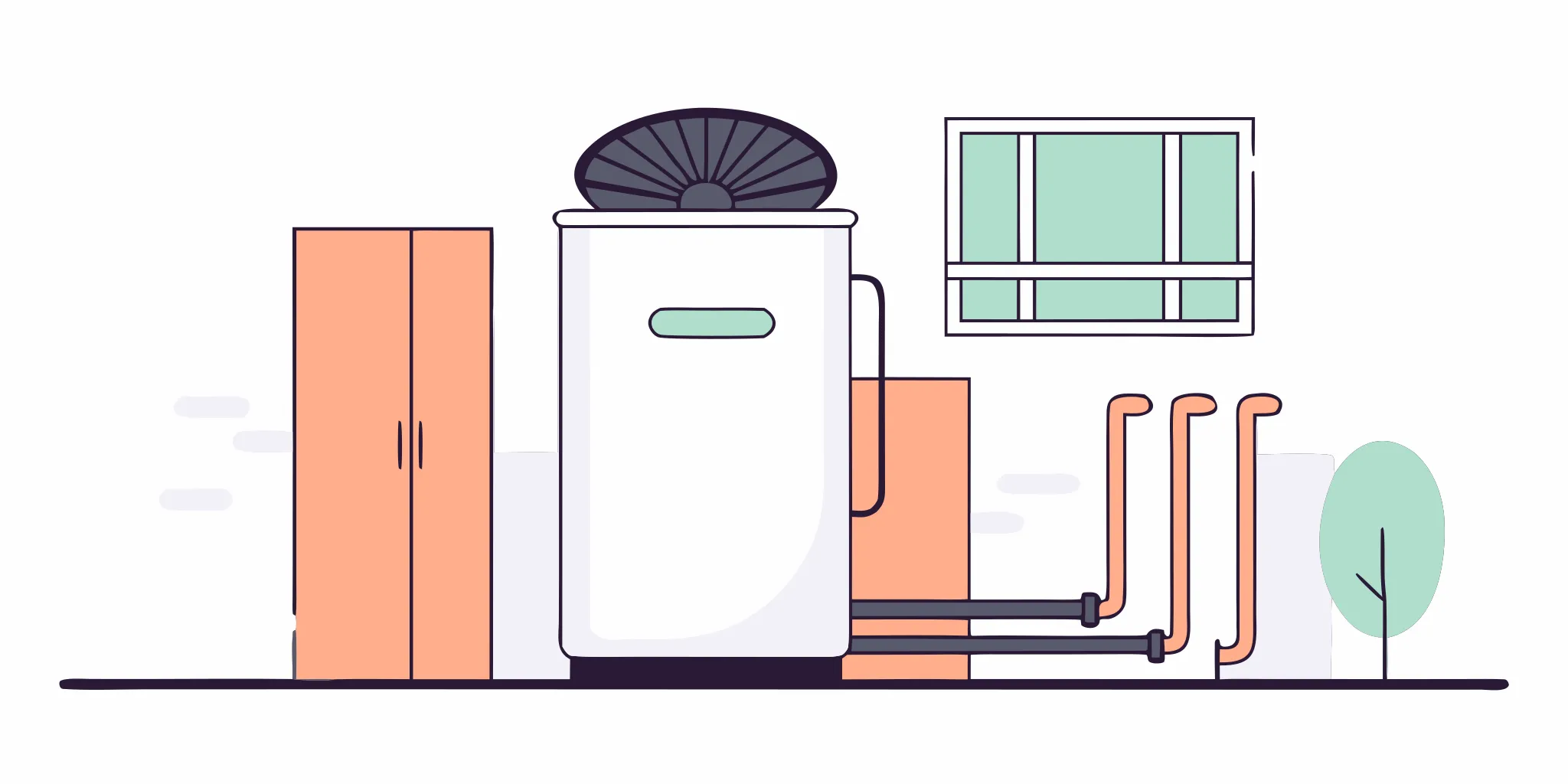
An energy-efficient heat pump water heater installed in a home utility room.
Back to Blog
InsightsJune 26, 2026

Heat Pump Water Heater: Pros, Cons, and Savings

Find out how a heat pump water heater works, its pros and cons, and how much you can save on energy bills by switching to this efficient technology.

Living on the Space Coast means we have plenty of heat and humidity to go around. What if you could put that climate to work saving you money? That’s the simple idea behind a **heat pump water heater**. Instead of burning through electricity to heat your water from scratch, this system pulls warmth directly from our humid Florida air and transfers it into the tank. It’s an incredibly efficient process that not only lowers your energy bills but also dehumidifies your garage or utility room as a bonus. It’s a technology that feels like it was designed specifically for our homes. ## Key Takeaways * **Understand the Smart Technology**: Heat pump water heaters don't create heat; they move it from the surrounding air into your water tank. This heat transfer process uses significantly less electricity than traditional models, making them highly efficient and saving you money on your monthly energy bills. * **Confirm It Fits Your Home and Budget**: Before committing, make sure you have a suitable location, like a garage or basement with enough airflow, and the necessary 240-volt electrical circuit. While the upfront cost is higher, federal tax credits and local utility rebates can make the investment much more affordable. * **Choose a Model That Matches Your Needs**: To find the right unit, look at the UEF rating for energy efficiency and the "first hour rating" to ensure it can supply enough hot water for your family. A strong warranty, often 10 years, is also a key indicator of a quality, long-lasting appliance. ## How Does a Heat Pump Water Heater Work? If you can understand how a refrigerator works, you can understand a heat pump water heater. Think about it: your fridge doesn't make cold air; it pulls heat out of its interior and releases it into your kitchen. A heat pump water heater does the exact opposite. Instead of creating heat directly, these systems use electricity to [move heat from the surrounding air](https://www.energy.gov/energysaver/heat-pump-water-heaters) and transfer it into the water inside the tank. This process of transferring heat, rather than generating it from scratch, is what makes them so incredibly efficient. Because they are simply moving existing heat, they use significantly less energy than their traditional counterparts. It’s a clever approach that leverages basic physics to handle one of your home’s biggest energy demands. Here in Florida, where there’s always plenty of warmth and humidity in the air, these units have a constant source of heat to draw from, making them a perfect fit for our climate. This means they don’t have to work very hard to keep your water hot, saving you money year-round. ### How It's Different from a Standard Water Heater The biggest difference between a heat pump water heater and a standard electric model comes down to how they heat the water. A traditional electric water heater works like a giant kettle; it uses large heating elements submerged in the tank to directly heat the water. This method is effective, but it consumes a lot of electricity. A heat pump water heater, on the other hand, is much more sophisticated. It pulls warmth from the ambient air and transfers it to the water. According to the Department of Energy, this makes them two to three times more energy-efficient than a standard electric water heater. You get the same reliable hot water for showers and laundry but use a fraction of the energy to get it. ### The Main Parts: Compressor, Coils, and Condenser So, how does a heat pump water heater actually pull heat out of thin air? It uses a few key components working together in a cycle. Inside the unit, a fan draws in air from the surrounding room, which passes over coils filled with a special refrigerant. This refrigerant absorbs the heat from the air, turning from a liquid into a gas. Next, a compressor pressurizes this gas, which dramatically increases its temperature. The superheated gas then flows through another set of coils inside the water tank. Here, it releases its heat into the water, warming it up for your use. As it cools, the refrigerant turns back into a liquid, and the cycle starts all over again. It’s a continuous, efficient loop of heat transfer. ### Understanding Hybrid Mode One of the best features of modern heat pump water heaters is that most operate in a "hybrid" mode. This means they have both the efficient heat pump technology and traditional electric heating elements as a backup. On a typical day, the heat pump does all the work, saving you energy and money. But what happens when you have guests over and the demand for hot water suddenly spikes? That’s when the hybrid system shines. The unit automatically senses the increased need and kicks on the electric elements to heat the water more quickly, ensuring you don’t run out. This gives you the best of both worlds: incredible efficiency for everyday use and the on-demand power of a traditional heater when you need it most. Our technicians can help you find the right water heater service and settings for your family’s needs. ## Is a Heat Pump Water Heater Right for Your Home? A heat pump water heater sounds great on paper, but is it the right fit for your house? While the energy savings are a huge draw, this technology isn't a simple drop-in replacement for every old tank. Before you make a decision, there are a few practical things to consider. The good news is that for most homes here on the Space Coast, these units are a fantastic match. To figure out if a heat pump water heater will work for you, you’ll need to look at three key factors: the location where it will be installed, your home’s electrical system, and our local climate. Answering these questions will help you know for sure if you can take advantage of this efficient technology. Let’s walk through what you need to check. ### Do You Have the Right Space and Airflow? First things first, a heat pump water heater needs a little room to breathe. Unlike a standard water heater, it works by pulling heat from the surrounding air. To do this effectively, the U.S. Department of Energy explains that [heat pump water heaters](https://www.energy.gov/energysaver/heat-pump-water-heaters) need to be in a space that stays between 40°F and 90°F all year. They also require at least 1,000 cubic feet of air space around them. Think of a 10-foot by 10-foot room, and you’ve got the right idea. For most of us, an unfinished basement, utility room, or garage is the perfect spot. ### Checking Your Electrical Setup Next, you’ll want to take a peek at your electrical panel. Most [heat pump water heaters](https://spacecoastcooling.com/hvac-services/heat-pump-installation/) are powerful machines that require a dedicated 240-volt circuit, which is the same kind of outlet used for an electric stove or dryer. This is a higher voltage than a standard wall outlet. While some smaller models can run on 120 volts, the more common and powerful units need the 240-volt connection to operate efficiently. If you’re not sure what you have, don’t worry. One of our licensed technicians can easily check your home’s wiring and let you know if any adjustments are needed for a safe and proper installation. ### Why Florida's Climate Is Perfect for One Here’s where living in Florida gives you a major advantage. Heat pump water heaters thrive in warm, humid environments because they have plenty of heat to pull from the air. Our year-round warmth means the unit doesn’t have to work very hard to find the energy it needs to heat your water, making it incredibly efficient. As a bonus, the process of pulling heat from the air also acts as a free air conditioner and dehumidifier for the space it’s in. Imagine your hot, stuffy garage feeling cooler and drier all year long, just as a byproduct of heating your water. It’s a win-win that makes this technology a smart choice for Space Coast homeowners. ## The Pros and Cons of Heat Pump Water Heaters Making a smart choice for your home means looking at the full picture. Heat pump water heaters offer some incredible benefits, but they aren't the perfect fit for every single situation. It’s important to weigh the advantages against the potential drawbacks to see if this technology aligns with your home, budget, and lifestyle. Let's walk through the pros and cons together so you can feel confident about your decision. ### Pro: Major Energy Efficiency The biggest advantage of a heat pump water heater is its incredible energy efficiency. Instead of using heating coils to create heat from scratch like a traditional electric model, it works more like a refrigerator in reverse. It pulls warmth from the surrounding air and transfers it to the water in the tank. This process of moving heat, rather than generating it, makes them about [three times more efficient](https://www.nyserda.ny.gov/Featured-Stories/All-About-Heat-Pump-Water-Heaters) than standard electric water heaters. Here in Florida, where the air is almost always warm and humid, these units have plenty of ambient heat to work with, making them especially effective. ### Pro: Save Money on Your Utility Bills All that efficiency translates directly into lower monthly utility bills. Because the system uses so much less electricity to heat the same amount of water, you’ll see a noticeable drop in your energy consumption. For an average family, this can mean saving hundreds of dollars each year on electricity costs. Over the 10- to 15-year lifespan of the unit, those savings can really add up, often totaling thousands of dollars. This long-term financial benefit is one of the most compelling reasons homeowners make the switch. ### Pro: A Greener Way to Heat Your Water If reducing your home's environmental impact is important to you, a heat pump water heater is a fantastic choice. By using significantly less electricity, you are directly cutting down on the demand placed on the power grid. This helps lower your household's carbon footprint and reduces the greenhouse gas emissions associated with energy production. It’s a practical way to make your home more sustainable without sacrificing comfort. You get all the hot water you need while knowing you’re using a more environmentally responsible technology. ### Con: Higher Upfront Cost Let's be upfront: the initial purchase and installation cost for a heat pump water heater is higher than for a standard model. This can be a hurdle for some homeowners. However, this is one of those investments where the math often works out in your favor over time. The significant energy savings, combined with federal tax credits and local utility rebates, help offset the initial price tag. Most homeowners find that the unit [pays for itself](https://www.hotwater.com/info-center/advantages-disadvantages-of-heat-pumps.html) in energy savings within just a few years, making it a financially sound long-term decision. ### Con: They Can Be a Bit Noisy Because a heat pump water heater has a fan and a compressor to move air, it does make some noise while it’s running. It’s not loud, but it is noticeable. The sound is often compared to that of a modern refrigerator or a small window air conditioner. For this reason, we typically recommend installing them in a garage, utility closet, or basement where the sound won't be a bother. If your current water heater is located in a main living area, the noise is definitely something to consider before making a final decision. ### Con: Slower to Reheat Water A heat pump water heater heats water more slowly than a traditional electric or gas model. This is known as a slower "recovery rate." For most households, this isn't an issue, as the large tank holds plenty of hot water for daily use. However, if you have a large family or frequently have guests who take back-to-back showers, you could run out of hot water. The good news is that these units are "hybrid" for a reason. They have standard electric heating elements that can be activated for periods of high demand, ensuring you get hot water quickly when you need it most. ## The Cost of a Heat Pump Water Heater—and Is It Worth It? Let’s talk numbers. The biggest question homeowners have about heat pump water heaters is whether the investment makes sense. While the initial price tag is higher than a traditional tank, the long-term savings are significant, especially here in Florida. When you factor in energy bill reductions, tax credits, and local rebates, you’ll find that a heat pump water heater isn’t just an expense; it’s a smart financial decision for your home. Let's break down exactly what you can expect to spend and, more importantly, what you can expect to save. ### Breaking Down Purchase and Installation Costs The first thing to know is that the upfront cost has two parts: the unit itself and the professional installation. The price of the water heater can range from $1,000 to $2,500, depending on the brand and tank size. For example, a popular 50-gallon model typically costs between $1,700 and $1,900. Installation costs vary based on your home’s current plumbing and electrical setup. Because these units require a condensate drain and specific ventilation, the installation is more involved than a standard tank. That’s why getting an upfront, transparent quote is so important. Our technicians will assess your space and give you a clear, honest price with no surprises, so you know the full cost before we begin any work. ### How Long Until It Pays for Itself? This is where the investment really starts to pay off. Heat pump water heaters have much [lower operating costs](https://www.energy.gov/energysaver/heat-pump-water-heaters) because they use a fraction of the electricity. Homeowners can save between $200 and $550 on their utility bills every single year. For a family of four, that adds up to an estimated $5,610 in savings over the lifespan of the unit compared to a standard electric model. Here on the Space Coast, the payback period is often even shorter. These units work by pulling warmth from the surrounding air, and our warm, humid climate provides an endless supply of free energy for them to use. Your water heater runs more efficiently, and you see the return on your investment faster. ### Save with Federal Tax Credits To make energy-efficient upgrades more affordable, the federal government offers some fantastic incentives. Through the Energy Efficient Home Improvement Credit, you can claim a tax credit for 30% of the project cost, up to a maximum of $2,000. A tax credit is a dollar-for-dollar reduction of the income tax you owe, making it a powerful tool for saving money. Our team stays up-to-date on these programs and can help you choose an ENERGY STAR certified model that qualifies for the credit. We’ll also provide the documentation you need to make filing your taxes simple and straightforward, ensuring you get the full savings you’re entitled to. ### Find Local Rebates and Incentives On top of the federal tax credit, many local utility companies offer their own rebates to encourage homeowners to switch. For instance, Florida Power & Light (FPL) often has programs that provide instant point-of-sale rebates or bill credits for installing a qualifying heat pump water heater. These local incentives can be stacked with federal credits, bringing your out-of-pocket cost down even further. These programs can change, so it’s always a good idea to check for the latest offers. You can explore rebates from your utility provider or just ask us during your consultation. We’re always happy to help you find every available discount to make your upgrade as affordable as possible. ### Our Flexible Financing Options We understand that a new water heater is a significant purchase, even with credits and rebates. To ensure you don’t have to put off an important home upgrade, we offer flexible financing options through Greensky. This allows you to get a new, high-efficiency water heater installed right away and pay for it over time with manageable monthly payments that fit your budget. Don’t let the upfront cost stand in the way of long-term savings and reliable hot water. Our team can walk you through the simple application process and help you find a plan that works for you. ## How to Choose the Right Model for Your Home Once you’ve decided a heat pump water heater is a good fit for your home, the next step is picking the right one. It’s a big investment, so you want to feel confident in your choice. While it might seem like there are a lot of options out there, you can narrow them down pretty quickly by focusing on a few key details. Think of it like buying a car; you wouldn’t just pick one based on color. You’d look at its fuel efficiency, size, and warranty to make sure it fits your family’s needs and budget. Choosing a water heater follows the same logic. We’re going to walk through the most important factors: energy efficiency ratings, tank size, warranty, and why professional installation is non-negotiable. Getting these four things right will ensure you end up with a system that delivers consistent hot water, saves you money for years to come, and gives you total peace of mind. It’s all about matching the technology to your lifestyle, and we’re here to help you make the perfect choice for your Space Coast home. ### Look for the UEF Rating When you start comparing models, one of the first things you should look for is the Uniform Energy Factor, or UEF, rating. Think of it as the MPG sticker for your water heater. A higher UEF means the unit is more energy-efficient, which translates directly into lower utility bills. According to [NYSERDA](https://www.nyserda.ny.gov/Featured-Stories/All-About-Heat-Pump-Water-Heaters), comparing models by their UEF rating is essential for understanding how much you can save over time. While a high-UEF model might have a slightly higher price tag, the long-term energy savings often make it the more economical choice. It’s a clear indicator of performance and a great way to ensure you’re getting the most bang for your buck. ### Get the Right Tank Size Picking the right tank size is critical for both comfort and efficiency. If the tank is too small, you’ll run out of hot water during peak times, and the unit will have to work overtime, using more electricity to keep up. On the other hand, a tank that’s too large will heat water you don’t use, wasting energy. To find the sweet spot, look at the "first hour rating" on the yellow Energy Guide label. This number tells you how many gallons of hot water the unit can produce in an hour, starting with a full tank. A family with two teenagers will need a much higher first hour rating than a retired couple. ### Check the Warranty Before You Buy A heat pump water heater is a long-term investment in your home, so you want to make sure it’s protected. Before you make a final decision, always check the warranty. Many top-tier models come with a 10-year warranty, which gives you a decade of peace of mind knowing that your investment is covered. A strong warranty is also a sign that the manufacturer stands behind its product’s quality and durability. It protects you from unexpected repair costs and ensures you can rely on your water heater for years to come. Don’t overlook this detail; it’s a key part of a smart purchase. ### Why Professional Installation and Maintenance Matter This is one home project you don’t want to DIY. Proper installation is absolutely crucial for a heat pump water heater to operate correctly and achieve those impressive energy savings. The [Department of Energy](https://www.energy.gov/energysaver/heat-pump-water-heaters) emphasizes that professional installation and regular maintenance are key to maximizing your unit’s performance and lifespan. Our licensed technicians are trained to handle the specific electrical and plumbing requirements, ensuring everything is set up for optimal efficiency from day one. We also offer affordable maintenance plans to keep your system running smoothly, protecting your investment and preventing small issues from turning into major headaches. ## Related Articles * [Expert Water Heater Installation & Replacement Cocoa, FL](https://spacecoastcooling.com/plumbing-services/water-heater-installation-replacement/) * [Can a Water Heater Cause Low Water Pressure in Your Home?](https://spacecoastcooling.com/can-a-water-heater-cause-low-water-pressure/) * [Professional Water Heater Repair Cocoa, FL](https://spacecoastcooling.com/plumbing-services/water-heater-repair/) * [Cocoa, FL Heat Pump Installation Services](https://spacecoastcooling.com/hvac-services/heat-pump-installation/) ## [Frequently Asked Questions](https://spacecoastcooling.com/faq/) **What happens if I have guests over? Will we run out of hot water?** This is a great question and a common concern. The good news is that most heat pump water heaters are designed as "hybrid" systems. For everyday use, the super-efficient heat pump does all the work. But when your demand for hot water increases, like when you have houseguests, the unit automatically activates its built-in electric heating elements. This gives you a powerful, fast-heating boost right when you need it, so you don't have to worry about anyone getting a cold shower. **Is the noise from a heat pump water heater disruptive?** Because these units use a fan and compressor, they do make a sound while operating, similar to a modern refrigerator or a small window AC unit. It’s a low, consistent hum. For this reason, we almost always install them in a garage, basement, or utility closet where the sound won't be a bother. If your current water heater is in a location where noise could be an issue, it’s something we can discuss during a consultation. **How much space do I actually need to install one?** A heat pump water heater needs good airflow to work efficiently. The general rule of thumb is that it should be in a room that is at least 1,000 cubic feet, which is about the size of a 10-foot by 10-foot space. A garage or a spacious utility room is usually a perfect fit. The unit also needs to be in a spot that stays above 40°F. Our technicians can take a look at your home and confirm if your intended location will work perfectly. **What if the heat pump component fails? Will I be stuck with cold showers?** Not at all. This is another benefit of the hybrid design. If the heat pump part of the unit ever needs service, the system will automatically switch over to its conventional electric heating elements. You will continue to have reliable hot water without any interruption. You’ll just temporarily miss out on the energy savings until the heat pump is repaired, but you will never be left in the cold. **With the higher price, how can I be sure it's a good financial decision?** It’s smart to look at the total cost over time. While the initial purchase is more than a standard tank, a heat pump water heater is an investment that pays you back. The significant savings on your monthly energy bills, combined with a federal tax credit of up to $2,000 and potential local utility rebates, dramatically lower the effective cost. Most homeowners find the unit pays for itself in just a few years, making it a very sound financial choice in the long run.
Available 24/7

Call the Experts that Local Homeowners Rely On

When you need home services, you want answers you can trust and work you can count on. Space Coast Cooling & Plumbing is the plumbing and HVAC company in Cocoa, FL, that brings decades of local experience, licensed professionals, and customer-first service to every job. One call connects you with a team ready to help.

Licensed & InsuredServing Cocoa Since 1994Honest, Upfront PricingSame-Day Service Available