Need Help? Call Us Now!
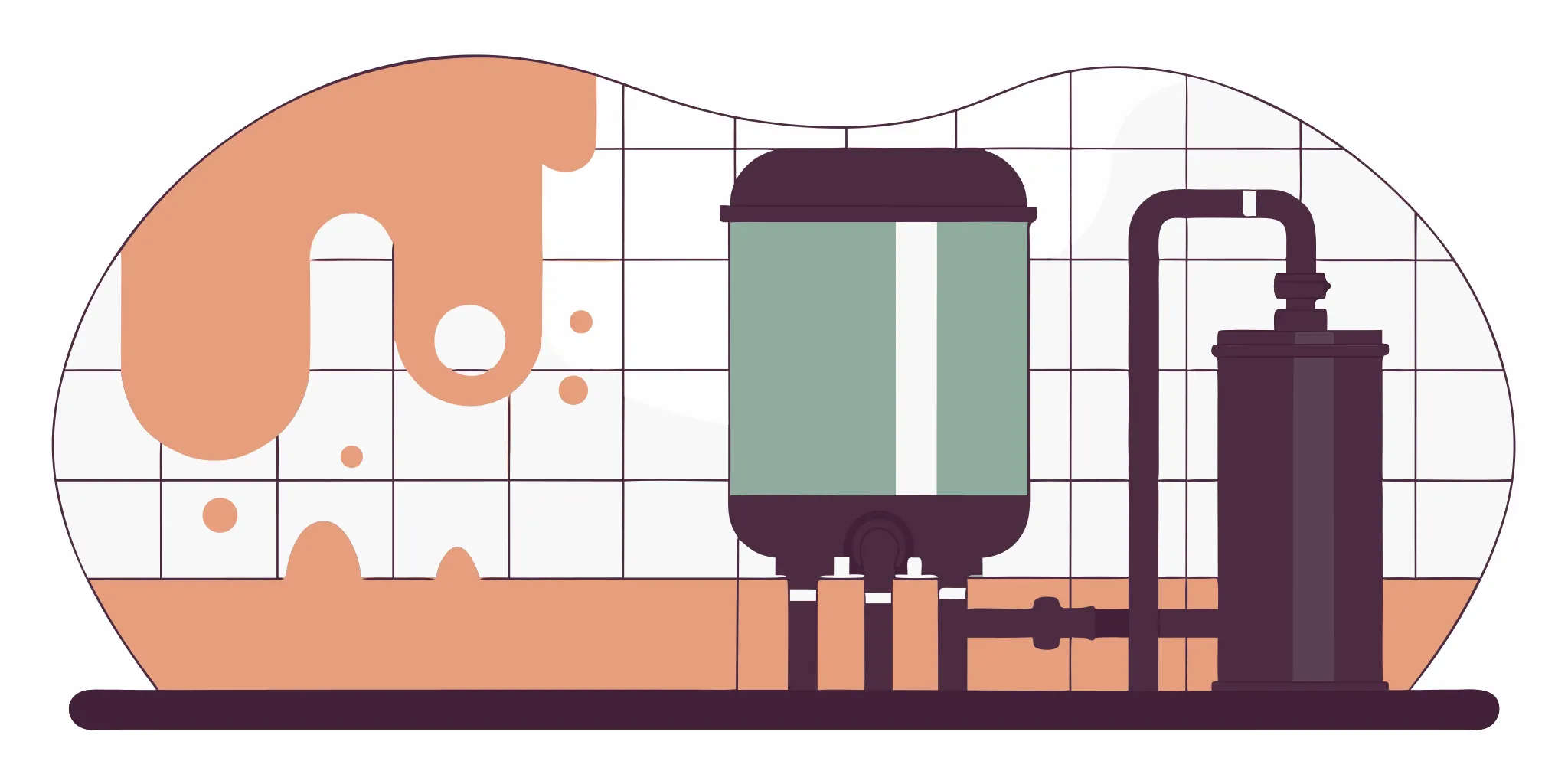
A hot water heater sitting in flood water, an unsafe condition after a flood.
Back to Blog
InsightsJune 28, 2026

Will a Hot Water Heater Work After a Flood? Why It's Unsafe

Wondering will hot water heater work after flood? Learn why using a flooded water heater is unsafe and what steps to take to protect your home and family.

The most dangerous part of a flooded water heater is that it might look completely unharmed. It’s a sturdy metal tank, after all. This leads many homeowners to wonder, "Will hot water heater work after flood?" The problem is that the most critical damage is entirely invisible. Floodwater soaks the internal insulation, creating a permanent breeding ground for mold and bacteria while rusting the tank from the inside out. It also corrodes the delicate electronic controls and safety valves that prevent fires and explosions. A unit that seems to work is actually a ticking time bomb. Here’s what you need to know about the hidden dangers and why a full replacement is the only safe path forward. ## Key Takeaways * **Never Use a Flooded Water Heater**: Even if it seems to work, internal corrosion creates hidden fire, shock, and gas leak hazards. Manufacturers and safety experts agree that replacement is the only safe choice. * **Understand the Hidden Dangers**: Floodwater ruins more than what you can see; it destroys electrical controls, clogs gas valves with silt, and saturates insulation with contaminants, turning the unit into a health and safety risk. * **[Follow a Safe Action Plan](https://spacecoastcooling.com/plumbing-services/water-heater-installation-replacement/)**: Your first step is to shut off the power and gas. Then, document the damage with photos for your insurance claim before calling a licensed plumber to manage the replacement. ## Why Is a Flooded Water Heater So Dangerous? After your home has flooded, the first instinct is often to assess the damage and see what can be salvaged. But when it comes to your water heater, what looks okay on the outside can be hiding serious dangers on the inside. A water heater that has been submerged, even for a short time, is no longer safe to operate. The internal damage from water, silt, and contaminants doesn't just go away when things dry out. It creates hidden, long-term risks that can put your home and family in jeopardy. ### Electrical Shock and Fire Hazards The most obvious danger is the combination of water and electricity. Floodwater easily seeps into your water heater’s electrical components, like the thermostat, control panel, and internal wiring. This exposure causes corrosion that can lead to dangerous short circuits. Even if the unit powers on after drying, the corroded parts are compromised and can fail unexpectedly. This creates a severe risk of electrical shock to anyone who touches the appliance or even a connected faucet. A malfunctioning electrical system can also overheat, creating a significant fire hazard that threatens your entire home. ### Gas Leaks and Explosions For homes with gas water heaters, the risks are equally alarming. Floodwater carries silt and debris that can clog and corrode the gas control valve, burner assembly, and other critical parts. This damage is often internal and impossible to spot with a visual inspection. A faulty gas valve might get stuck or fail to regulate gas flow, causing a leak. Because natural gas is highly flammable, a leak creates a serious potential for a fire or explosion. A damaged burner can also lead to incomplete combustion, which releases deadly, odorless carbon monoxide gas into your home. ### Contaminated Water Supply Beyond the immediate mechanical dangers, a flooded water heater can compromise your family’s health. Floodwater is a toxic mix of bacteria, chemicals, sewage, and other pollutants. This dirty water soaks into the unit's insulation, which cannot be properly cleaned or disinfected. This creates a permanent breeding ground for mold and harmful bacteria that can thrive in the warm environment. As a result, the hot water coming from your taps could be [contaminated](https://www.epa.gov/ground-water-and-drinking-water/septic-systems-what-do-after-flood), making it unsafe for bathing, washing dishes, or laundry. Using this water could expose your family to a range of waterborne illnesses. ## What Parts of a Water Heater Does a Flood Ruin? When you’re dealing with the aftermath of a flood, it’s tempting to hope that some of your appliances survived. A water heater might look sturdy enough on the outside, but floodwater is uniquely destructive to its internal systems. The real danger lies in the damage you can’t see. Silt, contaminants, and corrosive moisture get into every critical component, creating serious safety hazards that can surface long after the water has receded. Let’s walk through exactly which parts are compromised and why a flooded unit is never safe to use. ### Gas Valve and Burner For homes with gas water heaters, the burner assembly and gas control valve are extremely vulnerable. These parts sit at the bottom of the unit, meaning they are the first to be submerged. Floodwater isn't just water; it’s a mix of dirt, silt, and other corrosive materials. This debris can clog the burner and infiltrate the gas valve, causing it to rust or stick. A valve that’s stuck open can lead to a dangerous gas leak, while a clogged burner can result in incomplete combustion and the release of carbon monoxide. Because this [damage might not be immediately obvious](https://www.facebook.com/hallerenterprises/posts/-dealing-with-a-flooded-water-heaterflooding-and-water-heaters-dont-mix-and-oper/1297516015715334/), trying to operate the unit is a major gamble. ### Thermostat and Electrical Parts Whether your water heater is gas or electric, it relies on electrical components to function. The thermostat, electronic ignition controls, and heating elements are all susceptible to catastrophic failure from water exposure. When these parts are flooded, they can short-circuit, and even after they dry out, a film of residue is left behind that leads to corrosion. This corrosion can cause the controls to malfunction, creating a serious risk of fire or electric shock. The National Electrical Manufacturers Association (NEMA) is clear that any electrical equipment exposed to floodwater should be replaced, and your water heater’s controls are no exception. It’s simply not a risk worth taking. ### Insulation and Tank Structure Here’s a problem you can’t see or fix: the insulation. Between the inner water tank and the outer metal jacket is a thick layer of insulation. When the unit floods, this material acts like a sponge, soaking up contaminated floodwater. This water is often filled with bacteria, sewage, and chemicals, and it becomes trapped inside the unit. According to water heater manufacturers, it is [impossible to properly disinfect](https://www.hotwater.com/info-center/technical-bulletins/bulletin-0823.html) this soaked insulation, turning your water heater into a breeding ground for mold and bacteria. This moisture also stays pressed against the inner tank, dramatically accelerating rust and corrosion from the outside in, which can weaken the tank and lead to a future leak or rupture. ### Pressure Relief Valve Every water heater has a temperature and pressure (T\&P) relief valve, which is arguably its most important safety feature. This valve is designed to automatically open and release pressure if the temperature or pressure inside the tank gets dangerously high, preventing a potential explosion. Floodwater can introduce silt and debris into this valve, causing it to corrode and fail. It might get stuck shut, which means it can no longer protect you from an over-pressurization event. A failed T\&P valve turns a simple appliance into a genuine threat. For this reason alone, safety experts and manufacturers agree that a flooded water heater must be taken out of service. ## Will a Flooded Water Heater Actually Work? After a flood, one of the first things you want is a return to normal, and a hot shower is high on that list. So, when you see your water heater standing there, you might wonder, "Can I just dry it out and turn it back on?" It’s a tempting thought, especially with the stress and cost of flood recovery. The short answer, however, is a firm no. Even if the unit seems to power on, using a flood-damaged water heater is a serious gamble with your home and your family’s safety. Let's walk through why what looks like a working appliance is actually a hidden hazard. ### The Deceptive "It Still Works" Problem This is one of the most dangerous aspects of a flooded water heater. It might dry out and even start working again, giving you a false sense of security. You might get hot water for a day, a week, or even a month. But inside, critical components are corroding and failing. The unit is now completely unpredictable and prone to sudden, dangerous malfunctions long after the floodwaters have receded. Relying on an appliance that "seems to work" is a risk that's just not worth taking. Think of it as a ticking clock; you just don't know when it’s set to go off. ### Understanding the Hidden Damage Floodwater isn't just water; it's a corrosive mix of dirt, chemicals, and contaminants that gets into every part of your water heater. This sludge can ruin the internal wiring, control panels, and thermostats, creating a serious risk of electrical shorts and fires. For gas models, the burner assembly and gas valve can rust, leading to inefficient operation or dangerous gas leaks. The water also saturates the insulation between the inner and outer tanks. This not only makes the unit work harder (and cost you more) but also traps moisture against the metal, accelerating rust that can compromise the tank's structure from the inside out. This [harm to wires and connections](https://www.hotwater.com/info-center/technical-bulletins/bulletin-0823.html) is often invisible until it's too late. ### Why Manufacturers Mandate Replacement This isn't just our opinion; it's the official, non-negotiable rule from the people who build these appliances. Every major water heater manufacturer states that any unit submerged in water must be replaced, not repaired. This isn't a sales tactic. It's a strict safety mandate because they know the internal damage is too severe and unpredictable. In fact, they consider the liability so great that they will not sell replacement parts for a flood-damaged unit. A [water heater that has been flooded](https://www.uswhpro.com/flood-damaged-water-heater) is considered unsafe by the very companies that designed it, and that should tell you everything you need to know about the risk of trying to use one. ## How to Spot Flood Damage on Your Water Heater After a flood, your first instinct might be to check if your appliances still work. With a water heater, however, a quick visual inspection isn't enough to determine if it's safe. Floodwater leaves behind a trail of destruction, some of which is easy to spot and some of which is dangerously hidden. Knowing what to look for can help you understand why professionals almost always recommend a full replacement. It’s about protecting your home and family from the risks that linger long after the water is gone. Here’s a breakdown of the visible and invisible signs of a flood-damaged water heater. ### Obvious Signs of Damage Some flood damage is immediately apparent if you know where to look. Start by examining the outside of the unit and the area around it. You’ll want to look for clear water lines or discoloration on the tank itself, which show how high the water reached. Check for new rust streaks, as floodwater accelerates corrosion. You might also notice that certain parts are physically broken, like the sight glass (the small viewing window on some models) or plastic components on the exterior. Any mud, silt, or debris caked onto the unit or its connections is another tell-tale sign that it was submerged and needs a professional evaluation right away. ### Hidden Signs You Can't See The most dangerous damage is often the kind you can't see. Floodwater seeps into every part of your water heater, compromising critical components. The internal wiring, electronic controls, and thermostat can corrode, creating a serious fire or shock hazard. Major manufacturers issue [technical bulletins](https://www.hotwater.com/info-center/technical-bulletins/bulletin-0823.html) warning that parts like gas valves and safety controls can fail without any outward signs. Furthermore, the unit’s insulation becomes saturated with contaminated water, which is nearly impossible to dry out or clean. This trapped moisture will cause the tank to rust from the inside out, eventually leading to a leak or catastrophic failure. This hidden damage is why a flooded water heater is never truly safe to operate. ## What to Do Immediately After Your Water Heater Floods Walking into your garage or utility closet to find your water heater sitting in a pool of water is a sinking feeling. Your first instinct might be to panic or start cleaning, but before you do anything, it’s critical to focus on safety. The moments right after you discover the flood are the most important for protecting yourself, your family, and your home. Taking the right steps in the right order can prevent electrical shock, gas leaks, and further property damage. Follow this immediate action plan to handle the situation safely and prepare for a smooth recovery process. ### Step 1: Shut Off the Power and Gas Your absolute first priority is safety. Before you even step into the water, you must cut the power to the water heater to prevent a serious risk of electrocution. Go to your home’s breaker box and flip the circuit breaker connected to your water heater. If you have a gas model, you also need to shut off the gas supply. Look for the gas shut-off valve on the pipe leading to the unit’s controller and turn it so it’s perpendicular to the pipe. This single step is the most important thing you can do to secure the area and prevent a dangerous accident. ### Step 2: Don't Try to Turn It On Once the power and gas are off, you might be tempted to see if the unit still works. Please don’t. Manufacturers and safety experts are clear: a water heater that has been submerged in floodwater must be replaced. Even if it seems to function, its internal components, like the thermostat, controls, and insulation, are compromised. Corrosion and sediment from floodwater can cause the unit to fail catastrophically later, leading to fire or explosion. Trying to run a flood-damaged appliance is a risk that is never worth taking. ### Step 3: Document the Damage Before you move anything or start cleaning, pull out your phone and document everything. Take clear photos and videos of the flooded area, showing the water level on the tank and any damage to the surrounding space. This evidence is essential for your insurance claim. Insurers need proof that the damage was caused by the flood, and your documentation will be a critical part of your file. Be thorough, as this record will help streamline the homeowners insurance claim process and ensure you get the coverage you’re entitled to for the replacement and any necessary water damage restoration. ### Step 4: [Call a Licensed Plumber](https://spacecoastcooling.com/plumbing-services/emergency-plumber/) With the area secured and documented, it’s time to call in a professional. A licensed plumber can safely assess the situation, disconnect the damaged unit, and help you choose the right replacement. They understand local building codes and can ensure your new water heater is installed correctly and safely. At Space Coast Cooling & Plumbing, our team is available 24/7 for emergencies just like this. We can provide an upfront, honest assessment and handle the entire water heater replacement process, getting your home back to normal and restoring your peace of mind. ## Can a Flooded Water Heater Be Repaired? After dealing with the stress and mess of a flood, it’s completely understandable to hope for a simple fix. You might be wondering if a skilled technician can just dry out the components, replace a part or two, and get your water heater running again. Unfortunately, when it comes to flood damage, the answer from every major manufacturer and safety expert is a clear and resounding no. A water heater that has been submerged in floodwater, even partially, cannot be safely repaired and must be replaced. This isn't a sales tactic; it's a critical safety mandate designed to protect you, your family, and your home. The risks associated with trying to salvage a flooded unit are far too severe. Floodwater introduces problems that go much deeper than just getting things wet. From compromised electrical systems to hidden corrosion and contamination, the internal damage is often invisible and creates a dangerous situation in your home. Even if the unit seems to work for a little while, its internal safety mechanisms have likely been destroyed. Attempting a repair might seem like a way to save money, but it puts your property and your family's safety on the line. ### Why Repair Isn't a Safe Option Floodwater isn't just water. It’s a mix of dirt, silt, chemicals, and bacteria that gets into every part of your water heater’s base. This corrosive sludge can cause [damage you can't see](https://www.hotwater.com/info-center/technical-bulletins/bulletin-0823.html) inside critical components like the gas valve, thermostat, and wiring. Even if the unit powers on after drying out, its safety controls may be compromised. The insulation can also become saturated, leading to mold growth and losing its ability to function, which makes the unit inefficient and a potential fire hazard. A seemingly functional water heater could be an accident waiting to happen, with risks of electrical shock, fire, or even an explosion for gas models. ### Repair vs. Replacement: A Cost Breakdown While replacing an appliance is an unexpected expense, trying to repair a flood-damaged water heater is not a sound financial decision. First, manufacturers are very clear that their warranties [do not cover damage](https://www.uswhpro.com/flood-damaged-water-heater) from external events like floods. Any attempt to fix the unit automatically voids whatever warranty was left. This means you would be paying out-of-pocket for a technician's time and any parts, with zero guarantee of a safe or lasting solution. In the end, you would likely have to pay for a full replacement anyway, after already sinking money into a failed repair. The safest and most financially responsible choice is to invest in a new, reliable water heater from the start. ## Does Flooding Void Your Warranty—and Will Insurance Cover It? Once you’ve handled the immediate safety steps, your mind probably jumps to the cost. Who is going to pay for this? It’s a valid question, and the answer depends on your warranty and insurance policies. Understanding how these work after a flood is the key to getting your home back in order without breaking the bank. The good news is that you often don’t have to bear the full financial burden alone, but you need to know who to call and what to say. ### How Flood Damage Affects Your Warranty Let’s get straight to the point: a flood will almost certainly void your water heater’s manufacturer warranty. Warranties are designed to cover defects in materials or workmanship from the factory, not damage from external events like fires, accidents, or floods. Manufacturers consider flooding an "act of God," which falls outside the scope of their responsibility. In fact, major brands are very clear on this. Their technical bulletins state that any water heater that has been submerged in water [must be replaced](https://www.hotwater.com/info-center/technical-bulletins/bulletin-0823.html), not repaired. Attempting to fix or use a flood-damaged unit is not only unsafe, but it also ensures that any future issues won’t be covered. The official recommendation is always replacement, which is important information to have when you speak with your insurance company. ### Homeowners Insurance vs. Flood Insurance Whether your insurance will cover the replacement often comes down to where the water came from. Standard homeowners insurance usually covers sudden and accidental water damage originating *inside* your home, like a burst supply line or a washing machine overflow. If that’s what flooded your water heater, you’re likely in a good position to file a claim. However, most homeowners policies specifically exclude damage from natural floods. That’s where a separate [flood insurance policy](https://www.fema.gov/flood-insurance) comes in. If your home was flooded by a storm surge, heavy rains, or rising riverbeds here on the Space Coast, this is the policy you’ll need. Your best first step is to call your insurance agent right away. They can review your specific policies and guide you on what’s covered. ### Tips for a Successful Insurance Claim Filing an insurance claim can feel like a lot to handle, but a few simple steps can make the process much smoother and improve your chances of getting the coverage you need. First, document everything. Before you move or clean anything, take plenty of clear photos and videos of the flooded water heater, its model and serial number plate, and the surrounding area. This visual evidence is crucial for your claim. Next, get a professional assessment. Your insurance company will need an expert opinion, so call a licensed plumber to inspect the unit. We can provide a formal, written quote detailing the damage and the cost for a full replacement, which is exactly the kind of documentation your adjuster needs. ## Get Your Hot Water Back Safely After dealing with a flood, your first instinct is to get things back to normal, and that includes having hot water. But when it comes to a water heater that’s been submerged, safety has to be the absolute top priority. Major manufacturers are clear on this: if your water heater has been in a flood, it must be replaced. Even if it seems to work, floodwater introduces dangers that aren't visible from the outside. Corrosive materials in the water can damage critical safety controls, thermostats, and valves, while the internal insulation becomes contaminated and can’t be properly cleaned. These hidden issues can lead to fires, gas explosions, or electrical shocks down the road. ### Expert Water Heater Replacement on the Space Coast The only safe path forward is a full replacement. According to [manufacturer guidelines](https://www.hotwater.com/info-center/technical-bulletins/bulletin-0823.html), a flood-damaged water heater cannot be safely repaired. Floodwater carries silt, chemicals, and other contaminants that get into every component, ruining electrical parts and compromising the unit’s structural integrity. Attempting a repair isn't just unsafe; it also voids any existing warranty on the unit. A professional plumber can assess the situation, disconnect the old unit safely, and install a new one according to local codes. Our licensed technicians at Space Coast Cooling & Plumbing can help you select the right model for your home and get it installed quickly, so you can have reliable, safe hot water again. ### Preventing Future Flood Damage Once your new water heater is in, it’s a good idea to take steps to protect it from future flooding. Since we live in a low-lying coastal area, elevating your water heater is one of the smartest moves you can make. A professional can [install it on a special water heater stand](https://www.uswhpro.com/flood-damaged-water-heater) or a sturdy platform to raise it above potential flood levels. It’s also wise to consider the age of your unit. If your water heater is over 10 years old, replacing it proactively can be far less expensive than dealing with the aftermath of a burst tank. Finally, simple, regular checks for small leaks or rust can help you catch a problem before it turns into a catastrophe. ## Related Articles * [Can a Water Heater Cause Low Water Pressure in Your Home?](https://spacecoastcooling.com/can-a-water-heater-cause-low-water-pressure/) * [Professional Water Heater Repair Cocoa, FL](https://spacecoastcooling.com/plumbing-services/water-heater-repair/) * [Emergency Plumber Cocoa, FL](https://spacecoastcooling.com/plumbing-services/emergency-plumber/) * [Expert Water Heater Installation & Replacement Cocoa, FL](https://spacecoastcooling.com/plumbing-services/water-heater-installation-replacement/) ## [Frequently Asked Questions](https://spacecoastcooling.com/faq/) **What if the floodwater was only a few inches deep and didn't seem to reach any important parts?** Even a small amount of water is a major problem. The most critical and sensitive components of your water heater, like the gas burner assembly, pilot light, and main control valve, are located at the very bottom of the unit. Just an inch or two of water is enough to submerge and ruin them. The water also soaks into the base and gets wicked up into the internal insulation, where it becomes trapped and causes corrosion you can't see. **Why can't a technician just dry out the components and clean the unit?** The real issue is the damage you can't reach. The space between the inner tank and the outer metal jacket is filled with insulation that acts like a sponge for contaminated floodwater. It's impossible to access, clean, or disinfect this material, so it becomes a permanent breeding ground for mold and bacteria. This trapped moisture also constantly sits against the metal tank, causing it to rust from the outside in, which can lead to a future rupture. **My water heater seems to be working fine after drying out. Is it really necessary to replace it?** Yes, it is absolutely necessary. A water heater that seems to work after a flood is giving you a false sense of security and is one of the most dangerous scenarios. The internal damage, like corrosion on wires and silt in safety valves, has already begun. The unit may function for a while, but its safety mechanisms are compromised and can fail without warning, creating a sudden risk of fire, gas leaks, or electrical shock weeks or even months later. **How can I prove to my insurance company that the water heater needs to be replaced, not repaired?** Your best tool is professional documentation. First, take many clear photos of the water line on the tank and the surrounding area. Then, call a licensed plumber for an official inspection. We can provide a formal written statement explaining that, according to every major manufacturer's safety guidelines, a flood-damaged unit cannot be safely repaired and must be replaced. This expert assessment is the evidence your insurance adjuster needs to approve the claim. **Is there anything I can do to protect my new water heater from future floods?** Yes, and it's a smart move, especially here in Florida. The best preventative step is to have your new water heater installed on an elevated platform or a specially designed stand. This raises the unit's critical components several inches off the ground, keeping them safely above the water level of most minor floods. A professional installer can build a sturdy, code-compliant platform that will give you valuable protection and peace of mind.
Available 24/7

Call the Experts that Local Homeowners Rely On

When you need home services, you want answers you can trust and work you can count on. Space Coast Cooling & Plumbing is the plumbing and HVAC company in Cocoa, FL, that brings decades of local experience, licensed professionals, and customer-first service to every job. One call connects you with a team ready to help.

Licensed & InsuredServing Cocoa Since 1994Honest, Upfront PricingSame-Day Service Available