Need Help? Call Us Now!
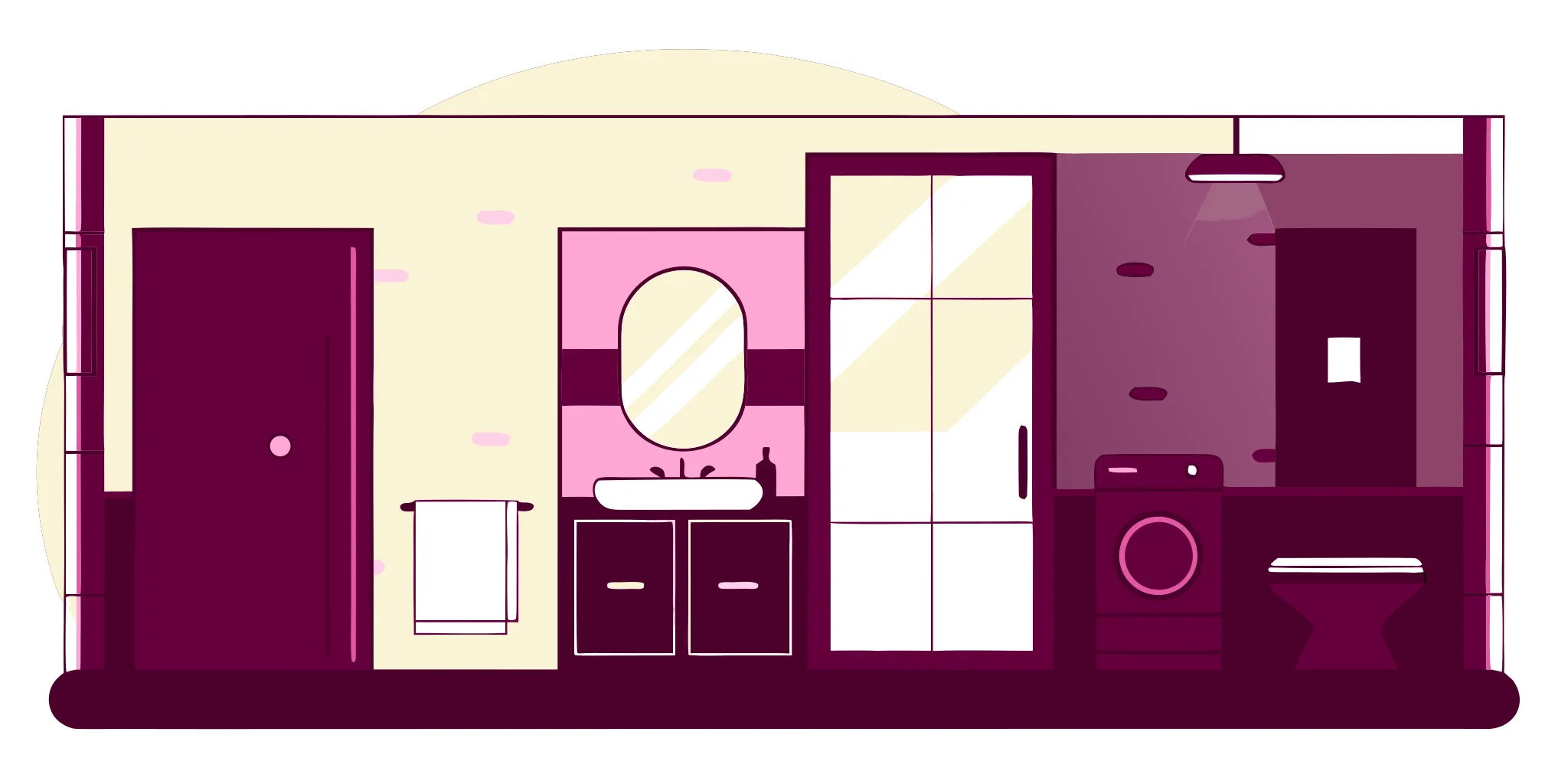
A modern bathroom, a common area to check for hidden water leaks in your home.
Back to Blog
InsightsJune 26, 2026

How to Find a Water Leak Anywhere in Your Home

Learn how to find a water leak in your home with practical tips for spotting hidden leaks, checking your meter, and knowing when to call a plumber.

When you suspect a leak, you become your home’s first detective. Your senses are your most valuable tools: your eyes can spot a subtle stain on the ceiling, your ears can pick up a faint hissing sound, and your nose can detect a musty odor that signals hidden moisture. But knowing what to look for is only half the battle. You also need a clear plan of action to confirm your suspicions and locate the source of the problem. Think of this article as your step-by-step field guide. We’ll show you how to find a water leak using simple, effective tests you can perform yourself, giving you the confidence to solve the mystery. ## Key Takeaways * **Pay attention to your home's warning signs**: Your house will often signal a problem before it becomes a catastrophe. Watch for visual cues like water stains, listen for dripping sounds when it's quiet, and investigate any sudden, unexplained spikes in your water bill. * **Use your water meter to confirm a hidden leak**: The most reliable way to know if you have a leak is to perform a simple meter test. Turn off all water inside and outside your home, then check if the meter's dial moves over the course of an hour; any change confirms a leak. * **Know which leaks are DIY and which need a pro**: While you can handle simple checks like the toilet dye test, you should leave complex issues to a professional. Leaks inside walls, under your foundation, or any problem you can't quickly solve require an expert to prevent serious and costly damage. ## Do You Have a Water Leak? Watch for These Signs Water leaks can be sneaky, but your home often gives you clues long before a pipe bursts. Some signs are obvious, while others require a bit of detective work. Knowing what to look for can help you catch a small drip before it turns into a costly disaster. Paying attention to changes in your home’s sights, sounds, and even your utility bills is the first step in protecting your property. ### Obvious Warning Signs to Look For The most straightforward signs of a water leak are the ones you can see, smell, or feel. Walk through your home and keep an eye out for damp spots on ceilings or walls, which can feel soft to the touch. You might also notice dark or yellowish water stains, bubbling or peeling paint, or warped drywall. Puddles of water under sinks or around appliances are a clear red flag. Don't ignore your nose, either; a persistent musty odor often points to hidden moisture and potential [mold growth](https://www.epa.gov/mold/brief-guide-mold-moisture-and-your-home). On concrete or block walls, you might see white, chalky streaks, which means water is seeping through the masonry. ### Hidden Clues You Might Be Missing Not all leaks leave a puddle on the floor. Sometimes, the only clues are much more subtle. Have you noticed a sudden drop in water pressure when you turn on the shower? That could indicate a leak somewhere in your plumbing system. It’s also a good idea to listen for unusual sounds. When your house is quiet, pay attention to any faint dripping, hissing, or gurgling noises coming from inside your walls or floors. These sounds often mean water is escaping from a pipe, even if you can't see it. These hidden clues are your home’s early warning system, and catching them can save you a major headache. ### Why Your Water Bill Is Suddenly So High If you open your water bill and are shocked by the total, don't dismiss it. A sudden, unexplained spike in your water usage is one of the most common signs of a hidden leak. Even a tiny drip from a faulty pipe can waste a surprising amount of water over time. According to the EPA, a leak of just one drip per second can waste more than 3,000 gallons per year. If your daily habits haven't changed but your bill has gone up, you likely have a leak. This is especially true for leaks in hard-to-see places, like under your home's foundation or in the underground pipes running through your yard. ## How to Check Your Water Meter for a Leak If you suspect a leak but can’t find the source, your water meter is your best detective. It’s designed to measure every drop of water flowing into your home, so it can quickly tell you if water is running when it shouldn’t be. This simple test is the most reliable way to confirm a hidden leak somewhere in your plumbing system. Most water meters in our area are located in a box near the curb or sidewalk, usually with a metal or plastic lid. You might need a screwdriver to gently pry the lid open. Once you have access, you can perform a quick check that will give you a definite answer. It only takes a few minutes, and it’s the first step our own technicians take when investigating a mysterious leak. ### A Step-by-Step Guide to Reading Your Meter Ready to play detective? Here’s how to use your meter to confirm a leak. First, you need to make sure no water is being used anywhere on your property. Turn off all faucets, showerheads, and appliances that use water, like your washing machine and dishwasher. Don’t forget outdoor spigots and irrigation systems. Once everything is off, head outside to your water meter. Note the number on the display or take a quick photo with your phone. Wait for at least an hour without using any water, then check the meter again. If the numbers have gone up, you have a leak. ### Understanding What Your Meter Is Telling You If the numbers on your meter changed while all the water was off, you’ve confirmed a leak. Some meters also have a small red, blue, or silver triangle or dial, often called a leak indicator. If this little dial is spinning, it means water is actively flowing through the meter, confirming a leak in real time. Now, you can take it one step further to figure out if the leak is inside or outside your home. Go to your home’s main water shut-off valve and turn it off. Check the meter again. If the dial has stopped spinning, the leak is somewhere inside your house. If it continues to spin, the leak is in the underground pipe between the meter and your house. This is a critical piece of information that helps a professional plumber [pinpoint the problem](https://www.rotorooter.com/frequently-asked-questions/water-damage-restoration/how-to-find-a-water-leak-underground/) much faster. ## How to Pinpoint Leaks in Your Bathroom and Kitchen Your kitchen and bathrooms are the hardest-working rooms in your home, with water constantly flowing through faucets, toilets, and appliances. Because they see so much action, they’re also the most common places for leaks to appear. The good news is that many of these leaks are easy to spot if you know what to look for. Think of it as a quick home health check-up. Spending a few minutes every month or so looking for trouble can save you from the stress of water damage and a surprisingly high water bill. Most of these checks don’t require any special tools, just a keen eye and a few minutes of your time. From a slow drip under the sink to a silent leak inside your toilet tank, these small issues can quickly become big headaches. They waste water, drive up your utility costs, and can lead to mold growth or structural damage to your cabinets and floors. By regularly checking these high-traffic areas, you can catch problems early and address them before they get out of hand. Let’s walk through a simple routine you can use to inspect the two rooms where water works the hardest. We'll cover everything from a simple toilet test to checking the hidden connections on your appliances. ### Try the Toilet Dye Test A constantly [running toilet](https://www.epa.gov/watersense/fix-leak-week) can waste hundreds of gallons of water a month without making much noise. This silent leak is usually caused by a faulty flapper in the tank, and there’s a simple, foolproof way to check for it. All you need is a small bottle of food coloring. Start by removing the lid from your toilet tank. Add a few drops of food coloring to the water inside the tank and put the lid back on, but don’t flush. Wait about 15 to 20 minutes. After the time is up, take a look inside your toilet bowl. If you see any of the colored water in the bowl, you have a leak. The flapper isn’t creating a tight seal, allowing water to seep from the tank into the bowl. ### Check Your Faucets, Showerheads, and Supply Lines That slow *drip, drip, drip* from a faucet is more than just an annoyance; it’s money going down the drain. Make it a habit to visually inspect your faucets and showerheads. Check for drips coming from the spout itself and also look for water pooling around the base of the fixture. Don’t forget to look down. The flexible water supply lines that connect your faucets and toilet to the shutoff valves in the wall can also be a source of slow leaks. Run your hand along these lines to feel for any moisture and use a flashlight to check the connections at both ends. A small drip here can go unnoticed, damaging the cabinet or flooring below. ### Inspect Under Your Sinks The cabinet under your kitchen or bathroom sink is a prime spot for hidden leaks to cause trouble. Because it’s often full of cleaning supplies, it’s easy for a small drip to go undetected until you smell something musty or notice a warped cabinet floor. At least once every few months, clear everything out from under your sinks and take a good look around with a flashlight. Check the pipes, especially the P-trap (the U-shaped pipe), for any signs of moisture. Look for water stains, peeling paint, or soft, damp spots on the bottom of the cabinet. Catching a leak here early can prevent water damage and stop mold before it has a chance to grow. ### Look for Leaks Around Your Appliances Many of our favorite kitchen and laundry appliances use water, and where there’s water, there’s a potential for leaks. Pay close attention to your dishwasher, refrigerator, and water heater. Check the floor around your dishwasher for any puddles or discoloration, especially after running a cycle. For your refrigerator, gently pull it out to inspect the water line that feeds the ice maker and water dispenser. These thin plastic tubes can become brittle and crack over time. You should also regularly inspect the area around your water heater for signs of rust or moisture on the floor. The supply hoses on these water-using appliances are a common failure point, and catching a problem early can save you from a major mess. ## How to Find a Water Leak Inside Your Walls A water leak hidden inside a wall can feel like a homeowner’s worst nightmare. You can’t see the source, but you can see the damage it’s causing. The good news is that you can often find the general area of the leak by playing detective. Pay close attention to your walls, especially in rooms with plumbing like bathrooms, kitchens, and laundry rooms. Catching these signs early is the key to preventing a small drip from turning into a major disaster. ### Look for Stains, Moisture, and Discoloration Your eyes are your best first tool. Look for any signs of water damage, no matter how small. This often appears as yellow, brown, or dark water stains on your drywall or ceiling. You might also notice paint that is bubbling, peeling, or blistering. In some cases, wallpaper will start to pull away from the wall. These visual cues are your home’s way of telling you that moisture is present where it shouldn’t be. Make a habit of scanning your walls and ceilings, particularly under upstairs bathrooms or near pipes, to catch these problems before they worsen. ### Use Your Senses: What to Smell, Hear, and Feel Next, use your other senses. A persistent, musty smell is a classic sign of hidden moisture and potential mold growth. If you notice an earthy odor that you can’t trace to anything else, a leak could be the culprit. Also, take a moment to listen. When all water-using appliances are off, your home should be quiet. If you hear a faint dripping, hissing, or running water sound coming from behind a wall, that’s a major red flag. You can also gently press on the wall. If the drywall feels soft, spongy, or cooler than the surrounding areas, you’ve likely found a damp spot. ### Helpful Tools for Finding Hidden Leaks For leaks that are harder to find, a few tools can help. Homeowners can place smart water leak detectors in high-risk areas like behind the washing machine or under a sink. These small devices will alert your phone at the first sign of moisture. For a non-invasive way to pinpoint a leak inside a wall, professionals use advanced equipment like moisture meters and infrared cameras. These tools allow a technician to "see" temperature differences and moisture behind the drywall without having to cut into it, saving you from unnecessary damage and repair costs. ## Suspect a Slab or Underground Leak? Here's What to Do Leaks hidden beneath your home's concrete slab foundation or buried in your yard are some of the most destructive. Because you can't see them, they can go unnoticed for weeks or months, silently wasting water and causing serious structural damage. If you notice any of the signs below, it’s important to act quickly. ### Key Signs of a Slab or Underground Leak The clues for these hidden leaks can be subtle. You might hear the sound of running water even when all your faucets are off. Some people notice a specific spot on their floor that feels unusually warm, which can point to a leak in a hot water line running under the slab. Look for new cracks appearing in your foundation, walls, or flooring. One of the most common red flags is a sudden, unexplained [increase in your water bill](https://www.epa.gov/watersense/fix-leak-week). If your usage habits haven't changed but your bill has shot up, a hidden leak is a likely culprit. Inside your home, you might also find damp carpets, warped hardwood floors, or the smell of mildew with no obvious source. These are all signals that water is seeping up from below. ### How to Inspect Your Yard and Foundation Start by taking a slow walk around your property. Look for areas in your yard that are constantly soggy, have standing water, or seem much greener and lusher than the surrounding grass. These can be signs that a water line is leaking underground. Also, pay close attention to your home's foundation and any paved areas like driveways or patios for new cracks or signs of shifting. Next, you can use your water meter to confirm a leak. First, make sure every water-using appliance in your home is turned off, including faucets, toilets, and your irrigation system. Then, find your water meter and watch it for a few minutes. Most meters have a small triangle or dial that moves when water is flowing. If that indicator is spinning, you almost certainly have a leak somewhere on your property. You can learn more about how to [read your specific water meter](https://www.wikihow.com/Read-a-Water-Meter) to be sure. ### How to Turn Off Your Home's Main Water Supply If the meter test confirms a leak, your next step is to shut off the main water supply to prevent further damage. This stops the flow of water into your home's entire plumbing system. In most Florida homes, the main shut-off valve is located outside where the water pipe enters your house, or sometimes in the garage. Look for a lever handle or a round, wheel-like handle (similar to what you'd see on an outdoor spigot). To turn the water off, turn the handle clockwise until it stops. If it’s a lever, a quarter turn should move it from a parallel position to a perpendicular one. Once the water is off, the immediate threat is contained. This is a temporary measure, and the final step is to call a professional for leak detection services. A licensed plumber has the specialized equipment to find the exact source of the leak without tearing up your entire yard or foundation. ## How to Prevent Water Leaks Before They Start Finding a leak is one thing, but preventing one from ever happening is the real goal. A little proactive care can save you from the stress and expense of water damage repairs down the road. By making a few simple checks part of your routine and knowing which areas need extra attention, you can protect your home and your peace of mind. These preventative steps don't require a lot of time, but they make a huge difference in keeping your home dry and your plumbing system healthy for years to come. ### Schedule Regular Plumbing Maintenance Think of plumbing maintenance like a regular health checkup for your home. Once every few months, take a walk around and inspect your appliances, pipes, and fixtures. Look for any early signs of trouble, like damp spots under sinks, water stains on ceilings, or even a musty smell that could indicate hidden mold growth. Don't forget to check outside, too. Make sure your gutters are clean and that downspouts direct water away from your foundation to prevent it from seeping into your home. For a more thorough inspection, having a professional plumber perform an annual maintenance check gives you an expert set of eyes on your entire system, catching small issues before they become big problems. ### Check Your Water Pressure and Update Old Pipes Two major culprits behind recurring leaks are high water pressure and old, worn-out pipes. Water pressure that’s too high puts constant strain on your entire plumbing system, from the pipes themselves to the fixtures and appliance hoses connected to them. You can easily check it with an inexpensive gauge from a hardware store, or we can test it for you. Ideally, your home's pressure should be between 40 and 60 PSI. If your home was built several decades ago, you might also have outdated pipes that are prone to corrosion and failure. Investing in a whole-home repipe can feel like a big project, but it’s one of the best ways to prevent widespread water damage in the future. ### Install Smart Leak Detectors Technology offers a fantastic line of defense against water damage, especially when you're away from home. Smart leak detectors are small, battery-powered sensors you can place in high-risk areas like your laundry room, basement, or under the kitchen sink. If one of these sensors detects moisture, it will immediately send an alert to your smartphone, giving you a critical head start to address the problem. Some advanced systems can even be paired with an automatic shut-off valve that will instantly stop the flow of water to your entire house. These [smart home devices](https://www.theverge.com/22528534/best-smart-leak-detector) are a simple and effective way to get 24/7 protection, preventing a minor drip from turning into a major flood. ### Use Drain Pans and Seal Gaps Some of the most effective preventative measures are also the simplest. Placing a drain pan under your washing machine and water heater is a perfect example. These inexpensive pans are designed to catch minor leaks and drips from these appliances, containing the water before it can soak into your floors and subflooring. It’s also a good idea to inspect where pipes enter your home or go through walls. Use caulk or expanding foam to seal any gaps around them. This not only helps prevent pests but also stops small amounts of water from seeping into hidden spaces. Taking a few minutes to add these physical barriers can make a world of difference in protecting your home from unexpected water damage. ## When to Call a Professional Plumber Knowing how to spot a leak is a great skill, but knowing when to call for backup is even more important. While tightening a faucet connection is a manageable DIY task, many plumbing issues require a professional touch. Trying to fix complex problems yourself can accidentally cause more damage, turning a small leak into a major flood. If you’re feeling unsure or the problem seems bigger than a simple fix, it’s always smarter and safer to contact a licensed plumber. A professional can diagnose the issue correctly the first time and has the right tools to fix it for good, giving you peace of mind. ### DIY Don'ts: Leaks to Leave to the Pros Some leaks are simply not DIY-friendly. If you’ve fixed a leak only to have it return, it’s a sign of a deeper problem that needs an expert eye. You should also leave any signs of a leak inside your walls, ceiling, or foundation to the pros. Plumbers use special tools like infrared cameras to find hidden moisture without tearing your walls apart. Any leak that involves major water flow, potential flooding, or a suspected underground pipe break is an immediate "call a plumber" situation. Trying to tackle these can lead to expensive structural damage and a much bigger mess than you started with. ### What to Expect from a Professional Leak Detection Service Calling a plumber for a leak you can't see can feel a bit nerve-wracking, but knowing what to expect helps. When you call a professional, they won't just start digging up your yard or breaking down walls. Instead, they use a systematic approach. A licensed technician will likely start by asking you questions and then use advanced, non-invasive equipment to [find the exact spot of the leak](https://www.rotorooter.com/frequently-asked-questions/water-damage-restoration/how-to-find-a-water-leak-underground/). Once they’ve pinpointed the source, they will explain the problem, walk you through the best repair options, and provide upfront pricing. The goal is to fix the issue with minimal disruption to your home and property. ### Why Acting Fast Saves You Money and Stress It’s easy to put off calling a plumber for a “small” leak, but procrastination is your enemy here. Water damage is progressive, meaning it gets worse the longer you wait. A slow drip can saturate drywall, ruin flooring, and invite mold growth. Over time, this can lead to significant structural issues and [costly damage](https://openly.com/the-open-door/articles/water-mitigation) that can run into thousands of dollars to repair. Think of a professional plumbing bill as an investment. By addressing the leak quickly, you protect your home’s value, prevent more expensive repairs down the road, and save yourself a whole lot of stress. ### Reliable Leak Detection on the Space Coast If you live anywhere from Cocoa and Melbourne to Titusville or Palm Bay, you know that our Florida homes require a proactive approach. At Space Coast Cooling & Plumbing, we believe in preventing problems before they start. Regular plumbing inspections are one of the best ways to catch potential issues early. Our licensed technicians live and work in the same communities you do, so we understand the unique plumbing challenges local homeowners face. Whether you have an emergency leak or want to schedule a routine check-up, our team is here 24/7 to provide honest answers and reliable [plumbing solutions](https://www.spacecoastcooling.com/plumbing/). ## Related Articles * [Trusted Water Leak Detection & Repair Cocoa, FL](https://spacecoastcooling.com/plumbing-services/water-leak-detection-repair/) * [Cocoa, FL, Water Line Repair Services](https://spacecoastcooling.com/plumbing-services/water-line-repair-replacement/) * [FAQs | Space Coast Cooling & Plumbing, Inc.](https://spacecoastcooling.com/faq/) * [Can a Water Heater Cause Low Water Pressure in Your Home?](https://spacecoastcooling.com/can-a-water-heater-cause-low-water-pressure/) ## Frequently Asked Questions **What's the very first thing I should do if I think I have a leak?** Your water meter is your best tool for a definitive answer. First, make sure no water is being used inside or outside your house. Then, find the meter box, usually by the curb, and check the reading. Wait for at least an hour without using any water, then check it again. If the numbers have moved, you have a leak somewhere on your property. **My water bill suddenly went up, but I don't see any water. What's going on?** A high bill with no visible water is a classic sign of a hidden leak. The problem is likely in a place you can't easily see, such as in the pipes under your home's foundation, in the main water line running through your yard, or inside a wall. These types of leaks require professional equipment to locate accurately without causing unnecessary damage to your home. **How serious is a tiny drip? Does it really need to be fixed right away?** Yes, even a small drip should be addressed quickly. That constant drip not only wastes a surprising amount of water over time, driving up your bills, but it also creates a constantly damp environment. This moisture can lead to wood rot, damage your cabinets or flooring, and encourage mold growth, which can turn a small plumbing fix into a much larger and more expensive problem. **Are there any simple things I can do to prevent leaks from happening?** Absolutely. Prevention is all about forming a few good habits. Once every couple of months, do a quick visual check under your sinks for any dampness. You can also test your toilets for silent leaks by putting a few drops of food coloring in the tank and seeing if the color appears in the bowl after 20 minutes. Knowing your home's water pressure is also key; if it's too high, it puts stress on your entire system. **When is it okay to fix a leak myself, and when should I definitely call a professional?** A good rule of thumb is to consider the location and complexity. If you can clearly see the source, like a loose connection under a sink that just needs tightening, you might handle it yourself. However, you should always call a professional for leaks inside walls, under floors, or any problem you can't immediately see. A plumber has the tools to find the source without guesswork and can ensure the repair is done correctly.
Available 24/7

Call the Experts that Local Homeowners Rely On

When you need home services, you want answers you can trust and work you can count on. Space Coast Cooling & Plumbing is the plumbing and HVAC company in Cocoa, FL, that brings decades of local experience, licensed professionals, and customer-first service to every job. One call connects you with a team ready to help.

Licensed & InsuredServing Cocoa Since 1994Honest, Upfront PricingSame-Day Service Available