Need Help? Call Us Now!
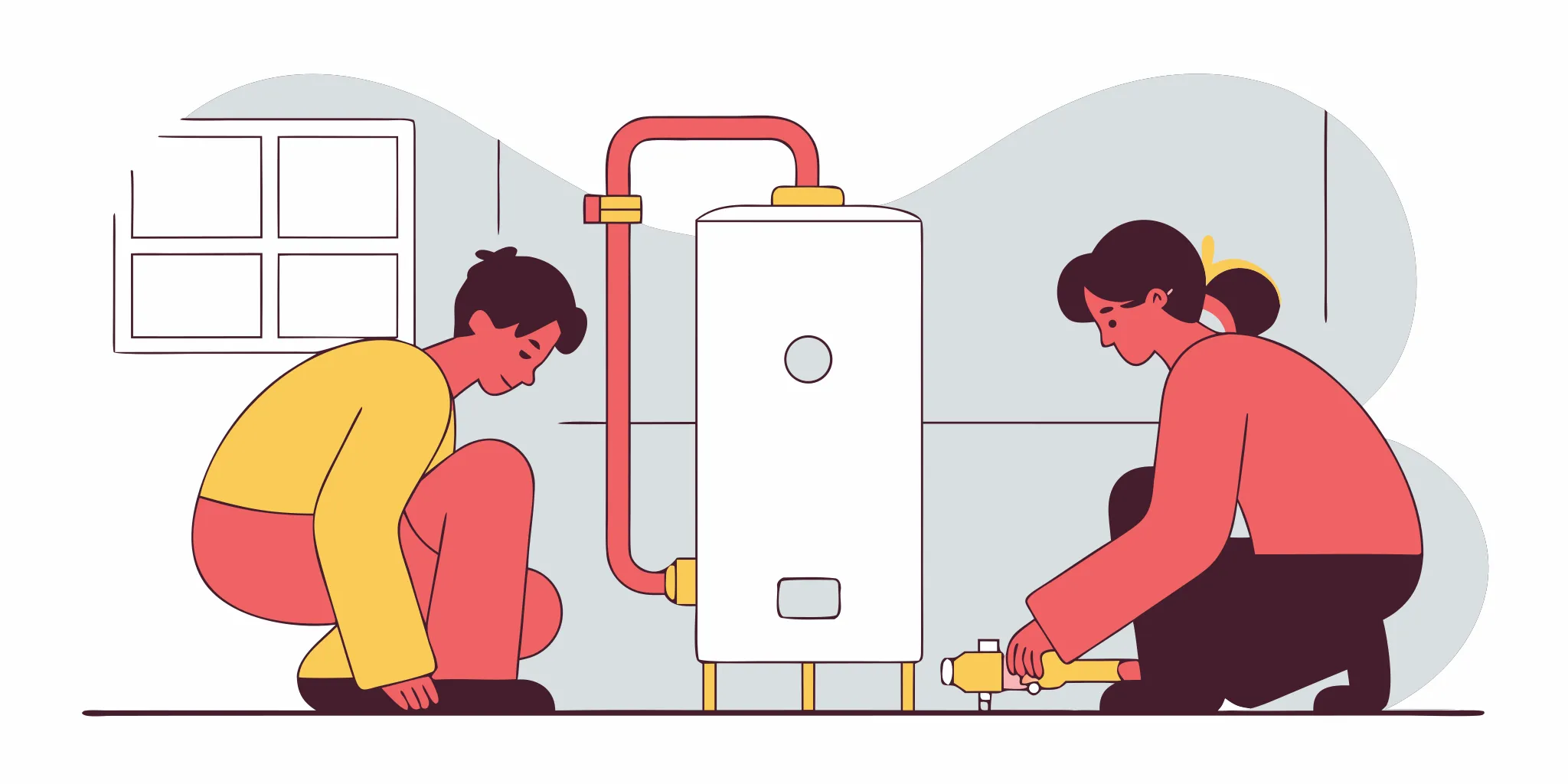
A homeowner troubleshooting their water heater to fix no hot water.
Back to Blog
InsightsJune 25, 2026

How to Fix No Hot Water: A Homeowner's Guide

Get step-by-step tips on how to fix no hot water in your home. Learn easy troubleshooting for gas and electric water heaters and know when to call a pro.

Living here on the Space Coast means dealing with hard water, which can be tough on our home’s appliances. Your water heater is no exception. Over time, mineral buildup can lead to all sorts of issues, from strange noises to a complete lack of hot water. Before you assume the worst, it’s helpful to know what common problems look like. As your local plumbing experts, we want to share a few troubleshooting tips that can help you diagnose the issue. This guide will give you a clear checklist for figuring out **how to fix no hot water** and when the problem requires a professional’s touch. ## Key Takeaways * **Start with Simple Troubleshooting**: Many hot water issues have quick fixes you can handle yourself. Before calling for service, check your circuit breaker for an electric model or confirm the pilot light is lit for a gas heater. * **Know When to Call a Professional**: Your safety always comes first. A gas smell, visible water leaks, or a circuit breaker that repeatedly trips are all non-negotiable signs that you need to stop and call a licensed plumber right away. * **Make Annual Maintenance a Priority**: The best way to avoid a cold shower is with proactive care. Flushing the tank, testing the pressure valve, and scheduling a yearly professional tune-up helps prevent breakdowns and extends the life of your water heater. ## No Hot Water? A Quick Troubleshooting Guide Waking up to a cold shower is nobody's idea of a good morning. But before you start to worry about a big repair bill, don't panic. Most of the time, a lack of hot water points to a simple issue with your [water heater](https://spacecoastcooling.com/plumbing-services/water-heater-repair/), and sometimes it’s a quick fix related to your home's power or gas supply. Let's walk through a few easy checks you can do yourself to figure out what’s going on. This guide will help you identify the source of the problem and what you can do about it. ### First, Let's Pinpoint the Problem Before you start inspecting your water heater, let's make sure the problem is actually inside your home. The first thing you should do is turn on a faucet and check if you have any cold water pressure. If cold water is running normally, then a neighborhood-wide water outage isn't the cause of your trouble. If you have no water at all, you can check your local utility company's website for any reported service interruptions in your area. But if the cold water is flowing just fine, we can turn our attention to your water heating system, which is the most likely culprit. ### Electric vs. Gas: Know Your Heater The next step is to know what kind of water heater you're working with, since the troubleshooting process is different for each. Most homes have either a gas or an electric model. You can usually identify your water heater by looking for a gas line and a small pilot light access panel near the bottom (gas) or a thick power cable running to the unit (electric). Gas heaters use a burner to heat the water, while electric models use internal heating elements. If you have a gas heater, a very common and easy fix is to check if the pilot light has gone out. ### Is It a Heater Issue or Something Else? If there’s no hot water coming from any faucet in your house, the problem is almost certainly with the water heater itself. For an electric model, the first place you should look is your home's main electrical panel. Find the circuit breaker labeled for your water heater and see if it has tripped. If it's in the "OFF" or middle position, try flipping it firmly back to "ON." Learning how to safely check a circuit breaker is a useful skill for any homeowner. A critical safety note: if you see any signs of a leak or water pooling around the base of your water heater, do not touch the unit or any electrical components. Water and electricity are a dangerous mix, and it's time to call a professional. ## Troubleshooting an Electric Water Heater If your home has an electric water heater, you’re in luck because many common issues have simple fixes you can handle yourself. Before you worry about a cold shower, let’s walk through a few troubleshooting steps. These checks are straightforward and can often get your hot water running again in minutes. Just remember to always prioritize safety; if you ever feel unsure about a step, especially when it involves your home’s electrical system, it’s always best to stop and call a professional. We’ll start with the easiest fix and work our way from there. ### 1. Check the Circuit Breaker Your first stop should be your home’s main electrical panel, or breaker box. It’s usually located in a garage, basement, or utility closet. Once you find it, look for the breaker that controls your water heater; it should be labeled. An electric water heater typically uses a "double-pole" breaker, which is larger and connects two circuits. If this breaker has tripped, it will be flipped to the "off" position or stuck in the middle. To reset it, push it firmly to the "off" position first, then flip it back to "on." If it stays on, you may have solved the problem! If it trips again right away, leave it off and call us. A constantly tripping breaker signals a deeper electrical issue that needs an expert eye. ### 2. Hit the High-Limit Reset Button Electric water heaters have a built-in safety feature called a high-limit switch, which cuts power if the water temperature gets dangerously high. This switch has a red reset button you can access. You’ll usually find it behind a small removable panel on the side of the tank (there might be one for the upper and lower thermostat). After turning off the power at the circuit breaker, remove the panel and press the red button firmly. You should hear a distinct click. If the button doesn't click, it wasn't tripped. If it was tripped and you’ve reset it, you can restore power. However, if this button [keeps tripping](https://www.lennox.com/residential/lennox-life/consumer/hot-water-heater-not-working), it often points to a faulty thermostat or heating element, and it’s time to schedule a professional service call. ### 3. Inspect the Heating Elements and Thermostat Sometimes the solution is as simple as a thermostat that was accidentally set too low. Most electric water heaters have two thermostats, one for each heating element, located behind the same panels as the reset buttons. For safety and energy efficiency, your water heater thermostat should be set to 120°F. If the setting is correct but the water is still cold, one or both of the heating elements may have failed. Over time, mineral buildup can cause these elements to burn out. While you can check the thermostat setting yourself, testing and replacing heating elements involves electrical work and is best left to a licensed technician. Our team can quickly diagnose the issue and handle any necessary water heater service. ### 4. Look for Leaks or a Faulty Dip Tube Take a moment to inspect the area around your water heater. Do you see any puddles, drips, or signs of moisture on the tank or floor? Even a small leak can drain hot water, leaving you with a cold supply. A leak is a definite sign that you need professional help. Another less obvious culprit could be a broken dip tube. This plastic tube sends cold water to the bottom of the tank to be heated. If it cracks or breaks off, cold water will mix with the hot water at the top, giving you lukewarm water at the tap. Both a leak and a broken dip tube require a plumber’s attention. Our leak detection services can pinpoint the source of the problem and get it fixed right. ## Troubleshooting a Gas Water Heater If your home uses a gas water heater, your troubleshooting checklist will look a little different. Instead of dealing with circuit breakers and electrical elements, you’ll be focusing on the gas supply and pilot light. These steps can help you figure out what’s going on, but remember to always prioritize safety. If you ever smell gas or feel unsure about a step, stop what you’re doing and call a professional right away. Your safety is always more important than a cold shower. For many common issues, a simple check and adjustment can get the hot water flowing again. Let’s walk through the four most common culprits when a gas water heater stops working. ### 1. Check and Relight the Pilot Light Many gas water heaters, especially slightly older models, rely on a small, continuously burning flame called a pilot light to ignite the main burner when it’s time to heat water. If this flame goes out, your water heater can’t do its job. Look for an access panel or door near the bottom of your tank. You should be able to see a small blue flame. If you don’t see one, the pilot is out. Your water heater’s instruction label should have directions for relighting it, which usually involves turning a knob to “Pilot” and using an igniter button. ### 2. Verify Your Gas Supply Sometimes the problem isn’t the water heater itself but the gas supply line leading to it. First, find the gas shutoff valve on the pipe that connects to your water heater. Make sure the handle is parallel to the pipe, which indicates it’s in the “On” position. If the handle is perpendicular, the gas is off. If the valve is open but the pilot light won’t stay lit, you can check if other gas appliances in your home, like your stove, are working. If they aren’t, the issue might be with your home’s main gas line, and you’ll need to contact your gas company. ### 3. Check the Thermostat Settings Just like an electric model, a gas water heater has a thermostat that tells it when to heat the water. This is usually a dial on the front of the gas control valve near the bottom of the tank. Check to see what temperature it’s set to. Sometimes, it can get bumped to a low setting or even to “Pilot” or “Vacation” mode, which will prevent it from heating. For most households, a setting of 120°F is a safe and efficient temperature. If the dial is set correctly but the water is still cold, the thermostat itself may have failed and will need to be replaced by a technician. ### 4. Flush Sediment From the Tank Over time, minerals and sediment from your water supply can settle at the bottom of the tank. In a gas heater, this layer of gunk can create a barrier over the burner, making it difficult for heat to transfer to the water. This not only makes your heater less efficient but can also cause it to overheat and shut down. You can flush the tank by connecting a garden hose to the drain valve at the bottom and letting the water run out until it’s clear. This simple maintenance task can often solve heating problems and extend the life of your unit. ## How to Reset Your Water Heater Sometimes, the fix for no hot water is as simple as hitting a reset button. Before you assume the worst, taking a few minutes to reset your water heater is a great first step. It’s a common troubleshooting measure that can often get the hot water flowing again without needing a service call. However, the process is completely different depending on whether you have an electric or a gas model. It’s important to know which type you have before you start. An electric water heater is powered solely by electricity and will be wired directly into your home’s electrical panel. A gas water heater will have a gas line running to it, a control box near the bottom, and a metal vent pipe coming out of the top. Once you’ve identified your unit, you can follow the specific steps below to safely perform a reset. ### Resetting an Electric Model If you have an electric water heater, the reset process involves two key places: your circuit breaker and the unit itself. First, find your home’s main electrical panel and locate the breaker labeled for the water heater. If it’s in the middle or “tripped” position, flip it completely to the “OFF” position, then firmly back “ON.” If the breaker trips again immediately, stop right there. This indicates an electrical problem that needs a professional. If the breaker is fine, look for a red reset button on the water heater, usually located on an access panel covering the thermostat. Press this high-limit switch firmly until you hear it click. If the button doesn’t click or feels loose, it may not have tripped. If it clicks but trips again soon after, it’s a sign of a deeper issue, and it’s time to call for professional water heater repair. ### Resetting a Gas Model For a gas water heater, the reset process is all about the pilot light. Start by finding the gas control knob on the front of the unit. Turn the dial from “ON” to the “PILOT” setting. Now, you’ll need to follow the specific relighting instructions printed on the label of your water heater, as the exact procedure can vary by manufacturer. Generally, this involves pressing and holding the control knob while using an igniter button to light the pilot. Once the pilot is lit, continue holding the knob for about a minute before slowly releasing it. If the pilot light stays on, turn the knob back to the “ON” position. If the pilot won’t light or goes out as soon as you release the knob, don’t keep trying. This usually points to a faulty part like a thermocouple, which requires a technician to fix safely. ### What to Do If Resetting Doesn't Work If you’ve tried resetting your unit and you’re still stuck with cold water, it’s a clear sign that the problem is more than a simple glitch. A circuit breaker that keeps tripping, a reset button that won’t stay engaged, or a pilot light that refuses to stay lit are all symptoms of an underlying issue. These could range from a failing heating element to a faulty gas valve or sensor. At this point, the safest and most effective next step is to call a licensed plumber. Continuing to troubleshoot can be unsafe, especially with gas appliances. A professional has the tools and expertise to accurately diagnose the problem and perform the correct repair. Don’t hesitate to [contact our team](https://www.spacecoastcooling.com/contact-us/); we can figure out what’s wrong and get your hot water running again. ## When Is It Time to Call a Plumber? Some water heater problems are simple enough to handle on your own, but many are clear signals that you need a professional. Knowing the difference is key to keeping your home safe and avoiding a small issue that turns into a costly disaster. Think of it this way: calling a [plumber](https://spacecoastcooling.com/plumbing-services/) isn’t admitting defeat; it’s making a smart, strategic decision to protect your property and your peace of mind. If you’ve run through the basic troubleshooting steps and are still facing a cold shower, or if you notice any of the serious red flags below, it’s time to put down the tools and pick up the phone. A professional technician can diagnose the problem accurately, perform the repair safely, and give you honest advice on your next steps. Don’t wait for a leak to become a flood or a strange noise to signal a complete system failure. Getting an expert involved early is always the right call. ### You Smell Gas — Stop and Call for Help Immediately This is the most important rule, and it’s not one to take lightly. If you have a gas water heater and you smell something like rotten eggs, that’s the scent of a gas leak. Do not try to find the source, do not touch any light switches or electronics, and do not try to fix it yourself. Your only job is to get everyone out of the house immediately. Once you are a safe distance away, call 911 or your gas company’s emergency line. A gas leak is incredibly dangerous and can lead to a fire or explosion. Let the professionals handle this one from start to finish. Your safety is the absolute top priority. ### You See Leaks, Rust, or Corrosion Water belongs inside your water heater, not outside of it. If you see a puddle forming around the base of the tank, it’s a major warning sign. Even a small leak can point to a crack or internal failure that could lead to a full-blown tank rupture and serious water damage. You should also keep an eye out for rust spots on the tank itself or discolored, brownish water coming from your faucets. These are signs that the inside of your tank is corroding and breaking down. A professional can determine if the issue is a simple valve fix or if the tank’s integrity is compromised, requiring a full water heater replacement. ### The Breaker Keeps Tripping or Elements Fail If you have an electric water heater, the circuit breaker is a built-in safety device. If it keeps tripping, it’s telling you there’s a serious electrical problem. Don’t get caught in a cycle of constantly resetting it. This could be a sign of a short in the wiring, a faulty thermostat, or a failing heating element that’s drawing too much power, creating a fire hazard. While it might be tempting to try replacing a heating element yourself, this job involves working with both high-voltage electricity and water, a dangerous combination for an inexperienced person. A licensed technician can safely diagnose the electrical fault and get your hot water running again without risking your safety. ### The Tank Is Making Strange Noises Is your water heater rumbling, popping, or banging? These sounds are usually caused by a thick layer of sediment that has built up at the bottom of the tank. Over time, minerals from the water settle and harden, trapping water underneath. When the burner or element kicks on, that trapped water boils and creates steam pockets that pop, causing the noise. This sediment layer forces your heater to work harder, wastes energy, and can eventually cause the tank to overheat and crack. While annual flushing can prevent this, loud noises mean the buildup is already severe. It’s best to have a professional [plumber](https://www.spacecoastcooling.com/plumbing/) safely flush the system and inspect the tank for any damage. ### Your Water Heater Is Over 10 Years Old Most standard tank water heaters have a lifespan of about 8 to 12 years. If your unit is approaching or has passed the decade mark and is starting to have problems, a repair might just be a temporary band-aid. Pouring money into an aging system often isn’t the most cost-effective solution in the long run. Instead of waiting for it to fail completely (likely at the worst possible time), it’s wise to call a plumber for an assessment. They can help you weigh the cost of a repair against the long-term savings and reliability of a new, energy-efficient model. Planning for a replacement is far less stressful than dealing with an emergency, and flexible [financing options](https://www.spacecoastcooling.com/financing/) can make the upgrade more manageable. ## Prevent Hot Water Headaches With Simple Maintenance The best way to deal with a cold shower is to make sure it never happens in the first place. A little proactive care for your water heater goes a long way, extending its lifespan and keeping it running efficiently. Think of it like changing the oil in your car; these simple maintenance steps help you avoid a major breakdown when you least expect it. By staying on top of these tasks, you can save money on energy bills, prevent costly emergency repairs, and ensure you always have the hot water you need. ### Flush Your Tank Annually Here in Florida, our water has a high mineral content. Over time, sediment and scale can build up at the bottom of your water heater's tank. This layer of gunk forces your system to work harder to heat the water, wasting energy and putting stress on the components. To keep it running smoothly, it's a good idea to [flush the tank](https://www.legacyprecisionhvac.com/blog/no-hot-water-how-to-troubleshoot-and-protect-your-water-heater/) every 6 to 12 months. This simple process drains the tank and clears out all that accumulated sediment. It’s a key step in maintaining your heater’s efficiency and preventing long-term damage. ### Inspect the Anode Rod Every Few Years Inside your water heater tank is a hidden hero called the anode rod. This metal rod is designed to corrode so your tank doesn't have to. It essentially sacrifices itself to prevent rust from eating through the steel tank. Over time, this rod will completely dissolve. You should have a professional [check the anode rod](https://www.lennox.com/residential/lennox-life/consumer/hot-water-heater-not-working) every few years and replace it if it’s worn down. This small part plays a huge role in preventing a catastrophic, tank-destroying leak, making it one of the most important parts of a water heater inspection. ### Test the Pressure Relief Valve Your water heater’s temperature and pressure (T\&P) relief valve is a critical safety feature. It’s designed to automatically open and release pressure if it gets too high inside the tank, preventing a dangerous situation. You should visually inspect it periodically. If you notice it’s dripping or making a hissing sound, it might need to be replaced. It's important to never block or cap this valve. A quick test during an annual tune-up ensures this vital safety component is ready to do its job and protect your home. ### Set a Safe and Efficient Temperature (120°F) Most manufacturers set water heater thermostats to 140°F, but for most households, 120°F is the sweet spot. This temperature is hot enough for all your needs, from washing dishes to showering, but it’s also safer for homes with children or elderly residents, as it reduces the risk of accidental scalding. Lowering the temperature also saves you money on your energy bill, since the heater isn't working as hard to maintain a higher heat. Just be sure not to set it too low, as temperatures below 120°F can allow bacteria to grow in the tank. ### Schedule an Annual Professional Inspection While some of these tasks are simple, the easiest and most effective way to keep your water heater in top shape is to schedule an annual professional tune-up. During a service call, a licensed technician from Space Coast Cooling & Plumbing can handle everything for you, from flushing the tank to inspecting the anode rod and testing the safety valves. We can [spot potential issues](https://www.legacyprecisionhvac.com/blog/no-hot-water-how-to-troubleshoot-and-protect-your-water-heater/) before they become major headaches, ensuring your system runs safely and efficiently all year long. It’s a small investment that delivers peace of mind and protects your home. ## Still in Cold Water? Space Coast Cooling & Plumbing Is Ready to Help If you’ve worked through the troubleshooting steps and are still facing an icy shower, don’t get discouraged. You’ve done your due diligence, and some hot water problems simply require a professional’s tools and expertise. Hot water issues often depend on whether your system is gas or electric, and diagnosing the root cause can get complicated quickly. For example, a [failed thermostat or heating element](https://www.legacyprecisionhvac.com/blog/no-hot-water-how-to-troubleshoot-and-protect-your-water-heater) isn't always a simple fix and is best left to a trained technician. More importantly, if you see any signs of leaking around your tank, it’s time to pick up the phone. Even a small puddle can point to a bigger problem that could drain your tank or cause serious issues for your home. In this situation, calling a professional sooner rather than later can [prevent water damage](https://massiecreekplumbing.com/no-hot-water-heres-what-to-check-before-you-call-a-plumber) and save you a much bigger headache down the road. Your safety and peace of mind are what matter most. That’s where we come in. At Space Coast Cooling & Plumbing, our promise is simple: we show up on time, provide honest answers, and get the job done right. Our licensed technicians have seen it all and can quickly identify the problem, explain your options with upfront pricing, and get your hot water flowing again. We’ve been serving homeowners across Cocoa, Melbourne, Palm Bay, and the entire Space Coast for decades, and we’re ready to help you 24/7. Don’t spend another day in the cold; give our friendly team a call. ## Related Articles * [Can a Water Heater Cause Low Water Pressure in Your Home?](https://spacecoastcooling.com/can-a-water-heater-cause-low-water-pressure/) * [Professional Water Heater Repair Cocoa, FL](https://spacecoastcooling.com/plumbing-services/water-heater-repair/) * [Expert Water Heater Installation & Replacement Cocoa, FL](https://spacecoastcooling.com/plumbing-services/water-heater-installation-replacement/) * [FAQs | Space Coast Cooling & Plumbing, Inc.](https://spacecoastcooling.com/faq/) ## [Frequently Asked Questions](https://spacecoastcooling.com/faq/) **My water isn't completely cold, just lukewarm. What could cause that?** Lukewarm water often points to one of two issues. It could be a broken dip tube inside your tank, which is causing incoming cold water to mix with the hot water at the top before it ever reaches your faucet. If you have an electric model, it could also mean that one of your two heating elements has failed, leaving the other to do all the work. Both of these problems are best diagnosed and fixed by a professional technician. **I tried resetting my water heater and it didn't work. Now what?** First, good job on trying the reset; it’s always the right first step. If a reset didn't solve the problem, it’s a clear sign that the issue is more than a simple glitch. This usually means a specific part has failed, such as a thermocouple on a gas heater or a thermostat on an electric one. At this point, the best move is to call a professional who has the tools to safely diagnose which component has failed and replace it correctly. **Is it worth repairing my old water heater, or should I just replace it?** This is a great question, and the answer really depends on two things: the age of your unit and the cost of the repair. Most tank water heaters last about 8 to 12 years. If your heater is getting close to that age and needs a major repair, replacement is often the more sensible long-term choice. A new unit will be more energy-efficient and reliable. We can always give you an honest assessment and upfront pricing for both options so you can make the best decision for your home. **How do I know if a problem is a real emergency?** Two situations are always an emergency. If you smell gas (like rotten eggs) near your water heater, leave your home immediately and call your gas company or 911 from a safe distance. Do not touch any electronics or light switches. The second emergency is a significant water leak. If you see water pooling around your tank, you should call a plumber right away to prevent serious water damage to your home. **What's the single most important maintenance task I can do for my water heater?** If you do only one thing, make it flushing the tank once a year. Here in Florida, our water is full of minerals that settle at the bottom of the tank as sediment. This gunk makes your heater work harder, wastes energy, and can cause damage over time. Flushing the tank clears out that sediment, which helps the unit run efficiently and last longer. It’s the best thing you can do to prevent future problems.
Available 24/7

Call the Experts that Local Homeowners Rely On

When you need home services, you want answers you can trust and work you can count on. Space Coast Cooling & Plumbing is the plumbing and HVAC company in Cocoa, FL, that brings decades of local experience, licensed professionals, and customer-first service to every job. One call connects you with a team ready to help.

Licensed & InsuredServing Cocoa Since 1994Honest, Upfront PricingSame-Day Service Available