Need Help? Call Us Now!
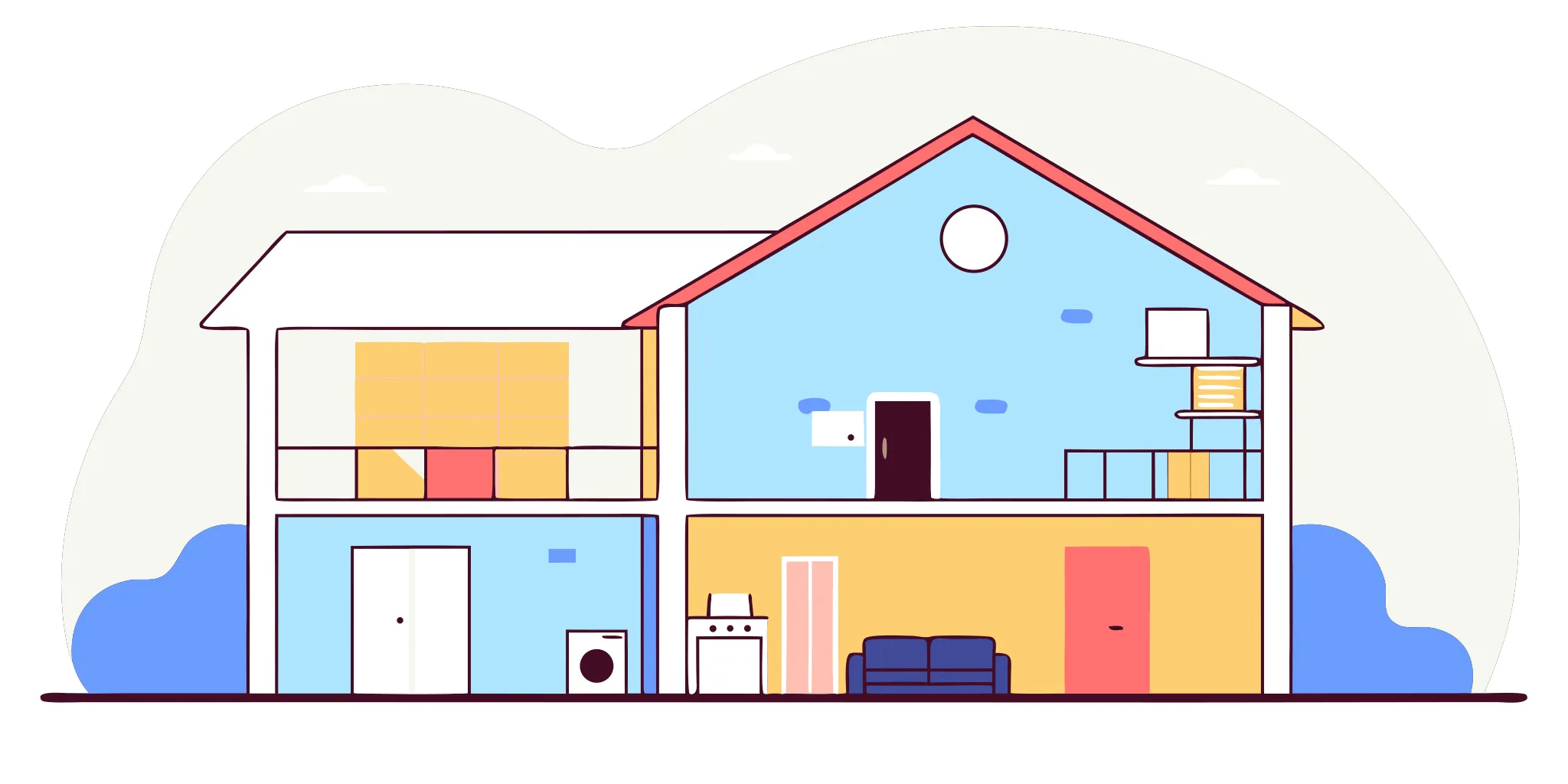
Diagram of a home HVAC system showing how it works for homeowners.
Back to Blog
InsightsJune 26, 2026

HVAC 101: A Complete Guide for Homeowners

Get clear answers to your HVAC questions. Learn how HVAC systems work, key components, maintenance tips, and how to choose the right system for your home.

Your home is your biggest investment, and the system that keeps it comfortable is one of its most important components. We’re talking about your hvac system, the quiet hero working behind the scenes. It does more than just cool your home; it protects your family’s health by filtering the air and controls humidity to help prevent mold growth. Understanding your hvac system is key to protecting that investment. This guide will walk you through the different types, modern features, and essential maintenance tips to ensure your system runs efficiently for years to come, providing lasting value. ## Key Takeaways * **Look beyond temperature control**: A quality HVAC system is your home's complete climate solution, managing not just heating and cooling but also ventilation and humidity. This integrated approach is essential for creating a healthy and truly comfortable indoor space. * **[Prioritize routine maintenance](https://spacecoastcooling.com/are-hvac-maintenance-plans-worth-it/)**: You can prevent most surprise breakdowns and high energy bills with simple actions. Changing your air filters regularly and scheduling annual professional tune-ups are the most effective ways to protect your investment. * **Invest in the right fit, not just a new box**: Choosing the correct system involves more than price. A professional load calculation, understanding energy efficiency (SEER) ratings, and selecting features for humidity control ensure long-term comfort and savings. ## What Exactly is HVAC? You’ve probably heard the term "HVAC" used by contractors or seen it on the side of a work van, but what does it actually mean for your home? HVAC is an acronym that stands for Heating, Ventilation, and Air Conditioning. It’s not just one appliance; it’s the entire system that works together to keep your indoor environment comfortable and healthy all year long. Think of it as your home's respiratory system, responsible for breathing in fresh air, circulating it, and maintaining a consistent temperature. Here in Florida, we lean heavily on the "AC" part of the equation, but a true HVAC system is much more than that. It’s an integrated solution designed to manage temperature, humidity, and the overall [indoor air quality](https://www.epa.gov/indoor-air-quality-iaq/introduction-indoor-air-quality) of your home. From the furnace or heat pump that provides warmth on a cool winter night to the air conditioner that offers a welcome escape from the summer heat, every component plays a vital role. The ventilation aspect ensures that stale air is removed and fresh air is brought in, preventing your home from feeling stuffy and helping to filter out dust, pollen, and other airborne particles. Understanding this complete system is the first step toward making sure it runs efficiently and keeps your family comfortable. ### How Does an HVAC System Work? At its core, an HVAC system operates on a simple principle: it moves air. A central unit, like your air conditioner or furnace, heats or cools the air. Then, a blower motor pushes that conditioned air through a network of ducts, which act like highways to deliver it to different rooms throughout your home. Vents in your floors, ceilings, or walls are the "exits" where the air enters your living space. The system also includes return vents that pull air out of the rooms and send it back to the main unit to be filtered and re-conditioned. This continuous loop is what maintains a steady temperature and keeps the air circulating. ### Is It Just Heating and Cooling? While temperature control is the most obvious job of an HVAC system, it does so much more. The "Ventilation" part is crucial for maintaining a healthy home. Proper ventilation exchanges stale indoor air with fresh outdoor air, which helps remove pollutants, allergens, and odors. It also plays a huge role in controlling humidity, a constant concern for us here on the Space Coast. By circulating air and removing excess moisture, your system helps prevent the sticky, uncomfortable feeling of high humidity and reduces the risk of mold and mildew growth. A well-functioning HVAC system doesn't just make you feel comfortable; it contributes directly to your home's health and your family's well-being. ## The Core Parts of Your HVAC System Your HVAC system might seem like a big, complicated machine, but it’s really just a team of core components working together to keep you comfortable. Understanding what each part does can help you spot problems early and have a more productive conversation when you call a technician. Think of it like this: your system has parts for heating, parts for cooling, a delivery network, and a brain to control it all. When they’re all in sync, your home feels just right. Many people use "AC" and "HVAC" interchangeably, but your system does so much more than just cool the air. It manages temperature, humidity, and air purity to create a healthy and pleasant indoor environment. Getting familiar with these parts isn't just for technicians; it empowers you as a homeowner. Knowing the difference between your condenser and your evaporator coil can make all the difference when you're trying to describe an issue. Let’s break down the four main players in your home’s HVAC system so you know exactly what’s working behind the scenes to keep you cool during a Florida summer and warm on a chilly winter night. ### Heating Components Even here in Florida, you need a reliable way to heat your home when the temperature drops. Your system’s heating components are responsible for generating that warmth. For many of us, this job is handled by a [heat pump](https://en.wikipedia.org/wiki/Heat_pump), which is an incredibly efficient device that can both heat and cool your home. Instead of creating heat, it cleverly moves it from the outside air into your house. Other homes might use a furnace, which generates heat by burning fuel like natural gas or using electric heating elements. Regardless of the type, the goal is the same: to provide consistent, even warmth throughout your living space, making sure you’re never left in the cold. ### Cooling Components In the Space Coast, the cooling components are the undisputed stars of the show. This is the "AC" part of HVAC, and its main job is to pull heat and humidity out of your home. It works a bit like a refrigerator, using a special refrigerant to absorb heat from your indoor air. This warm refrigerant then travels to the outdoor unit, where a compressor and condenser coils work together to release the heat outside. The now-cool refrigerant cycles back inside to the evaporator coil, and a fan blows air over it to deliver that refreshing, cool air through your vents. This continuous cycle is what makes a hot, humid Florida day feel comfortable inside your home. ### Ventilation and Ductwork Think of your [ventilation](https://spacecoastcooling.com/hvac-services/) system as the lungs of your home. It’s made up of the ductwork, vents, and fans that circulate conditioned air. The ducts are the network of pathways, usually hidden in your attic or walls, that deliver cool or warm air to every room. Proper [ventilation](https://www.epa.gov/indoor-air-quality-iaq/improving-indoor-air-quality) does more than just move air around; it also helps remove stale air, allergens, and excess moisture. In our humid climate, effective ventilation is key to preventing mold growth and maintaining healthy indoor air quality. If your ducts are leaky or poorly designed, you’re not just losing cooled air and wasting money, you’re also potentially pulling dusty, unfiltered air from your attic into your home. ### Thermostat and Controls The thermostat is the brain of your entire HVAC system. It’s the command center where you tell the system what temperature you want your home to be. The thermostat constantly monitors the indoor temperature and signals your heating or cooling components to turn on or off to maintain that perfect setting. It’s a small device, but it has a huge impact on both your comfort and your energy bills. Modern smart thermostats take this control to the next level. They allow you to create schedules, adjust settings from your phone, and even learn your habits to optimize energy use automatically. This gives you precise control over your home’s climate, ensuring you’re always comfortable without wasting electricity. ## Common Types of HVAC Systems When you hear "HVAC," you might picture the traditional central air conditioner, but the world of heating and cooling is much bigger than that. Different homes have different needs, especially here in Florida where cooling is king. The right system for your neighbor might not be the best fit for you. Understanding the main types of HVAC systems is the first step toward choosing one that keeps your family comfortable and your energy bills in check. Let's walk through the most common options you'll encounter. ### Central Air Systems This is the system most of us are familiar with. A central air system uses a main source, like an air handler paired with an outdoor condenser, to send cool air throughout your home. As its name suggests, it relies on a central unit to distribute conditioned air via a network of ducts and vents in each room. This setup is great for providing consistent temperatures throughout the entire house. If your home already has ductwork installed, a central air system is often the most straightforward and cost-effective choice for whole-home cooling. It’s a classic for a reason: it gets the job done reliably. ### Heat Pumps Heat pumps are an incredibly popular and smart choice for Florida's mild winters and hot summers. Unlike other systems, [heat pumps](https://www.trane.com/residential/en/resources/glossary/what-is-hvac/) can both heat and cool your home. They work by moving heat using a refrigerant. In the summer, a heat pump pulls heat out of your indoor air and transfers it outside. In the winter, it reverses the process, extracting heat from the outdoor air and moving it inside to warm your home. Because they move heat rather than generating it by burning fuel, they are a very energy-efficient option for year-round comfort, making them a favorite across the Space Coast. ### Ductless Mini-Split Systems What if your home doesn't have ductwork, or you just want to cool a specific area like a garage, sunroom, or new addition? A ductless mini-split system is the perfect solution. These systems have an outdoor unit connected to one or more indoor units mounted on the wall or ceiling. Each indoor unit can be controlled separately, allowing you to create different temperature "zones" in your home. This means you don't have to waste money cooling empty rooms. Their flexibility and efficiency make [ductless systems](https://www.energy.gov/energysaver/ductless-mini-split-heat-pumps) a fantastic, modern alternative to bulky window units or extending existing ductwork. ### Packaged Units A packaged system is an all-in-one solution where all the heating and cooling components are housed together in a single outdoor cabinet. You’ll often see these units on the rooftops of commercial buildings, but they are also a great option for residential homes with limited indoor space, like smaller houses or properties without a basement or crawlspace. The entire unit sits on a concrete slab outside the home. Because everything is in one place, installation and maintenance can be simpler. If you're looking for a compact system that doesn't take up any interior closet or attic space, a packaged unit is worth considering. ## Why Invest in a Quality HVAC System? It’s easy to think of your HVAC system as just another appliance, but it’s so much more than that. It’s the heart of your home, quietly working to keep your family comfortable and healthy. Investing in a quality system isn't just about surviving the Florida heat; it's about creating a better living environment. A reliable, efficient system does more than just cool the air. It filters out allergens, controls that sticky humidity, and can even lower your monthly energy bills. When you live somewhere like the Space Coast, your air conditioner runs for a good part of the year. That’s a lot of work. A cheap, poorly installed unit will struggle to keep up, leading to frequent breakdowns, uncomfortable hot spots, and sky-high utility costs. A quality system, on the other hand, is designed for performance and longevity. It’s an investment that pays you back with year-round comfort, peace of mind, and a healthier home. When you’re ready to explore your options, our team can provide [upfront pricing](https://www.spacecoastcooling.com/about-us/) on a system that’s right for your home and budget. ### Year-Round Comfort in the Florida Heat Here in Florida, comfort isn't a luxury; it's a necessity. An HVAC system's main job is to control the temperature, and a quality unit does this exceptionally well. It’s not just about blasting cold air. It’s about maintaining a consistent and even temperature throughout your entire home, eliminating those frustrating hot and cold spots. A properly sized and professionally installed system can achieve this without constantly cycling on and off, giving you quiet, steady comfort from the living room to the bedroom, no matter how high the temperature climbs outside. ### Cleaner, Healthier Indoor Air Have you ever thought about what’s floating in the air inside your home? Dust, pollen, pet dander, and other allergens can get trapped indoors, affecting your family's health. Your HVAC system is your first line of defense. As it circulates air, it pulls it through a filter that traps these unwanted particles. A high-quality system with an advanced filter can significantly improve your home's [indoor air quality](https://www.epa.gov/indoor-air-quality-iaq/introduction-indoor-air-quality), which is especially important for anyone with allergies or asthma. It means you can breathe easier knowing the air in your home is cleaner and healthier. ### Better Humidity Control You know that cool but sticky feeling? That’s what happens when an air conditioner isn’t removing humidity properly. In Florida, managing moisture is just as important as controlling temperature. High indoor humidity can make you feel uncomfortable and can even lead to mold and mildew growth. A quality HVAC system is designed to effectively pull excess moisture out of the air as it cools. This leaves your home feeling crisp, dry, and truly comfortable, not just cold and clammy. It’s a difference you can feel. ### Lower Energy Bills Over Time A new HVAC system is a significant purchase, but a high-efficiency model is an investment that starts paying you back right away. Older, inefficient systems have to work much harder to cool your home, which means they use a lot more electricity. Modern systems are engineered to provide the same or better cooling while using a fraction of the energy. This translates directly into lower monthly power bills. Over the lifespan of the unit, these savings can add up, helping to offset the initial cost and making it a smart financial decision for your household. We even offer flexible [financing options](https://www.spacecoastcooling.com/financing/) to make the upgrade more manageable. ## Common HVAC Myths, Busted When it comes to your home’s heating and cooling, a little bit of misinformation can lead to a lot of wasted money and discomfort. Let's clear the air and bust a few common HVAC myths so you can make smarter decisions for your home. ### Myth: "If It's Running, It's Fine" Just because your air conditioner turns on doesn't mean it's working correctly. An HVAC system can run for months while performing poorly, wasting energy and failing to properly cool your home. It’s important to [recognize the signs of a problem](https://www.energy.gov/energysaver/common-air-conditioner-problems) early, before a small issue becomes a major breakdown. Listen for strange noises, watch for a sudden spike in your utility bills, or notice if some rooms are warmer than others. These are all clues that your system is struggling. Regular professional maintenance is the best way to ensure your system is running efficiently, not just running. ### Myth: "All HVAC Systems Are the Same" This is like saying all cars are the same. HVAC systems are complex, and they vary widely in size, efficiency, and technology. A unit that’s perfect for a small condo would be completely inadequate for a larger family home. Modern systems also come with different [energy efficiency ratings](https://www.trane.com/residential/en/resources/glossary/what-is-hvac/) (known as SEER for air conditioners), which tell you how much energy they use to cool your home. A higher SEER rating means greater efficiency and lower electricity bills over the long run, which is a huge benefit here in Florida. Choosing the right system is about matching the technology to your home’s specific needs. ### Myth: "Ductwork Isn't That Important" Your ductwork is the circulatory system for your home's air, and it's incredibly important. You can have the most powerful, efficient AC unit on the market, but if your ducts are leaky, you're just paying to cool your attic or crawlspace. In fact, leaky ducts can account for up to 30% of a home's cooling energy loss. If you notice excessive dust, rooms that never seem to get cool, or stubbornly high energy bills, your ductwork could be the culprit. Having your ducts properly sealed and insulated ensures that the cool air your system produces actually gets where it’s supposed to go. ### Myth: "High-Efficiency Systems Cost Too Much Upfront" It’s true that high-efficiency HVAC systems have a higher initial price tag, but it's an investment that pays for itself. Think of it as long-term savings. These units use significantly less electricity, which can lead to hundreds of dollars in savings on your energy bills each year. Over the lifespan of the system, those savings can more than cover the initial difference in cost. Plus, high-efficiency systems often provide superior comfort, better humidity control, and quieter operation. With flexible [financing options](https://www.greensky.com/) available, a high-performance system is more accessible than you might think. ## How to Choose the Right HVAC System Picking a new HVAC system is a major decision, but it doesn’t have to be overwhelming. The right unit will keep your home comfortable for years, improve your air quality, and manage your energy bills. It’s about finding the perfect match for your home, climate, and budget. By focusing on a few key areas, you can confidently select a system that meets your needs and provides lasting value. Let’s walk through the four most important factors to consider. ### Consider Your Home's Size and Layout Bigger isn’t always better when it comes to HVAC systems. A unit that’s too large will cycle on and off too quickly, failing to properly remove humidity and causing unnecessary wear and tear. A system that’s too small will run constantly without ever reaching the set temperature, driving up your energy bills. The right fit depends on your home’s square footage, layout, window placement, and insulation levels. A professional technician performs a "load calculation" to determine the precise size and capacity needed to cool and heat your space efficiently. This ensures you get a system that’s perfectly tailored to your home. ### Understand Energy Efficiency Ratings (SEER) When you see terms like SEER, you’re looking at the system’s efficiency score. The Seasonal Energy Efficiency Ratio, or SEER, measures how much cooling an air conditioner provides for each unit of electricity it consumes. A higher SEER rating means greater energy efficiency. While the current minimum standard is 14 SEER, investing in a higher-rated unit can lead to significant savings on your monthly utility bills. Think of it as the miles-per-gallon rating for your home’s comfort. Understanding the basics of [heating, ventilation, and air conditioning](https://en.wikipedia.org/wiki/Heating,_ventilation,_and_air_conditioning) ratings helps you make a smarter long-term investment. ### Factor in Florida's Unique Climate Living on the Space Coast means your HVAC system works overtime, battling not just high heat but relentless humidity. A standard air conditioner might struggle to keep up. Look for systems with enhanced dehumidification capabilities to keep your home from feeling sticky and damp. It’s also wise to consider units with corrosion-resistant coils, which can better withstand the salty air in our coastal communities. Choosing an HVAC system built to handle Florida’s specific climate challenges is crucial for both your comfort and the longevity of your equipment. ### Review Your Budget and Financing Options A new HVAC system is a significant investment, with costs that vary based on the unit’s type, size, efficiency rating, and brand. The complexity of the installation, including any necessary ductwork or electrical updates, also plays a role. While it’s important to have a budget, remember that the upfront price is only part of the story. A high-efficiency system costs more initially but saves you money every month. To make this essential upgrade more manageable, we offer flexible [financing options](https://www.gogreensky.com/) that allow you to get the right system for your home without the financial strain. ## Modern HVAC Features to Look For Shopping for a new HVAC system isn't what it used to be. Modern units come with incredible features that go far beyond just blowing hot or cold air. These advancements are designed to make your home more comfortable, improve your air quality, and lower your energy bills all at once. If you're considering an upgrade, it’s worth knowing about the latest technology so you can choose a system that truly fits your lifestyle. Here are a few of the most impactful features to keep an eye on. ### Variable-Speed Technology Think of a traditional HVAC system like a light switch: it’s either all the way on or all the way off. A system with [variable-speed technology](https://www.trane.com/residential/en/resources/glossary/what-is-hvac/) is more like a dimmer switch. Instead of blasting your home with cold air and then shutting off, it runs at lower, steadier speeds for longer periods. This approach provides much more precise temperature control, eliminating those annoying hot and cold spots. For us here in Florida, the biggest benefit is superior humidity control. By running longer, the system removes more moisture from the air, making your home feel more comfortable even at a slightly higher temperature and saving you money on your utility bills. ### Smart Thermostats and Home Integration A smart thermostat is one of the easiest and most effective upgrades you can make. These devices connect to your Wi-Fi, allowing you to control your home’s temperature from an app on your phone, whether you’re on the couch or on your way home from the beach. Many [smart thermostats](https://www.trane.com/residential/en/resources/glossary/what-is-hvac/) also learn your family’s schedule and preferences, automatically adjusting the temperature to save energy when you’re away and ensure comfort when you’re home. They can even integrate with home automation systems like Amazon Alexa or Google Assistant, so you can change the temperature with a simple voice command. It’s all about making comfort convenient and efficient. ### Home Zoning Systems If you have rooms in your house that you rarely use, does it make sense to keep them as cool as your bedroom? A home zoning system gives you the power to decide. This setup divides your home into different zones, each controlled by its own thermostat. Through a series of dampers in your ductwork, the system directs conditioned air only to the zones that need it. This is perfect for multi-story homes, houses with sprawling layouts, or families with different temperature preferences. By not wasting energy on empty spaces, you can significantly cut down on cooling costs while making sure everyone stays comfortable in their own part of the house. ### Advanced Filtration and UV Lights Your HVAC system does more than just control the temperature; it plays a huge role in your home’s indoor air quality. While standard filters are good, advanced filtration systems can capture much smaller airborne particles like dust, pollen, pet dander, and other allergens. To take it a step further, you can add UV lights to your system. These lights are installed inside your ductwork and use ultraviolet radiation to neutralize bacteria, viruses, and mold spores before they can circulate through your home. Given Florida’s humidity, this is an excellent feature for preventing mold growth and keeping your home’s air as clean and healthy as possible. ## Your Essential HVAC Maintenance Checklist Think of your HVAC system as the heart of your home’s comfort. Just like you wouldn’t skip an oil change for your car, your HVAC system needs regular attention to run efficiently and reliably, especially here in the Florida heat. A little proactive care goes a long way in preventing costly emergency calls and extending the life of your equipment. You don’t have to be an HVAC expert to handle the basics. This checklist breaks down the simple tasks you can do yourself, along with the crucial checks best left to a professional. By following these steps, you can keep your system in top shape, lower your energy bills, and ensure your home stays cool and comfortable year-round. It’s about protecting your investment and giving yourself peace of mind, knowing you won’t be caught with a broken AC in the middle of a July heatwave. ### Change Your Air Filters This is one of the easiest and most important things you can do for your HVAC system. A dirty air filter restricts airflow, forcing your system to work harder to cool your home. This extra strain not only increases your energy bill but can also lead to premature wear and tear. For best results, you should replace your air filters every six weeks. If you have pets or allergy sufferers in the house, you might need to change them even more frequently. Set a recurring reminder on your phone so you never forget. ### Keep Coils and Drain Lines Clean Your HVAC system has coils that help transfer heat and a drain line that removes condensation. Over time, the outdoor [condenser coil](https://en.wikipedia.org/wiki/Heating,_ventilation,_and_air_conditioning#Heat_exchanger) can get covered in dirt, grass clippings, and dust, making it harder for the system to release heat. A clogged drain line can cause water to back up, leading to potential water damage and mold growth. While you can gently rinse the outdoor coil with a hose, clearing a stubborn clog in the drain line is a job for a professional. Regular cleaning ensures everything flows as it should. ### Clear and Inspect Your Outdoor Unit Your [outdoor AC condenser](https://heavyequipmentcollege.edu/hvac-parts-and-their-functions/) needs space to breathe. Take a walk outside and check the area around your unit. It should be clear of any leaves, palm fronds, overgrown shrubs, or other debris for at least two feet in all directions. Blocked airflow forces the system to work overtime and can cause it to overheat. After a storm or lawn service, it’s always a good idea to do a quick check and clear away anything that might be obstructing the unit. This simple habit helps your system cool your home much more effectively. ### Schedule Professional Tune-Ups While DIY tasks are helpful, nothing replaces a professional inspection. We recommend having your system checked twice a year: once for your AC in the spring and once for your furnace in the fall. During a tune-up, a certified technician can spot small issues before they become big, expensive problems. They’ll check electrical connections, test refrigerant levels, lubricate moving parts, and perform a deep cleaning. Investing in one of our [affordable maintenance plans](https://www.spacecoastcooling.com/maintenance-plan/) is the best way to ensure your system runs safely and efficiently, saving you money on repairs and energy bills over time. ## Signs Your HVAC System Needs Repair Your HVAC system is the unsung hero of your home, working quietly in the background to keep you comfortable. But when it starts acting up, it rarely does so without warning. Most systems will give you clues that something is wrong long before they quit on a sweltering August afternoon. Learning to recognize these signs can help you catch problems early, preventing a small issue from turning into a costly emergency. Here in Florida, where a reliable AC isn’t a luxury but a necessity, being proactive is key. If your system starts showing any of the following symptoms, it’s time to pay attention and call in a professional before you’re left sweating it out. ### Strange Noises or Smells Your HVAC system should operate with a gentle hum, not sound like it’s preparing for battle. If you start hearing unusual sounds, it’s a clear signal that something is amiss. Banging or clanking noises often point to a loose or broken part, like a connecting rod or piston pin. Hissing could indicate a refrigerant leak, while a high-pitched squealing might mean your blower motor is failing. Don't ignore strange odors, either. A musty smell suggests mold or mildew in your ductwork, while a burning scent can be a serious red flag for an electrical problem. These aren't just annoyances; they're your system’s way of asking for help. ### Uneven Temperatures or Weak Airflow Do you have to bundle up in the living room while your bedroom feels like a sauna? When your HVAC system is working correctly, it should cool your home evenly. Hot and cold spots are a classic sign that something is disrupting its performance. You might also notice weak or limited airflow coming from your vents. This could be caused by something as simple as a clogged air filter, but it can also point to more serious issues like a failing blower motor or blockages deep within your ductwork. Either way, it means your system is struggling to circulate air, making it work harder and less efficiently. ### A Sudden Spike in Your Energy Bill Your wallet is often the first to know when your HVAC system is in trouble. If you notice a sudden, unexplained jump in your monthly energy bill, your air conditioner is a likely culprit. An efficient system uses a predictable amount of energy. When a component starts to fail or the unit becomes clogged with dirt and debris, it has to work much harder and run longer to maintain the temperature on your thermostat. This extra effort translates directly into higher energy consumption. Scheduling regular [HVAC maintenance](https://www.spacecoastcooling.com/maintenance-plans/) is the best way to keep your system running efficiently and your bills in check. ### Frequent Breakdowns If you and your HVAC technician are on a first-name basis, it’s not a good sign. A well-maintained system should run for years with minimal issues. Needing to call for AC repairs more than once or twice a year is a strong indicator that your system is nearing the end of its life. While a single repair might seem manageable, the costs of frequent service calls add up quickly. At a certain point, it becomes more cost-effective to invest that money in a new, reliable system rather than continuing to patch up an old, failing one. Think of it as an investment in your peace of mind. ## How Long Should an HVAC System Last? This is one of the biggest questions we get from homeowners, and for good reason. Your HVAC system is a major investment, and you want to know you’re getting the most out of it. The short answer is that there’s no single expiration date stamped on your unit. A system’s lifespan depends on the equipment you have, how you use it, and, most importantly, how well you take care of it. Here in Florida, our air conditioners work overtime for most of the year, which adds a unique layer to the conversation. Understanding the typical lifespan and the factors that influence it can help you plan for the future and avoid being caught off guard by a sudden system failure on a hot August afternoon. Let’s break down what you can realistically expect from your system and how to know when it’s time to consider a change. ### Average Lifespan for Different Systems Generally speaking, the [life expectancy of an HVAC system](https://www.carrier.com/residential/en/us/products/heating-cooling/how-long-do-hvac-systems-last/) is between 15 and 25 years. For homeowners on the Space Coast, the most common systems are central air conditioners and heat pumps. You can typically expect a central AC unit to last about 15 to 20 years. Heat pumps, which handle both heating and cooling, often have a slightly shorter lifespan of around 10 to 15 years because they run year-round. These are just averages, of course. A well-maintained unit can certainly outlast these estimates, while a neglected one might fail much sooner. ### Factors That Impact Longevity Want to get more years out of your system? It really comes down to consistent care. Just like a car, your HVAC system needs routine attention to run efficiently and last longer. The single most important factor is regular maintenance. Simple tasks like changing your air filters every 1 to 3 months make a huge difference. Beyond that, professional tune-ups where a technician cleans the coils, checks refrigerant levels, and inspects electrical components can significantly extend the system's longevity. Proper installation is also key; a system that was installed correctly from day one will always perform better than one that wasn’t. ### How to Decide Between Repairing and Replacing Knowing when to stop fixing and start fresh can be tricky. A good analogy is an old car; while you can keep making repairs, at some point it’s more cost-effective to invest in a new one. A helpful rule of thumb is to consider the age of your unit and the cost of the repair. If your system is over 10 years old and needs a major repair (like a compressor or condenser coil), a replacement is often the smarter financial move. And if your system ever presents a [safety hazard](https://ready-able.com/replace-or-repair-hvac), like a cracked heat exchanger, replacement is not just a suggestion, it’s a necessity. ## Related Articles * [Are HVAC Maintenance Plans Worth It? What to Know](https://spacecoastcooling.com/are-hvac-maintenance-plans-worth-it/) * [Maintenance Plans | Space Coast Cooling & Plumbing, Inc.](https://spacecoastcooling.com/maintenance-plans/) * [HVAC Maintenance Services in Cocoa, FL](https://spacecoastcooling.com/hvac-services/hvac-maintenance/) * [Professional AC Tune-Up in Cocoa, FL](https://spacecoastcooling.com/hvac-services/ac-tune-up-maintenance/) * [Reliable Furnace Tune-Up in Cocoa, FL](https://spacecoastcooling.com/hvac-services/furnace-tune-up-maintenance/) ## Frequently Asked Questions **How often should I get my HVAC system professionally serviced?** Think of it like a check-up for the hardest working appliance in your home. We strongly recommend having your system professionally tuned up twice a year. A technician should inspect your air conditioner in the spring before the summer heat arrives, and your heating system in the fall before you need it for a cool night. This regular attention helps catch small problems before they become big emergencies, ensures your system runs efficiently, and can significantly extend its lifespan. **My energy bills are high, but my AC seems to be working. What's the first thing I should check?** A sudden spike in your power bill is often the first sign of a hidden problem. Before you do anything else, check your air filter. A clogged filter is the most common culprit because it forces your system to work much harder to pull in air. If you replace the filter and your bills are still unusually high after a month, it’s a good idea to have a professional take a look. The issue could be anything from low refrigerant to dirty coils, all of which make your system less efficient. **Why is my house so humid even when the AC is running?** This is a classic Florida problem, and it usually means your air conditioner isn't removing moisture effectively. This can happen for a couple of reasons. Your system might be too large for your home, causing it to cool the air too quickly and shut off before it has a chance to dehumidify. It could also be an older, single-stage unit that lacks modern humidity control features. A properly sized, modern system, especially one with variable-speed technology, runs for longer, steadier cycles that are excellent at pulling that sticky moisture out of the air. **Is a smart thermostat really worth the investment?** Absolutely. A smart thermostat is one of the most impactful and relatively inexpensive upgrades you can make for your comfort and your wallet. It gives you the ability to control your home's temperature from anywhere using your phone, which is great for convenience. More importantly, it learns your habits and can automatically adjust the temperature to save energy while you're away or asleep. This intelligent scheduling can lead to real savings on your monthly bills, meaning the thermostat often pays for itself over time. **How do I decide between repairing my old AC and buying a new one?** This can be a tough call, but a simple guideline can help. Consider the age of your system and the cost of the repair. If your air conditioner is more than 10 years old and needs a major, expensive repair (like a new compressor), that money is often better invested in a new, high-efficiency unit. Frequent breakdowns are another clear sign that it's time to stop patching up an old system. A new unit will not only be more reliable but will also lower your energy bills, providing long-term value and peace of mind.
Available 24/7

Call the Experts that Local Homeowners Rely On

When you need home services, you want answers you can trust and work you can count on. Space Coast Cooling & Plumbing is the plumbing and HVAC company in Cocoa, FL, that brings decades of local experience, licensed professionals, and customer-first service to every job. One call connects you with a team ready to help.

Licensed & InsuredServing Cocoa Since 1994Honest, Upfront PricingSame-Day Service Available