
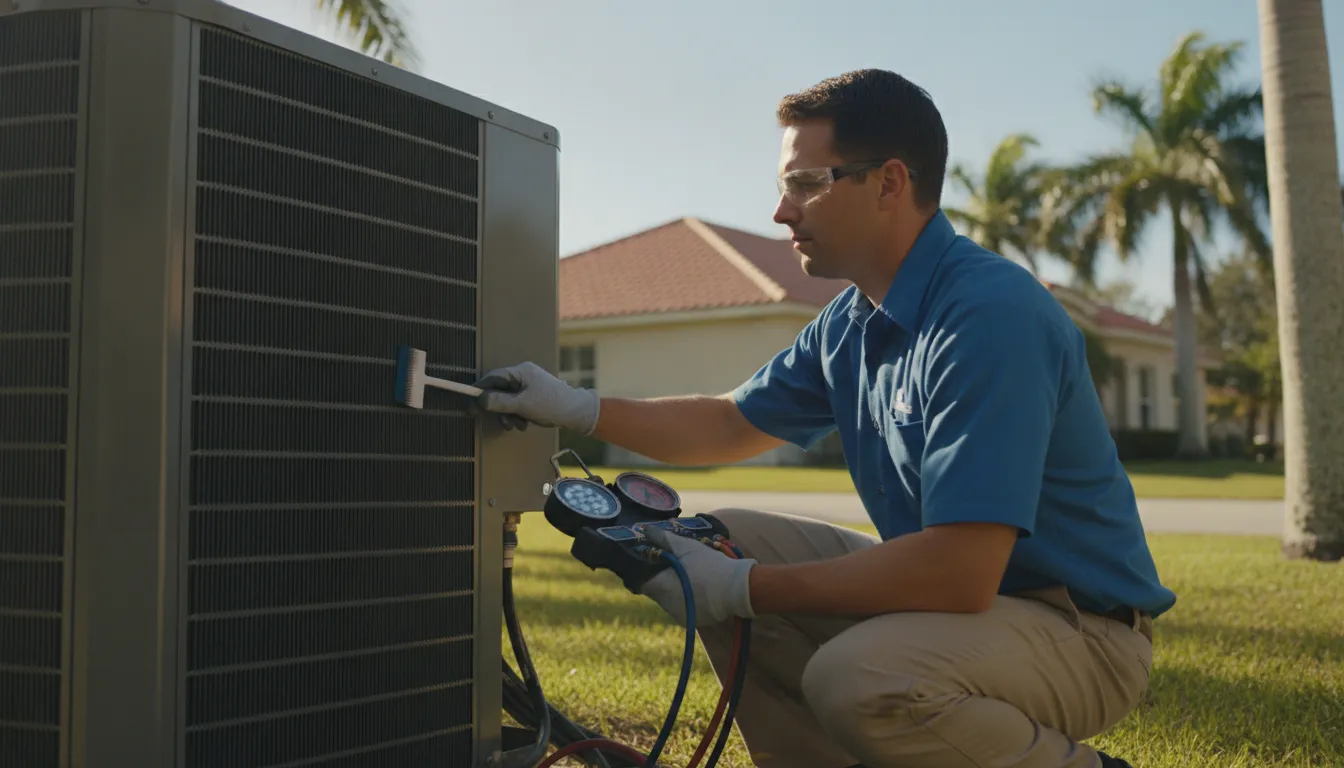
Florida air conditioners work through long, hot cooling seasons, so a small maintenance decision can affect both comfort and household costs. For homeowners in Brevard County, the right question is not simply what a plan costs. It is whether regular care provides enough value through fewer disruptions, steadier performance, and better control over predictable HVAC expenses.
For many Florida homeowners, an hvac maintenance plan worth it decision comes down to system age, condition, service history, and how costly an unexpected breakdown would be. Consistent maintenance is especially important under heavy cooling demands, and preventing one major repair may offset the plan's annual cost.
A plan should make that value easy to evaluate, with clear pricing and specific services rather than vague promises. Space Coast Cooling & Plumbing's plan costs $250 per year and includes two annual visits. Before comparing that cost with your risk, it helps to understand what technicians actually inspect, clean, test, and document. You can also review the broader HVAC cost guide for Florida when estimating future ownership expenses.
Schedule service with Space Coast Cooling & Plumbing
What Does an HVAC Maintenance Plan Actually Include?
A professional HVAC maintenance plan should be more than a quick glance at your air conditioner. In Florida, cooling systems work through long, hot seasons, so a useful visit checks the components that affect comfort, efficiency, indoor air quality, and reliability. Space Coast Cooling & Plumbing schedules two maintenance visits each year, generally in spring and fall. That timing helps prepare the system for heavy summer demand and then checks its condition after months of sustained use.
Each visit follows a practical checklist rather than a one-size-fits-all inspection:
- Filter changes: A clean filter supports proper airflow and helps keep dust from circulating through the home. The technician can also discuss the filter type and replacement schedule that fit your system and household.
- Drain pan and line cleaning: The condensate drain system is cleaned, including enzyme treatment to help reduce buildup. This is especially relevant in Florida, where an air conditioner removes substantial moisture while it runs.
- Cabinet sanitization: Cleaning and sanitizing the equipment cabinet helps address accumulated dust and residue around the indoor unit.
- Coil inspection and cleaning: The evaporator and condenser coils are checked for dirt or conditions that could restrict heat transfer. Cleaning is performed when needed and appropriate for the equipment.
- Refrigerant level checks: The technician checks refrigerant-related performance and looks for signs that the system may not be cooling as it should. A low level can indicate a leak that needs further diagnosis, rather than simply calling for a refill.
- Electrical testing: Electrical connections and operating components are tested for safe, reliable performance. Early attention to abnormal readings or worn parts may prevent a larger failure.
- Airflow verification: The system is checked to confirm that air is moving as expected through the equipment and ductwork. Weak airflow can affect room comfort and place extra strain on the system.
- Thermostat calibration: The thermostat is tested against actual system operation so the temperature setting accurately guides the equipment.
These tasks make the plan tangible: you are paying for recurring inspection, cleaning, testing, and adjustment of the parts that keep a Florida HVAC system operating. For a broader look at equipment expenses and replacement considerations, see this HVAC cost guide for Florida. You can also review Space Coast Cooling & Plumbing's professional HVAC maintenance services to see how scheduled care fits your home's needs.
Is an HVAC Maintenance Plan Worth It for Florida Homeowners?
For many Florida homeowners, the answer is yes, but the value depends on what you expect from the plan. You are not simply paying for two appointments. You are paying for scheduled attention to a system that works hard through long cooling seasons. Along with a better chance of finding developing problems before they become an expensive summer emergency.
Typical HVAC maintenance plans cost about $100 to $300 per year, according to Angi. Space Coast Cooling's plan costs $250 per year and includes two visits. That puts the price within the normal range while making the expense predictable. Instead of waiting for a breakdown and then paying a diagnostic fee, you can budget for preventive service and have your equipment checked at planned intervals.
The strongest return often comes from avoiding one major repair. A compressor, evaporator coil, or blower motor problem can cost substantially more than a year's plan fee. Preventive maintenance cannot guarantee that a component will never fail, but regular inspection can identify wear, electrical concerns, airflow restrictions, or other warning signs earlier. The EPA explains that preventive maintenance helps keep issues from becoming costly problems. In practical terms, one avoided major repair can cover several years of plan fees.
Energy performance is another part of the calculation. The U.S. Department of Energy reports that upgrading and maintaining heating and cooling equipment can reduce energy use by up to 20% or more. Depending on the condition of the existing system. That figure is not a promise that every homeowner will see a 20% reduction from a maintenance visit. It does show why keeping equipment operating within its intended specifications matters. A system that is dirty, restricted, or poorly adjusted may run longer and use more electricity to deliver the same comfort.
Florida's climate makes this especially relevant. Air conditioners operate under heavy loads for much of the year, so small efficiency losses can repeat across many cooling cycles. Maintenance also gives you a chance to discuss whether continued repairs make sense for an older system. The Department of Energy recommends considering the equipment's age, condition, and maintenance history when evaluating the value of a service plan.
To make the decision, compare the annual fee with the age of your system, its repair history, your tolerance for unexpected costs, and the actual work included. A plan with vague promises may not provide much value. A plan with two thorough visits, documented findings, and useful preventive tasks is easier to evaluate. Review the details of Space Coast Cooling's maintenance plans, then compare the potential savings with the broader costs outlined in our HVAC cost guide for Florida.
What Happens If You Skip Annual AC Maintenance in Florida?
Florida air conditioners work through long, demanding cooling seasons. When annual service is skipped, small losses in performance can accumulate before the problem becomes obvious. The system may still run, but it can take longer to cool the home, cycle more often, and use more electricity to deliver the same comfort.
The U.S. Department of Energy notes that HVAC systems that are not well maintained can lose efficiency and lead to higher operating costs. That matters in Brevard County, where an air conditioner may operate for much of the year. Dirty coils, restricted airflow, an aging electrical component, or a refrigerant issue can make the equipment work harder. Over time, the higher cooling bills may cost more than the inspection that could have identified the underlying issue.
Small problems can become peak-season breakdowns
Skipping maintenance also removes an opportunity to find wear before it causes a failure. The EPA recommends regular inspection and upkeep because preventive maintenance can keep issues from becoming costly problems. A technician may notice a weakening capacitor, an electrical connection that needs attention, unusual component wear, or airflow that is outside the expected range.
Those concerns are easier to address during a planned spring or fall visit than during a July heat wave. If a worn part fails when the system is pushed to capacity. You may be facing an uncomfortable home, an emergency service call, and a repair decision on short notice. The Department of Energy recommends checking systems before peak demand puts them under maximum strain.
Drain, coil, and compressor problems can compound
Routine maintenance also helps protect the parts that control moisture and heat transfer. A clogged condensate drain can cause water to back up around the air handler or drain pan. Persistent moisture can contribute to musty odors and create conditions where mold growth becomes a concern. A dirty filter or coil can restrict airflow and reduce heat transfer, while low airflow may contribute to a frozen evaporator coil.
When a coil freezes, the system may stop cooling effectively even though it continues to run. Repeated strain from restricted airflow, dirty components. Or unresolved refrigerant and electrical problems can also place additional stress on the compressor, one of the most expensive components to replace. Maintenance cannot prevent every failure, but early inspection can help reduce avoidable strain and support a longer service life. The EPA identifies routine inspection as a way to find wear early and improve HVAC reliability.
For a practical schedule based on Florida's cooling demands, see how often to service an AC in Florida. Annual professional maintenance, combined with regular filter checks between visits, gives homeowners a better chance of correcting developing problems before they become expensive interruptions.
How a Maintenance Plan Can Extend Your HVAC Warranty
A maintenance plan cannot override the terms of your HVAC warranty, but it can help you meet the maintenance obligations that many manufacturers place on equipment owners. The CDC recommends performing maintenance procedures according to the manufacturer's recommendations. Those recommendations can vary by equipment, installation, and warranty, so keep the owner's manual and warranty documents for your specific system. Review the CDC's maintenance guidance and ask your technician which service intervals apply to your unit.
For many residential systems, manufacturers recommend professional service once or twice a year. In Florida, spring and fall visits are practical because your air conditioner works hard through the long cooling season. A scheduled plan makes those appointments easier to complete instead of leaving maintenance until the system is already struggling.
Why skipped maintenance can affect a claim
Warranty coverage is controlled by the manufacturer's written terms. Some warranties may require proof that the equipment received maintenance, while others may limit coverage when neglect or improper service contributed to the failure. That does not mean a missed appointment automatically voids every warranty. It means an owner may have a more difficult claim if there is no service history or if a preventable maintenance issue is connected to the damaged component.
Following the recommended schedule also gives a technician a chance to identify wear before it becomes a breakdown. The EPA notes that routine inspection of heating and cooling components can identify issues early. That is useful for reliability, and it may help you address a problem while the equipment is still within its applicable warranty period.
Documentation matters when you need service
A maintenance plan should provide more than a reminder on your calendar. Ask whether each visit includes a dated service record and what work was completed. Useful documentation may include the refrigerant charge check, filter changes, coil inspection or cleaning, electrical testing, airflow measurements, and thermostat verification. Keep copies of invoices, technician notes, and any parts or repair records with your warranty paperwork.
Those records do not guarantee that a manufacturer will approve a claim, and a maintenance plan does not necessarily extend the stated warranty length. They do show that you used a consistent, manufacturer-compliant approach to caring for the system. Before enrolling, confirm what the plan includes, how often visits occur, and whether the provider will document the work in enough detail to support future warranty questions.
What Space Coast Cooling's Maintenance Plan Covers
A maintenance plan is only useful when it provides more than a quick visual check. Space Coast Cooling & Plumbing's plan is designed around the components that affect comfort, efficiency, drainage, and reliable operation in Florida homes. The plan costs $250 per year and includes two scheduled maintenance visits.
For Florida homeowners, visits are recommended in the spring and fall. A spring visit prepares the cooling system for the area's long, demanding cooling season. A fall visit provides another opportunity to catch developing problems before they become an inconvenient breakdown. The exact timing can also help homeowners keep a consistent service history for an older system.
During the visits, a licensed technician works through a detailed checklist that includes:
- Filter changes: Replacing the filter helps support clean airflow and reduces the strain caused by a clogged filter.
- Drain pan and drain line cleaning: The technician cleans the condensate drainage path and applies an enzyme treatment to help manage buildup that can contribute to clogs.
- Cabinet sanitization: The indoor cabinet receives cleaning and sanitization as part of the maintenance visit.
- Coil inspection and cleaning: The evaporator and condenser coils are checked for dirt or conditions that can interfere with heat transfer.
- Refrigerant level checks: The technician checks refrigerant levels for signs that the system may not be operating as it should.
- Electrical testing: Electrical components and connections are tested to identify developing performance or safety concerns.
- Airflow verification: The system's airflow is checked to help identify restrictions or distribution problems.
- Thermostat calibration: The thermostat is checked and calibrated so its reading better matches the home's actual comfort conditions.
Space Coast Cooling & Plumbing is locally owned and has served Brevard County since 1994. Its service area includes Cocoa, Titusville, Melbourne, Palm Bay, Merritt Island, Cape Canaveral, Rockledge, and Cocoa Beach. Licensed technicians provide scheduled maintenance, while 24/7 emergency service remains available when an unexpected HVAC problem cannot wait.
For the complete plan details, visit the Space Coast maintenance plans page. You can also compare this checklist with the broader discussion of HVAC maintenance plan benefits in Florida before deciding whether a plan fits your system's age, condition, and service history.
How to Choose an HVAC Maintenance Plan in Brevard County
For homeowners in Cocoa, Melbourne, Titusville, Palm Bay, and nearby Brevard County communities, the right maintenance plan should make service easier to understand, schedule, and budget. It should not be a vague promise to "take a look" at the system. A useful plan spells out what the technician will inspect, how often visits occur, what is included, and what happens if a problem is found.
Start by considering your system's age, current condition, and maintenance history. The U.S. Department of Energy notes that these factors are central to evaluating the long-term value of a service contract. A newer, well-maintained system may need less intervention than an older unit with recurring issues. You can also review expected ownership costs in this HVAC cost guide for Florida before comparing plan prices.
| What to look for in a plan | Red flags to avoid |
|---|---|
| Two scheduled tune-ups each year, ideally before the most demanding cooling periods. | One poorly defined annual visit that does not explain when the work occurs or what it covers. |
| A written checklist covering coil inspection and cleaning, drain pan and drain-line cleaning, filter service, refrigerant checks, electrical testing, airflow, and thermostat operation. | A vague "we will look at it" contract with no documented inspection points or service report. |
| Documented findings, recommendations, and warranty-related maintenance records you can keep with your equipment information. | No paperwork, no record of measurements, or pressure to approve repairs without a clear explanation. |
| Licensed local technicians who understand the heavy cooling demands of Florida homes and serve the Brevard County area. | Unclear technician credentials, outsourced visits with no accountable local provider, or difficulty reaching the company after service. |
| Upfront, transparent pricing that states the annual fee, included visits, exclusions, and any repair discounts or priority-service terms. | Bait-and-switch pricing, hidden fees, or a low introductory price that quickly becomes unclear or expensive. |
| Emergency priority or scheduling support that has specific terms, rather than an open-ended promise. | A claim of priority service with no explanation of availability, response expectations, or blackout periods. |
| A plan that supports your system's actual needs and leaves you free to make informed repair or replacement decisions. | Being locked into overpriced repairs, automatic upgrades, or recommendations that do not match the system's age and condition. |
Preventive maintenance guidance from the U.S. Environmental Protection Agency emphasizes regular inspection and upkeep to help prevent issues from becoming costly problems. The Department of Energy also advises homeowners to evaluate the condition and service history of their equipment rather than assuming every contract offers the same value. Compare the written details with the actual needs of your home, then review the Space Coast maintenance plan to see what is included locally.
When a plan is clear about its scope and pricing, it is easier to decide whether the convenience and preventive value justify the cost. If you are unsure, ask a licensed contractor to inspect the system and explain which services are appropriate before enrolling.
Schedule your HVAC maintenance plan consultation with Space Coast Cooling & Plumbing
Frequently Asked Questions
Are HVAC maintenance plans worth it?
For many Florida homeowners, a plan can be worthwhile when it combines scheduled professional inspections with services you would otherwise postpone. Regular maintenance can identify worn components before they become breakdowns and help prevent smaller problems from becoming costly repairs. The decision depends on your system's age, condition, repair history, and the plan's actual inclusions.
What is typically included in an HVAC maintenance plan?
Coverage varies, so review the checklist before enrolling. A thorough plan may include filter changes, drain pan and drain line cleaning, coil inspection, refrigerant checks, electrical testing, airflow verification, and thermostat calibration. It should also state how many visits are included and whether repairs, emergency service, or replacement parts cost extra.
Is annual HVAC maintenance necessary for Florida homeowners?
Annual service is a practical choice in Florida because air conditioners often operate under heavy cooling loads for much of the year. Scheduling visits before periods of peak demand gives a technician an opportunity to find developing issues while the system is still operating. Follow the equipment manufacturer's recommended service interval as well.
How much does an HVAC maintenance plan cost annually?
There is no single standard price. Space Coast Cooling's plan costs $250 per year and includes two annual visits, one in spring and one in fall. Compare the price with the number of visits, the inspection checklist, service-call benefits, and exclusions rather than choosing by price alone.
Can I perform HVAC maintenance myself instead of buying a plan?
You can handle simple tasks such as replacing the filter and keeping the outdoor unit's surrounding area clear. Professional service is still useful for electrical testing, refrigerant checks, coil inspection, drain-line treatment, and airflow verification. Never work on refrigerant or electrical components unless you have the required training and authorization.
Get the Value of a Maintenance Plan Without the Guesswork
An HVAC maintenance plan is most worthwhile when it is clear about what it includes and how it protects your budget over a long Florida cooling season. Space Coast Cooling & Plumbing serves Brevard County with two scheduled visits a year, a detailed inspection checklist. Documented findings, and 24/7 emergency support from a locally owned company that has cared for the area since 1994. For the complete plan details, review the Space Coast maintenance plans page.
When a technician inspects your equipment and explains what is working and what deserves attention, you know you are paying for preventive value rather than vague promises. If you are ready to make that decision with a trusted local provider, contact Space Coast Cooling & Plumbing to schedule your maintenance plan consultation.