Need Help? Call Us Now!
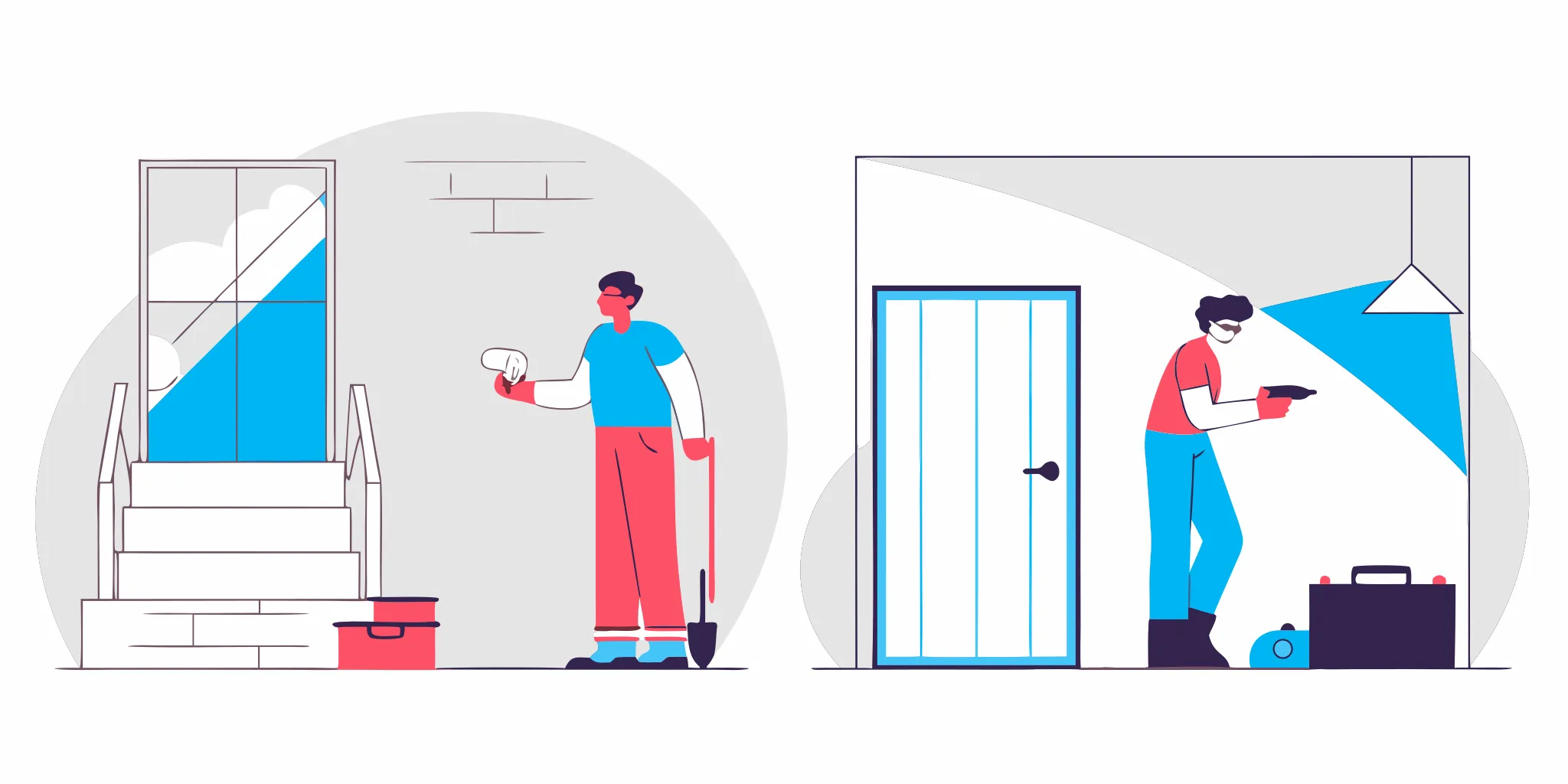
Professional HVAC repair technician working on a unit versus a homeowner attempting a DIY fix.
Back to Blog
InsightsJune 26, 2026

HVAC Repair Guide: DIY Fixes vs. Calling a Pro

Find out when HVAC repair is a simple DIY fix and when you need a pro. Learn practical tips to keep your system running smoothly and your home comfortable.

Living on Florida's Space Coast means dealing with relentless heat, thick humidity, and salty air that can be tough on home systems. Your air conditioner isn't just running; it's battling the elements year-round. Because of this, knowing how to care for your system and what to do when it falters is essential knowledge for any local homeowner. This guide is written specifically for our community. We’ll explore the common issues caused by our climate, what they sound and look like, and how to respond. From simple DIY checks to knowing when to call for a reliable HVAC repair, you’ll learn how to keep your home cool and comfortable through every season. ## Key Takeaways * **Troubleshoot the Basics First**: Your HVAC system will give you warning signs like strange noises or high energy bills. Before calling for help, always check the simple things first, such as your thermostat settings and air filter, since these quick fixes can often solve the problem. * **Know When to Call a Pro**: While some fixes are easy, problems involving electrical components, refrigerant leaks, or a frozen unit are not DIY jobs. For your safety and to prevent bigger issues, these signs mean it's time to contact a licensed technician. * **[Use Maintenance to Save Money](https://spacecoastcooling.com/are-hvac-maintenance-plans-worth-it/)**: The smartest way to lower repair costs is to prevent them altogether. Investing in a regular maintenance plan keeps your system running efficiently, helps you avoid expensive emergency breakdowns, and extends the life of your equipment. ## Signs It's Time for an HVAC Repair Your HVAC system is the unsung hero of your home, quietly keeping you comfortable day in and day out. But when it’s struggling, it usually doesn’t fail in silence. Most systems will give you clear warning signs that something is wrong long before a complete breakdown. Paying attention to these clues can be the difference between a simple, affordable repair and a costly, inconvenient replacement. If you notice any of the following issues, your HVAC system is trying to tell you it needs a professional’s touch. ### Hot and Cold Spots in Your Home Does your living room feel like a different climate zone than your bedroom? If you’re constantly adjusting the thermostat but can’t get your home to a consistent temperature, your HVAC system is likely the culprit. These hot and cold spots often point to an airflow problem. While it could be as simple as a clogged air filter, it can also signal a more serious issue. Weak or limited airflow from your vents can be a sign of a [malfunctioning blower motor](https://www.energy.gov/energysaver/maintaining-your-air-conditioner) or blocked ductwork. Don’t just live with the discomfort; it’s a clear sign your system is working inefficiently and needs a check-up. ### Strange Noises and Smells You know the familiar, gentle hum your air conditioner makes when it kicks on. Any sounds outside of that normal operation should be a red flag. Banging, rattling, grinding, or high-pitched screeching are clear indicators that something is wrong inside the unit. These noises often mean a part is loose or a component is failing. The same goes for strange smells. A musty odor could point to mold in your ductwork, while a burning smell can signal a dangerous electrical problem. Don't ignore these sensory warnings; turn the system off and call for a professional inspection right away to ensure your family’s safety. ### A Sudden Spike in Your Energy Bill Your monthly energy bill is one of the most reliable indicators of your HVAC system's health. If you get a bill that makes your jaw drop and you haven't changed your habits, your air conditioner or furnace is probably working way too hard. A struggling system has to run longer and use more power to cool or heat your home, causing a sudden spike in your costs. In fact, poorly maintained systems can [inflate energy costs](https://www.energy.gov/energysaver/articles/spring-and-summer-energy-saving-tips) significantly. Comparing your current bill to the same month from last year is a great way to spot a problem before it gets worse. ### Weak Airflow or Dusty Air If the air trickling from your vents feels weak or barely there, it’s a major sign of a problem. This could be caused by a dirty filter, but it might also be a failing blower motor or a blockage deep within your ductwork. You should also pay attention to the quality of your air. Seeing more dust, dander, and other particles floating around your home? This could mean your system’s filters are clogged and no longer doing their job, or that your ducts need a serious cleaning. For anyone in Florida dealing with allergies, poor [indoor air quality](https://www.epa.gov/indoor-air-quality-iaq/improving-indoor-air-quality) is more than an annoyance; it’s a health concern that needs to be addressed. ### Your System Constantly Turns On and Off Have you noticed your air conditioner kicking on for just a few minutes, shutting off, and then turning back on again a short time later? This is called "short cycling," and it’s a serious issue. Not only is it incredibly inefficient and a driver of high energy bills, but it also puts immense stress on the system's most expensive components, like the compressor. This constant starting and stopping can lead to a premature breakdown. Short cycling can be caused by several things, from an oversized system to low refrigerant levels. Because it can quickly cause major damage, it’s a problem you’ll want a professional to diagnose and fix as soon as possible. ## Quick HVAC Fixes You Can Do Yourself When your air conditioner sputters on a hot Florida day, it’s easy to assume the worst. But before you panic, take a deep breath. Some of the most common HVAC issues have surprisingly simple solutions that you can handle yourself in just a few minutes. Working through these basic troubleshooting steps can often restore your comfort without the need for a service call. These quick checks are the first line of defense for any homeowner. They can save you time, prevent a small issue from becoming a big one, and help you understand your system a little better. If your HVAC is still acting up after you’ve tried these fixes, you’ll have valuable information to share with a technician when you call. Just remember to always prioritize your safety, especially when dealing with electrical components. ### Check Your Thermostat Settings It might sound too simple to be true, but a quick check of your thermostat can often solve the problem. Someone in the house may have accidentally changed the settings, or the batteries might have died. First, make sure the system is set to "Cool" (or "Heat" in the winter) and not "Off" or "Fan." Next, check that the temperature is set where you want it. Adjusting thermostat settings is an easy fix for some common HVAC issues. If the screen is blank, try replacing the batteries. If the system still doesn’t respond after you’ve confirmed the settings are correct, it’s time to move on to the next step. ### Change the Air Filter A dirty air filter is one of the most common culprits behind HVAC problems. When the filter gets clogged with dust, pet dander, and other debris, it restricts airflow. This forces your system to work harder, which can lead to weak airflow, poor cooling, and even a frozen unit. If you notice more airborne dust or allergens circulating throughout your home, it’s a definite sign your filter needs attention. Most manufacturers recommend you [change your air filter](https://www.energy.gov/energysaver/maintaining-your-air-conditioner) every one to three months. It’s a five-minute job that can dramatically improve your system’s efficiency and your home’s air quality. ### Inspect the Breaker Box If your HVAC system won’t turn on at all, the issue could be electrical. Before calling for help, take a look at your home’s main electrical panel, or breaker box. HVAC systems are usually connected to two separate breakers: one for the indoor unit and one for the outdoor unit. Look for a switch that is in the "Off" position or in the middle. Try flipping it completely off and then back on again. If the breaker trips again right away, don’t reset it again. A repeatedly tripping breaker signals a deeper electrical problem that needs a [professional diagnosis](https://www.spacecoastcooling.com/contact-us/) to ensure your safety. ### Clear the Outdoor Unit Your outdoor AC unit, called the condenser, needs plenty of room to breathe. It works by pulling in air and releasing heat from your home. If it’s covered in dirt or surrounded by debris, it can’t do its job efficiently. Take a walk outside and check on your unit. Trim back any shrubs or plants so there are at least two feet of clear space on all sides. Gently remove any leaves, grass clippings, or cobwebs from the metal fins. For a deeper clean, you can turn the power off at the breaker and gently rinse the unit with a garden hose. This simple task helps your system run more effectively and can prevent overheating. ### Make Sure Vents Are Open and Unblocked Are some rooms in your house comfortable while others feel stuffy? The problem might not be your AC unit but your air vents. If you notice weak or limited airflow, it could be a sign of a blockage. Walk through your home and check every supply vent to make sure it’s open and not obstructed. It’s common for vents to be accidentally closed or blocked by furniture, rugs, or curtains. Ensuring the air has a clear path to circulate allows your system to cool your home evenly and efficiently, taking unnecessary strain off the equipment and restoring comfort to those hot spots. ## When to Call an HVAC Pro While some HVAC issues are simple enough to handle on your own, many problems are clear signals that you need professional help. These more serious issues often involve complex electrical components, specialized coolants, or the risk of causing even more damage to your system. Ignoring them can lead to bigger, more expensive headaches down the road. If you spot any of the following signs, it’s best to put down the tools and pick up the phone to call for an HVAC repair. A trained technician has the right equipment and expertise to diagnose the root cause safely and get your system running correctly again. They can tell the difference between a minor hiccup and a critical failure, saving you from guesswork and potentially dangerous DIY mistakes. ### Signs of a Refrigerant Leak Refrigerant is the chemical that allows your air conditioner to cool your home, and your system is designed to be a closed loop. This means you should never need to "top off" your refrigerant. If you're low, you have a leak. You might notice puddles of water or condensation forming around your indoor unit, or the system might run for hours without actually cooling your home. A hissing sound is another tell-tale sign. Because refrigerant is a regulated substance, only a licensed technician is legally allowed to handle it. Continuing to run a system with a leak is inefficient and can cause severe damage to the compressor. ### Electrical Problems Your HVAC system relies on a complex network of electrical connections to function. If you hear loud or unusual noises like banging, grinding, or screeching, it’s often a sign that a motor bearing is failing or another mechanical part has an electrical issue. Don't ignore these sounds. Other red flags include lights that flicker when the system kicks on or a circuit breaker that repeatedly trips. Attempting to fix electrical problems on your own is extremely dangerous and can pose a fire risk. A professional can safely trace the source of the problem, whether it's a faulty capacitor or a failing motor, and perform the correct repair. ### A Frozen AC Unit Finding ice on your air conditioner might seem like it’s working too well, but it’s actually a serious problem. A frozen AC unit is almost always caused by a lack of airflow. This could be due to something as simple as a dirty air filter, but it can also point to a more serious issue like a malfunctioning blower motor or a blocked duct. When airflow is restricted, the refrigerant can get too cold and cause moisture on the evaporator coils to freeze solid. Running your AC in this state can destroy the compressor, the most expensive part of the system. If you see ice, turn the system off immediately and call for service. ### Compressor or Motor Issues The compressor is the heart of your air conditioning system, responsible for circulating refrigerant between the indoor and outdoor units. When it fails, you have no cool air. Loud noises from the outdoor unit, or a system that tries to start but immediately shuts down, can indicate a problem. These are major compressor and motor failures that require professional diagnosis. A technician can determine if the component can be repaired or if it needs to be replaced, saving you from guessing and potentially wasting money on the wrong solution. Don't wait for the problem to get worse; addressing it quickly is key. ### An Old or Mismatched System Sometimes, the problem isn't a single broken part but the system itself. If your HVAC unit is more than 10-15 years old and needs frequent repairs, it may be more cost-effective to replace it. Similarly, a system that is too small for your home will run constantly without ever reaching the set temperature, while an oversized system will turn on and off too frequently. This "short cycling" causes unnecessary wear and tear and does a poor job of removing humidity. If you’re facing constant comfort issues and high energy bills, it’s time to have a professional evaluate your entire system. ## How to Choose the Right HVAC Repair Service When a DIY fix doesn't cut it, you need a professional you can trust. But with so many options out there, how do you pick the right one? Choosing a great HVAC company isn't just about getting the heat or AC back on; it's about ensuring the job is done safely, correctly, and for a fair price. Look for a few key signs of a quality service provider to protect your home and your budget. ### Licenses and Experience First things first: never hire an unlicensed contractor. A valid license proves a technician has the training and knowledge to work on your system safely. In Florida, you can easily [verify a contractor's license](https://www.myfloridalicense.com/wl11.asp) online. Beyond the license, look for a company with deep experience. A seasoned pro does more than just fix the immediate issue; they can assess if your HVAC system is properly sized for your home and spot underlying problems that could cause trouble later. Ask how long they’ve been in business and if their technicians are trained to work on your specific brand of equipment. This experience is what separates a quick fix from a lasting solution. ### Upfront, Honest Pricing You should never have to guess what a repair will cost. A reputable HVAC company will always provide a clear, itemized estimate for you to approve before they start any work. Be wary of companies that offer vague quotes over the phone or pressure you into immediate decisions. While it’s tempting to go with the lowest bid, remember that price often reflects quality. An unusually cheap quote could signal an inexperienced technician or hidden fees that will show up on the final bill. Look for a company that focuses on transparent pricing and offers options, like [flexible financing](https://www.spacecoastcooling.com/financing/), to help you manage the cost of larger repairs without stress. ### 24/7 Emergency Service An air conditioner never fails at a convenient time. It’s usually on the hottest night of the year or right before holiday guests arrive. That’s why you need a company that offers true 24/7 emergency service. Before you’re in a crisis, find a local pro who guarantees they’ll be there for you day or night. This means having a real person answer your call and the ability to dispatch a technician when you need it most. Having a reliable [emergency HVAC service](https://www.spacecoastcooling.com/contact-us/) on standby gives you peace of mind, knowing that help is just a phone call away, no matter the hour. ### A Strong Local Reputation A company that works in your community has a powerful incentive to do great work: their reputation depends on it. Look for an HVAC service with deep roots in your area and positive feedback from your neighbors. Check recent online reviews, but also ask for recommendations in local social media groups or from friends. A company that has served the Space Coast for years understands the specific challenges our climate presents, from high humidity to corrosive salt air. They are accountable to the community they live in, which means you’re more likely to get the dependable, neighborly service you deserve. ## How Regular Maintenance Saves You Money Think of HVAC maintenance like an oil change for your car. It’s a small, proactive step that helps you avoid a massive, unexpected breakdown on the side of the road. Scheduling regular tune-ups for your heating and cooling system is one of the smartest ways to protect your investment and your wallet. It’s not just another expense; it’s a strategy that pays for itself by preventing bigger, more expensive problems down the line. From lower energy bills to a longer system lifespan, the financial benefits of consistent care are too significant to ignore, especially here in the Florida heat. ### Help Your System Last Longer Your HVAC system is one of the most expensive appliances in your home, and you want it to last as long as possible. Just like any complex machine, it needs regular attention to keep running smoothly. During a maintenance visit, a technician cleans, lubricates, and inspects all the moving parts, catching and fixing minor issues before they can cause major damage. This simple act of preventative care reduces wear and tear on critical components like the compressor and fan motor. A well-maintained system can easily last several years longer than a neglected one, pushing back the need for a costly full replacement and giving you more value from your initial investment. ### Reduce Your Energy Bills A dirty or poorly maintained air conditioner has to work much harder to cool your home. When air filters are clogged and coils are covered in grime, airflow is restricted, and the system struggles to transfer heat effectively. This inefficiency means it runs longer and uses more electricity to do the same job, causing a noticeable spike in your monthly energy bills. According to the U.S. Department of Energy, a regular maintenance plan can help you [maintain your system's efficiency](https://www.energy.gov/energysaver/maintaining-your-air-conditioner). A clean, tuned-up system runs at peak performance, using less power to keep you comfortable and saving you money every month. ### Avoid Expensive Emergency Repairs There’s nothing worse than your AC giving out during a sweltering Florida summer weekend. These emergency breakdowns are not only uncomfortable but also incredibly expensive. Regular maintenance is your best defense against them. During a tune-up, a trained technician can spot warning signs like a worn-out fan belt, a failing capacitor, or low refrigerant levels. Addressing these small problems during a scheduled visit is simple and affordable. Ignoring them, however, allows them to escalate into catastrophic failures that require urgent, after-hours service calls and often lead to replacing major components. A small investment in maintenance provides peace of mind and helps you avoid costly emergency repairs. ### Improve Air Quality and Comfort The financial benefits of maintenance are clear, but the impact on your family’s health and comfort is just as important. Your HVAC system circulates all the air in your home, and if it’s dirty, it’s pushing dust, pollen, pet dander, and even mold spores into every room. During a maintenance visit, technicians clean the coils, blower components, and drain pans where these contaminants build up. They also ensure you have a clean air filter. This process significantly reduces the number of allergens and pollutants in your air, which can make a huge difference for anyone with allergies or asthma. Better [indoor air quality](https://www.epa.gov/indoor-air-quality-iaq/improving-indoor-air-quality) means a healthier, more comfortable home. ## Smart Ways to Lower Your HVAC Repair Costs An unexpected HVAC repair bill can throw a wrench in anyone’s budget. While you can’t predict every issue, you can take smart, proactive steps to manage your expenses and keep your system running smoothly. Thinking ahead not only saves you money on service calls but also helps lower your monthly energy bills and extends the life of your equipment. Here are a few practical ways to keep your HVAC repair costs in check. ### Get on a Maintenance Plan The most effective way to lower repair costs is to prevent problems before they start. A maintenance plan is essentially a wellness program for your HVAC system. During a tune-up, a technician will clean, inspect, and service your unit to ensure everything is working correctly. This regular attention helps your system run more efficiently and allows us to spot small issues, like worn-out parts, before they cause a major breakdown. In fact, neglecting [regular maintenance](https://www.mjiservices.com/post/the-unseen-toll-the-consequences-of-ignoring-hvac-maintenance-in-commercial-properties) can cause your energy costs to climb by as much as 30%. Our affordable maintenance plans are designed to save you money by preventing expensive emergency repairs and keeping your system in top shape. ### Ask About Financing A major repair or a full system replacement can be a significant investment, and it often comes at the worst possible time. If you’re facing a large, upfront cost, don’t feel like you have to drain your savings or settle for a temporary fix. Ask about financing options. Breaking down a large expense into manageable monthly payments can make it possible to get the high-efficiency system or comprehensive repair you really need. This ensures your home stays comfortable and your equipment remains reliable for years to come. We offer flexible financing solutions to help you handle necessary HVAC work without the financial strain. ### Weigh Repair vs. Replacement Costs When an older HVAC system breaks down, you face a tough question: is it better to repair it again or invest in a new one? A good rule of thumb is to consider replacement if the unit is more than 10–15 years old or if the repair cost is 50% or more of the price of a new system. While a repair might seem cheaper upfront, sinking money into an aging, inefficient unit can cost you more in the long run through higher energy bills and future service calls. A modern, high-efficiency unit will not only be more reliable but can also significantly lower your monthly cooling costs. Our technicians can give you an honest assessment to help you weigh your options and make the best financial decision for your home. ### Upgrade to a Smart Thermostat One of the simplest upgrades you can make for both savings and convenience is installing a smart thermostat. These devices learn your family’s schedule and automatically adjust the temperature, so you aren’t wasting energy cooling an empty house. You can also control them from your phone, allowing you to turn the AC up or down before you get home. While [adjusting thermostat settings](https://twincityheatingandair.com/minneapolis-mn-heating-and-air-conditioning-blog/diy-hvac-troubleshooting-fix-common-issues-easily) manually is a good habit, a smart thermostat automates the process for maximum efficiency. It’s a relatively small investment that can lead to noticeable savings on your energy bills each month, reducing the overall strain on your HVAC system and potentially delaying the need for future repairs. ## Related Articles * [Are HVAC Maintenance Plans Worth It? What to Know](https://spacecoastcooling.com/are-hvac-maintenance-plans-worth-it/) * [Professional Furnace Repair in Cocoa, FL](https://spacecoastcooling.com/hvac-services/furnace-repair/) * [FAQs | Space Coast Cooling & Plumbing, Inc.](https://spacecoastcooling.com/faq/) * [Air Conditioning Repair in Cocoa, FL](https://spacecoastcooling.com/hvac-services/air-conditioning-repair/) * [Thermostat Installation & Repair in Cocoa, FL](https://spacecoastcooling.com/hvac-services/thermostat-installation-repair/) ## [Frequently Asked Questions](https://spacecoastcooling.com/faq/) **How often do I really need to get my HVAC system serviced?** Here in Florida, your system works hard almost year-round, so we recommend having it professionally serviced twice a year. A tune-up in the spring prepares your air conditioner for the summer heat, and another check-up in the fall ensures your heating is ready for any cool snaps. Think of it as preventative care that keeps your system running efficiently, helps you avoid surprise breakdowns, and catches small issues before they become expensive problems. **My AC is over 10 years old. Should I repair it or just replace it?** That's a great question, and it often comes down to a simple cost-benefit analysis. A good guideline is to consider replacement if a repair costs 50% or more of what a new system would. While a repair might be cheaper in the short term, putting money into an older, less efficient unit can lead to more service calls and higher energy bills down the road. We can help you compare the numbers so you can make a confident decision that fits your budget and long-term goals. **What's the difference between a musty smell and a burning smell from my vents?** Both are signs you shouldn't ignore, but they point to very different problems. A musty or mildew-like odor usually indicates moisture and potential mold growth in your ductwork or the unit itself, which can impact your home's air quality. A burning smell, however, is much more urgent. It often signals an electrical fault or an overheating motor. If you smell something burning, turn your HVAC system off immediately at the breaker and call a professional for an emergency inspection. **I tried the DIY fixes, but my AC is still not working right. What's next?** First of all, it's great that you checked the basics like the filter and thermostat. That information is actually very helpful. When those simple fixes don't solve the problem, it means the issue is likely more complex, such as a refrigerant leak, a faulty capacitor, or a motor problem. This is the perfect time to stop troubleshooting and call a technician. Continuing to run a malfunctioning system can cause more damage, so it's best to let a professional take it from here. **Is a maintenance plan actually worth the money?** Absolutely. A maintenance plan is an investment in reliability and savings. The cost of regular tune-ups is almost always less than what you would pay for a single emergency repair. By keeping your system clean and properly serviced, you lower your monthly energy bills, extend the life of your equipment, and catch small problems before they turn into major failures. It's the most effective way to get peace of mind and protect your budget from unexpected HVAC expenses.
Available 24/7

Call the Experts that Local Homeowners Rely On

When you need home services, you want answers you can trust and work you can count on. Space Coast Cooling & Plumbing is the plumbing and HVAC company in Cocoa, FL, that brings decades of local experience, licensed professionals, and customer-first service to every job. One call connects you with a team ready to help.

Licensed & InsuredServing Cocoa Since 1994Honest, Upfront PricingSame-Day Service Available