Need Help? Call Us Now!
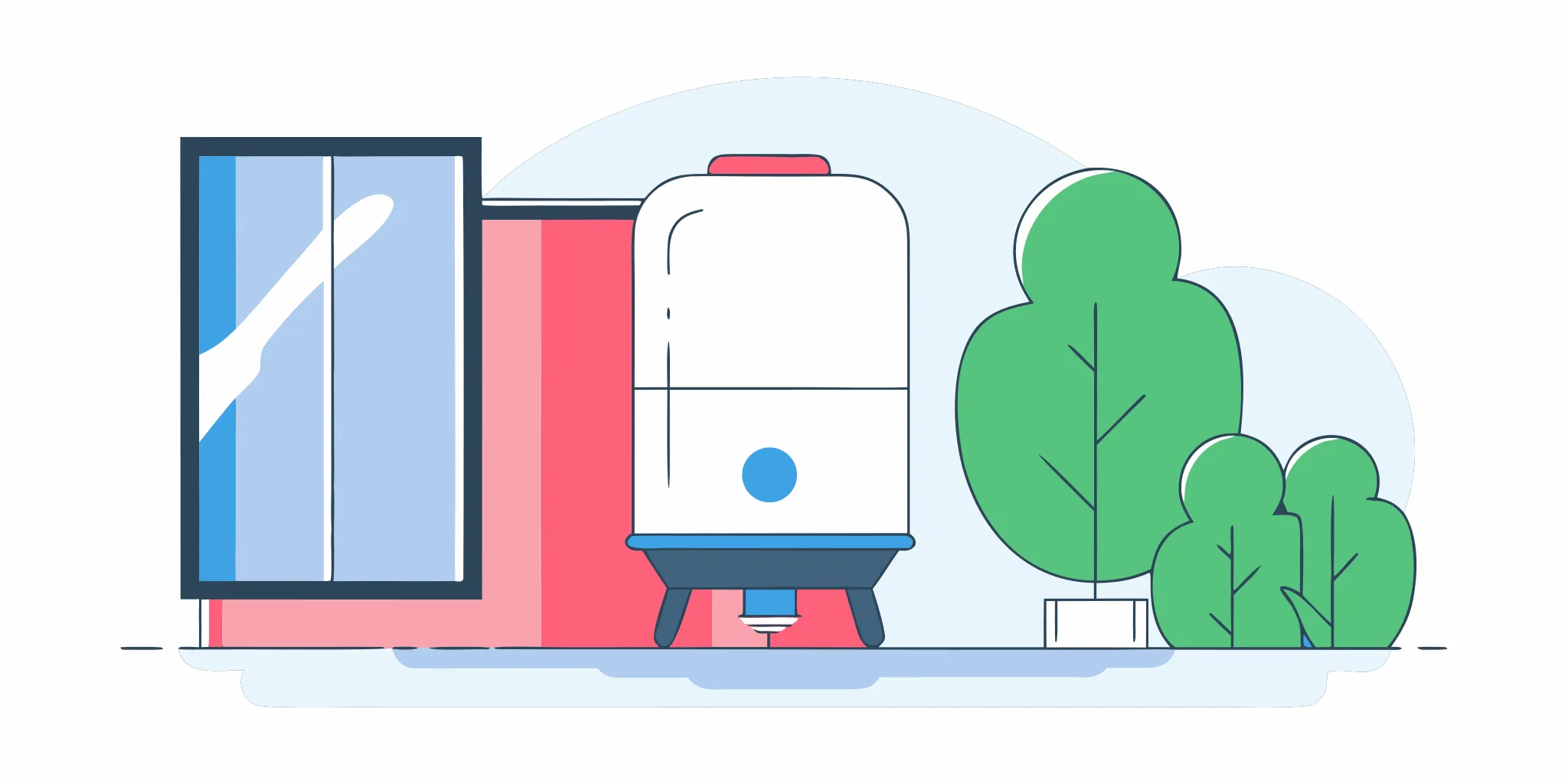
A water heater showing signs of a leak, a common cause of water damage for homeowners.
Back to Blog
InsightsJune 26, 2026

Leaking Water Heater Causes: A Homeowner's Guide

Find out the most common leaking water heater causes, how to spot early warning signs, and practical steps to protect your home from water damage.

Your water heater works tirelessly behind the scenes, but it’s an appliance that shouldn't be ignored. Taking a proactive approach to its health can save you from the massive headache and expense of a sudden failure. Instead of waiting for a puddle to appear, it helps to understand what puts stress on your system in the first place. Most issues develop slowly over time, giving you warning signs long before a catastrophic leak occurs. By learning about the common leaking water heater causes, you can spot trouble early and take preventative action. We’ll break down everything from corrosion to faulty connections, giving you the knowledge to protect your investment and keep your home safe from water damage. ## Key Takeaways * **Identify the leak's location first**: A drip from a pipe or valve is often a straightforward repair for a plumber. But if water is coming from the main tank, it signals internal corrosion, and the entire unit will need to be replaced. * **Regular maintenance prevents major disasters**: Simple actions make a huge difference in your water heater's lifespan. Schedule an annual tank flush to clear out sediment, ask a pro to check the anode rod every few years, and make sure your home's water pressure is below 80 PSI. * **Treat tank leaks as an emergency**: Don't ignore warning signs like puddles, rusty water, or rumbling noises. A leak from the body of the tank means it has failed, so shut off the water and power to the unit right away and call a plumber to prevent a potential flood. ## What Causes a Water Heater to Leak? Finding a puddle of water around your water heater is a frustrating discovery. While your first thought might be a major plumbing disaster, the cause is often one of a few common issues. Understanding what’s behind the leak is the first step to getting it fixed correctly. Most leaks can be traced back to three main culprits: the age of the unit, a problem with the original installation, or a defect in the water heater itself. Each of these issues requires a different approach. An old, worn-out tank often needs to be replaced, while a faulty connection might just need a simple adjustment from a professional. Pinpointing the source of the water will help you and your plumber decide on the best and most cost-effective solution to get your hot water running again without any more surprises on your floor. ### Old Age and General Wear Like any major appliance in your home, your water heater won’t last forever. Most tank-style water heaters have a [lifespan of about 8 to 20 years](https://www.hotwater.com/info-center/water-heater-leaking.html), and as they approach the end of that range, their parts begin to wear out. Over time, minerals and sediment in the water can cause the inside of the steel tank to corrode. This internal rust eventually eats away at the metal, creating small cracks or holes that allow water to seep out. If your water heater is more than a decade old and has started leaking from the tank itself, it’s usually a clear sign that it’s time for a replacement rather than a repair. ### Improper Installation A water heater needs to be installed perfectly to function safely and efficiently. Unfortunately, an improper installation can lead to a whole host of problems, including leaks. This is often the case when connections to the hot and cold water lines aren't tightened correctly, causing a slow drip that can worsen over time. Another common mistake is failing to install a drain pan underneath the unit, which can turn a minor leak into major water damage. For gas heaters, incorrect ventilation can also cause condensation and other issues. These types of leaks are a perfect example of why having a [licensed professional handle the installation](https://www.advanced-mechanical.com/8-common-causes-of-a-water-heater-leak-and-how-to-prevent-them/) is so important from day one. ### Flaws from the Factory While it’s less common, sometimes a leak isn't due to age or a bad installation but a manufacturing defect. The water heater tank could have a flaw that causes it to crack under pressure, or an internal component might not have been sealed correctly at the factory. A leak coming directly from the tank is the most serious issue. Unlike a leaky valve or pipe fitting that can be replaced, a [leaking water heater tank cannot be repaired](https://drftps.com/how-long-will-a-water-heater-last-after-the-tank-starts-leaking/). It indicates that the structural integrity of the unit has failed, and the entire water heater will need to be replaced to prevent a much larger flood. ## How Sediment Buildup Leads to Leaks One of the most common, yet overlooked, causes of a leaking water heater is sediment buildup. Think of it like the scale that collects in your coffee pot, but on a much larger and more destructive scale. Over time, minerals from the water supply settle at the bottom of your tank, creating a thick layer of gunk. This sediment doesn't just sit there; it actively works against your water heater, causing it to overheat, corrode, and eventually spring a leak. Understanding how this process works is the first step to preventing a major water disaster in your home. ### How Minerals Collect in Your Tank If you live in Florida, you’re likely familiar with the effects of hard water. The same minerals, like calcium and magnesium, that cause soap scum on your shower door are also flowing into your water heater. When the water is heated, these minerals separate and sink to the bottom, forming a thick, gritty layer of sediment over months and years. This buildup creates a barrier between the heating element and the water it’s trying to heat, a problem that only gets worse as more minerals settle. ### The Link Between Sediment and Corrosion That layer of sediment does more than just take up space; it traps heat. Your water heater’s burner is at the bottom of the tank, right where the sediment collects, forcing the unit to run longer and hotter to heat the water above it. This constant overheating puts immense stress on the tank's metal and its protective inner lining. As one manufacturer notes, this process "weakens the metal, and leads to cracks." The intense heat can damage the glass lining designed to prevent rust, allowing water to contact the steel tank and kickstarting the corrosion that ultimately causes leaks. ### Why Flushing Your Tank is Key The good news is that sediment buildup is a preventable problem. The most effective way to combat it is by performing a regular tank flush. This maintenance task involves draining your water heater to wash out all the accumulated minerals and debris. Flushing your tank annually removes the sediment before it can harden and cause serious damage. As experts at A.O. Smith explain, "Regular flushing can prevent sediment buildup, which can lead to overheating, cracks, and leaks." While some homeowners tackle this themselves, having a professional handle it as part of a plumbing maintenance plan ensures it’s done correctly and safely. ## The Unsung Hero: Your Anode Rod Inside your water heater, there's a small but mighty component working around the clock to protect your tank from rust and corrosion. It’s called the anode rod, and while you’ve probably never seen it, it plays a huge role in how long your water heater lasts. Think of it as a bodyguard for your tank, taking the hit so the tank doesn't have to. Understanding what this part does, how to spot trouble, and when to replace it is one of the best ways to prevent a surprise leak and a costly replacement. ### How an Anode Rod Protects Your Water Heater Your water heater tank is typically made of steel, which is prone to rusting when constantly exposed to water. The anode rod prevents this by acting as a decoy. Made from more reactive metals like magnesium or aluminum, the rod attracts the corrosive elements in the water through an electrochemical process. Essentially, the anode rod "sacrifices" itself by corroding away first, which is why it's often called a [sacrificial anode rod](https://www.hotwater.com/resources/what-is-an-anode-rod/). This simple but brilliant design keeps the steel lining of your tank safe and sound. As long as the anode rod has material left to corrode, your tank is protected from rust. ### Signs Your Anode Rod is Failing Because the anode rod is designed to wear away, it will eventually be completely consumed. When that happens, the corrosive elements in your water will start attacking the next available metal: the steel tank itself. The most common sign of a failed anode rod is discolored or rusty hot water that may have a metallic smell. You might also notice that your water heater is making more noise than usual as sediment from the corroded tank settles at the bottom. If you ignore these signs, the tank will eventually rust through and start to leak, leading to a much bigger problem. Catching a failing anode rod early can save your water heater. ### When to Replace Your Anode Rod So, how often should you think about this hidden hero? As a general rule, an anode rod should be inspected every few years and typically needs replacing every three to five years. However, this timeline can change depending on your water quality. Here in Florida, we often deal with hard water, which can cause the anode rod to corrode faster. Proactively replacing the rod is one of the most cost-effective ways to extend the life of your water heater. While it sounds simple, removing a spent anode rod can be tricky, so it's a task best left to a professional. Our team can handle this during a routine water heater maintenance visit. ## Why High Water Pressure is a Problem Good water pressure is something we all want for a satisfying shower, but there’s definitely too much of a good thing. Your home’s entire plumbing system, including your water heater, is designed to operate within a specific pressure range, typically between 40 and 80 PSI. When the pressure from the city’s water supply exceeds that limit, it puts constant, unnecessary stress on every pipe, joint, and appliance connected to your water line. This relentless force can weaken components over time, leading to everything from noisy pipes to catastrophic leaks. Your water heater is particularly vulnerable because it’s a sealed tank that is always under pressure. Think of it like an overinflated tire; eventually, the strain will find the weakest point. Identifying and correcting high water pressure isn’t just about protecting your water heater, it’s about safeguarding your entire home from premature plumbing failures and costly water damage. ### How Excess Pressure Damages Your Tank Your water heater tank is built to be durable, but it isn’t invincible. When water pressure is too high, it constantly pushes against the tank's inner lining and seams. This ongoing stress can accelerate wear and tear, eventually causing the metal to fatigue. Over time, this can lead to tiny cracks or fractures forming in the tank’s interior wall. Once these weak spots develop, the high pressure can easily [force water out](https://www.hotwater.com/info-center/water-heater-leaking.html), resulting in a slow, persistent leak that might go unnoticed for a while. This is one of the most dangerous types of leaks because it can silently damage your floors and walls while also creating a perfect environment for mold growth. By the time you spot the puddle, significant damage may have already occurred. ### Damage to the Pressure Relief Valve Every water heater has a critical safety component called a Temperature and Pressure (T&P) relief valve. Its job is to automatically open and release water if the temperature or pressure inside the tank gets dangerously high. However, when your home’s overall water pressure is constantly elevated, it puts this valve under continuous strain. This constant force can cause the valve's spring mechanism to weaken and fail. It might start to drip intermittently or fail to close properly after opening. A faulty T&P valve isn't just a source of a leak; it's a serious safety hazard. If the valve can't do its job during a pressure spike, the tank itself could [rupture or burst](https://www.advanced-mechanical.com/8-common-causes-of-a-water-heater-leak-and-how-to-prevent-them/). ### Solutions for High Water Pressure The good news is that high water pressure is a fixable problem. The first step is to find out your home's pressure level. You can buy a simple water pressure gauge from any hardware store, attach it to an outdoor hose spigot, and get a reading in minutes. If it’s consistently above 80 PSI, you should take action. The most common solution is to have a plumber install a pressure-reducing valve (PRV) on your main water line. This device regulates the pressure for your entire home. Another helpful addition is a thermal [expansion tank](https://www.hotwater.com/info-center/water-heater-leaking.html), which is installed near your water heater. It absorbs the pressure created when water heats up and expands, protecting the tank and its components. A licensed plumber can help you determine the right solution for your home. ## When Your Temperature & Pressure (T&P) Valve Fails Your water heater has a small but mighty component called the Temperature and Pressure (T&P) relief valve. Think of it as your tank’s emergency release system. It’s a critical safety feature that often goes unnoticed until it starts causing problems. If you see water leaking from a pipe coming off the side or top of your tank, there's a good chance the T&P valve is the source. This valve is designed to open automatically and release water if the temperature or pressure inside the tank gets dangerously high, preventing a potential rupture or even an explosion. While a dripping valve might seem like a minor annoyance, it can signal a serious underlying issue with your water heater or the valve itself. Ignoring it isn't an option, as a faulty valve compromises the safety of your entire system. Understanding its job and what can go wrong is key to keeping your home safe and your water heater running properly. ### The T&P Valve's Critical Safety Job The T&P valve is your water heater's most important safety device. Its sole purpose is to protect the tank from extreme pressure or temperature. As water heats up, it expands, which increases the pressure inside the sealed tank. Normally, this is perfectly fine. However, if the thermostat fails and the water gets too hot, or if your home's water pressure is too high, the T&P valve acts as a fail-safe. It automatically opens to vent steam and hot water, relieving the stress on the tank. This simple mechanical action is what stands between a normal day and a [catastrophic tank failure](https://www.energy.gov/energysaver/water-heating). It’s a non-negotiable part of your water heater’s design. ### Common T&P Valve Problems Like any mechanical part, a T&P valve can wear out or fail over time. One of the most common culprits is mineral buildup. As hard water is heated, minerals like calcium and magnesium can settle inside the valve, eventually causing it to seize up or leak. Age is another factor; older valves can simply lose their ability to seal properly. Sometimes, the issue isn't the valve itself but excessive pressure in your plumbing system, which forces the valve to open frequently. A constantly dripping T&P valve is a clear sign something is wrong. It could be a faulty valve, or it could be a warning that your tank is regularly experiencing unsafe pressure levels. ### How to Test and Replace the Valve You can perform a quick test to see if your T&P valve is working. First, place a bucket under the discharge pipe to catch water. Then, carefully lift the test lever on the valve. A burst of hot water should flow out. When you release the lever, the water should stop completely. If the valve only dribbles, or if it keeps leaking after the test, it needs to be replaced. While replacing a T&P valve is a task some homeowners tackle, it requires shutting off the water, partially draining the tank, and ensuring the new valve is installed correctly. For peace of mind and to ensure the job is done safely, it’s often best to call a licensed plumber to handle the replacement. ## Leaks from Faulty Connections and Parts When you find a puddle under your water heater, it’s easy to assume the worst: a rusted-out tank that needs a full replacement. But before you start pricing new units, take a closer look. Often, the leak is coming from a much smaller, more manageable source. Your water heater is a system of parts, and the connections, valves, and fittings that attach to the main tank can loosen or wear out over time. Constant exposure to heat, pressure, and water can cause gaskets to become brittle and fittings to shift from tiny vibrations. The good news is that these types of leaks are typically much less catastrophic and less expensive to repair than a tank failure. A careful visual inspection can often lead you right to the source of the drip, whether it’s a loose pipe on top or a faulty valve at the bottom. Pinpointing the exact location is the first step toward a solution, helping you prevent a small annoyance from becoming a major water damage problem. It’s about knowing where to look and what you’re looking for. Below, we’ll cover the most common faulty parts and how you can identify them, so you can figure out your next steps with confidence. ### Loose Inlet and Outlet Connections Your water heater has two critical connection points at the top: an inlet pipe for cold water entering the tank and an outlet pipe for hot water heading to your faucets. These connections can loosen over time due to small vibrations and the expansion and contraction from temperature changes. If you see water dripping from the top of your unit, these pipes are the first place to look. You can gently check if the fittings feel loose, but be careful not to overtighten them, as that can damage the threads. If a simple tightening doesn't stop the leak, the connection may need to be resealed or the pipe fitting might need to be replaced by a professional. ### A Leaky Drain Valve At the bottom of your water heater tank, you’ll find a drain valve that looks like a small spigot. This valve is used to drain the tank for maintenance, like flushing out sediment. Because it's not used often, it can sometimes develop a slow leak if it wasn't closed tightly enough after the last use or if the washer inside has become brittle and cracked. First, check to see that the valve is completely closed. If it’s still dripping, the valve itself is likely faulty. While it might seem like a simple swap, replacing a drain valve involves draining the entire tank and can get messy fast. It’s a job best left to a [licensed plumber](https://www.spacecoastcooling.com/plumbing-services/) to ensure it's done correctly. ### Worn-Out Pipe Joints and Gaskets Beyond the main connections, your water heater relies on several smaller joints and gaskets to keep everything watertight. The temperature and pressure relief valve, for example, has gaskets that can wear out. The same goes for the heating element connections on an electric model. These rubber or flexible components can degrade after years of exposure to high temperatures, eventually becoming brittle and failing to create a proper seal. These types of leaks often start as very slow drips that can be hard to spot, but they can worsen over time. Regular visual checks around these components can help you catch a failing gasket before it causes significant water damage. ## How Corrosion Destroys a Water Heater Tank Corrosion is one of the main reasons water heaters fail. Think of it as a slow, silent process that eats away at your tank from the inside out. Because water and metal are constantly in contact, rust is an ever-present threat. Over time, this corrosion can weaken the steel tank, leading to cracks, pinhole leaks, and eventually, a full-blown flood in your garage or utility closet. Understanding how corrosion works is the first step to preventing it and extending the life of your water heater. It’s not just about age; factors like maintenance and even your local water quality play a huge role in how quickly your tank gives in to rust. ### Rust Forming Inside the Tank Your water heater’s steel tank is constantly exposed to water, which is a perfect recipe for rust. To combat this, manufacturers install a component called an anode rod, also known as a "sacrificial" rod. Its job is to attract corrosive elements in the water, essentially sacrificing itself to protect the tank lining. Over time, this rod completely dissolves. Once it's gone, the corrosive process attacks the steel tank itself. This internal rust can create weak spots and eventually form holes. Unfortunately, once rust makes a hole in the tank, the damage is permanent and the entire unit needs to be replaced. ### Spotting Corrosion on the Outside While much of the damage happens inside, you can often spot warning signs on the exterior of your water heater. Take a moment to look for any signs of rust on the tank itself, especially around valves, pipe connections, and seams. A little surface rust might not be an emergency, but it’s a signal to pay closer attention. Another major red flag is discolored, rusty water coming from your hot water taps. If you see this, it’s a strong indicator that the inside of your tank is corroding. [Catching these problems](https://www.hotwater.com/info-center/water-heater-leaking.html) early gives you a much better chance of addressing the issue before it causes a major breakdown. ### How Water Quality Affects Your Tank's Lifespan Here in Florida, we have notoriously hard water, which is tough on our plumbing fixtures, including water heaters. Hard water contains high levels of minerals like calcium and magnesium. These minerals settle at the bottom of your tank, creating a thick layer of sediment. This buildup does two things: it forces your water heater to work harder to heat the water, and it can cause the bottom of the tank to overheat. This overheating can weaken the tank's glass lining, leading to cracks and corrosion. Regularly flushing your tank is the best way to remove this sediment and prevent it from causing irreversible damage. ## Warning Signs of a Leaking Water Heater Your water heater usually gives you a few hints before it fails completely. Catching these early warning signs can be the difference between a simple repair and a full-blown flood in your garage or utility closet. Paying attention to what you see, hear, and even feel from your hot water tap can help you act before a small issue becomes a major headache. ### Visual Clues: Puddles and Water Stains The most straightforward sign of a leak is, of course, water where it shouldn’t be. If you spot a puddle or even just a damp spot on the floor around your water heater, it’s time to investigate. Don’t dismiss a small amount of moisture; even minor drips can point to a serious problem. Take a close look at the tank itself for any rust streaks or water stains running down the sides. These can indicate a slow leak from a fitting, a valve, or even the tank wall. Making a quick visual check part of your routine can help you catch these problems early and call for a professional leak detection service before significant water damage occurs. ### Audible Clues: Strange Noises and Performance Drops Your water heater should operate fairly quietly. If you start hearing strange sounds, it’s trying to tell you something. Loud popping, rumbling, or cracking noises often mean a thick layer of sediment has built up at the bottom of the tank. As the burner or heating element turns on, water trapped under this mineral layer boils and steams, creating those unsettling sounds. This process puts a lot of stress on the tank’s interior lining and can eventually cause it to crack and leak. Another clue is a noticeable drop in performance. If you’re running out of hot water faster than you used to, it could be a sign that sediment is interfering with the heating process. ### Changes in Water Temperature and Quality Sometimes, the first clues show up at your faucet. If your hot water suddenly looks rusty or has a brownish tint, it’s a strong indicator that the inside of your tank is corroding. This often means the anode rod has been completely used up and the tank itself is beginning to rust from the inside out, which is a sure path to a leak. Similarly, water that is cloudy, has a metallic smell, or contains sandy particles points to sediment buildup or internal decay. Inconsistent temperatures, like lukewarm water when you expect it to be hot, can also signal an issue with a heating element that may be failing due to sediment buildup. These are clear signs that it's time to schedule a water heater inspection. ## How to Prevent Water Heater Leaks A leaking water heater is one of those household problems nobody wants to discover, especially when you find a puddle spreading across your garage or utility closet floor. The good news is that you can often prevent a major disaster with a little proactive care. Instead of waiting for a problem to announce itself, you can take a few simple steps to extend the life of your water heater and keep it running safely. Think of it like regular checkups for your car; a small amount of attention now can save you from a massive headache and expense later. By getting familiar with your unit and scheduling professional tune-ups, you can catch small issues before they turn into catastrophic failures. These preventative measures protect your investment and give you peace of mind, knowing your home is safe from unexpected water damage. ### Your Regular Inspection Checklist You don’t need to be a plumbing expert to keep an eye on your water heater. A quick visual inspection every few months can make a huge difference. The next time you’re near the unit, take a minute to look for any obvious signs of trouble. Check the fittings and connections where pipes enter and exit the tank. Do you see any drips or chalky white residue? Look at the drain valve near the bottom and the pressure relief valve on the top or side. Everything should be completely dry. Also, scan the floor around the tank for moisture, rust stains, or small puddles. Catching a slow leak early is the key to preventing a much bigger problem. ### Managing Temperature and Water Hardness Two invisible factors that can cause major damage over time are heat and water hardness. First, check your water heater’s thermostat. Many are set too high from the factory, but the ideal temperature is 120°F. Anything higher can accelerate corrosion inside the tank and increase the risk of leaks, not to mention being a scalding hazard. Second, here in Florida, we have notoriously hard water. Those minerals can settle at the bottom of your tank, creating a layer of sediment. This forces your water heater to work harder, causing it to overheat and potentially crack the tank lining. Regularly flushing the tank is the best way to clear out this buildup and keep things running efficiently. ### The Benefits of Professional Maintenance While your own inspections are a great first line of defense, nothing replaces the trained eye of a professional. We recommend scheduling a maintenance check with a qualified plumber at least once a year. During this visit, a technician can perform tasks that go beyond a simple visual check. They can test the temperature and pressure relief valve, inspect the anode rod (a critical part that prevents rust), and perform a full system flush to remove stubborn sediment. This annual service not only helps prevent leaks but also ensures your unit is operating safely and efficiently. It’s the best way to diagnose hidden issues and get a clear idea of when it might be time to consider a replacement. ## When Is It Time to Call a Plumber? Discovering a problem with your water heater can be stressful, but not every issue is a five-alarm fire. Knowing when to grab your toolbox and when to grab your phone is key to protecting your home from water damage without spending money unnecessarily. Some minor issues, like condensation, can be mistaken for leaks, while other problems require immediate professional attention. The most important thing to remember is that working with a water heater involves water, electricity, and potentially natural gas. Before you attempt any inspection, you should always prioritize safety. Make sure you know how to shut off the power at the breaker, turn off the gas supply, and close the main water valve leading to the tank. If you’re not completely comfortable with these steps, it’s always best to leave the job to a licensed plumber who can diagnose the problem safely and accurately. A professional can tell you if you’re dealing with a simple fix or a more serious issue that requires a full replacement. ### DIY Fixes vs. Professional Repairs Some water heater leaks are relatively simple to address. If you notice water dripping from the inlet or outlet connections on top of the tank, you might just need to tighten a loose fitting. Similarly, a slow drip from the temperature and pressure (T&P) relief valve or the drain valve could point to a part that needs replacing. These are tasks a confident homeowner might handle. However, if you see water pooling around the base of the unit, you could be looking at a much bigger problem. A leak originating from the tank itself is a clear sign that internal corrosion has taken its toll, and there is no safe way to repair it. In this case, the only solution is to replace the water heater. Trying to patch a corroded tank is not only ineffective but also dangerous, as it could fail completely at any moment. ### Identifying a Plumbing Emergency So, how do you know if you have a real emergency on your hands? The answer is simple: any leak coming from the water heater tank itself is an urgent problem. Even a slow, steady drip is a warning that the tank's structural integrity is compromised. Waiting to address it dramatically increases the risk of the tank bursting, which can release dozens of gallons of water into your home in a matter of minutes. A leaking water heater should not be used. The moment you confirm the tank is the source of the leak, you should shut off the water and power supplies and call a professional plumber. A small puddle can quickly turn into a major flood, leading to thousands of dollars in water damage and costly repairs to your floors, drywall, and belongings. It’s not a "wait and see" situation; it’s a problem that requires immediate action. ### How Space Coast Cooling & Plumbing Can Help Whether you’re facing an emergency or just want to get ahead of potential problems, our team is here to help. We offer 24/7 emergency plumbing services across the Space Coast to handle urgent issues like a leaking water heater tank. Our licensed technicians will arrive promptly, assess the situation, and provide clear, upfront pricing for either a repair or a replacement. We also believe the best way to deal with a leak is to prevent it from ever happening. If your water heater is getting older, we can help you choose and install a new, energy-efficient model before it fails. Our [professional maintenance plans](https://www.spacecoastcooling.com/maintenance-plans/) are designed to extend the life of your system, including regular inspections, tank flushing, and anode rod checks. A little proactive care can save you from the headache and expense of a major water heater failure down the road. ## Related Articles * [8 Common Causes of a Water Heater Leak and How to Prevent Them](https://www.advanced-mechanical.com/8-common-causes-of-a-water-heater-leak-and-how-to-prevent-them/) * [How Long Will a Water Heater Last After the Tank Starts Leaking?](https://drftps.com/how-long-will-a-water-heater-last-after-the-tank-starts-leaking/) * [What Is an Anode Rod and Why Is It Important?](https://www.hotwater.com/resources/what-is-an-anode-rod/) * [Water Heater Leaking: What To Do](https://www.hotwater.com/info-center/water-heater-leaking.html) * [Water Heating](https://www.energy.gov/energysaver/water-heating) ## Frequently Asked Questions **My water heater is only dripping a little. Is it really an emergency?** Even a small drip can signal a big problem, especially if it's coming from the tank itself. A tiny leak is often a warning sign that the tank's inner wall has corroded and could fail completely, leading to a much larger flood. While a drip from a pipe fitting might be a simpler fix, you should never ignore water pooling around the base of your unit. It’s always best to shut off the water and have it inspected right away. **How can I tell where the leak is coming from?** To get a better idea of the source, you can do a quick visual check. Start by looking at the top of the tank where the cold and hot water pipes connect. Then, inspect the temperature and pressure relief valve on the side or top. Finally, check the drain valve near the bottom. If all those spots are dry but you still see water on the floor, the leak is most likely coming from a crack in the tank itself, which is the most serious issue. **Can most water heater leaks be repaired, or will I need a new one?** It really depends on the source of the leak. If the water is coming from a loose connection, a faulty pressure relief valve, or a worn-out drain valve, a plumber can often replace the specific part and solve the problem. However, if the tank itself is leaking, a repair is not a safe or possible option. A leaking tank means internal corrosion has compromised its structure, and the entire unit will need to be replaced. **What's the single most important maintenance task to prevent leaks?** If you do one thing for your water heater, make it an annual tank flush. Here in Florida, our hard water causes mineral sediment to build up inside the tank. This layer of gunk can cause the unit to overheat, stressing the metal and leading to corrosion and cracks. Flushing the tank once a year clears out that damaging sediment, which is the most effective way to protect your tank and extend its life. **Is a noisy water heater a sign that it's going to leak soon?** Loud popping or rumbling sounds are a definite red flag. Those noises are caused by water trapped under a thick layer of mineral sediment boiling and steaming. This process puts a huge amount of stress on the tank's inner lining and can absolutely lead to cracks and leaks over time. So yes, if your water heater starts making strange noises, it's telling you it's working under strain and needs professional attention before a leak develops.
Available 24/7

Call the Experts that Local Homeowners Rely On

When you need home services, you want answers you can trust and work you can count on. Space Coast Cooling & Plumbing is the plumbing and HVAC company in Cocoa, FL, that brings decades of local experience, licensed professionals, and customer-first service to every job. One call connects you with a team ready to help.

Licensed & InsuredServing Cocoa Since 1994Honest, Upfront PricingSame-Day Service Available