Need Help? Call Us Now!
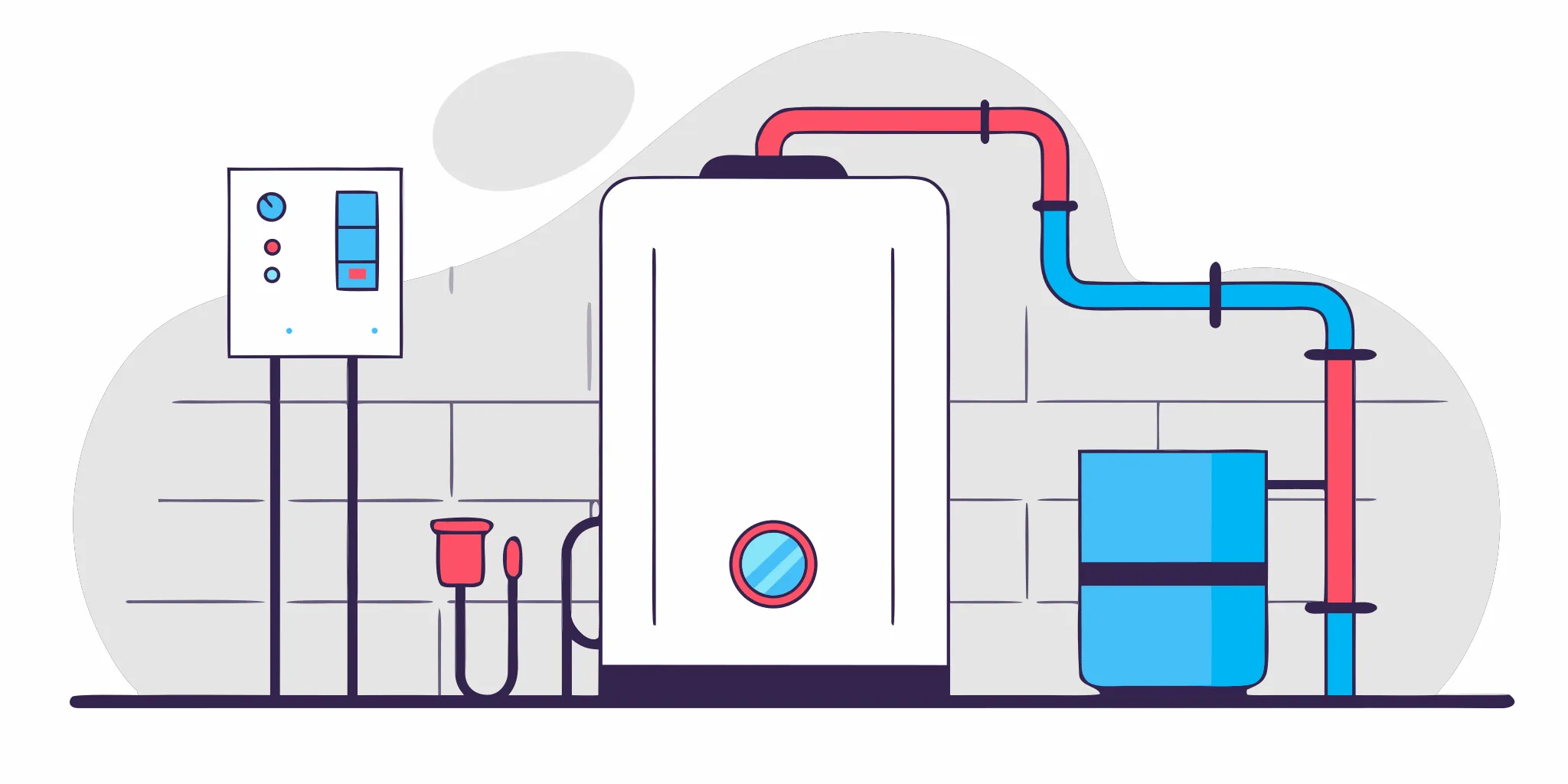
A water heater showing common leak causes on its pipes and valves that require repair.
Back to Blog
InsightsJune 26, 2026

7 Leaking Water Heater Causes & What to Do Now

Find out the top leaking water heater causes and learn practical steps to fix leaks, prevent water damage, and keep your hot water running smoothly.

For homeowners here on the Space Coast, a reliable water heater isn't a luxury; it's essential. But our hard Florida water can be tough on appliances, leading to issues like sediment buildup that you might not face elsewhere. When you find a leak, it’s important to know if it's a common wear-and-tear issue or something more serious. Instead of guessing, you need clear information. This guide is designed for our neighbors in Cocoa, Melbourne, and beyond. We’ll break down the most prevalent **leaking water heater causes** in our area, helping you protect your home from water damage and make an informed choice about repairs or replacement. ## Key Takeaways * **Pinpoint the Leak's Origin**: Before you worry, figure out where the water is coming from. Leaks from top pipes or valves are often simple repairs, while water coming from the tank's base usually signals a need for replacement due to internal failure. * **Take Immediate Safety Steps**: Once you confirm a leak, your first move is to shut off the power (or gas) and the water supply to the unit. This crucial step contains the problem and prevents safety hazards while you wait for a professional. * **[Prevent Leaks with Annual Maintenance](https://spacecoastcooling.com/plumbing-services/water-heater-repair/)**: Most water heater failures are preventable. Scheduling a yearly professional service to flush the tank, inspect the anode rod, and test safety components is the best way to extend your unit's lifespan and avoid future emergencies. ## Why Is My Water Heater Leaking? 7 Common Causes Finding a puddle around your water heater is a stressful moment for any homeowner. Your mind immediately jumps to the worst-case scenarios: major water damage, a freezing cold shower, and an expensive replacement. But before you panic, take a deep breath. A leak doesn't always mean disaster. The first step is to figure out where the water is coming from and why. Most water heater leaks stem from a handful of common issues, some of which are simple fixes while others point to a more serious problem. Understanding the potential cause can help you decide what to do next. From a simple loose connection to an aging tank, here are the seven most frequent reasons your water heater might be leaking. ### 1. Age and Everyday Wear Like any major appliance, your water heater won't last forever. The average tank-style water heater has a lifespan of about 8 to 12 years. Over that time, water and sediment can cause the inside of the steel tank to corrode. This internal rust can eventually eat through the tank wall, creating tiny pinhole leaks or larger cracks that allow water to escape. If your unit is a decade old or more and you see water pooling at the base, there's a strong chance its service life is over. Unfortunately, a leak caused by internal corrosion isn't fixable; it's a clear sign that a water heater replacement is needed. ### 2. Loose Water Line Connections At the top of your water heater, you’ll find two pipes: one for cold water coming in and another for hot water going out to your faucets. The connections where these pipes meet the tank can sometimes loosen over time due to small vibrations or the natural expansion and contraction from temperature changes. This is often a best-case scenario for a leak, as it’s not a problem with the tank itself. You might see water dripping from the top of the unit and running down the side. While the fix can be as simple as tightening a nut, it's important to be gentle. Over-tightening can damage the connection and make the leak worse. ### 3. A Failing T\&P Valve The Temperature and Pressure Relief (T\&P) valve is a critical safety device located on the top or side of your tank. It has a small lever and a discharge pipe that runs down the side. Its job is to automatically open and release water if the temperature or pressure inside the tank gets dangerously high. If you see water dripping from this discharge pipe, it could mean one of two things. The valve itself might be faulty and need replacement. Or, the valve is doing its job because of excessive pressure in the tank, which points to a more serious underlying problem. Either way, a leaking T\&P valve should be inspected by a professional right away. ### 4. Sediment Buildup in the Tank Here in Florida, our water contains minerals that can settle at the bottom of your water heater tank over time, creating a layer of sediment. This buildup causes two major problems. First, it forces your water heater to work harder and longer to heat the water, leading to higher energy bills. Second, it can create hot spots on the bottom of the tank, causing the metal to become brittle and eventually crack. If you hear popping or rumbling sounds coming from your tank, it’s likely due to sediment. Regular [annual maintenance](https://www.spacecoastcooling.com/maintenance-plans/), including flushing the tank, is the best way to prevent this from happening and extend the life of your unit. ### 5. A Faulty Drain Valve Near the bottom of your water heater is a drain valve that looks like a spigot. This valve is used by plumbers to empty the tank for maintenance or replacement. These valves, especially older plastic ones, can become brittle and develop cracks over time. They can also fail to close completely after being used, resulting in a slow but steady drip. Sometimes, you can stop the leak by tightening the valve’s handle, but if the valve body itself is cracked or worn out, it will need to be replaced. This is a job best left to a professional, as it requires draining the entire tank. ### 6. High Water Pressure Your home’s plumbing system is designed to operate within a specific pressure range. If the water pressure from the municipal supply is too high, it puts a constant strain on your pipes, fixtures, and appliances, including your water heater. This excessive pressure can force water out through any weak point, such as the T\&P valve or seams in the tank itself. It can also lead to a catastrophic tank failure. If you notice that other faucets in your home have unusually strong pressure or you hear a banging sound in your pipes, high pressure could be the culprit. A licensed plumber can test your home’s pressure and protect your entire [plumbing system](https://www.spacecoastcooling.com/plumbing/). ### 7. A Rusted or Cracked Tank This is the issue every homeowner dreads. Inside your water heater is a component called an anode rod, which is designed to corrode and sacrifice itself to protect the tank’s inner lining from rust. Once the anode rod is completely used up, the tank itself begins to corrode from the inside out. This process is invisible until water starts seeping through the tank’s steel wall and outer jacket. If you see rusty-colored water leaking from the bottom of the tank itself (not a pipe or valve), it’s a sure sign of a fatal internal crack. There is no repair for a rusted tank; the only solution is immediate replacement. ## How to Pinpoint the Source of the Leak Okay, you've found water. Before you panic, let's play detective. Figuring out where the leak is coming from is the first step toward a solution, and it helps you give a clear report when you call a professional. Sometimes, it’s a simple fix, but other times it’s a clear signal that you need an expert. Grab a flashlight and a dry towel, and let’s trace that water back to its source. A little investigation now can save you a lot of guesswork later. We’ll walk through the most common culprits, starting from the top of the unit and working our way down. ### Start Your Search at the Top Begin your inspection at the top of the water heater where the cold water inlet and hot water outlet pipes are connected. These connections can sometimes loosen over time due to vibrations and temperature changes. Feel around the fittings for any moisture. If you find a drip here, you might be in luck. Often, a plumber can simply tighten these connections with a wrench to stop the leak. It’s one of the more straightforward [water heater repairs](https://www.spacecoastcooling.com/plumbing/water-heater-repair/) and a great place to begin your search. ### Inspect the T\&P Valve and Discharge Pipe Next, find the Temperature and Pressure Relief (T\&P) valve. This is a critical safety device, usually located on the side or top of the tank, with a pipe running down toward the floor. Its job is to release water if the temperature or pressure inside the tank gets too high. If you see water dripping from the valve itself or from the end of the discharge pipe, the valve might be failing. While a faulty valve is a common issue, it can also be a symptom of a more serious pressure problem that needs immediate attention from a professional. ### Check the Drain Valve Move your inspection toward the bottom of the tank to find the drain valve. This is a spigot-like valve that’s used to empty the tank for maintenance. Over time, these valves can become loose or the internal washer can degrade, causing a slow drip. Check for moisture around the valve’s handle and where it connects to the tank. Sometimes, you can stop a small leak by gently tightening the valve with a wrench. If the dripping continues, the valve itself will likely need to be replaced by a plumber. ### Examine the Bottom of the Tank This is the moment of truth. If you see water pooling directly underneath the tank or notice rust streaks coming from the bottom seam, it’s a strong indicator that the inner tank has failed. This usually happens when sediment builds up over the years, causing the steel tank to corrode from the inside out. Unfortunately, a leak from the tank itself cannot be repaired. This is the most common reason for a full [water heater replacement](https://www.spacecoastcooling.com/plumbing/water-heater-installation/), as the structural integrity of the unit is compromised. ### Rule Out Other Plumbing Issues Before you conclude the water heater is the problem, take a quick look around. Is there a condensation line from your HVAC unit dripping nearby? Could the water be coming from another plumbing fixture or a leaky pipe in the wall behind the heater? In Florida, high humidity can also cause condensation to form on the tank and pipes, which might look like a leak. Wipe down the tank and connections, then check back in an hour to see if the moisture returns. This helps you confirm the leak is truly from the water heater. ## Found a Leak? Here’s What to Do Right Now Okay, you’ve spotted water pooling around your water heater. It’s a stressful sight, but taking a few immediate, specific actions can prevent a small problem from turning into a major disaster. The goal right now is to stop the flow of water and power to make the situation safe. By following these steps, you can contain the issue while you wait for professional help to arrive. Don't worry, you can handle this. Just work through this checklist one step at a time. ### Step 1: Cut the Power or Gas First things first: safety. Water and electricity are a dangerous mix. Before you do anything else, you need to cut the energy source to the unit. If you have an electric water heater, go to your home’s breaker panel and flip the breaker that controls the water heater. It should be clearly labeled. For a gas water heater, you’ll find a dial on the unit’s gas control valve, often near the bottom. Simply turn this dial to the “Off” position. This step is critical to prevent electrical shock or a potential gas leak, so don’t skip it. ### Step 2: Shut Off the Water Supply Now, let's stop the water. Your water heater has a dedicated shutoff valve on the cold water pipe that feeds into the tank. Look for a pipe going into the top of the heater; the valve will be on that line. It might have a lever-style handle or a round, wheel-like handle. For a lever, give it a quarter-turn so it’s perpendicular to the pipe. If it’s a wheel handle, turn it clockwise until it stops. This will stop more water from entering the tank and feeding the leak, which is exactly what you want. ### Step 3: Drain the Water Heater Tank With the water supply off, the next move is to drain the remaining water from the tank to minimize any further water damage. Find the drain valve near the bottom of the tank and carefully connect a standard garden hose to it. Run the other end of the hose to a floor drain or outside. Open the valve to start draining. To speed things up, open a hot water faucet somewhere in your house, like a kitchen or bathroom sink. This lets air into the system and helps the water flow out of the tank more quickly and completely. ### Step 4: Manage the Mess and Document Damage While the tank is draining, it’s time for damage control. Use towels, buckets, or a wet-dry vacuum to clean up any water that has already escaped. Getting the area dry as quickly as possible helps prevent long-term damage to your floors, subfloors, and drywall, and it also discourages mold growth. Before you clean everything up, take a few photos or a quick video of the leak and any affected areas with your phone. This documentation can be extremely helpful if you need to file an insurance claim later on. ### Step 5: Review Your Warranty Before you make any calls, take a minute to check if your water heater is still under warranty. Look for a sticker on the side of the tank, which usually lists the installation date and warranty period. You can also check the paperwork you received when the unit was installed. If it’s still covered, a repair or even a full replacement might be provided by the manufacturer at no cost. Keep in mind that most warranties cover the parts or the unit itself, but not always the labor for the installation. ### Step 6: Call a Professional for Help You’ve successfully managed the immediate emergency, but this is where a professional takes over. A licensed plumber can accurately diagnose the source of the leak, determine if a repair is possible, and perform the work safely. Attempting complex repairs yourself can lead to improper installation, further leaks, or even void your warranty. Our team at Space Coast Cooling & Plumbing is available 24/7 for emergencies just like this. We’ll show up on time, give you an honest assessment, and get your hot water running again. Give us a call to schedule your water heater service. ## Is a Leaking Water Heater Always an Emergency? Finding water pooling around your water heater is enough to make any homeowner’s heart sink. Your mind immediately jumps to visions of a flooded basement and cold showers. While any leak is a cause for concern, it’s not always a sign of a full-blown catastrophe that requires a middle-of-the-night emergency call. Some drips are minor and can be addressed with a simple repair, while others are red flags for a much bigger problem. The key is knowing how to tell the difference. A leaking water heater can lead to serious issues, including a lack of hot water, significant water damage to your home, and even safety hazards. Ignoring the problem, no matter how small it seems, is never a good idea. The moment you spot a leak, it’s time to play detective and figure out what you’re dealing with. This will help you decide whether you have a small fix on your hands or if it’s time to call for professional backup right away. ### How to Tell a Minor Drip from a Major Problem First, assess the severity. Is it a few small drips or a steady puddle forming on the floor? If you only see a tiny bit of moisture, wipe it up and check back in an hour. If the water returns, you have an active leak. Next, identify the source. Leaks originating from the top of the unit are often less severe. They usually point to a loose connection at the cold water inlet or hot water outlet pipes, which a plumber can typically tighten or replace without much fuss. Leaks from the bottom of the tank are more concerning. The issue could be a faulty drain valve, which is a relatively straightforward fix. However, if the water is seeping from the base of the tank itself, it’s often a sign of internal corrosion and tank failure. This is a major problem that almost always means the entire water heater needs to be replaced. ### Knowing When to Call for Immediate Help If you’re facing a steady stream of water or a rapidly growing puddle, don’t hesitate. This is an emergency, and you should [call a professional](https://spacecoastcooling.com/contact/) immediately to prevent widespread damage. A professional can quickly diagnose the problem and take action. Even if the leak seems small, it’s always better to be safe than sorry. If you’ve tried basic troubleshooting like tightening a valve and the leak persists, or if you simply don’t feel comfortable working on the unit yourself, that’s your cue to pick up the phone. Ultimately, any leak that appears to come from the tank body itself is a clear signal that you need an expert opinion. Our team is available 24/7 because we know these problems don’t stick to a 9-to-5 schedule. Getting a licensed plumber on-site is the fastest and safest way to protect your home and get your hot water running again. ## Repair or Replace? How to Make the Right Call Finding a puddle around your water heater is stressful, and your first thought is probably, "How much is this going to cost me?" The answer depends on whether you’re looking at a simple repair or a full replacement. Making the right call comes down to a few key factors: the source of the leak, the age of your unit, and the cost of the fix. A small, inexpensive repair on a newer water heater is a no-brainer. But if your unit is getting old and the repair is pricey, investing that money in a new, more efficient model is often the smarter long-term decision. Think of it like this: if a repair costs half as much as a new unit, and your current water heater is already past its prime, you’re likely better off putting that money toward a replacement. A new water heater not only solves the immediate problem but also comes with a fresh warranty and the promise of better energy efficiency, which saves you money on your monthly bills. Let’s walk through the signs that can help you decide which path makes the most sense for your home and budget. ### Signs You Can Get By with a Repair Sometimes, a leak isn't a sign of total disaster. If you catch it early, you might be looking at a straightforward fix. For instance, the connections where the cold water inlet and hot water outlet pipes meet the tank can sometimes loosen over time, causing a slow drip. A professional can often tighten these fittings to solve the problem. Another common culprit is the drain valve at the bottom of the tank. This valve can become loose and start to leak, but simply tightening or replacing it is a relatively simple job. The temperature and pressure (T\&P) relief valve can also be a source of leaks. While a leaking T\&P valve can sometimes be a simple replacement, it often points to a bigger issue like excessive pressure in the tank, which definitely needs a plumber’s attention. ### Red Flags That Point to Replacement Unfortunately, some leaks are clear signals that your water heater’s time is up. The most serious red flag is water pooling directly under the tank. This almost always means the inner tank has rusted through or cracked, and there’s no way to patch it. Once the internal tank fails, the entire unit has to be replaced. Significant corrosion or rust on the outside of the tank is another bad sign, as it suggests the problem is widespread. Over the years, sediment and mineral buildup can settle at the bottom of the tank, causing it to corrode from the inside out. If this corrosion leads to a crack, a replacement is your only option. As a general rule, if your water heater is leaking from the tank itself, it’s time to start shopping for a new one. ### Why the Age of Your Unit Matters The age of your water heater is one of the most important factors in the repair-or-replace debate. Most standard tank-style water heaters have a lifespan of about 8 to 12 years. If your unit is approaching or has passed the 10-year mark, sinking a lot of money into a major repair might not be the wisest investment. An older unit that has started to fail is likely to experience more problems down the road. A good guideline is the 50% rule: if the cost of a repair is more than half the cost of a new unit, replacement is usually the better financial choice. Plus, modern water heaters are significantly more energy-efficient. Upgrading can lead to noticeable savings on your utility bills, helping the new unit pay for itself over time. You can even check for [ENERGY STAR certified models](https://www.energystar.gov/products/water_heaters) to maximize your long-term savings. ## The Risks of Ignoring a Water Heater Leak It’s tempting to see a small puddle near your water heater, place a bucket under the drip, and add "call a plumber" to your ever-growing to-do list. But putting this off is a gamble you don’t want to take. A leaking water heater isn’t just an inconvenience; it’s a warning sign of potentially serious problems that can impact your home, your wallet, and even your family’s health. What seems like a minor issue today can quietly escalate behind the scenes, causing damage you can't see until it's too late. Ignoring that drip can lead to a cascade of issues, from slow-developing water damage and mold to a sudden and catastrophic tank failure. While you might think you’re saving time or money by waiting, the delay almost always makes the problem more expensive and complicated to fix. Understanding the real risks involved makes it clear why acting quickly is so important. The sooner you address the leak, the more likely you are to avoid a much bigger headache down the road. Think of it as your home's early warning system. Responding to the signal promptly protects your property and gives you peace of mind. ### Costly Water Damage and Mold That small, manageable leak can cause significant trouble over time. Water always finds the path of least resistance, seeping into flooring, soaking into drywall, and compromising the structural integrity of the surrounding area. Before you know it, you could be looking at warped floorboards, stained ceilings, and ruined cabinetry. What starts as a simple plumbing fix can quickly turn into a major home renovation project. Even more concerning is the potential for mold. In Florida’s humid climate, it only takes 24 to 48 hours for mold to begin growing in damp, dark spaces. A persistent leak creates the perfect environment for this. Beyond the musty smell and unsightly stains, there are real [health risks associated with mold exposure](https://www.epa.gov/mold/mold-and-your-home), which can trigger allergies and respiratory issues. ### Higher Energy and Water Bills A leaking water heater hits you directly in your utility bills. Even a slow drip adds up. A leak that drips just once per second can waste more than 3,000 gallons of water over a year. That’s water you’re paying for that is literally going down the drain or, worse, into your home’s foundation. It’s not just your water bill that will suffer. If the leak is coming from the hot water side, your water heater has to work constantly to heat the water that’s being lost. This continuous cycle forces the unit to consume more gas or electricity, driving up your energy costs month after month. Fixing the leak stops this quiet drain on your finances. ### The Danger of a Full System Failure A small leak is often the first sign that your water heater’s tank is failing from the inside out, usually due to corrosion. If this is the case, the leak won’t stay small forever. The internal pressure can eventually cause the tank to rupture, releasing 40, 50, or even 80 gallons of water all at once. This kind of catastrophic failure can cause [extensive damage to your home](https://www.nerdwallet.com/mortgages/learn/water-heater-leaking) in a matter of minutes, flooding your garage, utility closet, or attic. This is why a leak should never be dismissed. It’s a critical signal that your system is compromised. Having a professional inspect it promptly can help you determine if a simple repair is possible or if the entire unit is at risk of failing. ## How to Prevent Future Water Heater Leaks After dealing with a leak, the last thing you want is a repeat performance. The good news is that a little proactive care can go a long way in keeping your water heater running smoothly and preventing future headaches. Most water heater failures don't happen overnight; they’re the result of small, manageable issues that grow over time. By incorporating a few simple checks into your home maintenance routine, you can catch these problems early and extend the life of your unit. Think of it like changing the oil in your car. You wouldn’t wait for the engine to seize before giving it some attention, and the same logic applies to your water heater. These steps don’t require a lot of time, but they can save you thousands in potential water damage and replacement costs. From flushing out sediment to testing safety valves, this is your guide to keeping your water heater happy, healthy, and leak-free for years to come. ### Flush Your Tank Annually Over time, minerals and sediment from the water supply settle at the bottom of your water heater tank. Here in Florida, our hard water can speed up this process. This layer of gunk forces your water heater to work harder to heat the water, creating hot spots that can weaken the tank lining and eventually cause cracks. To prevent this, you should [drain and flush the tank](https://www.horizonservices.com/about-us/blog/9-common-causes-of-water-heater-leaks/) at least once a year. This simple task clears out the buildup, improves efficiency, and is one of the most effective ways to prevent corrosion-related leaks. While it’s a task some homeowners tackle themselves, it can be messy. A professional can handle it quickly during a routine maintenance visit. ### Check the Anode Rod Inside your water heater tank is a hidden hero called the anode rod. This metal rod is designed to corrode and rust away so your tank doesn't. It essentially sacrifices itself to protect the steel tank lining. Over a few years, the anode rod will completely dissolve. Once it’s gone, the water will begin to eat away at the tank itself, leading to rust, cracks, and inevitable leaks. Checking the anode rod every two to three years and replacing it when it’s worn down can significantly [extend the life of your water heater](https://www.nerdwallet.com/mortgages/learn/water-heater-leaking). It’s a small investment that protects the much larger investment of the entire unit. ### Test the T\&P Valve The temperature and pressure relief (T\&P) valve is a critical safety feature. If the temperature or pressure inside the tank gets too high, this valve automatically opens to release the excess and prevent a potential burst. To make sure it’s working, you should test it once a year. Simply lift the lever for a few seconds to let a burst of hot water flow into the attached drainpipe, then let it go. The valve should snap back into place and stop the flow. If it keeps dripping or won’t open at all, it’s time to have it replaced. ### Keep an Eye on Pressure and Temperature Most manufacturers recommend setting your water heater’s thermostat to 120°F. This temperature is hot enough for all your household needs (including dishwashing) without posing a serious scalding risk. Setting it any higher not only wastes energy but also puts extra stress on the tank by increasing the internal pressure. High heat accelerates mineral buildup and corrosion, which can shorten your unit’s lifespan. Checking your thermostat setting is a quick, easy way to ensure your system is running safely and efficiently. ### Schedule Professional Annual Maintenance While the steps above are great for ongoing care, nothing replaces a professional inspection. During an annual maintenance visit, a licensed technician can do more than just flush the tank. They can safely inspect the anode rod, test the T\&P valve, check for hidden corrosion, and spot subtle signs of wear and tear that you might miss. This is the best way to get total peace of mind and ensure every component is working correctly. Our [affordable maintenance plans](https://www.spacecoastcooling.com/maintenance-plans/) make it easy to stay on top of this essential service without any hassle. ## Related Articles * [Can a Water Heater Cause Low Water Pressure in Your Home?](https://spacecoastcooling.com/can-a-water-heater-cause-low-water-pressure/) * [Professional Water Heater Repair Cocoa, FL](https://spacecoastcooling.com/plumbing-services/water-heater-repair/) * [Trusted Water Leak Detection & Repair Cocoa, FL](https://spacecoastcooling.com/plumbing-services/water-leak-detection-repair/) * [Expert Water Heater Installation & Replacement Cocoa, FL](https://spacecoastcooling.com/plumbing-services/water-heater-installation-replacement/) ## Frequently Asked Questions **I found a small puddle near my water heater, but it’s not a flood. Can I wait to call a plumber?** It’s really tempting to put a towel down and deal with it later, but I wouldn’t recommend waiting. Even a tiny leak is a warning sign that something is wrong. That water can seep into your subfloor and drywall, causing hidden rot and creating a perfect environment for mold to grow. Think of it as your home’s early alert system; addressing it now can prevent a much bigger, more expensive problem later on. **How long is a water heater supposed to last, and why does its age matter so much for a leak?** A typical tank-style water heater has a lifespan of about 8 to 12 years. Age is a huge factor because the most serious leaks are caused by internal rust, which happens over time. Once a tank starts to corrode from the inside, it can develop cracks that are impossible to repair. If your unit is over a decade old and starts leaking from the tank itself, it’s a clear signal that its service life is over and a replacement is the only solution. **Is there anything I can do to stop the leak myself before a professional arrives?** Yes, and these steps are all about safety and damage control. First, cut the power to the unit at your circuit breaker (for electric models) or turn the gas control valve to "Off" (for gas models). Next, find the shutoff valve on the cold water pipe that feeds into the tank and turn it clockwise to stop the water supply. These two actions will contain the immediate problem and make the area safe while you wait for help. **My water heater is making a popping or rumbling noise. Is that related to a potential leak?** That’s a great question, and yes, those sounds are directly related. Popping noises are almost always caused by a layer of sediment and mineral buildup at the bottom of the tank. As the burner heats the tank, water trapped under that sediment boils and creates the popping sound. This process creates hot spots that can weaken the tank’s lining, eventually leading to cracks and a leak. So, if you hear those sounds, it’s a sign your tank needs attention right away. **What is the single best thing I can do to prevent my water heater from leaking in the future?** Hands down, the most effective step you can take is [scheduling professional maintenance once a year](https://spacecoastcooling.com/maintenance-plans/). During a service visit, a technician can flush out all the damaging sediment, inspect and replace the anode rod (which prevents rust), and test the safety valves. This routine checkup catches small issues before they have a chance to become a full-blown leak, extending the life of your unit and giving you total peace of mind.
Available 24/7

Call the Experts that Local Homeowners Rely On

When you need home services, you want answers you can trust and work you can count on. Space Coast Cooling & Plumbing is the plumbing and HVAC company in Cocoa, FL, that brings decades of local experience, licensed professionals, and customer-first service to every job. One call connects you with a team ready to help.

Licensed & InsuredServing Cocoa Since 1994Honest, Upfront PricingSame-Day Service Available