
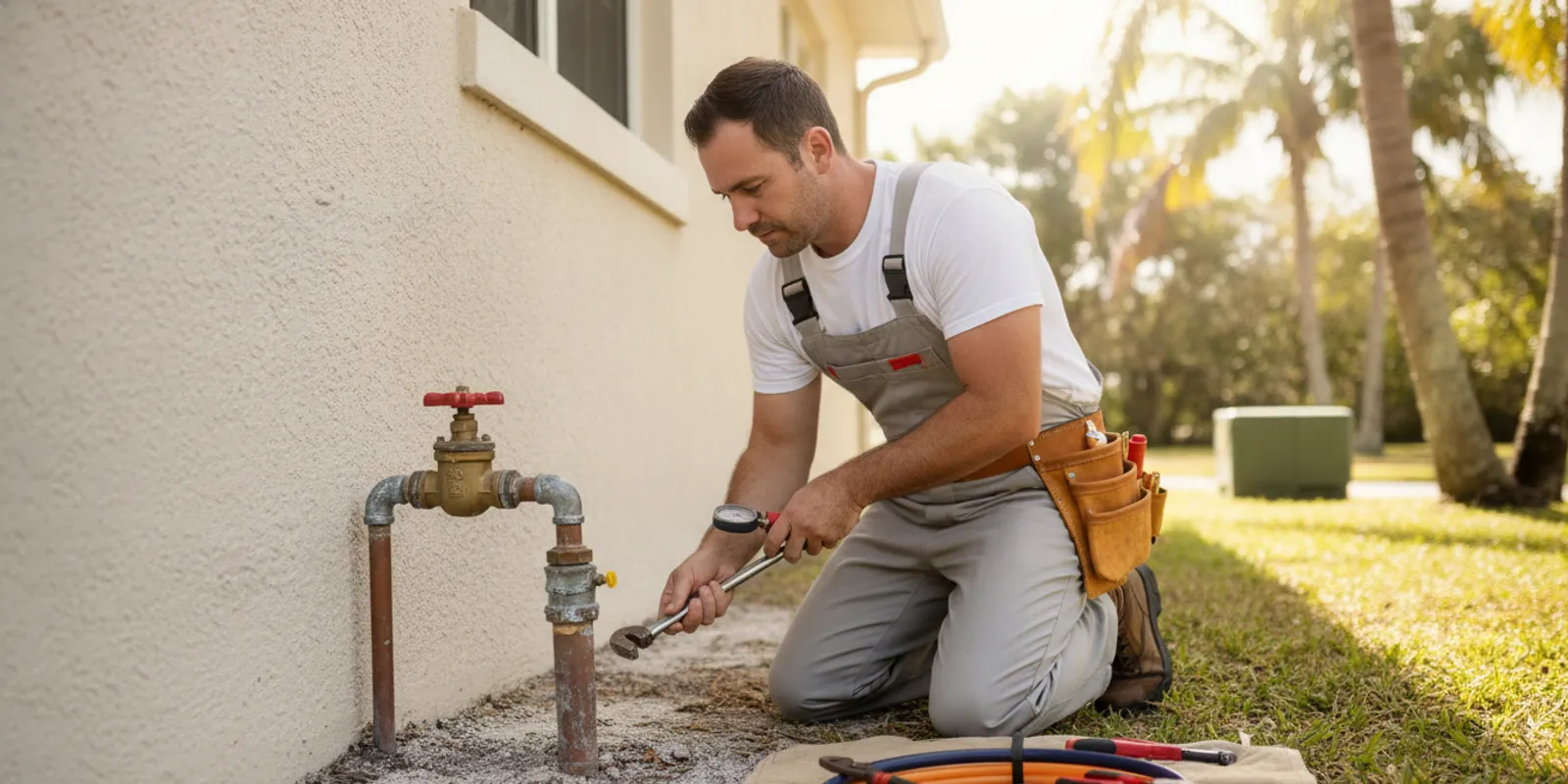
Main water line repair cost depends on where the damage is, how much pipe is affected, and what is needed to reach and repair it. A wet patch or pressure change can be a clue, but it does not prove that the main line is the source. Understanding the variables can help you ask for a clear scope before approving work.
Talk with a plumbing professional
What affects main water line repair cost?
There is no single price that applies to every home. A repair estimate reflects the work expected at that property, not only the pipe or fitting. The location and condition of the line, the method of access, and the work needed to leave the area safe all matter. A useful estimate ties its total to specific tasks and states what assumptions it relies on.
- Location of the damage: An accessible section may require less preparation than a line beneath landscaping, a driveway, a slab, or finished flooring. Ask where the suspected problem is and how that location affects the work.
- Extent of the affected pipe: A localized defect differs from damage across a longer stretch or several weak points. The proposal should identify the expected repair area or explain why its limits are not yet known.
- Pipe and fittings: Existing material, connection type, and the condition of nearby sections help determine which repair method may be appropriate. Ask what material will be used and whether nearby pipe was assessed.
- Access and restoration: Excavation or opening a wall or floor may be separate from replacing soil, paving, landscaping, drywall, or flooring. Ask which tasks are included and which are not.
- Permits or inspections: Requirements depend on the work and location. Ask whether they apply to your project and who is responsible for arranging them.
- Unseen conditions: A hidden damaged section or difficult access can change the scope after work begins. Ask how the contractor will explain a change and get your approval before proceeding.
These factors explain why an online average cannot tell you what a specific repair will cost. If a proposal gives one total without describing the work, ask for enough detail to understand the repair area, access, materials, restoration, and any exclusions. A low total may simply cover fewer tasks than a more complete proposal.
Which symptoms might point to a main line problem?
A water-line concern may appear as a sudden change in pressure, unexpectedly wet soil in the yard, moisture near where the line enters the home, or a water bill that changes without an obvious reason. A symptom can affect several fixtures or show up in one area. These clues can have other causes, so none confirms a main line leak on its own.
Make a short record of what you observe. Note when the change began, whether it is constant or comes and goes, which fixtures are affected, and where water or damp soil appears. If several taps seem different at the same time, mention that. If only one fixture is affected, record that too. The pattern helps a professional understand the concern without requiring you to diagnose it.
If you suspect an active leak and can safely locate the home's main shutoff, turning it off may limit continued water flow while you arrange help. Do not enter standing water near electrical equipment, and do not dig around buried utility lines or attempt to repair a pressurized pipe yourself. For general information about drinking water and water systems, the U.S. Environmental Protection Agency provides public resources. Describe the symptoms when contacting a plumber; the company's plumbing services page is a relevant starting point for a pipe concern, but the assessment should establish whether the main line is actually involved.
What repair approaches might be considered?
The suitable approach depends on what is found and how accessible the line is. A plumber may propose repairing a limited damaged section, replacing a longer section, or discussing broader replacement if the line's condition or recurring trouble makes isolated repairs a poor fit. Ask what evidence supports the recommendation and whether the surrounding pipe was evaluated. A proposed method should respond to the observed condition rather than assume that every symptom calls for the same work.
Clarify whether the proposal covers one known location or a wider stretch. Ask what could change the scope once the area is open. For example, a quote based on a visible, localized defect may not include additional deterioration discovered nearby. Before work starts, understand how the plumber will pause, explain any newly found issue, and obtain approval for added work.
For context about the type of work, review the company's pipe repair information. If the assessment raises the possibility of replacing a larger portion of the home's piping, its repiping service page offers related information. Neither page replaces a property-specific diagnosis, and the plumber should explain whether those broader approaches apply to the water line in question.
How should you compare repair estimates?
Compare scope and assumptions, not only the total. Two proposals may cover different pipe lengths, access work, materials, or restoration. Read them side by side and ask the same questions of each provider. If a line item is unclear, request a plain-language explanation before authorizing the work.
- What evidence identifies the problem area, and what remains uncertain?
- Which section will be repaired or replaced, and what material and fittings are proposed?
- Does the price include excavation, opening and closing a wall or floor, cleanup, and disposal?
- Are permits or inspections applicable, and are they included or listed separately?
- What conditions could change the price, and how will added work be approved?
- What warranty, if any, applies to the work and materials, and what does it cover?
- Is the water supply expected to be interrupted, and what should the household plan for?
Request answers in writing. A clearly stated exclusion is useful because it shows what you may need to plan for separately. For instance, one estimate might include excavation and pipe replacement but exclude landscaping, while another may include limited surface restoration but cover a narrower repair. Ask what the property will look like when the plumbing work is complete and what follow-up work remains outside the proposal.
Repair or replacement: what should you ask?
A targeted repair may fit when the damaged area is defined and nearby pipe is in suitable condition. A longer replacement may be discussed when damage extends beyond one small area, several trouble spots exist, or the condition of adjacent pipe is a concern. Broader replacement may be considered if assessment finds widespread deterioration or recurring trouble. There is no universal rule; the recommendation should follow the findings at your property.
| Option | When it may be considered | What to clarify |
|---|---|---|
| Localized repair | A limited defect is identified and surrounding pipe appears serviceable. | Exact location, access needed, and the condition of nearby pipe. |
| Longer section replacement | The affected area extends beyond a small section or adjacent pipe raises concerns. | Length and material included, restoration, and how newly found damage is handled. |
| Broader line replacement | Assessment finds widespread deterioration or repeated trouble along the line. | Full scope, permits or inspections if applicable, schedule, restoration, and warranty terms. |
Use the table as a conversation guide, not a diagnosis. Ask the plumber to explain why the proposed option fits the observed condition and what alternatives were considered. If a broader replacement is recommended, ask what specific findings make a small repair less suitable. If a small repair is proposed, ask how the work addresses the known defect and what signs would merit another assessment later.
What information should you gather before a visit?
You do not need to diagnose the pipe or uncover it. A short, accurate record can help focus the assessment and avoid relying on memory during a stressful moment. Gather the following if you can do so safely:
- When the issue began and whether it is getting worse, stable, or intermittent.
- Which fixtures or areas seem affected, and whether the change happened at about the same time.
- Where water or damp soil has appeared, whether the area stays wet, and whether the location has changed.
- Any recent plumbing work or digging near the suspected route.
- Whether you know where the main shutoff is and whether you have used it.
- Any relevant estimate or prior repair information that identifies the pipe or work performed.
Keep a suspected area accessible if it is safe, but do not move heavy items or dig where buried utilities may be present. Photos of visible moisture can help show how the area changed, but avoid entering an unsafe or flooded space to take them. If the concern involves water appearing indoors, the company's water leak detection and repair information may also be relevant. If the line appears to need repair or replacement, see its water line repair and replacement page.
How can you understand an estimate before approving it?
Ask the plumber to distinguish diagnosis, repair, access, and restoration. A complete proposal should make clear what is included, what is excluded, and how additional work will be discussed if actual conditions differ from what was initially visible. Ask whether the estimate describes a defined scope or relies on assumptions that must be verified after access is opened.
Try turning the proposal into a simple work sequence: first, how the problem will be confirmed; next, what area will be accessed; then, which pipe work is planned; finally, what cleanup and restoration are included. This sequence can reveal missing details. If the scope says “repair water line,” for example, ask what section, how access will be made, and whether closing or restoring the access area is part of the same job.
Timing and household planning also belong in the conversation. Ask when the water may need to be shut off, how long the interruption may last according to the expected scope, and whether you should clear a path or move items. Treat those answers as estimates, not guarantees, if hidden conditions may affect the work. If you need to compare paperwork later, write down the provider's explanation next to each proposal rather than relying on memory.
Space Coast Cooling & Plumbing serves communities across Brevard County. Its service area information can help you review coverage, and the About Us page provides general company information. The appropriate solution, scope, and timing depend on the specific issue at the property.
What can you do while deciding?
If water is actively escaping, explain what is happening when you contact a plumber and whether you have safely shut off the supply. Keep people away from standing water near electrical equipment. If you cannot identify a safe shutoff or the situation may create an immediate hazard, do not put yourself at risk to investigate; explain the concern when seeking help.
For a non-urgent concern, arrange an assessment and ask what access the technician may need. Do not assume that every pressure change requires main-line replacement. A fixture, another part of the plumbing system, or the water supply itself can create similar symptoms. Assessment helps narrow down the cause before you choose a repair. The company's plumbing FAQs may offer general context, while a qualified professional can discuss findings at your home.
Request help with a water line concern
Frequently Asked Questions
Can a plumber give an exact cost over the phone?
A phone conversation can help describe symptoms and arrange an assessment, but the repair scope may depend on locating the damage, checking access, and identifying pipe condition. Ask what can be estimated before inspection and what must be confirmed on site. Share what you have observed, but treat any early figure as subject to the assumptions stated by the provider.
Does low water pressure mean the main line is damaged?
Not necessarily. Pressure changes can have more than one cause, including issues elsewhere in the plumbing system or with the water supply. Note whether the change affects several fixtures or just one, and have the source assessed rather than assuming the main line is at fault.
Should I dig to find the leak?
No. Digging can damage buried utility lines and may make the problem worse. Share the location of visible moisture and other symptoms, and let a qualified professional determine how to locate the issue safely. Do not open a wall or floor unless the assessment and work plan call for it.
Should I choose the lowest estimate?
Compare the repair area, materials, access and restoration, and the process for approving changes. A lower total may reflect a narrower scope or exclusions, so clarify the details before deciding. Choose based on the work you understand and the plan that addresses the findings, not on the total alone.
Get a clear next step
When you ask about main water line repair cost, focus first on how the problem will be identified and exactly what the proposal includes. A clear scope gives you a better basis for comparing options and deciding what to do next.
Share the symptoms you have observed, ask which parts of the work are included, and request an explanation of any assumptions before authorizing the repair.
Contact the plumbing team to discuss your water line concern
Taking these steps can make the estimate easier to understand and help you choose an informed next action for your home.