Need Help? Call Us Now!
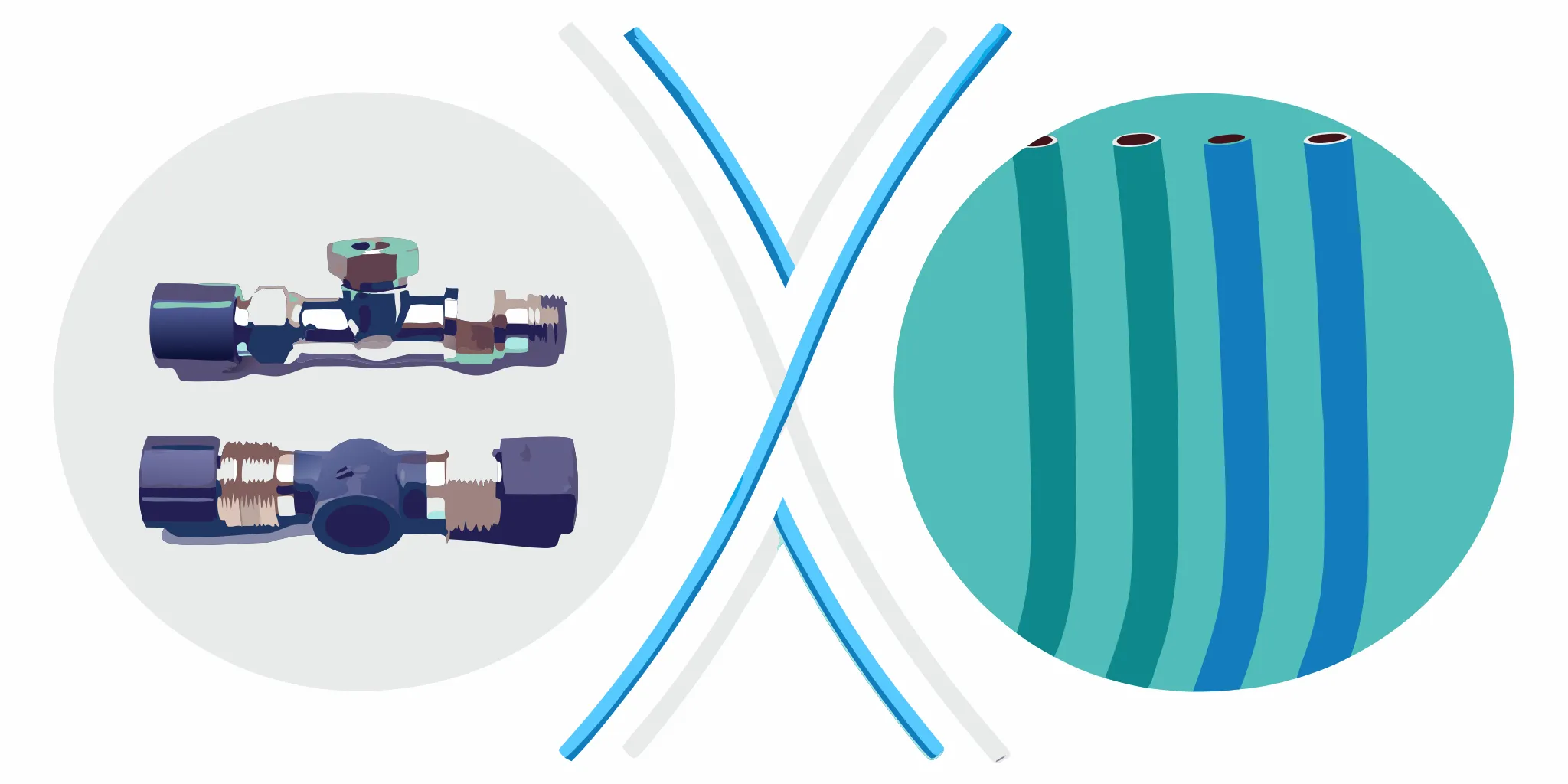
PEX vs copper pipes and fittings for a home repiping project.
Back to Blog
InsightsJune 26, 2026

PEX vs Copper Repiping: Pros, Cons, and Costs

Get the facts on PEX vs copper repiping pros and cons, including costs, durability, and what works best for your home’s plumbing system.

It seems like everyone has a strong opinion when it comes to repiping. Your neighbor might swear by copper, while your brother-in-law insists PEX is the only way to go. When you’re trying to make a major decision for your home, all that conflicting advice can be more confusing than helpful. We believe in giving you straight facts, not just opinions. The choice between PEX and copper is a big one, and you deserve to have all the information laid out clearly so you can feel confident in your decision. This guide is here to cut through the noise and give you an honest look at the real-world **PEX vs copper repiping pros and cons**, helping you understand which material truly fits your home and budget. ## Key Takeaways * **Weigh the Upfront Cost Against Long-Term Performance**: PEX is the more affordable option for a repipe, as both the materials and the faster installation process reduce the total project cost. Copper has a higher initial price but a long-standing reputation for durability, so the right choice depends on your immediate budget and long-term priorities. * **[Consider PEX for Florida's Unique Conditions](https://spacecoastcooling.com/plumbing-services/repiping/)**: Our local water quality can cause mineral buildup and corrosion in pipes over time. PEX naturally resists these issues, making it a reliable solution that helps prevent the clogs and pinhole leaks that can affect copper pipes in our environment. * **A Professional Assessment Is Key**: There is no single best material for every home; the right choice depends on your property's layout, your budget, and your goals. An expert inspection is the most effective way to get a personalized recommendation and feel confident you are making a smart investment. ## What Is Repiping and How Do You Know It's Time? Think of your home’s plumbing as its circulatory system. Over time, those pipes, the veins and arteries of your house, can wear out, corrode, and start causing all sorts of problems. Repiping is simply the process of replacing that entire system, or a large part of it, with brand-new pipes. While it sounds like a huge undertaking, it’s one of the most important investments you can make in the health and longevity of your property. Ignoring failing pipes can lead to everything from the annoyance of low water pressure and discolored water to the disaster of catastrophic leaks and widespread water damage. For many homeowners here on the Space Coast, the question isn’t *if* they’ll need to repipe, but *when*. Our local water quality and soil conditions can be particularly tough on plumbing systems over the years. The good news is that you don’t have to guess when it's time. Your home will give you clear signals when its pipes are nearing the end of their useful life. The key is knowing what to look for so you can address the issue proactively, before a small problem becomes a major, expensive emergency. Understanding these signs helps you plan ahead, stay in control, and make an informed decision for your home. ### Telltale Signs You Need to Repipe Noticing one of these issues might not be cause for alarm, but if you’re seeing several at once, it’s time to call a professional for an inspection. Your home’s plumbing might be telling you it needs a major upgrade. Key warning signs include: * **A noticeable drop in water pressure:** If turning on a faucet feels more like a trickle than a stream, it could be due to corrosion and mineral buildup constricting your pipes. * **Discolored or strange-tasting water:** Water that comes out brown, yellow, or rusty is a classic sign that your old galvanized pipes are corroding from the inside out. * **Frequent or multiple leaks:** One leak can be a simple repair, but if you’re constantly patching up new leaks, it points to a failing system. * **Your home’s age:** If your house was built before 1970, it likely has galvanized steel pipes that are well past their prime. Even older [copper pipes](https://olsonsuperior.com/blog/copper-vs-pex-repiping) have a lifespan of around 50 years and may be due for replacement. ### What to Expect During the Repiping Process The idea of replacing all the pipes in your home sounds messy and disruptive, but the reality is much smoother when handled by an experienced team. A professional repiping project is a well-orchestrated process designed to minimize the impact on your daily life. Most whole-home repipes can be completed in just a few days. First, our technicians will protect your home by covering floors and furniture. Then, we make small, precise openings in the drywall to access the old pipes and run the new ones. Because modern PEX piping is so flexible, we can often complete the installation with far fewer cuts than were needed for rigid copper. Once the new system is installed and thoroughly tested for leaks, we professionally patch, repair, and re-texture all drywall openings, leaving your home looking just as it did before we arrived. ## PEX vs. Copper: A Head-to-Head Comparison When it's time to repipe your home, one of the biggest decisions you'll make is choosing the right material. For decades, copper was the standard, but today, PEX piping has become an incredibly popular and reliable alternative. Both materials have their own set of strengths and weaknesses, and the best fit for your home depends on your budget, priorities, and long-term plans. Understanding the fundamental differences between them is the first step toward making a confident choice. Let's break down what each material brings to the table so you can see how they stack up. ### Getting to Know PEX Piping PEX is a flexible and durable plastic tubing made from [cross-linked polyethylene](https://www.sharkbite.com/us/en/resources/blog/new-build-remodels/piping-systems-comparison-education/the-sustainability-of-pex-vs-copper) that has become a go-to for modern plumbing. Its biggest draws are affordability and ease of installation. Because PEX is flexible, our technicians can often run long, continuous lines through walls and around corners, which means fewer connection points. Fewer connections translate to a lower risk of leaks over the life of your plumbing system. This flexibility also makes the installation process much faster and less invasive than with rigid pipes. PEX is also resistant to scale buildup and corrosion, which is a major plus for maintaining water pressure and quality over time. ### Understanding Traditional Copper Piping Copper has been the gold standard in plumbing for over 70 years, and for good reason. It’s an extremely durable, rigid metal pipe with a long and [proven track record](https://olsonsuperior.com/blog/copper-vs-pex-repiping) of reliability. Many homeowners appreciate its longevity and the fact that it adds to a home's resale value. Unlike PEX, copper is not susceptible to damage from UV light, making it suitable for outdoor applications. However, these benefits come at a price. Copper is significantly more expensive than PEX, both in material cost and the labor required for installation, since every connection must be carefully soldered. It's also a natural conductor, meaning hot water lines can lose heat more quickly if they aren't insulated. ## The Case for PEX Piping: Pros and Cons PEX (cross-linked polyethylene) has become a go-to choice for repiping homes across Florida, and for good reason. It’s a flexible, durable plastic tubing that offers a modern alternative to traditional metal pipes like copper or galvanized steel. If you're hearing more about PEX lately, it's because it solves many of the old problems associated with older plumbing, especially issues like corrosion and pinhole leaks that are common in our area. Its flexibility allows our technicians to run long, continuous lines through walls and attics with fewer cuts and connections. This means a faster, less invasive installation process, which is a huge plus for any homeowner wanting to avoid a major disruption. But it’s not a one-size-fits-all solution. Like any building material, PEX has its own unique set of strengths and weaknesses that are important to weigh. Understanding both sides of the coin is the key to deciding if it’s the right fit for your Space Coast home. We believe in giving you the straight facts, not a sales pitch, so let's break down the real-world pros and cons you should consider before making a decision. This way, you can feel confident about the investment you're making in your home's plumbing system and ensure it serves you well for decades to come. ### The Advantages of Choosing PEX The biggest draw for many homeowners is affordability. PEX piping is less expensive than copper, and because it's flexible and lightweight, the installation process is much faster. This translates directly into lower labor costs for your repiping project. Beyond the price tag, PEX is highly resistant to scale and chlorine, and it won't corrode or develop pinhole leaks like copper can. Its flexibility also means fewer fittings are needed, which reduces the number of potential leak points in your system. This makes plumbing repairs and installations not only faster but also incredibly [reliable](https://www.sharkbite.com/us/en/resources/blog/new-build-remodels/piping-systems-comparison-education/the-sustainability-of-pex-vs-copper) for the long haul. ### Potential Downsides of PEX While PEX is a fantastic material, there are a few things to keep in mind. First, it's not resistant to UV light, so it can't be used in any application where it would be exposed to direct sunlight. It’s also softer than copper, and while rare, there have been reports of rodents chewing through the pipes. Another consideration is that the fittings used to connect PEX can be slightly narrower than the pipe itself, which some worry might reduce water flow. However, in a properly designed system, this is rarely noticeable. Finally, because copper has been around longer, it sometimes has a stronger [resale perception](https://olsonsuperior.com/blog/copper-vs-pex-repiping), though this is quickly changing as more people recognize the benefits of PEX. ## The Case for Copper Piping: Pros and Cons For decades, copper was the undisputed champion of residential plumbing. It’s the material many of us grew up with, and it has a long-standing reputation for being sturdy and reliable. If you’re considering a repipe, you’ll find that copper still has a dedicated following among plumbers and homeowners alike. It’s a classic choice with a proven track record, but like any material, it comes with its own set of pros and cons that are important to weigh, especially here in Florida. Understanding both sides of the coin will help you decide if this traditional material is the right fit for your home’s future. We’ll break down where copper shines and where it might fall short, so you can feel confident in your choice. ### The Advantages of Choosing Copper Copper’s biggest selling point is its incredible durability. This material has a track record that spans more than 70 years, giving you a clear picture of its long-term performance in real-world homes. Because it’s a rigid metal, it doesn’t sag over long runs and is highly resistant to punctures. Another key benefit, especially for sunny Florida, is its natural resistance to UV radiation. Unlike some plastics, copper won’t degrade when exposed to sunlight, making it an excellent choice for any pipes that may run outdoors. Many homeowners also appreciate that copper is a biostatic material, meaning it naturally inhibits the growth of bacteria. It’s a time-tested material that is 100% recyclable and often viewed favorably by potential homebuyers, which can be a nice bonus if you plan on selling your home down the road. ### Potential Downsides of Copper The most significant drawback of choosing copper is the cost. Both the material itself and the labor required for installation are considerably more expensive than PEX. Installing copper requires a skilled technician to meticulously cut and solder each joint, a process that is much more time-consuming than connecting flexible PEX lines. This higher upfront investment is a major factor for many homeowners. While very durable, copper is not immune to problems. It can be susceptible to corrosion and developing pinhole leaks over time, particularly in areas with acidic water. These tiny leaks can be difficult to detect and may cause significant water damage before they are discovered. Finally, the high scrap value of copper makes it a target for theft, which can be a concern during a large-scale repiping project. ## PEX vs. Copper: A Look at the Costs Let’s talk about the bottom line. When you’re facing a whole-home repipe, the cost is a major factor in your decision. It’s not just about the price of the pipes themselves; it’s about the total investment, including labor for installation and any potential costs down the road. Both PEX and copper have different cost structures, so understanding the difference between the upfront price and the long-term value is key to making a choice you feel good about for years to come. One material might save you money on day one, while the other could offer a different kind of value over its lifespan. We’ll break down what you can expect to pay initially and what the financial picture looks like over the long haul for both PEX and copper. This will give you a clearer idea of how each option fits into your household budget. It's important to remember that the "cheapest" option isn't always the most cost-effective one over the life of your home's plumbing system. We want to help you see the full picture, so you can weigh the immediate savings against the potential for future maintenance and repairs. This way, you're not just choosing a material, you're making a smart financial decision for your property. ### Upfront Costs: Materials and Installation When it comes to the initial investment, PEX is the clear winner in affordability. The flexible plastic tubing itself is less expensive than copper, and its ease of installation significantly cuts down on labor costs. Because PEX can bend around corners, our technicians need fewer fittings to connect the lines. It’s also installed using simple crimping tools, which is much faster than the meticulous process of cutting, fitting, and soldering rigid copper pipes. A full [PEX vs Copper Pipe for Repiping Comparison](https://www.alliedpnh.com/blogs/pex-vs-copper-pipe-for-repiping-comparison) often shows that choosing PEX can save you 30% to 50% on the total project cost compared to copper, making it a very attractive option for many homeowners. ### Long-Term Value: Maintenance and Repairs While copper has a higher upfront cost, its long-term value comes from its proven track record of durability, which can span over 50 years. However, PEX offers its own compelling long-term benefits. It is highly resistant to corrosion and scale buildup, which are common problems with Florida’s hard water that can lead to pinhole leaks in copper pipes over time. This resistance means fewer worries about future clogs or leaks. Furthermore, if a PEX line ever does get damaged, making [plumbing repairs](https://www.sharkbite.com/us/en/resources/blog/new-build-remodels/piping-systems-comparison-education/the-sustainability-of-pex-vs-copper) is often faster and less invasive than with copper. Ultimately, both materials are excellent long-term solutions, providing decades of reliable service for your home. ## Durability and Lifespan: Which Pipe Wins? When you’re repiping your home, you’re making a long-term investment. You want to choose a material that will give you peace of mind for decades, not just a few years. Both PEX and copper are known for their impressive longevity, but they get there in different ways. The best choice often comes down to how each material interacts with its environment over time. Think of it like choosing flooring. Hardwood is a classic that can last a century but is vulnerable to water damage, while luxury vinyl is a modern material engineered to resist moisture and wear. Neither is inherently "bad," but one might be a better fit for a busy kitchen than the other. Similarly, both PEX and copper are durable, but their performance can be affected by factors like your local water quality and installation. Let's look at how their lifespans compare so you can feel confident in your decision. ### How Long Does PEX Last? One of the biggest points in PEX's favor is its resilience. Because it’s a flexible, synthetic material, it isn't prone to the same issues as metal pipes. PEX resists scale buildup and corrosion, which are two of the main culprits that degrade plumbing systems over time. Under the right conditions, PEX pipes can [last for 50 years or more](https://www.pexpdx.com/blog/comparing-longevity-of-pex-vs-copper-pipes-in-hillsboro-or-homes), making them a reliable choice for a modern home. Its flexibility also means it can expand slightly, making it more resistant to bursting from frozen water, a rare but possible concern even in Florida during a cold snap. ### How Long Does Copper Last? Copper has been the gold standard in plumbing for generations for a reason. It has a [proven lifespan of over 50 years](https://olsonsuperior.com/blog/copper-vs-pex-repiping), and it’s not uncommon to see copper pipes still going strong after 70 years or more. This track record provides a level of certainty that many homeowners appreciate. However, copper’s biggest weakness is its vulnerability to corrosion. In areas with acidic water, which can be a factor in parts of Florida, the water can slowly eat away at the pipe, leading to pinhole leaks and a shorter lifespan. While incredibly durable, copper's longevity is directly tied to the chemistry of the water flowing through it. ## The Best Choice for Florida Homes: PEX or Copper? Choosing the right pipes for your home isn’t just about cost or longevity in general; it’s about what works best right here on the Space Coast. Our local environment, from the water in our taps to the intense summer sun, plays a huge role in how well your plumbing will perform over the years. When you’re deciding between PEX and copper, it’s essential to consider how each material stands up to the unique challenges of living in Florida. Let’s break down the two biggest factors for homeowners in Cocoa, Melbourne, and beyond. ### Factoring in Florida's Water Quality Many communities across Florida have hard water, which is high in mineral content. Over time, these minerals can create scale buildup inside pipes, restricting water flow and leading to clogs. PEX is a great solution for this because its smooth, flexible surface is naturally resistant to [corrosion and scale buildup](https://www.sharkbite.com/us/en/resources/blog/new-build-remodels/piping-systems-comparison-education/the-sustainability-of-pex-vs-copper). This means less worry about your pipes getting clogged with mineral deposits. On the other hand, copper can have issues with certain water chemistries. In areas with more acidic water, copper pipes can slowly corrode. This not only weakens the pipe but can also cause copper to [leach into your water supply](https://olsonsuperior.com/blog/copper-vs-pex-repiping), which is a potential health concern. Because water quality can vary, PEX often provides a more reliable and worry-free option for Florida homes. ### Handling Our Heat, Humidity, and Sun We all know the Florida heat is no joke. The constant temperature swings from a cool morning to a blazing hot afternoon can cause materials to expand and contract. PEX piping is incredibly flexible, allowing it to handle these [temperature changes](https://www.alliedpnh.com/blogs/pex-vs-copper-pipe-for-repiping-comparison) without the risk of cracking or bursting. This makes it an ideal fit for our climate. Copper, being a metal, is an excellent conductor of heat. This means copper pipes running through a hot attic or wall can get extremely hot to the touch. While this isn't usually a safety issue, it can transfer heat to your water. PEX, however, is [less affected by external temperatures](https://www.pexpdx.com/blog/comparing-longevity-of-pex-vs-copper-pipes-in-hillsboro-or-homes) and stays cooler, which helps maintain the temperature of the water inside. This small difference can add up to more comfort and consistency at the tap. ## PEX vs. Copper Myths, Busted When you’re deciding on something as important as your home’s plumbing, it’s easy to get tripped up by outdated information or strong opinions that aren't based on facts. The debate between PEX and copper is full of these myths. As your local plumbing experts, we want to help you separate fact from fiction so you can feel confident about your repiping project. Let’s clear the air on a few of the most common misconceptions we hear from homeowners here on the Space Coast. ### Myth #1: "Copper is always the stronger choice." While copper has a well-earned reputation for durability, thinking of it as the only "strong" option is a mistake. It’s true that copper pipes have a long history, but that strength comes at a premium. A full [copper vs. PEX repiping](https://olsonsuperior.com/blog/copper-vs-pex-repiping) project can cost significantly more, mostly due to material and labor expenses. PEX, on the other hand, is a flexible and resilient material that resists corrosion and scale buildup, which are common issues for copper in certain water conditions. Its flexibility also means it can withstand freezing temperatures better than rigid copper, giving it a different kind of strength that’s perfect for modern homes. ### Myth #2: "PEX is just cheap plastic." Calling PEX "cheap plastic" is like calling a smartphone "just a pocket calculator." It completely misses the point. PEX (cross-linked polyethylene) is an advanced material specifically engineered for plumbing. It’s not just a cost-saving alternative; it offers real advantages. Because it’s flexible and requires fewer fittings, installation is much faster and less invasive than with rigid copper. This modern [piping system](https://www.sharkbite.com/us/en/resources/blog/new-build-remodels/piping-systems-comparison-education/the-sustainability-of-pex-vs-copper) also eliminates the need for open-flame soldering, making the installation process safer for your home and the technicians working in it. PEX is a smart, reliable material, not a cheap shortcut. ### Myth #3: "PEX isn't safe for drinking water." This is one of the most persistent myths, but it’s simply not true. PEX piping is an industry-standard material that meets strict NSF/ANSI/CAN 61 standards for safety and is approved for use in potable (drinking) water systems across the country. Concerns about chemicals or taste are largely unfounded with modern, high-quality PEX. The key is understanding the [longevity of PEX vs. copper pipes](https://www.pexpdx.com/blog/comparing-longevity-of-pex-vs-copper-pipes-in-hillsboro-or-homes) and how each material reacts to local water conditions over time. PEX does not corrode, which means you won’t have to worry about metallic tastes or pinhole leaks developing from corrosion, a common problem with older copper pipes. ## Making the Right Choice for Your Home Deciding between PEX and copper isn't just about picking a material; it's about making a long-term investment in your home's health and your own peace of mind. The best choice depends entirely on your specific situation, including your budget, your home's current plumbing, and even our local Florida environment. By thinking through a few key factors, you can feel confident in your decision and find a solution that serves you well for decades. Let's walk through the four most important considerations to help you find the right fit. ### Assess Your Budget For most homeowners, cost is the first thing that comes to mind. There’s a clear difference here, as a [copper vs. PEX repipe](https://olsonsuperior.com/blog/copper-vs-pex-repiping) shows significant price variation. Copper typically costs 30% to 50% more than PEX for a full project. This is due to both the price of the material itself and the labor involved. Copper requires soldering and more intensive work, while PEX’s flexibility allows for a much faster, and therefore less expensive, installation. While copper has a long-standing reputation that can appeal to future homebuyers, you have to weigh if that perceived value is worth the significant upfront investment. PEX offers a durable, modern solution that puts less strain on your wallet from day one. ### Evaluate Your Home's Plumbing System Take a moment to think about your home's unique character. Is it an older home with a complex layout and tight crawl spaces? PEX’s flexibility can be a game-changer, allowing plumbers to run new lines with minimal cuts to your walls and ceilings. For newer homes with more straightforward plumbing runs, the choice might be less obvious. It’s important to [evaluate how each material](https://www.pexpdx.com/blog/comparing-longevity-of-pex-vs-copper-pipes-in-hillsboro-or-homes) behaves as a house settles and ages under local conditions. An experienced plumber can assess your current system’s accessibility and design to determine which material will lead to the smoothest and most effective installation process for your property. ### Consider Your Local Water and Environment Here in Florida, our environment plays a big role in how building materials perform. Our water chemistry, which can be hard and contain various minerals, affects pipes over time. While copper has historically been vulnerable to corrosion from acidic water, PEX is resistant to the scale buildup and corrosion that can plague metal pipes. It’s also important to consider that both PEX and copper can offer excellent, long-term solutions when installed correctly. The key is understanding how each one stands up to the specific water quality in communities from Cocoa to Melbourne, ensuring your choice is suited for our unique coastal conditions. ### Get a Professional Recommendation Ultimately, the best way to make a final decision is to have a trusted professional inspect your home. An experienced plumber can identify issues you might not see, test your water pressure, and give you a clear picture of what your project will entail. They can explain how a material like [PEX can make the installation](https://www.sharkbite.com/us/en/resources/blog/new-build-remodels/piping-systems-comparison-education/the-sustainability-of-pex-vs-copper) faster and more reliable for your specific layout. At Space Coast Cooling & Plumbing, we believe in giving you honest answers and straightforward advice. We’ll lay out the pros and cons for your home and budget, so you can make an informed choice without any sales pressure. ## Related Articles * [Repiping Services in Cocoa, FL | Whole-Home Pipe Replacement](https://spacecoastcooling.com/plumbing-services/repiping/) * [Cocoa, FL, Pipe Repair](https://spacecoastcooling.com/plumbing-services/pipe-repair/) * [Cocoa, FL, Water Line Repair Services](https://spacecoastcooling.com/plumbing-services/water-line-repair-replacement/) * [FAQs | Space Coast Cooling & Plumbing, Inc.](https://spacecoastcooling.com/faq/) * [Trusted Plumber in Cocoa, FL | Space Coast Cooling & Plumbing, Inc.](https://spacecoastcooling.com/plumbing-services/) ## [Frequently Asked Questions](https://spacecoastcooling.com/faq/) **How long does a whole-home repipe take, and will I be without water the entire time?** Most whole-home repiping projects can be completed in just a few days, not weeks. Our goal is to minimize the disruption to your life, so you won’t be without water for the entire process. We typically run the new lines alongside the old ones, and the water is only shut off for a few hours on the final day when we make the switchover to the new system. **Is PEX really the better choice for Florida homes?** While both materials are excellent, PEX often has a distinct advantage for homes on the Space Coast. Our local water can be hard and contain minerals that cause corrosion and scale buildup in copper pipes over time. PEX is naturally resistant to these issues, which means you get more consistent water pressure and fewer worries about pinhole leaks down the road. Its flexibility also helps it handle our temperature swings without stress. **My house is old, but I only have one small leak. Do I really need to replace all the pipes?** That's a great question. A single leak doesn't automatically mean you need to repipe the entire house; sometimes a spot repair is all that's needed. However, in an older home with original plumbing, one leak is often the first symptom of a system-wide problem. Think of it as a warning sign that other pipes may be in similar condition. The best course of action is to have a professional inspect the whole system to determine if it's an isolated issue or a sign of widespread wear. **Will repiping my house make a huge mess?** It’s natural to worry about the disruption, but a professional repiping project is much cleaner than you might imagine. Our technicians take great care to protect your home by covering floors and furniture. We make small, strategic openings in the drywall to access the pipes, and once the new system is installed and tested, we professionally patch, texture, and repair all surfaces. We leave your home looking just as it did when we arrived. **You mentioned resale value. Will choosing the less expensive PEX option hurt my home's value later?** This is a common concern, but the perception around PEX has changed significantly. While copper was once seen as the premium option, today’s homebuyers, inspectors, and real estate agents recognize PEX as a modern, reliable, and durable upgrade. A new PEX system is a major selling point, as it tells potential buyers that the home’s plumbing is updated and free from the corrosion and leak issues that plague older pipes. It signals a well-maintained home.
Available 24/7

Call the Experts that Local Homeowners Rely On

When you need home services, you want answers you can trust and work you can count on. Space Coast Cooling & Plumbing is the plumbing and HVAC company in Cocoa, FL, that brings decades of local experience, licensed professionals, and customer-first service to every job. One call connects you with a team ready to help.

Licensed & InsuredServing Cocoa Since 1994Honest, Upfront PricingSame-Day Service Available