
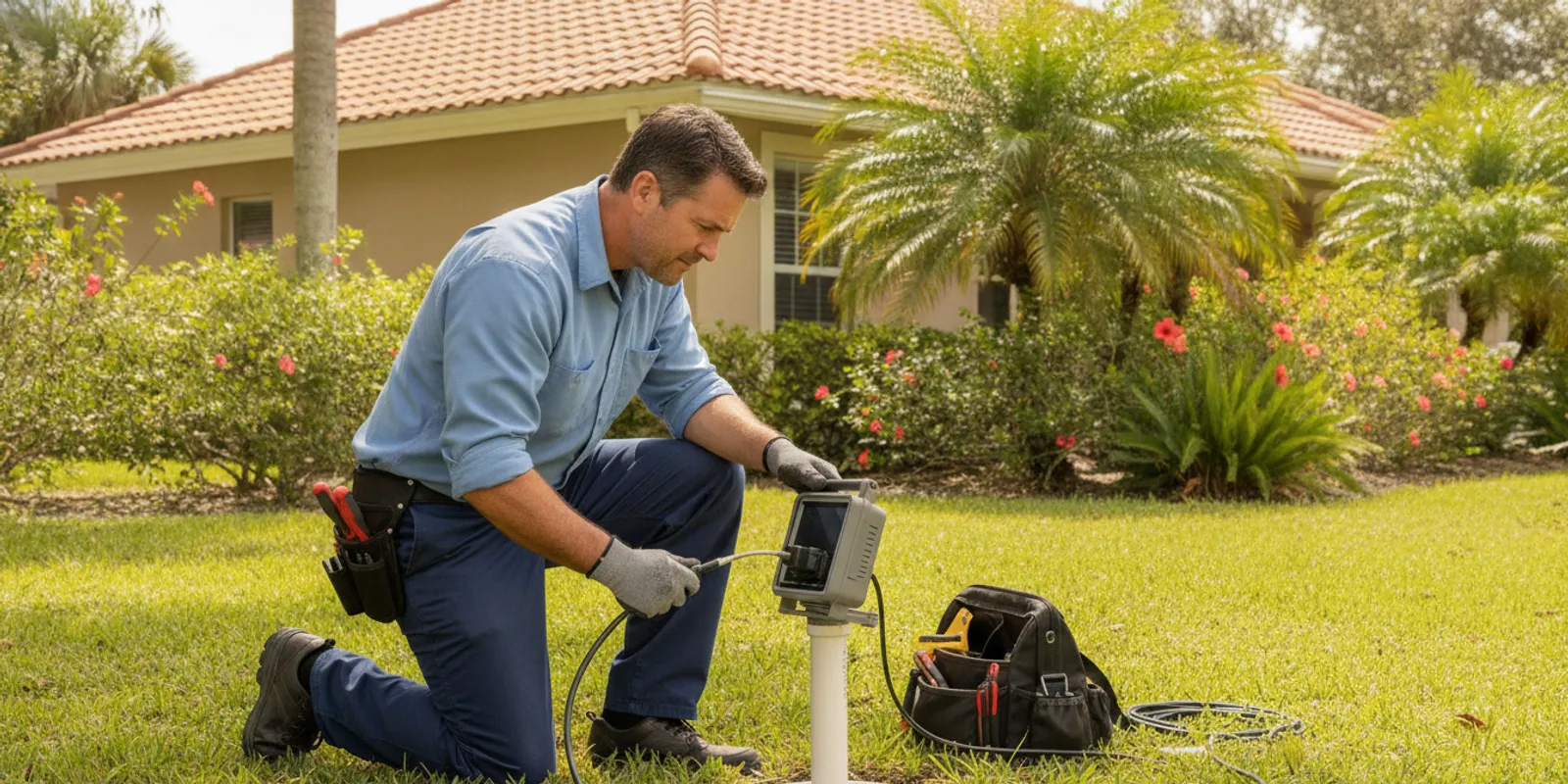
<p>If you are researching pipe lining Brevard County homeowners may encounter a repair method intended to address damage from inside an existing pipe. Whether lining is suitable depends on the pipe's condition and the specific problem. A careful assessment matters more than choosing a method based on its name.</p><p data-mega-cta="primary"><a href="https://spacecoastcooling.com/contact-us/"><strong>Contact Space Coast Cooling & Plumbing to discuss your sewer concern</strong></a></p><h2>What does pipe lining mean?</h2><p>Pipe lining is a broad term for placing a new lining within an existing pipe. Some methods are described as trenchless because they may avoid opening a long trench, but the exact process and suitability depend on the system and a contractor's assessment. Do not assume every sewer line can be lined or that lining is automatically less disruptive or less costly than another repair.</p><p>The phrase does not tell you what is wrong with your line. A blockage, root intrusion, crack, collapse, or general wear can call for different next steps. Ask the plumber to explain what the inspection shows, what repair approaches are actually available for that condition, and what each option would involve. The discussion should focus on the diagnosed section, not a broad promise about a technique.</p><h2>When might a homeowner ask about lining?</h2><p>Consider asking about it when a plumber is evaluating a sewer line problem and you want to understand available repair methods. The question is not simply whether a home has an older pipe. Condition, location, and extent of damage need to be assessed first. An age estimate or a single symptom does not establish that lining is needed.</p><p>Recurring drain trouble can have several causes. A slow fixture or backup does not by itself prove that the sewer line needs lining. A <a href="https://spacecoastcooling.com/plumbing-services/drain-cleaning/">professional drain cleaning assessment</a> may be relevant for a clogged sink, shower, tub, or floor drain; a concern involving the main sewer line may need a different evaluation.</p><p>For a suspected sewer issue, a <a href="https://spacecoastcooling.com/plumbing-services/sewer-camera-inspection/">sewer camera inspection</a> can help show pipe condition, locate blockages, and identify structural problems. Camera findings may reveal root intrusion, cracks, collapse, or other problems. This is a diagnostic step, not a promise that a particular repair method will work.</p><h2>What should you do first if you suspect a sewer problem?</h2><p>Do not try to diagnose a buried sewer line from one symptom. Note what is happening and when. If multiple drains are affected, a fixture backs up repeatedly, or you notice a sudden change, tell the plumber those details. Avoid assumptions about the location or cause.</p><ul><li>Write down which fixtures are affected and whether the problem is constant or intermittent.</li><li>Note recent backups, unusual drain behavior, or prior repairs you know about.</li><li>Describe whether one fixture or several areas of the property are involved.</li><li>For an urgent sewer failure, seek plumbing help promptly rather than trying an unverified repair method.</li></ul><p>These observations help explain the issue; they do not replace an inspection. If the problem is an ordinary fixture clog, <a href="https://spacecoastcooling.com/plumbing-services/hydro-jetting/">hydro jetting</a> may be considered for stubborn blockages. It should not be presented as a substitute for assessing structural damage in a sewer line.</p><h2>How can an inspection guide the repair discussion?</h2><p>A camera inspection lets a plumber visually assess the pipe and identify the location and nature of a problem. Ask the plumber to explain what was seen in plain language. If possible, have them distinguish a blockage from a structural concern and explain how extensive the affected area appears to be.</p><p>Ask what the camera did and did not show. Was the view clear through the relevant section? Where is the suspected defect in relation to an access point or the home? Does the recording show one localized problem or several? If debris or water obscures the view, ask whether that limits the conclusion. These questions do not challenge a professional; they help you understand the evidence behind a recommendation.</p><p>Space Coast Cooling & Plumbing offers sewer camera inspections and sewer line repairs for damaged, cracked, or collapsed lines, as well as work addressing root intrusion and long-term pipe wear. The company has not confirmed pipe lining as a service, so homeowners should not assume it is offered. Review its documented <a href="https://spacecoastcooling.com/plumbing-services/sewer-line-repair/">sewer line repair service</a> and ask directly what is available for the specific condition.</p><p>For broader pipe concerns, compare the diagnosis with the scope of <a href="https://spacecoastcooling.com/plumbing-services/pipe-repair/">pipe repair</a> or, if a larger system change is discussed, <a href="https://spacecoastcooling.com/plumbing-services/repiping/">repiping services</a>. These are not interchangeable labels. Ask which part of the system each proposed solution addresses.</p><h2>How do lining and other approaches compare?</h2><p>The table is a discussion guide, not a technical recommendation. It does not establish which method is available or suitable for a property. Have a plumber base the proposal on inspection findings and explain the work involved.</p><table><thead><tr><th>Approach to discuss</th><th>What it generally refers to</th><th>Questions to ask</th></tr></thead><tbody><tr><td>Pipe lining</td><td>A lining placed inside an existing pipe; method and feasibility vary.</td><td>Is lining offered, and do the inspection findings support it for this pipe?</td></tr><tr><td>Localized sewer line repair</td><td>Repair directed at identified damage, such as a crack or collapse.</td><td>Where is the damage, what section is included, and what work is proposed?</td></tr><tr><td>Repiping</td><td>Replacing some or all piping, depending on project scope.</td><td>Is this limited or whole-home work, and why is it being considered?</td></tr><tr><td>Drain cleaning or hydro jetting</td><td>Cleaning a clog or buildup rather than repairing structural damage.</td><td>Is the issue a blockage, and has the pipe been checked for damage?</td></tr></tbody></table><p>When comparing proposals, ask for the same kinds of information from each provider. A useful comparison states the observed condition, the pipe segment involved, the work proposed, what access is needed, how the result will be checked, and the price before authorization. If a proposal uses a technical label without explaining scope, ask what work will physically happen and what conditions might change the plan.</p><p>Do not compare only the headline method. Two proposals may use the same term while including different sections or steps. Conversely, different methods may address the same diagnosed issue. Ask each provider to separate confirmed findings from assumptions and to explain any limits of the inspection. This makes the choice more meaningful without treating any method as universally best.</p><h2>What should you ask before approving work?</h2><p>A clear proposal connects the diagnosis to the recommended work. Before authorizing a repair, consider asking:</p><ul><li>What did the camera inspection show, and where is the affected area?</li><li>Is the issue a blockage, root intrusion, crack, collapse, or another condition?</li><li>What options are appropriate for these findings, and why?</li><li>Does the company perform the specific method being discussed?</li><li>What work is included, and what conditions could change the scope?</li><li>What is the price before work starts, and what approval is needed before proceeding?</li><li>How will the completed work be checked or documented?</li></ul><p>It can also help to ask who is responsible for explaining the work and what you should expect during the visit. Clarify whether the quoted scope includes only the identified section or addresses other pipe areas too. If the proposal depends on a condition that cannot be seen yet, ask how that would be handled and whether you will be asked before additional work proceeds.</p><p>Space Coast Cooling & Plumbing says it explains findings and repair options with upfront pricing, and proceeds only after the customer approves pricing. Its plumbing work is performed by licensed, certified, and insured professionals. If a proposal uses unfamiliar terms, ask for a plain-language explanation rather than relying on the label alone.</p><h2>How do you choose a plumber for a sewer assessment?</h2><p>Look for a provider that can explain inspection findings, outline the proposed work, and discuss pricing before starting. Ask whether the provider handles the specific issue identified and whether the work is within its service scope. The <a href="https://spacecoastcooling.com/plumbing-services/">plumbing services overview</a> and <a href="https://spacecoastcooling.com/service-areas/">service area information</a> can help confirm relevant service details and coverage.</p><p>For a useful first conversation, share the property's general location, what fixtures are affected, how long the issue has been happening, and whether there has been a recent backup or prior repair. If you have inspection footage or notes from another provider, ask whether those materials can help guide the discussion. Do not assume a phone description alone will settle the diagnosis; an on-site assessment may be needed.</p><p>Space Coast Cooling & Plumbing serves communities across Florida's Space Coast, including Brevard County. For an urgent sewer-line failure, the company states that emergency plumbing service is available 24/7. Contact the team to confirm availability for your location and describe what is happening. You can also review <a href="https://spacecoastcooling.com/plumbing-services/emergency-plumber/">emergency plumbing information</a> before requesting service.</p><h2>What does an authoritative plumbing code say?</h2><p>Repair work is not only a question of method. Local requirements and the approved scope may matter, so ask the plumber whether permits or inspections apply to the specific work and who will confirm that. The <a href="https://www.floridahealth.gov/environmental-health/onsite-sewage/index.html" rel="nofollow" target="_blank">Florida Department of Health's onsite sewage program</a> provides information about onsite sewage systems and related state oversight. This resource concerns onsite systems; it should not be treated as a rule for every municipal sewer connection or as proof that lining is suitable. Confirm which system serves your property and ask the relevant professional or authority about applicable requirements.</p><p>For a home on an onsite system, tell the plumber that fact before discussing a repair, because the type of system affects which agency or professional may be relevant. For a connection to a public sewer, ask which local utility or authority governs work at the property connection. Do not infer that one statewide page answers every permitting question. The purpose of checking requirements is to ensure the work plan fits the actual property, not to steer you toward one repair technique.</p><h2>How should a homeowner weigh the decision?</h2><p>Use a sequence rather than starting with a preferred solution. First, describe the symptoms and get a diagnosis. Next, confirm what part of the system is affected and whether the evidence points to blockage, structural damage, or more than one issue. Then ask what repair choices are available for those findings, what each would involve, and what is included in the price. Finally, take time to compare explanations if the scope is substantial or unclear.</p><p>For example, suppose one bathroom drain is slow while other fixtures work normally. That observation alone does not establish a damaged main line or a reason to consider lining. The next conversation may focus on the affected drain and whether cleaning is appropriate. In a different case, several fixtures back up and an inspection identifies a structural defect in a sewer line. That warrants a discussion of repair options tied to the defect's location and extent. These examples illustrate questions to ask, not diagnoses.</p><p>A third scenario is a recurring problem after prior cleaning. Recurrence is useful information, but it still does not prove the pipe should be lined. Ask what the prior work addressed, whether the camera shows a remaining blockage or a structural issue, and whether the new recommendation responds to those findings. A fourth scenario might involve a visible collapse: ask the provider to explain the evidence, the section affected, and what repair plan is feasible. Avoid choosing by a generalized claim about speed, disruption, or durability unless the provider explains how it applies to your property.</p><p>Keep a simple record of dates, affected fixtures, prior service, and any written findings. This can help distinguish a one-time clog from a recurring concern and makes it easier to compare proposals. It also gives the plumber concrete context without asking you to interpret technical video yourself.</p><p>For homeowners planning to compare alternatives, write down three columns: confirmed finding, proposed work, and unanswered question. For example, “camera shows a crack at a stated location” is a finding; “repair this section” is proposed work; “how will the repair be verified?” is an unanswered question. This small exercise keeps the conversation focused and makes gaps visible before approval.</p><h2>Frequently asked questions</h2><h3>Is pipe lining always better than digging?</h3><p>No. The right approach depends on the observed pipe condition, location and extent of the problem, and available methods. Ask for an explanation based on inspection findings rather than assuming one method is best.</p><h3>Can a camera inspection confirm whether lining is possible?</h3><p>A camera inspection helps assess pipe condition and locate problems. A plumber should explain whether findings support a particular repair method and whether additional evaluation is needed. An inspection alone does not guarantee that lining is suitable.</p><h3>Does Space Coast Cooling & Plumbing offer pipe lining?</h3><p>The available service information confirms sewer camera inspections and sewer line repair, but does not confirm pipe lining or trenchless lining. Ask the company directly about the method you are considering and the repair options that fit your diagnosis.</p><h3>What if the problem is a clog rather than damaged pipe?</h3><p>Drain cleaning or hydro jetting may be considered for clogs, depending on the situation. A plumber can assess whether the issue is a blockage or structural damage and recommend an appropriate next step.</p><p data-mega-cta="secondary"><a href="https://spacecoastcooling.com/contact-us/"><strong>Request a sewer-line assessment and discuss your options</strong></a></p><h2>Get a clear next step</h2><p>When sewer trouble appears, start with an accurate assessment and a clear explanation of the findings. A camera inspection and a transparent discussion can help you compare available repair options without assuming that pipe lining is right for every home.</p><p>For help with a sewer concern in Brevard County, contact Space Coast Cooling & Plumbing to discuss what you are seeing and confirm the appropriate next step for your property.</p>
Back to Blog
Insights
Pipe Lining Brevard County: Florida Homeowner Guide
Learn what pipe lining involves, when it may be considered, what to ask a plumber, and how Brevard County homeowners can compare sewer repair options.
Available 24/7
Call the Experts that Local Homeowners Rely On
When you need home services, you want answers you can trust and work you can count on. Space Coast Cooling & Plumbing is the plumbing and HVAC company in Cocoa, FL, that brings decades of local experience, licensed professionals, and customer-first service to every job. One call connects you with a team ready to help.
Licensed & InsuredServing Cocoa Since 1994Honest, Upfront PricingSame-Day Service Available