Need Help? Call Us Now!
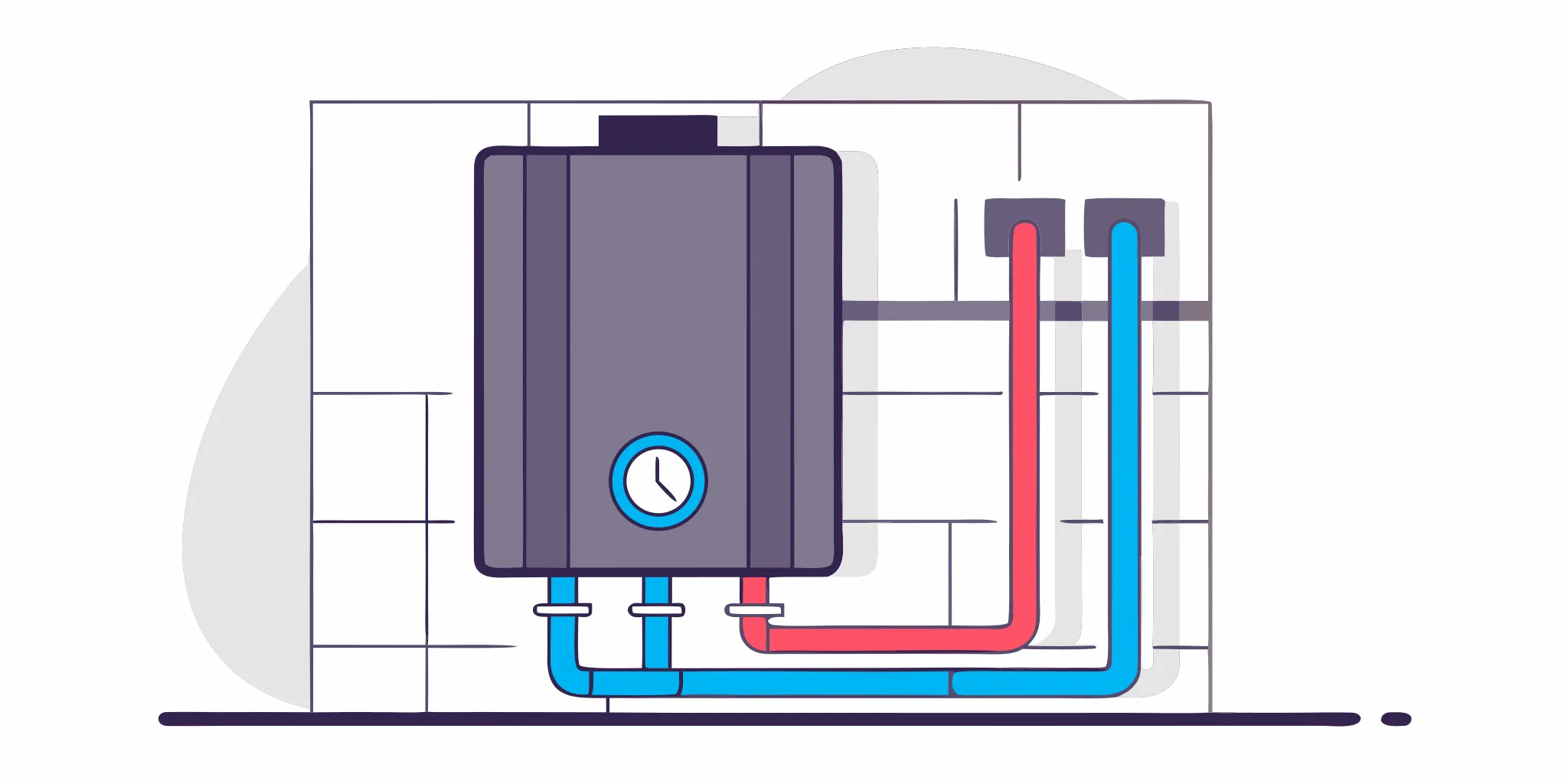
Propane tankless water heater installed on a tiled wall with hot and cold water pipes.
Back to Blog
InsightsJune 26, 2026

Propane Tankless Water Heater: A Buyer's Guide

Find out how a propane tankless water heater works, compare top brands, and get tips for choosing, installing, and maintaining the right model for your home.

That feeling of the shower turning cold is a universal signal of dread. For decades, we’ve planned our mornings around a finite supply of hot water stored in a big, inefficient tank in the garage. That tank works 24/7, wasting energy to keep water hot just in case you need it. A **propane tankless water heater** offers a smarter, more modern approach. Instead of storing water, it heats it instantly, on demand. This means you get an endless supply of hot water exactly when you need it, and the unit uses zero energy when you don’t. It’s a simple, effective upgrade that ends the hot water rationing for good. ## Key Takeaways * **Balance the benefits with the budget**: A tankless heater gives you endless hot water and lower energy bills, but remember to account for the higher upfront cost for both the unit and professional installation. * **[Get the right fit for your home](https://spacecoastcooling.com/plumbing-services/water-heater-installation-replacement/)**: A heater's performance comes down to correct sizing, so work with a professional to calculate your family's peak water usage and plan for the necessary gas and vent lines to ensure safe, reliable operation. * **Protect your investment with simple upkeep**: To keep your tankless heater running efficiently for its 20-plus year lifespan, schedule an annual professional service to descale mineral buildup from Florida's hard water and check all safety systems. ## What Is a Propane Tankless Water Heater? If you're tired of running out of hot water or paying to heat a big tank of it 24/7, a propane tankless water heater might be the perfect solution for your home. Unlike traditional models that keep 40 or 50 gallons of water hot around the clock, a tankless unit heats water instantly, right when you need it. It’s a modern, efficient approach that provides an endless supply of hot water, making it a popular upgrade for homeowners here on the Space Coast. ### How It Works The magic of a tankless water heater is its on-demand process. When you turn on a hot water tap for your shower, dishwasher, or laundry, cold water flows into the unit. A sensor inside detects this movement and immediately activates a powerful propane burner. This burner heats a component called a heat exchanger, and as water passes through it, the water warms up to your set temperature in seconds. When you turn the tap off, the unit shuts down completely. This simple, effective system means you only [use energy](https://www.energy.gov/energysaver/tankless-or-demand-type-water-heaters) when you’re actually using hot water. ### Tankless vs. Traditional Tank Heaters The most obvious difference between tankless and traditional water heaters is the tank itself. A traditional heater works to keep a large volume of water hot all day, leading to standby heat loss. A tankless model eliminates this by only heating water when you need it. This means you get a continuous supply of hot water, so you’ll never have to cut a shower short again. Tankless units also have a much longer lifespan, often lasting 20 years or more, while traditional tank heaters typically need replacement every 10 to 12 years. ### Propane vs. Electric Tankless Models When choosing a tankless water heater, your main options are propane and electric. Propane models are powerhouses, offering a higher flow rate that can easily support multiple hot water demands at once, like running a shower and the dishwasher simultaneously. They are also highly efficient and can be more cost-effective to operate. Electric tankless heaters are often less expensive upfront and simpler to install since they don't require venting. However, they may need significant and costly upgrades to your home’s electrical panel to handle the power draw, and they can sometimes struggle to keep up with the hot water needs of a larger family. ## The Good, The Bad, and The Myths Deciding on a major home appliance is a big deal, and it helps to have a clear, balanced view. Propane tankless water heaters come with some fantastic advantages, but they also have a few quirks and are surrounded by some common misunderstandings. Let's walk through the pros, the cons, and the myths so you can feel confident about whether one is the right fit for your home. ### The Upsides: Why You Might Love One The number one reason people fall in love with tankless water heaters is the promise of endless hot water. Since the unit heats water on demand, you don’t have to worry about the tank running empty during back-to-back showers. This on-demand function is also incredibly efficient. Instead of constantly using energy to keep a large tank of water hot, a tankless model only fires up when you need it, which can lead to noticeable savings on your energy bills. Beyond the daily convenience, these systems are built to last. A well-maintained tankless water heater can have a [lifespan of 20 years or more](https://www.eccotemp.com/gas-tankless/), which is nearly double that of a traditional tank heater. They are also compact and wall-mounted, freeing up valuable floor space in your garage or utility closet. ### The Downsides: Potential Dealbreakers Let's be honest, no appliance is perfect. The most significant hurdle for many homeowners is the higher upfront cost. A tankless unit and its professional installation typically require a larger initial investment than a standard tank heater. They also need a bit more TLC. To keep them running efficiently, especially with Florida's hard water, they require annual maintenance to descale mineral buildup that can clog the system. You also have to think about your household's water usage. Each unit has a maximum flow rate, which means it can only heat a certain amount of water at one time. If you try to run two showers, the dishwasher, and the laundry all at once, you might find the water isn't as hot as you'd like. We can solve this by installing a unit with a higher capacity, but it's one of the most [common tankless water heater problems](https://www.eccotemp.com/blog/6-common-tankless-water-heater-problems-and-solutions-79e681) when a system is undersized. ### Clearing Up Common Misconceptions You may have heard a few things about tankless heaters, so let's clear the air. One common myth is that they provide truly *instant* hot water. While they heat water on demand, it still needs time to travel through the pipes to your faucet. The time it takes is the same as it was with your old tank heater. Another major misconception is that any model will work for any home. Performance issues often pop up when a heater isn't [sized correctly for the home's needs](https://www.omaha-drain.com/single-post/the-most-common-misconceptions-about-tankless-water-heaters). This is why professional sizing and installation are so important. A qualified technician will assess your family’s water usage to recommend a unit that can keep up. Finally, some people worry about propane, but modern tankless heaters are designed with multiple safety features and are a reliable, efficient power source. ## How to Choose the Right Model Picking the right propane tankless water heater is less about the brand name and more about the numbers. To get that perfect, endless stream of hot water without overpaying for a unit that’s too powerful (or being disappointed by one that’s too small), you need to match the model to your home’s specific demands. It comes down to a few key factors that will help you and your technician select the perfect fit for your family’s needs. ### Flow Rate (GPM) First, let’s talk about flow rate, measured in gallons per minute (GPM). This number tells you how much hot water the unit can produce at any given moment. To figure out your home’s needs, think about your busiest moments. Could you be running a shower and the dishwasher at the same time? Maybe two showers are going at once in the morning. Each fixture has its own GPM demand. We help you calculate your peak hot water usage by adding up the flow rates of all the fixtures you might use simultaneously. This ensures the model you choose can keep up without leaving someone in the cold. ### Temperature Rise Next up is temperature rise. This is simply how many degrees the heater needs to warm up the incoming water to reach your desired hot water temperature (usually around 120°F). Here in Florida, our groundwater is relatively warm year-round, which is a huge plus. Unlike in colder climates, your water heater doesn’t have to work as hard, so you can often get by with a smaller, more efficient unit. A professional technician will measure your incoming water temperature and use that to calculate the necessary [temperature rise](https://www.energy.gov/energysaver/sizing-new-water-heater), ensuring your heater is sized perfectly for our local conditions. ### Energy Efficiency Ratings You want a water heater that delivers hot water reliably without sending your propane bills through the roof. The easiest way to find an efficient model is to look for the [ENERGY STAR certification](https://www.energystar.gov/products/water_heaters). To earn this label, a propane tankless water heater must meet strict minimums for energy efficiency, deliver hot water quickly, and include a solid warranty and safety features. Choosing an ENERGY STAR model means you’re getting a high-performing unit that will save you money over its lifespan. It’s a simple step that guarantees you’re investing in quality and long-term savings. ### Venting Requirements Unlike electric models, propane tankless water heaters need to breathe. Because they burn fuel, they produce combustion gases that must be safely vented outside your home. This is a critical safety requirement. Proper installation involves not just connecting the gas line but also ensuring there is adequate combustion air and a dedicated vent system. This is not a DIY project. Our licensed technicians are trained to handle these specific installation considerations, making sure your unit is installed safely and up to all local Brevard County codes for your peace of mind. ### Smart Features and Digital Controls If you love having control at your fingertips, you’ll appreciate the smart features available on many modern tankless heaters. Some models can connect to your home’s Wi-Fi, allowing you to use a mobile app or even voice commands through Amazon Alexa or Google Home. With these [smart controls](https://www.eccotemp.com/gas-tankless/), you can precisely set the water temperature, monitor your energy usage, and even receive maintenance alerts right on your phone. It’s a fantastic way to fine-tune your comfort and stay ahead of any potential issues, giving you complete control over your home’s hot water. ## A Look at Popular Brands We Service Choosing a brand can feel like a big decision, but it’s a lot easier when you have an expert on your side. Our technicians have installed and serviced just about every propane tankless water heater on the market. While we can work on any brand, we find that some consistently deliver the performance and reliability our clients expect. Here’s a quick look at a few popular brands we trust and see often in Florida homes, giving you a better sense of what’s out there. ### Rinnai When you’re looking for top-tier engineering and long-term reliability, Rinnai is a brand that always enters the conversation. They are known for their industry-leading gas tankless water heaters and build their products with a focus on quality that you can feel. Rinnai’s brand promise is to create "a healthier way of living," and they stand by that with durable, high-performance units that provide clean, consistent hot water for years. For homeowners who see this as a long-term investment in their home’s comfort and value, a [Rinnai system](https://www.rinnai.us/) is an excellent choice. ### Rheem Rheem is a household name for a reason. Many of us grew up with a Rheem appliance in our homes, and they bring that same legacy of trust to their tankless water heaters. Customers often point out how much they appreciate the user-friendly designs, including simple remote controls and compact units that save space. If you’re looking for a dependable, straightforward unit from a brand with a long track record, Rheem is a solid contender. As many [customer reviews](https://www.homedepot.com/p/reviews/Rheem-Performance-Plus-7-0-GPM-Non-Condensing-Outdoor-Liquid-Propane-Tankless-Water-Heater-ECO160XLP-3/325309119/3) mention, they deliver consistent performance without a lot of fuss. ### Navien If maximizing energy efficiency is your main goal, Navien is a brand you need to know about. They are pioneers in high-efficiency condensing technology, which means their units are designed to squeeze every bit of energy out of your propane, leading to lower utility bills over time. Navien models are often packed with smart features and are considered a premium, tech-forward option. They are frequently compared with other [well-regarded brands](https://www.youtube.com/watch?v=hMfvW9Pzc_8) in the industry, holding their own as a top choice for homeowners who want the latest in performance and savings. ### Eccotemp Eccotemp does a great job of focusing on the core benefits of going tankless: providing a continuous supply of hot water right when you need it. Their lineup of [gas tankless water heaters](https://www.eccotemp.com/gas-tankless/) is built around this simple promise, offering a practical and effective solution for homeowners ready to ditch the tank. By heating water instantly instead of storing it, these units help you save energy and avoid the standby heat loss that comes with traditional tanks. For a straightforward upgrade that delivers on convenience and efficiency, Eccotemp offers a compelling value. ## Understanding the Total Cost When you’re thinking about upgrading to a propane tankless water heater, the first question is usually about the price. It’s smart to look at the total cost, which includes more than just the price tag on the unit. The final number on your invoice will be a combination of the water heater itself, the professional installation required to get it running safely, and any savings you can get from rebates. Thinking about these three pieces together gives you a realistic budget and helps you avoid surprises down the road. ### The Price of the Unit Itself The initial investment for the water heater unit itself typically falls somewhere between $1,000 and $3,500. This range is pretty wide because the final price depends on a few key factors. The brand you choose, the unit’s capacity (how much hot water it can produce at once), and its energy efficiency rating all play a role. More powerful or efficient models from top [tankless water heater brands](https://modernize.com/plumbing/water-heaters/best-tankless-water-heaters) will naturally be at the higher end of that spectrum. We can help you find the right balance between features and price to fit your family’s needs and your home’s specific requirements. ### Factoring in Installation Installation is a critical piece of the puzzle, and its cost can vary quite a bit. Getting your new tankless water heater installed correctly is a job for a licensed professional, especially since it involves both plumbing and gas lines. The cost of installation often depends on your home’s current setup. For example, if we need to run a new gas line, upgrade the existing one, or install special venting for the exhaust, that will add to the overall project cost. We always provide clear, upfront pricing so you know exactly what to expect before any work begins. ### Finding Rebates and Incentives A great way to manage the initial investment is by looking for rebates and incentives. Many manufacturers and even local utility companies offer savings for homeowners who install energy-efficient appliances. Before you buy, it’s worth taking a few minutes to see what offers are available in our area. We can point you in the right direction. Once your new water heater is installed, don’t forget to register it with the manufacturer. This simple step ensures your investment is protected by the full warranty, giving you peace of mind for years to come. You can usually find registration info directly on the brand’s website, like [Rinnai](https://www.rinnai.us). ## Is a Propane Tankless Water Heater Right for Your Home? Deciding to switch to a propane tankless water heater is a big step, and the truth is, it’s not a one-size-fits-all solution. The "best" water heater is the one that fits seamlessly into your life, your home, and your budget. While the promise of endless hot water and lower energy bills is appealing, a few key factors will determine if it’s the right move for you. Before you make a final decision, it’s helpful to think through three specific areas: your family’s daily water usage, your home’s current plumbing and gas setup, and the unique demands of our Florida climate. Answering these questions honestly will help you figure out if a tankless system aligns with your needs and will give you the performance you expect. Let’s walk through what you need to consider. ### Your Household's Hot Water Habits Think about a typical morning in your house. Is one person showering while another starts the dishwasher and someone else washes their hands? Because tankless heaters provide hot water on demand, they don't run out. However, they do have a limit on how much hot water they can produce at once, measured in gallons per minute (GPM). If your family frequently uses multiple hot water taps at the same time, you’ll need a unit with a higher GPM to keep up. It’s also good to remember that while the water is heated instantly, it still needs a moment to travel through the pipes to your faucet, just like with a traditional tank. ### Your Home's Current Setup Switching to a propane tankless model involves more than just swapping out a box. You have to consider your home’s existing infrastructure. A propane tankless water heater requires a dedicated propane line, proper ventilation to the outdoors for exhaust, and an electrical outlet to power its digital controls. If you’re currently using an electric water heater, the installation will be more complex because a qualified technician will need to run a gas line and create a new vent path. A professional can assess your current setup and explain exactly what it will take to [install a propane tankless water heater](https://www.thisoldhouse.com/plumbing/how-to-install-a-propane-tankless-water-heater) safely and correctly. ### Special Considerations for Florida Homes Living on the Space Coast means dealing with specific environmental factors that can affect your plumbing. Hard water, for example, can lead to mineral buildup in any water heater, but regular maintenance is especially important for tankless units to keep them running efficiently. Sizing is also critical. A unit that’s too small will struggle to meet your home’s demands, leading to frustrating performance issues. It’s one of the most [common misconceptions about tankless water heaters](https://www.omaha-drain.com/single-post/the-most-common-misconceptions-about-tankless-water-heaters) that any model will work. A local professional who understands Florida’s climate and water quality can help you choose the right size and type of unit, ensuring you get the reliable, endless hot water you’re looking for. ## A Peek into the Installation Process Switching to a propane tankless water heater involves more than just swapping out a box. It’s a precise process that ensures your new system runs safely, efficiently, and reliably for years to come. Getting it right from the start prevents future headaches and makes sure you get all the benefits of on-demand hot water. Think of it as a custom-fit solution for your home. Unlike a traditional tank that just needs to be put in place, a tankless unit requires careful calculations and specific connections for gas, venting, and power. Let’s walk through the key steps our certified technicians take to ensure a perfect installation every time. ### Sizing Your New System Correctly The most common reason people are unhappy with a tankless water heater is that it was sized incorrectly for their home. A unit that’s too small will struggle to keep up, while one that’s too large is an unnecessary expense. To find the perfect fit, we look at a few key factors. First is the temperature of the water coming into your home, which varies by season. Next, we calculate your household’s peak hot water demand. This is the maximum amount of hot water you might need at one time, measured in gallons per minute (GPM). We’ll help you [estimate your GPM](https://www.energy.gov/energysaver/sizing-new-water-heater) by considering how many showers, faucets, and appliances you might run simultaneously. Finally, we match this with the unit’s energy efficiency rating to select a model that can handle your needs without wasting energy. ### Gas Line and Venting Needs A propane tankless water heater has very specific infrastructure needs to operate safely and effectively. Because it heats water so quickly, it requires a larger volume of fuel than a traditional heater. This often means upgrading to a 3/4-inch or 1-inch gas line to supply the necessary propane. Just as important is the venting system. The heater produces combustion gases that must be safely directed outside your home. We install dedicated, sealed venting to prevent any risk of backdrafts or carbon monoxide leaks. Your unit will also need a standard electrical outlet to power its digital controls and electronic ignition, a small but essential detail in the installation plan. ### Permits, Codes, and Power Supply A professional installation is always done by the book, and that means adhering to all local building codes and pulling the necessary permits. In Brevard County, specific rules govern how gas appliances are installed, including the types of pipes, connectors, and shutoff valves that can be used. Following these regulations isn't just about passing an inspection; it’s about ensuring your family’s safety and protecting your home. Our licensed plumbers are experts in [Florida’s building codes](https://floridabuilding.org/c/default.aspx) and handle the entire permitting process for you. We make sure every connection is secure and every component is up to standard, giving you total peace of mind. ### Why Professional Installation Is a Must While it might be tempting to turn a tankless water heater installation into a weekend project, this is one job best left to the pros. As we’ve covered, improper sizing can lead to frustrating performance issues, like lukewarm showers or fluctuating water pressure. More importantly, incorrect gas line connections or venting can create serious safety hazards. A professional plumber not only has the tools and training to do the job right but also understands the nuances of different models and home layouts. When you work with our team, you can trust that your new water heater will be installed safely, meet all code requirements, and perform exactly as it should. ## Simple Maintenance for Long-Lasting Performance You’ve invested in a great piece of technology, and a little bit of care will keep it running smoothly for years. Unlike old tank heaters that you could mostly ignore (until they failed), tankless models perform best with a consistent maintenance schedule. Think of it as a simple check-up to protect your investment, ensure efficiency, and prevent surprise breakdowns. The good news is that the key tasks are straightforward. Keeping your unit free of mineral buildup, cleaning its filters, and ensuring the vents are clear will handle the majority of its needs. While some of these jobs are simple enough for a Saturday morning, an annual professional service is the best way to catch small issues before they turn into big, expensive problems. Here’s a breakdown of what you need to know. ### Descaling and Flushing If there’s one thing Florida has plenty of, it’s hard water. Over time, minerals like calcium and magnesium build up inside your tankless heater’s narrow pipes, a process called scaling. This buildup forces your unit to work harder, reduces its efficiency, and can eventually lead to a complete shutdown. To prevent this, you need to descale, or flush, your water heater at least once a year; some manufacturers even recommend twice a year for our area. The process involves circulating a special solution through the unit to dissolve the mineral deposits. While descaling kits are available for DIY-ers, many homeowners prefer having a professional handle it to ensure it’s done correctly and safely. ### Cleaning Filters and Checking Vents Your tankless water heater has a small inlet filter designed to catch sediment and debris before it enters the unit. If this filter gets clogged, it can restrict water flow and strain the system. Cleaning it is a simple but important task. You can usually just remove the filter, gently scrub it with a soft brush and soapy water, and pop it back in once it’s dry. At the same time, take a quick look at your unit’s air intake and exhaust vents. Make sure they are clear of any obstructions like leaves, nests, or other debris. Blocked vents can cause the unit to operate incorrectly and are a potential safety hazard, so a quick visual inspection is always a good idea. ### The Importance of Annual Service While you can handle some basic upkeep, nothing replaces a professional tune-up. An [annual service appointment](https://propane.com/for-my-home/the-importance-of-tankless-water-heater-maintenance) is the best way to ensure your propane tankless water heater operates safely and efficiently for its entire lifespan. During a visit, our technicians do more than just a basic flush. We inspect the gas pressure and burner, check all the electrical connections, test the safety controls, and look for any signs of wear and tear that could signal a future problem. This comprehensive check-up not only keeps your warranty valid but also gives you peace of mind, knowing your system is in the hands of an expert who can spot and fix issues before they leave you without hot water. ## Potential Quirks to Know About Like any appliance, propane tankless water heaters have their own unique characteristics. Knowing about them ahead of time means no surprises down the road. Think of these not as dealbreakers, but as small operational differences you’ll quickly get used to. Being aware of these quirks helps you understand how your system works and how to get the best performance from it for years to come. ### The "Cold Water Sandwich" Effect You might hear people talk about the "cold water sandwich." This can happen when you use hot water, turn it off for a minute, and then turn it back on. For a few seconds, you might get a burst of lukewarm or cool water before it gets hot again. This happens because the heater shuts off instantly when you close the tap, leaving a small amount of water in the pipes to cool down. When you turn the faucet back on, that cool water has to pass through before the newly heated water arrives. It’s a minor and brief event that most people barely notice, especially with a properly sized and installed unit. ### Dealing with Mineral Buildup Here in Florida, we have notoriously hard water, which is full of minerals like calcium and magnesium. Over time, these minerals can form a scaly buildup inside your tankless water heater, which can affect its efficiency and performance. This isn't a reason to avoid a tankless model; it just means regular maintenance is key. We recommend a professional descaling service about once a year to flush out any mineral deposits and keep your unit running like new. This simple step is the best way to protect your investment and ensure a long, efficient lifespan for your heater. You can easily schedule this as part of a [plumbing maintenance](https://www.spacecoastcooling.com/plumbing/maintenance/) plan. ### Flow Rate Limits During Busy Times A tankless water heater provides endless hot water, but not an unlimited amount at one time. Each unit has a maximum flow rate, measured in gallons per minute (GPM). If your family tries to run two showers, the dishwasher, and the washing machine all at once, you might find the water isn't as hot as you'd like. This is because the demand has exceeded the heater's capacity to heat the water instantly. The solution is simple: make sure you choose a unit that’s correctly sized for your household’s peak water usage. Our technicians can help you calculate your needs to ensure you always have plenty of hot water, even on the busiest mornings. ## Ready to Make the Switch? Here's What's Next Feeling convinced that a propane tankless water heater is the right upgrade for your home? That’s exciting! It’s a smart move toward getting that endless hot water you’ve been dreaming of and can even lead to some nice [savings on your energy bills](https://propane.com/for-my-home/water-heating/tankless-water-heaters/). Once you’ve done the research, the next step is to see how it fits into your actual home. This is where you move from reading articles to getting real, personalized advice. The single most important next step is to schedule a professional consultation. A licensed plumber will need to assess your home’s current plumbing, gas line capacity, and venting possibilities to determine the best installation plan. They’ll also help you confirm the correct size unit for your family’s needs, ensuring you never have to worry about running out of hot water, even when the dishwasher and showers are running at the same time. This isn't a project where you want to leave things to chance. During a consultation, you should expect to receive a clear, upfront quote that covers both the unit and the full installation. At Space Coast Cooling & Plumbing, we believe in giving you honest answers so you can make an informed decision without any pressure. We’ll walk you through the options and explain the long-term benefits, including the simple [annual maintenance](https://propane.com/for-my-home/the-importance-of-tankless-water-heater-maintenance) that will keep your new system in top shape for years to come. If you’re ready to find out more, we’re here to help. Contact our team to schedule your free, no-obligation estimate. We’ll answer all your questions and help you take the next step toward better, more efficient hot water. ## Related Articles * [Can a Water Heater Cause Low Water Pressure in Your Home?](https://spacecoastcooling.com/can-a-water-heater-cause-low-water-pressure/) * [Expert Water Heater Installation & Replacement Cocoa, FL](https://spacecoastcooling.com/plumbing-services/water-heater-installation-replacement/) * [Professional Water Heater Repair Cocoa, FL](https://spacecoastcooling.com/plumbing-services/water-heater-repair/) ## [Frequently Asked Questions](https://spacecoastcooling.com/faq/) **Will I really get hot water the second I turn on the tap?** Not quite, and this is a great question. A tankless heater begins heating water the instant you open a faucet, but that newly heated water still needs to travel through your home's pipes to reach you. The time it takes is the same as it was with your old tank heater. The real magic isn't instant delivery; it's the endless supply. You'll never run out of hot water once it starts flowing. **How much maintenance does a tankless heater actually need?** The most important task is an annual flush, or descaling, to remove mineral buildup from Florida’s hard water. This keeps the unit running efficiently and prevents clogs. While you can find DIY kits, we recommend a yearly professional service. A technician will not only flush the system but also inspect the burner, check safety features, and ensure everything is in top shape, which also keeps your warranty valid. **Why is professional installation so important if I'm handy?** This is one project you should always leave to a licensed professional. Installing a propane tankless water heater involves connecting gas lines, plumbing, and a dedicated venting system for exhaust. An incorrect installation can lead to poor performance, water damage, or even serious safety risks like a gas leak or carbon monoxide exposure. A professional ensures the unit is sized correctly for your home and installed safely according to all local codes. **Can a tankless heater keep up if my whole family needs hot water at once?** Absolutely, as long as it’s the right size for your home. Performance issues almost always come from a unit that was undersized for the family's needs. During a consultation, a technician will calculate your home's peak demand by adding up the flow rates of fixtures you might use at the same time. This ensures we install a model that can easily handle multiple showers or appliances running simultaneously without a drop in temperature. **What's the real total cost I should expect to pay?** The total investment has two main parts: the cost of the unit itself and the cost of professional installation. The price of the heater depends on the brand and its capacity. The installation cost varies based on your home's current setup, for instance, if we need to run a new gas line or install a new vent system. We provide a clear, upfront quote that covers the entire project, so you’ll know the full cost before any work begins.
Available 24/7

Call the Experts that Local Homeowners Rely On

When you need home services, you want answers you can trust and work you can count on. Space Coast Cooling & Plumbing is the plumbing and HVAC company in Cocoa, FL, that brings decades of local experience, licensed professionals, and customer-first service to every job. One call connects you with a team ready to help.

Licensed & InsuredServing Cocoa Since 1994Honest, Upfront PricingSame-Day Service Available