Need Help? Call Us Now!
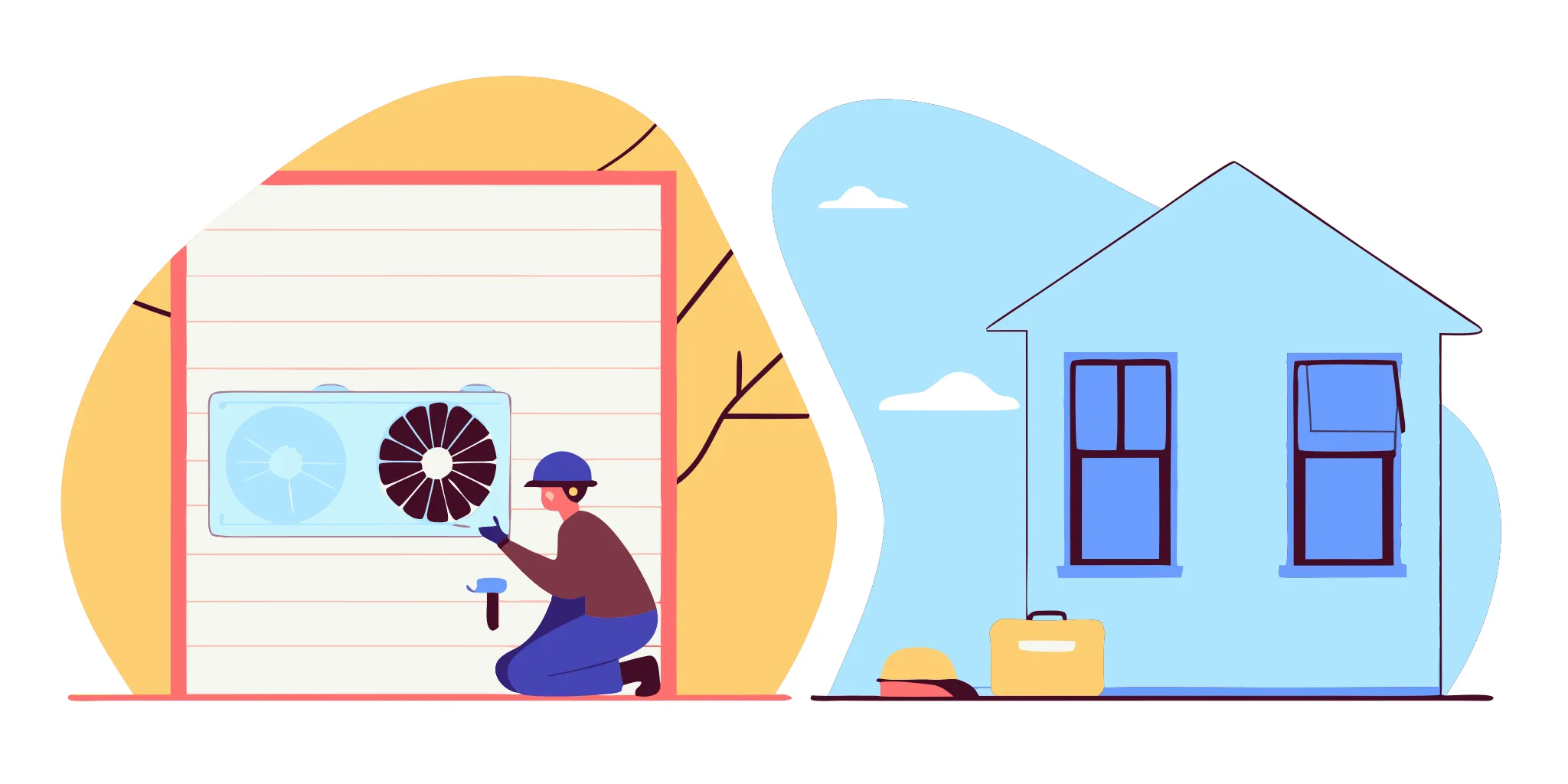
Technician inspecting an air conditioner to decide on repair or replacement.
Back to Blog
InsightsJuly 6, 2026

Should You Repair or Replace Your Air Conditioner?

Learn how to decide whether to repair or replace air conditioner units with clear signs, cost breakdowns, and practical tips for making the best choice.

An unreliable air conditioner does more than just fail to cool your home; it steals your peace of mind. You find yourself listening for strange noises, worrying about the next heatwave, and budgeting for another inevitable service call. Living with that uncertainty is exhausting. The decision to repair or replace your air conditioner is about more than just mechanics and money; it’s about restoring your home to a place of consistent comfort and reliability. This article will walk you through the signs that you’re caught in a losing repair cycle and explain the benefits of upgrading to a system you can finally depend on. ## Key Takeaways * **Listen to your AC's warning signs**: Don't ignore things like weak airflow, strange sounds, or surprisingly high energy bills. These are your AC's way of telling you it needs a [professional check-up](https://spacecoastcooling.com/hvac-services/ac-tune-up-maintenance/) before a small issue becomes a big one. * **Factor in age and repair costs**: For Florida ACs, 10 years is a critical milestone. When faced with a repair, use the 50% rule for clarity: if the fix costs half as much as a new system, investing in a replacement is usually the smarter financial move. * **Consider the long-term benefits of a replacement**: A new AC isn't just a purchase; it's an investment in your home's comfort and value. Think about the perks like lower energy bills, healthier air, quieter operation, and the security of a new warranty when weighing your options. ## Is Your AC Trying to Tell You Something? Your air conditioner rarely gives up without a fight. Long before it stops working completely, it sends out warning signs. Think of these as messages letting you know that something is wrong. Learning to recognize these signals can help you decide if a simple fix will do the trick or if it’s time to start thinking about a replacement. Ignoring them, on the other hand, often leads to a sudden breakdown on the hottest day of the year, leaving you with an emergency on your hands. Paying attention to changes in your system’s performance, sounds, and even your monthly utility bill can save you a lot of stress and money. From warm air coming through your vents to a house that suddenly feels damp and sticky, these are all clues. Let’s walk through the most common signs that your AC is asking for help, so you can make a confident, informed decision for your home. ### Weak or Uneven Cooling Is your living room an icebox while your bedroom feels like a sauna? Or maybe the system runs constantly but just can't seem to beat the Florida heat. When your air conditioner struggles to cool your home evenly or effectively, it’s a major red flag. A properly functioning AC is designed to pull both heat and humidity out of the air, and as units age, they lose this capacity. While the issue could be something simple, it often points to a failing compressor or an undersized system that can no longer keep up. When an AC can’t perform its primary job, a full AC replacement is often the most sensible long-term solution. ### Strange Noises and Smells Your air conditioner should operate so quietly that you barely notice it. If you suddenly hear grinding, squealing, rattling, or banging, it’s time to listen up. These sounds are not normal signs of aging; they are mechanical cries for help. Grinding can indicate a problem with the motor’s bearings, while squealing often points to a belt issue. A musty smell might signal mold in your ductwork, and a burning odor could mean an electrical problem. Ignoring these signs can lead to a complete system failure or even a safety hazard. It’s always best to have a professional [diagnose the problem](https://www.spacecoastcooling.com/contact-us/) right away instead of hoping the noise just goes away on its own. ### Spiking Energy Bills Your utility bill is one of the most reliable indicators of your AC's health. If you notice your electricity costs creeping up month after month without a change in your usage, your air conditioner is likely the culprit. As components wear out, the system has to work much harder and run longer to provide the same level of cooling. This loss of efficiency translates directly into wasted energy and higher bills. In a way, you’re already paying for a new, high-efficiency system through these inflated costs, you just don't get to enjoy the benefits. An aging, inefficient unit can easily cost you hundreds of extra dollars per year. ### Frequent Breakdowns Are you on a first-name basis with your AC repair technician? If your system needs a professional fix every summer, you’re caught in a frustrating and expensive repair cycle. While a single, targeted repair can sometimes restore performance, recurring problems tell a different story. Pouring money into an old unit with one failing part after another is like patching a sinking boat. At some point, the cumulative cost of these frequent service calls starts to approach the price of a new system. It’s worth adding up what you’ve spent on repairs over the last couple of years to see if that money would have been better invested in a reliable replacement. ### Your System Uses R-22 Refrigerant If your air conditioner was installed before 2010, it probably uses a refrigerant called R-22, also known as Freon. Due to its environmental impact, the EPA has phased out the production and import of R-22. This means the remaining supply is incredibly limited and expensive. If your older system develops a refrigerant leak, a simple "top-off" is no longer a cheap fix. The cost to recharge an R-22 system can be astronomical, and it doesn't even fix the leak itself. Investing a large sum of money into a system that is already obsolete is rarely a good financial move. A replacement is almost always the smarter choice. ### The House Feels Humid In Florida, fighting humidity is just as important as controlling the temperature. A key job of your air conditioner is to remove moisture from the air, making your home feel cool and comfortable. If you notice that your house feels sticky or damp even when the AC is running, it’s a clear sign the system is failing. As an air conditioner ages, it loses its ability to effectively dehumidify your home. This not only makes you feel uncomfortable but can also contribute to problems like mold and mildew growth. Slapping a bandage on a failing compressor won't solve this core issue; you need a system that can restore your home's comfort. ## Does Your AC's Age Matter? When it comes to your air conditioner, age isn't just a number. It's one of the most important factors in deciding whether to repair or replace it. While a newer system might just need a simple fix, an older unit is telling a different story. Think of it like a car with high mileage; at some point, constant trips to the mechanic stop making financial sense. Here in Florida, our ACs work overtime, and their age can catch up with them faster than you might think. Understanding how old is "too old" can save you from a lot of sweat, stress, and wasted money. ### The 10-Year Rule for Florida ACs You’ve probably heard the general rule of thumb: most air conditioners last about 10 to 15 years. In fact, ENERGY STAR® suggests that if your system is over a decade old, you should [think about replacing it](https://www.lennox.com/residential/buyers-guide/guide-to-hvac/repair-vs-replace). For us here on the Space Coast, that 10-year mark is especially important. Our ACs don't get a winter break; they run hard all year long to battle the heat and humidity. This constant use means they often reach the end of their effective lifespan sooner than systems in milder climates. So, if your AC is approaching its tenth birthday, it’s time to start paying closer attention to its performance and planning for the future. ### Why Florida's Climate Is Tough on AC Units Florida’s climate is a paradise for us, but it’s a battleground for our air conditioners. The combination of relentless heat, oppressive humidity, and salty air puts an incredible strain on every part of the system. Your AC doesn't just cool the air; it also has to work hard to remove moisture, which is a huge job in our humid environment. An older, less efficient unit has to run almost constantly to keep up, causing accelerated wear and tear on the compressor, fan motor, and coils. Upgrading to a modern system can significantly [reduce cooling costs](https://www.climatesolutionswyo.com/blog/air-conditioning-service/how-have-ac-systems-improved-in-efficiency-recently), sometimes by as much as 30 to 50 percent, because it’s designed to handle these conditions more effectively. ### Why Older Systems Break Down More Often It’s a simple fact of mechanics: older machines break down more. As your AC unit ages, its internal parts wear out from years of constant cycling. What starts as a minor issue, like a failing capacitor, can quickly cascade into bigger, more expensive problems, like a burnt-out compressor. You might find yourself calling for repairs more and more often, and the bills start to add up. A good guideline to follow is the 50% rule. If a proposed repair costs 50% or more of what a brand-new system would, continuing to fix it is often a [losing financial battle](https://annasairandheat.com/air-conditioning/ac-installation-replacement.html). You're better off putting that money toward a reliable new unit that comes with a warranty and peace of mind. ## Repair vs. Replace: Breaking Down the Cost Let’s talk numbers. When your air conditioner is on the fritz, the decision to repair or replace often comes down to your budget. It’s not just about the immediate expense, but also about what makes the most financial sense for the long haul. Understanding the potential costs of both options helps you move past the stress of a broken AC and make a clear-headed choice for your home and your wallet. While a quick fix might seem tempting, pouring money into an aging system can become a cycle of endless repairs. On the other hand, a new system is a significant upfront investment. We’ll break down the costs, rules of thumb, and financial assistance available to help you weigh your options without the guesswork. ### The Average Cost to Repair an AC When your AC stops working, the first question is usually, "How much will this cost to fix?" The answer can vary quite a bit. A minor repair, like replacing a capacitor or clearing a clogged drain line, might only set you back a couple of hundred dollars. However, a major problem, such as a failed compressor or a significant refrigerant leak, can quickly climb into the thousands. The final cost depends on the specific part that needs fixing, the age of your unit, and whether it’s still covered by a warranty. For a newer system, a straightforward repair is often the logical choice. But if you're looking at a repair bill that’s making you gulp, it’s time to start comparing that number to the price of a brand-new, reliable system. ### The Average Cost to Replace an AC Replacing an air conditioner is a major home upgrade, and the price reflects that. The cost depends on several key factors, including the size of the unit your home needs (measured in tons), its energy efficiency rating (SEER2), and the brand you choose. The condition of your existing ductwork can also play a role; if it needs to be repaired or replaced, that will add to the overall project cost. While the upfront price can seem high, think of it as an investment in your home's comfort and value. A new, high-efficiency system will lead to lower monthly energy bills, fewer surprise breakdowns, and better indoor air quality. Our technicians always provide clear, upfront pricing so you know exactly what to expect before any work begins. ### Use the 50% Rule to Decide If you’re stuck between repairing and replacing, here’s a practical guideline to help: the 50% rule. It’s a simple calculation that can bring a lot of clarity. Take the estimated cost of the repair and compare it to the cost of a brand-new system. If the repair bill is 50% or more of the replacement cost, it’s usually more economical to replace the unit. For example, if you’re facing a $3,000 repair for an older AC and a new system would cost $6,000, you’ve hit that 50% mark. Pouring that much money into a unit that’s already past its prime often isn’t a wise investment. Using this rule helps you [make the right choice](https://www.trane.com/residential/en/resources/repair-and-replace/) and avoid spending good money on a temporary fix. ### Financing and Rebates That Can Help We understand that a new air conditioner is a significant expense that most people don’t plan for. The good news is you don’t have to pay for it all at once. There are several ways to make a new system more affordable. Many manufacturers offer rebates on high-efficiency models, and local utility companies often provide incentives for upgrading to an energy-saving unit. At Space Coast Cooling & Plumbing, we also offer flexible [financing options](https://www.greensky.com/) to help you get the reliable cooling you need without draining your savings. Our team can walk you through the available plans and help you find a solution that fits your budget, allowing you to invest in long-term comfort and efficiency with manageable monthly payments. ## Key Factors to Consider Before You Decide Deciding between a major repair and a full replacement isn't just about the upfront cost. It’s about finding the solution that fits your budget, your home, and your long-term plans. Before you make a call, take a moment to think through a few key factors that go beyond the initial price tag. Considering these points will help you feel confident that you’re making a smart investment for your family and your home. ### Energy Efficiency (SEER2) and Future Savings Today’s air conditioners are [significantly more efficient](https://www.hbmcclure.com/hbhome/blog/the-difference-between-old-vs-new-air-conditioners) than models from even a decade ago. This efficiency is measured by a SEER2 (Seasonal Energy Efficiency Ratio 2) rating, and a higher number means lower energy bills. Upgrading to a modern, high-efficiency unit can reduce your cooling costs by 30% to 50%. In a place like Florida where the AC runs almost year-round, those savings add up fast. While a repair might seem cheaper now, the long-term savings from a new system could easily outweigh the cost of a replacement over time. ### How Long You Plan to Live in Your Home Your future plans play a big role in this decision. If you think you might sell your house in the next couple of years, you may not be around long enough to see the financial benefits of a new system's energy savings. In that case, a cost-effective repair might be the more practical choice. However, if you’re in your forever home or plan to stay for at least five more years, investing in a new, reliable AC system is a smart move that will pay for itself through lower energy bills and fewer repair calls. ### Your Family's Comfort and Air Quality Needs An old or failing AC doesn't just struggle to cool; it can also lead to poor indoor air quality and uneven temperatures. If your family deals with allergies or you’re tired of some rooms being freezing while others are stuffy, a new system can make a world of difference. Modern units offer better humidity control, which is a game-changer in Florida. Plus, features like [smart thermostats and zoning](https://www.lennox.com/residential/buyers-guide/guide-to-hvac/repair-vs-replace) let you customize the temperature in different parts of your home, keeping everyone comfortable. ### The Environmental Impact of Your Choice Choosing an energy-efficient air conditioner isn't just good for your wallet; it's also better for the environment. A new system uses less electricity, which reduces its carbon footprint. Many modern units are also an [ENERGY STAR® certified product](https://www.lennox.com/residential/buyers-guide/guide-to-hvac/repair-vs-replace), meaning they meet strict federal guidelines for energy efficiency. By opting for a replacement, you’re not only getting a more powerful and reliable cooling system but also making a more responsible choice for the planet. ## The Perks of a New AC System Thinking about the price of a new air conditioner can be daunting, but it’s important to look at it as an investment in your home and your family’s comfort. While a repair might seem like the cheaper option now, a new system offers a whole range of benefits that go far beyond just cooling your home. From significant monthly savings to a healthier living environment, upgrading your AC is one of the most impactful improvements you can make. When you weigh the short-term cost of a new unit against the long-term gains in efficiency, reliability, and overall well-being, the decision often becomes much clearer. A modern air conditioner is engineered to be more efficient, quieter, and smarter than the models made just a decade ago. These advancements don’t just provide better cooling; they improve your quality of life. You’ll feel the difference in the consistent temperature from room to room, hear the difference in the quiet operation, and even see the difference in your monthly utility bills. It’s about transforming your home into a true haven from the Florida heat and humidity. Let’s walk through the specific advantages you can expect when you decide to replace your old, tired unit and see how a new system can completely change your home experience. ### Lower Energy Bills with Higher SEER2 Ratings One of the most immediate and rewarding benefits of a new AC system is the drop in your energy bills. Modern units are required to meet much higher efficiency standards, measured by a SEER2 (Seasonal Energy Efficiency Ratio 2) rating. Think of it like the MPG rating for a car: the higher the SEER2 number, the less energy the unit uses to cool your home. Upgrading from an older, less efficient model can reduce your cooling costs by up to 50%. In a place like Florida where the AC runs almost year-round, those savings add up fast, often helping the new system pay for itself over time. An [energy-efficient system](https://www.energy.gov/energysaver/central-air-conditioning) doesn't just save you money; it also reduces your home's overall energy consumption. ### Quieter, More Consistent Cooling Do you have to turn up the TV every time your old air conditioner kicks on? Older systems are notorious for their loud, clunky operation, with rattling compressors and noisy air handlers that can disrupt your peace and quiet. New AC units are designed with advanced sound-dampening technology and variable-speed motors that make them whisper-quiet. Beyond the noise, new systems deliver far more consistent cooling. They eliminate the frustrating hot and cold spots you might experience with an older unit. Instead of blasting cold air and then shutting off, modern systems can run at lower speeds for longer periods, maintaining a steady, comfortable temperature throughout every room in your house. ### Healthier Indoor Air for Your Family Your AC system does more than just cool the air; it also circulates and filters it. An old system can struggle to remove airborne contaminants and may even contribute to poor indoor air quality by harboring dust, mold, and allergens in its aging ductwork and components. This can be a serious concern, especially for family members with allergies or respiratory issues. New air conditioning systems come with vastly improved filtration technology that can capture dust, pollen, pet dander, and other microscopic particles. This creates a healthier living environment for everyone in your home. When you invest in a new AC, you’re also investing in cleaner, fresher air for your family to breathe day in and day out. ### Smart Thermostat and Zoning Capabilities Technology has transformed how we manage our homes, and HVAC is no exception. Many new air conditioning systems are compatible with smart thermostats, which allow you to control your home’s temperature from your phone, set custom schedules, and even let the thermostat learn your preferences to optimize for comfort and savings. Some systems also offer zoning capabilities. This allows you to divide your home into different "zones" and cool them independently. You can keep the living room comfortable during the day and the bedrooms cool at night without wasting energy on empty spaces. This level of control gives you personalized comfort and even greater efficiency, putting you in the driver's seat of your home's climate. ### Peace of Mind with a New Warranty Constantly worrying about when your old AC will break down again is stressful, and surprise repair bills can wreck your budget. One of the best perks of a new system is the peace of mind that comes with a brand-new manufacturer's warranty. This warranty typically covers the cost of parts, and sometimes labor, for a significant period, often up to 10 years. This protection means you won’t have to face unexpected, costly repairs for a long time. Instead of setting aside money for the next breakdown, you can relax knowing your investment is protected. That reliability and financial predictability is a huge, often underrated, benefit of starting fresh with a new, dependable air conditioning system. ## How to Get an Honest Professional Opinion Making a big decision about your air conditioner can feel overwhelming, especially when you’re relying on a professional’s advice. The right technician won’t just try to sell you something; they’ll act as a partner, giving you the information you need to make a confident choice for your home and budget. A trustworthy opinion is built on transparency, thoroughness, and a clear explanation of your options, free from high-pressure tactics. You should feel like you're having a conversation, not sitting through a sales pitch. An honest pro understands this is a significant investment. They expect you to have questions and should be prepared to provide detailed answers. When a technician gives you an estimate for a major repair, like a new compressor, they should help you [weigh that cost](https://annasairandheat.com/air-conditioning/ac-installation-replacement.html) against the remaining lifespan of your equipment. Their goal is to find the right long-term solution for you, not just a quick fix for them. This approach ensures you feel respected and in control of the final decision, whether it’s a simple repair or a full system replacement. At the end of the day, you're the one who has to live with the choice, and a good contractor respects that. ### What to Expect from a Trustworthy Technician A trustworthy technician does more than just diagnose the immediate problem. They should conduct a full inspection of your HVAC system, explain what’s going on in plain English, and present you with clear, itemized options. You should expect a written estimate that breaks down the costs for both repair and replacement scenarios, allowing you to compare them side-by-side. They will walk you through the pros and cons of each path, considering your system’s age, efficiency, and overall condition. Most importantly, they will give you the space to think it over without making you feel rushed. Their job is to educate you, not pressure you. ### Key Questions to Ask Before You Commit To ensure you’re getting a complete picture, don’t hesitate to ask questions. Start with the basics: "Can you show me exactly what’s wrong?" and "What are the specific benefits of repairing this versus replacing it?" If you’re leaning toward a new system, a critical question is, "Have you performed a load calculation to determine the right size unit for my home?" A professional technician should always perform a comprehensive [home load assessment](https://projecthvac.com/2026/01/07/common-hvac-myths-every-homeowner-should-know) before recommending a new system to ensure it runs efficiently. Also, ask about the SEER2 ratings of new units and what warranties cover the parts and labor for any work they perform. ### Red Flags to Watch For When Getting Quotes Be on the lookout for warning signs that a contractor may not have your best interests at heart. High-pressure sales tactics, like "this price is only good today," are a major red flag. You should also be wary of anyone who provides only a verbal quote or immediately suggests a full replacement without a thorough inspection. Some contractors may rely on common but [costly HVAC myths](https://lucasair.com/common-hvac-repair-myths-homeowners-must-stop-believing) to push you toward a more expensive option. For example, if the cost to fix your AC is nearly half the price of a new one, continuing with repairs is often a losing financial battle, and an honest tech will tell you that. ## Related Articles * [Are HVAC Maintenance Plans Worth It? What to Know](https://spacecoastcooling.com/are-hvac-maintenance-plans-worth-it/) * [Top-Rated Air Conditioning Installation in Cocoa, FL](https://spacecoastcooling.com/hvac-services/air-conditioning-installation-replacement/) * [Professional AC Tune-Up in Cocoa, FL](https://spacecoastcooling.com/hvac-services/ac-tune-up-maintenance/) * [Air Conditioning Repair in Cocoa, FL](https://spacecoastcooling.com/hvac-services/air-conditioning-repair/) * [Maintenance Plans | Space Coast Cooling & Plumbing, Inc.](https://spacecoastcooling.com/maintenance-plans/) ## [Frequently Asked Questions](https://spacecoastcooling.com/faq/) **My AC is over 10 years old but seems to be working fine. Should I really consider replacing it?** It's smart to think ahead, especially with an older system. While your AC might seem okay now, a unit over a decade old is living on borrowed time here in Florida. It's far less efficient than modern systems, meaning you're likely overpaying on your energy bills every month. Replacing it proactively gives you control, allowing you to choose the right system for your budget without the stress of an emergency breakdown during a heatwave. **What does SEER2 actually mean, and why is it so important?** Think of a SEER2 rating as the miles per gallon (MPG) for your air conditioner. A higher SEER2 number means the unit is more efficient and uses less electricity to cool your home. This is a huge deal for us in Florida, where the AC runs for a large part of the year. Upgrading to a system with a higher SEER2 rating can lead to significant savings on your monthly utility bills, which helps the new system pay for itself over time. **I've already paid for a few AC repairs. How do I know when to stop fixing it?** This is a common and frustrating situation. A good guideline is the 50% rule: if a proposed repair costs 50% or more of the price of a brand new system, replacement is almost always the smarter financial move. Constantly paying for repairs on an old unit is like pouring money into a car that's on its last legs. It's better to invest that money into a new, reliable system that comes with a warranty and won't give you surprise bills. **My house feels damp even when the AC is running. Is that a sign I need a new system?** Yes, that's a major red flag. Your air conditioner's job isn't just to cool the air, it's also to remove humidity. When a system gets older, it loses its ability to effectively pull moisture from the air, leaving your home feeling sticky and uncomfortable. This can also lead to issues with mold and mildew. A new, properly sized system will restore your home's comfort by managing both the temperature and the humidity. **If I get quotes for a new AC, what is the most important thing to ask a technician?** Before you agree to anything, ask the technician if they will perform a "load calculation" for your home. This is a detailed analysis that determines the exact size and capacity of the air conditioner your house needs. A contractor who just guesses or replaces your old unit with one of the same size isn't doing their due diligence. An improperly sized unit will run inefficiently and fail sooner, so this step is critical for getting a system that will work well for years to come.
Available 24/7

Call the Experts that Local Homeowners Rely On

When you need home services, you want answers you can trust and work you can count on. Space Coast Cooling & Plumbing is the plumbing and HVAC company in Cocoa, FL, that brings decades of local experience, licensed professionals, and customer-first service to every job. One call connects you with a team ready to help.

Licensed & InsuredServing Cocoa Since 1994Honest, Upfront PricingSame-Day Service Available