Need Help? Call Us Now!
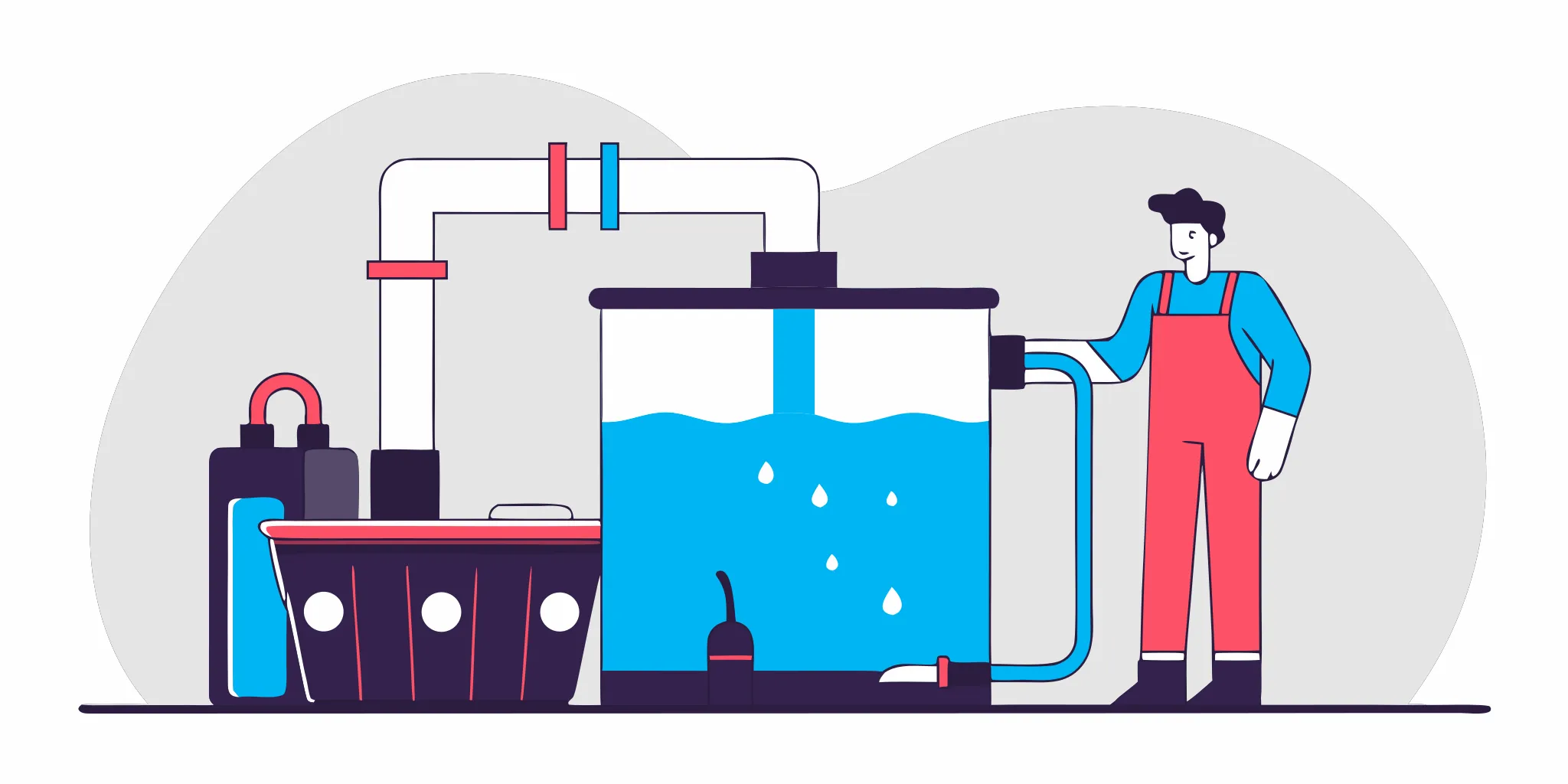
A plumber performs a sewer backup repair in a home's basement.
Back to Blog
InsightsJune 26, 2026

A Homeowner's Guide to Sewer Backup Repair

Get expert tips on sewer backup repair, warning signs to watch for, and practical steps to protect your home from costly plumbing emergencies.

When you hear the words “sewer line problem,” your mind probably jumps straight to dollar signs and a torn-up yard. It’s a dreaded scenario for any homeowner, filled with uncertainty about the cost and disruption. The good news is that fixing a main line issue isn’t always the destructive, budget-breaking ordeal you might fear. Modern plumbing offers several solutions, from powerful hydro jetting to non-invasive trenchless methods. Understanding your options is the key to feeling in control. This guide breaks down the different approaches to **sewer backup repair**, what influences the cost, and how you can make an informed decision for your home and your budget. ## Key Takeaways * **Practice Proactive Pipe Care**: Protect your home by being mindful of what you flush and drain; avoid sending grease, wipes, and other debris down your pipes. For older homes or properties with large trees, scheduling a professional camera inspection every few years can help you catch problems like root intrusion early. * **Follow Emergency Safety Steps**: If you experience a backup, immediately stop using all water to prevent more flooding. Keep children and pets away from the contaminated area for their safety, and take plenty of photos of the damage for your insurance claim before starting any cleanup. * **[Rely on Professional Help](https://spacecoastcooling.com/plumbing-services/pipe-repair/)**: A sewer backup requires professional expertise, so call a licensed plumber to safely diagnose the problem and perform the correct repair. It's also smart to review your homeowners insurance policy with your agent now; ask about adding specific water backup or service line coverage, as most standard policies do not cover these events. ## What Causes a Sewer Backup? A sewer backup feels like a nightmare that comes out of nowhere, but it almost always has a specific cause. Understanding what’s happening underground is the first step to fixing the problem and preventing it from happening again. From the beautiful old trees in our Space Coast neighborhoods to the intense summer storms we know all too well, several factors can put your home’s main sewer line at risk. Let’s walk through the most common culprits, so you can get a clearer picture of what might be going on with your plumbing. ### Invasive Tree Roots Your beautiful live oak might be great for shade, but its roots can be a major threat to your sewer line. Tree roots are naturally drawn to the water and nutrients inside your pipes. They can work their way into tiny, existing cracks and joints, and once inside, they expand. This can create a dense root ball that catches waste and toilet paper, eventually causing a complete blockage. This is a very common issue in Florida, where lush landscaping is a part of nearly every yard. If you have large, mature trees on your property, their root systems can extend much farther than you think, making them a primary suspect for recurring sewer problems. Proactive [tree and root management](https://www.arborday.org/trees/righttreeandplace/) is key to protecting your underground pipes. ### Old or Broken Pipes Many homes along the Space Coast have older plumbing systems made from materials like cast iron or clay. While durable for their time, these pipes don’t last forever. Over decades, cast iron pipes can rust and corrode from the inside out, creating rough surfaces that snag debris and lead to clogs. Clay pipes are brittle and can crack under pressure from shifting soil or tree roots. Once a pipe is cracked or has a section that has collapsed, it won’t just leak wastewater into your yard; it will also create a blockage that causes sewage to back up into your home. If your home was built several decades ago, aging pipes could be the source of your plumbing woes, and a sewer line repair may be necessary. ### Heavy Florida Rains We’re no strangers to heavy rainfall here in Florida, especially during hurricane season. While your home’s plumbing is a closed system, it connects to the municipal sewer system, which can become overwhelmed during a severe storm. When the city’s main lines are inundated with stormwater, the excess water has nowhere to go and can be forced back up through the pipes connected to your home. This is especially true if there are cracks or leaks in the sewer line that allow groundwater to seep in. If you notice your drains are slow or gurgling during or after a heavy downpour, it could be a sign that the public sewer system is at capacity and pushing water back toward your house. ### Clogs from Grease, Wipes, and Debris Sometimes, the cause of a sewer backup is directly related to what goes down the drain. Pouring cooking grease or oil down the sink is one of the biggest mistakes you can make. The grease cools and solidifies inside your pipes, creating a sticky trap for other debris. So-called "flushable" wipes are another major problem; they don't break down like toilet paper and can easily snag and form a stubborn clog. Other items like paper towels, feminine hygiene products, and cotton swabs should never be flushed. Over time, these materials accumulate and create a serious blockage in your main sewer line, leading to a messy and unpleasant backup inside your home. The EPA provides helpful guidance on what you should not flush to protect your pipes. ## Don't Ignore These Sewer Backup Warning Signs Your home's plumbing system usually gives you hints before a major sewer backup occurs. Think of these signs as early warnings. Paying attention to them can be the difference between a straightforward repair and a costly, stressful cleanup. A sewer backup is one of the worst plumbing emergencies a homeowner can face, but it rarely happens out of the blue. The problem often starts small, with a partial clog from tree roots or debris, and gets progressively worse over time. If you notice any unusual sounds, smells, or slow drains, your pipes are trying to tell you something is wrong. Listening to these signals and acting quickly is the best way to protect your home, your health, and your wallet. Ignoring them can lead to contaminated water flooding your home, causing extensive property damage and creating a serious health hazard. Knowing what to look for allows you to be proactive and call a professional before the situation escalates into a full-blown disaster that requires emergency service and extensive restoration work. Here are the four most common warning signs that point to a developing sewer line problem. ### Gurgling Noises and Slow Drains Have you noticed a strange gurgling sound coming from your toilet when you run the sink, or from a floor drain after a shower? That bubbling noise isn't normal. It’s a classic sign that air is getting trapped in your pipes because of a partial blockage somewhere down the line. Along with the gurgling, you might notice that water is draining much slower than it used to. A single slow drain might just be a local clog, but when it happens in multiple sinks, tubs, or showers, it often points to a bigger issue in your main sewer line. Don't dismiss these symptoms; they are your first and best opportunity to call for a professional [drain cleaning](https://www.spacecoastcooling.com/plumbing/drain-cleaning/) before the blockage gets worse. ### Foul Smells Inside or Outside You can’t mistake the foul odor of raw sewage. If you catch a whiff of it inside your home, especially around drains or toilets, it’s a serious red flag. This smell means sewer gas, or even wastewater, is escaping from your plumbing system and entering your living space. You might also notice the smell outside, near your home's foundation or in the yard where the sewer line runs. These odors are more than just unpleasant; they can contain harmful bacteria and gases. According to the Centers for Disease Control and Prevention, exposure to raw sewage can pose significant health risks. This is a sign that requires immediate professional attention. ### Multiple Drains Clogging at Once A clogged kitchen sink is an annoyance. A clogged sink, a backed-up shower, and a toilet that won't flush properly all at the same time is a plumbing emergency in the making. When multiple fixtures start having drainage problems simultaneously, the culprit is almost always a blockage in your main sewer line. For example, you might flush a toilet and see water backing up into the tub or shower on the lowest level of your home. This happens because the wastewater has nowhere to go and is forced back up through the path of least resistance. This is a clear signal that you need an expert to inspect and clear your main line before a full-blown backup occurs. ### Soggy Patches in Your Yard Sometimes the most obvious sign of a sewer line problem isn't inside your house at all. Take a walk around your yard and look for any unexplained soggy spots, standing water, or areas of grass that are suddenly much greener and more lush than the surrounding lawn. While it might look like a patch of healthy grass, it’s often a sign that an underground sewer pipe has cracked or collapsed. The leaking wastewater acts as a fertilizer, causing that patch of grass to thrive. This indicates a serious break in the line that requires an immediate [sewer line repair](https://www.spacecoastcooling.com/plumbing/sewer-line-repair/) to prevent further damage to your property and the environment. ## What to Do Immediately After a Sewer Backup Discovering a sewer backup in your home is alarming, but a clear head and quick action can make a huge difference. The water and waste backing up into your home, known as blackwater, can cause significant property damage and pose serious health risks due to the bacteria and pathogens it contains. Your immediate priority is to contain the situation and keep your family safe. Before you even think about cleanup or calling your insurance agent, there are four critical steps you need to take right away. These actions will help prevent the backup from getting worse and protect everyone in your household from exposure to harmful contaminants. Think of this as your emergency first-aid plan for your plumbing. Once you’ve worked through these steps, you’ll be in a much better position to call in a professional plumber to diagnose and fix the underlying problem for good. ### Stop Using Water This is the most important first step. As soon as you notice signs of a sewer backup, stop using all water in your house immediately. This means no flushing toilets, no taking showers, and no running the dishwasher or washing machine. Every time you run water, it flows into your home’s drainage system. If there’s a blockage in the main sewer line, that water has nowhere to go but back up into your home. Turning off the water at its source prevents you from adding more fuel to the fire, keeping the flooding from getting worse while you figure out your next move. ### Keep Your Family and Pets Safe Sewer water is highly unsanitary and can contain viruses, bacteria, and other microbes that can make you sick. Your next priority is to get all family members, especially children, and pets away from the affected area. Close the doors to the room to contain the contamination and the foul odors as much as possible. If you must enter the area, wear protective gear like waterproof boots, gloves, and a mask to protect yourself from direct contact with the blackwater. Safety should always come first; damaged flooring can be replaced, but your family’s health is priceless. ### Ventilate the Area After securing the area, it’s time to improve the air quality. If it’s safe to do so, open any windows in and around the flooded space to allow fresh air to circulate. This helps to dissipate the strong, unpleasant odors and reduce the concentration of airborne contaminants. You can also use fans to help move the air, but be careful. Make sure you position them to blow air *out* of the windows, not *across* the contaminated water, as that could spread bacteria into the air and to other parts of your home. ### Document the Damage Before you move or clean up anything, grab your phone and start taking pictures and videos. Document the extent of the flooding, the high-water mark on the walls, and any items that have been damaged. This evidence is incredibly important for your insurance provider. Having clear proof of the damage will make it much easier to [file a claim](https://www.iii.org/article/how-file-homeowners-claim) and get the compensation you need for repairs and restoration. Be thorough and capture everything from a safe distance. Don’t throw any damaged items away until your insurance adjuster has had a chance to assess them. ## Your Sewer Backup Repair Options Once you’ve managed the immediate situation, the next step is figuring out the right long-term fix. A professional plumber can diagnose the root cause of the backup and recommend the best course of action. Depending on the problem, your repair options can range from a thorough cleaning to a full pipe replacement. A trustworthy technician will walk you through what’s happening in your pipes, often using a special sewer camera to show you the problem firsthand. This helps you make an informed decision without any pressure. The good news is that modern plumbing offers several solutions, including methods that don’t require digging up your entire yard. Understanding your options before the plumber arrives can help you feel more in control. ### Professional Drain Cleaning and Hydro Jetting If the backup is caused by a stubborn clog from grease, wipes, or a small bundle of tree roots, a professional cleaning might be all you need. While a plumber’s snake can break up simple blockages, a more powerful solution is [hydro jetting](https://spacecoastcooling.com/plumbing-services/hydro-jetting/). Think of it as pressure washing for the inside of your pipes. A specialized tool sends high-pressure water through the sewer line, blasting away years of accumulated sludge, grease, and debris. This method is incredibly effective for clearing out tough clogs and restoring your pipe’s original diameter, which helps prevent future issues. It’s a great first step for backups caused by blockages rather than a broken pipe. ### Trenchless Sewer Repair The thought of a backhoe digging a trench across your lawn is enough to cause any homeowner stress. Luckily, trenchless sewer repair is a less invasive alternative for fixing cracked or damaged pipes. This technology allows plumbers to [repair the sewer line](https://nuflow.com/blog/my-sewer-line-is-backing-up-what-should-i-do/) from the inside out. One common method is pipe lining, where a flexible, resin-coated tube is inserted into the old pipe. It’s then inflated and cured in place, creating a brand-new, seamless pipe within the old one. This approach is perfect for sealing cracks, stopping leaks, and preventing root intrusion without disturbing your landscaping, driveway, or patio. ### Traditional Sewer Line Replacement Sometimes, a pipe is too collapsed or severely damaged for trenchless methods to work. In these cases, a traditional sewer line replacement is necessary. This process involves digging a trench to expose the damaged section of the pipe, removing it, and installing a new one. While it is more disruptive to your yard, it’s the most effective solution for pipes that have completely failed. A professional team will handle the excavation, replacement, and backfilling process carefully to minimize the impact on your property. They will also secure all necessary permits to ensure the job is done correctly and up to code. ### What Affects the Cost of Repairs? The cost of fixing a sewer backup can vary widely, typically depending on the severity and location of the problem. A simple drain cleaning will be the most affordable option, while a full line replacement will be a larger investment. Key factors that influence the final price include the extent of the damage, the depth of your sewer pipes, and how easy they are to access. For example, a pipe located under a concrete slab or mature tree will be more complex and costly to repair than one in an open yard. We always provide clear, upfront pricing so you know exactly what to expect before any work begins. ### Budgeting for Cleanup and Restoration Remember that the plumber’s repair bill is only one part of the total cost. After a sewer backup, you also have to account for cleaning and restoring any affected areas in your home. The cleanup of contaminated water, sanitizing surfaces, and repairing water-damaged drywall or flooring can add to your expenses. Depending on the extent of the spill, professional water damage restoration services may be needed to ensure your home is safe and free of harmful bacteria. It’s wise to budget for these additional costs to get a complete picture of your financial commitment. ## Does Homeowners Insurance Cover Sewer Backups? One of the most stressful parts of a sewer backup is figuring out who pays for the cleanup and repairs. The answer, unfortunately, isn’t always straightforward. While it would be nice to assume your homeowners insurance has your back, coverage for sewer issues is often limited. Most standard policies are designed to protect you from sudden and accidental damage, not problems that develop over time from wear and tear or lack of maintenance. Whether or not your policy will help depends entirely on the cause of the backup and the specific coverage you have. A standard policy might cover damage if a neighbor’s tree suddenly falls and crushes your sewer line, but it likely won’t cover a line that fails due to corrosion or invasive roots that have been growing for years. Understanding what’s excluded is the first step, followed by learning about the extra protection you can add to your policy to avoid a massive out-of-pocket expense. ### What Standard Policies Usually Exclude Most standard homeowners insurance policies do not cover sewer line problems that happen gradually. Insurers typically view issues like aging pipes, corrosion, or damage from tree roots as maintenance problems that are the homeowner's responsibility to prevent. If your sewer line backs up because it slowly wore out or became clogged over several years, your policy probably won't cover the cost of repairs to the pipe itself or the water damage inside your home. Think of it like this: your insurance is there for unexpected disasters, not for predictable wear and tear. This is why it's so important to [understand your policy](https://www.iii.org/article/what-covered-standard-homeowners-policy) and know where your coverage gaps are before you have a problem. ### Add-On Coverage to Consider The good news is that you can buy extra coverage, often called an endorsement or rider, to protect yourself from these common exclusions. One of the most valuable add-ons is **Service Line Coverage**. This endorsement helps pay for the cost to repair or replace underground utility lines you're responsible for, including your sewer, water, and power lines. It can cover digging, repairs, and even landscaping restoration after a line fails due to root intrusion or collapse. Another option is **Water Backup Coverage**, which specifically pays for water damage inside your home caused by a backed-up sewer or drain. We always recommend you [call your insurance agent](https://www.trustedchoice.com/agent/) to discuss these options; a short conversation can save you thousands of dollars down the road. ### How to File a Successful Claim If you have the right coverage and experience a sewer backup, acting quickly and documenting everything is key to a successful claim. First, stop using all water in your home to prevent more sewage from backing up. Your next call should be to a licensed plumber, like our team at Space Coast Cooling & Plumbing. We can diagnose the cause of the backup and provide the professional documentation your insurance company will require. While you wait, take plenty of photos and videos of the damage. Once the immediate situation is under control, contact your insurance provider to start the claims process and be ready to provide them with all your photos and the plumber’s report. ## How to Prevent Future Sewer Backups After you’ve dealt with the stress and mess of a sewer backup, the last thing you want is a repeat performance. The good news is that you can be proactive and take some straightforward steps to significantly lower the risk of it happening again. A little prevention goes a long way in protecting your pipes, your property, and your peace of mind. It’s all about shifting from reacting to a crisis to maintaining a healthy plumbing system. ### Schedule Regular Plumbing Maintenance Think of plumbing maintenance like a regular check-up for your home’s circulatory system. It’s the single best way to catch problems before they turn into disasters. If you live in an older home or have large, mature trees in your yard, scheduling [regular camera inspections](https://nuflow.com/blog/my-sewer-line-is-backing-up-what-should-i-do/) every couple of years is a smart move. A professional plumber can run a camera through your sewer line to spot early signs of trouble, like minor cracks, root intrusion, or grease buildup. Finding and fixing these small issues is always easier and more affordable than dealing with a full-blown backup later on. ### Install a Backwater Prevention Valve A backwater prevention valve is a fantastic safeguard, especially here in Florida where heavy rains can overwhelm municipal sewer systems. Think of it as a one-way gate for your sewer line. It allows wastewater to flow out of your home but automatically closes if the city’s sewer starts to back up, stopping sewage from flowing back into your house. Installing a [backwater prevention valve](https://www.petersenproducts.com/articles/what-is-sewer-backup-understanding-the-risks-and-how-to-stop-it.html) is a job for a licensed plumber, but it provides an essential layer of defense against events that are completely out of your control. It’s a one-time installation that can save you from a major headache. ### Protect Your Drains from Clogs What goes down your drains has a direct impact on the health of your sewer line. The most important rule is to only flush the three P’s: pee, poo, and toilet paper. Things like so-called “flushable” wipes, paper towels, feminine hygiene products, and cotton swabs don't break down properly and are primary causes of clogs. In the kitchen, never pour grease, fats, or cooking oil down the drain. Instead, pour them into a disposable container and throw it in the trash. Using mesh drain strainers in your kitchen sink and shower can also catch food scraps and hair before they create a blockage. ### Manage Trees and Landscaping The beautiful trees that provide shade for your home have root systems that are naturally seeking water, and your sewer line is an attractive source. If you’re planning new landscaping, find out where your sewer line is located and avoid planting trees or large shrubs nearby. If you already have large trees, be aware of their potential impact. Slow-growing, smaller species are a safer bet. If you suspect roots are already a problem, a professional can use root-cutting tools and, in some cases, recommend root barriers to keep them from crushing or invading your pipes again. ## When to Call a Licensed Plumber for Help While a plunger can solve a simple toilet clog, a sewer backup is in a completely different league. Trying to tackle a main line issue on your own can quickly turn a bad situation into a catastrophic one, complete with property damage and serious health risks. Knowing when to put down the drain snake and pick up the phone is key to protecting your home and your family. If you’re on the fence, these signs are your cue that it’s time to call a professional. The most telling sign is when multiple drains start acting up at the same time. If flushing a toilet causes water to bubble up in your shower drain, or running the washing machine makes your kitchen sink gurgle, you’re likely dealing with [a main sewer line issue](https://nuflow.com/blog/my-sewer-line-is-backing-up-what-should-i-do/). These fixtures all lead to the same main pipe, so when they all misbehave at once, it signals a blockage deep in the system that a simple plunger can’t reach. Slow drains all over the house are another part of this pattern. If you see raw sewage backing up into your tub, shower, or floor drains, treat it as an emergency. This is not a DIY situation. Sewage contains bacteria, viruses, and other contaminants that can be hazardous to your health. Immediately stop using any water in the house to keep more from backing up, and call a [licensed plumber](https://spacecoastcooling.com/plumbing-services/emergency-plumber/). A professional has the right equipment and protective gear to handle the situation safely and diagnose the root cause without exposing your family to the [health risks and potential damage](https://www.toiletwhisperers.com/blog/cost-to-fix-sewer-backup/) that come with a backup. At Space Coast Cooling & Plumbing, our team is available 24/7 because we know these problems don't wait for business hours. ## Related Articles * [Top-Rated Sewer Line Repair in Cocoa, FL](https://spacecoastcooling.com/plumbing-services/sewer-line-repair/) * [Professional Sewer Camera Inspection in Cocoa, FL](https://spacecoastcooling.com/plumbing-services/sewer-camera-inspection/) * [Hydro Jetting for Drains & Pipes in Cocoa, FL](https://spacecoastcooling.com/plumbing-services/hydro-jetting/) * [Expert Drain Cleaning Cocoa, FL](https://spacecoastcooling.com/plumbing-services/drain-cleaning/) * [FAQs | Space Coast Cooling & Plumbing, Inc.](https://spacecoastcooling.com/faq/) ## [Frequently Asked Questions](https://spacecoastcooling.com/faq/) **How can I tell if the problem is in my main sewer line or just a single clogged drain?** The easiest way to tell is by observing how many fixtures are affected. If only your kitchen sink is draining slowly, the clog is likely isolated to that specific pipe. However, if you notice multiple drains are slow, hear gurgling from a toilet when you use a sink, or see water backing up in a shower after flushing, the problem is almost certainly in your main sewer line. All your home's drains lead to that one pipe, so when they all act up at once, it's a clear sign of a system-wide blockage. **Are chemical drain cleaners a good idea for a sewer backup?** No, you should avoid using chemical drain cleaners for a main line backup. These products are designed for small, localized clogs like hair in a shower drain and are simply not powerful enough to clear a major blockage from roots or grease. More importantly, the harsh chemicals can corrode your pipes, especially older cast iron ones, potentially making the problem worse. They also create a toxic environment for the professional plumber who will eventually need to work on the line. **My backup only happens during heavy rain. Is that still my problem or the city's?** This is a common issue in our area and usually points to a problem with your own sewer line. While heavy rainfall can overwhelm the municipal sewer system, a properly sealed plumbing system should prevent that water from entering your home. If you experience backups during storms, it often means there are cracks or breaks in your sewer line that are allowing groundwater to seep in and overload your pipes, or allowing the city's backup to flow into your home. A professional inspection can pinpoint these entry points. **How often should I have my sewer line inspected, especially in an older Florida home?** For homes built several decades ago or properties with large, mature trees, scheduling a professional camera inspection every one to two years is a smart, proactive step. This allows a technician to spot early signs of root intrusion, corrosion, or cracks before they cause a major backup. For newer homes without these risk factors, you may not need inspections as frequently, but getting a baseline inspection is still a good idea to understand the current health of your pipes. **What is a backwater valve and do I really need one?** A backwater valve is essentially a one-way gate installed on your sewer line. It allows wastewater to flow out of your home but automatically closes if sewage from the city's main line starts to flow backward toward your house. It's an excellent defense mechanism, particularly in areas prone to heavy rains that can overwhelm the municipal system. While not every home requires one, it provides valuable peace of mind and can prevent a messy, expensive backup caused by forces outside your control.
Available 24/7

Call the Experts that Local Homeowners Rely On

When you need home services, you want answers you can trust and work you can count on. Space Coast Cooling & Plumbing is the plumbing and HVAC company in Cocoa, FL, that brings decades of local experience, licensed professionals, and customer-first service to every job. One call connects you with a team ready to help.

Licensed & InsuredServing Cocoa Since 1994Honest, Upfront PricingSame-Day Service Available