Need Help? Call Us Now!
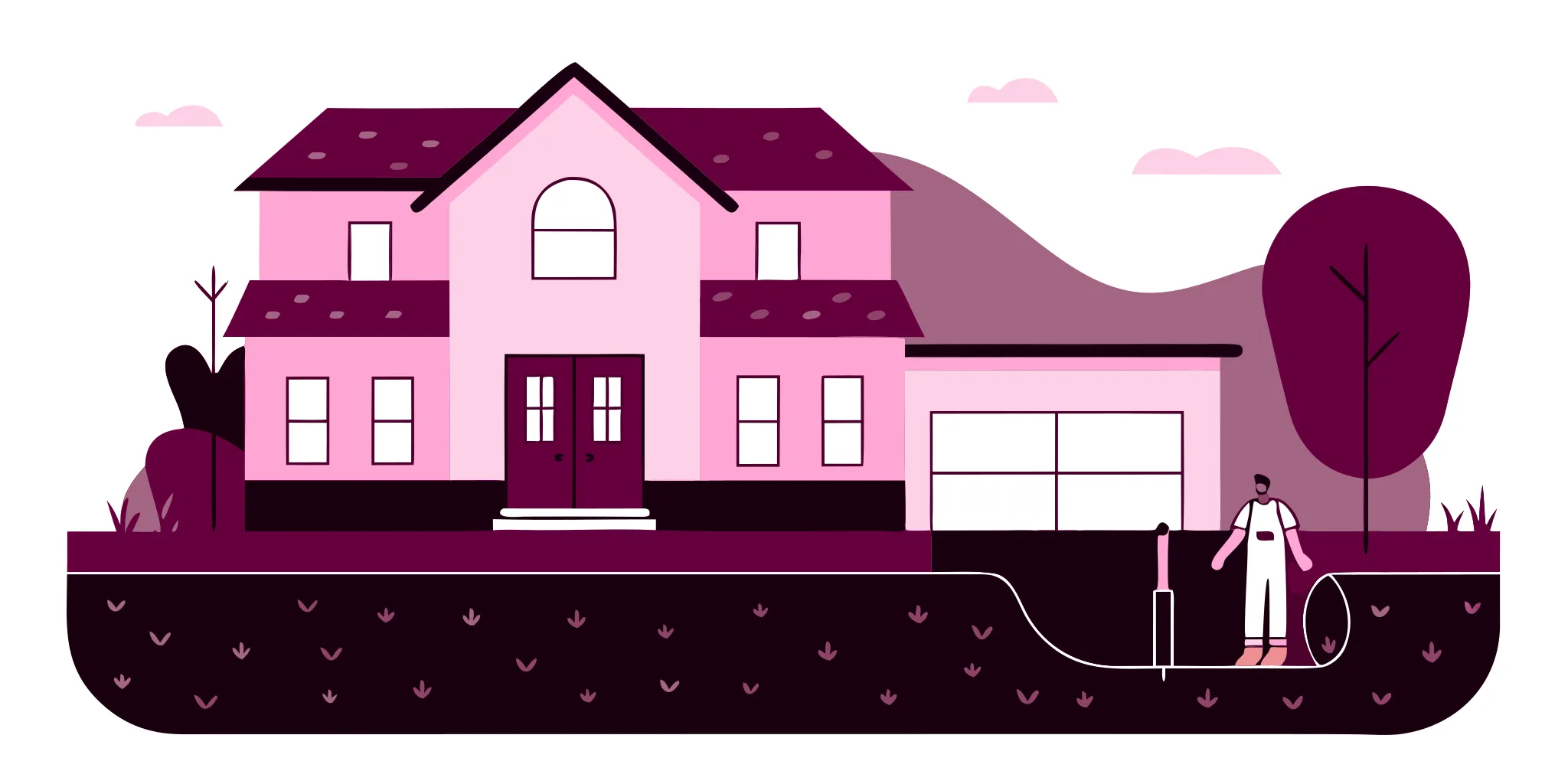
Homeowner inspecting an outdoor sewer line for preventative maintenance.
Back to Blog
InsightsJune 25, 2026

A Homeowner's Guide to Sewer Line Maintenance

Get practical sewer line maintenance tips every homeowner should know. Learn how to prevent clogs, spot warning signs, and keep your plumbing trouble-free.

Your home is your biggest investment, and protecting it goes far beyond what you can see. While you might budget for a new roof or updated appliances, a failing sewer line can lead to one of the most disruptive and expensive repairs a homeowner can face. A full replacement can cost thousands of dollars and tear up your landscaping in the process. The good news is that many of these disasters are preventable. A small, regular investment in professional sewer line maintenance is the most effective way to protect your pipes, your property, and your budget from an unexpected plumbing catastrophe. ## Key Takeaways * **Make maintenance a priority**: Ignoring your sewer line is a gamble that can lead to expensive, messy repairs. Scheduling a [professional cleaning](https://spacecoastcooling.com/plumbing-services/sewer-line-repair/) every one to three years is a small investment that helps you avoid major problems and keeps your home running smoothly. * **Listen to your home's warning signs**: Pay attention to clues like several slow drains, gurgling sounds from your toilet, or soggy spots in the yard. These are clear indicators of a main line issue that needs to be addressed before it gets worse. * **Protect your pipes daily**: Your everyday habits have a huge impact, so never pour grease down the sink and only flush toilet paper. For recurring clogs or other persistent issues, skip the DIY fixes and call a professional for a camera inspection to find the true source of the problem. ## What Is a Sewer Line (and Why Should You Care)? Think of your home’s sewer line as the single most important pipe on your property. It’s the main drain that collects all the wastewater from your toilets, sinks, showers, and washing machine and carries it away from your house to the municipal sewer system. Because it’s buried underground, it’s easy to forget about, but its health is critical to keeping your home clean, safe, and functional. Many homeowners don't realize that the sewer line running from their house to the street is their responsibility. If it clogs, cracks, or collapses, the fix is on you, and the consequences can be messy and expensive. A major backup can send raw sewage into your drains, tubs, and even across your floors, causing serious water damage and a significant health hazard. Understanding what your sewer line does and how to care for it is the first step in preventing these stressful, costly emergencies. ### Why proactive maintenance is a must Ignoring your sewer line is a gamble that rarely pays off. While it’s tempting to adopt an “if it isn’t broken, don’t fix it” mindset, waiting for a problem to appear can lead to catastrophic failures. The cost of neglect can be staggering; a simple repair can cost up to $300 per foot, and a full sewer line replacement can run anywhere from $2,500 to over $30,000. These aren’t expenses anyone wants to face unexpectedly. That’s why [preventive care](https://wini.com/articles/expert-tips-on-preventive-maintenance-for-sewer-lines/) is one of the most effective ways to protect your property and your budget. A routine inspection and cleaning can catch minor issues like small blockages or tiny root intrusions before they become line-breaking disasters. Think of it as a small investment that helps you avoid major repair costs and the headache of a plumbing emergency down the road. ### How pipe materials and age affect Florida homes The age of your home often dictates the type of sewer pipes you have and the problems you’re likely to face. Many older homes across the Space Coast were built with cast iron pipes, which are incredibly durable but can corrode and deteriorate from the inside out after decades of use. Over time, they become thin, brittle, and prone to cracking or total collapse. Newer homes typically have PVC or ABS plastic pipes, which are resistant to rust but can still be punctured or cracked by shifting soil. In a place like Florida with lush landscaping, tree roots are a primary threat. Roots naturally seek out water sources and can easily work their way into the joints of older clay or concrete pipes. Once inside, they create blockages and can eventually break the pipe apart. Even with cast iron, the presence of roots often signals that the pipe is already [weakening from age](https://www.pipespies.com/how-to-maintain-a-sewer-line) and vulnerable to failure. ## Signs Your Sewer Line Needs Help Your home has a way of telling you when something isn’t right, and your plumbing is no exception. Sewer line problems rarely appear out of nowhere as a full-blown catastrophe. Instead, they usually start with small, easy-to-miss clues. Learning to spot these early warning signs can be the difference between a simple service call and a costly, disruptive emergency repair. Think of it as being your home’s first line of defense. Many of the most significant issues aren't obvious at first glance. Problems like slow drains, strange gurgling noises, or unpleasant smells can all point to trouble brewing underground in your main sewer line. Paying attention to how your drains, toilets, and even your yard behave can help you catch a problem before it gets out of hand. If you notice any of the following signs, it’s a good idea to stop and investigate instead of just hoping it goes away on its own. ### Multiple slow drains and frequent backups A single slow drain in a sink or shower is usually just a localized clog from hair or soap scum. But if you notice that your kitchen sink, bathtub, *and* toilet are all draining sluggishly at the same time, you’re likely dealing with a bigger issue. All of your home’s wastewater exits through one main sewer line. When that line gets blocked, every drain in your house is affected. If you find yourself constantly battling backups in different parts of your home, it’s a strong indicator that the problem isn’t in the individual fixture but in the main line itself. ### Gurgling sounds and foul odors When you flush a toilet or drain a sink, do you hear a strange gurgling sound coming from a nearby drain? That noise is often caused by trapped air being forced through the water in your drain pipes because of a blockage downstream. It’s a sign that your plumbing system is struggling to vent properly. If that gurgling is accompanied by a foul, sewage-like smell in your home, take it seriously. This means sewer gas is being pushed back up through your drains, which is not only unpleasant but can also pose a risk to your family’s health. These unpleasant odors are a clear signal that your sewer line needs immediate attention. ### Soggy spots or unusually green patches in your yard Not all sewer line warnings come from inside the house. A broken or leaking sewer pipe will release water into the surrounding soil. If you notice persistent puddles, mushy spots, or indentations in your lawn, it could be due to a compromised pipe underground. You might also see a patch of grass that is suddenly much greener and more lush than the rest of your yard. While it might look nice, this is often because that area is being "fertilized" by a leaking sewer line. Take a walk around your property and look for these telltale signs, especially in the general path from your house to the street. ### Water backing up between fixtures This is one of the most undeniable signs of a main sewer line clog. Have you ever run your washing machine, only to see dirty water backing up into your shower or bathtub? This happens because the clog in the main line prevents the large volume of water from the washer from draining away. Since it has nowhere else to go, the water backs up into the lowest point in your home’s plumbing system, which is often a ground-floor shower or tub drain. If you see water from one fixture appearing in another, it’s a clear sign that you need professional sewer service right away. ## Common Causes of Sewer Line Problems Most sewer line issues don’t happen overnight. They’re the result of gradual problems that, if left unchecked, can lead to messy and expensive emergencies. Understanding what causes these blockages is the first step in preventing them. From everyday habits in the kitchen to the trees growing in your yard, several factors can put your home’s main drain line at risk. Here in Florida, we have our own unique challenges, like shifting sandy soil and aggressive root systems from our lush landscapes. Knowing what to look for can help you protect your pipes and your peace of mind. Let’s walk through the four most common culprits behind sewer line trouble so you can be prepared. ### Invasive tree roots Your beautiful oak or palm trees might be the pride of your landscaping, but their roots can be a hidden threat to your plumbing. Tree roots are naturally drawn to the water and nutrients inside your sewer line. They can sneak into tiny cracks or loose joints in the pipes, especially in older clay or concrete lines. Once inside, they continue to [grow into pipes](https://www.pipespies.com/how-to-maintain-a-sewer-line), creating a dense web that catches debris and causes stubborn blockages. For cast iron pipes, the presence of roots is often a red flag that the pipe itself is aging and weakening, making it vulnerable to more significant damage down the road. ### Grease and debris buildup What you send down your drains has a direct impact on the health of your sewer line. Grease, oil, and fats are the single [most common cause of sewer line clogs](https://www.lpud.org/sewer-maintenance-tips). When you pour hot grease down the sink, it cools and solidifies inside your pipes, creating a sticky trap for other debris. Over time, this buildup narrows the pipe and eventually leads to a complete blockage. Other items like coffee grounds, eggshells, and stringy foods (think celery or banana peels) also contribute to clogs. Running cold water while using your garbage disposal can help push food through, but the best habit is to scrape plates into the trash before rinsing. ### Aging or deteriorating pipes Unfortunately, sewer pipes don’t last forever. Many older homes on the Space Coast were built with cast iron, clay, or Orangeburg pipes, which can corrode, crack, and collapse over time. Cast iron rusts from the inside out, creating a rough surface that snags waste and leads to blockages. Clay pipes are brittle and prone to cracking under pressure from soil or tree roots. Ignoring the signs of a deteriorating line can lead to incredibly [costly repairs](https://wini.com/articles/expert-tips-on-preventive-maintenance-for-sewer-lines/), with a full replacement running into thousands of dollars. Proactive inspections are key to catching pipe degradation before it causes a catastrophic failure. ### Shifting soil and ground movement Florida’s sandy soil is great for the beach, but it can be less stable for underground plumbing. Over time, soil erosion, heavy rains, or nearby construction can cause the ground to shift. This movement can put immense pressure on your sewer line, causing pipes to bend, crack, or even disconnect at the joints. A separated pipe not only leaks wastewater into your yard but also creates an opening for soil and roots to enter the line, leading to severe blockages. If you notice unexplained soggy patches or dips in your lawn, it could be a sign that shifting soil has compromised your sewer line. ## Your Guide to Sewer Line Cleaning Methods When your sewer line is clogged, you just want it fixed fast. But knowing a little about *how* a professional solves the problem can give you peace of mind and help you understand the recommendations you receive. Plumbers have several tools at their disposal, and the right one depends entirely on what’s causing the blockage and the condition of your pipes. It’s not a one-size-fits-all situation. For example, a simple clog from too much toilet paper requires a different approach than a thick wall of grease or an invasive tree root that has worked its way into a pipe joint. Choosing the wrong method could be ineffective or, in a worst-case scenario, damage your pipes, especially if you live in an older home with cast iron or clay lines common in many Florida neighborhoods. That’s why our technicians always diagnose the problem before starting work. We want to use the most effective and safest method for your specific situation. Understanding these techniques helps you see why a professional might suggest one over another. Below, we’ll walk through the most common methods, from traditional snaking to powerful hydro jetting, so you know exactly what’s happening in your pipes and can feel confident in the solution. ### [Drain snaking](https://spacecoastcooling.com/plumbing-services/drain-cleaning/) You’ve probably seen a drain snake (or auger) before. It’s a long, flexible steel cable that a technician feeds into the sewer line. At the end of the cable is a small blade or corkscrew-like attachment. As the cable spins, it works its way through the pipe until it reaches the clog. The attachment then breaks up the obstruction or latches onto it, allowing the technician to pull it out. Think of it like drilling a hole through the blockage to restore water flow. Drain snaking is a tried-and-true method that’s particularly effective for clearing isolated clogs. It’s also the go-to choice for older, more fragile pipes that might not withstand high-pressure cleaning techniques. ### Hydro jetting If drain snaking is like drilling a hole through a clog, hydro jetting is like pressure washing the inside of your entire pipe. This method uses a specialized hose that shoots water forward and backward at extremely high pressures, up to 4,000 PSI. The powerful jets of water don’t just break up a single clog; they scour the entire inner surface of the pipe, blasting away years of accumulated grease, sludge, scale, and even stubborn tree roots. This is the most thorough cleaning method available and can restore your pipes to a near-original condition, improving flow capacity. Because of the high pressure involved, our technicians always perform a camera inspection first to ensure your pipes are sturdy enough to handle it. ### Enzyme cleaners for ongoing maintenance Unlike snakes and hydro jets, enzyme cleaners are not a solution for an active, major backup. Instead, they are a fantastic tool for proactive maintenance. These cleaners contain beneficial bacteria and enzymes that feed on organic waste like hair, soap scum, and food particles that build up in your pipes over time. You simply pour the solution down the drain, and it goes to work slowly digesting the gunk. Think of it as a probiotic for your plumbing system. Using an enzyme cleaner regularly can help prevent clogs from forming in the first place and keep your drains flowing smoothly. However, they are not effective against large, solid blockages or tree root intrusions, which require professional intervention. ### Camera inspections to see the problem firsthand Guesswork has no place in plumbing. A sewer camera inspection is the best way for a technician to get a clear look at what’s happening inside your pipes without digging up your yard. We feed a small, high-resolution waterproof camera attached to a flexible rod into your sewer line. The camera sends a live video feed to a monitor, allowing us to see the exact location and cause of the problem in real time. This technology helps us identify everything from grease buildup and tree roots to cracks, breaks, or collapsed sections of pipe. By performing a sewer line inspection, we can provide an accurate diagnosis and recommend the most effective solution, ensuring we fix the problem correctly the first time. ## How Often Should You Clean Your Sewer Line? Figuring out the right cleaning schedule for your sewer line isn't a one-size-fits-all answer. It depends on your home's age, the type of pipes you have, and even the landscaping in your yard. Think of it as a regular health check-up for a critical part of your home's plumbing system. While it’s easy to forget about what you can’t see, a little proactive attention can save you from the stress and expense of a major backup down the road. Establishing a routine is the best way to keep things flowing smoothly and protect your property. ### A simple maintenance schedule to follow For most modern homes here in Florida, a professional sewer line cleaning every two to three years is a great rule of thumb. This is often enough to clear out minor buildup and keep the line in good shape. However, if your property has several large trees, especially older oaks or ficus trees with extensive root systems, you should be more vigilant. In that case, scheduling a cleaning every 12 to 18 months is a smart move. This helps clear out any encroaching roots before they can cause a serious blockage, which is essential for [keeping your plumbing system healthy](https://www.youngplumbing.com/how-often-should-i-clean-my-sewer-line/) and preventing a messy emergency. ### Why older homes and heavy use require more frequent checks If you live in one of the Space Coast's charming older homes, your maintenance schedule should be more frequent. Many homes built before the 1980s have pipes made of clay or cast iron. Over decades, these materials can become brittle, crack, or develop rough interior surfaces that easily snag toilet paper and waste, leading to stubborn clogs. For these properties, an annual inspection and cleaning is a wise investment. Similarly, if you have a large family or frequently host guests, the increased daily use puts more strain on your sewer line. This kind of [preventive care](https://www.scoutseptic.com/myths-about-sewer-lines-and-drain-cleaning-debunked) is one of the most effective ways to avoid unexpected problems and costly long-term repairs. ## Smart Habits for a Healthy Sewer Line The best way to deal with a sewer line disaster is to prevent it from ever happening. While some issues like shifting soil are out of your control, your daily habits play a huge role in keeping your pipes clear and functional. A little mindfulness in the kitchen and bathroom can save you from the stress and expense of a major backup. Think of it as simple preventative care for one of your home’s most critical systems. In Florida, where a plumbing emergency can quickly disrupt your life, staying ahead of problems is always the smartest approach. Adopting a few smart practices protects your plumbing, your property, and your peace of mind. These habits don’t require a lot of effort, but they deliver significant long-term benefits by reducing the strain on your sewer line. From being careful about what goes down the drain to landscaping with your pipes in mind, these small actions add up. They help you avoid the foul odors, slow drains, and messy backups that signal a failing system. Taking these steps is an investment in your home’s health and ensures everything continues to flow smoothly. ### Know what to never flush or pour down the drain Your drains are not a catch-all for household waste, and treating them like one is the fastest way to a clog. In the kitchen, the number one rule is to never pour cooking grease, fats, or oils down the sink. Even if you run hot water, the grease will eventually cool and solidify inside your pipes, creating stubborn blockages that build up over time. The best practice is to pour cooled grease into a disposable container and throw it in the trash. In the bathroom, the only things that should ever be flushed are human waste and toilet paper. Products often marketed as "flushable," like wet wipes and feminine hygiene products, do not break down the way toilet paper does. Flushing these items, along with paper towels or dental floss, can quickly create a clog in your main sewer line. ### Install drain strainers and a backflow prevention valve One of the easiest and most affordable ways to protect your drains is by using strainers. Place simple mesh strainers in your kitchen sink to catch food scraps and in your shower and bathroom sinks to trap hair and soap scum. It’s a small step that stops debris from ever entering your pipes in the first place. Just remember to clean them out regularly so they can keep doing their job effectively. For an even greater level of protection, consider having a plumber install a backwater prevention valve. This device allows sewage to flow out of your home but automatically closes if wastewater starts to flow back in. During Florida’s heavy rainstorms, municipal sewer systems can become overwhelmed, making a backflow valve an essential safeguard against messy and unsanitary backups into your home. ### Skip the harsh chemical drain cleaners When a drain starts to slow down, it’s tempting to reach for a bottle of chemical drain cleaner for a quick fix. While these products promise a fast solution, they can cause more harm than good. The harsh chemicals generate heat to dissolve clogs, a process that can corrode and weaken your pipes over time, especially if they are older. This can turn a minor clog into a much more serious pipe leak. Instead of relying on these damaging chemicals, it’s better to use gentler, enzyme-based cleaners. These products use natural bacteria to break down organic waste without harming your plumbing. For tougher clogs, a simple drain snake or a call to a professional is a much safer and more effective solution. ### Landscape strategically around your sewer line The trees and large shrubs in your yard can pose a hidden threat to your sewer line. Their roots are naturally drawn toward the moisture and nutrients inside your pipes, and they can be surprisingly powerful. Once roots find a small crack, they can force their way in, causing blockages and eventually breaking the pipe apart. Before you start a new landscaping project, it’s important to know where your sewer line is buried. You can often get a map from your local utility provider. Avoid planting trees or large shrubs directly over or near the line. If you already have mature trees on your property, be aware of the potential for root intrusion and consider a professional camera inspection to check on the condition of your pipes. ### Keep a simple maintenance record Just like your car, your home’s sewer system benefits from a regular maintenance schedule. Having your sewer line professionally cleaned every 18 to 24 months can clear out early-stage buildup before it becomes a major problem. A professional plumber can use methods like hydro jetting to thoroughly scour the inside of your pipes, washing away grease, debris, and small roots. Keep a simple record of all your plumbing maintenance, including the date and type of service performed. This log helps you stay on schedule with preventative care and provides a valuable history if a problem does arise. It’s a straightforward way to manage your home’s health effectively and avoid being caught off guard by an unexpected plumbing failure. ## When Is It Time to Call a Professional? While the DIY spirit is admirable, your home’s sewer line isn’t the place for guesswork. A simple clog can sometimes be a symptom of a much larger issue, and a failed DIY attempt can turn a manageable problem into a costly catastrophe. Knowing when to step back and call for expert help is key to protecting your property and your peace of mind. If you’re facing persistent issues or signs that point to a main line blockage, a professional plumber has the tools and experience to diagnose the root cause and fix it correctly the first time. ### Signs a problem is beyond a DIY fix If you’ve tried using a drain snake on a clog and it either didn’t work or the problem came right back, it’s time to stop. Recurring clogs are a major red flag that the issue isn’t a simple hairball near the drain. Instead, you could be dealing with invasive tree roots, a buildup of grease deep in the pipe, or even a broken or collapsed line that no amount of snaking will fix. Pay close attention to other clues, too. Not all sewer problems are obvious. Gurgling noises from your toilets, foul odors that won't go away, or multiple slow drains in your house all point to a blockage in the main sewer line. These aren't minor annoyances; they are clear signals that your plumbing system is struggling and needs professional attention. ### Understanding trenchless repair (a less invasive option) The thought of sewer line repair often brings up images of a torn-up yard and a long, messy project. Fortunately, that isn’t always the case anymore. Modern plumbing technology offers a far less disruptive solution called trenchless sewer repair. This method allows technicians to repair or replace underground pipes without having to dig a large trench across your lawn, driveway, or garden. Instead, our team can often access the pipe through a couple of small entry points. This approach not only preserves your landscaping but also saves significant time and reduces the overall disruption to your property. If you have a broken or cracked sewer line, ask a professional if trenchless repair is a viable option for your home. ### What to expect from a professional sewer service call When you call a professional, the first step should always be a thorough diagnosis. We use a specialized, high-resolution [sewer camera inspection](https://www.spacecoastcooling.com/plumbing/sewer-camera-inspection/) to see exactly what’s happening inside your pipes. This takes the guesswork out of the equation and allows us to pinpoint the precise location and cause of the problem, whether it’s a clog, roots, or a break. Based on the camera findings, we’ll explain your options with clear, upfront pricing so you can make an informed decision without any pressure. A professional plumber provides a lasting solution backed by a warranty, giving you confidence that the problem is truly solved. This preventative and diagnostic approach saves you time, money, and the stress of recurring plumbing emergencies down the road. ## Related Articles * [Top-Rated Sewer Line Repair in Cocoa, FL](https://spacecoastcooling.com/plumbing-services/sewer-line-repair/) * [Hydro Jetting for Drains & Pipes in Cocoa, FL](https://spacecoastcooling.com/plumbing-services/hydro-jetting/) * [Professional Sewer Camera Inspection in Cocoa, FL](https://spacecoastcooling.com/plumbing-services/sewer-camera-inspection/) * [Expert Drain Cleaning Cocoa, FL](https://spacecoastcooling.com/plumbing-services/drain-cleaning/) * [Maintenance Plans | Space Coast Cooling & Plumbing, Inc.](https://spacecoastcooling.com/maintenance-plans/) ## [Frequently Asked Questions](https://spacecoastcooling.com/faq/) **Is professional sewer cleaning really worth the cost?** Absolutely. Think of it as a small investment to protect yourself from a massive, unexpected expense. A routine cleaning might cost a few hundred dollars, but an emergency sewer line replacement can easily run into the thousands, not to mention the cost of repairing water damage inside your home. Paying for a scheduled cleaning every couple of years is a far more manageable and less stressful way to ensure your plumbing stays healthy and functional. **Are chemical drain cleaners a good first step for a slow drain?** I strongly advise against using harsh chemical drain cleaners. While they might offer a temporary fix, the corrosive ingredients can damage your pipes over time, especially if you have an older home with cast iron lines. This can turn a simple clog into a much more serious leak. For minor slowdowns, a gentler enzyme-based cleaner is a safer choice for maintenance. If you have a stubborn or recurring clog, it’s best to call a professional who can clear it without risking harm to your plumbing system. **Can I really not flush wipes that are labeled "flushable"?** That’s correct. Despite the marketing, so-called "flushable" wipes do not break down in the sewer system the way toilet paper does. They are a leading cause of stubborn clogs that can block your home’s main sewer line. The only things that should ever be flushed down the toilet are human waste and toilet paper. It’s best to treat everything else, including wipes, paper towels, and feminine hygiene products, like trash. **My yard has huge oak trees. Should I be worried about my sewer line?** It’s smart to be mindful of it. Large, mature trees have extensive root systems that naturally seek out water, and your sewer line is an attractive source. These roots can work their way into pipe joints and cause serious blockages or even break the pipe. If you have large trees on your property, we recommend having your sewer line inspected with a camera and professionally cleaned every 12 to 18 months. This proactive step can clear out any encroaching roots before they create a major emergency. **What's the first thing a plumber will do for a sewer line problem?** A true professional will always start by diagnosing the problem, not just guessing. After listening to the issues you’ve been experiencing, the first tool we typically use is a high-resolution sewer camera. We feed the camera into the line to get a clear, real-time view of what’s going on inside your pipes. This allows us to identify the exact cause and location of the issue, whether it’s grease, roots, or a broken pipe, so we can recommend the right solution.
Available 24/7

Call the Experts that Local Homeowners Rely On

When you need home services, you want answers you can trust and work you can count on. Space Coast Cooling & Plumbing is the plumbing and HVAC company in Cocoa, FL, that brings decades of local experience, licensed professionals, and customer-first service to every job. One call connects you with a team ready to help.

Licensed & InsuredServing Cocoa Since 1994Honest, Upfront PricingSame-Day Service Available