Need Help? Call Us Now!
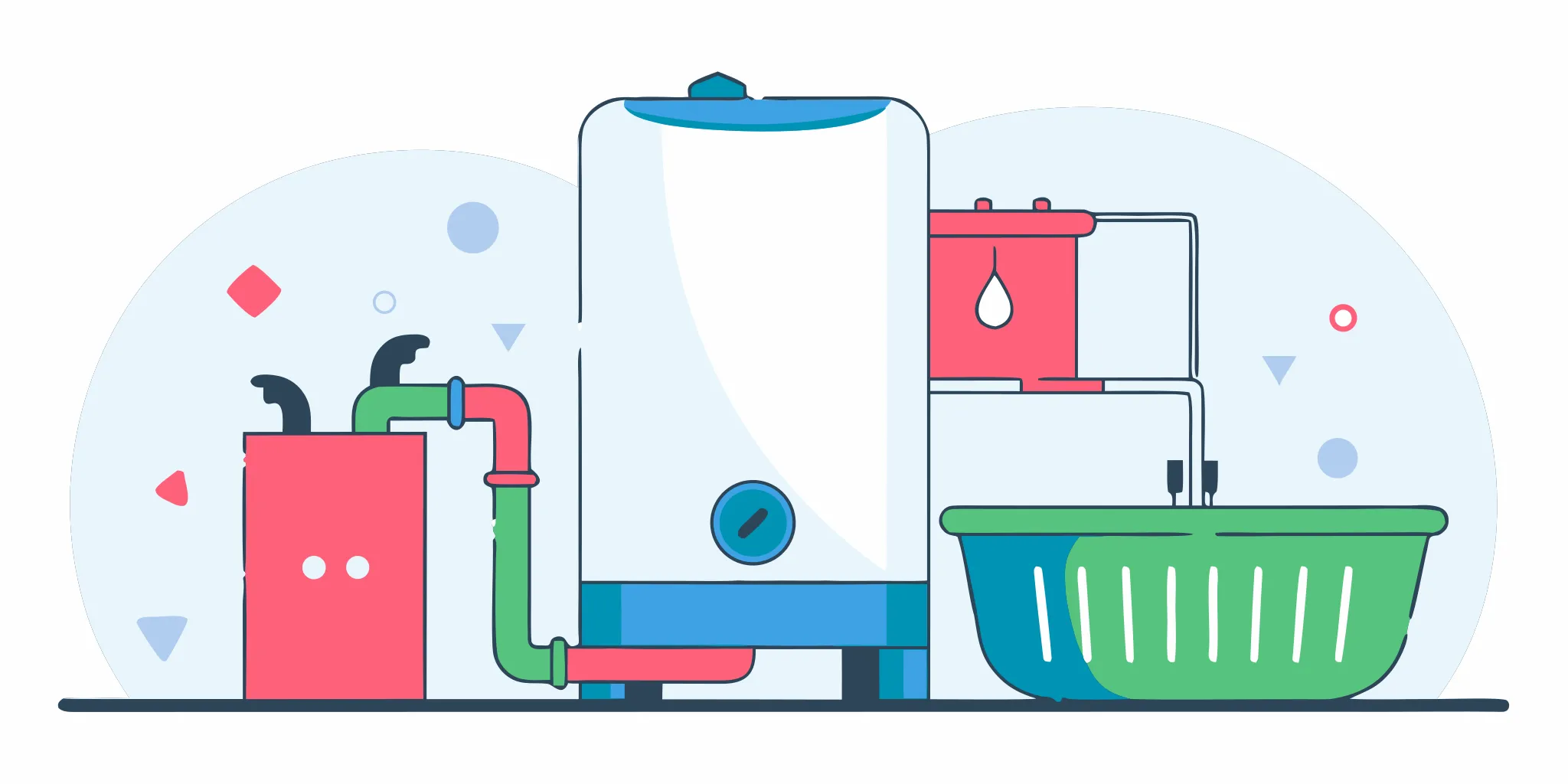
A water heater showing common signs of failure, such as rust on the tank and pipes.
Back to Blog
InsightsJune 26, 2026

7 Signs Your Water Heater Is Failing & What to Do

Learn the top signs your water heater is failing and get practical steps to handle leaks, strange noises, and inconsistent hot water before bigger issues arise.

Living here on the Space Coast means dealing with Florida’s notoriously hard water, which is incredibly tough on our home’s plumbing. The high mineral content creates sediment that builds up inside your water heater, forcing it to work harder and wear out faster. This is why homeowners in our area often face water heater issues sooner than people in other parts of the country. Knowing what to look for is your best defense. From lukewarm water to strange popping sounds, there are many signs your water heater is failing that you can spot early. We’ll cover what these warnings mean and why they’re especially important to watch for here. ## Key Takeaways * **Listen to your water heater**: It sends clear signals before it fails, including inconsistent temperatures, strange noises like popping or banging, discolored water, and visible leaks. Recognizing these signs early is your best defense. * **Understand the root causes**: Most water heater problems boil down to two things: age and sediment. Units over 10 years old are at high risk of failure, while mineral sediment from hard water causes inefficiency, noise, and internal corrosion. * **Be proactive with maintenance and repairs**: Performing simple annual tasks, like flushing the tank, can significantly extend your unit's life. When a problem does occur, make a smart financial call by weighing the unit's age and repair cost against the long-term value of a replacement. ## Is Your Water Heater Trying to Tell You Something? That morning shower that suddenly turns chilly, the strange noise from the utility closet—these aren't just random quirks. Your water heater often sends out clear signals long before it fails completely. Learning to recognize these signs can save you from a cold shower, a flooded basement, and a major headache. Paying attention to the small changes in your water's temperature, color, and pressure is the first step to catching a problem early. Below are some of the most common warnings your water heater might be sending you. ### Lukewarm or Inconsistent Water Is your hot water just not that hot anymore? Or maybe your shower starts warm but quickly turns into an icy surprise. When your water temperature fluctuates or never reaches the right heat, it’s a classic sign of trouble. This often happens because mineral sediment has built up inside the tank and is covering the heating elements. This layer of sediment forces your unit to work much harder to heat the water, leading to inefficiency and inconsistent temperatures. In other cases, it could point to a failing heating element or thermostat that needs professional attention. ### Running Out of Hot Water Too Quickly If you feel like you’re constantly running out of hot water halfway through a shower or while doing dishes, your tank’s capacity might be compromised. Over the years, sediment and mineral scale can accumulate at the bottom of your water heater tank. This buildup takes up valuable space that should be filled with hot water. So, even if you have a 50-gallon tank, you might only be getting 40 gallons of usable hot water. Another culprit could be a broken dip tube, which allows incoming cold water to mix with the hot water at the top of the tank, cooling your supply down far too quickly. ### Rusty or Discolored Water When you turn on the hot tap and see brown, orange, or rust-colored water, take it seriously. This is a major red flag that almost always indicates corrosion on the inside of your water heater's steel tank. Anode rods are designed to prevent this, but they get used up over time. Once the tank itself begins to rust, its structural integrity is compromised. This internal decay means a leak is not a matter of if, but when. If you see discolored water, it’s often a sign that you will need a new water heater before a bigger failure occurs. ### Strange Smells from Your Faucet Does your hot water have a strange odor that your cold water doesn't? A metallic smell can be a clue that your anode rod is completely depleted and the tank itself has started to corrode. The anode rod is a "sacrificial" part that attracts corrosive particles to protect the tank lining, and once it's gone, your tank is vulnerable. If you notice a "rotten egg" smell, it could be caused by bacteria that can thrive in the warm, dark environment of a water heater tank, especially in homes with well water. A professional can diagnose the cause and recommend the right solution. ### [Low Hot Water Pressure](https://spacecoastcooling.com/can-a-water-heater-cause-low-water-pressure/) If the water pressure from your hot taps is noticeably weaker than your cold taps, sediment buildup is the most likely cause. As minerals accumulate inside your water heater, they can break loose and travel into your plumbing lines, creating clogs and restricting flow. This not only leads to a frustratingly weak stream in your shower but also puts extra strain on your pipes and fixtures. Over time, this can become a whole-house problem affecting all of your hot water outlets, signaling that it's time for a tank flush or a more thorough inspection of your plumbing. ## Decoding Your Water Heater's Strange Noises Your water heater should be a quiet workhorse, not the percussion section of an orchestra. If you’ve started hearing strange sounds coming from the closet or garage, it’s your system’s way of telling you something is wrong. These noises can range from subtle to startling, but they almost always point to an underlying issue that needs attention. Ignoring them can lead to lower efficiency, higher energy bills, and eventually, a total system failure that leaves you with a cold shower and a big mess. Listening closely can help you identify the problem. Different sounds mean different things, and knowing what to listen for can help you decide your next steps. Think of it as learning your home's language. A pop is different from a hiss, and a bang is a clear cry for help. Understanding these auditory cues is the first step toward preventing a small annoyance from becoming a major, costly repair. Let's break down the most common water heater noises and what they’re trying to tell you, so you can act before the problem gets worse. ### Popping and Rumbling If your water heater sounds like it’s making popcorn, the most likely cause is sediment buildup. Over time, minerals from our local water supply settle at the bottom of the tank. When the burners kick on to heat the water, they end up heating this layer of sediment, too. Trapped water beneath the sediment turns to steam, creating bubbles that pop as they escape. This rumbling sound is a clear sign your heater is working much harder than it should. This extra effort wastes energy and puts a lot of stress on the tank, which can [shorten its lifespan](https://www.rheem.com/water-heating/articles/5-signs-your-water-heater-is-going-bad-and-what-to-do-about-it). ### Banging or Knocking A loud banging or knocking sound is a more aggressive version of the popping noise, and it points to the same problem: a significant amount of hardened sediment. As larger chunks of mineral deposits break loose and get tossed around inside the tank, they create a distinct banging sound. Think of it as rocks tumbling around in a metal drum. This isn't just annoying; it's a sign that the sediment has become severe. The constant strain can weaken the tank's inner lining and increase the risk of cracks and leaks over time. It’s a problem you’ll want to address before it causes more serious damage to your unit. ### Hissing and Sizzling While popping and banging are about sediment, a hissing or sizzling sound often points to a more immediate problem. This noise usually means water is leaking and hitting a hot surface, like the burner assembly or the heating element. You might have a small crack in the tank or a faulty valve that’s dripping. Because this involves both water and your heater’s power source (gas or electric), it’s a serious issue. If you hear hissing, it’s best to [consult a professional](https://www.fayetteheating.com/blog/water-heater-failure/) right away to prevent further damage or a potential safety hazard. Don't wait on this one. ### Why Sediment Buildup Is the Usual Culprit So, why is sediment such a big deal? Here in Florida, we have what’s known as “hard water,” which is rich in minerals like calcium and magnesium. These minerals aren't harmful to you, but they build up inside your water heater tank over time. This creates a thick, insulating layer at the bottom. Your water heater’s job is to heat the water, but with that sediment in the way, the burner has to run longer and hotter to get the job done. This not only causes the noises we’ve talked about but also leads to higher energy bills and accelerates wear and tear. Regular [water heater maintenance](https://elementhomeservice.com/hurricane-ut/blog/common-myths-about-water-heaters-debunked), especially flushing the tank, is the best way to prevent this. ## Spotting Leaks and Corrosion Let's talk about the most undeniable signs of water heater trouble: the ones you can see with your own eyes. While strange noises or lukewarm water can be subtle, visible leaks and rust are your water heater’s way of screaming for help. Ignoring these signs can lead to a much bigger mess, like a flooded garage or serious water damage inside your home. Taking a quick look at your unit every month or so is one of the smartest things you can do to catch a problem before it becomes a catastrophe. Here’s exactly what to look for. ### Check for Puddles Around the Tank A puddle of water around the base of your tank is never a good sign. Even if it seems like a small amount, it’s a major red flag that your water heater is failing. The water is likely coming from a crack in the internal tank, which means the whole unit is compromised. Because the tank is under constant pressure, a small leak can quickly turn into a full-blown flood. If you find any moisture, your first move should be to shut off the water and power to the unit to prevent further damage. This isn't a wait-and-see situation; it's a sign that you need to call a professional right away to assess the problem and avoid costly water damage repairs. ### What Rust Stains on the Tank Mean Have you noticed any rusty spots on the outside of your tank or seen reddish-brown water coming from your hot water faucets? Both are clear signs of internal corrosion. The steel tank has a protective inner lining, but over time, especially with Florida's hard water, that lining can break down. Once rust forms, it eats away at the metal, weakening the tank's structure. Rust on the exterior means the tank is likely corroding from the inside out and a leak is inevitable. If you spot rust, it’s time to start thinking about a replacement. A corroding tank can’t be repaired, and waiting for it to fail completely is a risky gamble. Our team can help you explore your options for a new water heater installation. ### Inspecting Valves and Connections for Drips Leaks don’t always come from the tank itself. Sometimes, the problem starts with the smaller components. Make it a habit to check the various valves and pipe connections on your water heater for slow drips or signs of moisture. Pay close attention to the cold water inlet, the hot water outlet, and the temperature and pressure (T\&P) relief valve. A dripping T\&P valve, for example, could mean the valve is faulty or that there’s excessive pressure inside the tank. While a small drip might not seem urgent, it wastes water and can lead to corrosion and bigger leaks over time. Catching these small issues early can often be handled with a straightforward [plumbing repair](https://www.spacecoastcooling.com/plumbing/) before they escalate. ## Does Your Water Heater's Age Matter? Absolutely. While we all hope our home appliances will last forever, a water heater’s age is one of the most important factors in its performance and reliability. Think of it like an old car: it might still get you from point A to point B, but the risk of a breakdown increases every year, and its fuel efficiency just isn't what it used to be. An older water heater is not only more likely to fail unexpectedly, leaving you with a cold shower and potential water damage, but it also costs you more on your energy bills each month as its efficiency declines. Knowing your water heater’s age helps you make smarter, more cost-effective decisions. If your 12-year-old unit starts acting up, you can start budgeting for a replacement instead of sinking money into a temporary fix that won't last. On the other hand, if your three-year-old unit has a minor issue, a simple repair is likely the best path forward. Understanding the typical lifespan, how to find your unit’s manufacturing date, and how our local Florida water affects your tank will give you the clarity you need to stay ahead of problems and avoid a messy emergency. ### How Long Should a Water Heater Last? Most conventional tank-style water heaters have a lifespan of about 10 to 15 years. If your unit is in that range or older, it’s living on borrowed time. While regular maintenance can help it reach the upper end of that estimate, it’s not a guarantee against eventual failure. Once a water heater passes the 10-year mark, its efficiency drops, and the risk of a tank leak goes up significantly. Planning for a replacement before it becomes an emergency gives you time to choose the right model for your home without the pressure of a sudden breakdown. ### How to Find Your Unit's Age Not sure how old your water heater is? You can play detective by looking for the manufacturer’s sticker on the side of the tank. This label contains the serial number, which is the key to finding its age. The serial number isn't always straightforward, as most manufacturers use a code to indicate the production date. Often, the first few letters or numbers represent the year and week of manufacturing. A quick online search for your water heater brand’s name plus “serial number decoder” can help you [find the installation date](https://www.rheem.com/water-heating/articles/5-signs-your-water-heater-is-going-bad-and-what-to-do-about-it/) and solve the mystery. ### Why Florida's Hard Water Is Tough on Your Tank Here on the Space Coast, our water is notoriously "hard," meaning it’s full of dissolved minerals like calcium and magnesium. While harmless to us, these minerals are tough on water heaters. Over time, they settle at the bottom of the tank, creating a thick layer of sediment. This buildup forces your water heater to work harder to heat the water, driving up energy costs. Worse, this sediment [reduces the actual volume](https://blog.constellation.com/2021/03/26/7-signs-your-hot-water-heater-is-going-to-fail/) of hot water your tank can hold and can corrode the tank from the inside out, leading to premature failure. This is why flushing your tank annually is so critical in our area. ## Common Water Heater Myths, Debunked ### Myth: "It doesn't need maintenance if it's working." This is one of the most common and costly assumptions a homeowner can make. Just because you have hot water doesn't mean your system is healthy. Inside your tank, a silent battle is being waged against sediment buildup, especially here in Florida where we have hard water. Minerals like calcium and magnesium settle at the bottom, forming a thick layer that forces your water heater to work much harder to heat the water. This not only wastes energy and drives up your utility bills but also puts immense stress on the system, leading to early failure. Regular water heater maintenance, like flushing the tank annually, is the only way to remove this sediment and keep your unit running efficiently for years to come. ### Myth: "Cranking up the heat makes it work better." Turning the temperature dial all the way up won't fix an underlying issue, but it will create new problems. First, it’s a serious safety hazard. Setting the temperature too high creates a scalding risk, which is especially dangerous for children and elderly family members. For this reason, the U.S. Department of Energy recommends a water heater temperature of 120°F for most households. Second, it’s a waste of money. You’re paying to overheat water that you’ll just have to cool down with cold water at the tap. If your water isn’t getting hot enough, the real culprit is likely sediment buildup or a failing heating element, not the temperature setting itself. ### Myth: "If it's not leaking, it's fine." A water heater can look perfectly fine on the outside while serious problems are developing on the inside. The most common hidden issue is a depleted anode rod. This rod is designed to attract corrosive elements in the water, essentially sacrificing itself to protect the steel tank from rusting. Once the anode rod is gone, that corrosion attacks the tank lining itself, leading to rust, leaks, and eventual tank failure. Thinking your unit is fine just because the floor is dry is like never checking the oil in your car. By the time a major symptom appears, you’re often looking at a much more expensive problem, like a full replacement and potential water damage repairs. ## Repair or Replace? Making the Right Call Deciding whether to fix your current water heater or invest in a new one can feel like a big financial puzzle. You don’t want to spend money on a replacement if a simple fix will do, but you also don’t want to throw good money at a unit that’s on its last legs. The right choice usually comes down to three things: the age of your water heater, the type of problem you’re facing, and the cost of the repair versus a new installation. Let’s break down how to make the best decision for your home and budget. ### When a Simple Repair Is Enough If your water heater is less than 10 years old and this is its first major issue, a repair is often the most sensible path. Problems like a faulty thermostat, a bad heating element, or a failing pressure relief valve are common and can typically be fixed by a professional without replacing the entire unit. While issues like rust-colored water or small drips from a valve need attention, they don't always scream "replacement." The key is to get an expert diagnosis. A qualified plumber can tell you if you're dealing with a single worn-out part or a sign of complete tank failure, giving you a clear path forward. ### Signs It's Time for a Replacement Some problems are too big to ignore and serve as a final farewell from your water heater. The most urgent sign is a leaking tank. Any moisture or puddles around the base of your unit likely point to internal corrosion, and there’s no safe way to repair that. At that point, a full replacement is your only option to prevent a flood. Age is another major factor. If your water heater is over 10 years old and has started needing frequent repairs, it’s time to start planning for a new one. The combination of age and recurring issues means you’re likely to face more breakdowns, and it’s better to choose a replacement on your own terms. ### The Hidden Costs of Waiting Too Long Trying to squeeze one more year out of a failing water heater might seem thrifty, but it can cost you far more in the long run. An old, inefficient unit can slowly drive up your energy bills every month. More importantly, ignoring warning signs sets you up for a catastrophic failure. A sudden tank rupture can cause extensive water damage, ruining floors, drywall, and personal belongings. Neglecting your system can also lead to more expensive emergency repairs down the line. Investing in a timely replacement or a consistent [maintenance plan](https://www.spacecoastcooling.com/maintenance-plans/) not only prevents a disaster but also ensures your home runs efficiently and reliably. ## Spotted a Warning Sign? Here's What to Do Next Seeing (or hearing) a problem with your water heater can be stressful, but a few quick actions can prevent a small issue from turning into a major disaster. If you notice any of the warning signs we've covered, here are the exact steps to take to protect your home and figure out what’s wrong. Acting fast is key, especially when water is involved, but there’s no need to panic. By following a clear plan, you can manage the situation safely until help arrives. ### Your First Step: Shut Off the Water and Power If you find a puddle of water around your heater, your first move is to stop more water from adding to the problem. Find the shutoff valve on the cold water pipe that leads into the tank (it’s usually a lever or a wheel-like handle) and turn it clockwise to close it. Next, cut the power. For an electric model, head to your breaker box and flip the switch for the water heater. If you have a gas heater, turn the control knob on the unit to the “Off” position. This is a critical safety measure, as a leak often means the tank has rusted through and needs immediate attention. ### What to Check Before You Call for Help Once you’ve handled the immediate safety steps, you can gather some useful information. First, check the age of your water heater. Most traditional tank-style heaters last between 8 and 12 years, and Florida’s hard water can sometimes shorten that lifespan. You can find the manufacturing date on the large sticker on the side of the tank. If your unit is approaching or past that age, it’s likely time to start planning for a replacement. You can also carefully test the pressure relief valve to see if it releases water, which shows it’s functioning. Taking a moment to look for small drips around the pipe connections can also help identify the source of a problem. ### When to Call a Professional Immediately Some situations are too risky for a wait-and-see approach. You should call for professional help right away if you have no hot water at all, if your water is rusty, or if you see any visible leaks. Even a small amount of moisture can signal a crack or internal corrosion that could lead to a sudden and messy tank failure. If you’re not comfortable diagnosing the issue yourself or suspect the problem is serious, it’s always safest to get an expert opinion. Our licensed technicians can quickly identify the problem and give you honest, straightforward options for a water heater repair or replacement. ## Simple Maintenance for a Longer-Lasting Water Heater You don’t have to be a plumbing expert to keep your water heater in good shape. A little bit of preventative care can go a long way toward extending its lifespan, improving its efficiency, and helping you avoid an unexpected cold shower. Think of it as protecting your investment and preventing a major headache down the road. These simple maintenance tasks are easy enough for most homeowners to handle and can save you money on both energy bills and future replacement costs. By staying on top of these four steps, you give your water heater the best chance to perform reliably for years to come. ### Flush the Tank to Remove Sediment Here in Florida, our water is notoriously hard, which means it’s full of minerals. Over time, these minerals settle at the bottom of your water heater tank, creating a layer of sediment. This buildup forces your system to work harder to heat the water, leading to higher energy bills and eventually causing the tank to overheat and fail. [Neglecting this simple maintenance](https://elementhomeservice.com/hurricane-ut/blog/common-myths-about-water-heaters-debunked) is one of the fastest ways to shorten your unit's life. Flushing the tank once a year removes this sediment, allowing your water heater to run efficiently and preventing corrosion from the inside out. ### Inspect the Anode Rod Think of the anode rod as your water heater’s bodyguard. This metal rod hangs inside the tank and is designed to attract corrosive elements in the water, sacrificing itself to protect the tank’s steel lining. Once the anode rod is completely corroded, the tank itself will start to rust. The [anode rod helps prevent rust](https://fayetteheating.com/blog/water-heater-failure/) from destroying your tank, but it doesn't last forever. It’s a good idea to have it inspected annually, often during a tank flush. If it’s worn down to the core wire or covered in calcium, replacing it is a small fix that prevents a much bigger problem. ### Test the Pressure Relief Valve Your water heater’s temperature and pressure (T\&P) relief valve is a critical safety feature. It’s designed to automatically release pressure if it builds up to a dangerous level inside the tank. A faulty valve can create a serious safety hazard. Fortunately, [testing the pressure relief valve](https://fayetteheating.com/blog/water-heater-failure/) is a quick and easy check. Simply lift the lever for a few seconds to ensure a burst of hot water flows out of the discharge pipe. If it only trickles out or continues to leak after you close it, the valve needs to be replaced by a professional immediately. ### Set the Right Temperature (120°F) Many water heaters are set to 140°F by default, but this is hotter than most households need. Lowering the temperature to 120°F is one of the easiest ways to save money and reduce strain on your unit. This simple adjustment slows mineral buildup and corrosion, which helps your water heater last longer. Setting the temperature correctly also [prevents overheating and unnecessary wear](https://fayetteheating.com/blog/water-heater-failure/) on the components. As a bonus, it reduces your energy consumption and lowers the risk of accidental scalding, making your home safer for everyone. ## Get Expert Help for Your Water Heater Seeing one of these warning signs can be stressful, and it’s tempting to hope the problem just goes away on its own. But when it comes to your water heater, waiting is one of the riskiest things you can do. A small issue like a strange noise or a tiny drip can escalate into a major failure, potentially causing a flood and expensive water damage to your floors, drywall, and belongings. It’s always safer and more cost-effective to address the problem head-on. If you’re dealing with a serious issue like no hot water, rusty water, or a noticeable leak, it’s best to call an expert immediately. While some minor maintenance is DIY-friendly, anything involving the tank itself or its connections requires a professional touch for safety. A licensed plumber can accurately diagnose the problem, whether it’s a failing heating element, a corroded anode rod, or a tank that’s at the end of its life. Proactive service can help you [avoid a messy tank burst](https://www.rheem.com/water-heating/articles/5-signs-your-water-heater-is-going-bad-and-what-to-do-about-it/) and the chaos that follows. At Space Coast Cooling & Plumbing, our team is here to give you honest answers. We’ll inspect your system, explain your options clearly, and provide upfront pricing for a repair or replacement. We believe in helping you make an informed decision without any sales pressure. Don't wait for a complete breakdown; having a professional [inspect your system](https://www.chiarillos.com/5-warning-signs-your-water-heater-is-about-to-fail) is the best way to ensure your home has reliable hot water and to prevent a small problem from turning into a big emergency. ## Related Articles * [Can a Water Heater Cause Low Water Pressure in Your Home?](https://spacecoastcooling.com/can-a-water-heater-cause-low-water-pressure/) * [Professional Water Heater Repair Cocoa, FL](https://spacecoastcooling.com/plumbing-services/water-heater-repair/) * [Expert Water Heater Installation & Replacement Cocoa, FL](https://spacecoastcooling.com/plumbing-services/water-heater-installation-replacement/) * [FAQs | Space Coast Cooling & Plumbing, Inc.](https://spacecoastcooling.com/faq/) ## [Frequently Asked Questions](https://spacecoastcooling.com/faq/) **My water heater is making a popping sound. Is that really a big deal?** That popping or rumbling noise you hear is a classic sign of sediment buildup at the bottom of your tank. While it isn't a five-alarm fire, it is a clear warning that your heater is working way too hard. The noise is caused by water trapped under the mineral layer boiling and bubbling up. This process puts a lot of stress on the tank, wastes energy, and can shorten your unit's lifespan. It’s best to have a professional flush the tank to clear out that sediment before it causes more serious damage. **How often should I have my water heater maintained, especially here in Florida?** For homes on the Space Coast, we recommend having your water heater professionally inspected and flushed once a year. Our local water is very hard, meaning it’s full of minerals that build up inside your tank as sediment. An annual flush is the single best thing you can do to prevent this buildup, keep your unit running efficiently, and extend its life. It’s a small bit of preventative care that helps you avoid much bigger problems down the road. **How do I decide whether to repair my water heater or just replace it?** The decision usually comes down to age and the cost of the repair. If your water heater is less than 10 years old and has a problem with a specific part, like a heating element or valve, a repair is often the most cost-effective choice. However, if your unit is over 10 years old, has a leaking tank, or needs frequent fixes, investing in a new one is almost always the smarter move. You'll avoid sinking money into a failing unit and get the peace of mind that comes with a new, efficient model. **My water heater is over 10 years old but seems to be working fine. Should I replace it anyway?** It’s smart to start planning for a replacement once your water heater passes the 10-year mark. Even if it seems fine, its efficiency has likely dropped, meaning you're paying more on your energy bills. More importantly, the risk of the tank failing and causing a major leak increases significantly with age. Replacing it proactively allows you to choose a new unit on your own terms, rather than being forced to make a rushed decision during an emergency. **What can I safely check myself, and when do I absolutely need to call a professional?** You can definitely do a few things to keep an eye on your system. It’s a great idea to periodically look for small drips around the pipe connections and check for any puddles on the floor. You can also find the manufacturing date on the unit’s sticker to know its age. However, you should call a professional immediately if you see water pooling around the base of the tank, notice rusty water, or have no hot water at all. These are signs of a serious problem that requires an expert for a safe and accurate diagnosis.
Available 24/7

Call the Experts that Local Homeowners Rely On

When you need home services, you want answers you can trust and work you can count on. Space Coast Cooling & Plumbing is the plumbing and HVAC company in Cocoa, FL, that brings decades of local experience, licensed professionals, and customer-first service to every job. One call connects you with a team ready to help.

Licensed & InsuredServing Cocoa Since 1994Honest, Upfront PricingSame-Day Service Available