Need Help? Call Us Now!
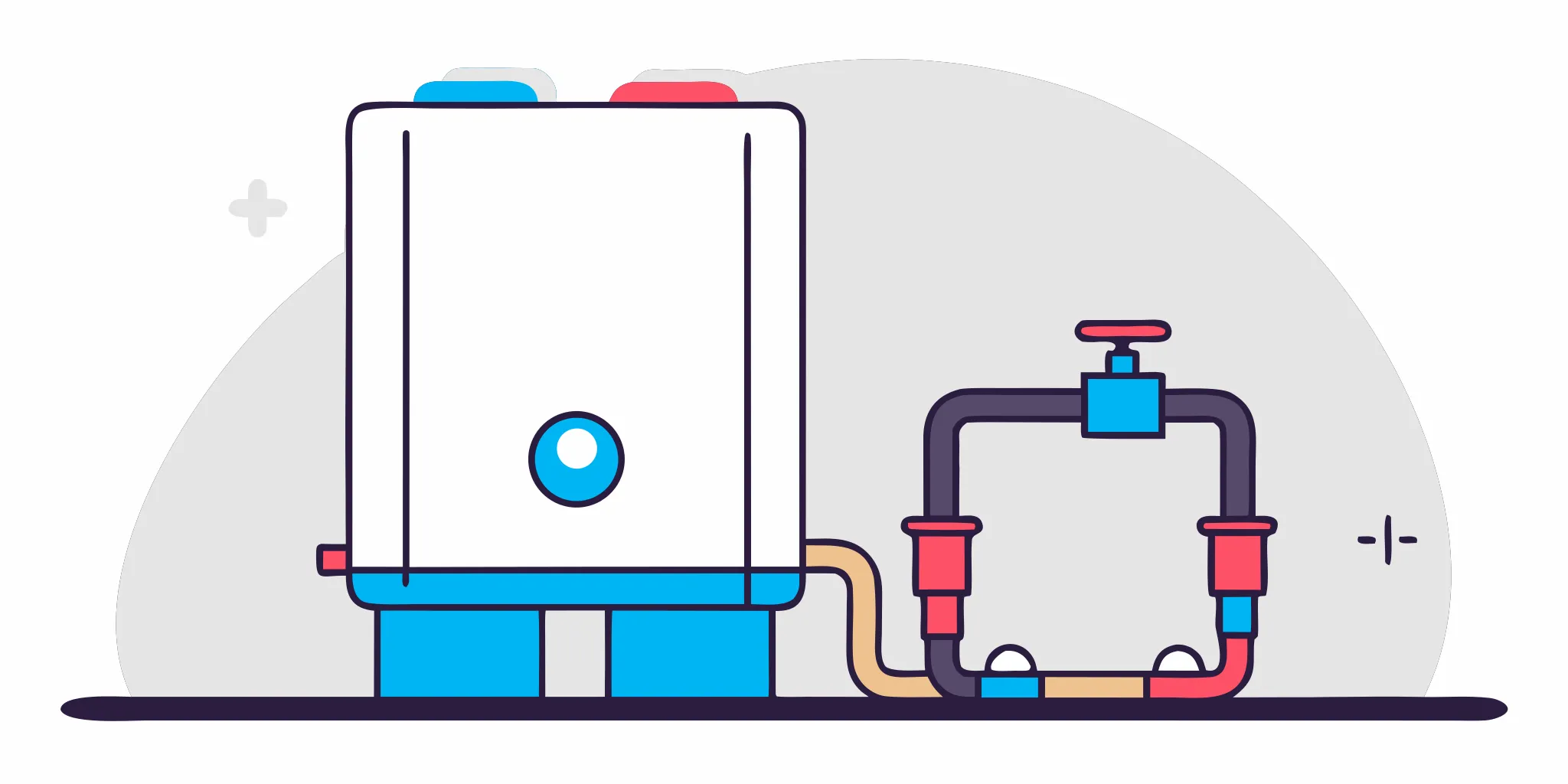
A tankless water heater installed in a home's hot water system.
Back to Blog
InsightsJune 26, 2026

Tankless Water Heater 101: Everything to Know

Get clear answers about tankless water heaters, including how they work, pros and cons, costs, and tips for choosing the right tankless water system.

That bulky metal cylinder in your garage or closet does more than just heat your water; it also takes up a surprising amount of valuable storage space. For many homeowners, that closet could be used for linens, cleaning supplies, or holiday decorations. A tankless water heater offers a simple way to reclaim that space. These modern units are incredibly compact, often no bigger than a small suitcase, and mount directly to the wall. This space-saving design not only modernizes your home’s utility systems but also makes your home more functional. Let’s explore how this practical benefit is just one of many advantages of going tankless. ## Key Takeaways * **Look beyond the initial price tag**: A tankless system costs more upfront, but it pays you back over time with lower monthly energy bills and a lifespan that can be double that of a traditional tank. * **Size matters for endless hot water**: To avoid a drop in water pressure when multiple faucets are running, your unit must be sized for your home's peak usage. A professional can calculate your required flow rate to ensure the system keeps up with your family. * **Schedule an annual flush to protect your system**: Florida's hard water can cause mineral buildup that reduces efficiency and shortens your heater's life. A yearly professional flush is the single most important step to keep your unit running smoothly for 20 years or more. ## What Is a Tankless Water Heater? If you're like most people, you're familiar with the big, cylindrical water heater that lives in a closet or garage. A tankless water heater is a modern alternative that gets rid of the tank altogether. Instead of storing and constantly reheating dozens of gallons of water, these compact units heat water instantly, right when you need it. Often called [demand-type water heaters](https://www.energy.gov/energysaver/tankless-or-demand-type-water-heaters), they are a popular upgrade for homeowners looking to save space and energy. Because they only run when a hot water tap is turned on, they avoid the standby heat loss that traditional tanks experience, which can lead to some nice savings on your utility bills over time. ### How Do They Actually Work? The process is simple but incredibly effective. When you turn on a hot water faucet in your kitchen or bathroom, cold water is drawn into the tankless unit. A flow sensor detects the water movement and immediately activates a powerful heating source, either a gas burner or an electric element. This heater warms the water to your set temperature as it flows through a series of coils. The hot water then travels directly to your faucet, providing a continuous supply. It all happens in a matter of seconds, so you get hot water almost instantly without needing a storage tank. ### Gas vs. Electric: What's the Difference? The biggest difference between gas and electric models comes down to power and water flow. Natural gas or propane models generally have a higher heating capacity, meaning they can produce more hot water per minute. This makes them a great fit for larger households in Cocoa or Melbourne where you might need to run the shower and the dishwasher simultaneously. Electric models, on the other hand, are highly efficient and often easier and less expensive to install since they don't require new vent pipes. While their flow rate can be lower, they are an excellent, reliable choice for smaller homes, condos, or as a dedicated heater for a single bathroom. ## The Pros of Going Tankless If you're thinking about upgrading your water heater, you’ve probably heard the term "tankless" pop up. It’s a big switch from the traditional tank most of us grew up with, and it’s natural to wonder if it’s worth it. While the initial investment is different, the long-term benefits of going tankless are pretty compelling, especially for busy households. From saving money on your utility bills to finally winning the battle for closet space, a tankless system can make a noticeable difference in your daily routine. These systems, also known as demand-type water heaters, are designed for modern efficiency. Instead of constantly heating a large tank of water, they heat water exactly when you need it. This approach solves some of the most common frustrations homeowners have with their old water heaters. Let’s walk through the biggest advantages you can expect when you make the switch. ### Enjoy an Endless Supply of Hot Water We’ve all been there: you’re the last in line for a shower, and the hot water runs out halfway through. With a traditional tank, you have to wait for it to refill and reheat, which can feel like an eternity. A tankless water heater completely eliminates this problem. Because it heats water on the spot as it passes through the unit, the supply of hot water is continuous. You can run the dishwasher, do a load of laundry, and still have a perfectly hot shower waiting for you. It’s a simple luxury that makes a huge difference, especially for families or when you have guests over. ### Save Energy and Lower Your Utility Bills One of the most practical benefits of a tankless system is its energy efficiency. A standard water heater has to work around the clock to keep 40 or 50 gallons of water hot, a process called standby heat loss. It’s like leaving a pot of water simmering on the stove all day just in case you need it. A tankless heater, on the other hand, only uses energy when you turn on a hot water tap. According to the Department of Energy, this can make them [24% to 34% more energy efficient](https://www.energy.gov/energysaver/tankless-or-demand-type-water-heaters) than traditional tanks in homes that use less hot water. Over time, those energy savings translate directly into lower monthly utility bills. ### Reclaim Closet Space with a Compact Design Traditional water heaters are bulky. They often take up an entire closet or a significant corner of your garage. Tankless water heaters are a fraction of the size, usually no bigger than a small suitcase. Because of their [compact design](https://www.hotwater.com/info-center/tankless-water-heater-pros-and-cons.html), they can be mounted on a wall, either indoors or outdoors, freeing up valuable storage space. Imagine turning that old water heater closet into a place for linens, cleaning supplies, or holiday decorations. It’s a small change that can make your home feel more organized and spacious. ### Get a System That Lasts Longer A water heater is a major home investment, so you want it to last. This is where tankless models really shine. While a traditional tank-style heater typically has a lifespan of about 8 to 12 years, a well-maintained tankless system can last for 20 years or even longer. They don’t suffer from the same internal rust and corrosion that eventually causes tanks to fail. This extended [tankless water heater lifespan](https://www.bottinifuel.com/water-heater-lifespan/) means you won’t have to worry about a replacement for decades, giving you a much better return on your investment and greater peace of mind. ## The Cons of Going Tankless While tankless water heaters offer some fantastic benefits, they aren't the perfect solution for every single home here on the Space Coast. It's important to look at the full picture before you decide to make the switch. Thinking through these potential drawbacks will help you feel confident in your choice, whether you go tankless or stick with a traditional model. These aren't necessarily deal-breakers, but they are important factors to consider for your home, family, and budget. Being aware of the challenges upfront ensures there are no surprises down the road. ### A Higher Upfront Cost There's no getting around it: the initial investment for a tankless water heater is higher than for a traditional tank model. Both the unit itself and the installation process tend to cost more. While the promise of long-term energy savings is a huge draw, that upfront expense can be a significant factor for many homeowners. It's a classic case of paying more now to save more later. We believe in being transparent about this, so you can weigh the immediate cost against the potential for future savings on your utility bills and make the best decision for your financial situation. ### Potential for Limited Flow During High-Use Times A common worry is whether a tankless heater can keep up when everyone needs hot water at once. If you have the dishwasher running while someone is showering, will the water go cold? The truth is, this can happen if the unit isn't sized correctly for your home's needs. A tankless heater provides a specific flow rate of hot water per minute. If your household's demand exceeds that rate, you might notice a drop in pressure or temperature. This is why a professional assessment is so important to ensure you get a system that can handle your family's peak usage without a problem. ### Specific Installation Needs Unlike a simple tank swap, installing a tankless water heater can be more complex, which contributes to the higher upfront cost. Depending on the model you choose and your home's current setup, the installation might require significant changes. For a gas model, this could mean upgrading your gas line to handle the higher demand. For an electric model, you might need to update your electrical panel and wiring. Proper venting is also critical and often requires new pipes. A [professional water heater installation](https://spacecoastcooling.com/plumbing-services/water-heater-installation-replacement/) ensures all these specific needs are met safely and correctly from the start, giving you peace of mind that the job is done right. ## Tankless vs. Traditional: A Head-to-Head Comparison When your old water heater is on its last legs, you’re faced with a big decision: stick with a traditional tank or make the switch to a tankless model? Both have their place, but they work very differently and come with their own set of pros and cons. A traditional heater keeps a large tank of water hot around the clock, ready for you to use. A tankless heater, on the other hand, heats water instantly as you need it. Understanding the key differences in cost, efficiency, and performance is the best way to figure out which system is the right fit for your home, your family, and your budget. Let’s break it down so you can feel confident in your choice. ### The Cost Breakdown: Upfront vs. Long-Term Let’s talk about the price tag first. Tankless water heaters almost always have a higher upfront cost for both the unit and the installation compared to traditional tank heaters. It’s an important factor to consider, but it’s not the whole story. Think of it as an investment that pays you back over time. Because they are more energy-efficient and have a longer lifespan, tankless models can [save money over time](https://www.energy.gov/energysaver/tankless-or-demand-type-water-heaters) through lower monthly utility bills and delayed replacement costs. While a traditional tank is cheaper to buy today, a tankless system is designed to reduce your operating costs for years to come, making the initial investment worthwhile for many homeowners. ### Which One Is More Energy Efficient? When it comes to energy efficiency, tankless water heaters are the clear winner. Instead of constantly using energy to keep 40 or 50 gallons of water hot in a storage tank, a tankless unit only fires up when you turn on a hot water tap. This on-demand heating process is fundamentally more efficient. According to the Department of Energy, homes that use 41 gallons or less of hot water daily can see energy savings of 24% to 34% with a tankless heater. Even for homes that use more water, the efficiency gains are significant. This is one of the most compelling [pros of a tankless water heater](https://www.hotwater.com/info-center/tankless-water-heater-pros-and-cons.html), as those monthly savings on your power bill really add up over the life of the system. ### Comparing Performance and Reliability Performance is where you’ll feel the biggest day-to-day difference. With a properly sized tankless system, you get an endless supply of hot water. You can run a long shower without worrying about it turning cold, which is a luxury a traditional tank just can’t offer. However, some tankless models can struggle to keep up if you’re running the shower, the dishwasher, and the washing machine all at once. In terms of reliability, tankless heaters also have an edge. They typically [last more than 20 years](https://www.energy.gov/energysaver/tankless-or-demand-type-water-heaters), while traditional tank heaters usually need to be replaced every 10 to 15 years. With fewer complex parts and less wear from constant heating, a tankless unit is built for the long haul. ## Exploring Your Tankless Options Once you start looking into tankless water heaters, you’ll quickly see it’s not a one-size-fits-all situation. The best system for your home depends on its size, your family’s hot water habits, and your budget. Think of it as creating a custom solution rather than just picking an appliance off the shelf. The right choice for a large family in a sprawling Melbourne home will likely differ from what a couple needs in their Titusville condo. This is where working with a professional really pays off, as they can help you assess your specific needs instead of just selling you a box. To find the perfect fit, you’ll want to understand a few key distinctions. The main decisions revolve around how the system distributes water, how efficiently it heats that water, and where the unit will be installed. Getting familiar with these options is the first step toward choosing a water heater that delivers on its promises of endless hot water and lower energy bills. Let’s walk through the three main types you’ll come across so you can feel confident when you talk to your technician. ### Whole-House vs. Point-of-Use The first choice you’ll make is about scale. A whole-house tankless system is a single, powerful unit that replaces your traditional tank and provides hot water for your entire home. It’s the most common setup for residential upgrades. On the other hand, a point-of-use heater is a small, separate unit installed at a specific fixture, like under a remote bathroom sink or for a workshop. These are designed to provide hot water at specific locations, which is great for reducing wait times and saving energy in a large home. Sometimes, the best solution is a combination of both. ### Condensing vs. Non-Condensing This decision boils down to energy efficiency. A non-condensing unit is the standard design; it heats water and vents hot exhaust gas directly outside. It’s effective, but some heat is lost in the process. Condensing tankless water heaters are [more efficient](https://www.hotwater.com/info-center/tankless-water-heater-pros-and-cons.html) because they use a second heat exchanger to capture extra heat from the exhaust before it vents. This process allows them to achieve higher energy efficiency ratings, which can lead to lower energy costs over time. While condensing models cost more upfront, the long-term utility savings often make them a smart investment for Florida homeowners. ### Indoor vs. Outdoor Units You also have flexibility in where your tankless heater is installed. Outdoor units are built to be weather-resistant and are an excellent choice for our mild Space Coast climate, freeing up precious indoor closet or garage space. Since they are already outside, venting is much simpler. Indoor units, on the other hand, are completely protected from the elements like salt air and hurricane-force winds. However, they require a dedicated, professional venting system to safely route exhaust fumes out of your home. A qualified technician can help you weigh the pros and cons and determine the best placement for your property. ## How to Choose the Right Tankless Water Heater Picking the right tankless water heater isn't just about grabbing one off the shelf. It’s about matching the unit to your family’s lifestyle. A system that’s too small will leave you with lukewarm showers, while one that’s too large is an unnecessary expense. Getting it right means thinking through a few key factors to ensure you have all the hot water you need, right when you need it. ### Calculate Your Home's Hot Water Needs First, think about your home’s “rush hour” for hot water. This is the busiest time of day, like in the morning when one person is showering, the dishwasher is running after breakfast, and you’re starting a load of laundry. Make a quick list of all the hot water appliances and faucets you might use at the same time. This simple exercise helps you assess how much hot water your household uses at its peak. Understanding this demand is the first step in sizing your new system correctly and making sure it can keep up with your family’s daily routine without any hiccups. ### Figure Out Your Required Flow Rate Once you know which appliances run together, you can determine your required flow rate, measured in gallons per minute (GPM). Each fixture has a typical flow rate; for example, a shower uses about 2.5 GPM and a dishwasher uses around 1.5 GPM. Add up the GPM for everything you might run simultaneously to find your peak demand. [Tankless water heaters](https://www.energy.gov/energysaver/tankless-or-demand-type-water-heaters) are rated by the GPM they can produce. If your peak demand is 4 GPM, you need a unit that can handle at least that much. For larger homes with high demand, a single unit might not be enough, and you may need to consider multiple heaters to meet your needs. ### Look for Key Features and Technology With your size requirements figured out, you can focus on the features. The first big choice is fuel type: natural gas or electric. Gas units typically offer a higher flow rate, but they require proper ventilation. Electric models are easier to install but may not be powerful enough for larger households. You should also look at the unit’s energy efficiency rating to understand its long-term operating costs. Some modern heaters even come with smart technology, allowing you to set schedules and monitor usage from a mobile app. Considering these key features will help you find a model that fits both your home’s infrastructure and your lifestyle. ## Breaking Down the Cost of a Tankless System Let’s talk about the numbers. When you’re considering a major home upgrade like a new water heater, the price tag is always a top concern. The total cost of a tankless system isn’t just the price on the box; it’s a combination of the unit itself, the professional installation, and the money you’ll spend (or save) over its lifetime. Understanding this complete financial picture is key to deciding if going tankless is the right move for your home and budget. We believe in giving you honest answers, so here’s a straightforward breakdown of what to expect. ### The Price of the Unit Itself There’s no sugarcoating it: the initial purchase price for a tankless water heater is typically higher than for a traditional storage tank model. The advanced technology that heats water on demand simply costs more to manufacture. Prices can vary quite a bit depending on the brand, the unit’s size (measured in gallons per minute), and whether you choose a gas or electric model. While a standard tank might cost a few hundred to a couple of thousand dollars, a high-quality tankless unit will often start on the higher end of that range and go up from there. Think of it as the difference between a basic cell phone and a smartphone; the upfront cost is higher because the technology inside is more sophisticated. ### Factoring in Installation Costs Installation is where the costs can really vary. If you’re replacing an old tank heater, the job isn’t always a simple swap. Your home may need new plumbing, upgraded electrical circuits, or different ventilation for a gas model. This retrofitting is what makes the installation more complex and contributes to the cost. For a professional installation, homeowners can expect the total project cost to land anywhere from $4,000 to $10,000. The final price depends entirely on your home’s existing setup and the specific unit you choose. The only way to get a firm number is to have a licensed plumber assess your situation and provide a detailed, upfront quote. ### What to Expect for Long-Term Operating Costs This is where a tankless water heater really starts to pay you back. While the initial investment is higher, the long-term savings are significant. According to the U.S. Department of Energy, a tankless system can be 24% to 34% more [energy efficient](https://www.energy.gov/energysaver/tankless-or-demand-type-water-heaters) than a conventional tank heater in homes that use 41 gallons or less of hot water daily. Because the unit only heats water when you need it, you aren’t paying to keep a large tank of water hot 24/7. This translates directly to lower monthly energy bills. Plus, tankless heaters have a much longer lifespan, often lasting 20 years or more, which means you won’t have to worry about a costly replacement anytime soon. ## Keeping Your Tankless Heater in Top Shape A tankless water heater is a fantastic investment in your home’s comfort and efficiency, and you want to make sure it stays that way. While these systems are known for their durability, they aren't "set it and forget it" appliances. A little proactive care goes a long way, especially here in Florida where our water can be tough on plumbing. Just like your car needs regular oil changes to keep the engine running smoothly, your tankless heater needs routine maintenance to perform at its best. The good news is that keeping your system in great condition is straightforward. It boils down to a few key tasks, primarily focused on preventing the buildup of mineral deposits that can reduce efficiency and shorten the unit's life. Regular flushing, cleaning filters, and having a professional give it a once-over annually are the cornerstones of tankless water heater care. Taking these simple steps ensures you continue to get that endless hot water you love, keep your energy bills low, and protect your investment for the 20-plus years it’s designed to last. Our team can handle this for you with our affordable [maintenance plans](https://www.spacecoastcooling.com/maintenance-plans/), giving you total peace of mind. ### The Importance of Annual Flushing The single most important maintenance task for your tankless water heater is an annual flush. Florida’s water is notoriously "hard," which means it contains a high concentration of dissolved minerals like calcium and magnesium. As water heats up inside your unit, these minerals fall out of the solution and stick to the interior components, creating a crusty layer called scale. This buildup forces your heater to work harder to warm the water, reducing its efficiency and driving up your energy costs. Over time, it can even clog the system and cause a complete failure. Flushing the system with a descaling solution once a year [cleans out this mineral buildup](https://www.energy.gov/energysaver/tankless-or-demand-type-water-heaters) and keeps the internal pathways clear, ensuring your heater runs as efficiently as the day it was installed. ### Why You Need to Check Filters and Parts Beyond flushing, your tankless heater has a few filters that need regular attention. Think of the small screen on your faucet aerator and how it can get clogged with sediment; your water heater has similar components. The water inlet filter, for example, catches any debris or sediment from the water supply before it can enter and damage the unit's delicate internal parts. There's also often an air intake filter on gas models. If these filters become clogged, they can restrict water flow or airflow, causing the system to perform poorly or even shut down. Checking and cleaning these filters is a simple but crucial step in your maintenance routine that prevents unnecessary strain on your heater. ### What Affects Your System's Lifespan? Tankless water heaters are built to last, with many models having a lifespan of 20 years or more, which is double that of a traditional tank heater. However, a few key factors determine whether your unit reaches that milestone. The number one factor is water quality. As we've mentioned, the hard water common in our area can cause scale buildup that shortens the heater's life if left unchecked. Your daily hot water usage also plays a role; a system in a busy family home will experience more wear than one in a single-person household. Ultimately, the most significant factor you control is maintenance. Consistent annual servicing directly combats the negative effects of hard water and heavy use, making it the best way to ensure your system provides reliable, efficient hot water for years to come. ## Common Myths About Tankless Water Heaters When you’re considering a major home upgrade, it’s easy to get tangled in a web of opinions and misinformation. Tankless water heaters are a great example. They have been around for a while, but there are still a lot of myths floating around that can make it hard to decide if one is right for your home. As your local plumbing experts here on the Space Coast, we believe in giving you honest answers so you can feel confident in your choice. Let’s clear the air and tackle two of the most common myths we hear from homeowners. ### Myth #1: They Don't Provide Enough Hot Water This is probably the biggest worry we hear: "Will I run out of hot water halfway through my shower?" It’s a valid concern, especially for a busy family. The truth is, a properly sized tankless water heater provides an *endless* supply of hot water. Unlike a traditional tank that can be emptied, a tankless unit heats water instantly as you need it. The confusion often comes from a misunderstanding of flow rate. A tankless unit is rated for a certain number of gallons per minute. If you try to run two showers, the dishwasher, and the laundry all at once, you might notice a drop in pressure if your unit isn't sized for that peak demand. But this isn't a flaw in the technology; it's a matter of choosing the right model for your household’s needs, which is something a professional can easily help you figure out. ### Myth #2: They're Too Expensive and Hard to Maintain Let’s talk about the price tag. It’s true that the cost to purchase and install a tankless water heater is higher than a conventional tank model. However, it’s important to look at it as a long-term investment. Because they are so much more energy-efficient, tankless heaters can lead to significant savings on your monthly utility bills. They also last nearly twice as long as traditional tanks, so you won’t have to replace them as often. As for maintenance, it’s not more difficult, just different. The most important task is an annual flush to remove mineral buildup, which is especially crucial here in Florida with our hard water. This simple service, performed by a technician, keeps your unit running at peak efficiency and protects its longevity. It’s a small step to ensure your investment pays off for years to come. ## Is a Tankless Water Heater the Right Choice for You? Deciding between a tankless water heater and a traditional tank model comes down to your family’s unique needs. While the idea of endless hot water and lower energy bills sounds amazing, it’s not always the perfect fit for every home or budget. The right choice depends on how much hot water you use, how many people live in your house, and what you value most: long-term efficiency or a lower upfront cost. This isn't about which type is "better" overall, but which one is better for *you*. Let's break down who really gets the most out of going tankless and when sticking with a traditional tank might make more sense for your Space Coast home. By looking at your daily habits, you can get a clear picture of the right path forward. ### Who Benefits Most from Going Tankless? The biggest draw for a tankless water heater is the promise of endless hot water. Because these systems heat water on demand instead of storing it in a big tank, you don’t have to worry about the water turning cold mid-shower. This on-demand approach is also much more energy-efficient. You’re not paying to keep 40 or 50 gallons of water hot around the clock. In fact, the [Department of Energy](https://www.energy.gov/energysaver/tankless-or-demand-type-water-heaters) notes that for homes using 41 gallons or less of hot water daily, a tankless system can be 24% to 34% more efficient. If you value long-term energy savings, have a smaller household, or are simply tired of rationing hot water, going tankless could be a fantastic upgrade. ### When a Traditional Tank Might Be a Better Fit A tankless system’s main challenge is handling multiple, simultaneous hot water demands. If your morning routine involves someone showering while the dishwasher and washing machine are running, a tankless unit might struggle to keep up unless it’s a very large, powerful model. This can result in a drop in water pressure or temperature. The other major consideration is the upfront cost, which is significantly higher than a traditional tank heater. While you save money over time, the initial investment can be a hurdle. For large families with high, simultaneous hot water needs or homeowners working with a tighter budget, a modern, high-efficiency [traditional tank heater](https://www.hotwater.com/info-center/tankless-water-heater-pros-and-cons.html) often remains the more practical and reliable choice. ## Related Articles * [Can a Water Heater Cause Low Water Pressure in Your Home?](https://spacecoastcooling.com/can-a-water-heater-cause-low-water-pressure/) * [Expert Water Heater Installation & Replacement Cocoa, FL](https://spacecoastcooling.com/plumbing-services/water-heater-installation-replacement/) * [Professional Water Heater Repair Cocoa, FL](https://spacecoastcooling.com/plumbing-services/water-heater-repair/) * [Blog | Space Coast Cooling & Plumbing, Inc.](https://spacecoastcooling.com/blog/) ## [Frequently Asked Questions](https://spacecoastcooling.com/faq/) **How long does it really take to get hot water? Is it instant?** This is a great question because the term "instant" can be a little misleading. The heater itself starts warming the water instantly when you turn on the tap. However, that newly heated water still has to travel through your pipes to get to your faucet. The wait time will be about the same as it was with your old tank heater. If you want truly instant hot water at a faraway sink, a small point-of-use heater installed right under the counter can be a perfect solution. **What happens to my hot water if the power goes out?** This is a critical point for anyone living in Florida. If you have an electric tankless model, it will not work during a power outage. For gas models, it’s important to know that most modern units still need electricity to power their electronic controls and sensors. So, unless your gas heater has a battery backup feature, it will likely not function during an outage either. **Can I install a tankless water heater in an older home?** Absolutely. We work in older homes all the time. The key thing to know is that the installation is often more involved than a simple swap. An older home might need upgrades to its electrical panel for an electric model or a larger gas line for a gas unit. Proper venting is also a major safety consideration. This is why a professional assessment is so important; we can identify exactly what your home needs to support the new system safely and correctly. **Is the annual maintenance something I can do myself?** While checking an inlet filter is a simple task, the most important maintenance job, flushing the system, is best left to a professional. This process involves circulating a specific descaling solution through the unit to remove the mineral buildup caused by our hard Florida water. Doing it correctly requires the right equipment and knowledge to avoid damaging the heater. Professional servicing is the best way to protect your investment and ensure your heater runs efficiently for its full 20-year lifespan. **How much can I realistically expect to save on my energy bills?** The exact amount you save depends on a few things: your family's water usage, the efficiency of your old tank heater, and your current utility rates. The Department of Energy estimates savings between 24% and 34% for homes that use less water. While it's tough to promise a specific dollar amount, the savings are real because you completely eliminate standby heat loss, which is the cost of keeping a big tank of water hot 24/7. Over many years, those monthly savings really add up.
Available 24/7

Call the Experts that Local Homeowners Rely On

When you need home services, you want answers you can trust and work you can count on. Space Coast Cooling & Plumbing is the plumbing and HVAC company in Cocoa, FL, that brings decades of local experience, licensed professionals, and customer-first service to every job. One call connects you with a team ready to help.

Licensed & InsuredServing Cocoa Since 1994Honest, Upfront PricingSame-Day Service Available