Need Help? Call Us Now!
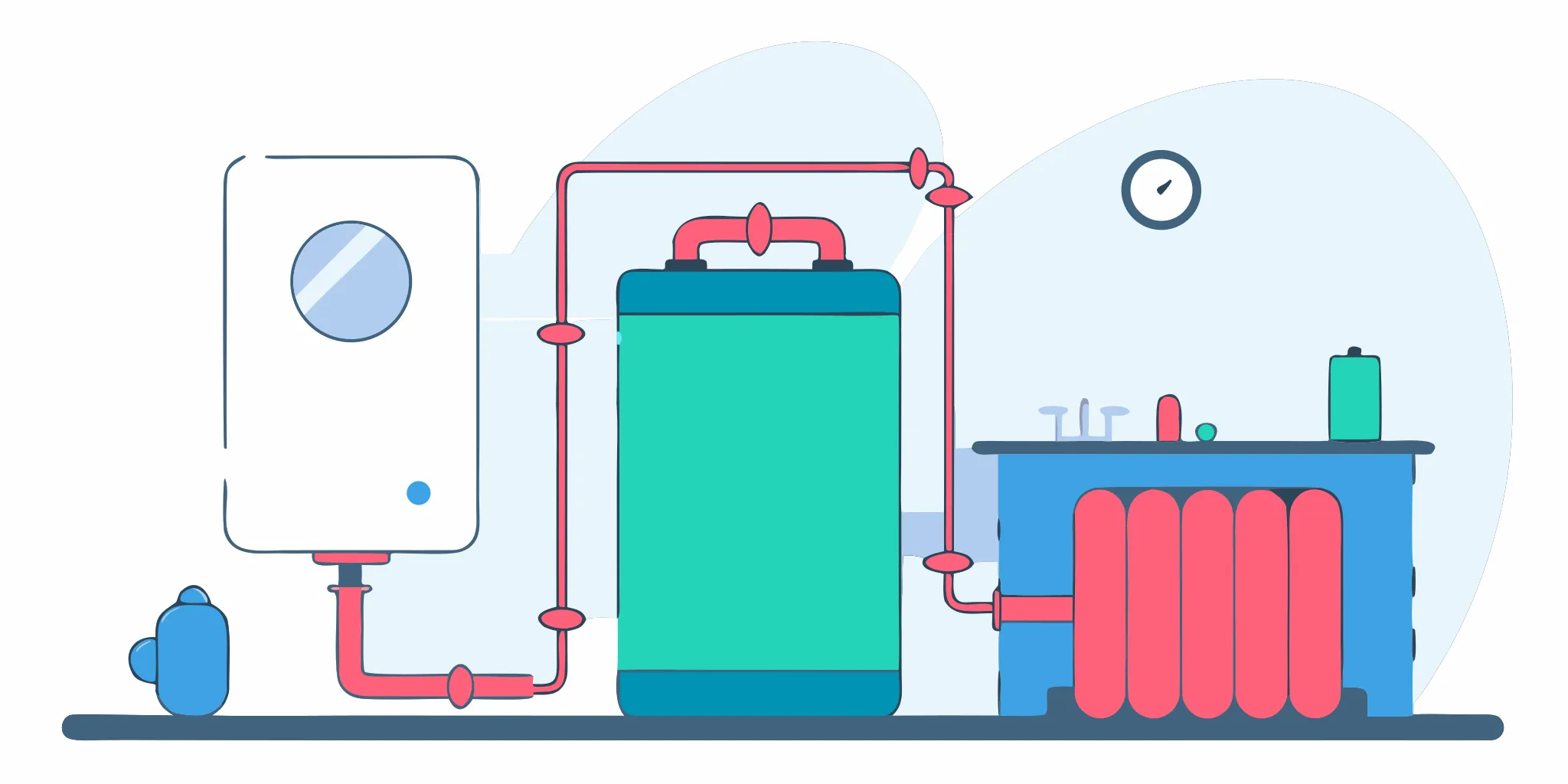
A completed tankless water heater install with the unit mounted and connected to plumbing.
Back to Blog
InsightsJune 26, 2026

How to Do a Tankless Water Heater Install

Get step-by-step tips for a safe, efficient tankless water heater install, plus expert advice on sizing, permits, and maintenance for your home.

Here on the Space Coast, our homes face unique challenges, and our water is one of them. The hard water common in Florida can be tough on appliances, and tankless water heaters are no exception. Mineral buildup can reduce efficiency and shorten your unit’s lifespan if not addressed from the very beginning. That’s why a successful tankless water heater install in our area requires more than just general knowledge; it demands a local understanding. This guide is tailored for Florida homeowners, covering everything from choosing the right size unit to factoring in our water quality and scheduling the maintenance needed to keep it running smoothly. ## Key Takeaways * **Plan for major system upgrades**: Switching to a tankless water heater is more than a simple appliance swap; gas models often need a larger gas line and new venting, while electric models require significant electrical panel and wiring upgrades to handle their high power demand. * **[Professional installation is the safest choice](https://spacecoastcooling.com/plumbing-services/water-heater-installation-replacement/)**: This project involves complex gas, plumbing, and high-voltage electrical work that must meet strict safety codes, so hiring a licensed professional is the best way to protect your home, keep your warranty valid, and guarantee performance. * **Commit to annual maintenance**: To get the most out of your investment, you need to perform regular maintenance, which in Florida means descaling your unit at least once a year to remove mineral buildup from hard water, keeping it efficient and preventing long-term damage. ## How Do Tankless Water Heaters Work? If you’ve ever been the last one in the family to get a shower, you know the pain of running out of hot water. A tankless water heater, also known as an on-demand water heater, solves that problem. Instead of storing and constantly reheating a large tank of water, it heats water exactly when you need it. When you turn on a hot water tap, cold water flows through the unit, a sensor activates a powerful heating element (either gas or electric), and you get a continuous supply of hot water. Think of it as making a fresh cup of coffee on demand instead of letting a whole pot get stale. ### Tank vs. Tankless: What's the Difference? The most obvious difference is the big, bulky tank you’re used to seeing in a garage or closet. A traditional tank heater holds 40 to 50 gallons of water and works to keep it hot 24/7, which uses energy even when you’re not home. A tankless unit is a compact, wall-mounted box that only uses energy when you turn on the faucet. This on-demand system means you get an endless supply of hot water, though it’s important to note that the flow rate is limited. You might not be able to run two showers and the dishwasher all at once. However, tankless heaters can last over 20 years, often double the lifespan of a tank model. ### Gas vs. Electric Models Choosing between a gas or electric tankless heater often comes down to your home’s existing utilities and your budget. Gas models are powerful and efficient but have more complex installation needs. They require a dedicated gas line, an electrical connection for the controls, and proper venting to the outside for safety. Sometimes, your existing gas line may need to be upgraded to a larger size to handle the demand. Electric models are simpler to install since they don’t need venting, but they have very high electrical power requirements. You’ll likely need a licensed electrician to run heavy-duty wiring and potentially upgrade your home’s electrical panel to support it. ### The Perks of Going Tankless The benefits of switching to a tankless water heater are pretty compelling. First, you’ll save a lot of space. These compact units free up valuable closet or garage real estate. Second is the energy savings. Because they only heat water when you need it, these on-demand systems are significantly more efficient. The [Department of Energy](https://www.energy.gov/energysaver/tankless-or-demand-type-water-heaters) finds they can be 24% to 34% more energy-efficient than conventional storage tank heaters for homes that use 41 gallons or less of hot water daily. Finally, there’s the convenience of endless hot water and the peace of mind that comes with a long-lasting, reliable appliance. With proper maintenance, your tankless heater will provide consistent performance for decades. ## Plan Your Tankless Water Heater Installation Before you even think about touching a pipe or wire, a little planning will save you a lot of headaches. A successful tankless water heater installation is all about preparation. Getting the details right from the start ensures your new unit will work efficiently and safely for years to come. It’s not just about picking a model off the shelf; it’s about choosing the right unit for your family, finding the perfect spot for it in your home, and understanding the specific needs of our Florida environment. Taking the time to map out these key factors will make the entire process smoother, whether you’re tackling parts of it yourself or handing the job over to a professional. Think of it as creating a blueprint for endless hot water. From sizing the unit to pulling the right permits, each step is a crucial piece of the puzzle. Let’s walk through what you need to consider to get your project started on the right foot. ### Find the Right Size for Your Home Choosing the right size is the most critical decision you'll make. If your unit is too small, you’ll get lukewarm showers the minute someone starts the dishwasher. If it’s too big, you’ve spent more money than you needed to. Sizing is based on two things: the flow rate you need and the required temperature rise. Flow rate is the maximum amount of hot water you might use at one time, measured in gallons per minute (GPM). Think about your busiest moments. Could you have two showers, the dishwasher, and a sink running at once? Add up the GPM for each fixture to find your peak demand. A good sizing calculator can help with the math. It’s always smart to choose a unit that’s slightly bigger than your estimate so you’re never caught without enough hot water. ### Choose the Best Installation Spot Because tankless water heaters are so compact, you have more flexibility with where to put them. The ideal spot is close to the fixtures you use most, like your kitchen or master bathroom, to reduce the wait time for hot water. You’ll also need to think about the unit’s specific requirements. It needs to be installed on a sturdy wall with enough clearance on all sides for safety and future maintenance. If you’re installing a gas model, it absolutely must have access to proper ventilation to safely expel exhaust fumes. You should also keep it in a location that’s protected from the elements and has clean air, free from dust or corrosive fumes that could damage the internal components. ### Factor in Florida's Water Quality Here on the Space Coast, we have what’s known as “hard water,” which is full of minerals like calcium and magnesium. While it’s safe to drink, these minerals can cause problems for your plumbing and appliances. For a tankless water heater, hard water can lead to scale buildup inside the unit’s narrow pipes. Over time, this mineral scale reduces efficiency, restricts water flow, and can ultimately shorten the heater’s lifespan. To protect your investment, it’s essential to [descale your tankless heater](https://www.youtube.com/watch?v=i2b8sI3g2d4) annually. For an even better long-term solution, consider installing a whole-home water softener to treat the water before it ever reaches your heater. ### Understand Local Permit Requirements Installing a new water heater, especially a gas model, isn’t a simple appliance swap. It’s a major plumbing and electrical project that requires a permit from your local building department. In our area, you’ll likely need to work with Brevard County Planning & Development to ensure everything is up to code. A permit ensures that a qualified inspector will review the installation to confirm it’s done correctly and safely. This step is crucial for your family’s safety, your homeowner’s insurance, and your home’s resale value. Skipping it can lead to serious risks and major fines. When you work with a licensed plumber, they handle the entire permitting and inspection process for you, giving you total peace of mind. ## Gather Your Tools and Materials Before you start turning wrenches, it’s important to understand that this project is about more than just the heater itself. A successful tankless water heater installation depends on having the right infrastructure in place. Both gas and electric models have specific, high-demand needs that your home’s current systems might not be equipped to handle. Getting your materials and system requirements sorted out first will save you a lot of headaches later. Think of it as creating a complete shopping list, not just for the unit, but for your home’s plumbing, venting, and electrical systems. Here’s a breakdown of what you’ll need to consider for each type. ### For Gas Models If you’re installing a gas model, your primary focus will be on the gas line and the venting. Gas tankless heaters use a lot of fuel to heat water instantly, which means they often need a larger gas supply than a traditional tank heater. You might need to make your gas line bigger, often upgrading from a ½-inch to a ¾-inch pipe to handle the heater's power. You’ll also need to plan for proper ventilation. Gas heaters need special, sealed [vent pipes](https://www.iccsafe.org/products-and-services/i-codes/2021-i-codes/ifgc/), typically made of stainless steel, to safely send exhaust fumes outside. This is a critical safety step to prevent carbon monoxide from entering your home. ### For Electric Models With an electric tankless heater, the project is all about power. These units draw a significant amount of electricity, and your home’s electrical system must be up to the task. You will likely need to [upgrade your electrical panel](https://www.hotwater.com/info-center/tankless-water-heater-installation-guide.html), circuit breakers, and wiring because electric tankless heaters use so much power. An electric heater almost always requires one or more dedicated, high-amperage circuits. This isn’t a simple plug-and-play appliance; connecting it to an existing circuit is not an option and creates a serious fire risk. Always check the manufacturer’s specifications to understand the exact amperage and wiring your new unit requires. ## How to Install a Tankless Water Heater: A Step-by-Step Guide Installing a tankless water heater is a significant upgrade, but it’s also a complex project that involves plumbing, electrical, and even gas line work. While it might seem like a tempting DIY job, getting it right requires precision and a deep understanding of local building codes. This guide breaks down the essential steps, but remember that for your safety and the longevity of your new heater, this is one project where calling a professional is almost always the best move. ### Step 1: Shut Off Utilities Before you touch a single pipe or wire, your first priority is safety. You’ll need to completely shut off the water, gas, and electricity connected to your old unit. Start by turning off the main water supply to your home to prevent any flooding. Next, head to your electrical panel and switch off the breaker that powers your current water heater. If you have a gas model, find the dedicated shutoff valve on the gas line leading to the heater and turn it to the off position. According to the American Red Cross, knowing how to safely shut off your utilities is a critical skill for any homeowner. ### Step 2: Remove Your Old Water Heater With the utilities off, you can begin removing your old tank-style heater. First, you’ll need to drain the tank completely. Connect a garden hose to the drain valve at the bottom of the tank and run the other end outside or to a floor drain. Open the valve and a nearby hot water faucet to let air in, which helps the tank drain faster. Once it’s empty, disconnect the water lines, the gas or electrical connections, and the vent pipe. These old tanks are heavy and awkward, so be prepared to ask for help when it’s time to move it out of the way. ### Step 3: Mount the New Unit Unlike bulky tanks, tankless heaters are compact and mount directly to the wall. Find a suitable spot that provides the manufacturer-required clearances on all sides for proper airflow and future maintenance. Use the mounting template included with your unit to mark the drill holes. It’s essential to anchor the heater directly into wall studs to ensure it’s secure. If studs aren’t available in the ideal location, you’ll need to install a piece of plywood across the studs first, then mount the heater to the plywood. Make sure the unit is perfectly level before tightening the screws. ### Step 4: Connect the Water Lines Now it’s time to hook up the plumbing. Connect the cold water inlet and hot water outlet on the unit to your home’s water lines. It’s a great idea to install a set of service valves, which will make it much easier to flush your tankless heater for routine maintenance. Use thread sealant on all threaded connections to create a watertight seal, but be careful not to overtighten the fittings, as this can damage them. Double-check that your hot and cold lines are connected to the correct ports on the unit to avoid any issues. ### Step 5: Hook Up Gas or Electrical Lines This is the most technical part of the installation and where mistakes can be dangerous. For an electric model, you’ll need to run heavy-gauge wiring from new, dedicated breakers in your electrical panel to the unit. For a gas model, you must connect the gas line, which often needs to be a larger diameter than the one used for your old tank heater. You’ll also need to install a sediment trap on the gas line just before the unit. Due to the risks of fire, gas leaks, and electrical shock, we strongly recommend leaving this step to a licensed plumber or electrician. ### Step 6: Install the Venting (For Gas Models) If you have a gas tankless heater, it needs a special venting system to safely expel exhaust fumes. You cannot reuse the old metal vent from your tank-style heater. Most high-efficiency tankless units require Category III or IV stainless steel or PVC venting, depending on the model. The vent pipe must be installed with a specific slope to allow condensation to drain properly, and all joints must be sealed according to the manufacturer’s instructions. Improper venting is a serious hazard that can lead to carbon monoxide exposure, so follow the manual to the letter. ### Step 7: Test Your New Heater You’re in the home stretch. With everything connected, it’s time to test your work. Slowly turn the main water supply back on and open the service valves on the unit. Go inside and turn on a few hot water faucets to let all the air bleed out of the pipes. While the water is running, carefully inspect every plumbing connection you made for leaks. Once you’re certain there are no leaks and the water is flowing smoothly, you can turn the electricity or gas back on. Set your desired water temperature on the unit and enjoy that first stream of endless hot water. ## Gas vs. Electric: Key Installation Differences Choosing between a gas and an electric tankless water heater is just the first step. The installation process for each is quite different, and it’s rarely a simple swap. While both give you that glorious, endless hot water, the paths to get there involve distinct utility requirements. Understanding these differences is key to planning your project, budgeting accurately, and knowing when to call in a professional. For gas models, you’ll need to think about gas lines and venting. For electric units, the focus shifts entirely to your home’s electrical capacity. High-efficiency gas heaters also introduce another element: condensate drainage. These aren’t minor details; they often involve significant upgrades to your home’s existing systems. A successful installation depends on getting these foundational pieces right to ensure your new heater runs safely and efficiently for years. Before you begin, it's helpful to understand the [types of fuel](https://www.energy.gov/energysaver/water-heating/tankless-or-demand-type-water-heaters) and how they work to power these units. Getting this part wrong can lead to poor performance or even create unsafe living conditions, which is why many homeowners along the Space Coast trust a licensed plumber for the job. ### Gas Line and Venting Needs A gas tankless heater needs a lot of fuel, fast. To heat water instantly, it uses a higher volume of natural gas or propane than a traditional tank-style heater. This almost always means you’ll need to upgrade your gas line to a larger diameter, often 3/4-inch, sometimes all the way from the meter. This ensures the unit isn’t starved for fuel, which would cause it to perform poorly or shut down. Additionally, all that combustion creates exhaust fumes that must be vented safely outside your home. You can't reuse the old vent from a tank heater. Tankless units require specific, sealed venting materials, like stainless steel or PVC, to prevent dangerous carbon monoxide leaks. This is a critical safety step that requires precision and knowledge of local building codes. ### Electrical Panel and Wiring Needs Electric tankless water heaters are power-hungry. While they don’t need venting, they place a heavy demand on your home’s electrical system. A single whole-house unit can draw over 120 amps, which is more than many older electrical panels are equipped to handle. To put it in perspective, that’s like running multiple large appliances at the same time. This means your installation will likely require a licensed electrician to run new, heavy-gauge wiring and add one or more dedicated double-pole breakers to your panel. In some cases, you may even need to upgrade your entire electrical panel to support the additional load. This is not a simple DIY task; incorrect wiring is a serious fire hazard. ### Condensate Drains for Gas Heaters If you choose a high-efficiency condensing gas model, you’ll have one more installation step to plan for: a condensate drain. These units are so efficient because they capture extra heat from the exhaust gas, which causes water vapor to condense into liquid. This slightly acidic water needs a place to go. Your plumber will need to run a drain line from the heater to a nearby floor drain, utility sink, or an outside location. If a simple gravity drain isn’t an option, a small condensate pump can be installed to move the water where it needs to go. To protect your home’s pipes from corrosion over time, it’s also a good idea to install a neutralizer kit that treats the condensate before it enters your drain system. ## Common Installation Mistakes to Avoid Switching to a tankless water heater is an exciting upgrade for your home, but the installation is more complex than it might seem. Getting it wrong can lead to more than just a cold shower; it can create safety risks and expensive repairs down the road. A successful installation means paying close attention to the details, from the gas lines to the warranty paperwork. Knowing the common pitfalls is the first step to ensuring your new heater works perfectly from day one. Here are some of the most frequent mistakes we see and how you can avoid them. ### Undersizing Your Gas Line or Electrical Panel Tankless water heaters are powerhouses, and they need the fuel to match. Unlike tank models that heat water slowly, on-demand units require a large burst of energy. For a gas heater, this means it needs a much higher gas flow. You will likely need to [upgrade to a larger gas line](https://www.hotwater.com/info-center/tankless-water-heater-installation-guide.html) (often 3/4-inch) to supply enough fuel. An undersized line will "starve" the heater, preventing it from reaching its target temperature. Similarly, electric models have a significant electrical draw. A whole-house unit can require 120 amps or more, which is far more than most electrical panels are set up for. This often means installing new, thicker wiring and larger circuit breakers to handle the load safely. ### Using Incorrect or Old Venting If you're installing a gas model, you absolutely cannot reuse the vent from your old tank-style water heater. Most modern tankless units are high-efficiency condensing appliances that produce a cooler, acidic exhaust. This exhaust will corrode and destroy old metal vents (called B-vents), leading to dangerous leaks. These units require special venting, typically made of PVC or stainless steel, that is sealed airtight. The new vent is often run horizontally through an exterior wall instead of vertically through the roof. Following the manufacturer's [specific venting instructions](https://www.eccotemp.com/blog/tankless-water-heater-installation-checklist-623147/) is critical for safely removing harmful gases like carbon monoxide from your home. ### Skipping Permits and Inspections It can be tempting to skip the paperwork, but installing a new water heater is not a project to fly under the radar with. In Brevard County and its communities, a building permit is almost always required for this type of work. The permit process ensures that the installation is performed correctly and meets all local safety codes for plumbing, gas, and electrical systems. After the work is done, an inspector will come to your home to verify that everything is up to code. This isn't just red tape; it's a crucial step that protects your home, your family, and your insurance coverage. A licensed plumber will handle the entire permitting and inspection process for you. ### Ignoring the Manual (and Voiding Your Warranty) Every tankless water heater model has its own unique installation requirements. The owner's manual is your single most important guide, containing specific instructions on everything from mounting the unit to connecting the water lines and setting the temperature. Manufacturers put these details in writing for a reason: failing to follow them can lead to poor performance, system failure, or even dangerous operating conditions. More importantly, improper installation is one of the fastest ways to void your warranty. If something goes wrong later, the manufacturer can deny your claim if they find the unit wasn't installed according to their exact specifications. ### Choosing the Wrong Size for Your Family When it comes to tankless water heaters, "size" isn't about the unit's physical dimensions; it's about its flow rate, measured in gallons per minute (GPM). Choosing a unit that's too small for your household is a classic mistake. While it might handle one shower just fine, it won't be able to keep up if someone else starts the dishwasher or a load of laundry. You'll be left with lukewarm water and frustration. A professional can help you calculate the right size by considering how many fixtures you have and your family's peak hot water usage, ensuring you always have enough for your needs. ## DIY vs. Pro Installation: What's Right for You? I get it—the satisfaction of completing a home project yourself is huge, and saving a little money is always a plus. When it comes to installing a tankless water heater, though, the decision between DIY and calling a professional is about more than just the initial cost. It’s a choice that impacts your home’s safety, the unit’s performance, and your warranty. This isn't like painting a room or changing a light fixture; it involves complex systems that need to be handled with expertise. Let's break down what makes sense for you so you can make a confident decision. ### When to DIY Let’s be direct: installing a tankless water heater is not a typical weekend DIY project. Unlike swapping out a faucet, this job involves intricate gas or high-voltage electrical connections, precise venting, and specific plumbing adjustments that differ significantly from a standard tank heater. If you aren't a licensed professional yourself with daily experience in this exact type of work, this is a project to leave to the experts. It's incredibly easy to get in over your head, as even small mistakes can lead to big problems like voiding your warranty or, far worse, creating a serious safety hazard for your family. ### When to Call a Licensed Plumber For just about every homeowner, this is the right call. Hiring a licensed plumber isn't just about convenience; it's about ensuring the job is done safely and correctly from start to finish. A professional handles all the critical details you might miss, like making sure your gas line is properly sized or that your electrical panel can handle the load. They are trained to follow all local and national codes, which is essential for passing inspections and keeping your home safe from dangers like gas leaks or electrical fires. Plus, most manufacturers require professional installation to keep your [warranty valid](https://www.hotwater.com/info-center/tankless-water-heater-installation-guide.html). Think of it as an investment in peace of mind and the long-term health of your new, efficient water heater. ## Essential Safety Precautions Installing a new appliance is always a little nerve-wracking, but when you’re working with gas, high-voltage electricity, and plumbing, safety has to be your top priority. These aren't steps you can skim over. Getting these precautions right protects your home, your family, and your new investment. Let’s walk through the most important safety checks you absolutely must perform during your installation. ### Check for Gas Leaks and CO Risks If you’re installing a gas model, you’re dealing with two major risks: gas leaks and carbon monoxide (CO). A gas leak can lead to a fire, while improper venting can cause deadly CO to build up inside your home. After connecting the gas line, you must check every connection for leaks. You can do this with a solution of soapy water; just apply it to the fittings and watch for bubbles. More importantly, you need to ensure your venting is installed perfectly to direct exhaust fumes outside. Because carbon monoxide is invisible and odorless, having working CO detectors near sleeping areas and on every level of your home is non-negotiable. ### Follow Electrical Grounding and Circuit Rules Electric tankless heaters are power-hungry, and your home’s electrical system needs to be ready for the demand. Most models require their own dedicated circuit with a specific amperage, so you can’t just plug it into any old outlet. You’ll need to confirm your breaker panel can handle the extra load without tripping constantly or creating a fire hazard. Proper electrical grounding is also crucial to prevent the risk of electric shock. If you’re not completely comfortable working inside your home’s main electrical panel, this is a clear sign to stop and call a licensed professional. It’s simply not worth the risk to guess. ### Set a Safe Water Temperature One of the best things about tankless water heaters is instant hot water, but that power needs to be managed to prevent scalding. Many experts recommend setting your water heater to no higher than 120°F to keep everyone safe, especially children and older adults. For an extra layer of protection, you can install a thermostatic mixing valve, which automatically blends hot and cold water to ensure a consistent and [safe temperature at the faucet](https://www.cpsc.gov/s3fs-public/5008.pdf). Once everything is connected, turn on the hot water at a few faucets and let them run for a few minutes. This purges any air from the pipes, preventing sputtering and ensuring a smooth flow from day one. ## Maintain Your New Tankless Water Heater You’ve just installed your new tankless water heater, and that’s fantastic. To make sure it keeps delivering that endless hot water efficiently for years to come, a little routine maintenance goes a long way. Think of it like changing the oil in your car; these simple steps protect your investment and prevent small issues from turning into big headaches. The main tasks involve flushing out mineral buildup, cleaning the inlet water filter, and having a professional give it a once-over every year. Here in Florida, our water can be particularly hard, making these maintenance steps even more critical for preventing scale and keeping your unit running smoothly. That white, chalky residue you sometimes see on faucets? That’s limescale, and it can build up inside your heater’s narrow pipes, forcing it to work much harder to heat your water. This not only shortens the unit's lifespan but also drives up your energy bills. By staying on top of a simple maintenance schedule, you ensure your heater operates at peak performance, saves you money, and continues to be a reliable source of hot water for your family. It’s a small commitment that pays off big time in the long run. ### Flush and Descale It Regularly Florida's water is rich in minerals, which is great for our landscape but not so great for our plumbing. Over time, these minerals can build up inside your tankless heater as limescale, forcing it to work harder and reducing its efficiency. To prevent this, you should flush and descale your unit regularly, ideally every six to twelve months. You can find a [descaling kit](https://www.eccotemp.com/blog/tankless-water-heater-installation-checklist-623147/) at most home improvement stores, which includes a solution that dissolves the buildup. This simple process keeps the internal pathways clear, ensuring you get consistent, hot water without wasting energy. ### Clean the Water Filter Your tankless water heater has a small filter on the water inlet designed to catch sediment and debris before it enters the unit. If this filter gets clogged, it can restrict water flow, leading to lower water pressure and making your heater less effective. Checking and cleaning this filter is a quick and easy job you can do yourself. Consult your owner’s manual to find its exact location and follow the instructions for removal and cleaning. Usually, a simple rinse under the tap is all it takes to clear it out. Making this a regular part of your maintenance routine helps protect the delicate components inside your heater. ### Schedule an Annual Professional Inspection While DIY tasks are helpful, nothing replaces an annual check-up from a [qualified professional](https://www.hotwater.com/info-center/tankless-water-heater-installation-guide.html). A licensed technician can spot potential issues you might miss, check gas pressures and electrical connections for safety, and ensure your unit is running at peak efficiency. This is also a great time to ask questions and confirm everything is up to local code. At Space Coast Cooling & Plumbing, our certified technicians are trained to service all major tankless water heater brands. An annual inspection gives you peace of mind, knowing your system is safe, reliable, and ready to provide hot water whenever you need it. ## Need a Hand? Why Call Space Coast Cooling & Plumbing After reading through the steps, you might feel that installing a tankless water heater is a bit more involved than you first thought. That’s completely understandable. It’s a complex project with very little room for error, and this is one of those jobs where calling a professional is the smartest and safest move you can make for your home and family. The most important reason comes down to safety. Working with gas lines or high-voltage electrical circuits requires specialized knowledge and tools. A small mistake, like an improperly sealed gas fitting or incorrect wiring, can create serious hazards, including gas leaks, fire, or carbon monoxide exposure. Our licensed plumbers are trained to handle these connections safely, following strict protocols to ensure every installation is secure and gives you complete peace of mind. Beyond safety, a professional installation guarantees your new heater works as efficiently as it should. We’ll make sure you have the right size unit for your family’s needs and that your home’s infrastructure can support it. Plus, many manufacturers will void their warranty if the unit isn’t installed by a licensed professional. Our expert tankless water heater installation protects your investment and ensures you get the energy savings you expect. We also handle all the local permits and inspections, so you don’t have to worry about navigating Brevard County’s building codes. With our upfront pricing and commitment to getting the job done right, you can enjoy endless hot water without the headache. ## Related Articles * [Expert Water Heater Installation & Replacement Cocoa, FL](https://spacecoastcooling.com/plumbing-services/water-heater-installation-replacement/) * [Can a Water Heater Cause Low Water Pressure in Your Home?](https://spacecoastcooling.com/can-a-water-heater-cause-low-water-pressure/) * [Professional Water Heater Repair Cocoa, FL](https://spacecoastcooling.com/plumbing-services/water-heater-repair/) * [Blog | Space Coast Cooling & Plumbing, Inc.](https://spacecoastcooling.com/blog/) ## [Frequently Asked Questions](https://spacecoastcooling.com/faq/) **How much more expensive is a tankless water heater than a traditional one?** It’s true that the upfront cost for a tankless unit and its installation is higher than a standard tank heater. However, it’s better to think of it as a long-term investment. You’ll see savings on your energy bills every month because the unit only heats water when you need it. Plus, since tankless heaters can last twice as long as tank models, you won’t have to worry about replacing them nearly as often. **Will I really have to wait for hot water?** A tankless heater provides hot water "on demand," but it doesn't make it appear instantly at your faucet. The water still has to travel from the heater through your pipes to get to you. The wait time is usually about the same as you experience with a tank heater. The big difference is that once the hot water arrives, it will not run out. **Can I really not run the shower and the dishwasher at the same time?** This is a common concern, but it’s usually a sign of an improperly sized unit. A tankless heater that is correctly sized for your home and family’s needs can absolutely handle running multiple fixtures at once. This is why working with a professional is so important. We can calculate your home's peak hot water demand to make sure you choose a model that can keep up with your busiest moments. **How often do I really need to get it serviced?** Because we have such hard water here on the Space Coast, we recommend flushing your tankless heater once a year. This simple maintenance step removes the mineral buildup that can reduce efficiency and shorten the unit's life. While you can buy kits to do it yourself, having a professional handle it annually ensures it’s done correctly and gives us a chance to check that everything is running safely. **Do I have to install a water softener with my new tankless heater?** You don't have to, but it's a very smart move. A whole-home water softener treats the hard water before it even gets to your heater, which drastically reduces the scale buildup that can cause damage. While it's an additional investment, it protects your new heater, helps it run more efficiently, and can even extend its lifespan, saving you money on maintenance and repairs in the long run.
Available 24/7

Call the Experts that Local Homeowners Rely On

When you need home services, you want answers you can trust and work you can count on. Space Coast Cooling & Plumbing is the plumbing and HVAC company in Cocoa, FL, that brings decades of local experience, licensed professionals, and customer-first service to every job. One call connects you with a team ready to help.

Licensed & InsuredServing Cocoa Since 1994Honest, Upfront PricingSame-Day Service Available