
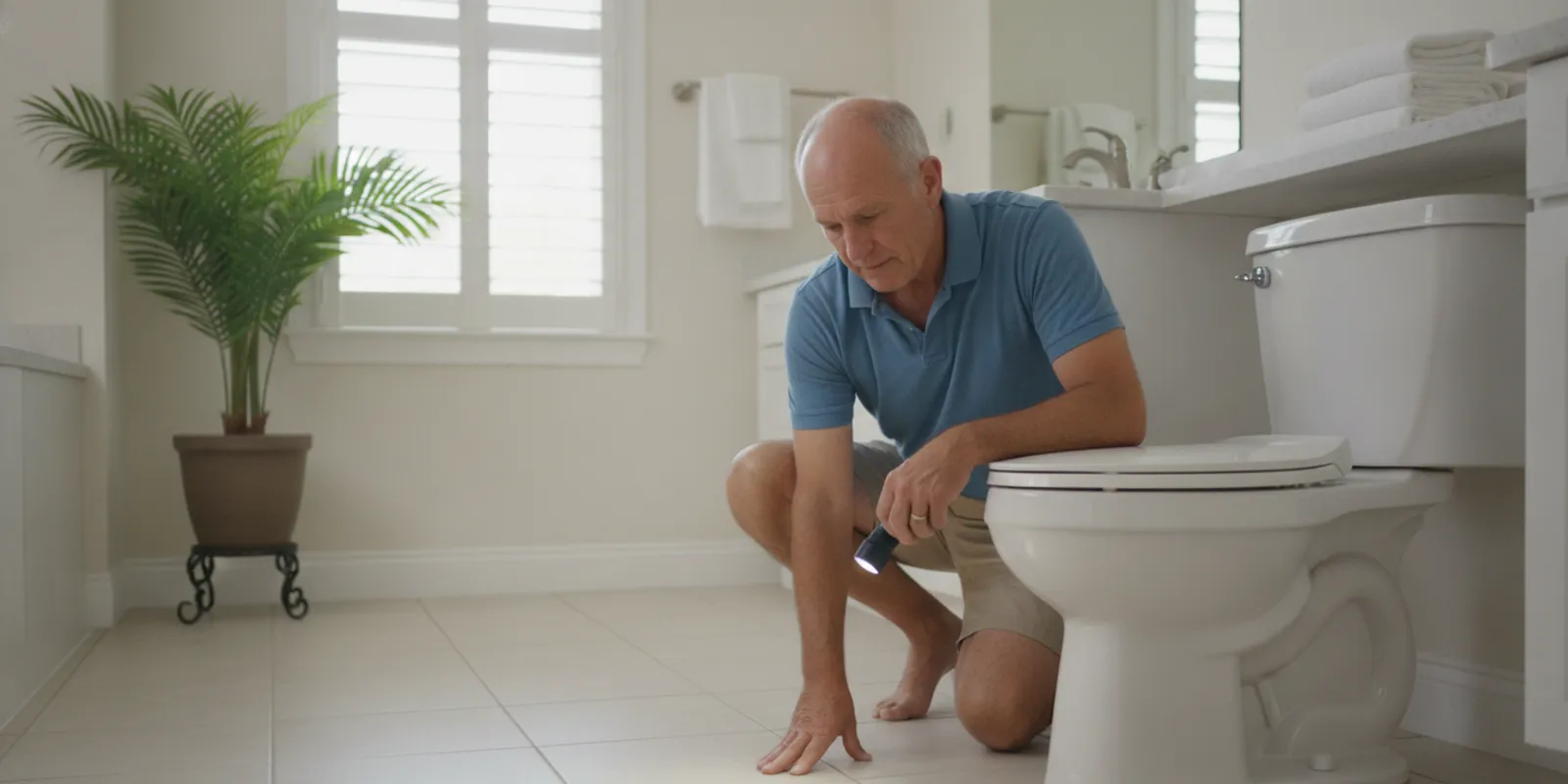
Toilet bowl repair may be needed when you notice a crack, water around the base, a slow drain, or a flush that does not clear the bowl. These symptoms can come from different parts of the toilet or drain, so the safest first step is to identify what you see without repeatedly flushing or taking the fixture apart. If the porcelain is cracked or water is escaping onto the floor, stop using the toilet and arrange an assessment.
What can cause a toilet bowl problem?
The bowl is the visible part of a connected system. A symptom that appears to come from the bowl may originate in the tank, the toilet's connection to the drain, a water supply fitting, or a blockage farther down the drain. Noting the exact location and timing of the problem can help distinguish among these possibilities.
- A crack in the porcelain: An impact, stress, or damage that was not immediately noticed can leave a crack in the bowl. If water escapes through it, continued use can wet the floor and the surrounding materials. A surface patch does not restore the fixture's original integrity.
- Water around the base: A leak near the floor can involve the connection beneath the toilet, a supply fitting, or water running down from another part of the fixture. Condensation, cleaning water, or a splash can look similar at first.
- A slow drain or rising water: A partial obstruction may slow the bowl's drainage. Repeated flushing can add water faster than it drains and lead to an overflow.
- A weak or incomplete flush: The bowl may not clear because of a partial obstruction or because the tank is not delivering a normal flush. The symptom alone does not confirm that the bowl itself is damaged.
- Water that keeps moving after a flush: A toilet that continues to run often has a tank or flushing-mechanism issue rather than a bowl defect. See our guide to a toilet that keeps running for that separate symptom.
Think about whether the issue occurs every time or only occasionally. For example, a slow bowl that clears normally after one careful plunge may have a different cause from a bowl that repeatedly rises, gurgles, and drains slowly. Water that appears only after a flush is also useful to report, but it does not identify the leak source by itself.
How can the symptom pattern help narrow the issue?
Record what happens before and after a normal use, but do not run extra flushes to collect evidence. If water shows up at the floor only after a flush, note that timing and the exact side of the toilet where it appears. If the tank or supply line is wet before the toilet is used, say so. If the bowl water rises and then drops slowly, describe how long it takes and whether other drains make noise at the same time. These distinctions help a plumber decide what to examine first without asking you to dismantle anything.
Also note whether the bowl remains stable when it is not in use. A persistent puddle, a fresh drip, or moisture returning after the floor is dried calls for more caution than a one-time splash that does not return. A single observation cannot confirm the condition of a hidden connection, but a short timeline can prevent confusion between a toilet symptom and an unrelated spill. If you live with others, ask whether anyone noticed an overflow or used a cleaning product before the problem began; that context can matter during an assessment.
What can you safely check first?
Begin with a visual check, not a repair attempt. If the bowl has a visible crack, water is actively escaping, or wastewater is backing up, stop using the toilet. Keep children and pets away from standing water. If the bowl is overflowing, turn off the toilet's shutoff valve only if you can reach it safely. The valve is usually behind or beside the fixture; turn it clockwise gently and do not force a stuck valve.
- Look for the source before cleaning everything up. Note whether water is on the bowl, tank, supply line, floor, or wall. If the area is safe, use a towel to dry the outside and floor, then watch to see where moisture returns. A fresh line of water can be more informative than a wet floor alone.
- Check visible connections without loosening them. Look at the supply hose and its fittings for obvious dripping. Do not tighten a fitting aggressively or remove parts to test your theory. If water is near electrical equipment, keep out of the wet area and address that immediate safety risk first.
- Inspect the porcelain in good light. Look around the bowl and visible edges for a clear crack or chip. Do not press on a damaged area or keep using the fixture to see whether it leaks. A crack that is difficult to see can still warrant an assessment if water repeatedly appears.
- For a slow but not overflowing bowl, try one careful plunge. Use a toilet plunger with a flange designed to fit the outlet. Keep the cup submerged and use controlled strokes. Stop if the water rises, the bowl does not respond, or the clog returns quickly.
- Do not use chemical drain cleaner in the toilet. It may not clear the obstruction and can create a hazard if someone later works on the fixture. Do not mix cleaning products, either. If a plunger does not resolve a simple slow drain, stop and seek help.
- Do not patch a cracked bowl with household adhesive. A surface repair is not a dependable way to restore a fixture that holds water. Avoid using the toilet until it has been assessed.
These checks are meant to help you observe and reduce immediate risk, not to determine the concealed condition of a floor connection or drain. If you are unsure whether the water is from the toilet or nearby plumbing, a water leak assessment may help identify the source. For a recurring blockage, a plumber may need to examine the drain rather than repeatedly treating the bowl; learn more about professional drain cleaning.
When should you stop using the toilet?
Stop using the toilet and seek plumbing help if there is a visible crack, persistent water on the floor, an overflow risk, or wastewater coming back into the bowl. If the water is spreading, keep people away and avoid flushing again. A cracked fixture or active leak is not a good place to test a temporary fix. If more than one drain is backing up, mention that when you call because the problem may be beyond the toilet.
Some moisture is less urgent but still deserves attention. A cool tank can collect condensation in humid conditions. Dry it and check whether moisture returns evenly across the surface or appears as a drip from one connection. Water that forms a distinct trail, returns after the toilet is used, or gathers at the base should not be dismissed as ordinary condensation.
When wastewater is involved, avoid contact with it and clean-up attempts that could spread it. For general public information about water and wastewater protection, consult the U.S. Environmental Protection Agency. The link is a broad official resource, not a substitute for addressing an active backup or leak at home.
If the bowl is overflowing and the shutoff valve is accessible, close it gently and stop flushing. If the valve will not turn, do not force it. A plumber can help with urgent plumbing concerns through the company's emergency plumbing service.
How do common next steps compare?
The right response depends on the symptom and whether it is getting worse. This comparison is a triage guide, not a diagnosis. When a situation fits more than one row, follow the more cautious step.
| What you notice | Safe first response | When to arrange service |
|---|---|---|
| One slow flush, with water staying low | Try one careful plunge with a toilet plunger | If it does not clear, returns, or affects another drain |
| Water at the base or a recurring wet floor | Stop use, dry the area if safe, and observe where water returns | Promptly, especially if moisture keeps appearing |
| Visible crack or chip in the bowl | Do not use the toilet or apply a patch | Arrange an assessment; replacement may be needed |
| Rising bowl, overflow, or wastewater backup | Stop flushing; close the shutoff valve gently if safe | Urgently, especially if other drains are affected |
| Toilet runs after the flush but bowl is intact | Note whether water continues moving in the tank | If it persists or you are unsure; this may be a tank issue |
| Moisture on a cool tank, with no clear drip | Dry it and observe when moisture returns | If water forms a trail, drips, or appears at the base |
What may a plumber inspect?
A plumber can inspect the visible bowl and fixture for damage, check accessible supply connections, and look for signs that water is escaping near the floor. If the toilet is slow or repeatedly blocked, the plumber may assess whether the restriction is limited to the fixture or involves the drain. When other fixtures are affected, that information can change the investigation. A sewer camera inspection is one service that may be relevant when the concern appears to extend into a drain or sewer line.
The inspection helps distinguish a repairable part or connection from damage that calls for a different solution. A crack in the bowl is not like a loose handle: the bowl holds water, and a patch should not be presented as a reliable substitute for a sound fixture. Depending on what is found, the next step could involve work on the toilet, attention to the drain, or a replacement fixture.
Space Coast Cooling & Plumbing provides toilet installation and repair. If the problem turns out to involve another part of the home's plumbing, you can also review the company's broader plumbing services. An assessment should be based on the symptoms and the observed condition, rather than an assumption that every wet floor means the same repair.
How can you prepare for a service visit?
A few observations can make it easier to explain what is happening. You do not need to identify the failed part. Share the sequence of events and what changed, and avoid repeating a flush just to demonstrate a symptom if it could overflow.
- Describe when it started. Say whether the issue began suddenly, followed an overflow, or has happened intermittently for a while.
- Explain the pattern. Does water appear only after flushing, remain on the floor, or return after you dry the area? Does the bowl drain slowly every time or only occasionally?
- Mention other fixtures. Report whether a nearby sink, tub, or floor drain is also slow, gurgling, or backing up. That may help distinguish a toilet-only issue from a wider drain concern.
- Point out visible damage. Note any crack, chip, loose-looking part, or water trail. A photo taken before drying the area can help show where moisture appeared.
- Share what you already tried. Say whether you used a plunger or shut off the valve. Mention any chemical product used so the person assessing the fixture can take appropriate precautions.
- Make the area accessible. Keep a clear path to the toilet and avoid placing towels or objects where they could hide an ongoing leak.
If you want to confirm whether service is available in your community, check the company's Space Coast service areas. You can also review plumbing information for Melbourne or Palm Bay.
Contact Space Coast Cooling & Plumbing
Frequently Asked Questions
Can a cracked toilet bowl be repaired?
A cracked bowl can leak or worsen, and a household surface patch is not a dependable repair. Stop using the toilet and have the fixture assessed. Replacement may be the appropriate next step, depending on its condition.
Can I keep flushing a toilet that drains slowly?
Avoid repeated flushing because the bowl can rise and overflow. If the water is low and not rising, one careful attempt with a toilet plunger may be reasonable. If it does not clear or the problem returns, stop and arrange an assessment.
Does water around the base always mean the toilet bowl is cracked?
No. Water might come from a connection, the base, a nearby source, splashing, or condensation. Dry the area if it is safe and watch where moisture returns. If water continues to escape, do not keep using the toilet while trying to identify the source.
Does a running toilet mean the bowl needs repair?
Not necessarily. Continuous water movement after a flush often points to a tank or flushing issue rather than damage to the bowl. A plumber can inspect it if the problem persists or you cannot tell where the water is going.
Should I use drain cleaner for a toilet clog?
No. Chemical drain products may not clear the obstruction and can create a hazard for anyone who later works on the fixture. Use only a toilet plunger for a cautious first attempt, and stop if the bowl rises or the clog does not respond.
Get a clear next step
A toilet with a crack, recurring leak, repeated blockage, or rising water needs more than guesswork. Share what you observed, stop using the fixture when it may be unsafe, and arrange an assessment so the next step can be based on the actual condition.
For help assessing a cracked, leaking, or repeatedly blocked toilet, contact Space Coast Cooling & Plumbing and share the symptoms you observed.