
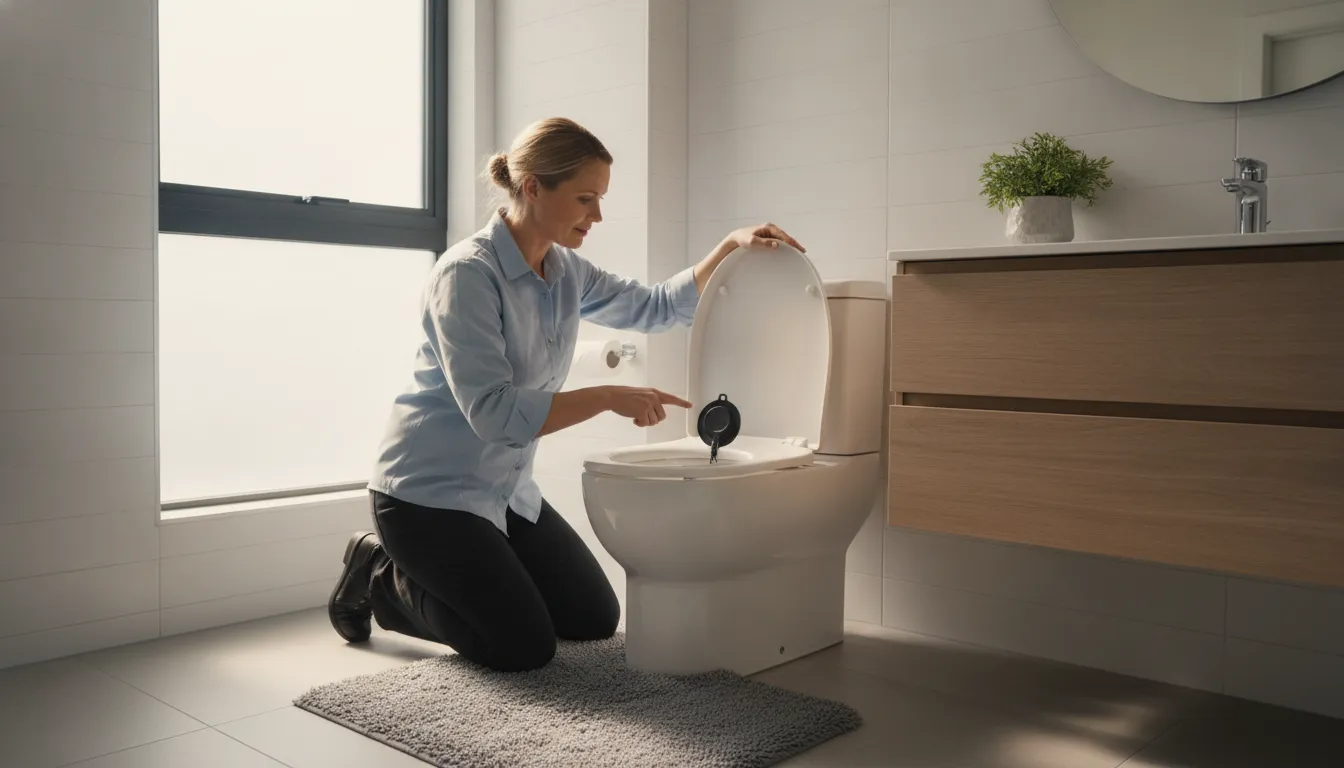
A loose toilet handle that does not drain the bowl signals a stressful household problem. Most families in Cocoa and Melbourne face this frustrating plumbing problem at least once. Our helpful plumbing services guide shows you how to find the cause before you call a pro.
Get prompt toilet help from Space Coast Cooling & Plumbing today and stop guessing at a weak flush.
A toilet not flushing is often caused by a clogged drain line, a low water level inside the tank, or a worn-out toilet flapper. Federal water experts state that a worn flapper causes toilets to leak silently, which wastes water and weakens your flushing power over time. You can test for this leak by putting food dye in your tank and checking if the color enters the bowl after ten minutes. If the dye leaks down, you should replace the old flapper with a new model that fits your specific toilet tank. Other times, you only need to untangle the lift chain, adjust the float, or clear a simple clog with a plunger.
To find the exact issue, we will walk you through the most common problems to restore your bathroom to normal. To help you find the right fix, we must look closer at the question: Why is your toilet not flushing properly? Here is how to check.
Why Is Your Toilet Not Flushing Properly?
A toilet not flushing is a common issue for homeowners. When your toilet fails to clear the bowl, finding the root cause is the first step to a fix. While many people assume a clog is the culprit, several tank parts can also cause this problem.
- A blockage in the waste line
- A worn toilet flapper
- Low water level inside the tank
- A tangled lift chain or loose flush handle
Main causes of flush failure
Most flush issues stem from either a block in the pipes or a part failure in the tank. If there is a block, waste cannot leave the bowl. If a tank part fails, water cannot enter the bowl with enough force to clear it. Per the EPA WaterSense guidelines, small leaks or worn parts can drain the tank and reduce flushing power.
Does a toilet not flushing always mean a clog?
No, a toilet not flushing does not always mean you have a clog. In fact, many flush failures are due to simple tank part problems inside the toilet tank. When the tank water level is too low, the toilet will not flush well. A worn flapper or a tangled lift chain can also stop water from rushing into the bowl.
How to restore your flush
Many tank fixes are easy to handle on your own, like adjusting the float or untangling a chain. But if these quick fixes do not work, you may need expert help. You can check our Plumbing Services guide to learn how we handle tricky toilet issues. Our local team is ready to find and fix the problem quickly.
Checking the Flapper: The Most Common Toilet Flush Problem
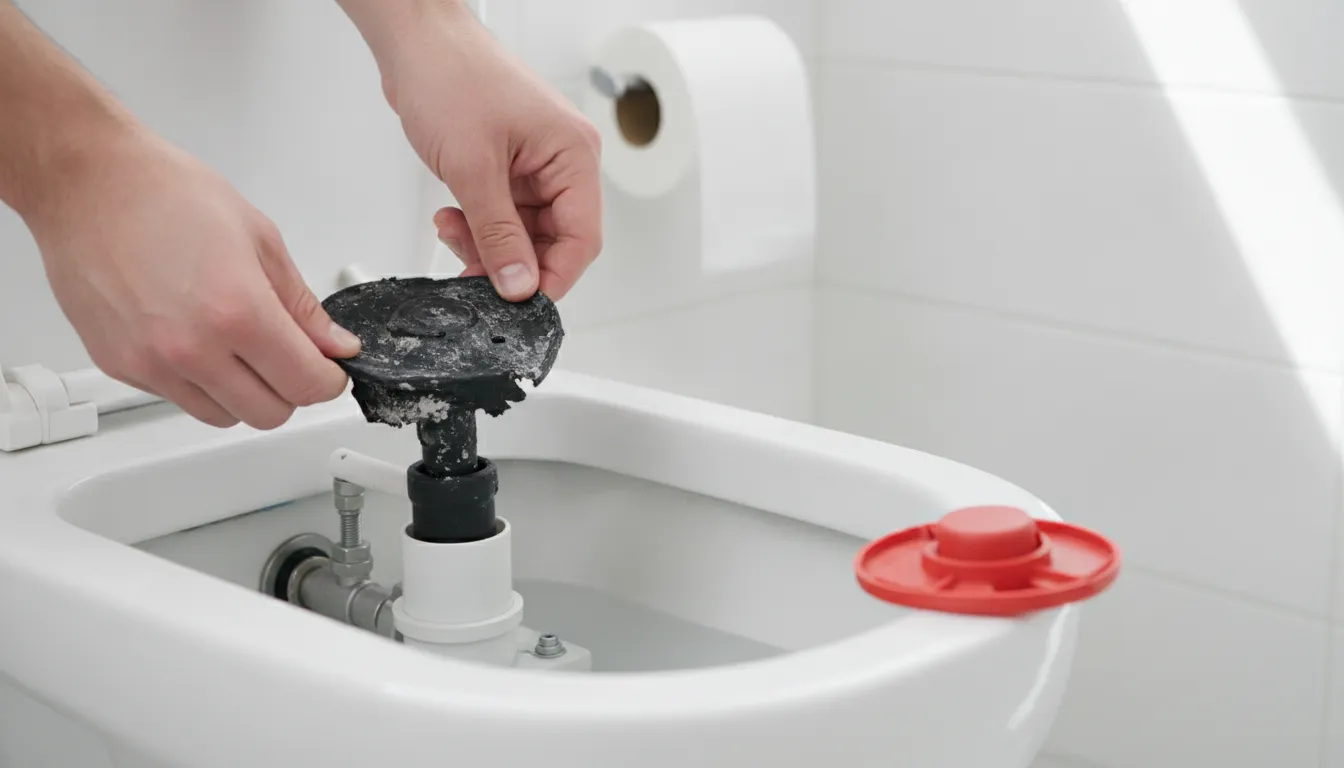
A toilet not flushing often has a very simple cause. In many cases, a bad tank flapper is the source of the trouble. The flapper is the round rubber seal at the bottom of your toilet tank. When you press the handle, the flapper lifts to let water rush into the bowl.
Over time, this rubber piece gets old and worn. It can warp, crack, or get stiff. When a flapper fails to seal, water leaks out of the tank. This leak prevents the tank from holding enough water for a strong flush.
If your toilet is not flushing well, you should check this part first. You can also get help from professional toilet repair services to fix it fast.
How do I check if my toilet flapper is damaged?
You cannot always see a flapper leak with your eyes. To find a silent leak, you can do a simple dye test at home. The Environmental Protection Agency suggests that you test your toilets every year.
Water seeping from the tank into the bowl down the sewer wastes a lot of water. If you see water moving in the bowl when the toilet is idle, the flapper is likely bad. You may also hear your toilet tank filling on its own when no one has used it. This phantom flushing is a clear sign that water is leaking past the seal.
Steps to test and replace a worn flapper
Testing and replacing a flapper is a quick task. You do not need complex tools to complete it. Follow these easy steps to find and fix the leak in your toilet tank:
- Add food dye: Drop several drops of food dye or a dye tablet into the back of your toilet tank.
- Wait ten minutes: Do not flush the toilet yet. Check the bowl after ten minutes to see if any color has leaked from the tank.
- Check the flapper: If color is in the bowl, turn off the water supply and drain the tank. Inspect the flapper for warping, cracking, or slime.
- Match your toilet model: Buy a new part. Make sure you match the exact size and type of the new flapper to your toilet model.
Water Level in the Tank: Why It Matters for Flushing Power
If you are dealing with a toilet not flushing correctly, the issue might be inside the tank. The tank holds the water needed to push waste down the drain. If there is not enough water, the flush will be weak and slow. This leaves waste behind in the bowl.
What should the water level be in my toilet tank?
You can check the water height easily. Take off the tank lid and look at the tall tube in the middle. This is the overflow tube. Under EPA water efficiency guidelines, the water should sit about one inch below the top of this tube. If the water is much lower than that, your toilet will lose its flushing power.
How to adjust your toilet float
Most low water problems come from a bad float adjustment. The float is the ball or cup that rises as the tank fills. When it gets to a set height, it shuts off the water. If the float is set too low, the fill valve shuts off before the tank has enough water.
To fix this, you need to adjust the float. If you have a metal rod with a ball float, turn the screw at the end of the rod. Turning it clockwise will raise the float. If your toilet uses a plastic cylinder float on a vertical rod, squeeze the clip and slide the float up. This will let more water fill the tank.
When to call a local plumber
Sometimes, adjusting the float does not fix the low water level. You might have a broken fill valve or a cracked overflow tube. If you cannot get the water to the right level, you may need a professional to find the cause. You can check our guide to plumbing repair costs to understand what a fix may cost before you call.
Clogged Toilet vs Partial Clog: How to Tell the Difference
When you have a toilet not flushing, the problem is often a block in the drain. Some blockages stop the water fully. Others let a small amount of water drain past over time. Knowing whether you have a full clog or a partial clog helps you choose the right fix. The table below compares the two so you can spot the difference quickly.
| Sign | Full Clog | Partial Clog |
|---|---|---|
| Flush result | Bowl fills to the rim and may overflow | Bowl fills, then water slowly drains |
| Water level | Stays high and does not lower | Returns to normal within an hour |
| Common signs | Solid block stops all flow | Gurgling in the wall, bubbles in the bowl |
| Best fix | Flange plunger, then professional help | Plunger; drain cleaning if it keeps returning |
Signs of a Full Clog
A full clog stops all water flow. If you try to flush, the bowl will fill to the brim and may spill over. The water level will not drop, even after you wait for an hour. This means a solid object is fully blocking the pipe. You should not try to flush again, or you will cause a messy flood.
How do I fix a toilet that fills with water but doesn't flush?
If the bowl fills but the toilet is not flushing, you should use a flange plunger. Unlike a flat sink cup, a flange plunger has a rubber fold that fits into the drain. This shape forms a tight seal to push and pull the block loose. Put the plunger in the drain, make sure it is wet, and press down firmly a few times. If plunging does not work, you may need emergency plumbing services to clear the pipe.
Signs of a Partial Clog
A partial clog is not the same because some water can still squeeze past the block. The bowl may fill up when you flush, but the water level will slowly go back down. Over the next hour, the bowl will return to its normal depth. You might also hear a gurgling sound in the wall or see bubbles in the bowl as the water slowly drains.
How Unsafe Items Block Your Pipes
Many clogs happen when people flush the wrong items down the drain. According to the Environmental Protection Agency, flushing wipes, paper towels, and feminine products is a major cause of clogs. Even items sold as safe to flush do not break down in water. They catch on pipe walls and trap waste, which turns a small block into a full clog. If a plunger does not clear a partial clog, you may need a professional drain cleaning. You can explore our Plumbing Services guide to see how we handle blocked toilets and slow drains.
Chain, Handle, and Fill Valve Issues That Cause Weak Flushes
When a toilet fails to flush well, the problem may lie with the moving parts inside your tank. If your toilet is not flushing, you do not always have a clog in your pipes. Sometimes, these small parts just need a simple check.
Lift chain and handle problems
The lift chain connects your toilet handle to the flapper at the bottom. When you push the handle, the chain lifts the flapper to let water pour into the bowl. If this chain is too long, the flapper will not lift high enough. If it is too short, the flapper will stay open and run. A tangled lift chain is a common and simple fix when your toilet is not flushing well. You can quickly fix the links or adjust the hook on the chain to give it the right amount of slack.
Why does my toilet handle feel loose?
A loose toilet handle often means the nut on the inside of the tank has worked its way loose. This nut has reverse threads, which means you must turn it left to tighten it. Over time, the constant use of the handle can cause this nut to slip. If the handle spins or feels limp, the lift arm inside the tank might be bent or broken. When these parts fail, you may want to budget for the fix. You can check our plumbing repair cost guide to see what a professional visit may run before you call.
Faulty fill valves
The fill valve is the tall part on the left side of the tank that lets water in after a flush. If this valve is old, dirty, or broken, it may stop before the tank fills to the right level. A low water level means your flush will be weak and slow. You can check this by looking at the water line inside the tank. If water does not reach the line, the float may need a simple adjust. If the float is set right but the tank still does not fill, the valve itself is likely bad and needs to be replaced.
When a Toilet Not Flushing Means a Bigger Plumbing Problem
Sometimes, a toilet not flushing points to a small issue like a loose chain. But at other times, a toilet not flushing is a sign of a much larger plumbing issue. If you ignore these signs, you could face costly repairs or water damage. Knowing when to call for help is key to keeping your home safe.
Sewage backups in the tub or shower
A clear sign of a main sewer clog is when water backs up into your tub or shower because the waste has nowhere to go. This happens when the main sewer line is blocked. In these cases, flushing the toilet will make the backup worse. This is a major health risk that requires emergency plumbing services.
The Environmental Protection Agency (EPA) notes that flushing wipes or paper towels often causes major sewer clogs. These tough items do not break down in water like toilet paper does. They can quickly build up inside the pipe, which stops the flow from all your drains.
Multiple slow drains
When only one toilet has issues, the clog is most often local. But if your sink, shower, and toilet all drain slowly at the same time, you have a deep clog. This means the main line has a block, and trying to clear this yourself with a plunger could damage your pipes. You will need toilet repair services to safely find and clear the block.
Weak flushes that keep coming back
Sometimes, you might clear a clog, but the weak flush returns a few days later. This cycle shows that the clog is not fully gone. It could also mean that sewer gases or tree roots have breached your sewer line and blocked the flow of waste. An expert plumber has the right tools to look inside the pipe and fix the root of the problem.
Get prompt toilet help from Space Coast Cooling & Plumbing today and let a local pro clear the block for good.
Frequently Asked Questions
How do I test my toilet flapper for a silent leak?
You can test for a silent leak by putting a few drops of food coloring into your toilet tank. Wait ten minutes without flushing, then look in the bowl. If color appears, your rubber flapper is worn and letting water seep through. According to the Environmental Protection Agency, you should test your flapper once a year to make sure it seals right and stops water waste.
Can mineral deposits stop a toilet from flushing?
Yes, mineral buildup can block the small holes under the bowl rim. These holes are called rim jets. When they get clogged, water cannot flow fast enough to start a strong flush. You can clear them by using a wire hanger or a small brush. If this does not help, you may need to call a local plumber to clear the line.
How do I unclog a toilet without a plunger?
You can try using hot water and dish soap. Pour a half cup of dish soap into the bowl and let it sit for ten minutes. Then, pour a bucket of hot water into the toilet from about waist height. The heat and soap can break up the clog and push it down the pipe without a plunger.
Can you flush wipes and paper towels down the toilet?
No, you should never flush wipes, paper towels, or trash down your toilet. These items do not break down in water like toilet paper does. Instead, they get caught in your pipes and create severe blockages. According to the Environmental Protection Agency, you must avoid flushing these products to prevent deep clogs that stop your toilet from flushing.
Ready to get your toilet flushing again?
A toilet that will not flush is more than just a minor inconvenience for your family. If you ignore this issue, it can quickly lead to major water damage, sewer backups, or foul odors in your house. Waiting to address a faulty toilet can also cause costly structural repairs that are difficult to fix later. Booking a professional plumbing inspection today will solve the problem before it gets worse. Our local team can find the root cause of the issue right away and restore your home to normal in no time. You can prevent extra stress and keep your bathroom safe by acting now instead of waiting for a total plumbing backup.
Ready to schedule? Contact Space Coast Cooling & Plumbing to get prompt, professional help for your toilet that will not flush today.