Need Help? Call Us Now!
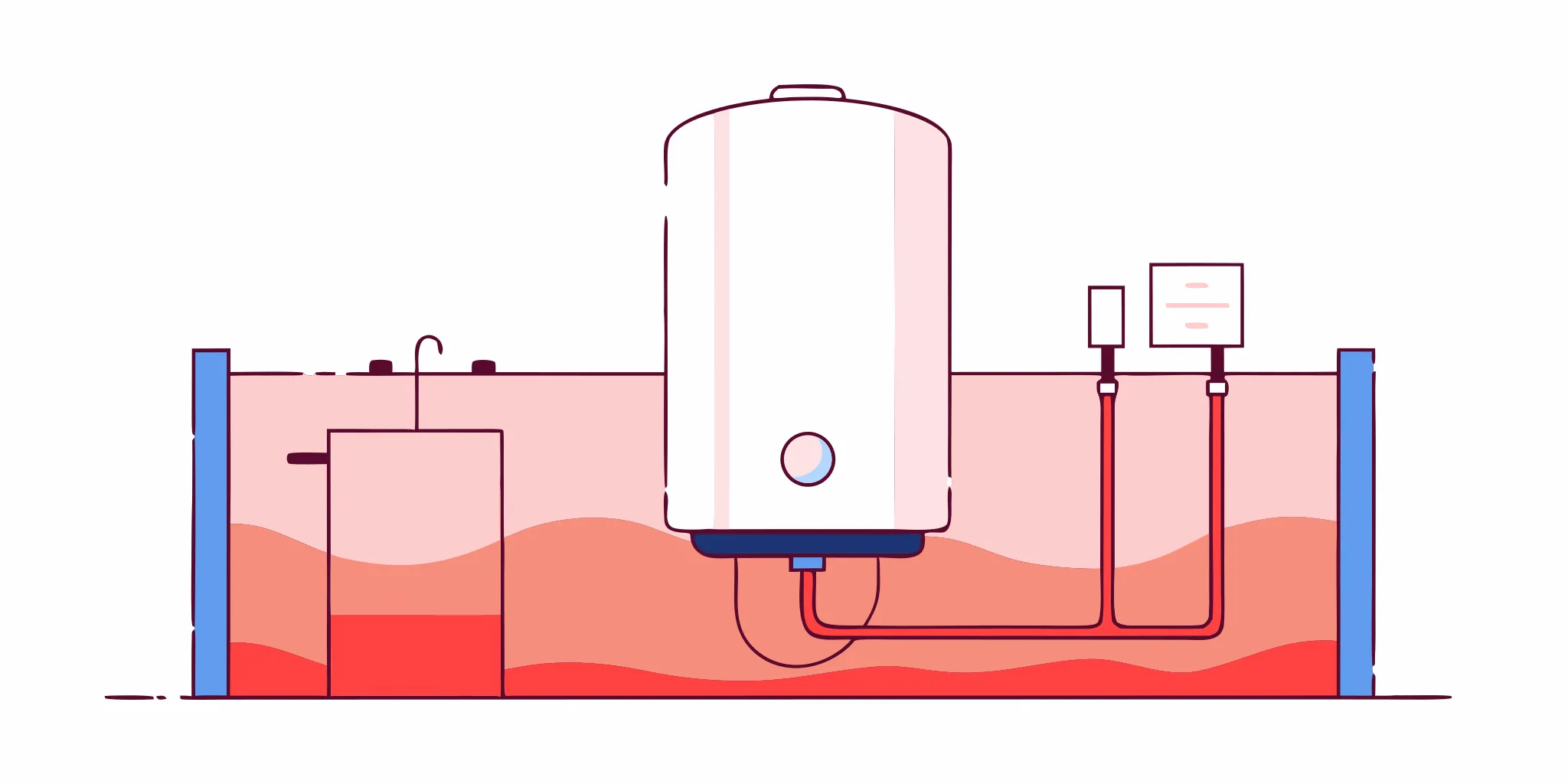
Brown sediment clogging the bottom of a water heater tank.
Back to Blog
InsightsJune 26, 2026

Water Heater Brown Sediment: What It Is & How to Fix It

Get answers about water heater brown sediment, what causes it, and simple steps you can take to clear it up and keep your hot water clean.

Your water heater works tirelessly behind the scenes, but it’s not an appliance you can just set and forget. Over the years, the combination of water and heat creates the perfect environment for minerals and rust to accumulate at the bottom of the tank. This gunk is the source of the **water heater brown sediment** you’re seeing at the faucet. While it’s a clear sign that your unit needs maintenance, it doesn’t automatically mean you need a new one. Understanding why this buildup happens is the first step toward fixing it, improving your water quality, and extending the life of your appliance. ## Key Takeaways * **Pinpoint the Problem Area**: Before you do anything, check if the brown water only comes from the hot tap. If your cold water runs clear, the issue is almost certainly coming from inside your water heater tank. * **Make Maintenance a Routine**: An annual tank flush is the most effective way to clear out the sediment causing discoloration. For long-term prevention, also plan to replace the anode rod every few years and keep the temperature at 120°F to slow mineral buildup. * **[Recognize When to Call a Pro](https://spacecoastcooling.com/plumbing-services/water-heater-repair/)**: A simple flush can't fix severe corrosion. If the brown water returns quickly, you notice strange odors, or your water heater is over 10 years old, it’s time to call a professional for an expert diagnosis. ## What's Causing Brown Sediment in Your Water Heater? Seeing brown water come out of your hot water tap can be alarming, but don't panic. It's a common issue, and that color is usually a clue about what's happening inside your water heater. The culprit is almost always some form of sediment, which can come from a few different sources. Most of the time, it's a sign that your unit needs a little attention or is getting older. Let's break down the most likely causes so you can get a better idea of what's going on with your system. ### Rust and corrosion in the tank Your water heater tank is made of steel, and just like any metal that's constantly exposed to water, it can rust. Most tanks have a protective inner lining, but this can wear down over the years. Once that happens, the water comes into direct contact with the steel, causing corrosion. Those rust particles then break free and mix with your hot water, giving it that unappealing brownish-red tint. This is especially common in older units that have had a lot of time to corrode, and it's a clear sign that the inside of your tank is breaking down. ### Mineral and sediment buildup Water, especially here in Florida, contains natural minerals like iron, calcium, and manganese. While harmless, these minerals can settle at the bottom of your water heater tank over time, creating a layer of sludge-like sediment. Every time you turn on a hot water faucet, the incoming cold water can stir up this gunk, sending a wave of discolored water to your tap. If you notice the brown water is most intense for the first few seconds and then clears up, sediment is a very likely suspect. Regular flushing is a key part of [water heater maintenance](https://www.energy.gov/energysaver/water-heating) that helps remove this buildup. ### A failing anode rod Inside your water heater is a hidden hero called the anode rod. Its one job is to prevent the tank from rusting. It's made of a more reactive metal, so it attracts all the corrosive elements in the water, essentially sacrificing itself to protect the steel tank. Over several years, the anode rod gets completely eaten away. Once it's gone, the corrosion starts attacking the tank's interior lining instead. A failing or depleted anode rod is a primary cause of internal rust, which then shows up as brown water. Replacing this rod is a simple repair that can significantly extend your water heater's life. ### An aging water heater If your water heater is more than 10 years old, seeing brown water is often a symptom of old age. Over a decade of service, a unit has had plenty of time to accumulate sediment, for its anode rod to wear out, and for corrosion to take hold. While a single issue can be fixed, an older unit experiencing multiple problems is often on its last legs. Think of the brown water as a warning sign. It's telling you that the system is no longer working efficiently and may be at risk of leaking. At this point, it's wise to start considering a water heater replacement before it fails completely. ## Is It Your Water Heater or Your Pipes? Seeing brown water come out of your faucet can be alarming, but don't panic just yet. Before you assume the worst, you can do a little detective work to figure out whether the problem is coming from your water heater or the pipes themselves. Pinpointing the source is the first step toward getting your clear water back. A few simple tests around your house will usually give you the answer you need and help you decide what to do next. ### Run the hot vs. cold water test First, go to the sink where you first noticed the brown water. Turn on only the cold water and let it run for a minute. Is it running clear? Now, turn off the cold and turn on only the hot water. If the brown, discolored water only appears when the hot tap is on, you have a major clue. This almost always means the sediment or rust is coming from inside your water heater tank. Your home’s cold water supply comes directly from the municipal line, but it has to travel through your water heater to get warm, picking up any loose sediment along the way. ### Check multiple faucets in your home Next, let’s determine how widespread the issue is. Go to a few other faucets in your home, like in a different bathroom or the kitchen, and repeat the hot water test. If the hot water is brown at every single faucet, it’s another strong sign that your water heater is the culprit. However, if you only find brown hot water at one specific sink or shower, the problem is more likely isolated to a corroded pipe leading to that single fixture. This is less common, but it can happen in older homes. If you suspect a pipe is the issue, it may be time to consider a [repiping service](https://www.spacecoastcooling.com/plumbing/repiping/). ### Watch for other warning signs like odors or temperature changes Discolored water is often just one of several symptoms. Does the brown water have a metallic taste or a strange smell, like rotten eggs? A metallic taste points to rust, while a sulfur or rotten egg smell often indicates a reaction with the anode rod inside your tank, which is a common issue. Also, listen to your water heater. Are you hearing any popping or rumbling sounds? This is caused by water getting trapped under a layer of sediment and boiling, which is a clear sign the tank needs attention. Any of these signs, combined with brown water, strongly suggests it's time to call a [professional plumber](https://www.spacecoastcooling.com/plumbing/) for a diagnosis. ## Is Brown Sediment in Hot Water Dangerous? Seeing brown water come out of your faucet can be alarming, but in most cases, it’s not an immediate danger. The discoloration is almost always caused by rust and mineral sediment from inside your water heater tank or pipes. While drinking small amounts of rust isn't typically harmful, you shouldn't ignore it. Think of brown water as a clear warning sign that your water heater is corroding from the inside out. If you let it go, you could be looking at lower efficiency, more serious plumbing issues, or even a tank failure that leads to a major leak. The important thing is to understand whether you're dealing with a minor cosmetic issue or a symptom of a much bigger problem. By paying attention to when and where the brown water appears, you can get a better idea of what’s happening with your system and when it’s time to call for help. ### When brown water is just a cosmetic issue If you only notice brown water when you first turn on a hot water tap and it runs clear after a minute or two, you’re likely dealing with a simple cosmetic issue. This usually happens when rust and sediment that have settled at the bottom of your water heater tank get stirred up. It’s especially common if you haven’t used your hot water for a day or so, like after returning from a weekend trip. While the water may look unappealing, it’s generally not a health risk. This is simply a sign that sediment is building up, and your water heater is probably due for a routine flush to clear it out. ### When it might become a health concern The situation becomes more serious if the brown water never clears up. Persistent discoloration means there's a large amount of rust breaking free, which signals severe corrosion inside your water heater. While rust itself isn't toxic, a tank that is actively deteriorating can create other problems. According to the Centers for Disease Control and Prevention, sudden changes in your water’s color can sometimes point to underlying issues that affect its safety. A heavily corroded tank can also lose its structural integrity, putting you at risk for a sudden and messy leak. In short, chronic brown water tells you your water heater is failing. ### What to do if you suspect contamination If your hot water is consistently brown, has a metallic taste, or gives off an unusual odor, it’s time to act. The first step is to stop using the water until you know what’s causing the problem. While it’s probably just rust, it’s always better to be safe. If the issue doesn’t go away after running the tap for a few minutes, or if your water heater is over 10 years old, your best bet is to call a professional plumber. A licensed technician can accurately diagnose the issue, whether it’s a simple fix or a sign that your water heater needs to be replaced. ## How to Flush Your Water Heater: A Step-by-Step Guide Flushing your water heater is one of the best ways to clear out that brown sediment and keep your unit running efficiently. Over time, minerals and rust particles settle at the bottom of the tank, forming a thick layer of gunk. This buildup forces your water heater to work harder to heat the water, which wastes energy and can shorten its lifespan. A good flush removes this sediment, improving performance and water quality. While it might sound like a big job, it’s a straightforward maintenance task you can handle with a few simple tools and a little bit of time. The basic process involves turning off the power, connecting a hose to drain the tank, flushing out the debris, and refilling it with fresh water. Before you start, make sure you have a garden hose long enough to reach a safe drainage area, like a floor drain or your driveway. Remember, the water coming out will be hot and full of sediment, so direct it away from your lawn or any sensitive plants. This is a great annual maintenance task that can save you money on energy bills and prevent a premature call for a replacement. However, if you’re not comfortable performing this maintenance yourself, or if the problem persists after you’re done, our team is always here to help with professional water heater services. ### Step 1: Turn off the power or gas Safety always comes first. Before you do anything else, you need to cut the power source to your water heater. If you have an electric model, find the corresponding breaker in your home’s electrical panel and flip it to the “off” position. For a gas water heater, you’ll want to turn the thermostat dial on the unit from “on” to the “pilot” setting. This crucial step prevents the heating elements from burning out while the tank is empty and ensures you can work on the unit safely. Don’t skip this, even if you’re in a hurry to get the job done. ### Step 2: Connect a garden hose to the drain valve Look for the drain valve, which is a spigot located near the bottom of your water heater tank. Tightly connect a standard garden hose to this valve. Run the other end of the hose to a place where it can drain safely, like a floor drain, a utility sink, or outside on your driveway. Once the hose is secure, open a hot water faucet somewhere in your house, like a bathtub. This lets air into the tank, breaking the vacuum and helping the water drain much faster. It’s a small step that makes a big difference in how smoothly the process goes. ### Step 3: Drain and flush the tank Now it’s time to get the water out. Carefully open the drain valve on your water heater where the hose is connected. The water will start to flow out, likely bringing a lot of the brown, murky sediment with it. Let the tank drain completely. To help dislodge stubborn buildup, you can briefly open the cold water supply valve for a few seconds at a time. This sends a blast of fresh water into the tank, stirring up the sediment at the bottom so it can be flushed out through the hose. You might be surprised by what comes out. ### Step 4: Inspect the anode rod While the tank is empty, it’s the perfect opportunity to check on your anode rod. This is a metal rod, usually made of magnesium or aluminum, that hangs inside your tank. Its job is to attract corrosive elements in the water, essentially sacrificing itself to protect the steel tank from rusting. You can usually find it by unscrewing a hex nut on top of the water heater. If the rod looks thin, is covered in calcium, or is mostly gone, it’s time for a replacement. A healthy [anode rod](https://nuvoh2o.com/blog/brown-water-coming-from-the-hot-water-heater-as-i-drain-it/) is key to extending your water heater’s life. ### Step 5: Flush until the water runs clear Continue flushing the tank by turning the cold water supply on and off until the water running out of the hose is clear. This is how you’ll know you’ve successfully removed most of the sediment. Once the water is clear, you can close the drain valve and disconnect the hose. Don't forget to close the hot water faucet you opened earlier. Now, turn the cold water supply back on to refill the tank completely. Once it’s full and water flows normally from the hot water tap again, you can safely turn the power or gas back on. ### Pro Tip: Clean your faucet aerators after flushing After you’ve gone through the trouble of flushing your tank, there’s one last step that makes a big difference. The process of flushing can dislodge small particles of sediment that travel through your pipes and get stuck in your faucet aerators, which are the little screens at the tip of your faucets. This can cause low water pressure. Take a minute to unscrew the aerators from your kitchen and bathroom sinks, rinse them out, and screw them back on. This ensures your water flows freely and you get the full benefit of your freshly cleaned water heater. ### Common mistakes to avoid when flushing Flushing your tank is simple, but a few common missteps can cause problems. The biggest mistake is forgetting to turn off the power or gas, which can destroy your heating elements. Another frequent error is not opening a hot water tap inside the house; this creates a vacuum in the tank and makes it drain incredibly slowly. Also, be mindful that the water coming out will be hot, so handle the hose with care to avoid burns. Finally, make sure your drain hose is durable and securely attached, as a burst hose can create a huge, messy flood in a matter of seconds. ## How to Prevent Sediment From Coming Back Flushing your water heater is a great first step, but you don’t want to make it a seasonal ritual. With a few proactive habits, you can keep sediment from building up in the first place. These strategies will not only keep your water clear but also help your water heater run more efficiently and last longer. Think of it as simple preventative care for one of your home’s most important appliances. Here are four key steps you can take to stay ahead of sediment issues for good. ### Flush your tank annually The single most effective thing you can do is to drain and flush your water heater tank at least once a year. This routine maintenance clears out any minerals and debris before they have a chance to become a major problem. Over time, this small task prevents the thick, gunky buildup that causes brown water, reduces efficiency, and can even damage the tank. An annual [flush](https://www.hotwater.com/info-center/how-to-drain-a-water-heater.html) is a straightforward way to protect your investment and ensure you have clean, hot water when you need it. If you’d rather not handle it yourself, our team can easily incorporate it into a regular plumbing maintenance visit. ### Replace the anode rod every 3–5 years Inside your water heater tank is a component called an anode rod. Its job is to act as a magnet for corrosive elements in the water, essentially sacrificing itself to protect the steel tank from rusting. Once the anode rod corrodes completely, your tank becomes vulnerable to rust, which is a primary cause of brown, metallic-tasting water. You should plan to [replace the anode rod](https://nuvoh2o.com/blog/brown-water-coming-from-the-hot-water-heater-as-i-drain-it) every three to five years, depending on your water quality. This is a crucial step in preventing irreversible tank corrosion and can significantly extend the life of your water heater. ### Keep your water heater at or below 120°F Here’s an easy, no-cost tip: check your water heater’s temperature setting. Many manufacturers set the default temperature to 140°F, but this high heat actually accelerates the formation of mineral sediment like calcium and magnesium. By lowering the temperature to 120°F, you can slow this process down considerably. Not only does this help prevent sediment, but it also reduces your energy bill and lowers the risk of accidental scalding. It’s a simple adjustment that offers multiple benefits for your home and family’s safety. ### Consider a water softener if you have hard water Florida is known for its hard water, which is packed with minerals that are tough on plumbing and appliances. If you’re constantly battling sediment, the root cause is likely the water itself. Installing a whole-home water softener or filtration system is the most comprehensive solution. A softener treats water as it enters your home, removing the minerals before they can ever reach your water heater, pipes, and faucets. This protects your entire plumbing system from scale buildup, extends the life of your appliances, and gives you better-tasting water for drinking and cooking. ## When to Call a Professional Plumber Flushing your water heater is a great DIY skill, but sometimes it’s just a temporary fix for a bigger problem. If you’ve tried flushing the tank and are still dealing with discolored water or other issues, it’s time to put down the tools and pick up the phone. Certain symptoms are clear signs that your water heater needs more than a simple cleaning. Ignoring them can lead to a complete system failure, potential water damage, or even health risks. Knowing when to hand the job over to a professional not only saves you time and frustration but also ensures the problem is fixed correctly and safely. A professional plumber can accurately diagnose the root cause, whether it’s severe internal corrosion, a completely depleted anode rod, or an issue with your plumbing lines. They have the tools and expertise to determine if a repair is possible or if a full water heater replacement is the more cost-effective solution in the long run. Think of it this way: while you can handle the routine maintenance, a pro is needed for the major surgery. Let’s walk through the key indicators that your water heater issue has gone beyond a simple DIY flush and requires an expert eye. ### The brown water returns after flushing If you went through the effort of flushing your tank only to see the brown, rusty water come back within a few days or weeks, that’s a major red flag. A successful flush should leave you with clear water for a long time. When the discoloration returns quickly, it usually means the inside of your tank is severely corroded. The protective lining has likely worn away, and the steel tank itself is rusting from the inside out. At this point, no amount of flushing will solve the problem. It’s a strong sign that your water heater is nearing the end of its life and will probably need to be replaced soon. ### You notice unusual smells, tastes, or particles Your water should always be clear, odorless, and tasteless. If you notice anything off, pay attention. Brown or yellow water is a visual cue, but other signs can be just as telling. Does your hot water have a metallic taste or a rotten egg smell? Are you seeing small, dark particles in your water even after it runs for a while? These are all symptoms of a deeper issue. A metallic taste points to corrosion, while a sulfur smell often indicates a bacterial problem within the tank. A professional can test your water and inspect your system to identify the source of the contamination and ensure your water is safe. ### Your water heater is over 10 years old or needs frequent repairs Most traditional tank water heaters have a lifespan of about 8 to 12 years. If your unit is approaching or has passed the decade mark, persistent brown water is often a final warning sign. An older tank that constantly needs repairs or struggles to produce hot water is likely on its last legs. Instead of continuing to spend money on temporary fixes, it’s usually more economical to invest in a new, more efficient model. A plumber can help you assess whether a repair makes sense or if replacement is the smarter financial move for your home. ### How Space Coast Cooling & Plumbing can help If you’re facing any of these persistent issues, our team at Space Coast Cooling & Plumbing is here to help. We’ll show up on time, give you an honest assessment of your water heater’s condition, and provide clear, upfront pricing for any recommended work. Whether it’s a simple repair or a full replacement, our licensed technicians will fix the problem the right way without any high-pressure sales tactics. We’ve been serving homeowners across the Space Coast for decades, and we’re ready to get your hot water running clear again. Just give us a call to [schedule your service](https://www.spacecoastcooling.com/contact/). ## Related Articles * [Can a Water Heater Cause Low Water Pressure in Your Home?](https://spacecoastcooling.com/can-a-water-heater-cause-low-water-pressure/) * [Professional Water Heater Repair Cocoa, FL](https://spacecoastcooling.com/plumbing-services/water-heater-repair/) * [FAQs | Space Coast Cooling & Plumbing, Inc.](https://spacecoastcooling.com/faq/) * [Blog | Space Coast Cooling & Plumbing, Inc.](https://spacecoastcooling.com/blog/) ## [Frequently Asked Questions](https://spacecoastcooling.com/faq/) **Is it safe to shower in or wash clothes with the brown water?** While the sediment causing the brown color is usually just rust and minerals and isn't considered toxic, it’s not something you want in your daily routine. Showering in it isn't a health risk, but it can leave your skin and hair feeling gritty. More importantly, that rust can easily stain your clothes, towels, and even your bathtub or shower stall over time. It’s best to treat the brown water as a clear signal to get your water heater checked out, not as a new normal. **I flushed my tank, but the water is still discolored. What's my next step?** If you’ve already flushed the tank and the brown water persists or comes back quickly, it’s a strong indicator that the problem is more serious than loose sediment. This usually means the tank's inner lining has worn away and the steel is actively rusting. Unfortunately, no amount of flushing can fix internal corrosion. At this point, your best move is to call a professional plumber for an inspection. They can determine if the tank is failing and needs to be replaced. **How often should I really be flushing my water heater here in Florida?** For homes on the Space Coast, an annual flush is a great rule of thumb. Our water tends to be quite hard, meaning it’s full of minerals that settle in your water heater tank. Making a yearly flush part of your home maintenance routine is the most effective way to clear out that sediment before it hardens and causes problems with efficiency and water quality. It’s a small task that can significantly extend the life of your unit. **My water heater is pretty new, so why am I already seeing brown water?** It’s definitely frustrating to see this issue in a newer unit, but it’s not unheard of. If age isn't the factor, the problem is often related to one of two things: a depleted anode rod or extremely hard water. The anode rod is designed to corrode so your tank doesn't, and sometimes it can wear out in just a few years. Alternatively, if your water has a very high mineral content, sediment can build up much faster than normal. **What's the difference between sediment and rust?** Think of sediment as loose debris that comes *from* the water, while rust is what happens *to* your tank. Sediment is the collection of natural minerals, like calcium and iron, that settle at the bottom of the tank over time. This can typically be flushed out. Rust, on the other hand, is the result of the tank's steel interior breaking down and corroding. While you can flush out rust particles, their presence indicates a more permanent and serious problem with the tank itself.
Available 24/7

Call the Experts that Local Homeowners Rely On

When you need home services, you want answers you can trust and work you can count on. Space Coast Cooling & Plumbing is the plumbing and HVAC company in Cocoa, FL, that brings decades of local experience, licensed professionals, and customer-first service to every job. One call connects you with a team ready to help.

Licensed & InsuredServing Cocoa Since 1994Honest, Upfront PricingSame-Day Service Available