Need Help? Call Us Now!
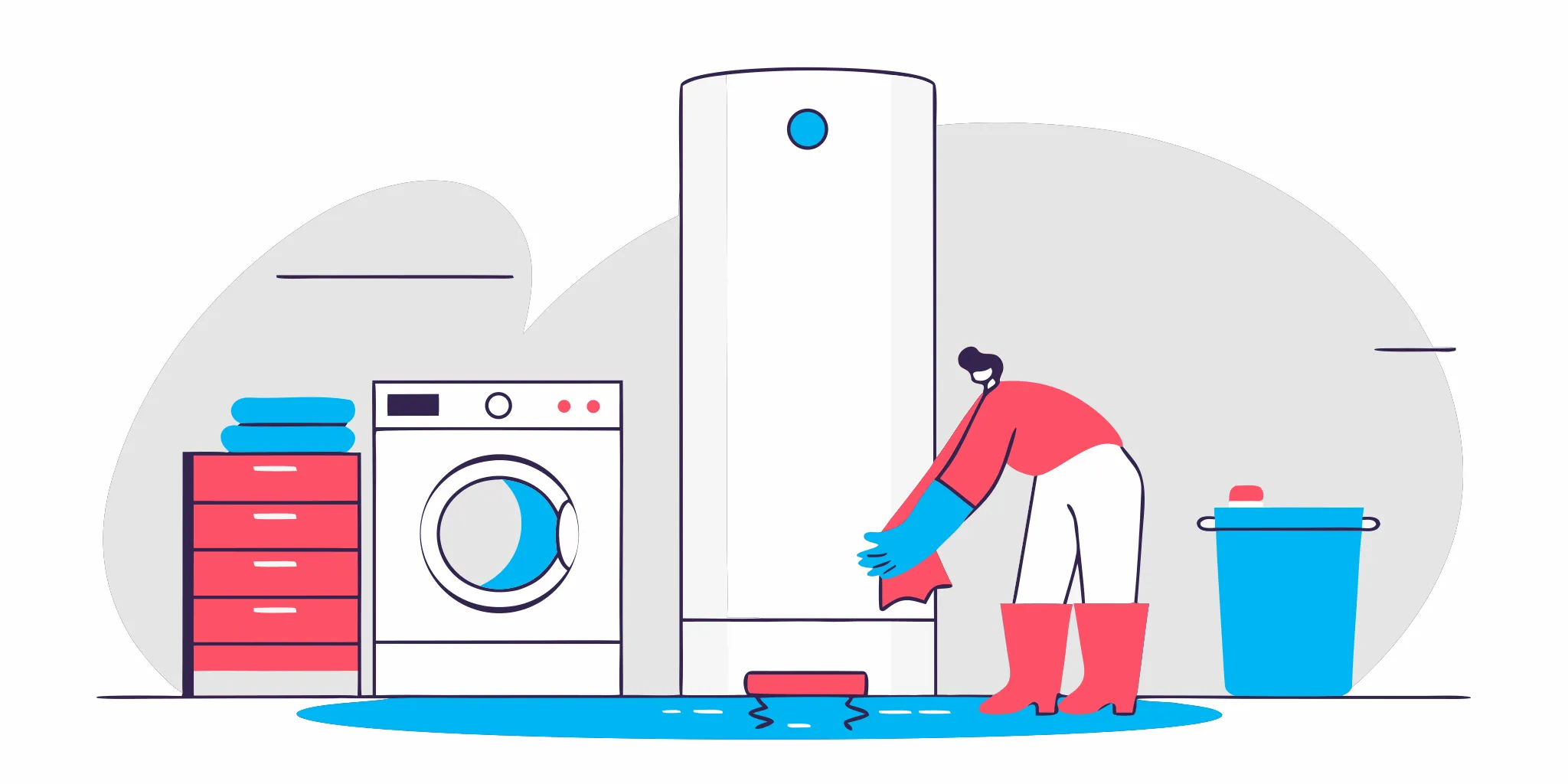
Homeowner cleaning up flood damage caused by a leaking water heater.
Back to Blog
InsightsJune 25, 2026

Water Heater Flood Damage: What to Do First

Get practical steps for handling water heater flood damage, from safety tips to cleanup and repairs, so you can protect your home and avoid bigger issues.

When a water heater floods, the water itself is only part of the problem. The real danger lies in the combination of water with your home’s electrical and gas systems. Attempting to operate or even touch a submerged unit can create a risk of electrical shock or a dangerous gas leak. Your family’s safety is the absolute top priority. Understanding these hidden hazards is the first step in handling the situation correctly. This article provides a clear, step-by-step plan for safely shutting down your system, assessing the situation, and taking control before significant water heater flood damage sets in and turns a bad day into a catastrophe. ## Key Takeaways * **Put Safety First, Always**: If your water heater floods, immediately shut off the power and gas supplies to prevent fire or shock. Remember that manufacturers and safety experts agree on one rule: a submerged water heater is compromised and must be replaced, not repaired. * **Prevention Is the Best Policy**: You can avoid most major leaks with consistent, simple maintenance. An annual professional checkup to flush sediment, inspect the anode rod, and test the safety valve is a small investment that protects your home from a major flood. * **Listen to the Warning Signs**: Your water heater will usually give you clues before it fails completely, such as rusty water, strange rumbling sounds, or visible corrosion. When you notice these issues or see any water pooling, call a professional right away to prevent a small problem from becoming a disaster. ## What Makes a Flooded Water Heater So Dangerous? A flooded water heater is more than just a major inconvenience; it’s a serious safety hazard for your home and family. When water comes into contact with the complex electrical and gas components of your unit, it creates a dangerous situation that requires a calm and careful response. Understanding the specific risks is the first step in handling the problem safely. From fire hazards to hidden mold, the damage often goes far beyond what you can see on the surface. Let's walk through why you should never operate a water heater that has been submerged or exposed to significant water. ### Electrical and Fire Hazards Water and electricity are a dangerous combination, and your water heater is no exception. Floodwater can seep into the unit’s control panel, thermostat, and wiring, causing corrosion and short circuits. Even after the water recedes, moisture can remain trapped inside, creating a persistent electrical safety risk. Attempting to power on a flooded unit can lead to electrical shock or trigger a fire. The internal damage isn't always visible, so even if the unit looks fine from the outside, its critical safety components may have been compromised. It’s essential to leave the assessment to a professional who can safely inspect the system. ### Gas Line Risks If you have a gas water heater, the dangers are even more severe. Floodwater can cause the gas control valve, burners, and pilot assembly to rust and malfunction. A damaged gas valve might not regulate gas flow correctly or shut off when it's supposed to, which could lead to a dangerous gas leak in your home. Since natural gas is highly flammable, this creates a significant risk of an explosion. The unit's insulation also poses a problem; once soaked with contaminated floodwater, it can't be properly dried or cleaned, and it can hide corrosion that compromises the entire system. For your family's safety, never try to relight a flooded gas water heater yourself. ### Mold and Structural Damage The danger doesn't end once the water is gone. The water from a leak or flood is rarely clean, and it quickly soaks into your home's drywall, subflooring, and baseboards. This lingering moisture creates the perfect breeding ground for [mold growth](https://www.epa.gov/mold/brief-guide-mold-moisture-and-your-home), which can begin in as little as 24 to 48 hours. Not only does mold pose health risks, but many homeowners insurance policies may not cover mold removal if the initial water damage wasn't addressed properly and promptly. Over time, persistent moisture can also lead to wood rot and weaken your home's structural integrity, turning a plumbing problem into a much larger and more expensive issue. ## What Causes a Water Heater to Leak? Finding a puddle of water around your water heater is a surefire way to ruin your day. While it’s tempting to panic, understanding what’s causing the leak is the first step toward fixing it and preventing a small problem from turning into a full-blown flood. A leak doesn’t always mean you need a brand-new unit, but it’s definitely a signal that something needs attention right away. Most water heater leaks boil down to a handful of common culprits. Sometimes, it’s a simple issue like a loose connection. Other times, it’s a more serious internal problem that points to the end of your heater’s life. From internal corrosion and excessive pressure to sediment buildup and simple old age, several factors can compromise your tank. Identifying the source is key, as a slow drip can quickly escalate, leading to significant water damage and costly repairs to your home. Below, we’ll walk through the most frequent causes so you can get a better idea of what might be happening with your unit. ### Corrosion and Rust Inside your water heater’s steel tank is a hidden hero called an anode rod. Its one job is to attract corrosive elements in the water, essentially sacrificing itself to protect the tank lining from rust. Over the years, this rod gets used up. Once it’s gone, the water starts eating away at the steel tank itself. This internal corrosion creates weak spots that eventually lead to tiny cracks and leaks. If you see rusty water coming from your taps or notice rust on the unit itself, it’s a strong sign that the tank is corroding from the inside out, and a leak is likely not far behind. ### Too Much Pressure Your water heater is a closed system, and when water heats up, it expands. This expansion creates a lot of pressure inside the tank. To keep this in check, every water heater has a temperature and pressure (T\&P) relief valve. This crucial safety device is designed to open and release water if the pressure or temperature gets too high. If that valve fails or is blocked, the pressure can build to dangerous levels. This immense stress can cause the tank to leak at its seams or, in a worst-case scenario, rupture completely. That’s why a properly functioning T\&P valve is non-negotiable for home safety. ### Faulty Connections Sometimes, the leak isn’t coming from the tank itself but from the plumbing connected to it. Your water heater has several connection points: the cold water inlet pipe, the hot water outlet pipe, and the drain valve near the bottom. Over time, the constant heating and cooling can cause these fittings to loosen, or the seals can simply wear out. A slow drip from one of these connections is a common issue. While it might seem minor, even a small, persistent leak can waste a lot of water and cause damage to your floor and subfloor over time. Checking these connections is often the first step in diagnosing a leak. ### Sediment Buildup Florida’s water is notoriously hard, meaning it’s full of minerals like calcium and magnesium. Over time, these minerals settle at the bottom of your water heater tank, creating a thick layer of sediment. This layer acts as an insulator, forcing your heating element to work much harder to heat the water. This can cause the bottom of the tank to overheat, making the metal brittle and prone to cracking. If you hear popping or rumbling sounds from your water heater, it’s often the sound of water boiling under that sediment layer. Regularly flushing your tank is the best way to prevent this buildup. ### Age and Wear Unfortunately, water heaters don’t last forever. The average tank-style water heater has a lifespan of about 8 to 12 years. After years of constantly expanding and contracting with each heating cycle, the metal tank experiences significant stress. Eventually, this normal wear and tear will take its toll, leading to fatigue in the metal and the failure of internal components. If your water heater is more than a decade old and starts leaking, it’s often a sign that it has reached the end of its service life. In these cases, replacing the unit is usually a more cost-effective and safer choice than attempting a repair. ### Improper Installation A water heater is only as good as its installation. If the unit wasn’t installed correctly from the start, problems are almost guaranteed to appear down the road. Leaks can happen if the inlet and outlet connections weren’t tightened properly or if the wrong type of pipes and fittings were used. An improperly installed T\&P relief valve or a missing drain pan can also turn a small leak into a major disaster. This is why having a licensed and experienced plumber handle your water heater installation is so important; it ensures every connection is secure and every safety feature is in place. ## Signs Your Water Heater Is About to Fail A water heater rarely fails without a few warning signs. Learning to spot these clues can be the difference between a scheduled replacement and a weekend spent dealing with a flooded room. Your water heater works hard every day, and like any major appliance, it experiences wear and tear. Being proactive and paying attention to changes in its performance can save you a lot of stress and money. If you notice any of the following issues, it’s a good idea to have your system inspected. Catching a problem early gives you control over the situation, allowing you to plan for a repair or replacement on your own terms. ### Visible Rust or Corrosion If you see rust spots or corrosion on the outside of your water heater tank or on the water inlet/outlet connections, take it seriously. While a little rust on a pipe fitting might not seem like a big deal, rust on the tank itself is a major red flag. It means the metal is breaking down, and the structural integrity of the tank is compromised. In Florida’s humid environment, exterior corrosion can happen, but when it appears on the main tank, it often signals a slow leak or an internal problem that is working its way out. This deterioration weakens the steel, making a significant leak or even a burst tank much more likely. ### Discolored Hot Water Is the water coming from your hot taps looking a little brown or rusty? This is a classic sign that the inside of your water heater is corroding. The anode rod inside your tank is designed to prevent this, but once it’s used up, the tank itself begins to rust from the inside out. That rusty, muddy, or metallic-smelling water is actually particles from the tank’s interior lining mixing with your water supply. While it might clear up after running the tap for a bit, it’s a clear warning that the tank is failing. Ignoring it can lead to a complete system breakdown and a potential flood of rusty water in your home. ### Banging or Rumbling Noises Your water heater should operate relatively quietly. If you start hearing loud pops, bangs, or a low rumbling sound, it’s often due to sediment buildup. Over time, minerals from the water supply settle at the bottom of the tank, forming a hard layer of sediment. This layer traps water underneath it, and when the burner or heating element turns on, that trapped water boils and steams, creating popping and banging noises as it escapes. This process not only makes the unit less efficient but also puts immense stress on the metal, causing it to overheat and eventually crack. Regular flushing can prevent this, but once the noises start, the damage may already be underway. ### Water Pooling at the Base Finding a puddle of water around the base of your water heater is never a good sign. Don’t just wipe it up and hope it goes away. Even a small amount of moisture could indicate a slow leak from a crack in the internal tank or a problem with a connection or the temperature and pressure (T\&P) relief valve. Because the tank is often insulated, a small internal leak can go undetected for a while before water appears on the floor. By the time you see a puddle, the problem is already significant. A small leak today can easily become a major flood tomorrow, so it’s critical to address any signs of water immediately. ### The Unit's Age Even if your water heater shows no obvious signs of trouble, its age is a critical factor. Most traditional tank-style water heaters have a lifespan of about 8 to 12 years. If your unit is approaching or has passed the 10-year mark, it’s living on borrowed time. You can find the age by checking the manufacturer’s serial number sticker on the side of the tank. An older unit is not only less efficient, but its components are also more likely to fail without warning. Proactively replacing an aging water heater is one of the smartest ways to prevent an unexpected leak and the extensive water damage that comes with it. ## First Steps After a Water Heater Flood Walking into a room and finding water pooling around your water heater is a stressful discovery. Your first instinct might be to panic, but taking a few deep breaths and following a clear plan can make all the difference. The most important thing is to act quickly and safely to prevent further damage to your home and protect your family. These next steps will guide you through the immediate actions you need to take. Remember, property can be repaired or replaced, but your safety is the top priority. Let's walk through exactly what to do, one step at a time. ### Shut Off Power and Gas Before you do anything else, you must address the energy source. Water and electricity are a dangerous combination, and a gas leak can be catastrophic. For an electric water heater, go to your circuit breaker box and flip the breaker that controls the unit. For a gas model, you’ll find a shut-off valve on the gas line leading to the heater; turn it so it’s perpendicular to the pipe. Industry experts are clear that if your water heater has been submerged in floodwaters, you must [replace it](https://www.bradfordwhite.com/bw-faq/what-should-i-do-if-my-water-heater-is-exposed-to-flooding/). Do not attempt to relight or operate a flooded unit under any circumstances, as its internal controls and safety features are compromised. ### Turn Off the Water With the power and gas secured, your next move is to stop the flow of water. This will prevent the flooding from getting worse and limit the extent of the water damage. Look for the cold water inlet pipe on your water heater, which is typically at the top or side of the tank. You should find a handle or knob on this pipe. Turn it clockwise until it stops. If you can't find this valve or it won't turn, you can shut off the main water supply to your entire house. This valve is usually located where the water line enters your home, often in a utility closet, basement, or garage. ### Clear the Area If it is safe to do so, carefully move any personal belongings, furniture, or storage boxes away from the flooded area. Water can quickly ruin items and create a bigger mess to clean up later. Be cautious of slipping hazards and potential electrical risks if you haven't been able to shut off the power yet. Clearing a path not only helps protect your things but also gives a professional plumber easy and safe access to the water heater. This will help them assess the situation and get to work more efficiently when they arrive. ### Document the Damage Once the immediate danger is handled, grab your phone and start documenting everything. Take clear photos and videos of the flooded area, the water heater itself, and any property that has been damaged. Capture the source of the leak if you can see it. This evidence is incredibly important when it comes to filing a claim with your insurance company. Detailed documentation can make the process smoother and help ensure you get the coverage you’re entitled to. Don't throw anything away until your insurance adjuster has had a chance to see it. ### [Call a Licensed Plumber](https://spacecoastcooling.com/plumbing-services/emergency-plumber/) Finally, with the situation under control, it’s time to call in a professional. A flooded water heater is not a DIY project. A licensed plumber has the expertise to safely diagnose the problem, drain the remaining water, and determine if the unit can be repaired or needs to be replaced. Given the safety risks, it’s best to get an expert on-site as soon as possible. Because these emergencies rarely happen at a convenient time, our team at Space Coast Cooling & Plumbing is available 24/7 to help you when you need it most. ## Repair or Replace: What to Do with a Flooded Water Heater After dealing with the immediate mess of a flood, you’re left with one big question: can your water heater be saved? While the instinct to repair and save money is understandable, when it comes to a water heater that has been submerged, safety has to be your only priority. Nearly all manufacturers, including major brands like [Bradford White](https://www.bradfordwhite.com/bw-faq/what-should-i-do-if-my-water-heater-is-exposed-to-flooding/) and A.O. Smith, have a strict and non-negotiable rule: a [flooded water heater](https://spacecoastcooling.com/plumbing-services/water-heater-installation-replacement/) must be replaced, not repaired. Floodwater doesn't just get things wet; it introduces dirt, silt, and corrosive contaminants into every part of the appliance, including sensitive controls and internal components you can't see. Trying to salvage a flooded unit creates a serious risk of fire, explosion, or electrical shock. The following steps will help you inspect the unit and understand exactly why replacement is the only safe path forward. ### Check the Exterior for Damage Start with a visual inspection of the water heater's exterior. Look for any obvious signs of physical damage, like dents in the tank or cracks in the casing. Pay close attention to the base of the unit, where water may have pooled. While a lack of visible damage might seem like a good sign, it unfortunately doesn’t mean the unit is safe. The most significant problems caused by flooding occur inside the appliance. Think of the exterior check as just the first step; any visible damage confirms the unit is compromised, but a clean exterior doesn't give it a clean bill of health. ### Look for Rust on Controls and Valves Next, carefully examine the controls, valves, and connections. Floodwater is incredibly corrosive and can quickly cause rust on critical components like the gas control valve, thermostat, and electrical wiring. According to safety bulletins from manufacturers like [A.O. Smith](https://www.hotwater.com/info-center/technical-bulletins/bulletin-0823.html), this internal damage is one of the biggest dangers. Once these parts are exposed to water and silt, their safety mechanisms can fail without warning. Rust on these components is a clear indicator that the water heater is no longer safe to operate and cannot be reliably repaired. It’s a risk that is never worth taking. ### Assess the Insulation Between the outer shell and the inner tank of your water heater is a thick layer of insulation. Its job is to keep the water hot and the unit running efficiently. When a water heater floods, this insulation acts like a sponge, soaking up dirty, contaminated water. As noted by industry experts, this soggy insulation [cannot be properly cleaned](https://hdsupplysolutions.com/s/water_heater_troubleshooting) or dried out. It becomes a permanent breeding ground for mold, mildew, and bacteria, which can affect your home's air quality. Furthermore, waterlogged insulation loses its thermal resistance, forcing your water heater to work much harder and driving up your energy bills. ### Signs You Need a Replacement At this point, the evidence is usually overwhelming. If your water heater has been submerged in floodwater, even partially, it needs to be replaced. This isn't just a recommendation; it's a critical safety directive from the people who make these appliances. Any signs of visible leaks, moisture pooling around the base, or significant rust on the tank or its components are also definitive signals that the unit has failed. Attempting to power on or use a water heater in this condition is extremely dangerous. The only safe move is to call a professional to disconnect the old unit and begin the replacement process. ### Weighing Repair vs. Replacement Costs It’s natural to want to compare the cost of repair against replacement, but a flooded water heater is one of the few situations where repair is not an option. The internal components, from the insulation to the electronic controls and safety valves, are compromised in ways that cannot be fixed. The potential cost of a malfunction, which could include another flood, a fire, or even an explosion, far outweighs the price of a new unit. Investing in a new water heater is an investment in your family’s safety and your home’s integrity. We offer flexible financing options to help manage the cost and make this necessary upgrade less of a financial burden. ### Upgrading to a Flood-Resistant Model When you replace your flooded water heater, take the opportunity to prevent this from happening again. Since the unit's location is often the biggest vulnerability, consider elevating your new water heater. Installing the unit on a sturdy, raised platform can keep it above the water level during minor flooding events. This is an especially smart move for homes in low-lying or flood-prone areas here on the Space Coast. You might also discuss tankless water heater installation with your plumber, as these compact units can often be installed higher on a wall, well out of harm's way. ## Does Homeowners Insurance Cover Water Heater Flooding? When you’re standing in a puddle in your garage or utility closet, one of the first questions that likely comes to mind is, “Will my insurance pay for this?” It’s a critical question, and the answer depends on the specifics of your policy and the cause of the flood. Navigating an insurance claim can feel overwhelming, but understanding a few key distinctions will make the process much clearer. ### What Your Homeowners Policy Covers Most standard homeowners insurance policies draw a line between sudden accidents and gradual neglect. Generally, your policy will cover the water damage if the cause was “sudden and accidental,” like a water heater tank that abruptly bursts. In this scenario, your insurance would likely help pay for drying out the space, replacing ruined drywall and flooring, and restoring any damaged personal belongings. However, coverage usually doesn't apply to problems stemming from a lack of maintenance. As one insurance expert notes, "Normal wear and tear, lack of maintenance, and manufacturer defects are common exclusions." If your water heater has been leaking slowly for months because of corrosion you didn't address, your insurer will probably deny the claim. It’s also important to know that the policy typically covers the resulting damage, not the cost of a new water heater itself. ### The Role of Flood Insurance The insurance world uses very specific definitions, and this is especially true for the word "flood." A homeowners policy covers water damage from internal sources, like a broken appliance. It does not cover damage from what insurers officially call a flood, which is water from an external source. As one industry resource explains, "Flooding is usually caused by external sources, and typically requires a separate [flood insurance policy](https://www.floodsmart.gov/)." For us here in Florida, this is a vital distinction. If your home floods because of a hurricane storm surge, an overflowing river, or heavy rains, you’ll need a separate flood insurance policy to cover the damage. Your standard homeowners policy won’t apply, even if the external floodwater is what ultimately damaged your water heater. ### How to File Your Claim If you believe the damage is covered, you’ll want to act quickly to start the claims process. First, after ensuring the area is safe, document everything with photos and videos before you move or clean anything. Next, call your insurance agent right away to report the incident. They will guide you through the specific steps your provider requires. Keep detailed records of every conversation, including who you spoke to and when. Hold onto all receipts for any immediate expenses, like the cost of hiring a professional plumber to stop the leak and diagnose the problem. Your plumber’s official report will be a key piece of evidence, as it will help the insurance adjuster determine the cause of the failure. A clear and professional diagnosis can make a significant difference in getting your claim approved. ## How to Prevent Water Heater Leaks and Floods The best way to handle a water heater flood is to prevent it from ever happening. A little proactive care goes a long way in protecting your home from water damage and ensuring you always have reliable hot water. Instead of waiting for a disaster, you can take a few straightforward steps to keep your system in top shape and catch small problems before they become expensive emergencies. These preventative measures are simple, effective, and give you peace of mind. ### [Schedule Regular Professional Inspections](https://spacecoastcooling.com/plumbing-services/water-leak-detection-repair/) Think of a water heater inspection like a routine check-up for your car. Having a licensed plumber inspect your unit every one to two years is one of the most effective ways to extend its life and prevent unexpected failures. During an inspection, a technician can spot early signs of corrosion, test safety components, and identify worn-out parts that an untrained eye would miss. This is especially important for older units. Scheduling regular professional maintenance is a small investment that can save you from the massive headache and cost of a full-blown water heater flood. It’s the simplest way to keep your system running safely and efficiently. ### Flush the Tank and Replace the Anode Rod Over time, sediment and mineral scale from our Florida water can build up at the bottom of your water heater tank. This layer of gunk forces your system to work harder to heat the water, reduces its efficiency, and can cause the tank to corrode from the inside out. Flushing the tank every year removes this sediment. At the same time, a plumber should check the anode rod. This is a metal rod inside the tank designed to attract corrosive elements, essentially sacrificing itself to protect the tank lining. Once it’s depleted, the tank itself starts to rust. Replacing the anode rod is a simple fix that can add years to your water heater’s life. ### Test the Pressure Relief Valve Annually Every water heater has a temperature and pressure relief valve, or T\&P valve. This is a critical safety device that automatically opens to release pressure if the temperature or pressure inside the tank gets too high, preventing a potential explosion. However, mineral buildup can cause these valves to seize up and fail. A plumber should test the valve during every annual inspection to make sure it opens and closes properly. A faulty T\&P valve is a serious safety risk, so ensuring it’s in good working order is non-negotiable for a safe home. This quick test provides confidence that your system’s most important safety feature is ready to work if needed. ### Install a Drain Pan and Leak Detector Even with perfect maintenance, leaks can happen. Installing a drain pan underneath your water heater is an inexpensive and highly effective way to contain minor leaks and drips. The pan catches the water and directs it to a nearby drain, preventing it from spreading across your floor and causing structural damage. For even greater protection, pair the drain pan with a smart water leak detector. These small devices sound an alarm or send an alert to your phone the moment they sense moisture, giving you a critical head start to shut off the water and call a plumber before a small drip turns into a major flood. ### Elevate the Unit in Flood-Prone Areas Living on the Space Coast means we’re no strangers to heavy rains and potential flooding. If your water heater is in a garage, basement, or ground-floor closet, elevating it is a smart move. Placing the unit on a sturdy, raised platform protects its critical components, like the burner and control systems, from being submerged during a flood. This not only saves your water heater from being ruined by external floodwaters but is also a required safety code in many designated flood zones. Protecting your appliance from ground-level water is a key step in fortifying your home against storm damage and ensuring you can get back to normal faster after a weather event. ### Know When It's Time for a Replacement Most tank-style water heaters have a lifespan of about 8 to 12 years. If your unit is approaching that age and you’re noticing issues like rusty water, strange noises, or small, recurring leaks, it’s likely nearing the end of its service life. While a repair might fix the immediate problem, you could be throwing money at a failing system. It’s often more cost-effective to be proactive and plan for a water heater replacement before it fails completely. This allows you to choose the right model for your home without the pressure of an emergency, preventing the inevitable flood that comes when an old tank finally gives out. ## Related Articles * [Professional Water Heater Repair Cocoa, FL](https://spacecoastcooling.com/plumbing-services/water-heater-repair/) * [Expert Water Heater Installation & Replacement Cocoa, FL](https://spacecoastcooling.com/plumbing-services/water-heater-installation-replacement/) * [Emergency Plumber Cocoa, FL](https://spacecoastcooling.com/plumbing-services/emergency-plumber/) * [FAQs | Space Coast Cooling & Plumbing, Inc.](https://spacecoastcooling.com/faq/) * [Can a Water Heater Cause Low Water Pressure in Your Home?](https://spacecoastcooling.com/can-a-water-heater-cause-low-water-pressure/) ## [Frequently Asked Questions](https://spacecoastcooling.com/faq/) **My water heater was only in an inch or two of floodwater. Do I really need to replace it?** Yes, you absolutely do. It’s a hard rule from every manufacturer that a water heater exposed to any amount of floodwater must be replaced. The issue isn't just about what got wet; it's about the silt, dirt, and corrosive contaminants that get inside critical components. The gas controls, electrical circuits, and safety valves can all be compromised in ways you can't see, creating a serious risk of fire or malfunction down the road. It is never safe to operate a unit that has been flooded. **Is professional maintenance for my water heater actually worth the cost?** Think of it as a small investment to prevent a huge, expensive emergency. During a professional inspection, a technician can flush out the mineral sediment that makes your heater inefficient and causes the tank to crack. They also check the anode rod, which prevents rust, and test the pressure relief valve to make sure it can protect your home from a potential burst. Catching these issues early is always cheaper and less stressful than dealing with a flood. **How can I tell how old my water heater is?** You can find your water heater's age by looking at the manufacturer's sticker on the side of the tank. Find the serial number, which is usually a long string of letters and numbers. The manufacturing date is often coded within that number. For example, a serial number starting with "G18..." might mean it was made in the seventh month (G is the seventh letter) of 2018. A quick search online for your specific brand and "how to read serial number" will give you the exact formula. **If my water heater bursts, will my insurance pay for a new one?** This is a common point of confusion. Typically, a standard homeowners policy will help cover the cost of the *damage* caused by the water, like replacing flooring and drywall. However, the policy usually does not cover the cost of the appliance that failed. The water heater itself is often considered your responsibility to maintain and replace due to age or wear. It's always a good idea to call your agent to understand the specific details of your coverage. **What are those popping or rumbling sounds my water heater is making?** Those noises are a classic sign of sediment buildup. Over the years, minerals from the water settle at the bottom of the tank, creating a hard layer. When the heating element turns on, water trapped under that sediment boils and makes a popping sound as it escapes. This process is not only inefficient, but it also puts a lot of stress on the tank's metal, which can eventually lead to cracks and leaks.
Available 24/7

Call the Experts that Local Homeowners Rely On

When you need home services, you want answers you can trust and work you can count on. Space Coast Cooling & Plumbing is the plumbing and HVAC company in Cocoa, FL, that brings decades of local experience, licensed professionals, and customer-first service to every job. One call connects you with a team ready to help.

Licensed & InsuredServing Cocoa Since 1994Honest, Upfront PricingSame-Day Service Available