Need Help? Call Us Now!
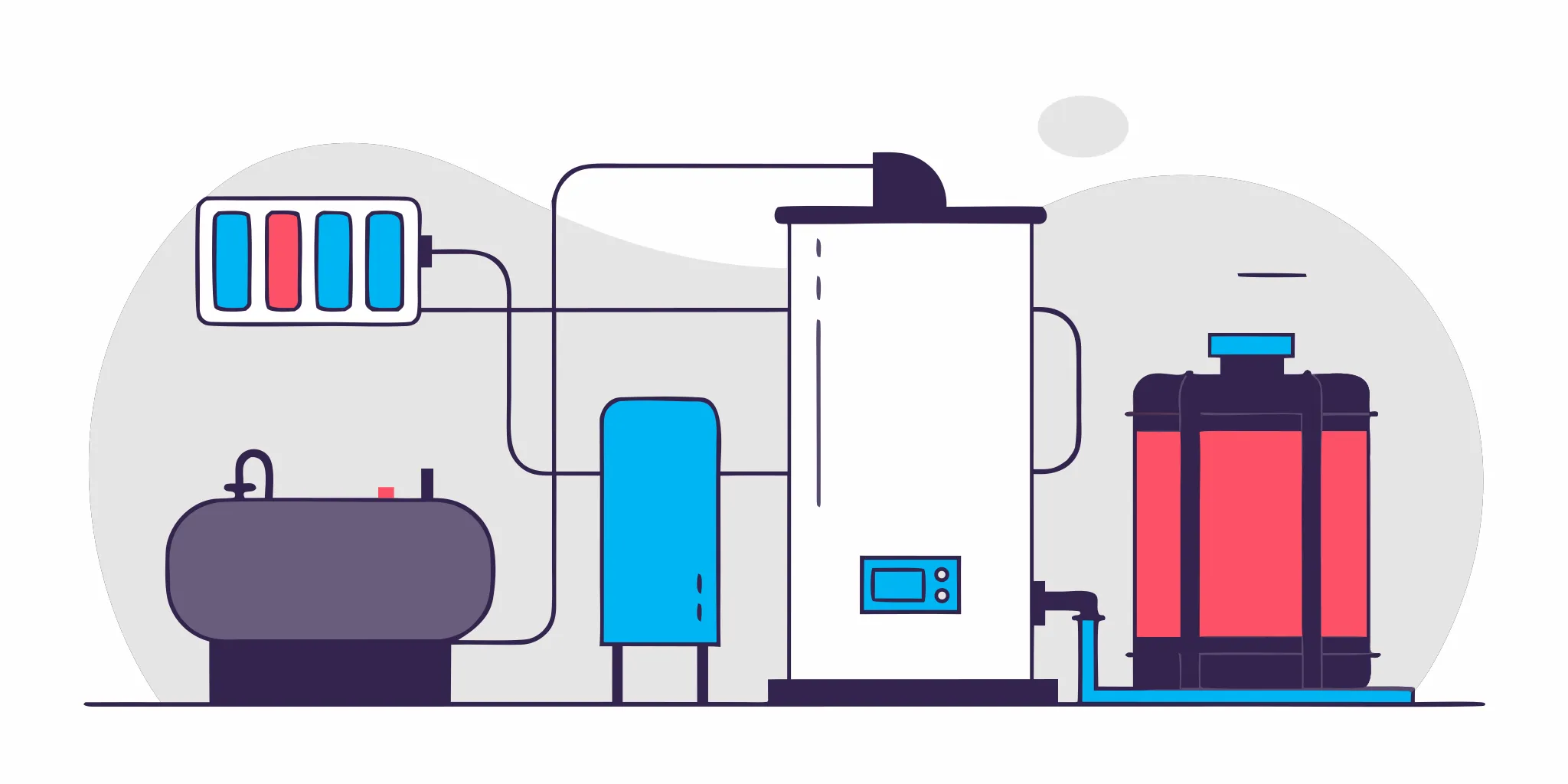
A residential water heater installation showing the new unit connected to pipes.
Back to Blog
InsightsJune 29, 2026

Water Heater Installation: A Homeowner's Guide

Get clear, practical advice on water heater installation, including types, costs, safety tips, and how to choose the right unit for your home.

Here on the Space Coast, we know that hard water and high humidity can be tough on our home’s systems. Your water heater is no exception. When it’s time for a replacement, you need a solution that’s built to last in our unique Florida climate. This guide is written specifically for our neighbors in Brevard County. We’ll cover everything from choosing a unit that can handle our local water conditions to understanding the permit requirements for a water heater installation. Think of this as a neighborly conversation to help you find a reliable, efficient solution that keeps the hot water flowing for your family. ## Key Takeaways * **Focus on long-term savings, not just the initial price**: A water heater's true cost includes its purchase price and years of utility bills. Prioritize a model with a high energy efficiency rating (UEF) to lower your operating costs over the unit's lifespan. * **Always hire a licensed pro for installation**: This is not a DIY project. A professional installation is required for safety, adherence to local building codes, and to keep your manufacturer's warranty intact, preventing dangerous mistakes with gas, electrical, and plumbing lines. * **Perform annual maintenance to maximize your unit's life**: You can prevent premature failure and keep your heater running efficiently with a few key tasks. Plan to flush the tank yearly to remove sediment, inspect the anode rod to prevent rust, and test the T\&P valve to ensure it works correctly. ## What Are the Different Types of Water Heaters? Walking into the water heater aisle can feel overwhelming. With so many models, fuel types, and features, it’s tough to know where to start. The first step is to understand the main categories available. Each type works differently to deliver hot water to your faucets and has its own set of benefits, whether you prioritize energy savings, upfront cost, or an endless supply of hot water for your family. Let's break down the most common options you'll find here in Florida. ### Traditional Tank Water Heaters This is the water heater most of us picture in our heads. A traditional tank water heater stores and continuously heats a large reserve of water, usually between 20 and 80 gallons, so it’s ready the moment you need it. Because it’s always working to keep that water at the set temperature, it can lead to standby heat loss, which affects your energy bill. According to the U.S. Department of Energy, these dependable units are available in both gas and electric models and are a straightforward, affordable choice for many households. They have a lower initial purchase price, making them a popular and reliable option for homeowners across the Space Coast. ### On-Demand Tankless Water Heaters If you’re tired of running out of hot water, a tankless water heater might be your new best friend. Instead of storing water, these units heat it instantly as it flows through the pipes. When you turn on a hot water tap, a powerful gas burner or electric element kicks on and heats the water on its way to you. This means you get an endless supply of hot water. Plus, since it only heats water when you need it, tankless water heaters can be 24% to 34% more energy-efficient than a conventional storage tank model, saving you money over the long run. ### High-Efficiency Heat Pump Water Heaters A heat pump water heater, also known as a hybrid model, doesn't generate heat directly. Instead, it cleverly pulls heat from the surrounding air and transfers it to the water in the tank. Think of it as a refrigerator working in reverse. This process makes them incredibly efficient; they can be two to three times more efficient than a standard electric water heater. The U.S. Department of Energy notes that [heat pump water heaters](https://www.energy.gov/energysaver/heat-pump-water-heaters) are a great fit for Florida’s moderate climate. Just make sure you have enough space, as they need about 1,000 cubic feet of air around them to work properly. ### Solar-Powered Water Heaters Living in the Sunshine State has its perks, and a solar water heater is one of them. These systems use solar collectors, often installed on your roof, to capture the sun's energy and heat your water. While they can have a higher upfront cost, the long-term savings on your energy bills can be significant. A small, insulated storage tank keeps the water hot for when you need it. The U.S. Department of Energy explains that solar water heating systems are most effective in sunny regions like ours, making them an excellent, eco-friendly investment for Florida homeowners looking to reduce their carbon footprint and utility costs. ### Choosing Your Fuel Source: Electric vs. Gas Beyond the type of heater, you’ll also need to decide on a fuel source. The two main options are natural gas and electricity. Gas water heaters typically heat water faster and can have lower monthly operating costs, but they require a gas line and proper ventilation. Electric water heaters are often less expensive to purchase and easier to install since they don't need venting. When making your choice, it’s important to [consider factors](https://www.energy.gov/energysaver/water-heating) like the fuel hookups available in your home, local utility costs, and the overall efficiency of the unit to find the best fit for your budget and lifestyle. ## How to Choose the Right Water Heater for Your Home Picking a new water heater can feel like a major decision, but it doesn’t have to be overwhelming. The goal is to find a unit that fits your family’s daily routine, your home’s existing setup, and your budget. Thinking through a few key factors will help you narrow down the options and make a confident choice. The best water heater for your neighbor might not be the best one for you, so it’s worth taking a moment to consider your specific needs. To find the right match, you’ll want to look at five main things: the unit’s size and capacity, its energy efficiency, your home’s fuel source, the total cost, and where the heater will be installed. Breaking the decision down into these smaller pieces makes it much easier to see which type of water heater will serve your home reliably for years to come. ### Calculating the Right Size and Capacity Getting the size right is the most important step. A unit that’s too small will leave you with lukewarm showers, while one that’s too big will waste energy heating water you don’t use. For traditional tank heaters, you’ll want to look at the First Hour Rating (FHR). This number tells you how many gallons of hot water the heater can produce in an hour, starting with a full tank. For tankless models, you’ll look at the Gallons Per Minute (GPM) flow rate. Consider your family’s habits: how many showers, loads of laundry, and dishwasher cycles do you run, especially during peak times? The right [size depends on your family](https://www.mrhandyman.com/blog/who-installs-water-heaters/), your hot water usage, and your energy goals. ### Understanding Energy Efficiency Ratings A water heater is one of the biggest energy users in your home, so its efficiency rating directly impacts your monthly utility bills. When comparing models, look for the Uniform Energy Factor (UEF) on the label. The higher the UEF number, the more efficient the unit is. While a high-efficiency model might have a higher price tag, it can save you a significant amount of money over its lifespan. Investing in a good quality, [energy-efficient water heater](https://www.hotwater.com/info-center/water-heater-installation-guide.html) not only lowers your bills but also tends to be more reliable, helping you avoid unexpected leaks and other problems down the road. ### Checking Your Home's Fuel Type and Hookups Does your current water heater run on gas or electricity? The easiest and most affordable installation involves replacing your old unit with a new one that uses the same fuel source. If you’re thinking about switching, it’s important to understand what’s involved. For example, moving from an electric to a gas heater isn’t a simple swap. A professional will need to run new gas lines and ensure the unit has proper ventilation to operate safely. These extra steps will add to the overall time and [cost of the installation project](https://www.hotwater.com/info-center/water-heater-installation-guide.html), so be sure to factor them into your decision. ### Balancing Upfront Cost with Long-Term Savings It’s helpful to think of a new water heater as an investment rather than just a purchase. The upfront cost is only part of the equation. According to Home Depot, a standard tank installation can cost between $1,600 and $2,400, while a [tankless installation](https://www.homedepot.com/services/c/cost-install-water-heater/9058c024e) might range from $2,400 to $5,400. A less expensive model may save you money today, but it could cost you more over time in higher energy bills. On the other hand, a high-efficiency tankless or heat pump model may require a larger initial investment but could pay for itself through years of lower operating costs. Weigh both the purchase price and the long-term energy savings to find the true value. ### Factoring in Space and Location Finally, think about where the water heater will live. Before you buy, measure the space (height, width, and depth) to make sure your new unit will fit. This is especially important if it’s going in a tight utility closet or attic. You also need to plan for future maintenance. A technician will need enough room to access the control panel, drain the tank, and clean or replace parts. Forgetting to leave adequate clearance can turn a simple repair into a complicated and costly job. Proper placement ensures your unit can be [serviced easily](https://www.energystar.gov/partner-resources/residential_new/educational_resources/sup_program_guidance/heat_pump_water_heater_guide/installation_best_practices), which is key to keeping it running smoothly. ## What Does Professional Water Heater Installation Cost? When it’s time for a new water heater, one of the first questions on every homeowner’s mind is, “How much is this going to cost?” The total price for a professional installation can range from around $1,000 to $5,000, but that number includes more than just the new unit. Understanding what goes into the final quote helps you see the full value of your investment. The total cost breaks down into a few key parts: the price of the water heater itself, the labor fees for a licensed plumber, the cost of any necessary local permits, and the materials needed to complete the job safely. A trustworthy plumber will give you an upfront, transparent price that covers all these elements, so you know exactly what you’re paying for. Think of it not as just another household expense, but as an important investment in your home’s comfort, safety, and efficiency. ### The Price of the Water Heater Itself The water heater is typically the largest single expense in the installation project. The price of the unit can vary widely depending on its type, size, and energy efficiency. For example, a traditional tank water heater generally has a lower upfront cost than a tankless, on-demand model. However, a tankless unit could lead to long-term savings on your energy bills. The brand and its [ENERGY STAR rating](https://www.energystar.gov/products/water_heaters) also play a significant role in the cost. A higher efficiency rating might mean a higher purchase price, but it translates to lower operating costs over the life of the heater. Our technicians can walk you through the best options for your home and budget, ensuring you get a unit that meets your family’s hot water needs without overspending. ### Labor and Professional Installation Fees When you hire a professional, you’re paying for much more than just a few hours of work. You’re paying for expertise. A standard water heater replacement usually takes about two to three hours, but that time is spent ensuring every connection is secure, every safety measure is in place, and the entire system functions correctly. This fee covers the skill of a [licensed and certified plumber](https://www.phccweb.org/find-a-contractor/) who understands local building codes and manufacturer requirements. It’s an investment in peace of mind, knowing that your new appliance is installed safely to prevent risks like water leaks or improper venting. A professional installation is the surest way to get the job done right the first time, protecting your home and family. ### Local Permits and Required Materials In many communities along the Space Coast, a permit is required to install a new water heater. This isn't just red tape; it’s a crucial step that ensures the work meets local safety standards. The cost of the permit and the subsequent inspection are factored into the total installation price. A professional plumbing company like ours handles the entire permitting process for you, so you don’t have to worry about the paperwork. Beyond the permit, an installation may require new materials to bring your system up to current code. This can include new water supply lines, gas line fittings, a new temperature and pressure relief valve, or proper venting materials. These components are essential for a safe and reliable installation. ### The Hidden Costs of an Improper Installation Trying to save money with a DIY installation can unfortunately lead to much higher costs down the road. An improperly installed water heater poses serious risks, including gas leaks, carbon monoxide exposure, electrical hazards, and major water damage. A single mistake can lead to a flooded room and expensive repairs that far exceed the cost of a professional installation. Furthermore, most manufacturers’ warranties are very specific about requiring installation by a licensed professional. A DIY job can [void your manufacturer's warranty](https://www.mrhandyman.com/blog/who-installs-water-heaters/), leaving you completely responsible for the cost of any future repairs or a full replacement if the unit fails. Investing in a professional from the start protects your home, your family, and your new appliance. ## The Installation Process: A Step-by-Step Breakdown Seeing a new water heater installed can feel like watching a complex puzzle come together. While we always recommend leaving this job to a licensed plumber, understanding the process helps you know what to expect and appreciate the care that goes into a safe, professional installation. Think of this as a behind-the-scenes look at what a quality installation involves, from start to finish. Our technicians at Space Coast Cooling & Plumbing follow these steps meticulously to ensure your new unit works perfectly and safely from day one. The exact process can vary slightly depending on whether you have a tankless or traditional model, or a gas versus an electric unit. However, the core principles of safety, precision, and following building codes are universal. This overview will help you feel confident and informed when it’s time for your own installation. ### Step 1: Shut Off the Water, Gas, and Power Safety is always the first priority. Before a single tool is picked up, a professional technician will secure the area by cutting off all utilities connected to your old water heater. This means turning off the water supply, either at the valve leading to the tank or at your home's main shut-off. For a gas heater, the gas line will be closed at the dedicated valve near the unit. If you have an electric model, the corresponding breaker in your electrical panel will be switched to the "off" position. This crucial first step prevents any risk of water damage, gas leaks, or electrical shock during the removal and installation process. ### Step 2: Drain and Remove the Old Unit Once the utilities are off, it’s time to say goodbye to the old water heater. First, the tank needs to be completely drained. A technician will connect a hose to the drain valve at the bottom of the unit and run it to a nearby floor drain or outside. A 40 or 50-gallon tank holds a lot of water, so this can take some time. After the tank is empty, the old water, gas, and electrical connections are carefully disconnected. Water heaters are heavy and awkward, but our team has the right equipment to safely remove the old unit from your home without damaging your floors or walls. ### Step 3: Position and Connect the New Heater With the old unit out of the way, the space is prepped for its replacement. Your technician will clean the area and carefully move the new water heater into place. It’s important that the new unit sits on a perfectly level surface and has enough clearance on all sides. This isn't just for looks; proper spacing is required for ventilation and allows for easy access during future [maintenance checks](https://www.spacecoastcooling.com/maintenance-plans/). Once positioned, the new hot and cold water lines are connected. We use high-quality connectors to ensure a secure, leak-free fit that will last for years to come. ### Step 4: Hook Up Venting and Electrical Lines This is one of the most critical stages, where professional expertise is essential. For a gas water heater, the venting system must be correctly installed to safely channel combustion byproducts, like carbon monoxide, out of your home. An improper connection here can be extremely dangerous. For an electric water heater, the wiring must be connected according to strict electrical codes to prevent fire hazards. A licensed technician ensures the voltage is correct, the connections are secure, and everything is grounded properly. This step is all about ensuring your new heater operates not just efficiently, but safely. ### Step 5: Install the Temperature and Pressure (T\&P) Relief Valve Every tank-style water heater has a vital safety feature called the Temperature and Pressure (T\&P) relief valve. Think of it as a built-in emergency release. If the temperature or pressure inside the tank ever gets dangerously high, this valve automatically opens to release water and prevent the tank from rupturing. A professional will install a new T\&P valve on your heater and attach a discharge pipe that runs down toward the floor. This pipe ensures that if the valve ever activates, scalding hot water is directed safely away from anyone nearby and prevents water damage. ### Step 6: Fill the Tank and Check for Leaks The final step before powering up your new unit is to fill it with water. Your technician will open the cold water supply valve to let water flow into the tank. To make sure all the air is pushed out, they will also open a hot water tap somewhere in your house, like a bathroom sink. Once a steady stream of water is flowing from the tap, the tank is full. At this point, the technician performs a final, thorough inspection, checking every single pipe fitting and connection for even the smallest drip. Only after confirming everything is completely dry and secure is it safe to restore power or gas and fire up your new water heater. ## Safety Rules and Code Requirements to Know Installing a water heater isn't just a plumbing task; it's a project that involves gas lines, electrical wiring, and ventilation. Because of this, there are strict safety rules and building codes in place to protect your home and family. These regulations aren't just suggestions. They are requirements designed to prevent fires, gas leaks, and even explosions. Following them ensures your new unit operates safely and efficiently for years to come. A professional plumber will be an expert in these codes, but it’s helpful for you to understand the most important ones. ### Proper Ventilation for Gas Heaters If you have a gas water heater, proper ventilation is the most important safety consideration. As your heater burns gas to warm the water, it produces exhaust fumes, including dangerous carbon monoxide. These fumes need a clear and direct path out of your home. According to the U.S. Department of Energy, gas water heaters must be [vented to the outside](https://www.energy.gov/energysaver/water-heating) to prevent these gases from building up indoors. The specific type of vent required depends on your heater and where it’s located. A professional installation guarantees your system has the right ventilation, keeping your indoor air safe and clean. ### Why the T\&P Valve Is Non-Negotiable Every tank-style water heater has a small lever on the side or top connected to a component called the Temperature and Pressure (T\&P) relief valve. This is a non-negotiable safety device. Its job is to automatically open and release water if the temperature or pressure inside the tank gets dangerously high, preventing a potential explosion. The International Association of Plumbing and Mechanical Officials (IAPMO) highlights that every water heater must have a [T\&P relief valve](https://www.iapmo.org/) installed correctly. This small part is your tank’s most critical safety feature, and it’s essential to ensure it’s installed properly and tested periodically. ### When You Need a Permit and Inspection In most Florida communities, including those across the Space Coast, you need a permit to install a new water heater. This might seem like a hassle, but it’s an important step that protects you. A permit ensures a licensed professional is doing the work and that the installation will be inspected by a local official. This third-party check verifies that the job was done correctly and meets all safety standards. The U.S. Department of Housing and Urban Development advises homeowners to always check with local building authorities to confirm permit and inspection requirements before starting work. This process provides peace of mind that your installation is safe and up to code. ### Key Florida Building Codes to Follow Here in Florida, all plumbing work must comply with the [Florida Building Code](https://www.floridabuilding.org/) (FBC). This set of rules ensures every installation is done to a high standard of safety and quality. For water heaters, the FBC specifies requirements for everything from the location of the unit to the type of pipes used. Key rules include ensuring the T\&P valve is installed correctly, gas heaters have proper venting, and the unit is placed in a location where it is accessible for future maintenance and repairs. A licensed plumber will know these codes inside and out, ensuring your installation is not only functional but also fully compliant. ## DIY vs. Hiring a Pro: What's the Right Call? Deciding whether to install a water heater yourself or hire a professional is a big deal. While the idea of saving money with a DIY project is tempting, this is one job where a mistake can be costly and dangerous. The right choice really comes down to the type of heater you have, your personal skill level with plumbing and electrical work, and your comfort with the risks involved. Let’s break down when a DIY approach might be considered and why calling a pro is almost always the smarter, safer decision. ### When a DIY Installation Might Be an Option If you're an experienced DIYer with a solid grasp of plumbing and electrical basics, you might consider installing an electric water heater yourself, but only under specific circumstances. This is typically only feasible when you are replacing an old electric tank with a new, identical model where all the connections line up perfectly. Even then, you need to be confident in your ability to handle wiring, secure watertight connections, and properly install the temperature and pressure relief valve. For any other situation, especially involving gas lines or upgrading to a different type of system, the complexity and risk increase dramatically. ### Why Calling a Licensed Plumber Is the Safest Bet When it comes to gas water heaters, there is no room for error. A professional installation is the only safe route. Gas models require careful connection to gas lines and precise venting to prevent leaks and deadly carbon monoxide buildup. A licensed plumber understands the specific requirements of local building codes and ensures your unit is installed correctly and safely. They have the specialized tools and experience to handle unexpected issues, like outdated pipes or tricky venting paths. Hiring a professional isn't just about convenience; it's about protecting your home and family from serious dangers like fires or [gas poisoning](https://www.hotwater.com/info-center/water-heater-installation-guide.html). ### How a DIY Install Can Void Your Warranty Most water heater manufacturers include a clause in their warranty that requires the unit to be installed by a licensed professional. If you install it yourself and the unit fails prematurely, the manufacturer could refuse to cover the repairs or replacement, even if the failure wasn't directly caused by your installation work. A professional plumber’s invoice serves as proof that your heater was installed according to the manufacturer’s specifications and local codes. Trying to save a few hundred dollars on installation isn't worth the risk of having to pay for a brand new unit if something goes wrong down the line. ### The True Cost of Common DIY Mistakes A DIY installation that goes wrong can cost far more than a professional job ever would. A small, slow leak from a poorly sealed connection can lead to thousands of dollars in water damage to your floors, subfloors, and drywall. An incorrect electrical connection creates a serious shock hazard, while improper gas line work is a fire or explosion risk. While a professional can typically replace a water heater in just a few hours, a DIY project can stretch over a weekend or longer, leaving you without hot water. The peace of mind that comes from knowing the job was done right is priceless. ## Common Installation Mistakes (and How to Avoid Them) A water heater installation might seem straightforward, but a few common missteps can lead to big headaches, from inefficient performance to serious safety hazards. Knowing what these pitfalls are is the first step to avoiding them. Understanding these frequent errors highlights why getting the job done right the first time is so important and why a professional approach is almost always the best path forward. Let's walk through the most frequent installation errors and how a professional prevents them. ### Picking the Wrong Size for Your Needs Bigger isn’t always better, and too small is a recipe for frustration. Choosing the wrong size water heater is one of the most common mistakes homeowners make. A unit that’s too small will leave your family shivering through lukewarm showers, unable to keep up with demand. On the other hand, an oversized unit will constantly heat water you don’t need, driving up your energy bills for no reason. The right size depends on your household’s water usage, family size, and even your energy-saving goals. A professional plumber can help you [calculate the correct capacity](https://www.energy.gov/energysaver/sizing-new-water-heater) to ensure you have all the hot water you need without wasting money. ### Forgetting to Pull a Permit It’s easy to assume that swapping out an appliance doesn’t require official paperwork, but that’s often not the case. Most local governments, including those across the Space Coast, require a permit for water heater installation. This isn’t just red tape; it’s a crucial safety measure. A permit triggers a final inspection to confirm the unit was installed correctly and meets all local building and safety codes. Skipping this step can result in fines, problems when you try to sell your home, and even the denial of an insurance claim if a faulty installation causes a fire or flood. A licensed plumber will handle the entire permitting process for you, giving you peace of mind that everything is done by the book. ### Incorrectly Venting a Gas Unit When it comes to installing a gas water heater, there is zero room for error with the ventilation system. Improper venting is one of the most dangerous installation mistakes, as it can allow deadly, odorless carbon monoxide to leak into your home. The process involves much more than just running a pipe to the outdoors. The vent must have the correct slope, use specific materials, and maintain proper clearance from flammable surfaces. Mistakes can lead to gas leaks, fires, or silent carbon monoxide poisoning. This task is complex and risky, which is why it should always be left to a licensed and experienced professional who understands the strict codes involved. ### Bad Placement That Blocks Access Tucking your new water heater into a tight, out-of-the-way corner might seem like a good use of space, but it can cause major problems down the road. Your water heater needs regular maintenance to have a long, efficient life, including tasks like flushing the tank and checking the anode rod. If a technician can’t easily reach the controls, drain valve, or other components, a simple service call can become a complicated and expensive ordeal. Proper [installation best practices](https://www.energystar.gov/partner-resources/residential_new/educational_resources/sup_program_guidance/heat_pump_water_heater_guide/installation_best_practices) dictate leaving enough clearance around the unit for future service, ensuring your system is easy to maintain and repair for years to come. ### Skipping Essential Safety Features In an attempt to save a few dollars, some DIY installers might cut corners on critical safety components, but this is a gamble you should never take. The most important of these is the temperature and pressure (T\&P) relief valve. This small but vital part is designed to automatically release water if the temperature or pressure inside the tank gets dangerously high, preventing a potential explosion. Other essential safety steps include installing a drip pan underneath the unit to catch leaks, using the correct connectors for gas and water lines, and ensuring the unit is properly strapped if required by local code. Safety is always the top priority, and a professional installation guarantees these non-negotiable features are in place and working correctly. ## How to Extend the Life of Your New Water Heater A new water heater is a significant investment in your home’s comfort, and you want it to last as long as possible. The good news is that a few simple maintenance steps can make a huge difference. By giving your heater a little attention each year, you can keep it running efficiently, prevent surprise breakdowns, and add years to its lifespan. Think of it as a small price to pay for reliable hot water and peace of mind. ### Flush the Tank Annually Over time, minerals and sediment from the water supply settle at the bottom of your water heater's tank. Here in Florida, our water can be particularly hard, making this a common issue. This layer of gunk forces your system to work harder to heat the water, which drives up your energy bills and can cause the tank to corrode from the inside out. The U.S. Department of Energy notes that sediment buildup shortens a heater's lifespan. Flushing the tank once a year is the best way to clear out this debris, maintain your unit's efficiency, and protect your investment in [water heating](https://www.energy.gov/energysaver/water-heating). ### Check the Anode Rod Regularly Inside your water heater tank is a component called an anode rod. Its entire job is to corrode so your tank doesn't. This metal rod attracts corrosive elements in the water, essentially sacrificing itself to protect the steel tank lining. Once the anode rod is gone, the tank itself starts to rust. According to experts at *The Family Handyman*, you can significantly extend your heater's life if you maintain a water heater by checking the rod every couple of years. If it’s pencil-thin or covered in calcium, it’s time for a replacement. This simple swap costs very little but can save you from a premature and expensive tank replacement. ### Test the Pressure Relief Valve Every tank water heater has a temperature and pressure (T\&P) relief valve. This critical safety device automatically opens to release pressure if the temperature or pressure inside the tank gets dangerously high, preventing a potential explosion. To ensure it’s working correctly, you should test it annually. It’s a simple process: just lift the lever for a few seconds to let some water discharge, then let it snap back into place. The [American Water Heater Company](https://www.americanwaterheater.com/) advises this yearly test to confirm the valve hasn't seized up. If it doesn't release water or continues to leak after the test, it needs to be replaced immediately by a professional. ### Schedule Professional Maintenance While the tasks above are great for any homeowner to know, nothing replaces a professional inspection. A licensed plumber can spot subtle signs of trouble that you might miss, like minor gas leaks, faulty wiring, or hidden corrosion. An annual tune-up ensures all components are working safely and efficiently. As the pros at *This Old House* point out, these Water Heater Maintenance Tips help catch problems before they turn into cold showers or a flooded utility closet. At Space Coast Cooling & Plumbing, [our maintenance plans](https://spacecoastcooling.com/maintenance-plans/) are designed to keep your system in top shape, giving you confidence that your water heater is safe, reliable, and built to last. ## Let the Pros Handle Your Water Heater Installation While the DIY spirit is admirable, water heater installation is one of those jobs where calling a professional is the smartest and safest move. This project sits at the intersection of three complex trades: plumbing, electrical work, and, for gas models, natural gas lines. A single mistake, like a leaky pipe fitting or an incorrect electrical connection, can lead to significant water damage, fire hazards, or even dangerous gas leaks. It’s a heavy, complicated appliance, and getting it wrong can have serious consequences for your home and family. The weight of the unit alone presents a challenge, and without the right equipment, moving it into place can cause injury or damage to your property. Hiring a licensed plumber isn't just about convenience; it's about peace of mind. A professional ensures the entire job is done correctly and safely from start to finish. They have the right tools, the experience to handle unexpected challenges, and a deep understanding of Florida’s specific building codes. When you [work with a trusted team](https://www.spacecoastcooling.com/about-us/), you’re not just getting a new water heater. You’re getting the assurance that it was installed flawlessly, will operate efficiently, and will keep your home safe for years to come. It’s an investment in getting the job done right the first time, preventing costly repairs and ensuring your manufacturer's warranty remains valid. ### Get an Expert Recommendation on the Right Unit One of the biggest benefits of hiring a pro happens before any work even begins. Instead of guessing which model is right for you at a big-box store, you get a personalized assessment. A professional technician can evaluate your household’s specific hot water usage, check your home’s existing plumbing and electrical setups, and measure the available space. Based on this, they can help you [choose the right type of water heater](https://www.energy.gov/energysaver/water-heating/selecting-new-water-heater) for your needs, whether it’s a traditional tank, a tankless model, or a high-efficiency heat pump. This expert guidance ensures you don’t end up with a unit that’s too small for your family’s needs or too large for your budget. ### Receive Upfront Pricing for a Flawless Installation We believe you should know exactly what you’re paying for before we start. A professional installation quote from Space Coast Cooling & Plumbing is clear and comprehensive, covering the cost of the unit, all necessary materials, labor, and any required permits. This upfront pricing protects you from the hidden costs that often come with DIY projects, like needing to buy extra tools or making multiple trips to the hardware store. Professionals make sure the job is done safely and correctly according to local building codes, which saves you from expensive fixes down the road. We also offer flexible [financing options](https://www.spacecoastcooling.com/financing/) to help make this important home upgrade more manageable for your budget. ### Count On Us for Maintenance and Future Support Our relationship doesn’t end once your new water heater is installed. When you hire a professional, you’re gaining a long-term partner for your home’s plumbing system. We stand by our work and are here to provide ongoing support for the life of your appliance. Professionals know the safety rules, can detect potential gas leaks, and ensure proper ventilation for harmful gases like carbon monoxide. To keep your new unit running efficiently and extend its lifespan, we also offer affordable [maintenance plans](https://www.spacecoastcooling.com/maintenance-plans/). Regular service helps catch small issues before they become big problems, giving you confidence that your hot water will be there when you need it. ## Related Articles * [Can a Water Heater Cause Low Water Pressure in Your Home?](https://spacecoastcooling.com/can-a-water-heater-cause-low-water-pressure/) * [Expert Water Heater Installation & Replacement Cocoa, FL](https://spacecoastcooling.com/plumbing-services/water-heater-installation-replacement/) * [Professional Water Heater Repair Cocoa, FL](https://spacecoastcooling.com/plumbing-services/water-heater-repair/) * [FAQs | Space Coast Cooling & Plumbing, Inc.](https://spacecoastcooling.com/faq/) ## [Frequently Asked Questions](https://spacecoastcooling.com/faq/) **How long should my water heater last, and how do I know when it's time for a new one?** A traditional tank-style water heater typically lasts about 8 to 12 years, while a tankless model can last 20 years or more with proper care. You'll know it's time to consider a replacement if you notice a few key signs. These include rusty or discolored hot water, strange rumbling or popping noises from the tank, or any visible leaks or moisture around the base of the unit. If your heater is struggling to produce enough hot water or you find yourself running out quickly, it's a good idea to have a professional take a look. **Is a tankless water heater really worth the higher upfront cost?** For many families, the answer is a definite yes. While tankless heaters do have a higher initial price, they offer two major benefits that often pay for the investment over time: endless hot water and significant energy savings. Since a tankless unit only heats water when you need it, it doesn't waste energy keeping a large tank hot 24/7. This can lower your monthly utility bills. If you have a large family or simply hate running out of hot water mid-shower, the on-demand convenience and long-term efficiency make it a very worthwhile upgrade. **Why is a permit necessary for a water heater installation?** A permit is your assurance that the job is done safely and correctly. Because a water heater involves plumbing, electrical wiring, and sometimes gas lines, a faulty installation can pose serious risks like water damage, fire, or carbon monoxide leaks. The permit process ensures a licensed professional performs the work and that a local inspector verifies it meets all current safety codes. It’s a crucial step that protects your home and family, and a professional company like ours handles all the paperwork for you. **Can I just replace my old water heater with the same model to save money?** While replacing your unit with an identical model seems like the simplest path, it may not be the most cost-effective one in the long run. Water heater technology and energy efficiency standards have improved significantly over the last decade. Your family's hot water needs may have also changed. A professional can quickly assess your current usage and recommend a modern unit that might offer better performance and lower energy bills, providing more value over its lifespan than a simple like-for-like replacement. **What's the most important maintenance task I can do myself?** If you have a traditional tank heater, the single most effective thing you can do is flush the tank once a year. This process drains the tank and clears out mineral sediment that builds up at the bottom, which is a common issue with Florida's water. This sediment forces your heater to work harder and can cause corrosion. While flushing is a great DIY task, we recommend scheduling a professional tune-up annually to have a technician safely test the pressure relief valve, inspect the anode rod, and check all the electrical or gas connections.
Available 24/7

Call the Experts that Local Homeowners Rely On

When you need home services, you want answers you can trust and work you can count on. Space Coast Cooling & Plumbing is the plumbing and HVAC company in Cocoa, FL, that brings decades of local experience, licensed professionals, and customer-first service to every job. One call connects you with a team ready to help.

Licensed & InsuredServing Cocoa Since 1994Honest, Upfront PricingSame-Day Service Available