Need Help? Call Us Now!
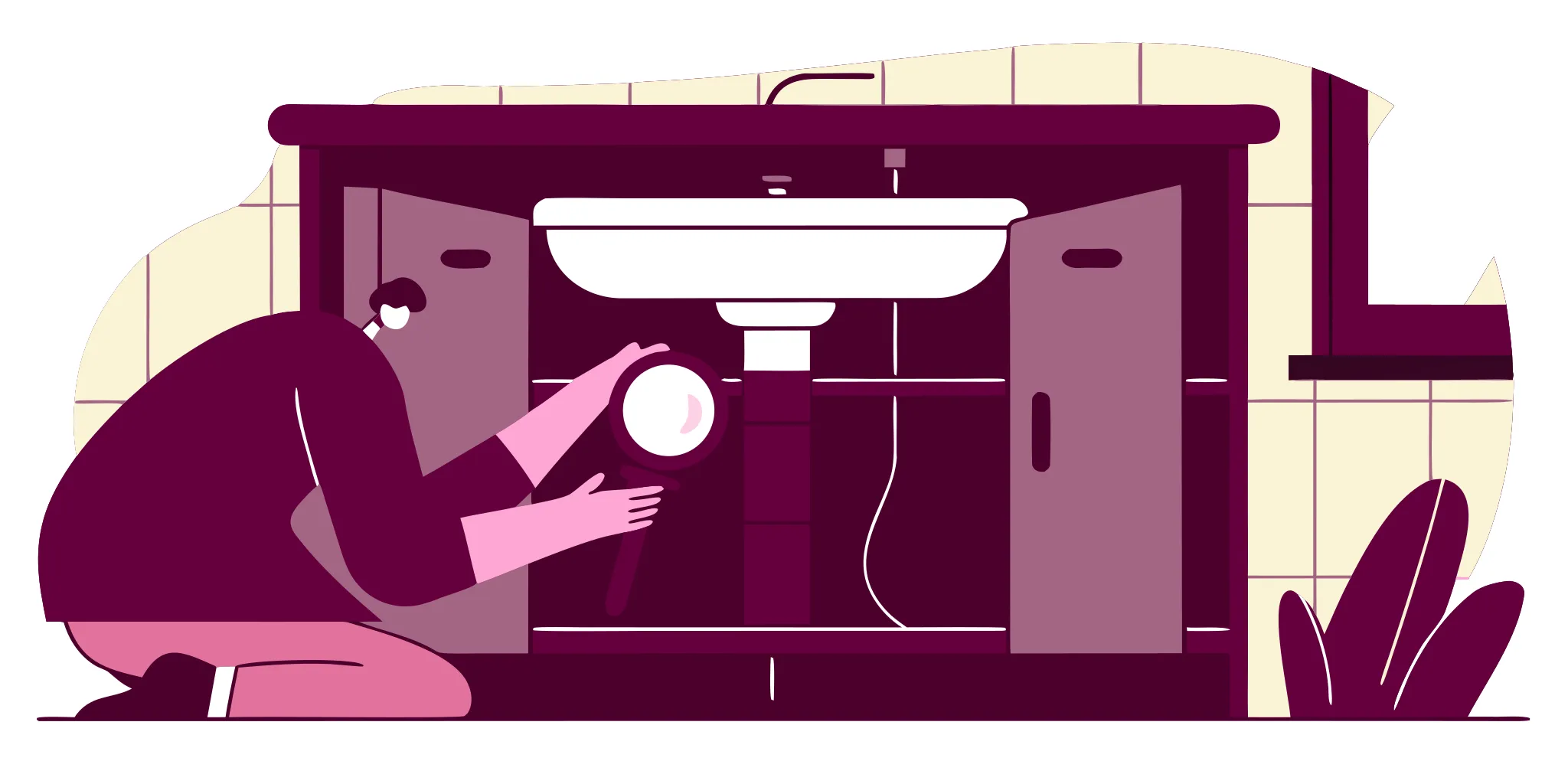
Homeowner performing water leak detection under a bathroom sink.
Back to Blog
InsightsJune 25, 2026

The Homeowner's Guide to Water Leak Detection

Get practical water leak detection tips for homeowners. Learn how to spot leaks early, use detectors, and know when to call a professional plumber.

Finding a hidden water leak used to involve a lot of guesswork and unnecessary destruction. A plumber might have had to cut into multiple walls just to find the source of a small drip. Thankfully, things have changed. Today, professional **water leak detection** is a science. We use tools that feel like something out of a spy movie, like acoustic listeners that hear water moving inside pipes and thermal cameras that create a heat map of your walls to reveal hidden moisture. This technology allows our technicians to find the exact location of a leak quickly and accurately, saving your home from damage and getting the problem fixed right the first time. ## Key Takeaways * **Trust Your Senses and Your Water Meter**: You are the first line of defense against leaks. Pay attention to musty smells, water stains, or the sound of running water, and use simple tools like your water meter or food coloring in the toilet tank to confirm a hidden issue. * **[Professionals Find Leaks, Not Just Look for Them](https://spacecoastcooling.com/plumbing-services/water-leak-detection-repair/)**: While you can spot obvious drips, a professional uses non-invasive technology like thermal cameras and acoustic listeners to pinpoint the exact source of hidden leaks, preventing expensive guesswork and unnecessary damage to your home. * **Prevention Is Cheaper Than Repair**: A small investment in regular maintenance or a professional inspection can save you thousands in water damage and repairs. It's also wise to review your homeowners insurance policy now to understand your coverage before an emergency strikes. ## Signs You Have a Water Leak Some water leaks make themselves known with a dramatic burst pipe or a sudden puddle in the middle of your kitchen. But most are far more subtle, hiding behind walls or under floors where they can cause serious damage before you even know they’re there. The key is to know what you’re looking for, because catching a leak early can save you from expensive repairs and major headaches down the road. Think of it as a routine check-up for your home’s plumbing. By paying attention to the small signs, you can stop a minor drip from turning into a major disaster. ### Visible Clues to Look For Your senses are your best first line of defense against water leaks. Often, your home will give you clear signals that something is wrong, as long as you know how to spot them. Walk through your home and check for any of these common red flags. You might notice a musty, earthy smell that you can’t quite place, which often points to hidden moisture. Keep an eye out for new water stains on ceilings or walls, bubbling paint, or peeling wallpaper. You should also be on the lookout for visible [mold and mildew growth](https://www.epa.gov/mold/brief-guide-mold-moisture-and-your-home), especially in bathrooms, laundry rooms, and under sinks. If you hear the sound of running water when all your faucets are off, that’s another major warning sign. ### Hidden Signs of a Problem Unfortunately, not all leaks are easy to see or hear. Some of the most destructive leaks are completely silent and hidden from view, but they often leave a trail of evidence if you know where to look. The most reliable clue is a sudden, unexplained spike in your water bill. If your usage habits haven't changed but your bill has shot up, it’s time to play detective. Another great trick is to check your water meter. First, make sure no water is being used in your home. Then, check the reading on your meter and wait for about an hour without using any water. If the reading has changed when you check it again, you likely have a leak somewhere in your system. This simple test can confirm a problem long before you see any physical damage. ## How to Find a Leak Yourself Before you pick up the phone, you can do a little detective work to confirm if you have a leak. These simple checks don’t require any special tools and can help you pinpoint the source of the problem, or at least confirm that you need a professional’s help. Think of it as a preliminary home health checkup. Taking these steps can give you valuable information to share with your plumber, saving time and getting the issue fixed faster. ### Check Your Water Meter Your water meter is one of the best tools for finding a hidden leak. First, make sure all water-using appliances are turned off inside and outside your home. This includes faucets, showers, washing machines, and sprinklers. Once everything is off, head outside to your water meter and take a look at the dial. Most meters have a small triangle or wheel, often called a leak indicator or test hand. If that indicator is moving, it means water is flowing somewhere on your property, confirming you have a leak. This simple [meter test](https://www.wikihow.com/Read-a-Water-Meter) is a reliable first step in your investigation. ### Try the Toilet Dye Test A running toilet is a common culprit for a surprisingly high water bill. The leak is often silent, coming from the tank into the bowl. To check for this, all you need is a bit of food coloring. Add a few drops of color into the toilet tank and wait about 15 minutes. The most important part of this test is not to flush the toilet. After the time is up, look in the toilet bowl. If you see any of the colored water in the bowl, it means the flapper in your tank isn't sealing properly and you have a leak. This is a simple fix, but it can save hundreds of gallons of water over time. ### Inspect High-Risk Areas Finally, take a walk through your home and use your senses to spot trouble. Leaks often leave behind obvious clues if you know what to look for. Keep an eye out for water stains on ceilings or walls, bubbling paint, or warped wallpaper. Check under sinks and around the base of toilets and tubs for any pooling water or dampness. You should also be aware of any persistent musty odors, which could signal mold or mildew growth from a hidden leak. Sometimes, you might even hear the faint sound of running water when everything should be quiet. These are all red flags that point to a problem that needs attention. ## DIY vs. Professional Leak Detection: What's the Difference? When you suspect a water leak, the first question is often whether you can find it yourself or if you need to call in a professional. The answer really depends on the nature of the leak. While a quick DIY check is a great starting point for obvious issues, it falls short when the problem is hidden from view. The key difference between a DIY approach and a professional service comes down to technology and accuracy. You can spot a dripping faucet on your own, but finding a pinhole leak in a pipe behind a wall requires specialized equipment. Professional leak detection is a non-invasive process that uses advanced tools to pinpoint the exact source of a leak without tearing up your floors or walls. Think of it as a science. Our technicians are trained to interpret data from various devices to locate the problem quickly and accurately. This approach not only saves your home from unnecessary damage but also ensures the repair is done right the first time. While it might be tempting to save money by searching for a leak yourself, you risk overlooking a serious issue that could lead to extensive water damage, mold growth, and much more expensive repairs down the road. ### When to DIY It’s always a good idea to start with a few simple checks you can do yourself. Looking for obvious signs of water is a great first step and doesn't cost you anything. Check for puddles under sinks, listen for a toilet that won’t stop running, or look for drips from your water heater. These are often straightforward fixes. However, it's important to know the limits of a DIY inspection. These visual checks are only effective for leaks you can see or hear. They won’t help you find a slow leak inside a wall, under your concrete slab, or in the main water line running to your house. Relying only on what you can see might give you a false sense of security while hidden damage continues to worsen. ### How Professionals Find Leaks When a leak is playing hide-and-seek, a professional plumber brings in the high-tech gear. Instead of guessing where the water is coming from, they use a combination of specialized tools to get a clear picture of what’s happening inside your plumbing system. These methods are designed to be precise and non-destructive, protecting your property while solving the mystery. Using this equipment, a trained technician can identify the exact location and severity of a leak, whether it’s in a wall, under the floor, or deep underground. This level of precision is something a visual inspection alone can’t achieve. It ensures that when it’s time for a repair, we only open up the one small area that’s absolutely necessary, saving you from a messy and costly demolition project. This is where decades of experience and the right plumbing technology make all the difference. #### Acoustic Detection One of the primary tools in our kit is an acoustic listening device. This highly sensitive piece of equipment works like a stethoscope for your plumbing. Technicians use it to listen for the distinct sound of water hissing or dripping as it escapes from a pressurized pipe. By moving the sensor along your walls or floor, they can follow the sound to its loudest point, which is the exact location of the leak. This method is incredibly effective for finding leaks in pipes buried underground or hidden within your home’s structure. #### Thermal Imaging Thermal imaging, or infrared technology, allows us to see what the naked eye can't. A specialized camera detects minute temperature differences on surfaces like drywall, flooring, and ceilings. When water leaks from a pipe, it creates a cold spot as it evaporates and soaks into the surrounding materials. A thermal camera displays these temperature variations as different colors, creating a "heat map" that clearly shows the path of the water and leads us directly to the source of the leak. This process is quick, completely non-invasive, and highly accurate. #### Moisture Meters While thermal imaging shows us temperature changes, moisture meters confirm the presence of water. These handheld devices have probes that are pressed against a surface to measure its moisture content. If a section of your wall or floor has a higher moisture reading than the surrounding areas, it’s a strong indicator of a hidden leak. We use moisture meters to verify the findings from a thermal scan and to map out the full extent of the water damage, ensuring no wet spots are left behind. #### Video Camera Inspections For problems inside your pipes, especially in sewer and drain lines, nothing beats a video camera inspection. We guide a small, waterproof, high-resolution camera attached to a flexible rod directly into your plumbing system. This gives us a real-time, up-close look at the condition of your pipes from the inside. We can easily spot cracks, corrosion, tree root intrusion, or blockages that are causing leaks or backups. It takes the guesswork out of diagnosing underground or hard-to-reach pipe issues. #### Pressure Testing If we suspect a leak in a closed plumbing line, a pressure test is a definitive way to confirm it. This method involves isolating a section of your plumbing system and filling it with water or air to a specific pressure. We then use a gauge to monitor the pressure over a set period. If the pressure drops, it confirms there is a leak somewhere in that line. While this test tells us that a leak exists, we often use it in combination with other methods, like acoustic detection, to pinpoint its exact location. ## How Do Water Leak Detectors Work? Water leak detectors are your first line of defense against water damage, acting like a smoke alarm for plumbing problems. These clever gadgets are designed to catch leaks the moment they start, giving you a critical heads-up before a small drip turns into a destructive flood. They work by sensing moisture where it shouldn’t be and then triggering an alert. Think of them as a 24/7 watch guard for your home’s most vulnerable spots. There are a few different types, from simple standalone sensors to sophisticated systems that integrate with your smart home, each offering a different level of protection. Understanding how they operate can help you choose the right solution to protect your property. ### Spot Detectors The simplest and most common type of leak sensor is the spot detector. These are typically small, battery-powered pucks or long sensor cables that you can place directly in areas prone to leaks. Think about the spaces under your kitchen sink, behind the toilet, next to the washing machine, or near your water heater. When water touches the sensor, it completes a circuit and triggers a loud alarm, alerting anyone nearby. Many modern [smart water-leak detectors](https://www.nytimes.com/wirecutter/reviews/the-best-smart-leak-detector/) also send a notification straight to your phone. They are an affordable and easy way to get started with leak detection, providing targeted protection for high-risk zones. ### Whole-Home Systems A whole-home system offers a more comprehensive approach to leak detection. Instead of just monitoring specific spots, these systems are installed directly on your main water line. They use technology to monitor the flow of water throughout your entire house. If the system detects an unusual pattern, like continuous water flow that could indicate a burst pipe or a running toilet, it will alert you. Some advanced models can even automatically shut off your main water supply to prevent catastrophic damage. These systems are a fantastic investment for total peace of mind, especially for homeowners who travel or manage a second property. ### Smart Home Integration Many of today's leak detectors, both spot and whole-home, can connect to your home’s Wi-Fi network. This smart home integration is a game-changer for leak protection. Instead of just relying on an audible alarm that you might not hear, the device sends an instant alert to your smartphone or tablet. This means you’ll know about a leak whether you’re at work, running errands, or on vacation. Some systems require a central "hub" to connect to the internet, which can also link them with other smart devices in your home. This connectivity allows you to act fast, even when you’re not there, by calling a plumber or asking a neighbor to check on your home. ## What to Look for in a Water Leak Detector Choosing a water leak detector can feel a bit like shopping for insurance. You hope you never need it, but you’ll be incredibly grateful you have it if something goes wrong. With so many options on the market, it’s helpful to know what features really matter. The best device for your home depends on your specific needs, your comfort level with technology, and the layout of your property. Think about where you plan to place the detectors and how you want to be notified. Do you want a simple, loud alarm, or would you prefer a notification sent to your phone when you’re away from home? Some systems can even integrate with your other smart home devices. To help you make the right choice, let’s walk through the key features to consider, from how sensitive the device is to how long its batteries will last. This will ensure you find a reliable detector that gives you true peace of mind. ### Sensitivity and Response Time The main job of a leak detector is to find water where it shouldn’t be, and to do it fast. That’s why sensitivity is so important. A good detector can [find small leaks](https://www.nytimes.com/wirecutter/reviews/the-best-smart-leak-detector/) long before they turn into a disaster, sensing everything from a slow drip to a sudden pool of water. Look for devices with multiple sensors that can detect water from different angles. Response time is the other half of the equation. It’s the speed at which the device identifies the leak and alerts you. The sooner you know about a problem, the faster you can act to shut off the water and prevent serious damage. The best systems send an alert to your phone within seconds of detecting moisture, giving you a critical head start. ### Alert and Notification Style How a detector gets your attention is just as important as its ability to sense water. Imagine a leak happens while you’re asleep or running errands. If you don’t get the alert, the detector isn’t much help. Most modern devices offer a combination of alerts. A built-in siren is a must-have, as a loud alarm will grab your attention even if your phone isn’t nearby. Beyond a local alarm, look for models that send push notifications, text messages, or emails directly to your smartphone. This ensures you’re aware of a problem no matter where you are. Some advanced systems will even continue sending alerts at set intervals until you acknowledge them, making it almost impossible to miss a potential emergency. ### Smart Home Compatibility If you already use smart home technology, finding a compatible leak detector can make your life much easier. Many detectors are designed to [work with smart home systems](https://www.nytimes.com/wirecutter/reviews/the-best-smart-leak-detector/) like Amazon Alexa or Google Home. This integration allows you to check the status of your sensors with a simple voice command or see all your devices in a single app. You can also create automated routines. For example, you could set your smart lights to flash red if a leak is detected, providing an immediate visual cue. While some people prefer a standalone system that just sends alerts to their phone, smart home integration adds another layer of convenience and control, making it easier to keep tabs on your home’s plumbing health. ### Power and Battery Life Most spot detectors are battery-powered, which gives you the flexibility to place them anywhere without worrying about outlets. When comparing models, pay close attention to the advertised battery life. A long-lasting battery (ideally a year or more) means less maintenance for you. More importantly, look for a device that sends you a low-battery notification well before it runs out of power. A detector with a dead battery is useless. Also, consider the strength of the device’s alarm and its wireless range. A powerful alarm, often measured in decibels, ensures you’ll hear it from anywhere in the house. Good wireless range is crucial if you’re placing a sensor far from your Wi-Fi router, like in a basement or detached garage. ### Durability and Placement Water leak detectors are often placed in damp, out-of-the-way locations like under sinks, in crawl spaces, or behind toilets. Because of this, they need to be built to last. Look for a detector with a rugged, water-resistant casing that can withstand the environment it’s in. While your home detector doesn't need to be as tough as the [professional water leak detection equipment](https://pipehorn.com/water-leak-detectors/) our technicians use, durability is still a key factor for long-term reliability. Proper placement is essential for the detector to do its job. Install sensors in high-risk areas, including near your water heater, washing machine, dishwasher, refrigerator ice maker line, and under every sink. This strategic placement ensures you’ll catch a leak at its source. ## How Much Does Leak Detection Cost? When you suspect a leak, one of the first questions that comes to mind is, "How much will this cost to fix?" The answer depends on the leak's location, its severity, and the method used to find it. While it can be tempting to go the cheapest route, understanding the full picture helps you see that investing in professional detection is often the most cost-effective choice. The price can range from a few dollars for a DIY detector to several hundred for a comprehensive professional service that uses advanced technology. The key is to weigh the upfront cost against the potential expense of leaving a leak unfixed. A small, hidden drip can quickly turn into thousands of dollars in water damage, structural repairs, and mold remediation. A professional plumber not only finds the leak but also provides an accurate diagnosis, which prevents you from spending money on the wrong repairs. At Space Coast Cooling & Plumbing, we believe in transparency, so we always provide clear, upfront pricing before any work begins. This way, you know exactly what to expect and can make an informed decision for your home. ### DIY Detector Costs Looking for obvious signs of a water leak yourself costs nothing but your time. You can visually inspect your pipes, listen for drips, and check your water meter for unexpected activity. For a little more help, you can purchase simple battery-operated spot detectors for around $10 to $50. You place these on the floor near water heaters, sinks, or washing machines, and they sound an alarm when they get wet. While these methods are great for catching obvious issues, they aren't very effective for finding leaks hidden behind walls or under your home’s foundation. Relying solely on DIY methods can give you a false sense of security while a hidden leak causes serious damage. ### Professional Service Costs Hiring a professional plumber for leak detection typically costs between $75 and $500 for a standard inspection in an accessible area. If the leak is in a more difficult spot, like under a concrete slab or deep within a wall, the cost can increase. These complex jobs often require specialized equipment like thermal cameras or acoustic listeners and can range from $200 to $900 or more. While this may seem like a significant expense, you are paying for expertise and technology that pinpoints the exact source of the problem quickly and with minimal damage to your property. This accuracy saves you money on unnecessary drywall removal or flooring tear-outs. ### Emergency Service Costs Water leaks don’t always happen during business hours. If a pipe bursts in the middle of the night or on a holiday, you’ll need immediate help. Most plumbing companies charge an additional fee for emergency service, which can add $100 to $300 to your bill. This fee covers the cost of dispatching a qualified technician to your home right away, regardless of the time. Paying for an emergency call is a small price compared to the extensive water damage that can occur in just a few hours. Having access to a 24/7 plumber gives you peace of mind that help is always available when you need it most. ### The Cost of Ignoring a Leak The most expensive leak is the one you ignore. A slow drip might not seem like a big deal, but over time it can lead to catastrophic and costly problems. Persistent moisture creates the perfect environment for mold and mildew, which can compromise your home's air quality and cause health issues. Water can also rot wooden support beams, damage your foundation, and ruin drywall, flooring, and personal belongings. According to the EPA, household leaks can [waste nearly 1 trillion gallons](https://www.epa.gov/watersense/fix-leak-week) of water nationwide each year. The cost of professional leak detection is a small investment that protects your property’s value and prevents you from facing much larger repair bills down the road. ## Does Homeowners Insurance Cover Water Leak Detection? This is a question we hear all the time, and the answer is a classic "it depends." Generally, most standard homeowners insurance policies draw a line between the *damage* caused by a leak and the *service* used to find it. While your policy will likely cover the cost to repair water damage from a sudden and accidental event, like a burst pipe flooding your kitchen, it probably won't pay for the plumber's time and technology used to pinpoint the source of the leak. The key phrase here is "sudden and accidental." Insurance is designed for unexpected disasters, not for problems that arise from a lack of maintenance. A slow drip from a corroded pipe that has been happening for months is often viewed as a maintenance issue, and any resulting damage might not be covered. Taking the time to understand what your [homeowners insurance policy](https://www.iii.org/article/water-damage-and-your-homeowners-insurance-policy) actually covers can save you from major headaches and financial surprises down the road. The best thing you can do is be proactive. Some insurance providers even offer discounts for installing smart water leak detectors, since preventing a major water damage claim saves everyone money. Before you find yourself in an emergency, pull out your insurance documents or call your agent. Ask them directly: "What is my coverage for water damage, and does my policy pay for leak detection services?" Knowing the answer ahead of time empowers you to make the best decision for your home and your budget when a leak occurs. ## When to Call a Professional Plumber You’ve checked the usual suspects and run a few tests, but sometimes a leak is just too elusive or too serious for a DIY fix. Knowing when to put down the wrench and pick up the phone is key to protecting your home from significant damage. If you’re feeling out of your depth, that’s a perfectly good reason to call for backup. A professional plumber has the experience and technology to solve the mystery quickly and accurately. ### Signs You Need a Pro While it’s great to be proactive, some situations are clear signals that it’s time to call in an expert. Don’t hesitate to schedule a service call if you notice any of these red flags. If your water meter is still running after you’ve shut off all your appliances, and you can’t find the source, a professional is your next step. You should also call if you see persistent water stains that keep coming back, even after they dry. Other serious signs include the smell of musty odors or visible mold spreading on walls, which points to a hidden moisture problem. If you have any reason to suspect a slab leak under your home’s foundation, it’s crucial to get professional help immediately. Our technicians are equipped to provide expert [leak detection](https://www.spacecoastcooling.com/plumbing/leak-detection/) and find the source of the problem without guesswork. ### What to Expect During a Service Call Knowing what happens during a professional service call can help ease any worries. Our main goal is to find the leak with minimal disruption to your home. Catching a hidden leak early is essential for preventing widespread issues like mold growth, structural damage, and sky-high water bills. When our licensed technician arrives, they will listen to your concerns and get to work using advanced diagnostic tools. We use equipment like acoustic listening devices, thermal imaging cameras, and moisture meters to pinpoint the exact location of a leak, even if it’s behind a wall or under the floor. This modern approach means we can find the problem without having to tear anything apart. Once we’ve identified the source, we’ll explain the issue clearly, show you our findings, and provide an upfront, honest price for the repair. If you’re dealing with a sudden pipe burst or major issue, our team is always ready with [24/7 emergency service](https://www.spacecoastcooling.com/plumbing/). ## Prevent Leaks with Regular Maintenance An ounce of prevention is worth a pound of cure, and that’s especially true when it comes to your home’s plumbing. The best way to handle a water leak is to stop it before it even starts. Regular maintenance might sound like a chore, but it’s one of the most powerful habits you can build as a homeowner. Think of it as a routine check-up for your house. By catching small issues early, you can prevent the kind of water damage that leads to costly repairs, mold problems, and major stress. A little bit of vigilance goes a long way in protecting your property and your peace of mind. It’s about being proactive, not reactive. Taking a few minutes each month to inspect key areas can save you from a massive headache down the road. This consistent effort helps you understand your home’s normal behavior, making it much easier to spot when something is wrong. Plus, it keeps your plumbing system running efficiently, which can even help lower your water bills over time. ### Areas to Check Regularly Knowing what to look for is half the battle. As you walk through your home, train your senses to pick up on subtle clues that something isn’t right. Pay close attention to these common warning signs: * **Unexpected Puddles:** Any water pooling on your floors or around appliances is an immediate red flag. * **A Sudden Drop in Water Pressure:** If your shower suddenly feels weak, a hidden leak could be diverting water elsewhere. * **Musty Odors:** A persistent damp or earthy smell often points to hidden moisture and potential mold growth. * **Wall and Ceiling Stains:** Discoloration or bubbling paint is a classic sign of a leak from above. * **The Sound of Running Water:** If you hear water when all faucets are off, your system is losing water somewhere. * **Spiking Water Bills:** A sudden, unexplained increase in your bill means water is being wasted, likely through a leak. ### The Value of a Professional Inspection While these regular self-checks are fantastic for catching obvious problems, some leaks are masters of disguise. They hide behind walls, under concrete slabs, or deep within your plumbing system where you can’t see them. This is where a professional inspection makes all the difference. Our technicians use specialized equipment like acoustic listeners and thermal cameras to pinpoint the exact source of a leak without tearing up your home. Scheduling routine [plumbing maintenance](https://www.spacecoastcooling.com/plumbing/) not only helps find these hidden issues but also prevents future problems by ensuring your pipes and fixtures are in top condition. Think of it as an investment in your home’s long-term health and your own peace of mind. ## Related Articles * [Trusted Water Leak Detection & Repair Cocoa, FL](https://spacecoastcooling.com/plumbing-services/water-leak-detection-repair/) * [Can a Water Heater Cause Low Water Pressure in Your Home?](https://spacecoastcooling.com/can-a-water-heater-cause-low-water-pressure/) * [FAQs | Space Coast Cooling & Plumbing, Inc.](https://spacecoastcooling.com/faq/) * [Cocoa, FL, Water Line Repair Services](https://spacecoastcooling.com/plumbing-services/water-line-repair-replacement/) ## [Frequently Asked Questions](https://spacecoastcooling.com/faq/) **My water bill suddenly went up, but I can’t find any signs of a leak. What should I do first?** An unexplained spike in your water bill is a classic sign of a hidden leak. The first thing you should do is the water meter test. Make sure every faucet, appliance, and outdoor spigot is turned off, then go check your water meter. If the small leak indicator dial is spinning, you have confirmed that water is running somewhere on your property. This simple test is your most reliable first step. If it confirms a leak but you still can't find the source, it's time to call us, as the problem is likely in a pipe behind a wall or under your foundation. **Is paying for a professional leak detection service really worth the cost?** Absolutely. Think of it as an investment in protecting your home. While the upfront cost for a professional service might seem high compared to looking for a leak yourself, it can save you thousands of dollars down the road. Our technicians use specialized technology to find the exact location of a leak without tearing up your walls or floors. This precision prevents widespread damage and avoids the massive expense of structural repairs and mold remediation. You are paying for accuracy that ensures the problem is fixed correctly the first time. **What’s the real difference between a simple spot leak detector and a whole-home system?** A spot detector is great for targeted protection. You place these small sensors in high-risk areas like under the sink or next to the water heater, and they sound an alarm if they sense moisture. A whole-home system is more comprehensive. It is installed on your main water line and monitors the flow of water into your entire house. If it detects an unusual, continuous flow, it alerts you and can even shut off the main water supply automatically. A spot detector catches a leak after it starts, while a whole-home system can stop a potential disaster in its tracks. **Will my homeowners insurance pay for a professional to find a water leak?** This is a tricky one, and it really depends on your specific policy. Generally, homeowners insurance is designed to cover the *damage* caused by a sudden and accidental leak, like a burst pipe that floods your laundry room. However, most standard policies do not cover the cost of the service to find the source of the leak itself. They also may not cover damage from slow leaks that are considered a maintenance issue. Your best bet is to call your insurance agent before you have a problem and ask them directly about your coverage for both water damage and leak detection services. **How often should I have my plumbing professionally inspected to prevent leaks?** For most homes, scheduling a professional plumbing inspection every one to two years is a great proactive step. This gives a trained technician a chance to check your entire system, from pipes and fixtures to your water heater. An inspection can catch small issues like minor corrosion or failing parts before they turn into major leaks. If you live in an older home with its original plumbing, you might consider having an inspection done annually for extra peace of mind. Regular maintenance is truly the best defense against unexpected water damage.
Available 24/7

Call the Experts that Local Homeowners Rely On

When you need home services, you want answers you can trust and work you can count on. Space Coast Cooling & Plumbing is the plumbing and HVAC company in Cocoa, FL, that brings decades of local experience, licensed professionals, and customer-first service to every job. One call connects you with a team ready to help.

Licensed & InsuredServing Cocoa Since 1994Honest, Upfront PricingSame-Day Service Available