
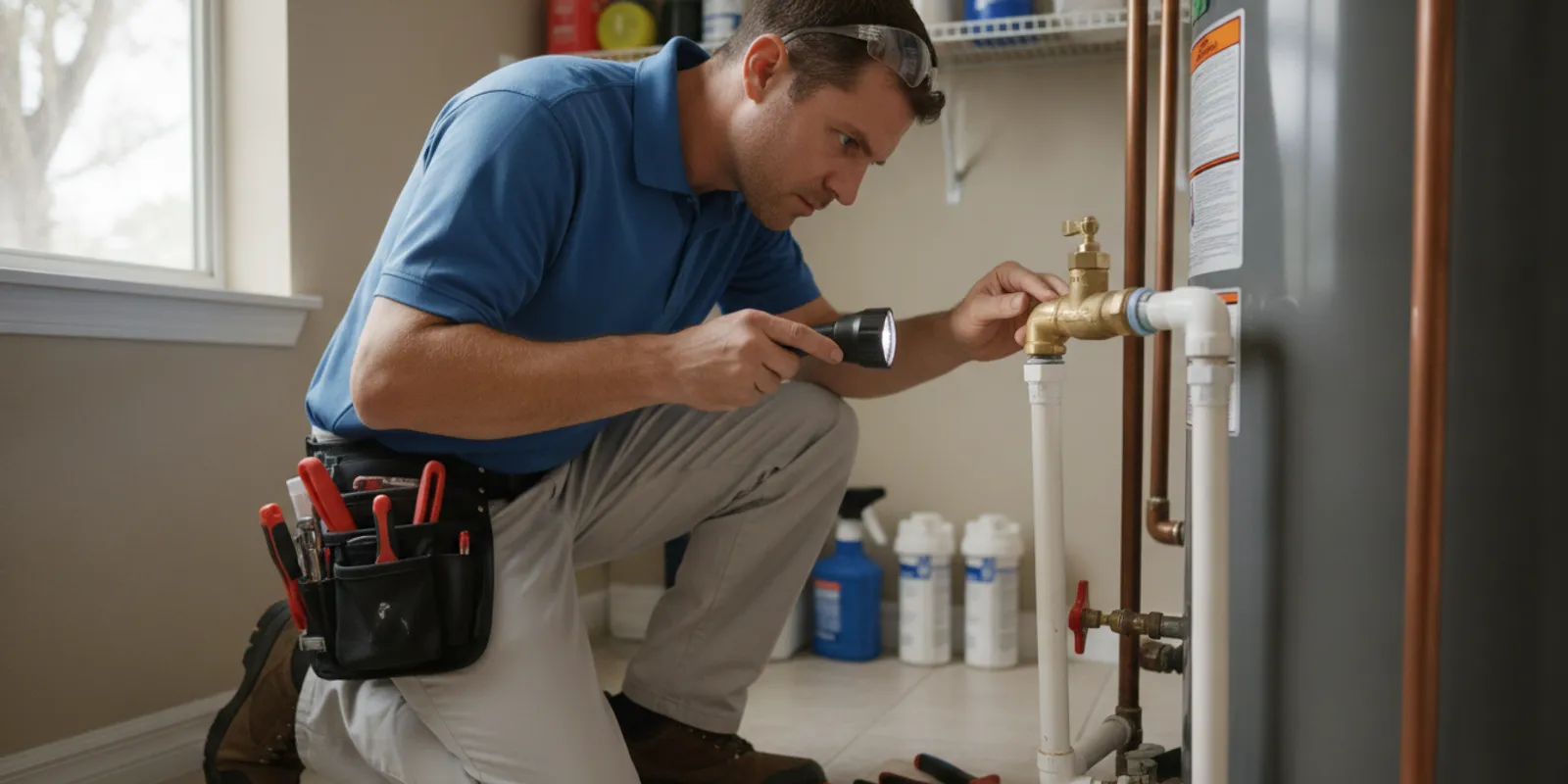
Water shut off valve replacement cost depends on which valve needs attention, how easy it is to reach, and the condition of the connected pipe. For Space Coast homeowners, understanding these factors makes it easier to compare estimates and decide what questions to ask before the water is turned off. There is no single price that fits every home, so a useful estimate starts with the actual valve and the work around it.
What affects water shut off valve replacement cost?
A shut-off valve may serve one fixture, a branch of the plumbing system, or the whole home. Replacing an accessible valve under a sink is a different job from replacing a main valve in a crowded utility area or one that requires opening a finished surface. The technician also needs to assess how the valve joins the pipe and whether that connection can be reused safely.
These are the main items that shape the scope and, in turn, the cost:
- Valve location and purpose: A fixture stop controls a local supply, while a main shut-off controls water to a much larger part of the home. The valve type and location determine what has to be isolated and how the work is approached.
- Access: A clear space with room to work is simpler than a valve behind stored items, inside a cramped cabinet, or behind a wall. If access requires removal or restoration of a surface, ask whether that work is included.
- Pipe and fitting condition: Corrosion, damaged threads, a worn connection, or fragile nearby piping may make removal more involved. A valve replacement estimate may change if the connection itself cannot support a sound new fitting.
- Water isolation and draining: The plumbing may need to be shut down and a section drained before the valve can be removed. The relevant shutoff point and the home's plumbing layout affect the sequence.
- Testing and restoration: The valve should be checked after installation, and the affected plumbing brought back into service. Clarify whether the estimate includes leak checks and cleanup.
- Additional repairs: The source of a drip might be at the valve, the pipe connection, or a nearby supply line. Repairs beyond the quoted replacement should be explained and approved rather than assumed.
For an overview of plumbing work available locally, see the company's plumbing services. A service description can help you explain what you are seeing, but an inspection is needed to identify the right scope for a particular valve.
How do the common repair options compare?
Replacement is not automatically the right answer whenever a valve looks old or feels stiff. A plumber can inspect the valve and connection, then explain whether an adjustment, limited repair, replacement, or a wider pipe repair makes sense. This comparison is a planning guide rather than a quote; the actual work depends on the condition and access at the home.
| Option | When it may fit | What to ask about the scope |
|---|---|---|
| Inspection or adjustment | The valve is reachable and there is no obvious active leak or damage, but its operation is uncertain. | Can it be operated reliably, and are there signs of leakage or corrosion? |
| Limited repair | A specific, localized problem appears repairable without replacing the valve or altering the connected pipe. | Which part is being repaired, what issue should the repair resolve, and what would prompt more work? |
| Valve replacement | The valve leaks, will not shut off water as intended, or is damaged enough that replacement is recommended. | Which valve is included, what parts and labor are covered, and how will the connection be tested? |
| Valve plus pipe or access work | The connected pipe or fitting is damaged, or the valve cannot be reached without additional access work. | Why is the added work needed, what is excluded, and will you approve it before it begins? |
Why can two similar-looking valves have different scopes?
Consider two homeowners who both notice a drip under a sink. In the first home, the visible moisture is at the valve connection, the valve is easy to reach, and the nearby pipe appears sound. The estimate can focus on that valve and its connection, followed by a check for leaks. In the second home, the valve is also under a sink, but the cabinet is crowded and the connection shows corrosion. The technician may need more time for access and may recommend addressing a fitting or pipe section as well. Similar symptoms do not guarantee identical work.
The same principle applies to main shut-off valves. One may be in an open utility area, while another may be difficult to reach or connected to piping that needs closer evaluation. These examples do not predict a price or mean that a larger repair is necessary. They show why an estimate should name the valve, state what is included, and describe which findings could change the plan. Ask the plumber to point out the condition that supports each proposed step, and to distinguish required work from optional or conditional work.
These options are not interchangeable. For example, tightening a connection may not solve a valve that no longer stops water, while replacing a valve alone may not address a corroded pipe connection. If an inspection points to a larger problem, the company's information on pipe repair and water line repair or replacement can help you understand the relevant service areas. Those pages do not determine what a specific home needs; the technician should connect the recommendation to what they find.
When might a shut-off valve need attention?
Look for water around the handle or connection, recurring dampness, visible rust or mineral deposits, or a valve that does not stop water when turned. A handle that is loose, stuck, or unusually difficult to move also deserves attention. Do not force it to test whether it works. Applying too much pressure can damage the valve or the pipe attached to it.
A valve can be hidden from view, so an unexplained wet cabinet floor or damp area near plumbing may be the first clue. If the source is unclear, describe where and when you see moisture. The company's water leak detection and repair information is relevant when you cannot identify the source, while an active leak that needs prompt attention may call for its emergency plumbing service.
If water is actively escaping, protect people and belongings from the affected area. Use another shutoff only if you know what it controls and can reach it safely. If you cannot control the water, get prompt plumbing help. Avoid repeated turning, tightening, heating, cutting, or disassembling a pressurized connection.
What should you ask before accepting an estimate?
A clear estimate should identify the valve and explain the proposed work. If you receive a price without a clear description, ask for the scope in ordinary language before scheduling. You do not need to diagnose the plumbing yourself; your goal is to understand what the technician plans to do and what could alter the estimate.
- Which valve is included, and what condition makes replacement preferable to repair?
- Does the price include the replacement valve, fittings, labor, water isolation, testing, and cleanup?
- Is the connected pipe in suitable condition, or might pipe repair be needed?
- Could access or surface restoration be separate from the plumbing work?
- How will water be shut off, and what parts of the home may be without water during the job?
- If inspection uncovers another issue, will the technician explain it and get approval before proceeding?
- What warranty or workmanship terms apply, if any?
Do not compare estimates by a single total alone. One scope may include a new valve and a test, while another may list only the valve replacement and leave access, pipe repairs, or restoration outside the quoted work. Ask each provider to clarify inclusions and exclusions in comparable terms. If an estimate is conditional, ask what specific finding would trigger the additional work and how you will be notified.
How can you prepare for the visit?
Clear stored items away from the valve, under-sink cabinet, or utility area so the technician can see and reach the work area. If the valve is behind a panel or in a closet, make sure the space is accessible. Keep pets and children away from the work zone while tools and water are in use.
Make a short note of what happened: when you first noticed the issue, whether there is active dripping, whether it changes when the valve is used, and whether any recent plumbing work occurred. A photo of the visible area can be useful when describing the problem, but do not move a leaking part or touch a valve that may be unsafe. Mention if you know of another working shutoff point, but do not experiment with valves during an active leak.
Water may need to be unavailable during some or all of the repair. Ask the plumber what to expect for your particular setup, rather than assuming the interruption will be the same for every home. If you are arranging service from Melbourne, Palm Bay, or another Space Coast community, the company's service area information can help you check the locations it serves. A broader plumbing concern involving multiple pipes may also make it useful to review the company's repiping information, but a single valve problem does not by itself mean whole-home pipe replacement is needed.
What water-safety information can help?
Knowing which valve controls a fixture and where the main shutoff is can help a household respond more calmly to a leak. If you do not know which control serves the affected area, ask a qualified plumber to identify it during a visit rather than testing an unfamiliar or stuck valve during an emergency. The U.S. Environmental Protection Agency provides broader water-related information through its official website; for a home-specific valve concern, use a plumbing inspection to assess the equipment and connections.
There is no reliable cost figure to apply without knowing the valve type, access, and pipe condition. When you request an assessment, describe the location and symptoms and ask for a written scope that separates the replacement from any possible additional work. Space Coast Cooling & Plumbing serves communities across Brevard County; you can review its Palm Bay service information or Melbourne service information if either applies to your home.
Frequently Asked Questions
Can a shut-off valve be repaired instead of replaced?
Sometimes. It depends on the source of the problem and the condition of the valve and connection. A plumber can determine whether a limited repair is suitable or whether replacing the valve is the more appropriate option. Ask what the repair is intended to fix and how the result will be checked.
Should I try turning a stuck valve?
No. Do not force a valve that is stuck or unusually difficult to move. Excessive pressure can damage a weakened valve or connected piping. Leave it in place and arrange an inspection, especially if you see moisture or corrosion.
Does a replacement estimate include pipe work?
Not necessarily. Some estimates cover the valve only, while others may include fittings or a section of pipe if the connection is damaged. Ask what is included, what is conditional, and whether you will approve any added work before it starts.
Will the water need to be shut off during replacement?
Water generally needs to be isolated from the work area while a valve is changed, but the affected area and timing depend on the plumbing layout and which valve is being replaced. Ask the technician how the system will be isolated and when water is expected to be restored.
How do I know whether the problem is urgent?
Active water escaping that you cannot control needs prompt attention. If the area is damp but there is no visible flow, keep clear of unsafe electrical equipment, avoid operating a questionable valve, and request an assessment. Describe what you see when contacting a plumber so the situation can be understood.
Get a clear next step
Contact Space Coast Cooling & Plumbing
A careful inspection and a clearly explained scope can help you understand whether the valve itself needs replacement and what the work will include.