
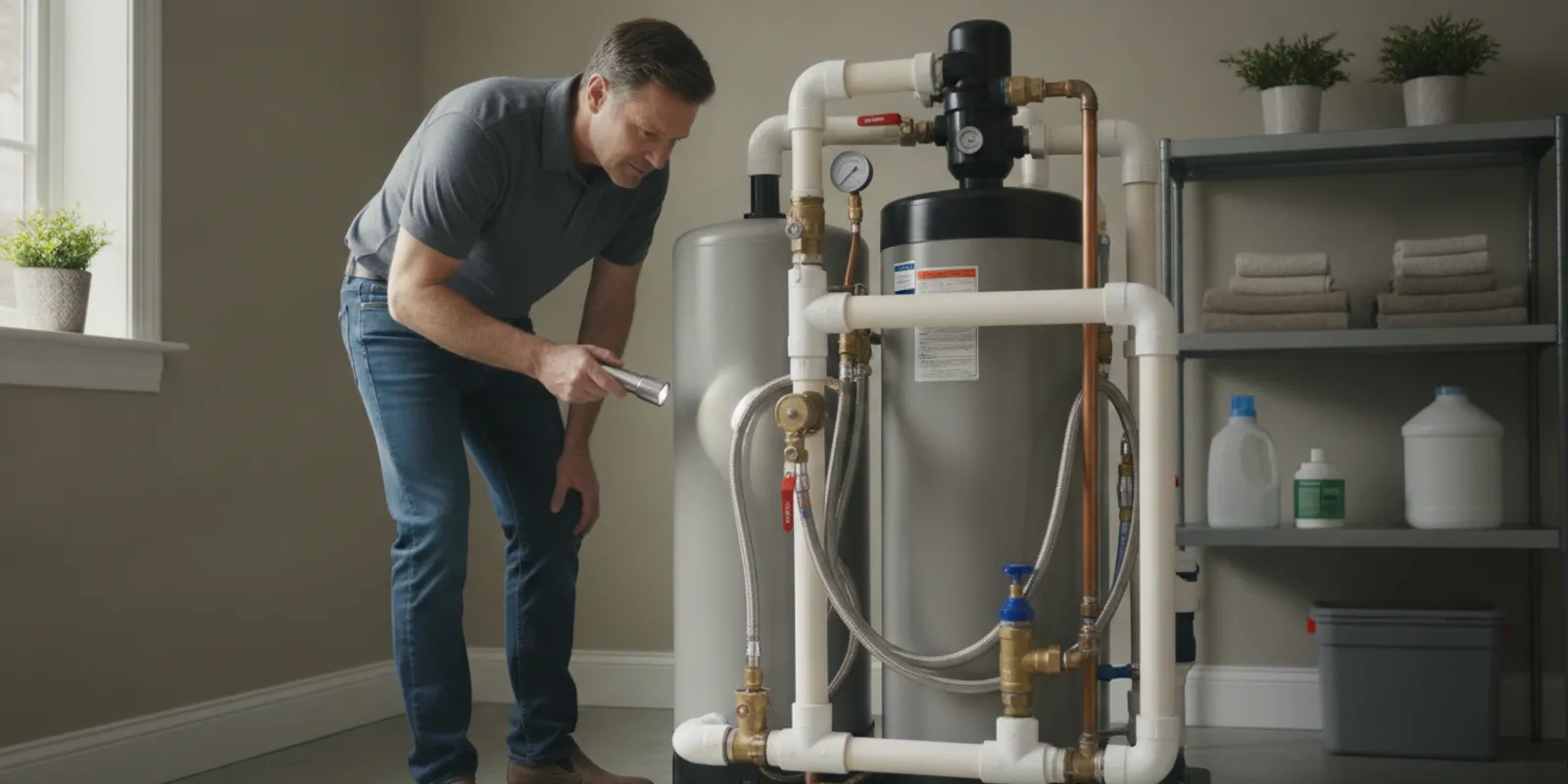
Water softener repair cost depends on what has failed, whether the issue is a simple setting or a worn component, and how accessible the equipment is. For Space Coast homeowners, the useful first step is to identify what changed: water feels different, salt use has shifted, or the system is leaking or displaying an alert. Those details help frame the next conversation without guessing at a price before diagnosis.
Contact Space Coast Cooling & Plumbing to discuss your plumbing concern
What affects water softener repair cost?
There is no reliable one-size-fits-all repair price. A technician needs to identify the system type, symptoms, cause, and repair needed before an estimate can be meaningful. Two units showing the same symptom may need different work: one might have an incorrect setting, while another may have a failing valve or a problem with its water supply.
Ask for an explanation of the diagnosis and a written estimate that separates the work being recommended from optional work. The estimate may be affected by:
- The cause of the problem: A programming issue differs from a failed part, blocked line, or leak.
- System design and age: Control heads, valves, tanks, and electronic controls vary across models. Parts availability can affect the available repair choices.
- Access and installation: Tight utility spaces, difficult-to-reach shutoff valves, or altered plumbing can add time.
- Scope of work: A diagnosis, adjustment, part replacement, and repair of a separate plumbing issue are not the same service.
- Condition of connected components: Bypass valves, drain tubing, and nearby shutoffs may need attention if they are damaged or contributing to the symptom.
Do not compare estimates by the total alone. Check whether each one covers the same diagnosis, parts, labor, testing, and any follow-up. If a recommendation includes replacing the whole unit, ask which observed condition makes repair unsuitable and whether the existing equipment can be serviced.
Which warning signs can point to a repair?
A softener problem often shows up as a change in the water or in the system's normal operation. A symptom is a clue, not a diagnosis. Note when it began, whether it affects all fixtures, and whether it is constant or intermittent.
- Water seems harder than usual: Soap may lather differently, or scale may begin appearing on fixtures. These signs can also have causes unrelated to the softener, so avoid assuming a specific component has failed.
- The unit does not regenerate as expected: Check whether the display shows an error or whether the schedule or clock may have changed after a power interruption.
- Salt level is not changing normally: Salt that remains at the same level over multiple expected cycles, or that forms a hard crust, can indicate a bridging or operating issue. Do not break components or pour chemicals into the brine tank.
- Salt disappears unusually quickly: A changed setting, unusual regeneration pattern, or equipment problem may be involved. Record how often salt is added rather than trying to adjust several settings at once.
- Water is present around the unit: A wet floor, drip, or steady flow to a drain deserves prompt attention. Find out whether the water is coming from the softener, a nearby connection, or another plumbing source.
- An alert, unusual noise, or repeated cycling appears: Record the display message and when the sound or cycle occurs. A photo of the control panel can help explain the symptom.
For a leak, protect nearby belongings and keep clear of electrical equipment if water is pooling near it. If you can safely identify a dedicated shutoff or bypass valve, use the equipment instructions; do not force a stuck valve or disconnect pressurized lines. If water is spreading or the source is uncertain, treat it as a plumbing concern and get help rather than waiting for the next regeneration cycle.
What can you check before requesting service?
A few observations can help distinguish a setting issue from a repair need, without taking the system apart. Use the owner's manual where available. Controls differ, so avoid copying a reset sequence or setting from another brand.
- Look for visible water or damage. Check around the unit, its hoses, fittings, and drain line. Do not remove covers or reach into moving parts.
- Read the display. Note any error code, time, or indicator light. Photograph it before changing settings.
- Check the clock and programmed schedule. A power interruption can affect settings on some equipment. Follow the manual if you make a simple correction and note what changed.
- Observe the salt. Note its level and whether a solid crust is visible. Do not force a tool into the tank or add cleaning products.
- Check whether the unit is in bypass. A bypass position may change whether water passes through the softener. Only move an accessible valve if its labels and instructions are clear and it turns freely.
- Compare more than one fixture. See whether the change is throughout the home or isolated to one tap. A single-fixture issue may have another cause.
Write down the brand and model if the label is accessible, when the symptom started, and whether anyone recently changed the settings or plumbing. These details help narrow the discussion. If you need help with a broader plumbing issue, review the company's plumbing services information; do not assume a general symptom proves the softener itself is at fault.
Should you repair the softener or replace it?
Repair is more appealing when the cause is clear, the needed part is available, and the rest of the equipment is in usable condition. Replacement may be worth comparing when a major component has failed, repairs are recurring, or the system is not meeting the household's needs. Age alone does not establish that a unit must be replaced.
Use the assessment to compare the practical choices rather than relying on a single symptom. This table is a decision aid, not a price list; the actual scope and cost require an inspection and estimate.
| Observed situation | What to clarify | Possible next step |
|---|---|---|
| Settings or display seem wrong | Can the schedule or clock be corrected using the manufacturer's instructions? | Confirm the setting, then observe whether normal operation returns. |
| Salt is bridged or not being used as expected | Is the brine tank condition the cause, or is another part of the cycle involved? | Ask for diagnosis before changing multiple settings or parts. |
| Leak or damaged connection | Where is the water coming from, and does the repair include testing for leaks? | Address active water escape promptly and protect the surrounding area. |
| Repeated failures or major component issue | What is the repair scope, parts availability, and expected condition after repair? | Compare a written repair estimate with a replacement recommendation. |
Ask what the proposed work is expected to correct and how the technician will verify operation afterward. If a replacement is discussed, ask whether the existing unit is repairable, what is included in removal and installation, and whether the new equipment is sized for the home's needs. If a repair is proposed, ask whether the estimate includes the failed part and any necessary testing.
Water treatment is a broad subject, and technical research covers many different water-quality questions. The peer-reviewed journal Water Research publishes scholarly literature on water research; it is not a substitute for a diagnosis of a particular home's equipment.
How should you compare a service estimate?
Before approving work, make sure the estimate describes the problem in language you understand. You can ask for the diagnosis, the proposed repair, and the reason that repair is preferred. A useful estimate should let you understand what is included and what could change the scope.
- Does the estimate identify the observed failure, rather than only naming a part to replace?
- Are labor, parts, diagnostic work, and any additional plumbing work clearly described?
- Will the system be tested after the repair, and what will that test confirm?
- Are there parts or conditions that could not be confirmed until the unit is opened?
- If replacement is advised, what makes repair impractical in this case?
- Is the recommended work urgent because of active water leakage, or can you compare options first?
If you are collecting more than one estimate, give each provider the same symptom history and ask for comparable scope. A low total may omit diagnosis or follow-up testing; a high total may include work that is not necessary for the reported issue. Ask questions before work begins so you know what you are approving.
When should a plumber assess the system?
Get professional help when you cannot identify the source of a leak, the equipment repeatedly fails to cycle, an error returns after following the manual, or water quality changes persist despite basic checks. Avoid disassembling the valve, bypassing safety features, or making adjustments you cannot reverse. Incorrect settings may affect performance, and forced connections can create leaks.
Space Coast Cooling & Plumbing provides plumbing services in the Space Coast region, including Brevard County communities. Its service information covers the broader plumbing category, but confirm directly whether the specific water-softener issue is within the current service scope. You can review the company's service areas and use the contact page to explain the symptoms and ask about next steps.
For homeowners in Cocoa, the general plumbing service page is a starting point. Residents in Melbourne may also check the Melbourne service area page; homeowners in Palm Bay can consult the Palm Bay service area page. These pages provide location and service context, not a promise that every model or repair is offered.
Ask about the next step for your water softener concern
Frequently Asked Questions
Can a water softener be repaired instead of replaced?
Often the decision depends on the failed component, its availability, the condition of the rest of the system, and whether the repair is likely to solve the issue. Ask for a diagnosis and compare a repair estimate with replacement only when replacement is being recommended.
Does a water softener problem always mean the water is unsafe?
No. A change in softness or equipment operation does not, by itself, establish whether water is safe or unsafe to drink. If you have a safety concern, use appropriate water testing and seek guidance from a qualified source rather than relying on taste, scale, or a softener display.
Why is my softener using salt faster than before?
Changed settings, a different regeneration pattern, or an equipment issue may affect salt use. Note the rate of change and any display messages, then consult the owner's manual or request a diagnosis instead of adjusting several settings at once.
What should I have ready when I call?
Share the system brand and model if available, the symptom and when it began, any display code, whether there is active water, and what checks or setting changes you already made. Photos of the control panel or visible leak can make the conversation clearer.
Ask about the next step for your water softener concern
Get help evaluating the next step
A clear symptom history and written estimate can help you understand whether an adjustment, repair, or replacement deserves consideration. Contact Space Coast Cooling & Plumbing with the equipment details and what you have observed, and confirm whether the specific service is available for your system.
Contact Space Coast Cooling & Plumbing to discuss your plumbing concern
Taking time to understand the cause and scope makes it easier to choose a sensible next step without treating an unconfirmed symptom as a diagnosis.