Need Help? Call Us Now!
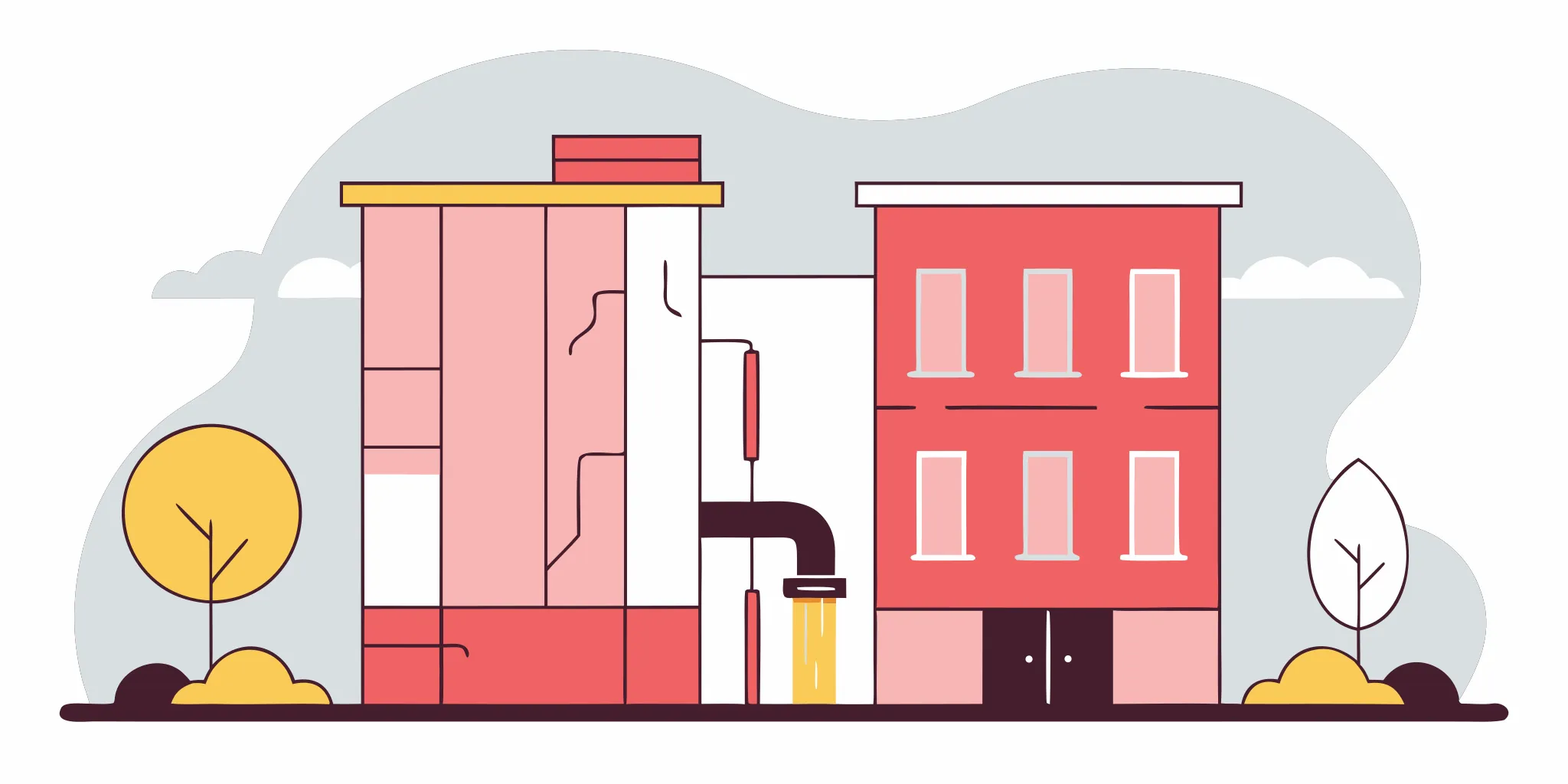
Sewer pipe overflowing between two buildings, a main cause of sewer backup.
Back to Blog
InsightsJune 26, 2026

What Causes Sewer Backup & How to Prevent It

Find out what causes sewer backup, the warning signs to watch for, and practical steps you can take to prevent costly plumbing problems in your home.

Living here on the Space Coast means enjoying beautiful, mature trees and weathering the occasional torrential downpour. Unfortunately, these two defining features of our Florida environment can also be major threats to your home’s plumbing. Tree roots are naturally drawn to the water in your sewer lines, while heavy rains can overwhelm the entire municipal system, sending wastewater back toward your house. For local homeowners, knowing **what causes sewer backup** involves understanding these unique regional risks. We’ll explore how our local landscape impacts your pipes and provide the essential information you need to safeguard your home from a messy and costly plumbing disaster. ## Key Takeaways * **Protect your pipes at the source**: The easiest way to prevent a backup is to be mindful of what goes down your drains. Scrape fats, oils, and grease into the trash, and only flush human waste and toilet paper to avoid creating stubborn clogs. * **Listen to your home's warning signs**: A sewer backup rarely happens without notice. Treat multiple slow drains, gurgling noises, or foul odors as early alerts that your main sewer line has a problem that needs to be addressed. * **Know when to call a professional**: While you can prevent many issues, problems like recurring clogs, suspected tree root damage, or any visible sewage backup require expert help. A licensed plumber has the right equipment to diagnose and resolve the issue safely. ## What Is a Sewer Backup? A sewer backup is one of the most stressful plumbing problems a homeowner can face. In simple terms, it’s when wastewater from your home’s pipes can’t flow away to the city sewer system. Instead of leaving your property, that dirty water reverses course and comes back up through your drains. This can happen in your toilets, sinks, showers, or even floor drains in the basement or garage. The result is often messy and destructive. A backup can cause significant water damage to your floors, walls, furniture, and personal belongings. Beyond the physical damage, the standing wastewater creates an unsanitary environment, posing health risks to your family. Understanding what causes these backups and recognizing the early warning signs is the first step in protecting your home from this unpleasant and costly situation. ### Telltale Signs of a Problem Your plumbing system will almost always give you hints that trouble is brewing before a major backup occurs. If you notice any of these signs, it’s time to pay attention. The most common red flags include: * **Multiple Slow Drains:** One slow sink might just be a local clog, but if your shower, toilet, and sinks are all draining slowly, the problem is likely in your main sewer line. * **Gurgling Sounds:** Do you hear strange bubbling or gurgling noises coming from your drains or toilet? That’s often the sound of trapped air in the plumbing, a classic sign of a blockage. * **Foul Odors:** A persistent smell of raw sewage inside or outside your home is a clear indicator that wastewater isn’t draining properly. * **Water Backing Up:** If flushing a toilet causes water to rise in your shower, or running the washing machine makes a toilet overflow, you have a definite backup. ### How Your Drains Are Supposed to Work Think of your home’s plumbing as a one-way street. Every drain, from your kitchen sink to your upstairs shower, feeds into a network of smaller pipes. These pipes all connect to one main sewer line that runs underground from your house to the municipal sewer line under the street. Under normal conditions, gravity does the work, ensuring all wastewater flows in one direction: away from your home. A sewer backup is like a major traffic jam on that one-way street. When the main line gets blocked by things like tree roots or debris, the wastewater has nowhere to go. The pressure builds, and the flow reverses, sending everything back toward your house. This is why a problem in the main line affects multiple drains at once and requires professional [sewer line repair](https://www.spacecoastcooling.com/plumbing/sewer-line-repair/) to clear the blockage and restore normal flow. ## Common Causes of Sewer Backups When your plumbing starts acting up, it’s easy to assume it’s a simple clog. But sometimes, the problem runs deeper, originating in the main sewer line that connects your home to the municipal system. Understanding what causes these major backups is the first step in preventing a messy and expensive situation. Most issues fall into a few common categories, from everyday household habits to problems lurking underground. ### Clogs from Debris and Foreign Objects The most frequent cause of a sewer backup is a good old-fashioned clog, but on a much larger scale. Your home's sewer line is only designed to handle human waste and toilet paper. When other items go down the drain, they can build up and create a stubborn blockage. The biggest culprits are fats, oils, and grease (FOG) poured down the kitchen sink, which solidify inside the pipes. Other common offenders include so-called "flushable" wipes, paper towels, diapers, and feminine hygiene products. These items don't break down and can easily snag inside the line, causing sewage to flow back into your home. ### Invasive Tree Roots Here in Florida, we love our beautiful trees, but their roots can be a major threat to your sewer lines. Tree roots are naturally drawn to the water and nutrients inside your pipes. They can work their way into tiny, existing cracks in the line, and once inside, they continue to grow. Over time, these roots can form a dense mat that completely blocks the flow of waste. In some cases, the roots can become so large that they crush or break the pipe entirely, leading to a significant plumbing emergency. This is especially common in older homes with clay or cast iron pipes. ### Old or Broken Sewer Lines Unfortunately, pipes don't last forever. If your home was built several decades ago, it likely has sewer lines made of cast iron or clay. These materials are prone to corrosion, cracking, and collapsing over time. Shifting soil, heavy construction nearby, or general wear and tear can cause these older pipes to break down. Once a line is cracked or has a collapsed section, it can no longer carry waste away from your home effectively. This creates a blockage that will inevitably lead to a backup. We often find that a full sewer line repair is the only permanent solution for aging, failing pipes. ### Issues with the City's Sewer System Sometimes, the problem isn't inside your property line at all. The municipal sewer system that serves your entire neighborhood can also experience issues. During periods of heavy rain, which we see often on the Space Coast, the city's main lines can become overwhelmed with stormwater. If the system can't handle the excess volume, the water and sewage can back up into connected homes, especially those in low-lying areas. While this is less common, a blockage or break in the city main can have the same messy result as a clog in your own pipe. ## The Problem with Fats, Oils, and Grease (FOG) Of all the things that can cause a sewer backup, one of the most common and preventable culprits is something you deal with every day in your kitchen: fats, oils, and grease, or FOG for short. While it might seem harmless to rinse a greasy pan in the sink, that simple act can lead to some of the messiest and most expensive plumbing problems a homeowner can face. Understanding how FOG affects your pipes is the first step to preventing a disaster. ### How Grease Clogs Your Pipes When you pour hot grease or oil down the drain, it looks like any other liquid. But as it travels through your pipes and cools down, it solidifies. Think of it like cholesterol clogging an artery. The sticky, hardened grease clings to the inside of your pipes, catching food particles, hair, and other debris that goes down the drain. Over time, this buildup grows until it forms a tough blockage that water can no longer pass through. This is one of the most frequent [causes of a sewer backup](https://www.nashuanh.gov/1513/What-Causes-A-Sewer-To-Backup), and it happens entirely out of sight until it’s too late. ### Common Sources of FOG in Your Home FOG comes from more than just the bacon grease you drain from a pan. It’s found in a surprising number of everyday food items. Common sources include cooking oils (like olive and vegetable oil), butter, margarine, meat drippings, dairy products, mayonnaise, and even salad dressings. Essentially, if it's greasy or oily to the touch, it shouldn't go down your drain. These substances combine in your sewer line to create massive, stubborn blockages. The best way to handle cooking grease is to let it cool and solidify, then scrape it into the trash before washing the dish. ### The Damage You Don't See A clog from fats, oils, and grease doesn't just stop up a sink; it can cause raw sewage to back up into your home through floor drains, toilets, and showers. The resulting mess is not only unpleasant but can cause serious and costly [damage to your home](https://www.rotorooter.com/blog/drains/common-causes-of-sewer-backups/). Sewage can ruin your floors, drywall, furniture, and personal belongings, leading to expensive cleanup and restoration bills. Beyond the property damage, a sewer backup also poses significant health risks to your family. Preventing FOG buildup is far easier and cheaper than dealing with the aftermath of a backup. ## Warning Signs to Watch For Your home’s plumbing system will almost always give you a heads-up before a major sewer backup occurs. The trick is to recognize these signals for what they are: a call for help. Catching the problem early can save you from dealing with a much bigger, more expensive mess down the road. ### Early Red Flags Sewer backups rarely happen without warning. The key is knowing what to look for so you can address a small issue before it becomes a major emergency. Think of these signs as your plumbing system’s way of asking for help. Paying attention to subtle changes in how your drains and toilets function can save you stress and money. If you notice any of the issues we’re about to cover, it’s best to deal with the problem quickly. A proactive approach is always better than a reactive cleanup. ### Slow Drains Throughout the House One slow drain is usually a simple clog. But if you notice that multiple drains in your home are slow, you likely have a bigger problem. When the toilet, shower, and sink all start to gurgle and drain sluggishly at the same time, it’s a strong indicator of a blockage in your main sewer line. Another telltale sign is water backing up in an unexpected place. For example, if flushing a toilet causes water to bubble up in the nearby bathtub, the clog is preventing wastewater from leaving your home properly. ### Strange Smells and Gurgling Noises Your senses can often detect a sewer line problem before you see water. A persistent, foul odor of sewage inside or outside your home is a major red flag. This smell means sewer gases are escaping your pipes, which should never happen in a properly functioning system. You might also hear unusual gurgling sounds coming from your drains, especially after flushing a toilet or running water. These noises are caused by trapped air being displaced by water as it struggles to get past a blockage in the main line. Don't ignore these audible warnings. ### Trouble After Heavy Rain Here in Florida, we’re no strangers to a good downpour. Unfortunately, heavy rainfall can sometimes overwhelm the city’s sewer system. When the municipal lines are overloaded, the excess water has nowhere to go but back up into your home’s pipes. If you only experience backups during or after a storm, this could be the cause. Additionally, if your home’s sewer line is cracked, groundwater can seep into the pipe during a storm. This extra water can easily overload your system and lead to a messy backup in your tubs and toilets. ## How to Prevent Sewer Backups A sewer backup is one of the most stressful and unpleasant problems a homeowner can face. The good news is that many backups are preventable with a little bit of awareness and proactive care. By taking a few simple steps, you can protect your pipes, your home, and your peace of mind. These preventative measures focus on what goes into your drains, how you maintain your system, and even how you manage your yard. Think of it as essential home maintenance, just like cleaning your gutters or checking your smoke detectors. A small effort now can save you from a major headache and expensive repairs down the road. ### Watch What You Flush and Drain The easiest way to prevent clogs is to be mindful of what goes down your drains. Your plumbing system is designed to handle a very specific list of things. For your toilets, that list is simple: human waste and toilet paper. That’s it. Things like paper towels, cotton swabs, dental floss, and even so-called “flushable” wipes don’t break down properly and can quickly create a blockage. In the kitchen, avoid pouring fats, oils, or grease down the sink. These substances solidify in your pipes, creating stubborn clogs that build up over time. Scrape greasy pans into the trash before washing them to keep your lines clear and flowing smoothly. ### Schedule Professional Inspections Out of sight shouldn’t mean out of mind. Many homeowners don’t think about their sewer lines until a problem happens, but by then, the damage could already be done. Scheduling a professional sewer line inspection every few years is a smart, proactive step. A plumber can use a special camera to look inside your pipes, identifying potential issues like cracks, corrosion, or early-stage root intrusion before they cause a backup. If you’re already noticing slow drains throughout your home, don’t wait. It’s a clear sign you should [contact a plumber](https://www.spacecoastcooling.com/plumbing/) to diagnose the problem before it gets worse. ### Install a Backflow Prevention Device A backflow prevention device, also known as a backwater valve, is a simple but effective safeguard for your home. This one-way valve is installed on your main sewer line and allows wastewater to flow out of your home but not back in. If the city’s main sewer line becomes overwhelmed during a heavy Florida downpour, this device acts as a gatekeeper, stopping sewage from backing up into your showers, tubs, and toilets. It’s a relatively small investment that provides powerful protection against municipal sewer issues you can’t control. A professional can help you determine if a [backwater prevention valve](https://metroconnects.org/sewer-backups/) is right for your property. ### Landscape with Your Sewer Line in Mind The trees and shrubs that make your yard beautiful can pose a serious threat to your sewer lines. Tree roots are naturally drawn to the moisture and nutrients inside your pipes and can work their way into tiny cracks, causing blockages and eventually breaking the pipe. When planting, be strategic about placement. As a general rule, plant trees and large shrubs at least 10 feet away from your sewer line. If you have large, established trees on your property and suspect roots are already a problem, a professional inspection can confirm it and help you find a solution that protects both your pipes and your landscaping. ## When to Call a Professional While there are plenty of steps you can take to protect your pipes, some situations are too complex or hazardous for a DIY fix. Trying to tackle a main line clog or a sewer backup on your own can often make the problem worse and lead to costly damage. Knowing when to step back and call for expert help is key to protecting your home and your peace of mind. A professional plumber has the right tools, like hydro jetting equipment and sewer cameras, to diagnose the issue accurately and resolve it safely. If you’re ever in doubt, it’s always better to get a professional opinion. ### Signs You Have an Emergency Some plumbing issues are clear emergencies that require immediate action. Don't wait to see if the problem gets better on its own. If you experience any of the following, it’s time to call a professional right away: * **Multiple fixtures are clogged.** If your toilet, shower, and sink are all draining slowly or not at all, the blockage is likely in your main sewer line, not an individual pipe. * **Sewage is backing up.** Seeing or smelling sewage coming back up through your drains, toilets, or tubs is a serious health hazard. This is one of the most definite [signs of a sewer backup](https://metroconnects.org/sewer-backups/) and needs immediate attention. * **Water is coming up from floor drains.** If water is pooling around floor drains in your basement, laundry room, or garage, it’s a strong indicator that your sewer line is overwhelmed and backing up. ### The Value of Routine Maintenance The best way to handle a sewer backup is to prevent it from ever happening. Just like your car needs regular oil changes, your home’s plumbing system benefits from routine check-ups. Scheduling professional drain cleanings and inspections can catch minor issues before they escalate into messy, expensive emergencies. A technician can identify potential problems like grease buildup, small cracks in the pipes, or early tree root intrusion. Taking a proactive approach to [maintain your sewer line](https://www.nashuanh.gov/1513/What-Causes-A-Sewer-To-Backup) not only saves you from future headaches but also extends the life of your plumbing system, protecting one of your home’s most critical assets. ## Related Articles * [Common Causes of Sewer Backups](https://www.rotorooter.com/blog/drains/common-causes-of-sewer-backups/) * [What Causes a Sewer to Backup?](https://www.nashuanh.gov/1513/What-Causes-A-Sewer-To-Backup) * [Sewer Backups](https://metroconnects.org/sewer-backups/) * [Sewer Line Repair](https://www.spacecoastcooling.com/plumbing/sewer-line-repair/) * [Plumbing Services](https://www.spacecoastcooling.com/plumbing/) ## Frequently Asked Questions **My kitchen sink is the only slow drain in the house. Is this a sewer backup?** Probably not. A true sewer line backup affects your home's entire plumbing system because the blockage is in the main pipe that all your drains feed into. If only one sink or shower is draining slowly, you're likely dealing with a simple, localized clog in that specific pipe, which is a much easier fix. The real red flag for a main line issue is when multiple fixtures (like your toilet, shower, and sinks) all start acting up at once. **Are so-called "flushable" wipes actually safe to flush?** In short, no. This is one of the biggest myths in plumbing. Unlike toilet paper, which is designed to dissolve quickly in water, these wipes are made with synthetic fibers that hold together. They don't break down in your pipes and can easily snag on roots or grease buildup, creating a stubborn blockage that leads to a serious backup. It's always best to throw them in the trash can. **I always run hot water when I pour grease down the drain. Isn't that enough to keep it clear?** Unfortunately, that's a temporary fix that creates a bigger problem down the line. The hot water might keep the grease liquid long enough to get past your sink's P-trap, but as it travels further into your pipes and cools, it will solidify and stick to the pipe walls. Over time, this creates a thick, waxy buildup that catches other debris and eventually chokes off the pipe completely. The safest method is to let grease cool and scrape it into the garbage. **How do I know if the backup is my responsibility or the city's?** This can be tricky, but there are a few clues. If your neighbors are also experiencing backups, the problem is likely in the municipal sewer main. Another sign is if you only have issues during heavy rainstorms, which can overwhelm the city's system. However, the only way to know for sure is to have a professional plumber perform a camera inspection. They can pinpoint the exact location of the blockage and determine who is responsible for the repair. **Can I use a store-bought chemical drain cleaner to fix a sewer backup?** You should avoid using chemical drain cleaners for a main sewer line clog. These harsh chemicals are designed for minor clogs in individual drains and are not powerful enough to clear a major blockage from roots or collapsed pipes. More importantly, they are highly corrosive and can damage your pipes, especially older ones. If you're facing a backup, the safest and most effective solution is to call a professional who has the proper tools to clear the line without harming your plumbing.
Available 24/7

Call the Experts that Local Homeowners Rely On

When you need home services, you want answers you can trust and work you can count on. Space Coast Cooling & Plumbing is the plumbing and HVAC company in Cocoa, FL, that brings decades of local experience, licensed professionals, and customer-first service to every job. One call connects you with a team ready to help.

Licensed & InsuredServing Cocoa Since 1994Honest, Upfront PricingSame-Day Service Available