Need Help? Call Us Now!
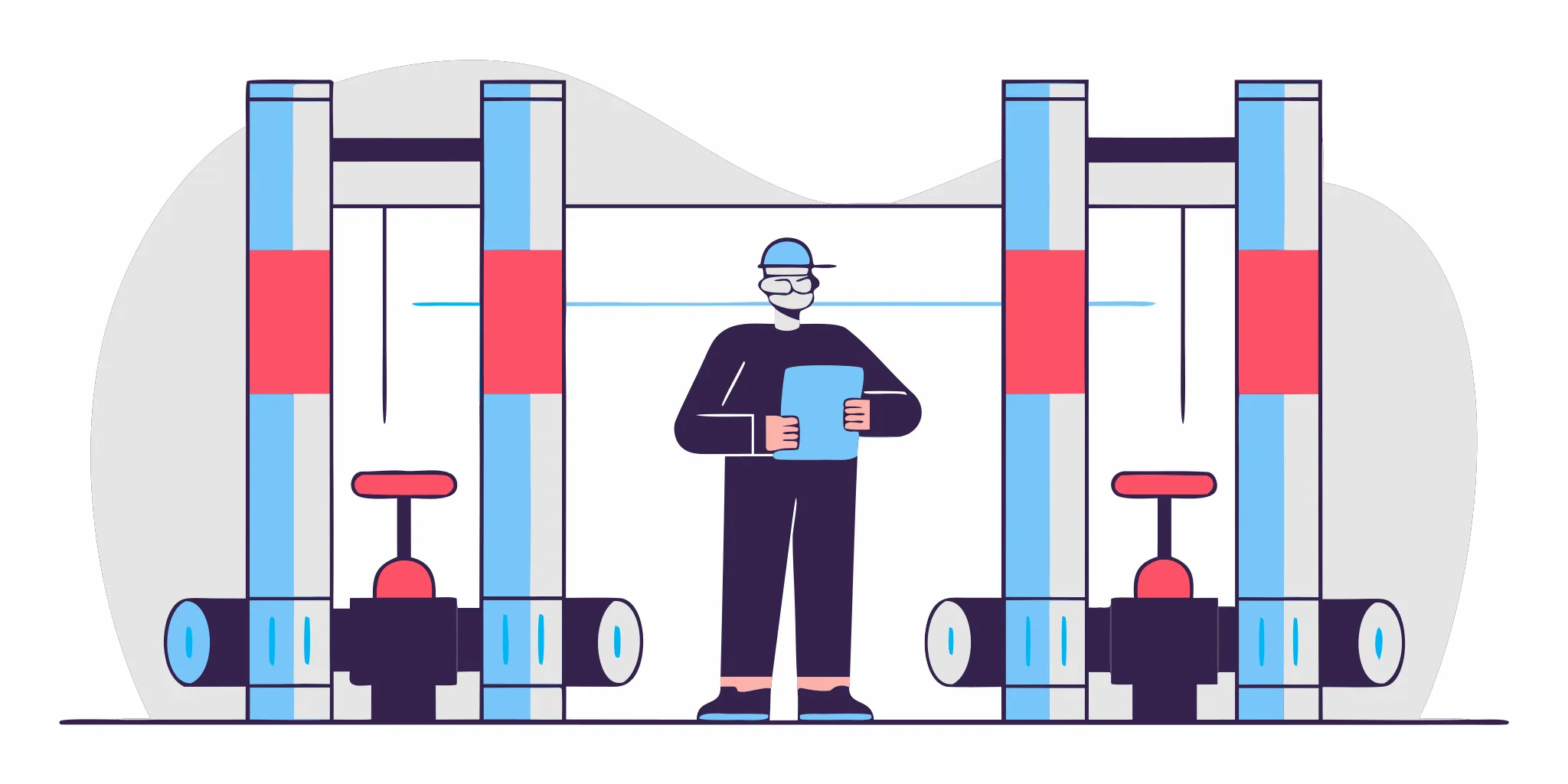
A plumber inspects the large pipes and valves of a commercial plumbing system.
Back to Blog
InsightsJune 25, 2026

What Is Commercial Plumbing? Your Complete Guide

Get clear answers to what is commercial plumbing, how it works, key differences from residential systems, and tips for maintaining your business property.

As a property manager or business owner, you see your building as a major investment. But have you ever thought of your plumbing as a source of significant risk? A poorly maintained or improperly installed commercial system can lead to more than just leaks. It can result in serious code violations, public health hazards, and major liability issues that put your entire business on the line. Understanding what is commercial plumbing is about more than just pipes; it’s about managing a critical piece of infrastructure governed by strict safety and accessibility laws. This guide breaks down the essentials to help you make informed decisions, stay compliant, and protect your investment. ## Key Takeaways * **Recognize the higher stakes of commercial plumbing**: Unlike home systems, commercial plumbing handles intense daily use and must meet strict safety codes, meaning even a small failure can lead to significant business disruptions and costs. * **Make proactive maintenance your strategy**: A preventive maintenance plan is the smartest way to manage costs and avoid emergencies; addressing minor issues like slow drains immediately prevents them from becoming major problems that shut down your business. * **[Always hire a licensed commercial expert](https://spacecoastcooling.com/plumbing-services/commercial-plumber/)**: A professional is required to understand complex regulations, from local permits to ADA standards, which protects your business from fines, liability, and failed inspections. ## What Is Commercial Plumbing? Think of commercial plumbing as the heavy-duty version of the plumbing in your home. While both systems move water in and waste out, commercial plumbing is designed to handle the much greater demands of businesses, public spaces, and multi-unit residential properties. It’s the complex network of pipes, drains, and fixtures that keeps everything flowing smoothly in places like offices, restaurants, and hospitals. The key difference lies in its scale and complexity. A commercial system serves hundreds or even thousands of people daily, putting immense strain on its components. The plumbing in a multi-story office building is far more intricate than in a single-family house, involving larger pipes, industrial-grade water heaters, and specialized equipment. Because these systems serve the public, they are also subject to much stricter health and safety codes. A failure isn’t just an inconvenience; it can shut down a business, create a public health hazard, and lead to costly repairs. In short, commercial plumbing is a critical piece of infrastructure that allows a business to operate safely and efficiently. ### What Buildings and Facilities Need It? If you own or manage a property that serves employees, customers, or tenants, you almost certainly need a commercial plumber. The list of properties is extensive and covers nearly every type of business or public-use building. This includes everything from small local businesses to large-scale facilities. Common examples include: * Restaurants, bars, and food service establishments * Office buildings and corporate campuses * Retail stores and shopping centers * Hotels and motels * Hospitals, clinics, and other medical facilities * Schools, colleges, and universities * Apartment complexes and multi-family housing * Gyms and fitness centers Each of these different [types of commercial buildings](https://ccpia.org/types-of-commercial-properties) has unique plumbing needs, from the grease traps in a restaurant kitchen to the high-pressure water demands of a hotel. ### What Does the Work Involve? Commercial plumbing work is far more extensive than typical residential repairs. Technicians are trained to install, maintain, and repair large, complex systems that are built for high-volume use. This often involves working with industrial-grade water heaters capable of serving an entire building, as well as heavy-duty fixtures designed to withstand constant traffic. The work also includes handling specialized components you won’t find in a home. For example, a plumber might install a grease trap to prevent kitchen oils from clogging a restaurant’s sewer line or a backflow preventer to ensure contaminated water can’t enter the public water supply. A huge part of providing excellent [commercial plumbing services](https://www.kickserv.com/blog/commercial-plumbing-services-vs-residential-plumbing-services) is also about logistics. We understand that you can’t afford downtime, so we often schedule major repairs and installations during off-hours to avoid disrupting your employees and customers. ## Commercial vs. Residential Plumbing: What's the Difference? At first glance, plumbing seems straightforward: pipes bring clean water in, and other pipes take wastewater out. But when you compare the system in your home to the one in a commercial building, the differences are night and day. This isn't just about scale; it's about complexity, durability, and the specific codes that govern each. For business and property owners, understanding this distinction is key to protecting your investment and keeping your doors open. Hiring a plumber who only has residential experience for a commercial job can lead to improper installations, serious code violations, and repairs that simply don't hold up to the daily demands. The stakes are just higher. A small leak in a home is an inconvenience; a similar leak in a multi-story office building can cause widespread damage and halt business operations entirely. Let's break down exactly what sets commercial plumbing apart from the system you have at home. ### System Size and Complexity Think about the plumbing in your house. It’s a relatively simple layout designed to serve a single family across a few bathrooms and a kitchen. Now, picture a multi-story office, a restaurant, or a retail complex. Commercial plumbing systems are far more complex, with intricate pipe networks that serve dozens of fixtures across multiple floors. They must support numerous public restrooms, commercial kitchens with grease traps, employee break rooms, and sometimes even specialized industrial equipment. This complexity means a commercial plumber needs to understand large-scale system design to ensure everything works together correctly and a problem in one area doesn't shut down the entire building. ### Pipe Demands and Water Pressure The pipes in a commercial building have to handle much greater demands than residential pipes. To deliver water to upper floors and multiple fixtures simultaneously, the system operates at a significantly higher water pressure. This requires larger and more robust pipes, often made from heavy-gauge copper or specialized plastics built to withstand the stress. A leak in a high-pressure commercial line can cause catastrophic damage far more quickly than a typical household leak. Because of this, using the right [pipe materials](https://garrisonplumbingservices.com/what-type-of-plumbing-is-used-in-commercial-buildings) and ensuring flawless installation are critical to protecting the property and maintaining operations. ### Daily Usage and Wear Consider the daily use of a toilet in your home versus one in a busy restaurant or office park. The difference is staggering. Commercial plumbing fixtures and drains are subjected to constant, heavy use from employees, customers, and the general public. This relentless traffic leads to much faster wear and tear than you would ever see in a residential setting. As a result, issues like stubborn clogs, fixture malfunctions, and leaks are far more frequent. This accelerated wear cycle is why proactive maintenance is so important for businesses; it helps catch small problems before they become major emergencies that could shut your doors. ### Fixture Durability and Grade The faucet and toilet you buy at a home improvement store are not designed for a commercial environment. Commercial-grade fixtures are built for durability, public health, and high-traffic use. They often feature tougher materials like vitreous china and stainless steel, along with powerful flush mechanisms and touchless technology to improve hygiene and withstand constant operation. A failure in a commercial system can cause major damage and disrupt business, so investing in durable, [commercial-grade components](https://www.kickserv.com/blog/commercial-plumbing-services-vs-residential-plumbing-services) is essential. These fixtures are designed not only to last but also to comply with strict accessibility and safety standards. ## What Are the Core Parts of a Commercial Plumbing System? A commercial plumbing system is much more than a simple network of pipes. It’s an extensive and robust infrastructure designed to handle the heavy demands of businesses, apartment complexes, and public facilities. Each component plays a specific role in ensuring water flows safely and waste is removed efficiently, all while meeting strict health and safety codes. Understanding these core parts helps you appreciate the complexity involved and why specialized professional service is so important for keeping everything running smoothly. ### Piping Networks and Materials The backbone of any commercial plumbing system is its network of pipes. Unlike homes that might use one or two types of piping, commercial buildings often use a [mix of materials](https://garrisonplumbingservices.com/what-type-of-plumbing-is-used-in-commercial-buildings) like copper for its durability, PVC or CPVC for drainage, and flexible PEX for supply lines. The material choice depends on the pipe’s function, water pressure demands, and local building codes. In older properties across the Space Coast, you might still find galvanized steel or cast iron pipes. A professional plumber can identify these materials during an inspection and recommend modern, more reliable replacements to prevent future leaks and corrosion. ### Water Supply and Distribution Getting fresh, clean water to every faucet, toilet, and appliance in a large building is a major undertaking. A commercial system is engineered to [provide your commercial space with fresh water](https://www.jrmcm.com/jrm-news/optimal-commercial-plumbing-systems-and-designs) and sanitation by maintaining consistent pressure across multiple floors and long distances. This involves larger supply lines, powerful pumps, and a complex distribution map to serve everything from office kitchens and public restrooms to industrial equipment. Without a properly designed distribution system, you could face issues like weak water flow on upper floors or not enough pressure to operate essential machinery, disrupting your daily operations. ### Drains, Waste, and Sewer Lines Just as important as the water coming in is the waste going out. Commercial drainage systems are built to handle a much higher volume and variety of waste than residential ones. They feature larger drainpipes, complex venting to prevent sewer gas from entering the building, and connections to large site sewer lines. Many businesses, especially restaurants, also require grease traps to capture fats, oils, and grease before they enter the sewer and cause major blockages. Keeping these lines clear is essential for preventing backups, foul odors, and health hazards that could shut your business down. ### Backflow Preventers A backflow preventer is a critical safety device that you might not even know you have. Its job is to ensure water only flows in one direction: into your building. This prevents contaminated water from sources like irrigation systems, fire sprinklers, or industrial equipment from flowing backward into the clean public water supply. Compliance with local regulations is essential to [prevent contamination](https://plumbingconcepts.com/common-commercial-plumbing-health-and-safety-regulations) and protect public health. These devices are legally required in most commercial properties and must be tested annually by a certified plumber to ensure they are functioning correctly. ### Commercial-Grade Water Heaters From restaurants needing scalding water for sanitation to hotels supplying hundreds of hot showers a day, commercial properties have massive hot water demands. A standard residential water heater just can’t keep up. Commercial properties require [different plumbing systems](https://www.kickserv.com/blog/commercial-plumbing-services-vs-residential-plumbing-services) that use large-capacity tank-style heaters or powerful, instantaneous tankless systems designed for continuous use. These units are far more complex and powerful than their residential counterparts, requiring specialized expertise for installation, maintenance, and repair. Choosing the right system ensures you always have the hot water you need to serve your customers and keep your operations running. ### Specialized Fixtures and Appliances The fixtures in a commercial building are built for durability and heavy use. Think about the toilets and faucets in a busy airport restroom, the industrial sprayers in a restaurant kitchen, or the emergency eyewash stations in a laboratory. These fixtures are made from tougher materials and are designed to withstand constant traffic. Because commercial plumbing systems are so heavily used, their fixtures are often more prone to wear and tear. When they break, they require a commercial plumber who understands how to repair or replace them without causing major disruptions. ## Understanding Commercial Plumbing Codes and Regulations Navigating the world of commercial plumbing means dealing with a lot more than just pipes and fixtures. A complex web of codes and regulations governs every aspect of a commercial system, from installation to maintenance. These rules aren’t just bureaucratic red tape; they are essential frameworks designed to protect public health, ensure safety, and maintain the structural integrity of your building. For business owners and property managers, understanding the basics is key to avoiding costly fines, operational shutdowns, and serious liability issues. Working with a licensed plumber who is an expert in these regulations is non-negotiable. They ensure every project, whether it’s a new restroom build-out or a simple water heater replacement, is fully compliant from start to finish. Here’s a breakdown of the key codes and standards that apply to commercial properties in Florida. ### National Plumbing Codes (IPC & UPC) Think of national plumbing codes as the foundational rulebooks for the entire industry. The two main sets of standards in the United States are the International Plumbing Code (IPC) and the Uniform Plumbing Code (UPC). These comprehensive documents outline the minimum requirements for plumbing systems to ensure they are safe and effective. Florida has adopted the IPC as the basis for the [Florida Building Code](https://floridabuilding.org/c/default.aspx), which sets the specific standards for all construction in the state. This code dictates everything from the types of materials you can use for pipes and drains to the proper methods for venting and installation, ensuring your system functions correctly and safely for employees and customers. ### ADA Accessibility Standards For any commercial building open to the public, accessibility is a legal requirement. The Americans with Disabilities Act (ADA) includes specific standards for plumbing fixtures to ensure they are usable by everyone, including individuals with disabilities. These aren't just suggestions; they are enforceable civil rights laws. The [ADA standards](https://www.ada.gov/law-and-regs/design-standards/2010-stds/) dictate the precise height of toilets and sinks, the amount of clear floor space required in a restroom stall, the placement of grab bars, and even the type of faucet handles that must be used (levers, not knobs). Failing to comply can result in significant penalties and lawsuits, making it a critical focus for any commercial plumbing work. ### Water Efficiency Mandates Modern plumbing codes increasingly focus on water conservation, which is great news for both the environment and your utility budget. Federal programs like the EPA’s [WaterSense label](https://www.epa.gov/watersense) identify high-efficiency fixtures like toilets, urinals, and faucets that use significantly less water without sacrificing performance. Many state and local codes now mandate the use of these water-saving products in new construction and renovations. For a business, installing high-efficiency fixtures is a smart investment. It not only ensures you meet current regulations but also leads to a direct reduction in your monthly water and sewer bills, delivering savings that add up quickly over time. ### Florida's Local Permit Rules While the Florida Building Code sets the statewide standard, the final authority on your project often rests with your local city or county government. Municipalities across the Space Coast, from Titusville to Palm Bay, have their own specific permitting processes, inspection requirements, and amendments to the state code. This is where hiring a truly local plumber becomes invaluable. An experienced contractor who works in Brevard County every day understands the specific nuances of each local jurisdiction. They know what local inspectors look for and how to manage the permitting process efficiently, preventing delays and ensuring your project is approved without a hitch. ## What Are the Biggest Commercial Plumbing Challenges? Keeping a commercial property’s plumbing in top shape involves more than just fixing the occasional leak. Business owners and property managers face a unique set of high-stakes challenges where a small issue can quickly spiral into a major problem, affecting everything from daily operations to the bottom line. Understanding these hurdles is the first step toward creating a solid plan to keep your plumbing system reliable, compliant, and efficient. From the constant demands of heavy use to the complexities of local regulations, managing commercial plumbing requires a proactive and professional approach. ### Constant Wear and Tear Think about how many people use the restrooms in an office building, restaurant, or retail store every single day. Commercial plumbing systems endure significantly more use than their residential counterparts. This constant, heavy traffic puts a tremendous amount of strain on pipes, fixtures, and appliances. Because the amount of appliance usage is so much higher, issues like clogs, leaks, and fixture failures are simply more likely to happen. This makes using durable, commercial-grade materials essential, but it also highlights the need for a consistent maintenance schedule. Without it, you’re facing a much higher risk of premature breakdowns and unexpected repair calls that disrupt your business. ### Complex Designs and Upgrades Commercial plumbing systems are rarely simple. They often serve multiple floors, include specialized fixtures like grease traps or industrial sinks, and feature intricate networks of pipes that are far more complex than a typical home setup. Because these systems are so elaborate and heavily used, they are more prone to wear and unexpected issues. When it’s time for a repair or an upgrade, a plumber can’t just swap out a part. They need a deep understanding of the building’s entire plumbing infrastructure to ensure the fix doesn’t cause a new problem somewhere else. This complexity is why working with plumbers who have specific commercial experience is so important. ### Meeting Code and Permit Requirements Commercial plumbing is governed by a strict set of rules and regulations that don't apply to residential properties. These plumbing codes ensure that systems are installed safely, function efficiently, and meet public health standards, including ADA accessibility requirements. In Florida, specific permits are often required for even minor modifications. Failing to follow these rules can lead to serious consequences, including hefty fines, failed inspections that halt your project, and even safety hazards. A qualified commercial plumber stays current on all local, state, and federal regulations, ensuring your property remains compliant and your projects proceed without costly delays. ### Avoiding Business Downtime For a business, a plumbing problem is never just a minor inconvenience; it’s a direct threat to your operations. A clogged sewer line can shut down a restaurant’s kitchen, a major leak can damage inventory in a retail shop, and a lack of hot water can make a hotel’s rooms unusable. Every hour your business is closed for repairs translates to lost revenue and frustrated customers. Business owners need a plumbing partner they can count on to provide fast, effective solutions that keep operations running smoothly. This is why having access to 24/7 emergency service is critical for any commercial property. ### Controlling Costs and Emergency Repairs Unexpected plumbing emergencies can easily throw your budget off track. The cost of repairing a burst pipe or replacing a failed commercial water heater can be substantial, especially when you factor in the expense of water damage and business interruption. While it might be tempting to opt for a quick, cheap fix, that approach often leads to recurring issues and even bigger repair bills later on. The most effective way to control costs is to invest in prevention. A proactive maintenance plan, combined with a plumber who offers transparent, upfront pricing, helps you catch small problems before they become expensive disasters and allows you to budget for plumbing care predictably. ## What Services Do Commercial Plumbers Offer? Commercial plumbers provide a wide range of services designed to handle the scale and complexity of business and multi-unit properties. Unlike residential work, these jobs require specialized tools, in-depth knowledge of commercial codes, and a strategy for minimizing disruption to your operations. From initial installation in a new building to urgent after-hours repairs, a professional commercial plumber is equipped to manage the unique demands of your property’s plumbing system. The goal is always to keep your systems running safely, efficiently, and in full compliance with local regulations. ### Plumbing for New Construction When a new office building, retail center, or apartment complex is being built, a commercial plumber is essential from the ground up. This service involves designing and installing the entire plumbing infrastructure, including extensive water supply lines, complex drain and sewer systems, and fixtures for dozens or even hundreds of users. Commercial plumbers work directly with builders and architects to ensure the system is not only functional but also meets all building codes and is designed for long-term durability. It’s a massive undertaking that requires careful planning to support the needs of large, multi-purpose locations and their future tenants or customers. ### Routine Maintenance and Inspections Preventive maintenance is the key to avoiding costly emergencies and extending the life of your plumbing system. Commercial plumbers offer routine inspections to check for hidden leaks, test water pressure, inspect water heaters, and ensure all fixtures are working correctly. A critical part of this service is making sure your property adheres to all health and safety regulations, including gas line inspections and backflow prevention testing. Scheduling regular maintenance helps you catch small problems before they become major disasters, keeping your business running smoothly and your employees and customers safe. This proactive approach is the smartest way to protect your investment. ### Advanced Drain Cleaning and Hydro Jetting Commercial drains handle a much higher volume of waste than residential ones, making them highly susceptible to tough clogs from grease, food scraps, and other debris. When standard snaking isn’t enough, commercial plumbers use advanced techniques like hydro jetting. This process involves sending a high-pressure stream of water through the pipes to blast away years of accumulated buildup and restore full flow. Frequent clogs can shut down a kitchen or restroom, and hydro jetting provides a powerful, lasting solution that keeps your business operations from coming to a halt. ### Leak Detection and Repiping A hidden water leak in a commercial property can lead to extensive structural damage, mold growth, and shockingly high water bills. Commercial plumbers use sophisticated electronic leak detection equipment to pinpoint the exact source of a leak without tearing up walls and floors unnecessarily. For older buildings with deteriorating pipes, a full or partial repiping may be the best long-term solution. This service replaces old, corroded pipes with new, durable materials to prevent future leaks, improve water pressure, and ensure the entire system is reliable. It’s a crucial service for protecting your property’s integrity and avoiding business disruptions. ### 24/7 Emergency Repairs Plumbing emergencies rarely happen during business hours. A burst pipe, sewer line backup, or a complete loss of hot water can force you to close your doors, resulting in lost revenue and unhappy customers. That’s why reliable commercial plumbers offer 24/7 emergency services. Whether it’s a holiday weekend or the middle of the night, you can call for immediate assistance to manage the crisis and get your system back online as quickly as possible. Having a trusted plumber on call is a critical part of any [business continuity plan](https://www.ready.gov/business-continuity-plan), ensuring you can handle unexpected problems with minimal downtime. ## How to Maintain Your Commercial Plumbing System Keeping your commercial plumbing system in top shape is one of the most effective ways to protect your property and prevent business disruptions. A proactive approach helps you avoid the stress and expense of sudden emergencies, like a burst pipe flooding your stockroom or a sewer backup closing your doors for the day. Instead of reacting to disasters, you can stay ahead of them with a simple maintenance routine. Taking care of your plumbing isn't just about fixing leaks; it's about ensuring the safety of your employees, meeting the expectations of your customers, and keeping your operations running smoothly. A little bit of attention goes a long way in preventing costly downtime and unexpected repairs. ### Schedule Regular Inspections The easiest way to catch plumbing problems early is to have a professional look at your system on a consistent basis. During an inspection, a licensed plumber can check for hidden leaks, corrosion, and wear on pipes, fixtures, and water heaters. This is also a critical time to test safety devices like backflow preventers, which stop contaminated water from entering your clean supply. Regular professional oversight is crucial for identifying potential hazards before they can impact your business or create health risks. For most commercial properties, scheduling an inspection once a year is a great starting point for keeping everything in working order and maintaining a safe environment. ### Monitor Water Pressure and Quality You and your staff are the first line of defense in spotting plumbing issues. Pay attention to how the water is behaving in your building. Is the pressure suddenly weak, or does it spike unexpectedly? Do faucets sputter? These can be signs of a leak, a blockage, or a problem with your municipal supply line. Likewise, take note of any changes in water quality, such as discoloration, a strange odor, or an unusual taste. These indicators can point to pipe corrosion or other issues that need immediate attention to [protect public health](https://www.championindustrial.com/california-plumbing-maintenance-compliance) and keep your water supply safe and reliable for everyone on the premises. ### Fix Clogs and Slow Drains Immediately A slow drain in the breakroom sink or a toilet that needs a few flushes might seem like minor annoyances, but they are often early warning signs of a bigger blockage forming deep in your pipes. If you ignore them, you risk a complete clog that can lead to messy backups, water damage, and having to close a restroom. An impaired plumbing system can also cause other problems, like unreliable water temperatures that affect your operations. Instead of reaching for harsh chemical drain cleaners, which can damage commercial-grade pipes, it’s best to [call a professional plumber](https://total-cg.com/6-most-common-plumbing-issues-that-happen-in-commercial-buildings) to clear the line safely and effectively. ### [Invest in a Preventive Maintenance Plan](https://spacecoastcooling.com/maintenance-plans/) The most effective way to manage all of these tasks is to enroll in a preventive maintenance plan. This approach bundles regular inspections, tune-ups, and priority service into a simple, affordable package. It takes the guesswork out of plumbing care and ensures a professional is keeping an eye on your system. A proactive maintenance strategy helps businesses avoid unnecessary complications and budget for plumbing expenses, reducing the likelihood of a costly emergency call. It’s a smart investment that provides peace of mind and helps you maintain smooth, uninterrupted operations year-round. ## Why You Should Always Hire a Licensed Commercial Plumber When you're running a business, every expense gets a second look. It can be tempting to find the cheapest fix for a plumbing issue, but this is one area where cutting corners can cost you dearly. Hiring a licensed commercial plumber isn't just about getting the job done; it's about protecting your investment, your employees, and your customers. An unlicensed handyman simply doesn't have the training to handle the unique demands of a commercial property, and the risks of getting it wrong are too high. A licensed professional ensures the work is done correctly and safely, giving you peace of mind. Commercial plumbing systems are governed by a complex web of rules. From local building codes to federal ADA standards, these regulations are in place to ensure safety, accessibility, and public health. A licensed plumber is required to stay current on these standards. They know exactly what permits are needed and ensure every installation or repair is fully compliant. Failure to [follow these codes](https://pineconelumber.com/blog/89300/understanding-plumbing-codes-what-contractors-should-know) can lead to failed inspections, costly fines, and even forced work stoppages that can shut your business down until the problems are corrected. The plumbing in your business is not just a scaled-up version of your home's system. It handles significantly more use, higher water pressure, and more complex drainage needs. Commercial-grade fixtures, larger pipes, and specialized equipment like backflow preventers require specific expertise. A licensed commercial plumber has the training and experience to work with these complex commercial systems. They can accurately diagnose issues, recommend the right solutions, and perform repairs that last, minimizing downtime and preventing recurring problems that disrupt your operations. As a business owner, you have a duty to provide a safe environment. This includes ensuring a clean and safe water supply for everyone on your property. Licensed plumbers understand the critical health regulations related to commercial plumbing, from preventing cross-contamination to maintaining proper water temperatures to inhibit bacterial growth. Using a qualified professional protects you from liability issues that could arise from a poorly maintained or improperly installed system. It’s a fundamental step in managing your business's risk and showing you care about the well-being of your team and your clients. ## Related Articles * [Commercial Plumber in Cocoa, FL](https://spacecoastcooling.com/plumbing-services/commercial-plumber/) * [Trusted Plumber in Cocoa, FL | Space Coast Cooling & Plumbing, Inc.](https://spacecoastcooling.com/plumbing-services/) * [FAQs | Space Coast Cooling & Plumbing, Inc.](https://spacecoastcooling.com/faq/) * [Appliance Installation & Repair Services in Cocoa, FL](https://spacecoastcooling.com/plumbing-services/appliance-installation-repair/) * [Palm Bay, FL Plumbing & HVAC Contractor](https://spacecoastcooling.com/service-areas/palm-bay-fl/) ## Frequently Asked Questions **My business is small. Do I really need a commercial plumber, or can my regular home plumber handle it?** That’s a great question, and it’s about more than just the size of your business. Commercial plumbing is defined by its public use, not its square footage. Even in a small cafe or office, the fixtures and drains handle far more traffic than in any home. More importantly, your business is subject to strict health, safety, and accessibility codes that simply don’t apply to residential properties. A licensed commercial plumber is trained to meet these specific legal standards, ensuring your business is compliant and safe for your employees and customers. **What are the most important plumbing maintenance tasks for a business owner?** The best thing you can do is be proactive. First, never ignore slow drains or clogs; what seems like a small annoyance can quickly lead to a backup that shuts down your restroom or kitchen. Second, train your staff to notice and report any sudden changes in water pressure or quality, as these are often the first signs of a hidden leak or pipe issue. Finally, schedule a professional inspection at least once a year. This allows a technician to test critical safety devices, check for corrosion, and catch small problems before they become expensive emergencies. **I've heard about ADA compliance for restrooms. What does that mean for my plumbing?** ADA compliance is a set of federal standards designed to make public spaces accessible to people with disabilities, and it has very specific rules for restrooms. For your plumbing, this involves details like the exact height of toilets and sinks, the amount of clear floor space around them, the placement of grab bars, and using lever-style faucet handles instead of knobs. Following these rules is not optional; it’s a legal requirement. A qualified commercial plumber will ensure any new installation or renovation meets every one of these standards to protect you from fines and liability. **What's the biggest plumbing mistake a business owner can make?** The most costly mistake is ignoring a seemingly small problem to save a little money in the short term. A slow drain, a minor leak, or a toilet that runs constantly can all be symptoms of a much larger issue developing within your system. Putting off the repair often leads to a major emergency down the road, resulting in water damage, expensive repairs, and business downtime that costs you far more than the initial fix would have. Always address plumbing issues quickly and professionally. **Is a plumbing maintenance plan really worth the investment?** Absolutely. Think of it as insurance against unexpected shutdowns and budget-breaking emergency calls. A maintenance plan turns your plumbing care from a reactive expense into a predictable, manageable cost. With regular inspections and tune-ups, a professional can identify and fix potential issues before they cause a crisis, extending the life of your equipment and preventing costly water damage. For a business, where every hour of downtime means lost revenue, a maintenance plan is one of the smartest investments you can make in your property.
Available 24/7

Call the Experts that Local Homeowners Rely On

When you need home services, you want answers you can trust and work you can count on. Space Coast Cooling & Plumbing is the plumbing and HVAC company in Cocoa, FL, that brings decades of local experience, licensed professionals, and customer-first service to every job. One call connects you with a team ready to help.

Licensed & InsuredServing Cocoa Since 1994Honest, Upfront PricingSame-Day Service Available