Need Help? Call Us Now!
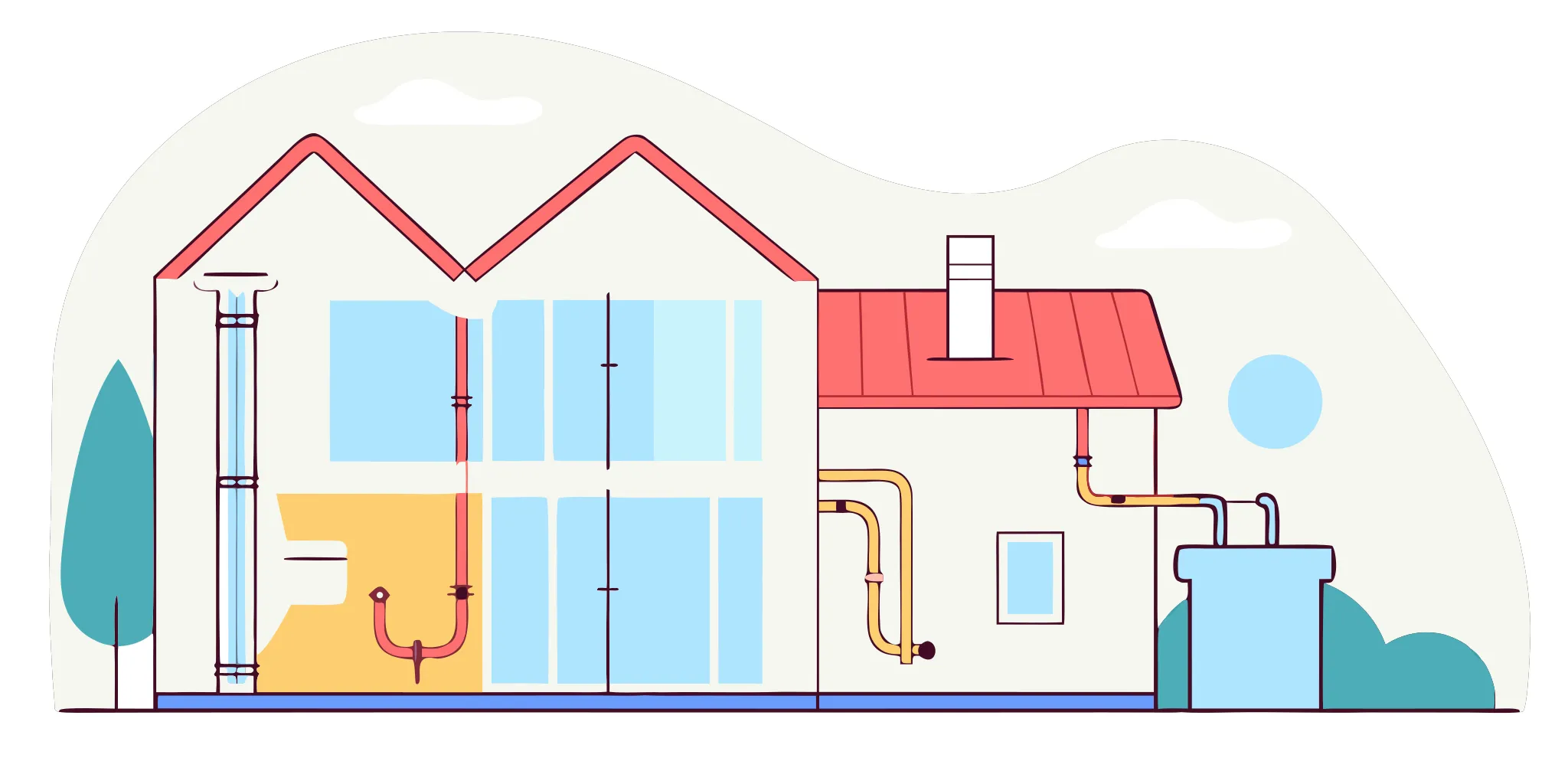
House diagram of plumbing pipes for the whole house repiping process.
Back to Blog
InsightsJune 26, 2026

Your Guide to the Whole House Repiping Process

Get clear answers on whole house repiping, from signs you need it to costs, materials, and what to expect during the repiping process in your home.

If your Space Coast home was built before the 1990s, there’s a good chance it has plumbing made from materials that are now well past their prime. Galvanized steel and polybutylene pipes, once common, are now known for corroding, clogging, and failing without warning. This isn't a matter of *if* they will cause a problem, but *when*. Instead of waiting for a catastrophic leak and the expensive water damage that follows, you can take control. A proactive **whole house repiping** is one of the smartest investments you can make to protect your property’s value and ensure its long-term health. ## Key Takeaways * **Know the signs of system failure**: Recurring leaks, low water pressure, and discolored water are not isolated incidents; they are symptoms of aging pipes. Addressing the entire system with a repipe is the permanent fix for these ongoing problems. * **Understand the factors that affect cost**: The final price for a repipe depends on your home's size, pipe accessibility, and your choice of material (like PEX or copper). The only way to get a reliable number is to schedule an in-home inspection for a detailed, upfront quote. * **Think of it as a home investment, not just a repair**: A [whole-house repipe](https://spacecoastcooling.com/plumbing-services/repiping/) is a proactive upgrade that prevents costly water damage, improves your home's resale value, and provides peace of mind. It solves the root problem instead of just patching the symptoms. ## What Is Whole-House Repiping? Whole-house repiping is exactly what it sounds like: a complete replacement of the supply pipes that deliver fresh water throughout your home. This isn't about patching a single leak. It’s a comprehensive project that swaps out all the old, aging hot and cold water lines, from the point where water enters your house to every faucet, shower, toilet, and appliance, with a brand new, reliable system. Think of it as giving your home’s circulatory system a total refresh. For many homeowners, especially those in older Florida properties, this process solves a whole host of recurring frustrations at once. If you’re tired of dealing with low water pressure, discolored water, or calling a plumber for yet another leak, repiping offers a permanent solution instead of a temporary fix. It’s a significant upgrade, but it’s also one of the smartest investments you can make in your property. A full repipe not only protects your home from the catastrophic water damage a burst pipe can cause but also preserves its value and gives you incredible peace of mind. You can finally stop worrying about what’s happening inside your walls and just enjoy clean, consistent, and dependable water from your [plumbing systems](https://www.veteranplumbing.us/whole-house-repiping-step-by-step-guide/). ### When Is It Time to Repipe Your Home? So, how do you know when it’s time to move from small repairs to a full repipe? Your house will usually give you some pretty clear hints. If you turn on the tap and see rusty, brown, or yellow water, that’s a sign your pipes are corroding from the inside. Other red flags include a noticeable drop in water pressure, water that tastes or smells strange, or constantly fluctuating water temperatures. If you feel like you’re fixing new leaks every few months, that’s another major indicator. It’s also wise to consider your home’s age. Many houses built before the 1980s were constructed with [outdated plumbing materials](https://therepipecompany.com/) like galvanized steel, which are now well past their expected lifespan. If you’re nodding along to any of these issues, it’s time to call a professional for an assessment. ## 6 Signs Your Plumbing Needs a Major Update Most of the time, your plumbing works silently in the background. But when it starts making its presence known, you should pay attention. While a single clog or minor drip might be a simple fix, some problems are symptoms of a much bigger issue brewing behind your walls. Ignoring these early warnings can lead to catastrophic failures, water damage, and expensive emergency calls. If you notice several of the following signs, your home might be telling you it’s time for a major plumbing update. ### 1. Your Water Is Rusty or Tastes Strange Your water should be clear, odorless, and tasteless. If you turn on the tap and see brown or rust-colored water, it’s a clear sign that your pipes are corroding from the inside out. This is common in older homes with galvanized steel pipes that are reaching the end of their lifespan. As the pipes decay, rust particles flake off into your water supply. You might also notice a metallic taste. If the discoloration only happens with hot water, your water heater could be the issue. But if it affects both hot and cold water, your pipes are the most likely culprit. ### 2. You're Constantly Fixing Leaks A single, isolated leak doesn't automatically mean your entire plumbing system is doomed. However, if you find yourself playing a constant game of whack-a-mole with leaks, it’s a serious red flag. Fixing a drip under the kitchen sink only to have a new one appear in the bathroom a month later suggests a systemic problem. This pattern indicates that your pipes are aging and becoming weak throughout the house. Instead of continuing to pay for temporary patches, it’s time to consider a more permanent solution. Our technicians can help pinpoint the source of a leak and assess the overall health of your system. ### 3. Your Water Pressure Is Weak or Inconsistent Do your showers turn into a disappointing trickle whenever someone flushes a toilet or runs the dishwasher? Low water pressure is more than just an annoyance; it’s often a sign that your pipes are clogged with years of mineral buildup and corrosion. This buildup narrows the interior of the pipes, restricting water flow and reducing pressure. While you might be able to clear a small section, the problem will persist if the blockage is widespread. A whole-house repipe is often the only way to restore strong, consistent water pressure throughout your home. ### 4. You Can See Corrosion on Exposed Pipes What you can see is often a good indicator of what you can't. Take a look at any exposed pipes you have, such as those under your sinks or in your garage or utility closet. Look for visible signs of trouble like flaking, rust spots, discoloration, or dimples. On copper pipes, you might see green staining, which points to a slow leak. If the pipes you can see are in bad shape, it’s very likely that the pipes hidden behind your walls and under your floors are in a similar or even worse condition. ### 5. Your Pipes Groan, Rattle, or Bang Your plumbing should operate quietly. Loud noises like groaning, rattling, or a sharp banging sound (known as a "water hammer") are signs of trouble. These sounds can be caused by a number of issues, from improperly secured pipes to sudden changes in water pressure that put a strain on the entire system. While securing a loose pipe might solve a simple rattle, persistent and loud noises often point to more significant problems that can stress your pipes and lead to weak spots or failed joints over time. ### 6. You Have Old, Outdated Pipe Materials The age of your home and the material of your pipes are huge factors in their longevity. If your home was built before the 1960s, you might have galvanized steel pipes, which are prone to corrosion and clogging. Homes built between the late 1970s and mid-1990s may have polybutylene pipes, a material notorious for becoming brittle and failing suddenly without warning. If you know your home has these outdated materials, it’s not a question of *if* they will fail, but *when*. Proactively planning for a whole-house repipe can save you from the headache and expense of a sudden plumbing disaster. ## PEX, Copper, or CPVC: Choosing the Right Pipes for Your Home One of the biggest decisions you'll make during a repiping project is which material to use for your new plumbing system. The three most common options you’ll hear about are PEX, copper, and CPVC. Honestly, there’s no single "best" choice that works for every home. The right material for you depends on your budget, the layout of your house, and what you value most, whether that's long-term durability or a lower upfront cost. Understanding the basics will help you have a much more productive conversation with your plumber about what’s right for your specific situation. For many Florida homeowners, the primary concerns are preventing future leaks and choosing a material that can stand up to the corrosion that our local water supply can sometimes cause. Each pipe type tackles these challenges differently. PEX is a flexible, modern option that’s quick to install with minimal disruption. Copper is the classic, ultra-durable choice with a long history of reliability. And CPVC stands out as a solid, budget-friendly plastic pipe that won't rust. We’ll break down the pros and cons of each below so you can feel confident in your choice. A professional plumber can inspect your home’s layout and discuss your priorities to give you a clear repiping recommendation tailored to your needs. ### PEX: The Flexible Option PEX (cross-linked polyethylene) has become a favorite for repiping projects, and for good reason. It’s a flexible plastic tubing that can bend around corners, which means our technicians can often install it with fewer fittings and less disruption to your walls. This flexibility makes for a faster, more efficient installation process. PEX is also highly resistant to rust, corrosion, and scale buildup, which is a huge plus for maintaining clean water flow over time. Because it’s less expensive than copper and requires less labor to install, PEX is often a very cost-effective solution for a full home repipe. ### Copper: The Durable Classic For decades, copper was the gold standard for plumbing, known for its incredible strength and longevity. Copper pipes can easily last for 50 years or more, making them a long-term investment in your home’s health. They are naturally resistant to bacteria and can withstand high temperatures and pressure without issue. The main drawbacks are cost and installation time. Copper is a more expensive material, and installing it is a craft that requires a skilled plumber to carefully cut and solder each joint. Still, for homeowners who prioritize maximum durability, the [proven performance of copper](https://www.copper.org/applications/plumbing/) is hard to beat. ### CPVC: The Budget-Friendly Choice CPVC (Chlorinated Polyvinyl Chloride) is a rigid plastic pipe that offers a reliable and affordable alternative to copper. Unlike standard PVC, CPVC is specially treated to handle both hot and cold water safely. It’s completely immune to rust and corrosion, making it a solid choice for areas with aggressive water conditions. While it’s not flexible like PEX, CPVC is lightweight and its joints are sealed with a simple solvent cement, making installation quicker and less labor-intensive than copper. For homeowners looking for a dependable, no-frills repiping solution that fits a tighter budget, CPVC is an excellent and time-tested option. ## How Much Does It Cost to Repipe a House? Let's talk about the big question: what’s the investment for a whole-house repipe? It’s a significant project, so it’s smart to have a clear picture of the budget. For a typical 1,500-square-foot home, you can generally expect the cost to range from **$4,500 to $12,000**. That’s a wide range because the final price tag isn't one-size-fits-all. It depends on several key details about your home and the project itself. The good news is that you have control over some of these factors. From the type of pipes you choose to the contractor you hire, your decisions will shape the final cost. Understanding these variables will help you plan your budget and ensure you’re making a smart, long-term investment in your home’s health and safety. Below, we’ll break down the main factors that influence the cost of repiping your home. ### What Factors Influence the Price? The total cost of a repiping project is shaped by a few key variables. Think of it like a recipe, where each ingredient adds to the final result. The size of your home and the number of bathrooms and water fixtures (sinks, showers, toilets) are major components, as more fixtures mean more pipes and more labor. Another big factor is how easy it is for plumbers to get to your existing pipes. If they’re tucked away in tight crawl spaces or behind concrete, the job becomes more complex. Finally, you’ll want to clarify if post-project repairs, like fixing drywall and painting, are included in the initial quote, as these can [influence the final price](https://www.repipesolutionsinc.com/how-much-does-it-cost-to-replumb-a-1500-square-foot-house-in-2026/) if billed separately. ### Your Choice of Pipe Material The material you select for your new pipes is one of the biggest decisions affecting your budget. PEX (cross-linked polyethylene) is a popular modern choice because it’s flexible, durable, and generally more affordable to install. On the other hand, copper has been a trusted material for decades and is known for its long lifespan, but it comes with a higher price tag for both materials and labor. A home repiped with copper can often cost between **$9,000 and $12,000**. Each material has its pros and cons, so it’s important to discuss with your plumber which option is the best fit for your home and budget. ### The Size and Layout of Your Home It makes sense that the bigger your house, the more the project will cost. A larger home simply requires more piping and more hours of labor to install it. But it’s not just about square footage. The layout of your home also plays a significant role. A sprawling single-story home or a multi-story house with bathrooms on opposite ends will require more intricate plumbing runs than a compact home where the kitchen and bathrooms are clustered together. This complexity directly impacts the amount of material needed and the time it takes our technicians to complete the job correctly. ### How Easy It Is to Access the Pipes How easily can a plumber reach your pipes? The answer to this question has a direct impact on labor costs. If your pipes are located in an open basement or an accessible crawl space, the job is much more straightforward. However, in many Florida homes, pipes are hidden behind drywall, above ceilings, or even under a concrete slab foundation. When pipes are hard to reach, our team needs to carefully cut access points in walls or ceilings. This adds time and complexity to the project, which in turn affects the overall cost. A thorough initial inspection helps us map out the most efficient plan with minimal disruption. ### Permit Fees in Your Area A whole-house repipe is a major plumbing job, and it requires a permit from your local municipality to ensure the work is done safely and up to code. Here on the Space Coast, whether you're in Melbourne, Titusville, or Palm Bay, this is a standard part of the process. Permit fees typically range from **$50 to $500**, depending on your city's regulations. While it might seem like just another fee, this step is crucial. It ensures a licensed inspector will verify that your new plumbing system is installed correctly, protecting your home and your investment. A professional plumbing company will handle the entire permitting process for you. ### Drywall Repair and Finishing When your pipes are hidden behind walls, we have to create openings to access and replace them. This brings up an important question: who fixes the walls afterward? Some plumbing companies consider their job done once the new pipes are in, leaving you to find another contractor for drywall repair, texturing, and painting. This can lead to unexpected costs and delays. At Space Coast Cooling & Plumbing, we believe in finishing the job right. Be sure to ask any contractor you're considering if their quote is all-inclusive. We provide upfront pricing that clarifies exactly what is covered, so you aren't left with any surprises. ### How to Manage the Investment A whole-house repipe is a valuable upgrade, but we understand it's also a significant financial decision. The best way to start is by getting a clear, detailed estimate. We offer a free, no-obligation quote where one of our experienced technicians will assess your home’s specific needs and provide you with upfront pricing. This gives you a precise number to work with, not just a ballpark guess. For homeowners who need flexibility, we also offer [financing options](https://www.spacecoastcooling.com/financing/) to help manage the cost. This allows you to get the necessary work done now to protect your home from leaks and water damage, while paying for it over time in manageable installments. ## The Repiping Process from Start to Finish Thinking about a whole-house repipe can feel like a huge undertaking, but a professional team breaks it down into a clear, manageable process. Knowing what to expect at each stage can make the entire project feel much smoother. From the first look at your old pipes to the final walkthrough, here’s how we get the job done right. ### Step 1: Assessment, Planning, and Permitting The project begins with a thorough inspection of your current plumbing system. A technician will evaluate your pipes for signs of corrosion, leaks, and low water pressure to confirm what needs replacing. We’ll discuss your options for new pipe materials, like PEX or copper, and help you choose the best fit for your home and budget. Next, we create a detailed plan that maps out the most efficient path for the new pipes, aiming for the smallest possible impact on your walls and ceilings. If your project requires it, we also handle the entire permitting process with your local municipality to ensure all work is fully compliant and up to code. ### Step 2: Protecting Your Home and Removing Old Pipes On the first day of work, our priority is protecting your home. We lay down drop cloths and plastic sheeting to cover your floors, furniture, and belongings, keeping everything clean and safe from dust and debris. Before we start, we’ll give you a heads-up so you can prepare for the main water supply to be shut off. Once your home is prepped, our team will drain the remaining water from the old system. Then, we carefully cut and remove the old, failing pipes from your walls, ceilings, and crawl spaces, making way for your brand-new plumbing. ### Step 3: Installing Your New Plumbing System With the old pipes gone, we begin installing your new plumbing system according to the plan. Our technicians run the new lines, securing them properly with hangers and supports to prevent rattling noises and sagging over time. Using a flexible material like PEX often means we can install long, continuous runs that reduce the number of connection points, which in turn minimizes potential leak spots. We then connect the new pipes to all your fixtures and appliances, including your sinks, toilets, showers, washing machine, and water heater. Every connection is made with precision to create a durable, reliable system built to last for decades. ### Step 4: Testing, Final Inspection, and Restoration Once the new pipes are in, we don’t just turn on the water and leave. First, we conduct a rigorous pressure test on the entire system to guarantee every single connection is watertight and leak-free. We then turn the water back on and check the flow and pressure at every faucet to ensure everything is working perfectly. After the plumbing passes inspection, we professionally patch and texture any drywall we had to open, preparing it for paint. Finally, we’ll do a walkthrough with you to explain the work we did and answer any questions, ensuring you’re completely satisfied with your new plumbing system. ## What to Expect During a Repiping Project The thought of replacing all the pipes in your home can feel overwhelming, but knowing what the process involves can make it much less stressful. A whole-house repipe is a major project, but it doesn't have to be a chaotic one. When you work with a professional team, the entire job is carefully planned to minimize disruption and get your home back to normal as quickly as possible. From the moment we start, our goal is to keep you informed. We'll walk you through the timeline, explain where we need to work, and make sure you know what to expect each day. Think of it as a short-term inconvenience for a long-term solution that protects your home from leaks, water damage, and poor water quality for decades to come. We'll cover your floors, protect your furniture, and clean up our work areas daily. The key is clear communication and a systematic approach, which is exactly what you can expect from our experienced plumbers. ### How Long Does Repiping Usually Take? One of the first questions homeowners ask is about the timeline. For an average-sized home, around 1,500 square feet, the actual repiping work can often be completed in just one to three days. Larger homes or those with more complex layouts, like multi-story houses or properties with tricky access points, might take a bit longer. Before any work begins, our team will provide you with a detailed and realistic timeline based on your home’s specific needs. We coordinate everything, from the initial pipe installation to the final city inspections, to ensure the project moves along efficiently. Our goal is to get your water running through brand-new, reliable pipes with as little downtime as possible. ### Expect Some Noise and Water Shut-Offs Let’s be honest: a repiping project isn't silent. You can expect to hear some noise as our team works to remove old pipes and install the new system. This typically involves cutting, drilling, and securing the new pipes in your walls, ceilings, or crawlspace. The most significant part of the process for your daily routine is the water shut-off. To safely replace the pipes, we will need to turn off your home's main water supply. However, we will never surprise you. Our team will communicate with you in advance to schedule the shut-off, giving you plenty of time to prepare by storing water for drinking, cooking, and flushing toilets. We work efficiently to minimize this period and restore your water service as soon as the new system is ready for testing. ### Dealing with Drywall Openings and Repairs To replace pipes hidden behind your walls and ceilings, we need to be able to access them. This means our plumbers will need to make careful, strategic cuts in your drywall. We know this part can cause some anxiety, but our approach is to be as minimally invasive as possible. We map out your plumbing system to identify the most direct access points, which allows us to make small, precise openings rather than removing large sections of your wall. Once the new pipes are installed and have passed inspection, the job isn't finished until your home looks like we were never there. The process includes patching any drywall we opened, re-texturing the surface to match the surrounding area, and preparing it for paint, leaving you with a clean, seamless finish. ### How the Project Affects Your Daily Routine A repiping project is certainly disruptive, but it shouldn't turn your life completely upside down. While the water is off and plumbers are in your home, your daily routine will need to adjust. You might plan for takeout on a day when the kitchen plumbing is being replaced or arrange to be out of the house during the noisiest parts of the day. Our team does everything possible to lessen the impact. We lay down protective coverings on your floors, seal off work areas to contain dust, and clean up thoroughly at the end of each day. We work with you to create a plan that accommodates your family’s schedule, ensuring you always know what’s happening and which parts of the house will be affected. ## Is Repiping Your Whole House Worth It? Deciding to repipe your entire home is a big decision, and it’s one that shouldn’t be taken lightly. It’s a significant project that involves investment and some temporary disruption to your daily life. So, it’s completely understandable to ask: is it really worth it? While the upfront cost can seem daunting, viewing a repipe as a long-term investment in your home’s health and your own peace of mind can change the perspective. It’s about trading the constant stress of wondering when the next leak will spring for the security of a brand-new, reliable plumbing system. Think of it as a permanent solution to a recurring problem. Instead of putting band-aids on aging, failing pipes, you’re addressing the root cause of the issue. A whole-house repipe can protect your home from devastating water damage, improve your water quality, and even increase your property’s value. When you weigh the cost of the project against the potential cost of emergency repairs, water damage restoration, and the endless cycle of plumbing patch-ups, the value of starting fresh with new pipes becomes much clearer. It’s a proactive step that secures your home for decades to come. ### Increase Your Home's Resale Value When it’s time to sell, a home with brand-new plumbing stands out. Potential buyers are often wary of older homes, fearing hidden problems and expensive repairs lurking behind the walls. A recent repipe is a powerful selling point that signals your home is well-maintained and move-in ready. It gives buyers confidence and peace of mind, which can make your property much more [appealing to buyers](https://www.repipesolutionsinc.com/how-much-does-it-cost-to-replumb-a-1500-square-foot-house-in-2026/) and help it sail through the inspection process. In a competitive market, having new pipes can be the feature that sets your home apart and justifies your asking price. It might even lead to lower homeowners insurance premiums for the new owner, adding another layer of value. ### Lower Your Water Bills and Future Repair Costs Old, corroded pipes are often a source of hidden leaks that slowly drip away, wasting water and driving up your utility bills. A whole-house repipe eliminates these efficiency problems. Modern materials like PEX are resistant to the pinhole leaks and corrosion that plague older galvanized or copper pipes. By replacing your entire system, you’re not just fixing one problem; you’re preventing countless future ones. This proactive approach helps you avoid the high cost of emergency water damage restoration and repeated service calls. Investing in new pipes can [improve your home's plumbing system](https://therepipecompany.com/) and save you a significant amount of money and stress over the long term. ### Repiping vs. Making Small, Temporary Repairs When a leak appears, the most common advice is often to patch the problem and move on. Many people suggest just fixing the current leak and waiting to see if more issues arise before committing to a full repipe. While this might seem like the most affordable option at the moment, it can quickly become a costly and frustrating cycle. In a home with aging pipes, one leak is often a symptom of a system-wide failure. You fix one spot, and a few months later, another weak point gives way. These repeated service calls, drywall repairs, and the constant worry can add up, ultimately costing you more in time, money, and stress than a planned repiping project. ## How to Choose the Right Plumber for Your Repiping Project A whole-house repipe is a major home improvement project, and the single most important decision you'll make is choosing the right team to handle it. This isn't a task for a general handyman or a plumber who only dabbles in small repairs. Repiping requires a specific skill set, a coordinated team, and a deep understanding of your home's structure and plumbing system. The right plumber will not only install your new pipes correctly but will also manage the project efficiently, protect your home, and communicate with you every step of the way. Think of it as hiring a project manager for your home’s circulatory system. You want a team that is organized, experienced, and completely transparent. They should be able to walk you through the entire process, from the initial assessment to the final patch of drywall, so you know exactly what to expect. A great plumbing partner turns a potentially stressful renovation into a smooth, predictable process, leaving you with a reliable plumbing system that will serve your family for decades. The peace of mind that comes from knowing the job was done right is priceless. ### Confirm They Are Licensed, Experienced, and Insured These three things are non-negotiable. First, a valid license proves the plumber meets Florida's standards for safety and competence. You can and should [verify a contractor's license](https://www.myfloridalicense.com/wl11.asp) online to be sure. Second, ask about their specific experience with whole-house repiping projects in homes like yours. A company that performs repipes regularly will have a streamlined process to minimize disruption. Finally, proper insurance protects you and your home from any accidental damage or on-the-job injuries. Never hesitate to ask for proof of all three; a professional company will have them ready. ### Ask About Upfront Pricing and Financing Options Let's be honest, cost is a major factor in any big home project. A trustworthy plumber will understand this and provide a clear, detailed, and upfront price quote in writing. This helps you avoid surprise charges and hidden fees later on. Be wary of any company that gives you a vague estimate over the phone without first inspecting your home. Because repiping is a significant investment, many reputable companies offer [flexible financing options](https://www.spacecoastcooling.com/financing/) to help you manage the cost without straining your budget. This allows you to get essential work done now and pay for it over time. ## Related Articles * [Repiping Services in Cocoa, FL | Whole-Home Pipe Replacement](https://spacecoastcooling.com/plumbing-services/repiping/) * [Cocoa, FL, Pipe Repair](https://spacecoastcooling.com/plumbing-services/pipe-repair/) * [FAQs | Space Coast Cooling & Plumbing, Inc.](https://spacecoastcooling.com/faq/) * [Cocoa, FL, Water Line Repair Services](https://spacecoastcooling.com/plumbing-services/water-line-repair-replacement/) * [Can a Water Heater Cause Low Water Pressure in Your Home?](https://spacecoastcooling.com/can-a-water-heater-cause-low-water-pressure/) ## [Frequently Asked Questions](https://spacecoastcooling.com/faq/) **How do I know if I need a full repipe or just a simple repair?** That’s a great question, and the answer usually comes down to patterns. A single, isolated leak can often be fixed with a straightforward repair. However, if you're dealing with recurring problems like multiple leaks popping up in different places, consistently low water pressure, or water that looks rusty, your home is likely telling you the entire system is aging. A whole-house repipe is a permanent solution for these systemic issues, while a simple repair is just a temporary patch on a much larger problem. **Will I be able to stay in my home while the work is being done?** Yes, you can absolutely stay in your home during the project. While there will be some temporary disruptions, a professional team works hard to minimize the impact on your daily life. You can expect some noise during the day, and we will need to shut off the water for periods of time. We always communicate this schedule with you in advance so you can plan accordingly. Our crew makes sure to protect your belongings and cleans up the work areas at the end of each day. **Are you going to have to destroy all of my walls to replace the pipes?** This is a common worry, but rest assured, the process is much less destructive than you might think. We don't tear down entire walls. Instead, our experienced plumbers make small, precise openings in the drywall at strategic locations to access the old pipes and install the new ones. Our goal is always to be as minimally invasive as possible. After the new plumbing is installed and tested, we professionally patch and texture these openings, leaving your walls ready for a fresh coat of paint. **What happens if I just ignore the warning signs and wait?** Waiting might seem like the easier option, but it's a gamble that can have very expensive consequences. The signs of failing pipes, like corrosion and frequent leaks, don't get better on their own; they only get worse. Putting off a repipe means you're living with the risk of a sudden pipe burst, which can cause catastrophic water damage to your floors, walls, and furniture. A planned repipe project is far less stressful and costly than dealing with an emergency flood and the complex restoration that follows. **Is one type of pipe material, like PEX or copper, truly better than the others?** There isn't one single "best" material for every home, as the right choice depends on your priorities and budget. PEX is a modern, flexible plastic that is cost-effective and resists corrosion, making it a very popular choice. Copper is a classic, incredibly durable material known for its long lifespan, but it comes with a higher price tag. CPVC is another reliable plastic option that is budget-friendly and immune to rust. We can discuss the pros and cons of each during an inspection to help you select the perfect fit for your home's needs.
Available 24/7

Call the Experts that Local Homeowners Rely On

When you need home services, you want answers you can trust and work you can count on. Space Coast Cooling & Plumbing is the plumbing and HVAC company in Cocoa, FL, that brings decades of local experience, licensed professionals, and customer-first service to every job. One call connects you with a team ready to help.

Licensed & InsuredServing Cocoa Since 1994Honest, Upfront PricingSame-Day Service Available